AvtoVAZ presented the LADA Azimut, which is actually a Geely Boyue Cool crossover
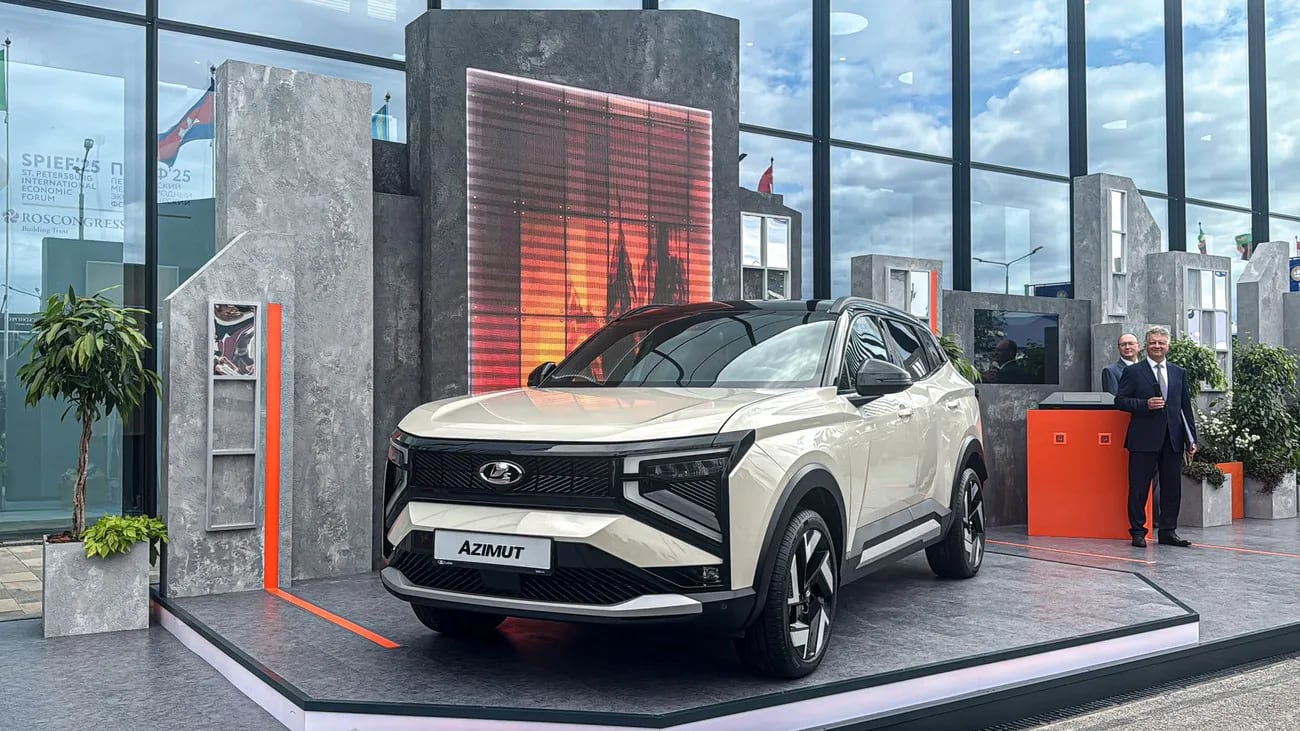
AvtoVAZ has officially unveiled the model of its first crossover with the loud name LADA Azimut - obviously, to give at least a hint of the direction of development. The car was immediately labelled by the manufacturer as "the most modern of all the vehicles produced by AvtoVAZ since 1991". And it looks like a joke. Because in fact, this is the 2023 Geely Boyue Cool model (pictured below), also known as the Geely Cityray. It is the successor to the Geely Binyue and Geely Atlas in the Chinese manufacturer's car lineup. AvtoVAZ itself considers it the successor to the Lada Vesta.
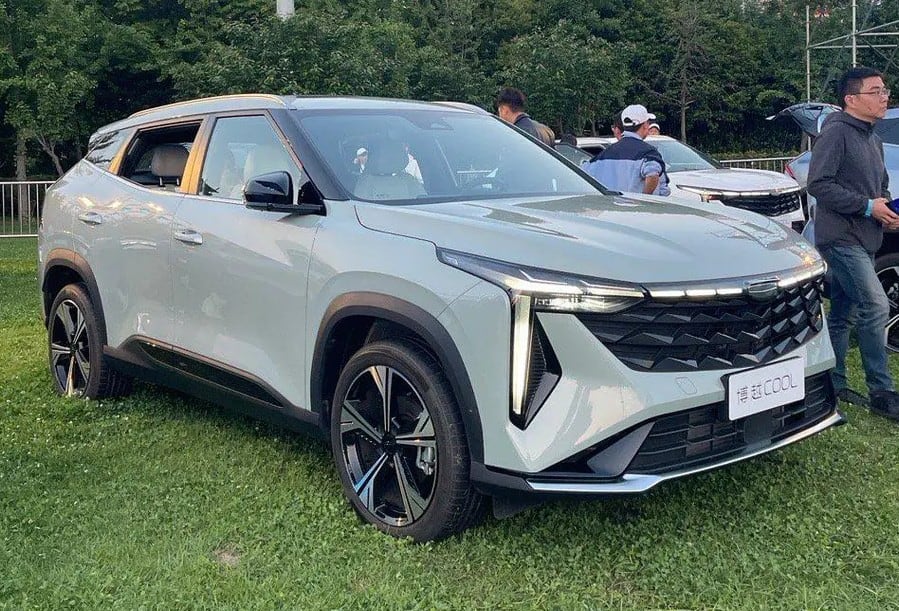
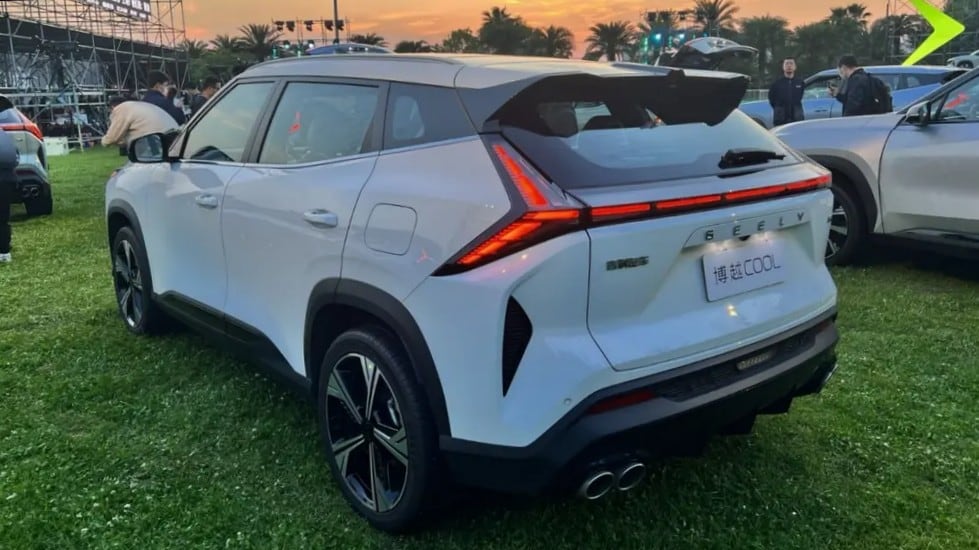

TheLADA Azimut Geely Boyue Cool has something like LED optics, a "everyone else is doing it" grille, and headlights that look at you with a mixture of determination and inner despair.
Context.
All of this is part of AvtoVAZ's attempt to get out of the technological tailspin that has been going on for years, with the last achievement being an "analogue" air conditioner. And now - a crossover. With front-wheel drive, of course. They call Azimut a "promising model" and "a symbol of a new stage", but we call it "it will be interesting to see if it makes it to mass production, scheduled for 2026.
The price of the new crossover from AvtoVAZ is still a secret, but they have already promised that it will be "affordable and cheaper than foreign analogues". In other words, it will be cheap, but not necessarily angry. According to Russian media, back in January, a model called Lada B+ Cross was shown to the Russian president personally. The idea was ambitious: to build the car on the Renault Duster platform, but after Renault left the Russian market due to the war, they had to remember the good old Lada Vesta and build a crossover on its basis.
After the start of the full-scale invasion of Ukraine, AvtoVAZ painfully realised that it was like being without hands without imports. The plants were shut down several times due to a lack of foreign parts. By the summer of 2022, production was somehow restarted - in simplified versions, with even fewer imported components than there is logic in the Russian economy.


