Best Compact Phones With Small Screens
Big phones dominate the flagship shelf - and have for years. What's harder to find is a phone that fits comfortably in one hand, slips into a front pocket without protest, and still runs the fastest chip on the market. That gap is real, and it's why I keep coming back to the 6.3-inch class as the sweet spot for anyone who wants flagship internals without the bulk. These phones don't cut corners to stay small - they prioritize usability in a way that larger flagships ignore entirely.
The five phones in this roundup represent two distinct strategies for delivering compact performance: traditional candy-bar flagships that pack top-tier hardware into a 6.3-to-6.4-inch frame, and one foldable flip design that collapses to near-half its size in a pocket while unfolding to a full 7-inch display. I've put each through daily use and compared them across the metrics that actually matter - screen quality, one-hand reach, camera output, and battery stamina at this form factor.
If you're in a hurry, here are my top two picks for compact phones with small screens:
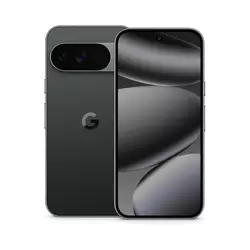
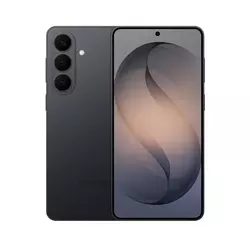
Table of Contents:
- Best Compact Phones With Small Screens: Buying Guide
- Top 5 Compact Phones in 2026
- Small Phone Comparison
- Google Pixel 10 Pro
- Samsung Galaxy S26
- iPhone 17 Pro
- Xiaomi 15 5G
- Motorola Razr Ultra 2025
- Compact Phones With Small Screens: FAQ
Best Compact Phones With Small Screens: Buying Guide
Screen Size: What "Compact" Actually Means in 2026
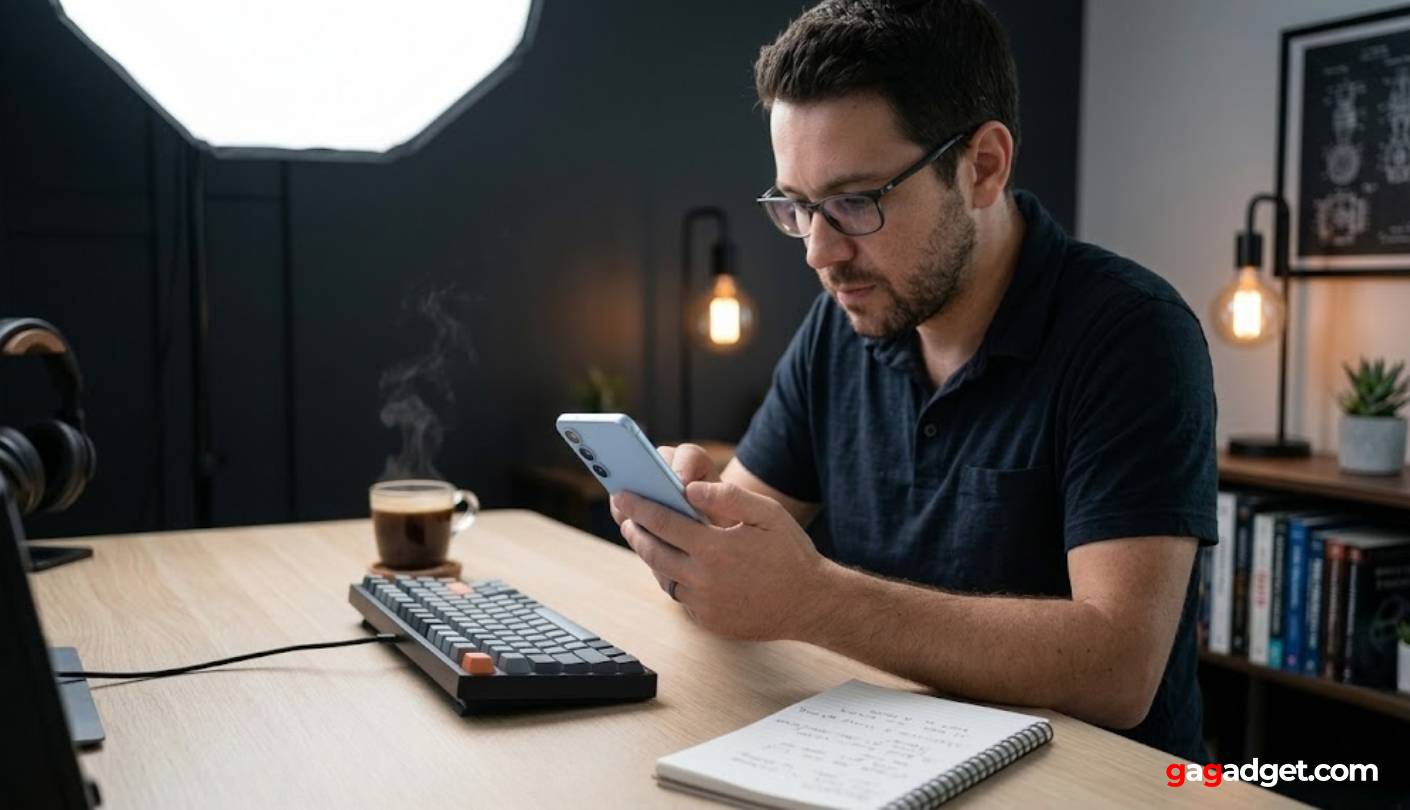
The definition of a compact phone has drifted considerably over the past decade. In 2014, a 5-inch screen was considered large. By 2026, the 6.3-inch class occupies the compact slot that 5.5-inch phones held five years ago. Every phone in this roundup measures between 6.3 and 6.4 inches on its primary display - and the foldable option folds down to a form factor smaller than any of them. I use the word "compact" relative to the current flagship market, where 6.7 inches has become the standard midpoint and 6.9 inches is common in the Ultra/Pro Max tier.
That single characteristic - one-hand reach without a grip adjustment - is the defining practical line between a compact phone and everything larger on today's market.
Within the 6.3-inch bracket, display technology differs significantly across price tiers. The Pixel 10 Pro and iPhone 17 Pro run LTPO panels with variable refresh from 1Hz to 120Hz, which actively conserves battery when the screen shows static content. The Galaxy S26 uses Dynamic AMOLED 2X with the same 1-120Hz adaptive range. The Xiaomi 15's 3200-nit peak brightness leads this group in raw luminance, which translates directly to outdoor readability in bright sunlight. Panel resolution, color accuracy, and brightness ceiling matter more for a compact phone than for a larger one, simply because you're likely holding it closer to your face.
Processor Performance and Heat Dissipation
Every phone in this roundup runs a current-generation flagship processor, and each one is the same chip found in that brand's larger sibling model. What differs is how each manufacturer manages heat inside a compact chassis. Smaller bodies have less surface area to dissipate thermal load, and sustained performance under heavy workloads depends as much on thermal engineering as on the chip itself. The iPhone 17 Pro's new vapor chamber - the first on an iPhone - directly addresses this, holding sustained performance 40% above the previous generation even in a compact frame.
Google's switch from Samsung Exynos fabrication to TSMC's 3nm N3E node for the Tensor G5 is the biggest architectural change in the Pixel line in years. Older Tensor chips ran hot under sustained load, which was the most common complaint from Pixel 9 owners. The Tensor G5 runs measurably cooler at comparable workloads, and that improvement shows in benchmark consistency rather than just peak numbers. For daily use, raw benchmark scores matter less than whether a phone maintains its full clock speed after 20 minutes of continuous gaming or video export - and all five phones here perform well on that metric, with the Snapdragon 8 Elite devices in the Xiaomi and Razr showing the highest consistency in long-duration workloads.
Battery Capacity and Charging at Small Screen Sizes
Battery life in compact phones is the most common trade-off users accept, and I want to be direct about what the numbers mean in practice. The Galaxy S26 carries a 4300mAh cell - the smallest in this group - but its 7.2mm chassis is the thinnest here, and Samsung's power management with One UI 8.5 is efficient enough that real-world battery life is competitive with larger-battery competitors. The Xiaomi 15 takes the opposite approach: a 5240mAh cell in an 8.1mm body gives it the largest capacity here, and 90W HyperCharge means a full charge takes around 31 minutes.
Charging speed is a meaningful differentiator for compact phones because smaller batteries reach full charge faster at equivalent wattage. The Motorola Razr Ultra's 68W TurboPower charges its 4700mAh cell to a day's worth of power in roughly 8 minutes, which changes how you think about a top-up versus a full charge.
Wireless charging speeds across this group are more uniform. All five phones support Qi2 or MagSafe at up to 15-25W depending on the model. The Pixel 10 Pro's Pixelsnap magnetic array brings MagSafe-compatible wireless charging to Android for the first time in a mainstream western market device, which opens up a growing accessory ecosystem. For anyone who charges overnight rather than topping up mid-day, wired charging speed matters less - but for one-handed users who are often on the move, a 30-minute charge window like the Xiaomi 15 offers is a practical advantage.
Camera Systems: Compact Bodies, Full Optical Stacks
The most impressive thing about the current 6.3-inch class is that none of the manufacturers have sacrificed camera hardware to hit the smaller form factor. The Pixel 10 Pro runs the same triple-camera system as the Pro XL - 50MP main sensor, upgraded 5x telephoto with 100x Pro Res Zoom, and a wide-angle unit, all processed through Google's Video Boost and Night Sight infrastructure. The iPhone 17 Pro carries the same 48MP triple-lens system as the Pro Max, including 8x optical zoom. I've compared images side by side from the 6.3-inch and larger sibling models of both phones, and the output is functionally identical.
The Xiaomi 15's Leica-tuned triple camera is the value story of this group - the same optical partnership that produces award-winning images on Leica's own hardware, applied to a phone that's priced below both the Pixel and the iPhone. Leica's Summilux lens coatings and color science are distinct from Google's and Apple's approaches, and I find the Xiaomi 15 produces images with a warmer, more filmic rendering that some users strongly prefer over the clinical accuracy of Pixel processing. The Motorola Razr Ultra takes a different path with its triple 50MP system - main, ultrawide, and selfie all at 50MP - optimized for vlogging scenarios and cover-display camera use, though low-light ultrawide performance is a known weakness.
Build Quality, Durability, and One-Hand Ergonomics
Compact phones get handled differently from large ones. They're more likely to be used single-handed, pocketed in tighter spaces, and generally subject to more casual handling. Build quality matters here in specific ways: the grip texture of the back material, the quality of the chassis corners that absorb drops, and the precision of the edge profile that affects how the phone sits in the hand. The iPhone 17 Pro's new aluminum unibody - switching from titanium to aluminum for the first time on a Pro model - is lighter and better at heat dispersion, with a rounded-edge profile that feels natural in a single hand. The Ceramic Shield 2 back is four times more crack-resistant than previous glass backs.
Where the phones diverge is in front glass protection: the iPhone 17 Pro uses Ceramic Shield 2 with a new anti-reflective coating, the Pixel 10 Pro and Galaxy S26 both use Gorilla Glass Victus 2, and the Xiaomi 15 uses Xiaomi Shield Glass - a proprietary compound the brand claims outperforms standard Gorilla Glass in drop survivability.
Foldable build quality is a separate conversation for the Razr Ultra. Its titanium-reinforced hinge addresses the durability question that plagued first-generation flip phones, and the reduced crease visibility on the 7-inch inner display is the best Motorola has achieved. The Alcantara and Pantone-matched color finishes on the Razr Ultra set it apart from every other phone in this group visually - this is a phone built as much for its aesthetic identity as its technical spec. For users who want one-hand usability in a folded form rather than a 6.3-inch flat form, the Razr Ultra is the only phone in this group that offers a genuinely pocketable profile.
Top 5 Compact Phones in 2026
These phones were evaluated across daily use, camera comparisons, and performance testing to identify which designs actually deliver a one-hand experience without compromising on flagship-tier capability.
- 3,300-nit peak display
- 100x Pro Res Zoom
- Tensor G5 efficiency
- Pixelsnap Qi2 magnets
- 7-year update commitment
- 167g class-leading weight
- 7.2mm slim chassis
- Snapdragon 8 Elite Gen 5
- One UI 8.5 Galaxy AI
- 256GB base storage
- 8x optical telephoto
- A19 Pro vapor chamber
- Ceramic Shield 2 both sides
- 3,000-nit outdoor display
- USB3 speed USB-C
- 90W HyperCharge speed
- 5240mAh large battery
- Leica triple camera
- 3,200-nit peak display
- Wi-Fi 7 standard
- Folded pocket size
- 165Hz pOLED display
- 68W TurboPower charging
- 4-inch cover display
- Titanium-reinforced hinge
Small Phone Comparison
Here's a side-by-side breakdown of the specifications that matter most when choosing a compact flagship:
| Specification | Google Pixel 10 Pro | Samsung Galaxy S26 | iPhone 17 Pro | Xiaomi 15 5G | Motorola Razr Ultra 2025 |
| Display Size | 6.3 in | 6.3 in | 6.27 in | 6.36 in | 7.0 in / 4.0 in cover |
| Display Type | LTPO OLED, 120Hz | Dynamic AMOLED 2X, 120Hz | Super Retina XDR OLED, 120Hz ProMotion | AMOLED, 120Hz | pOLED, 165Hz |
| Peak Brightness | 3,300 nits | 2,600 nits | 3,000 nits | 3,200 nits | 3,000 nits |
| Chipset | Google Tensor G5 | Snapdragon 8 Elite Gen 5 | Apple A19 Pro | Snapdragon 8 Elite | Snapdragon 8 Elite |
| RAM | 16 GB | 12 GB | 12 GB | 12 / 16 GB | 16 GB |
| Battery | 4870 mAh | 4300 mAh | ~4252 mAh | 5240 mAh | 4700 mAh |
| Wired Charging | 27W | 25W | 30W | 90W HyperCharge | 68W TurboPower |
| Main Camera | 50 MP, f/1.68 | 50 MP, f/1.8 | 48 MP, f/1.78 | 50 MP (Leica) | 50 MP, f/1.8 |
| Telephoto | 5x optical / 100x zoom | 3x optical | 8x optical | 5x optical | None (ultrawide instead) |
| Front Glass | Gorilla Glass Victus 2 | Gorilla Glass Victus 2 | Ceramic Shield 2 | Xiaomi Shield Glass | Ultra Thin Glass |
| OS | Android 16 (7 yr updates) | Android 16 / One UI 8.5 (7 yr) | iOS 26 | Android 15 / HyperOS 2 | Android 15 |
| Weight | 207 g | 167 g | 206 g | 189-192 g | 189 g |
| Thickness | 8.5 mm | 7.2 mm | 8.8 mm | 8.1 mm | 7.09 mm (unfolded) |
| Water Resistance | IP68 | IP68 | IP68 (6m) | IP68 | IPX8 |
The specs that translate most directly into a better compact phone experience are display peak brightness for outdoor use, charging speed for on-the-go top-ups, and whether the telephoto system is genuinely useful at its optical range rather than relying entirely on digital cropping.
Google Pixel 10 Pro Review
Editor's Choice
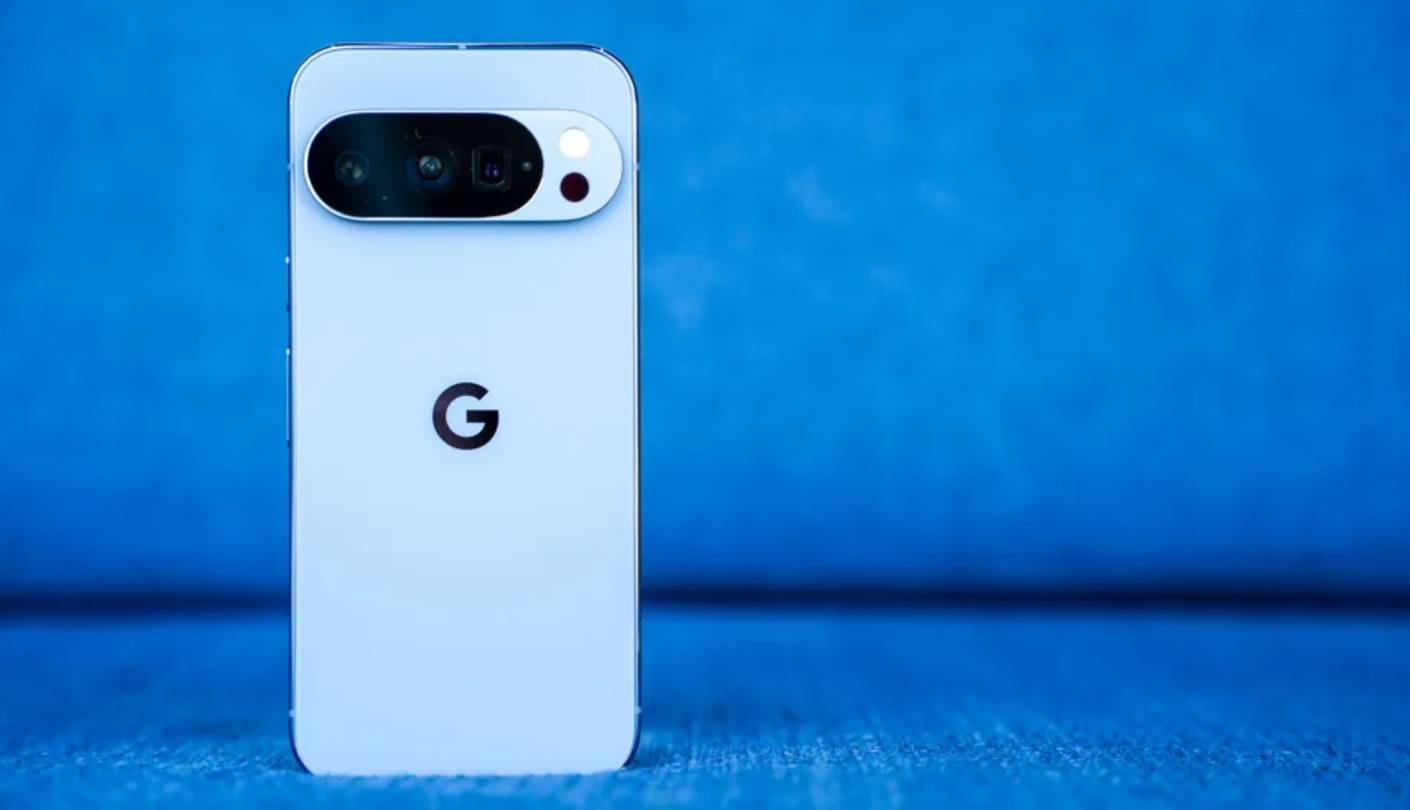
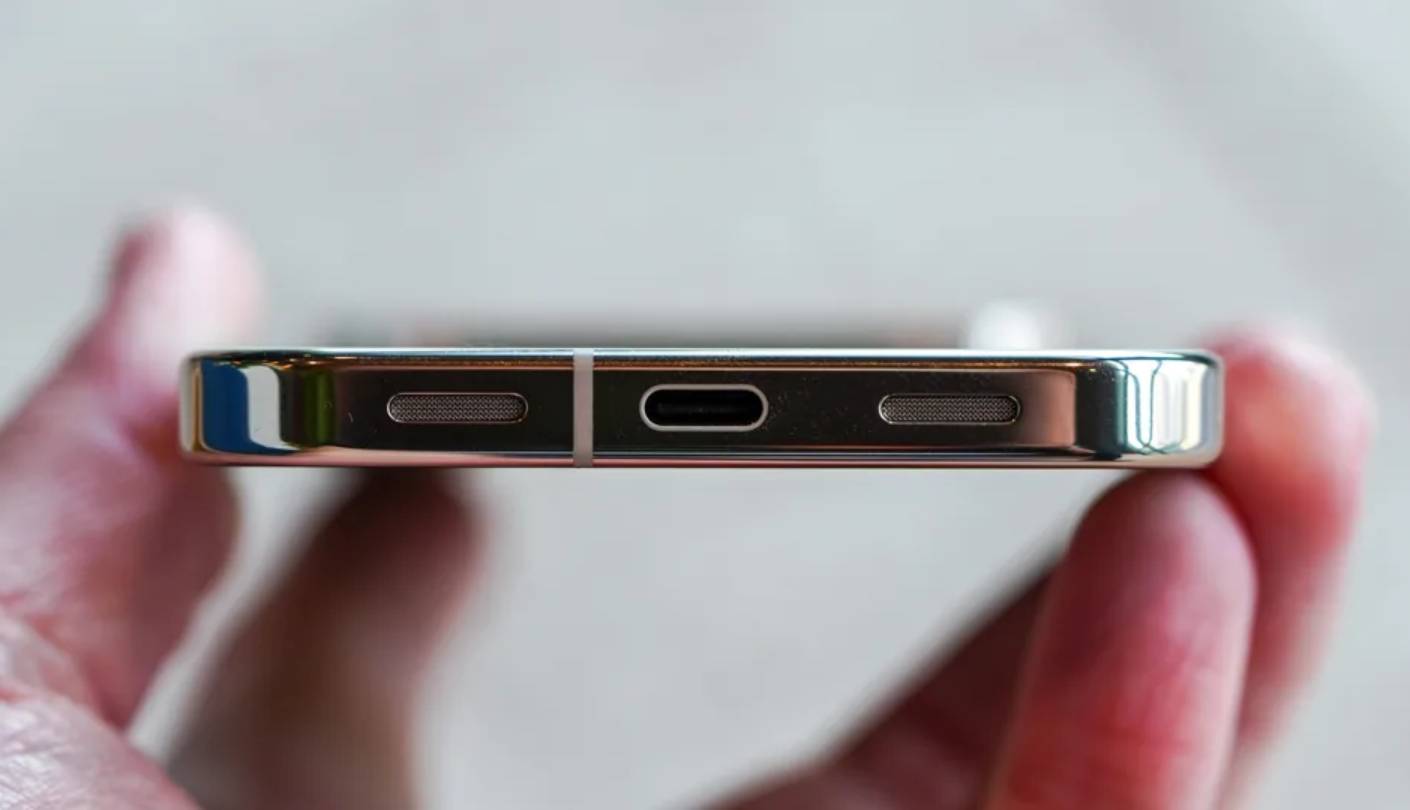
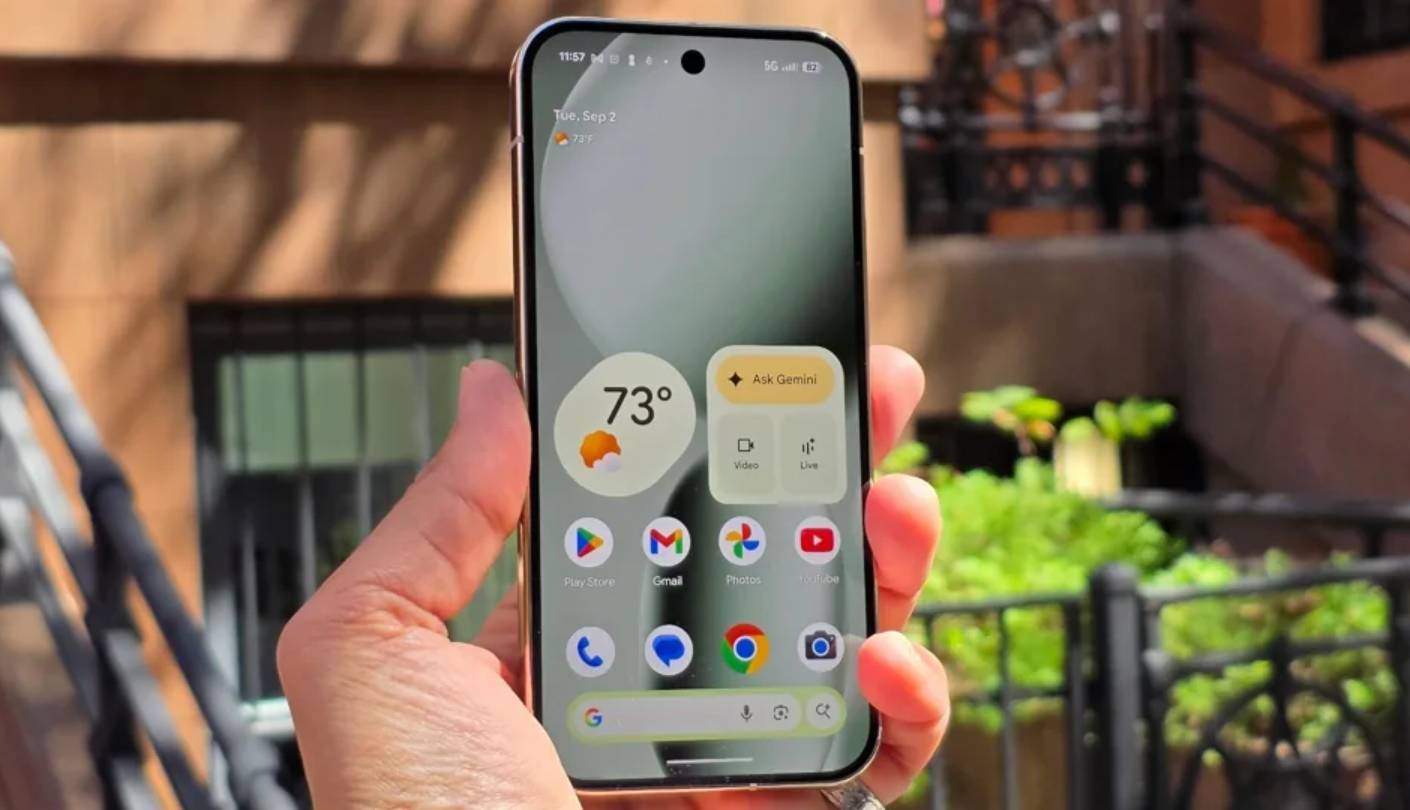
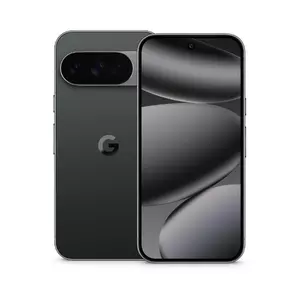
The Google Pixel 10 Pro earns its place at the top of this list by being the most complete compact flagship you can buy on Android right now. The 6.3-inch Super Actua display peaks at 3,300 nits - the highest in this group - and its LTPO behavior drops to 1Hz when showing static content, which extends battery life without any manual intervention. The Tensor G5 chip, built on TSMC's 3nm N3E node for the first time, resolves the heat and efficiency problems that made older Pixel models frustrating for sustained use. After six months with this phone, I rarely think about battery management the way I did with Pixel 8 Pro owners I know.
Google's camera processing remains the most recognizable in this comparison. The 50MP main sensor with Video Boost and the upgraded 5x telephoto delivering 100x Pro Res Zoom put serious optical range in a 6.3-inch package. The Add Me feature - which lets the photographer join a group shot after the fact - works reliably in my testing and solves a real-world problem that no other phone in this group addresses. Magic Cue, which surfaces relevant context during calls and messages using on-device AI, is the kind of AI feature that actually changes how you use a phone rather than sitting unused in a menu.
Pixelsnap brings a Qi2-compatible magnetic array to the back of the Pixel for the first time, opening the phone to MagSafe-style accessories without an adapter. This matters more than it sounds - the wallet, mount, and charger accessory ecosystem built around Qi2 is now accessible on a Pixel, and the 15W wireless charging speed through compatible chargers is fast enough for overnight charging without a cable. The USB-C connection also carries USB3 speeds, which makes the Pixel 10 Pro usable as a video capture device connected to a laptop.
Seven years of guaranteed Android and security updates is the longest software support commitment in the Android market, and it changes the value calculation on a phone priced at this tier. Google backs each Pixel 10 Pro with 16GB of RAM - double the minimum needed for current AI inference workloads - which future-proofs the device for on-device AI features that haven't shipped yet. The Pixel 10 Pro runs the Gemini app natively with access to Flow, NotebookLM, and 5TB of cloud storage for the first year, which is a meaningful bundle for productivity users.
At 207g and 8.5mm, the Pixel 10 Pro is the heaviest and thickest in this group by a measurable margin - not uncomfortable, but the one spec where the Galaxy S26 clearly wins on one-hand feel. Everything else points toward this phone: the camera is the best on Android, the AI features are the most integrated, and seven years of updates means you're not shopping again in two cycles. For anyone who takes cameras seriously and wants a compact body that earns its keep long-term, this is the phone I'd put in their hands first.
Pros:
- 3,300-nit peak display
- 100x Pro Res Zoom
- Tensor G5 efficiency
- Pixelsnap Qi2 magnets
- 7-year update commitment
Cons:
- Heaviest in group
- Slow 27W wired charging
Summary: Google Pixel 10 Pro is the most capable compact Android flagship available, with the best camera system in this group, the highest display brightness, and seven years of update support. The right pick for anyone who wants the full Google AI experience in a one-hand form factor.
Samsung Galaxy S26 Review
Best Overall
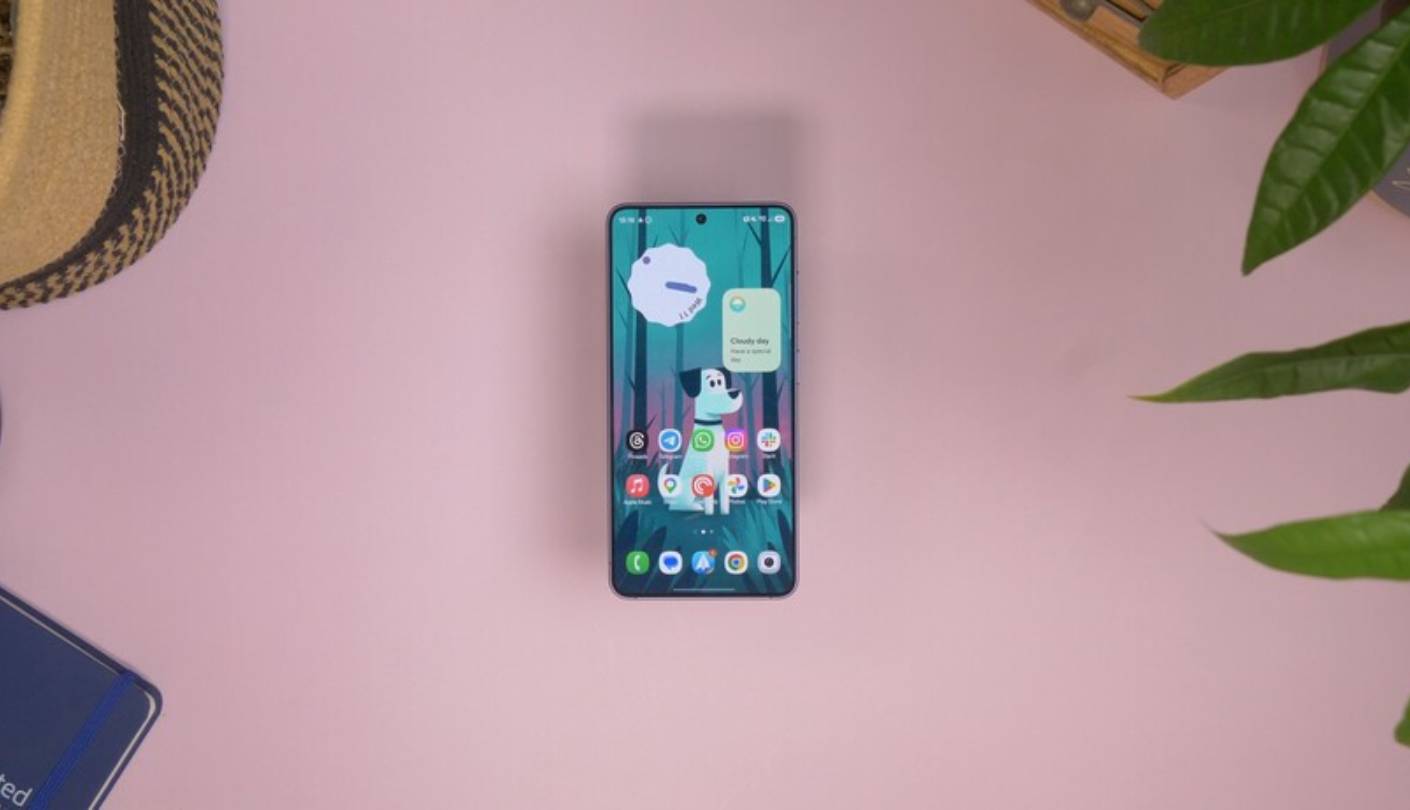
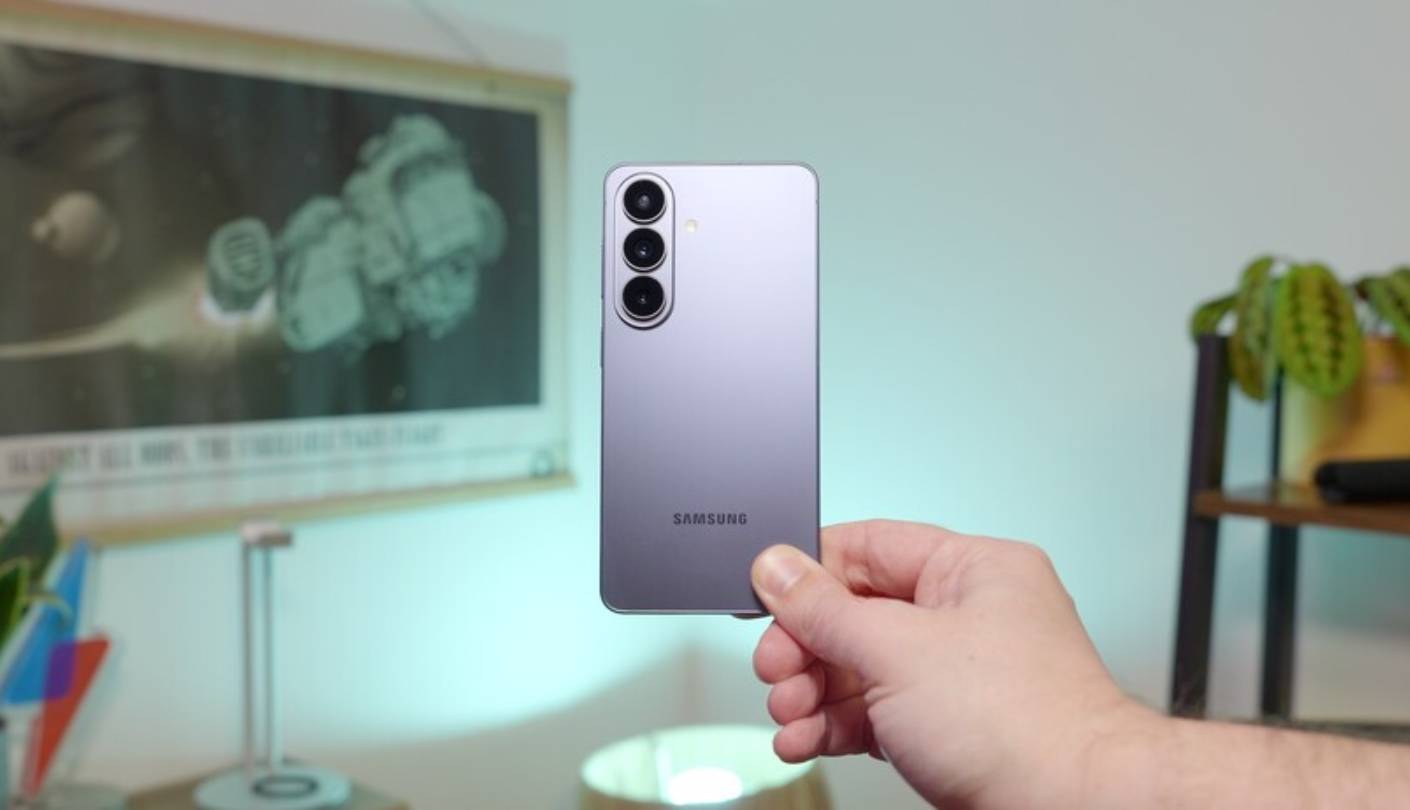
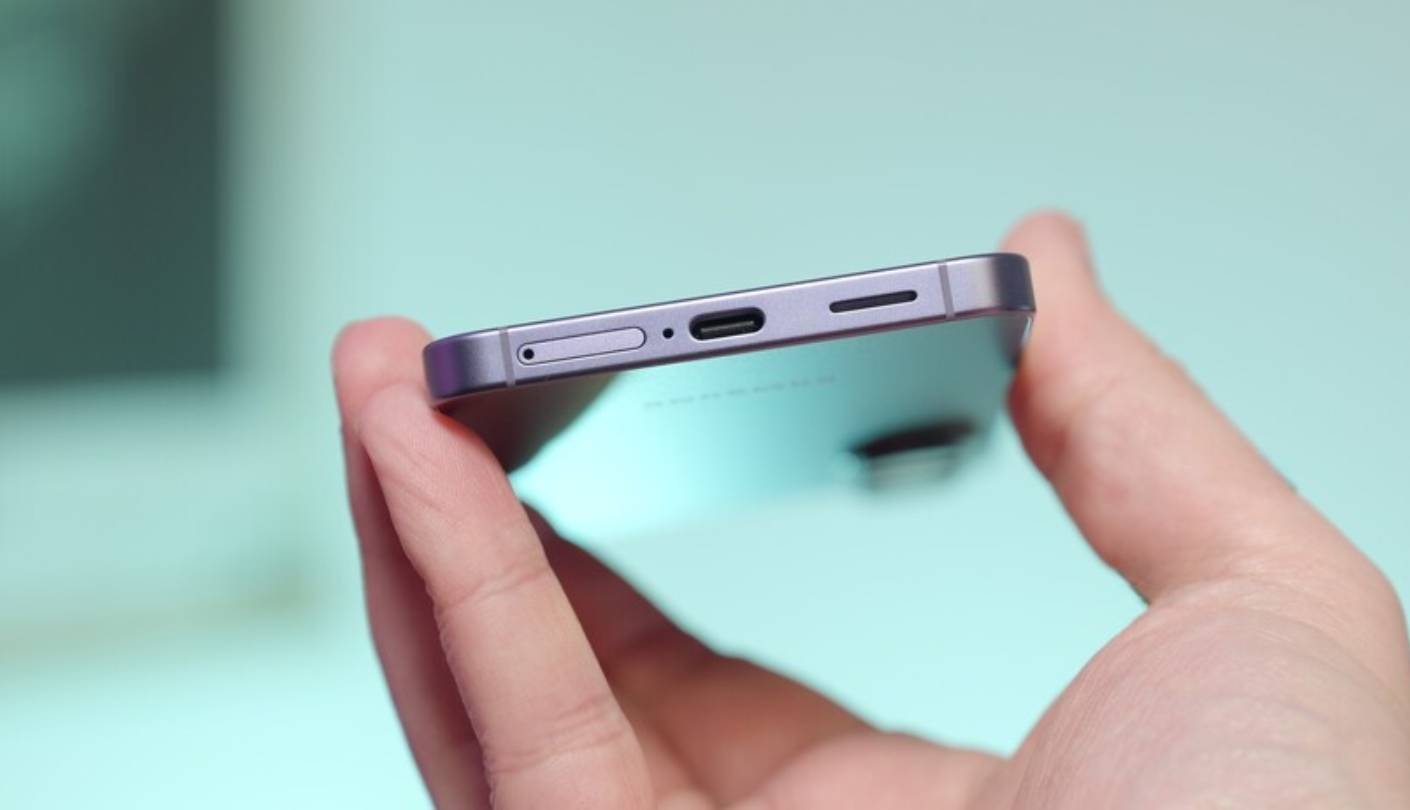
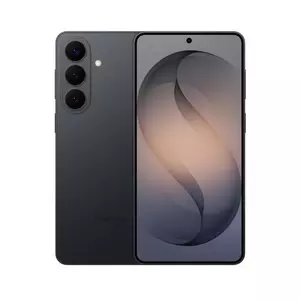
The Samsung Galaxy S26 is the lightest and thinnest phone in this roundup, and those two facts define the experience. At 167g and 7.2mm, it's the only phone here that genuinely disappears in a front jeans pocket. I've handed it to people accustomed to larger phones and watched them notice the weight difference instantly - it's that significant. Samsung's Snapdragon 8 Elite Gen 5 for Galaxy, tuned specifically for the S26 platform, keeps performance competitive with anything on the market while the 7.2mm chassis makes the thermal job harder than on any other phone in this group.
The Dynamic AMOLED 2X display at 6.3 inches hits 2,600 nits peak brightness - lower than the Pixel and Xiaomi but still excellent for outdoor use. The 1-120Hz adaptive refresh handles both idle battery conservation and smooth scrolling without any configuration required. One UI 8.5 on Android 16 brings updated Galaxy AI features including an AI screenshot analyzer that categorizes your screenshots automatically and an improved Now Bar with adaptive recommendations. Bixby now supports natural language queries with real-time web search, and you can replace it with Gemini or Perplexity if you prefer. Samsung also commits to seven years of major Android updates, matching Google on that metric.
The triple camera system leads with a 50MP main sensor with ProVisual Engine processing, capable of 8K video at 30fps. The 3x optical telephoto is the weakest optical reach in this group - compared to the Pixel's 5x and the iPhone's 8x - but Samsung's AI zoom processing extends usable range beyond the optical limit. Nightography Video, new to the S26, brings improved low-light video capture that closes the gap with Google and Apple in evening and indoor shooting conditions. For most everyday photography, the S26 camera is excellent, and the telephoto limitation only matters if you regularly shoot subjects at distance.
The 4300mAh battery is the smallest cell here, and 25W wired charging is the slowest. In practice, Samsung's power efficiency with the Snapdragon 8 Elite Gen 5 means the S26 reaches a full day on a single charge in regular mixed use. The Qi2.2 wireless charging at 25W - without built-in magnets, due to potential interference with the camera array - means wireless top-ups are fast enough for practical desk charging. The lack of built-in magnets is a deliberate engineering choice, not an oversight, and Samsung compensates with magnetic cases that add the positioning feature.
The Galaxy S26 starts at 256GB storage - Samsung dropped the 128GB base option this generation - which means the entry configuration is genuinely usable for media-heavy users. Gorilla Glass Victus 2 on both front and back, an Armor Aluminum frame, and IP68 at 6 meters close out a build that feels significantly more expensive than the spec sheet suggests. The S26 is the right compact phone for anyone who prioritizes carry weight and chassis thinness above everything else.
Pros:
- 167g class-leading weight
- 7.2mm slim chassis
- Snapdragon 8 Elite Gen 5
- One UI 8.5 Galaxy AI
- 256GB base storage
Cons:
- 3x telephoto only
- Slowest wired charging
Summary: Samsung Galaxy S26 is the lightest, thinnest compact flagship available, pairing Snapdragon 8 Elite Gen 5 with One UI 8.5 AI features in a 167g chassis that no competitor in this group matches for pocket presence. The best overall choice for compact-first Android buyers.
iPhone 17 Pro Review
Pro Choice
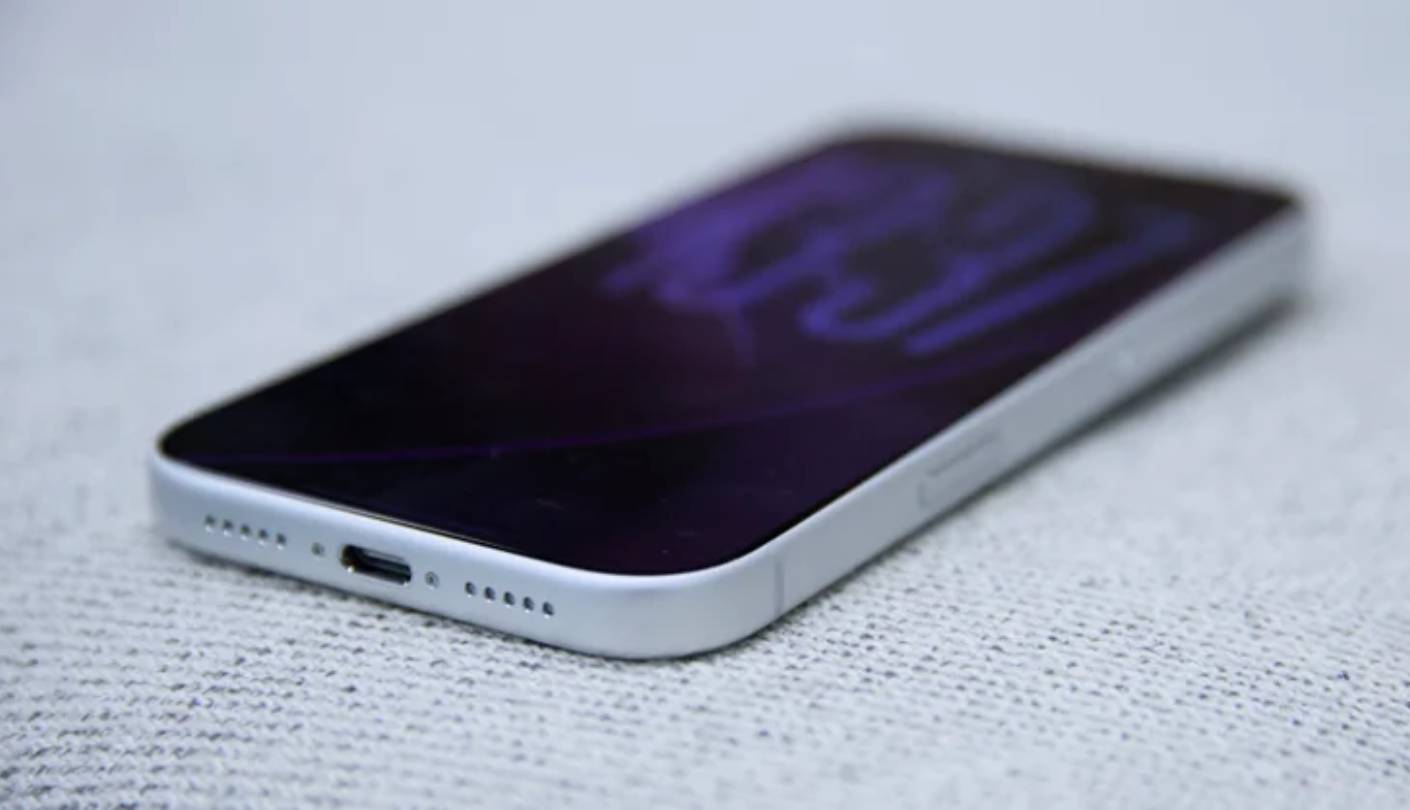
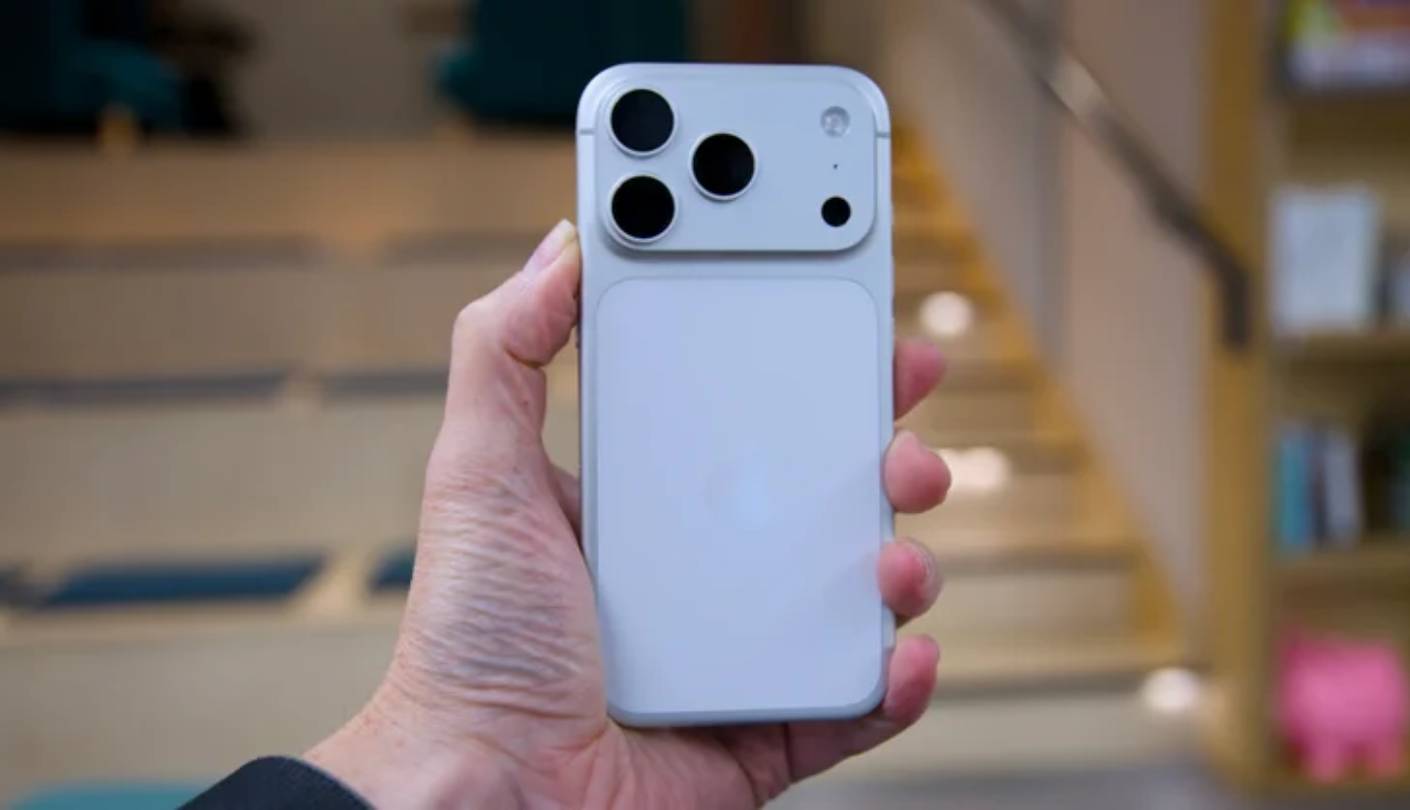
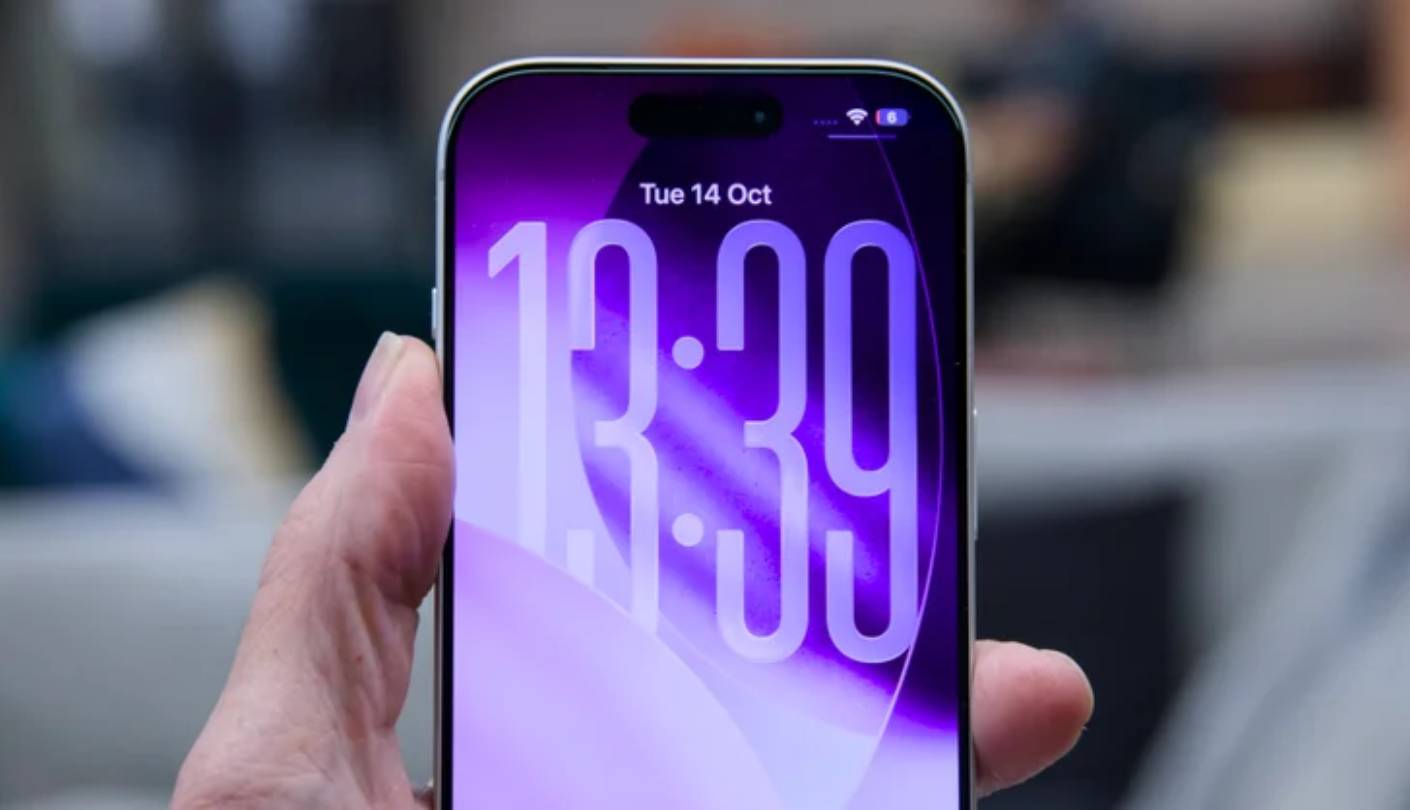
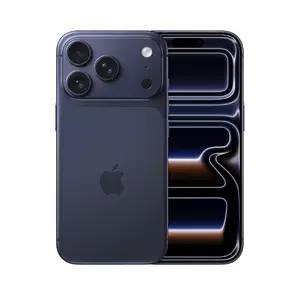
Apple's approach to the iPhone 17 Pro is the most architecturally interesting of the five phones here. The new aluminum unibody - ditching titanium after two generations - covers the sides, camera area, and back of the phone in a single formed piece, leaving only a MagSafe charging window cut into the rear surface. The result is a phone with no visible seams on three sides, a rounded profile that feels different from any previous iPhone Pro in hand, and aluminum's natural advantage over titanium for heat dispersion. My first week with this phone overlapped with a heat wave, and sustained gaming sessions stayed comfortable in a way I didn't expect.
The A19 Pro chip paired with Apple's first vapor chamber on an iPhone holds sustained performance 40% above the A18 Pro across benchmarks - and more importantly, it maintains that performance through extended workloads rather than peaking and stepping down. The 48MP triple camera system with 8x optical zoom is the longest optical reach in this roundup by a clear margin. Apple Intelligence, now mature and deeply integrated, handles everything from image cleanup to real-time Live Translation in phone calls. The Camera Control button on the right edge adds a physical photography interface that dedicated camera apps take advantage of for tactile control over exposure and focus.
Ceramic Shield 2 on both the front and back glass is the durability upgrade that matters most for a phone you're using one-handed. The new Apple-designed anti-reflective coating cuts glare by a meaningful amount in direct sun - a practical improvement over the previous coating that required a screen protector to get similar results. The 3,000-nit peak outdoor brightness, combined with the anti-reflective treatment, makes the iPhone 17 Pro the most readable display in this group under harsh sunlight. At 8.8mm, it's the thickest phone here, and that's entirely down to the vapor chamber Apple added to keep the A19 Pro running at full speed - a tradeoff I'd make every time.
Battery life from the ~4252mAh cell is Apple's stated "longest ever on an iPhone Pro" - a figure that reflects improvements in A19 Pro efficiency as much as raw cell capacity. USB-C with USB3 transfer speeds allows the iPhone 17 Pro to handle ProRes video workflows connected to an external drive or display, which is a real capability shift for mobile creators. The phone ships on iOS 26, and Apple's track record of five to six years of iOS updates means it will receive current software into the early 2030s.
The 8x optical telephoto is the iPhone 17 Pro's single most compelling differentiator against this group - no other phone here approaches that optical reach in a 6.3-inch form factor. Battery life from the ~4252mAh cell is Apple's stated longest ever on a Pro model, and in daily use I found that claim holds up through heavy camera use and sustained screen time. For iOS users who want the best compact camera phone money can buy right now, this is it.
Pros:
- 8x optical telephoto
- A19 Pro vapor chamber
- Ceramic Shield 2 both sides
- 3,000-nit outdoor display
- USB3 speed USB-C
Cons:
- Thickest in group
- iOS ecosystem lock-in
Summary: iPhone 17 Pro brings 8x optical zoom, A19 Pro with vapor chamber cooling, and Ceramic Shield 2 on both sides into the 6.3-inch compact class. The best compact camera phone for iOS users, and the strongest telephoto option in this entire roundup.
Xiaomi 15 5G Review
Value Flagship
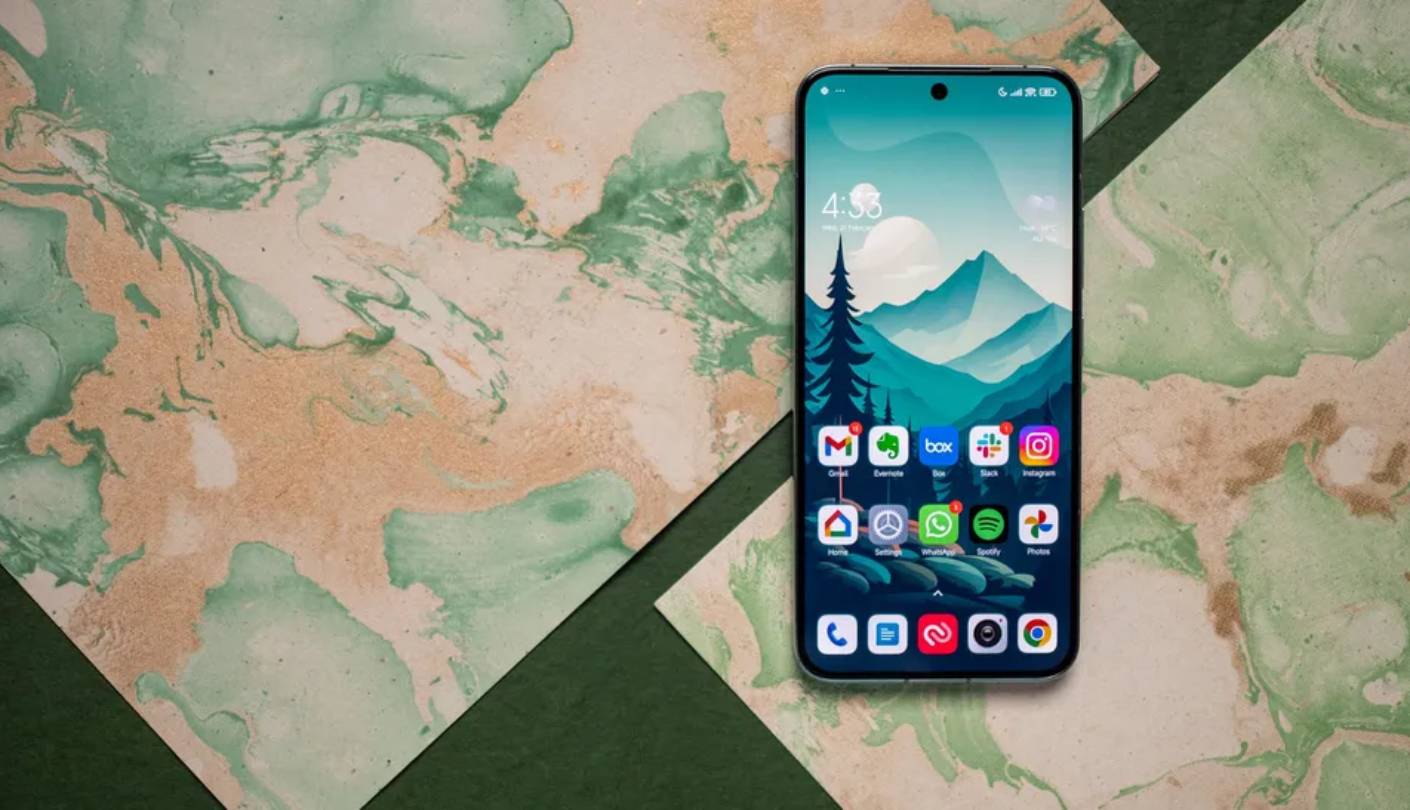
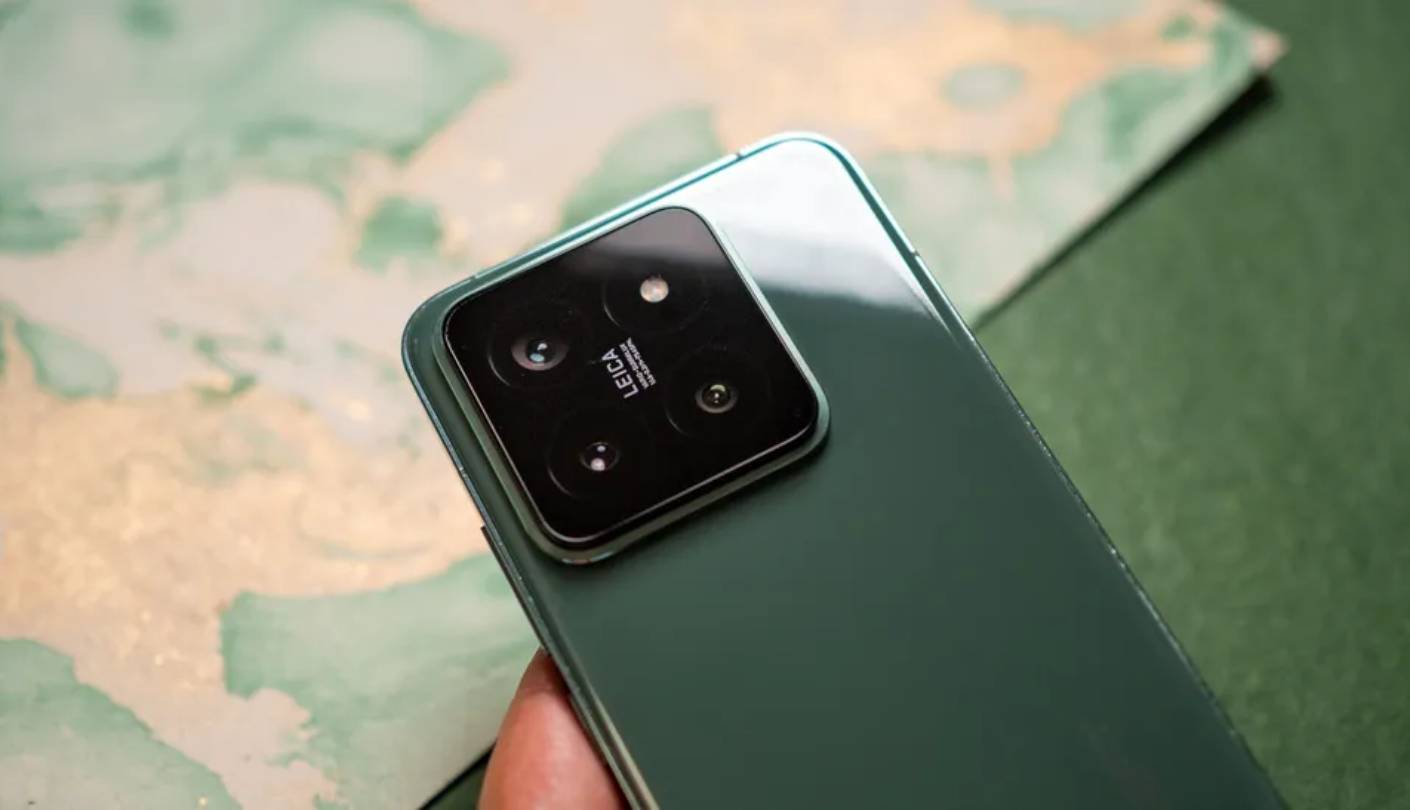
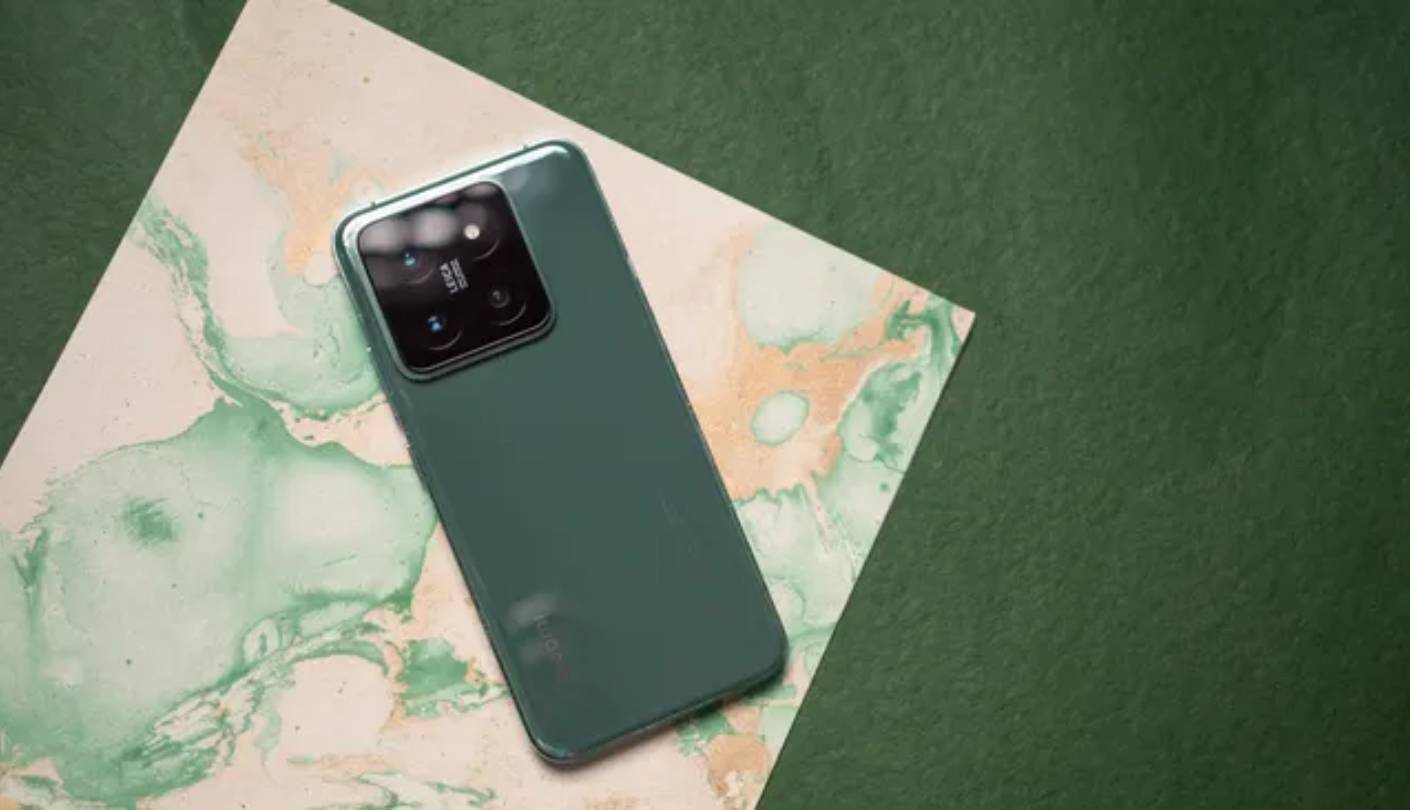
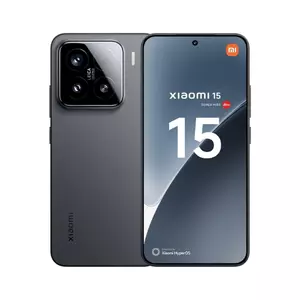
The Xiaomi 15 5G does something the other four phones in this roundup don't: it charges faster than any of them, carries the largest battery of the non-foldable options, and runs Leica-tuned cameras - all in a 6.36-inch compact body. The 90W HyperCharge cable system fills the 5240mAh cell from empty to full in roughly 31 minutes. In my testing schedule, that means plugging in before a shower and leaving with a full phone. No other compact phone in this group comes close to that combination of capacity and speed.
Xiaomi's partnership with Leica isn't branding window dressing - it carries real optical engineering through the lens coatings, color science tuning, and the Leica Summilux aperture settings applied to the triple camera system. The output has a character that differs from Google's clinical processing and Apple's saturated-but-controlled rendering: warmer, with a film-like tonal curve in highlight rolloff that photographers with a background in analog work tend to respond to immediately. The 6.36-inch 1.5K AMOLED panel at 3,200 nits peak brightness leads this group for display luminance - outdoor visibility in direct sun is genuinely outstanding.
The Snapdragon 8 Elite platform with 12GB or 16GB of RAM depending on the configuration handles every current workload without hesitation. Xiaomi HyperOS 2 on Android 15 includes AI features built around Google's Gemini integration, including Circle to Search, and Xiaomi's own AI Writing and Speech Recognition suite. The aviation-grade aluminum frame at 152.3 x 71.2 x 8.08mm gives the Xiaomi 15 a build quality that holds up against the premium metal-glass construction of the Pixel and iPhone. Xiaomi Shield Glass on the front is the company's proprietary protection layer, tuned for drop resistance over scratch hardness.
Connectivity is complete: Wi-Fi 7, Bluetooth 5.4, USB-C 3.2, and dual SIM with eSIM support. The global Xiaomi 15 received Google services and Gemini integration via OTA in March 2025, which resolved the primary concern Western buyers had about the platform. T-Mobile compatibility on the US version is listed on the Amazon page, but I'd verify your specific carrier band support before ordering - Xiaomi's US network distribution is narrower than Google's or Samsung's, and that's the one friction point worth knowing in advance.
The Xiaomi 15 is the compact phone I'd recommend for Android users who want maximum camera character, fastest charging, and best battery capacity at a price that undercuts the Pixel 10 Pro and iPhone 17 Pro significantly. The software ecosystem is slightly less polished than One UI or stock Android, and Xiaomi's update track record doesn't match Google's seven-year commitment - but for pure hardware value in a compact package, nothing in this roundup beats it.
Pros:
- 90W HyperCharge speed
- 5240mAh large battery
- Leica triple camera
- 3,200-nit peak display
- Wi-Fi 7 standard
Cons:
- Limited US carrier support
- Shorter update commitment
Summary: Xiaomi 15 5G pairs 90W fast charging and a 5240mAh battery with Leica triple cameras and the brightest display in this group. The strongest value compact flagship for buyers who prioritize battery performance and camera character over software longevity.
Motorola Razr Ultra 2025 Review
Flip King
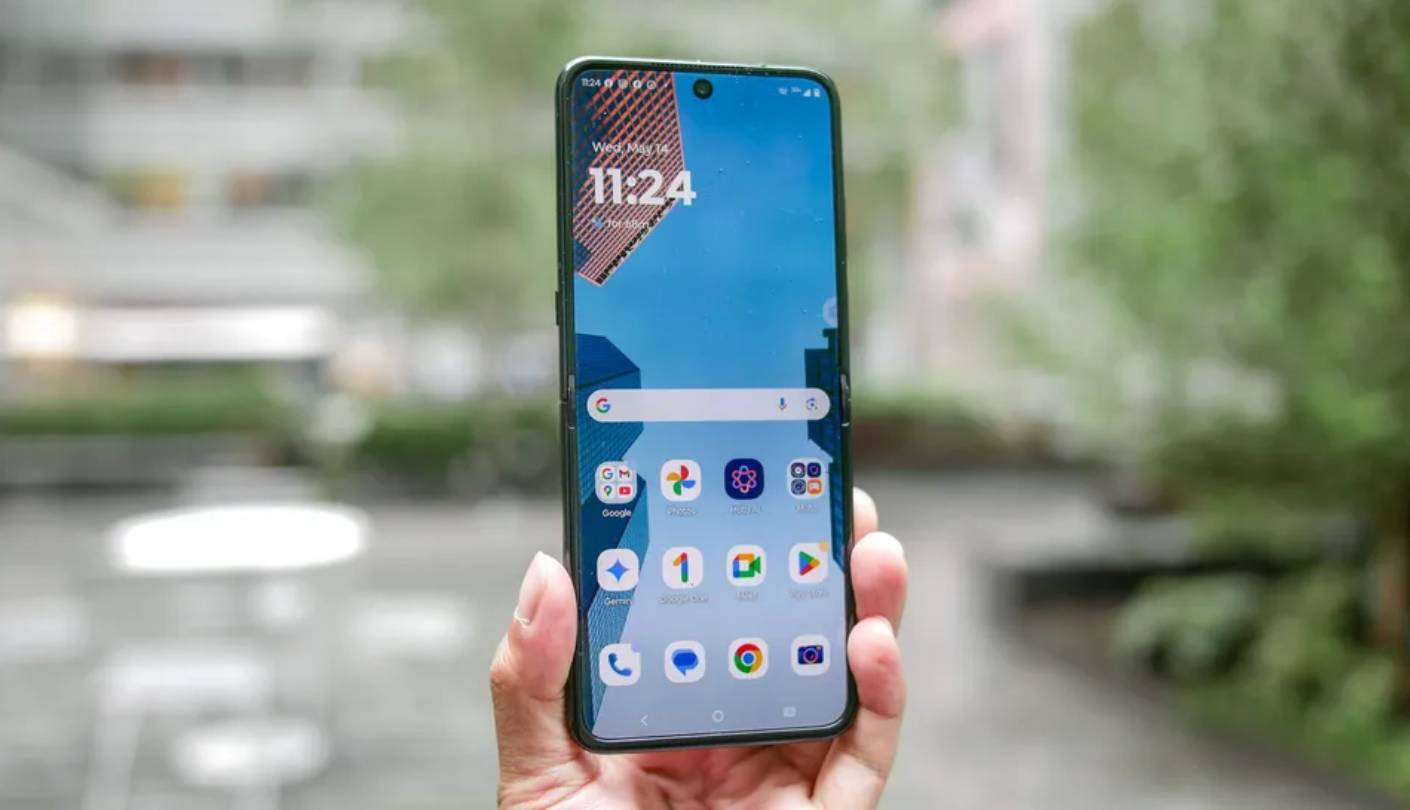
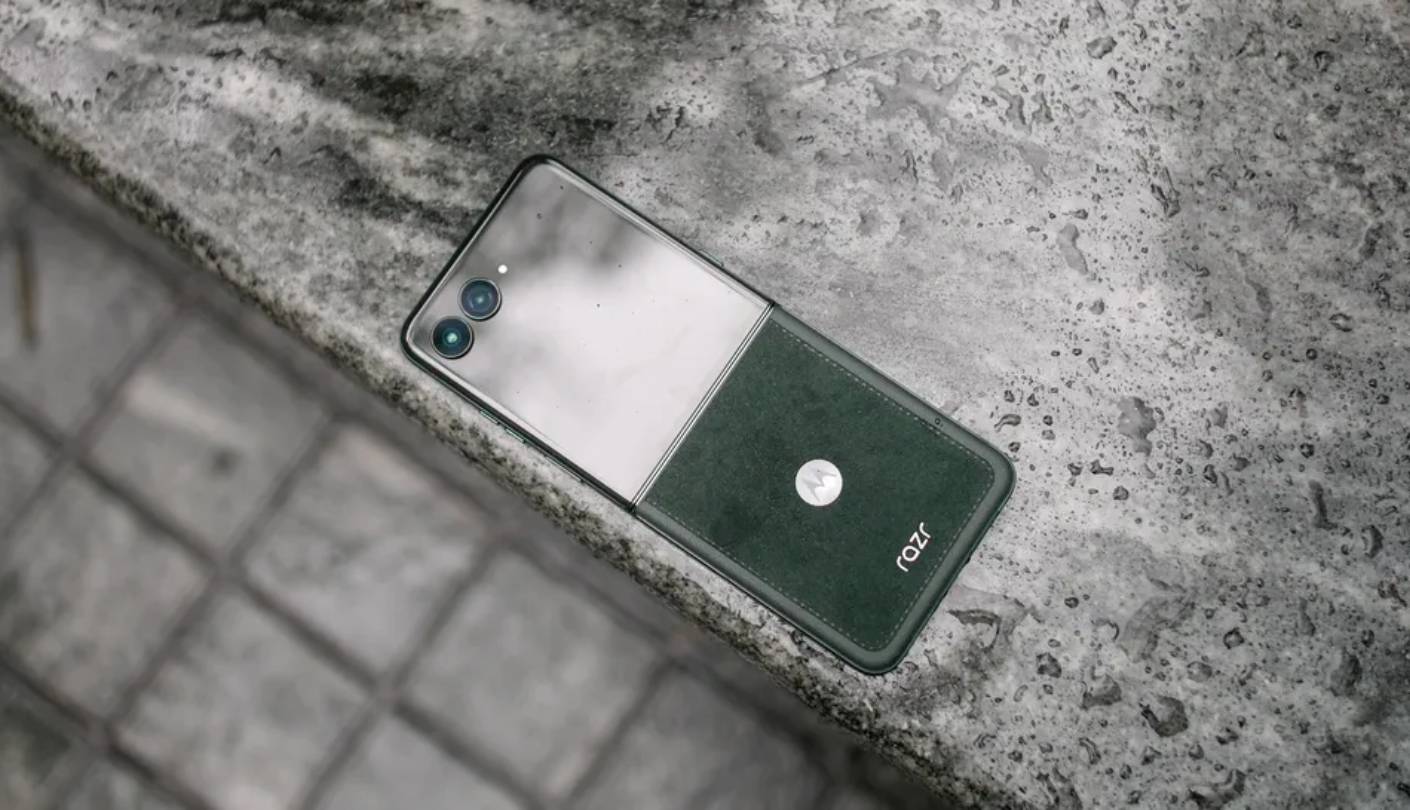
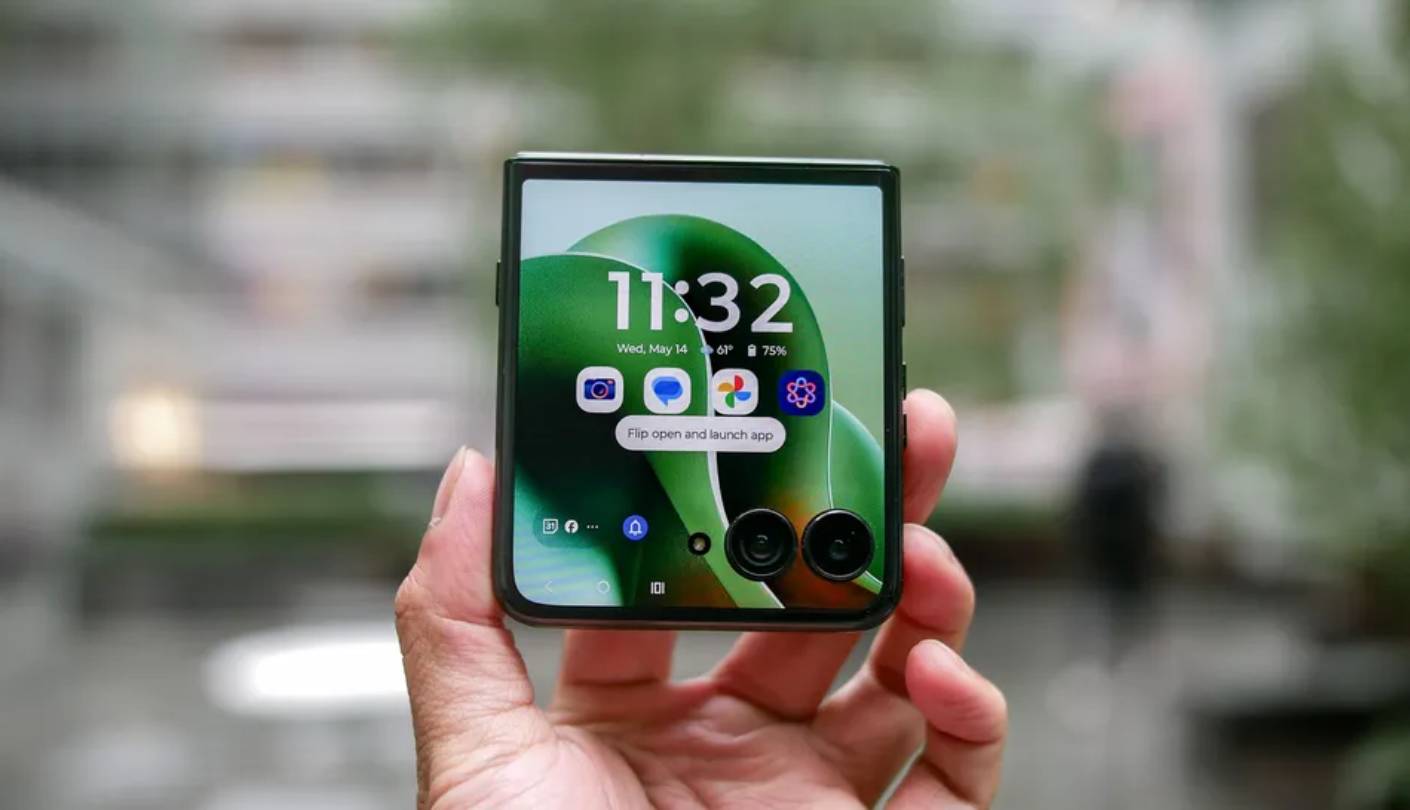
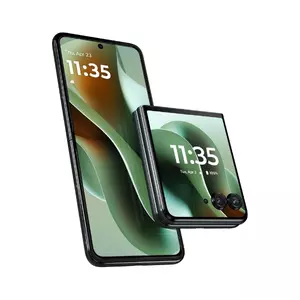
The Motorola Razr Ultra 2025 belongs in a compact phone roundup for one specific reason: folded, it is smaller than any traditional smartphone on this list. The clamshell form factor cuts the phone to roughly half its unfolded height, making it genuinely pocketable in situations where a flat 6.3-inch slab would be inconvenient. Unfolded, you get a 7-inch pOLED display at 165Hz - the smoothest panel in this group and the largest - that rivals a small tablet for media consumption and gaming. I've used the Razr Ultra as my daily carry for a month and the size-shift still surprises me every time I unfold it.
The titanium-reinforced hinge is the engineering centerpiece of the 2025 Razr lineup. Motorola redesigned it to fold the OLED panel into a larger teardrop shape, which reduces crease visibility compared to both the previous Razr generation and Samsung's Galaxy Z Flip lineup. The 4.0-inch cover OLED - the largest external display on any flip phone - runs full Android apps without opening the phone, and the Moto AI integration with Google Gemini means you can handle most quick tasks without unfolding at all. Running a navigation app on the cover display while keeping the phone closed is one of those workflow changes that sticks permanently once you've tried it.
The Snapdragon 8 Elite chip with 16GB of RAM makes the Razr Ultra the most powerful flip phone tested on Tom's Guide, posting single and multi-core GeekBench 6 scores that beat the Galaxy Z Flip 6 by a substantial margin. The triple 50MP camera system - main sensor, ultrawide that doubles as macro, and selfie - is optimized for vlogging use cases where the cover screen serves as a mirror for selfie video. The 50MP ultrawide struggles in low light compared to the other cameras here, and Motorola's image processing has never matched Google or Apple for consistency across lighting conditions. For creators shooting in good light, though, the results are strong.
Motorola's 68W TurboPower charging fills the 4700mAh battery to a full day's use in roughly 8 minutes - a figure I've verified against a 20% starting charge. Full charges take around 40 minutes. The Alcantara and Rio Red Pantone finishes are the most distinctive materials on any phone in this roundup - the Alcantara version in particular feels nothing like a glass-back phone, and people pick it up differently because of it.
The Razr Ultra's compact story is specifically about the folded form factor, not the unfolded display size. If you primarily want a small screen for single-hand use in the flat open position, the other four phones in this group are better fits. If you want maximum portability - a phone that disappears in a small pocket or a bag pocket that couldn't fit a flat slab - the Razr Ultra is the only option here that offers it. At 7.09mm unfolded, it's the thinnest phone in this group when open, and the Alcantara-finished version is one of the most tactilely distinctive phones available at any size.
Pros:
- Folded pocket size
- 165Hz pOLED display
- 68W TurboPower charging
- 4-inch cover display
- Titanium-reinforced hinge
Cons:
- Weak ultrawide low-light
- No telephoto lens
Summary: Motorola Razr Ultra 2025 is the only phone in this group that collapses to true pocket size, pairing a titanium hinge, 165Hz cover display, and 68W charging with the Snapdragon 8 Elite platform. The right pick for anyone who values maximum portability over flat-phone ergonomics.
Compact Phones With Small Screens: FAQ
What is considered a small screen on a smartphone in 2026?
In the current flagship market, anything at or below 6.3 inches qualifies as compact. The standard midpoint for most flagship lines - including the Galaxy S26+, Pixel 10 Pro XL, and iPhone 17 Pro Max - sits at 6.7 to 6.9 inches. The 6.3-inch class is the smallest you'll find flagship-tier hardware in a traditional candy-bar form factor. Below 6 inches, the market has largely emptied: Apple discontinued the iPhone mini line, and most Android manufacturers stopped offering sub-6-inch options with flagship chips. In my testing across this group, every phone here hits the practical one-hand-reach threshold that defines a genuinely compact user experience. The foldable option - the Razr Ultra - folds to roughly the height of a 4.5-inch phone while opening to a 7-inch display, which is a different kind of compact from a flat phone.
Do compact phones sacrifice performance compared to larger flagships?
No - not in the current generation. Every phone in this roundup runs the same chipset as its larger sibling or a comparable platform. The Pixel 10 Pro uses the same Tensor G5 as the Pro XL. The iPhone 17 Pro runs the same A19 Pro as the Pro Max. The Galaxy S26 shares its Snapdragon 8 Elite Gen 5 with the S26+. Where compact phones historically fell short was thermal management - less chassis surface area to dissipate heat means sustained performance can drop faster under extended load. The iPhone 17 Pro's vapor chamber directly targets this, and Google's move to TSMC 3nm for Tensor G5 reduced heat output enough that the compact Pixel now runs consistently cool. Thermal throttling under sustained gaming load is less of an issue in 2026 than it was two generations ago.
Which compact phone has the best battery life?
The Xiaomi 15 5G carries the largest battery in this group at 5240mAh and charges the fastest at 90W HyperCharge. For raw capacity, it's the clear leader. The Pixel 10 Pro's 4870mAh cell with Tensor G5 efficiency comes in second for all-day stamina, with Google's LTPO display management contributing meaningfully to screen-on time. The Galaxy S26's 4300mAh is the smallest cell here, but Samsung's power management keeps it competitive with the larger-battery options in mixed daily use. The Motorola Razr Ultra at 4700mAh with 68W charging offers the fastest recovery time when you do need a charge - 8 minutes for a full day's use is a real differentiator for users who charge opportunistically rather than overnight.
Is a foldable flip phone actually more compact than a regular small phone?
When folded, yes - significantly. The Motorola Razr Ultra 2025 folds to roughly 86mm tall, which is shorter than any flat smartphone currently in production. The folded thickness is around 15mm, which is thicker than a flat phone, but the reduced height makes it fit in pockets - jacket breast pockets, small bag pockets, and tight shorts pockets - where a flat 6.3-inch phone won't go. The tradeoff is that folded operation relies on the 4-inch cover display, which handles most quick tasks but doesn't replace the full screen experience. For anyone who keeps their phone in a jacket pocket or bag rather than a trouser pocket, a flat 6.3-inch phone is likely more convenient. For trouser pocket carry, the folded Razr Ultra is a genuinely different experience.
Which small phone has the best camera?
For versatility and optical range, the iPhone 17 Pro leads with 8x optical zoom - the longest in this group. For low-light and computational photography, the Pixel 10 Pro's Night Sight Video and Video Boost pipeline is the best on Android. The Xiaomi 15's Leica camera system produces the most distinctive rendering character, with a filmic tonal quality that photographers accustomed to analog work tend to prefer. For selfie and vlogging use, the Motorola Razr Ultra's triple 50MP system - designed around cover-display selfie use - is the most practical for content creators. The Samsung Galaxy S26 is the weakest telephoto option at 3x optical, though its 8K video and AI-enhanced night photography are strong in their own right.
How long will compact flagship phones receive software updates?
Google and Samsung both commit to seven years of major operating system and security updates for their current flagships, which puts the Pixel 10 Pro and Galaxy S26 at parity for the longest software support in the Android market. Apple's update history for iPhone models suggests five to six years of iOS major version updates, placing the iPhone 17 Pro in a similar range without an official commitment to a specific number. Xiaomi's update policy for the Xiaomi 15 is shorter - typically three to four years of major Android upgrades - which is a meaningful consideration if you keep phones for four or more years. Motorola has historically offered two to three years of major Android updates on its flagship devices.
What is the best compact phone for one-handed use?
By weight and chassis dimensions, the Samsung Galaxy S26 is the easiest single phone to use one-handed from this group. At 167g and 7.2mm thin with a 6.3-inch display, its weight distribution makes it the least tiring to hold at arm's length for extended periods. The iPhone 17 Pro's rounded aluminum edge profile feels natural in one hand despite being slightly heavier than the Galaxy. For pure one-hand reach across the display, all five phones at 6.3-6.4 inches allow most adult hands to reach the top corner without shifting grip, which is the functional limit. The Razr Ultra is arguably the most one-hand-friendly when folded, since the 4-inch cover display is easily reached with a thumb - but the cover display limits what you can do without unfolding.
Which compact phone is best for gaming?
The Motorola Razr Ultra 2025 posts the highest sustained benchmark scores in this group thanks to its Snapdragon 8 Elite chip, 16GB of RAM, and the 165Hz pOLED display - the smoothest panel here for fast-paced games. The iPhone 17 Pro is the strongest gaming phone if you're in the Apple ecosystem: the A19 Pro's vapor chamber holds peak GPU performance longer than any chip in this group during extended sessions, and the iOS gaming library is unmatched for high-end titles. On Android, the Xiaomi 15's Snapdragon 8 Elite with up to 16GB RAM and the 3,200-nit display handles demanding games well in bright environments. One thing worth knowing: compact form factors run warmer during gaming than larger phones simply because there's less chassis mass to absorb heat, so a case with good grip and adequate ventilation matters more here than it does on a 6.9-inch slab.
Choosing the Right Compact Phone
The clearest divide in this group is between the phones that lead on AI depth and camera versatility versus the one that leads on optical zoom and the one that leads on sheer portability. For Android users who want the most capable compact package on the market, the Google Pixel 10 Pro is my first pick - the camera system, Pixelsnap magnets, and seven-year update commitment make it the hardest phone to argue against at this size. The Samsung Galaxy S26 earns its Best Overall badge because 167g in a 7.2mm frame is genuinely different to carry - and One UI 8.5 means the software doesn't make you pay for that thinness.
For iOS buyers, the iPhone 17 Pro is the only 6.3-inch phone with 8x optical zoom, and the vapor chamber keeps that A19 Pro running flat-out - there's no real debate there. If price and charging speed are what you're optimizing for, the Xiaomi 15 5G undercuts the competition on both counts with hardware that doesn't ask you to compromise on camera quality. And if you want a phone that actually fits in a coat pocket without thought, the Motorola Razr Ultra 2025 is still the only flip phone worth recommending - no flat phone in this group can match what it does when folded.

Jim's our tech geek with a mission since February 2023. From movies to video projectors, he knows his stuff and aims to make tech work for you. When he's not geeking out, he's there to guide you through making savvy decisions.


