BYD and Sinopec are turning Chinese gas stations into 1,500-kW charging hubs

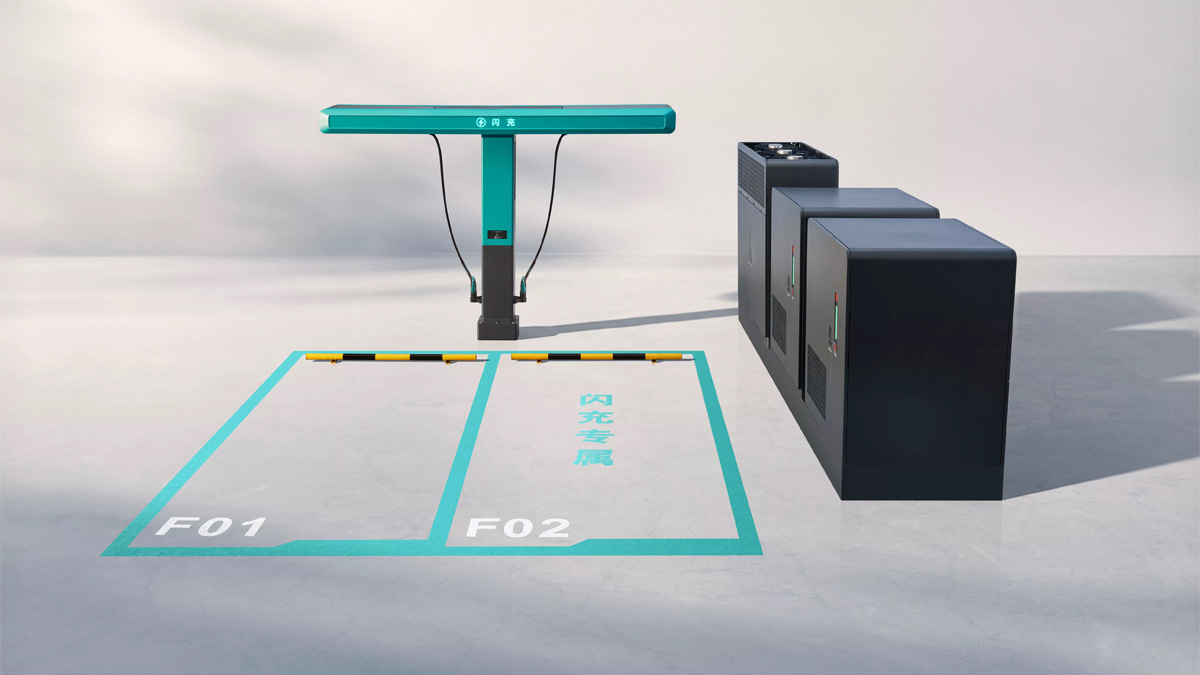
BYD and Chinese oil giant Sinopec have signed a strategic partnership to roll out 1,500-kW Flash Charging stations across Sinopec's vast fuel-station network. The two companies opened their first joint site in Wenzhou, Zhejiang province, within days of signing the agreement in Beijing on June 3. The target: 20,000 Flash Charging stations deployed across China by the end of 2026.
The numbers
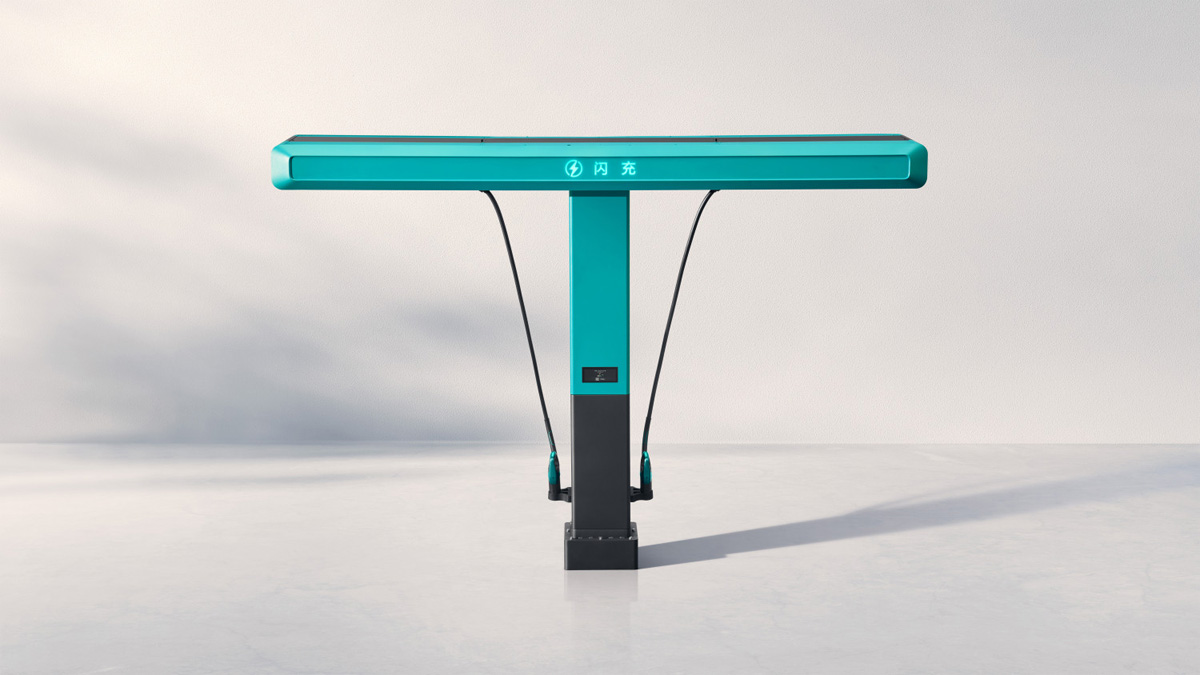
The headline figure is 1,500 kW of peak charging power — delivered through a single liquid-cooled connector that keeps the cable from overheating at extreme loads. BYD says compatible vehicles can go from 10% to 97% charge in nine minutes under normal temperatures. That claim applies specifically to cars equipped with BYD's Blade Battery 2.0; other EVs plugged into the same hardware will charge at whatever rate their own architecture allows. The system operates across a 200V–1,000V voltage range, which covers most current electric vehicles on the market.
For context, Tesla's V4 Supercharger — the fastest widely available option in the US and UK — peaks at around 500 kW, as Electrek notes. BYD's Flash system is roughly three times faster. Electrify America's quickest units top out at around 350 kW.


The Sinopec factor
The partnership's real leverage is scale. Sinopec operates more than 30,000 fuel retail sites, making it the world's largest such network. BYD already has around 6,100 Flash Charging stations active in China as of mid-2026, per CnEVPost, up from roughly 4,239 in March. Plugging into Sinopec's real estate removes the single biggest obstacle to rapid charging rollout: finding viable locations.
The deal also covers supply chain cooperation and ecosystem integration — shared data, battery materials, and ancillary services — suggesting the two companies are building something closer to a joint energy platform than a simple charger-placement agreement.
What this means outside China
Flash Charging stations are currently limited to China. BYD has indicated a European rollout is planned for 2026, but no specific countries, locations, or timelines have been confirmed. There is no announced acceleration for the US market. Connector compatibility with CCS standards used in the US and Europe also remains unaddressed in the partnership announcement.
For now, this is a China story — but it's the kind of infrastructure move that tends to set the pace for what comes next everywhere else.


