Asus Ascent GX10: A Desktop Supercomputer Bringing AI Power to Your Home

While you are trying to get ChatGPT to write decent code, Asus is releasing hardware that allows you to deploy serious language models right on your desktop. Meet the Ascent GX10 — the 'baby' that costs as much as a decent crossover but offers power for which a couple of years ago, you would have had to rent an entire server rack.
Hybrid monster inside
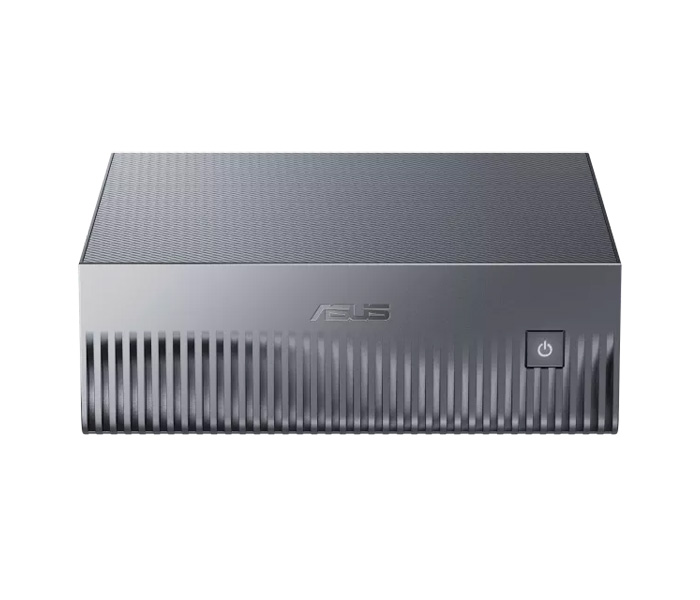
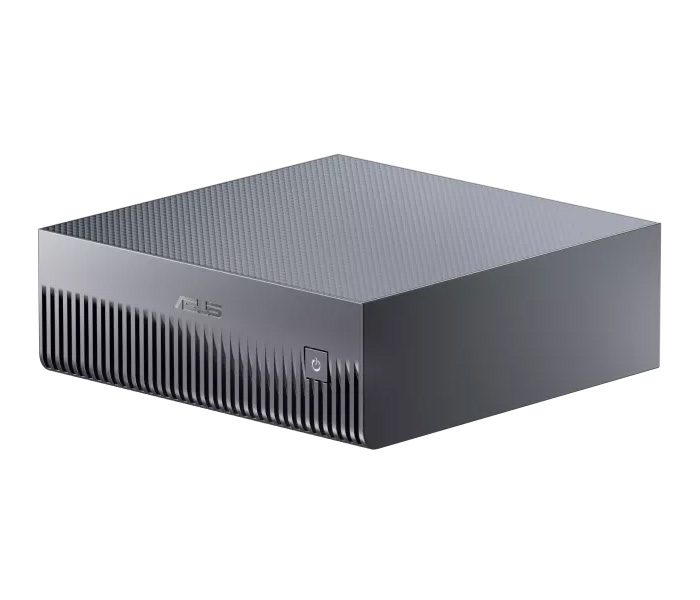
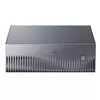
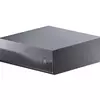
The Asus Ascent GX10 is an attempt to cram data-center power into a case the size of a thick book. At the heart of the system is the superchip Nvidia GB10 Grace Blackwell. It is a hybrid, where the 20-core Grace processor on the Arm architecture works in tandem with the Blackwell graphics core. They are not just sitting side by side but are connected by NVLink-C2C technology, which allows data exchange with minimal delays.
The result of such an alliance is 1000 TOPS of computing power. This is enough to 'feed' large language models with over 200 billion parameters. To understand the context: this is the level where toys for enthusiasts end and serious work with neural networks begins.
Memory and networking capabilities
Inside there is 128 GB of unified LPDDR5X memory. This is critically important for AI tasks, where memory volume and speed usually become the 'bottleneck'. The graphics section has 6144 CUDA cores and supports FP4 computations. The latter is a sort of cheat code for accelerating neural networks without significant loss of accuracy, which is becoming the standard in Nvidia's new architecture.
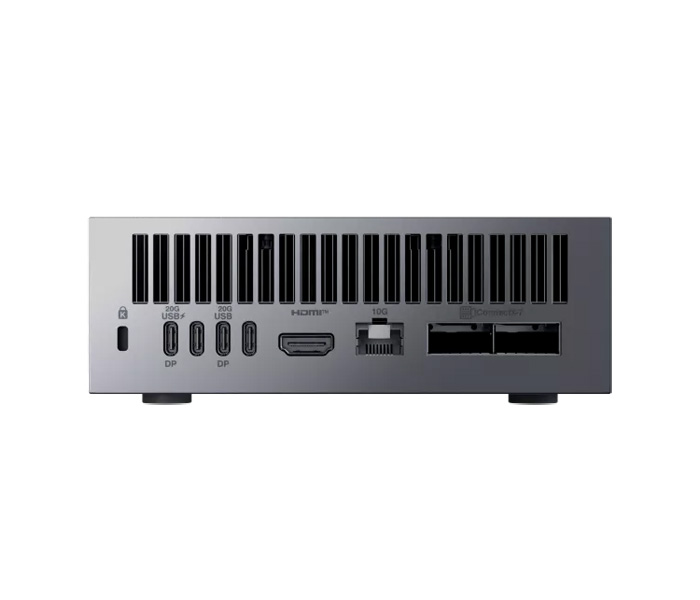
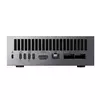
If one Ascent GX10 is not enough for you (in case you decide to create your own Skynet competitor), the system supports high-speed ConnectX-7 connection. This allows you to combine two such devices into one cluster, doubling the resources. Also included is a 4 TB SSD, which is quite enough for storing the weight of several serious models.
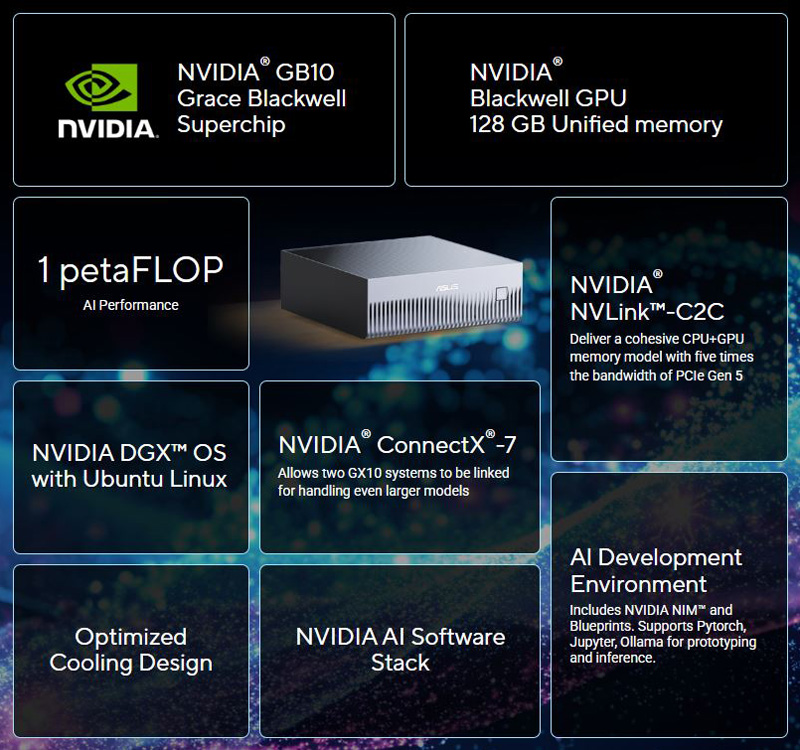
Key specifications of the mini PC. Illustration: Asus
Cooling and pricing
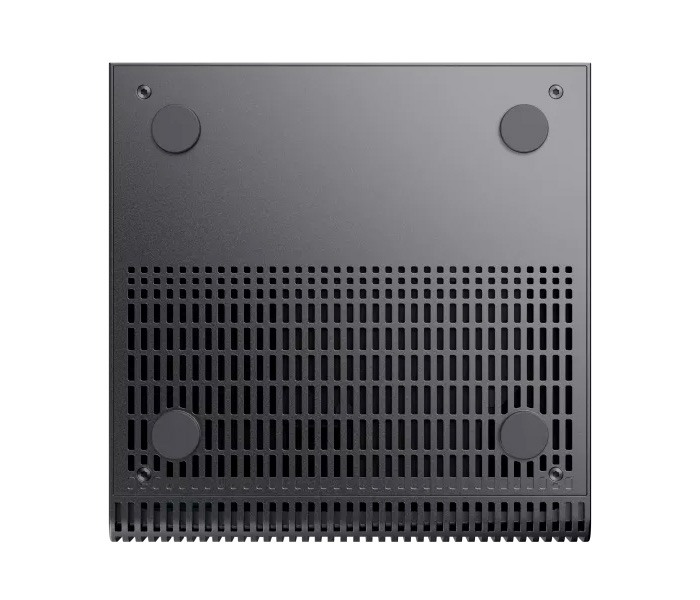
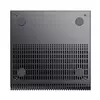
Of course, such a density of transistors per square millimeter creates a lot of heat. Asus has squeezed a cooling system with several heat pipes and two massive fans into a 150 x 150 x 51 mm case. Will it sound like a jet engine under load? Most likely, yes. But that's the price for the opportunity to have $5,500 (226,000 ₴) worth of pure power on the table.
This is a device for developers and companies who don't want to send their confidential data to clouds owned by large corporations, preferring instead to 'spin' AI locally. Expensive? Yes. Exotic? Undoubtedly. But it is a real step towards the decentralization of artificial intelligence, where a supercomputer no longer requires a separate room with industrial air conditioning.
While hardware is becoming more accessible for local use, the education sector is also adapting to new realities. For example, Chinese universities are massively 'clearing' disciplines, replacing humanities directions with training specialists in the field of AI. This is logical: someone must service these little iron monsters.


