Samsung Galaxy Card Is Here: 5% Back on Samsung Gear, Issued by Barclays

Samsung has launched its first-ever co-branded credit card, the Galaxy Card, in partnership with Barclays on the Visa network — and it's aimed squarely at anyone who regularly buys Samsung devices. Applications open July 22, 2026, timed to coincide with Galaxy Unpacked, where Samsung is expected to unveil foldable phones, new watches, and AR glasses. If you're planning to buy something at the event, the card could pay for itself fast.
The rewards
The cashback tiers are structured to reward Samsung loyalists. Per Samsung Newsroom:
- 5% on purchases made directly through Samsung - 3% on purchases made via Samsung Wallet - 2% on streaming services (Netflix, Spotify, and similar) - 1% on everything else
New cardholders also get a $200 bonus after spending $2,000 in the first 90 days. There's an additional 20% discount on a Samsung VIP Advantage membership, which covers device insurance and priority support. Eligible early-access customers can apply from July 20.
How it compares
Apple Card launched in 2019 with 1–3% cashback and has not changed its reward structure since. Samsung's 5% on direct hardware purchases is a meaningful step up for anyone deep in the Galaxy ecosystem. Technology.org notes that Samsung devices are present in roughly 70% of US households, and Samsung Wallet already has around 30% device penetration — giving the card a ready-made audience.
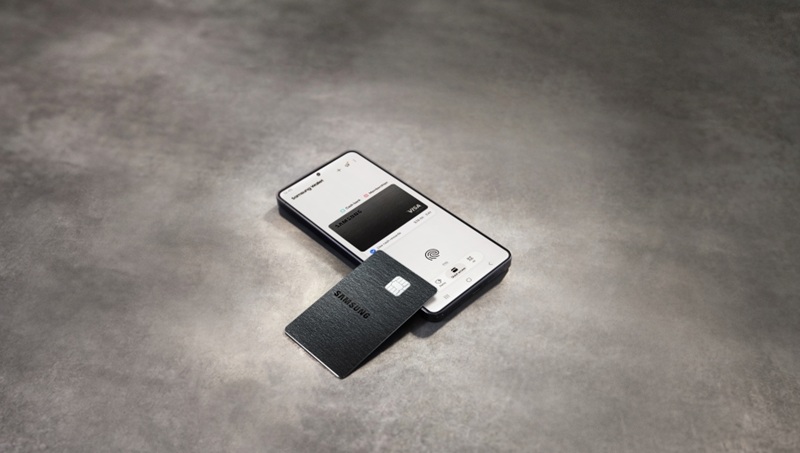
Samsung Galaxy Card — a black metal Visa credit card issued by Barclays, integrated with Samsung Wallet.
The card integrates directly into Samsung Wallet, so there's no separate app to download. A virtual card is available immediately on approval; a physical black metal card ships for those who want one.
US only, for now
The Galaxy Card is currently available in the United States only. No rollout date has been announced for the UK or elsewhere. Samsung describes the Barclays partnership as a long-term strategic move, which suggests the company is treating this as a first step into financial services rather than a one-off product — but there's no formal roadmap for other markets yet.


