Rocket Lab's GHOST packs a spaceport into shipping containers

Rocket Lab has unveiled GHOST — Global Hypersonic Orbital Spaceport Technology — a full launch system packed into standard shipping containers, backed by a $266 million US Space Force contract. The deal covers 12 suborbital missions with options for six more, with the first launch scheduled from Kodiak, Alaska in 2027. For the Pentagon, the appeal is straightforward: mobile launch infrastructure is harder to target and far quicker to deploy than anything bolted to a concrete pad.
The container concept
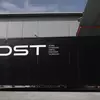
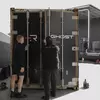
The idea is blunt but clever. Every piece of ground support equipment — flight control systems, propellant loading hardware, range safety electronics — ships in standard intermodal containers that fit on a cargo vessel or a transport aircraft. GHOST supports both Rocket Lab's Electron rocket and HASTE, the suborbital variant the US military uses for hypersonic technology testing. If you can move a shipping container, you can, in theory, move a launch site.
That flexibility directly addresses one of the Pentagon's stated bottlenecks. Hypersonic missile defense tests are currently tied to fixed ranges like NASA's Wallops Flight Facility in Virginia, which creates scheduling queues and predictable flight corridors. A deployable system lets the military vary launch azimuths, landing zones, and test locations — complicating adversary tracking.
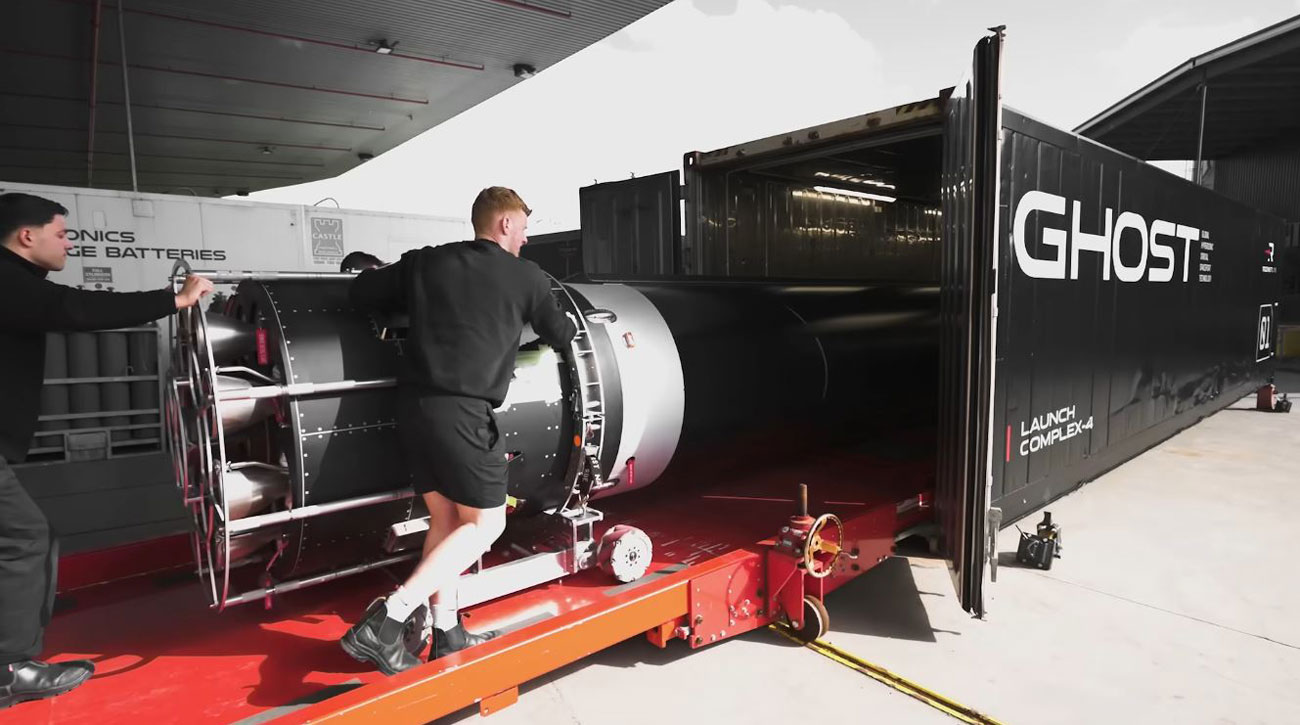
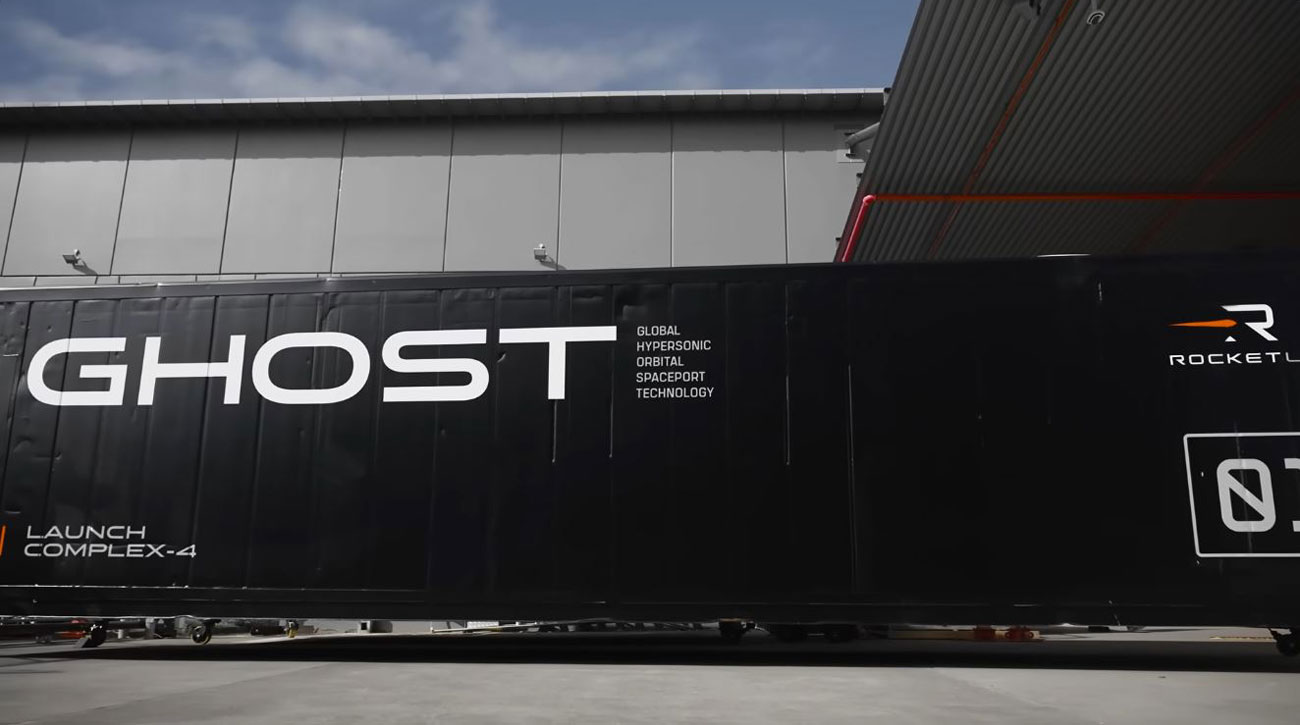
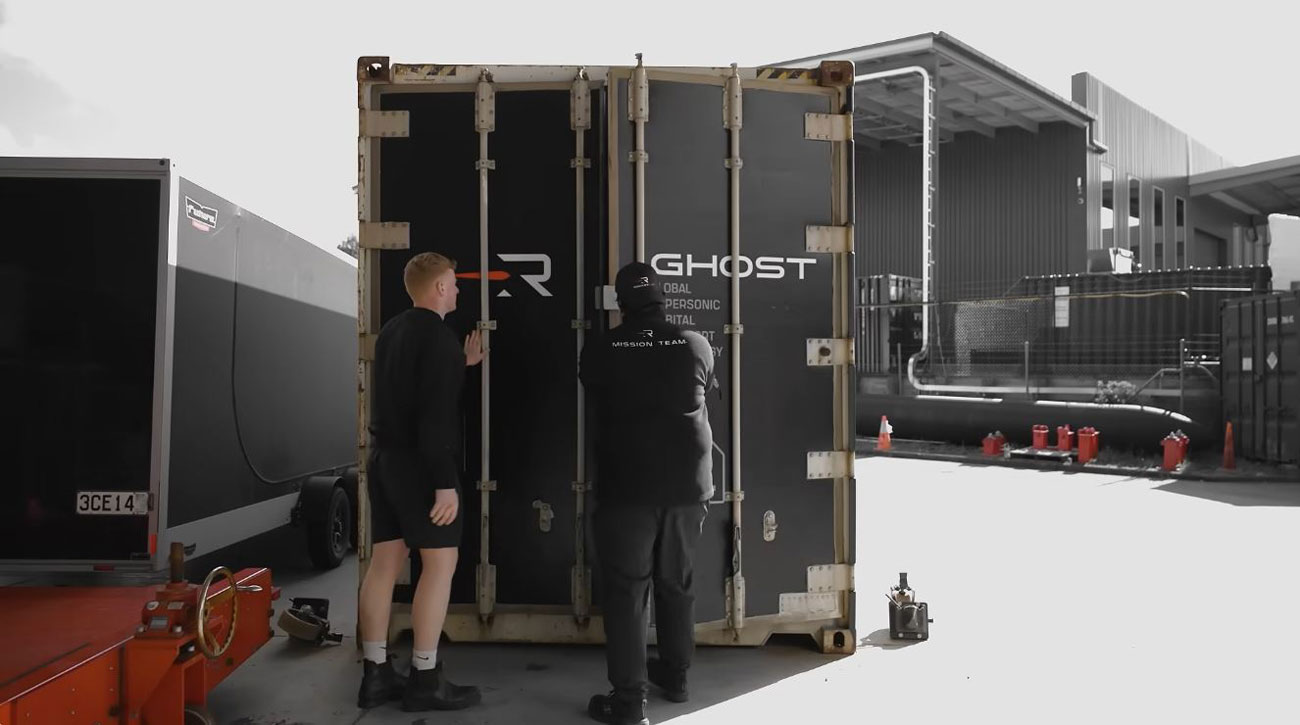
Alaska first, allies next
Pacific Spaceport Complex-Alaska on Kodiak Island is the first operational site. Kodiak offers unobstructed polar-orbit access and lower maritime conflict risk than East Coast ranges — practical advantages for sensitive defense testing. Rocket Lab is already building Launch Complex 4 there.
Beyond the Space Force contract, Rocket Lab is explicitly marketing GHOST to US allies that want sovereign launch capability without the billion-dollar price tag of a purpose-built spaceport. Building a Kourou-style facility runs into serious money and years of permitting. A set of containers arriving by sea does not. No named customers or letters of intent have been announced yet, and regulatory approvals for deploying GHOST outside US territory remain an open question — ITAR controls on Electron hardware will complicate any allied-nation deal.
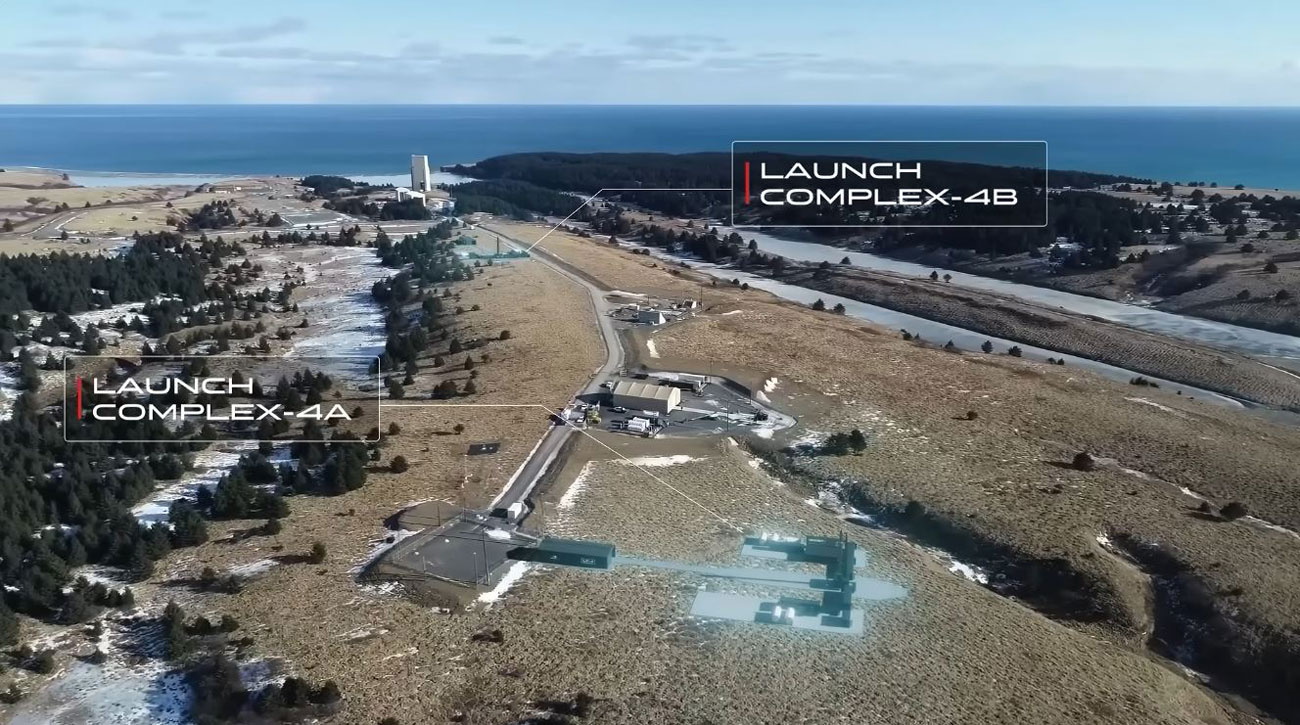
The containerized launch concept targets both US military responsive-launch needs and allied nations seeking sovereign space access.
The broader picture
The GHOST announcement came the same day Rocket Lab confirmed the establishment of Rocket Lab Germany, a new European entity aimed at satellite and component manufacturing. The pairing signals a deliberate push: containerized launch on one side, local production infrastructure on the other, pitched at governments that want space access on their own terms.
GHOST competes indirectly with mobile launch concepts from SpaceX and Blue Origin's Blue Altos program, but Rocket Lab arrives with a signed government contract and a concrete 2027 timeline — details neither rival has matched in the small-launch national security segment.


