ASUS Oxiis turns your existing bike into an e-bike — no wheel swap required

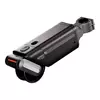
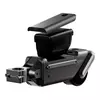
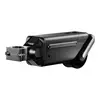
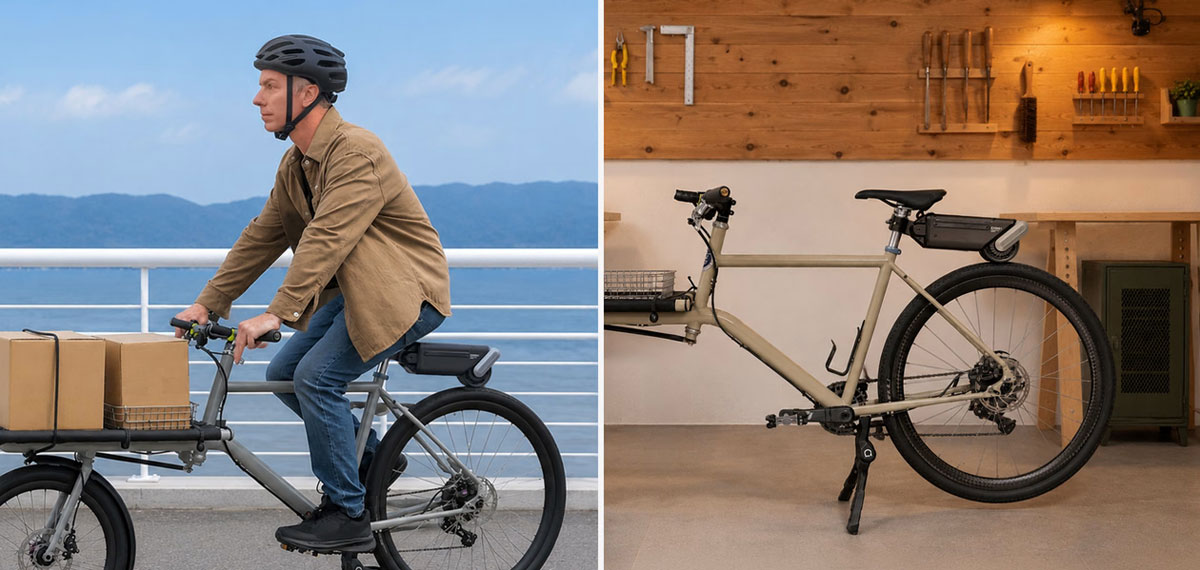
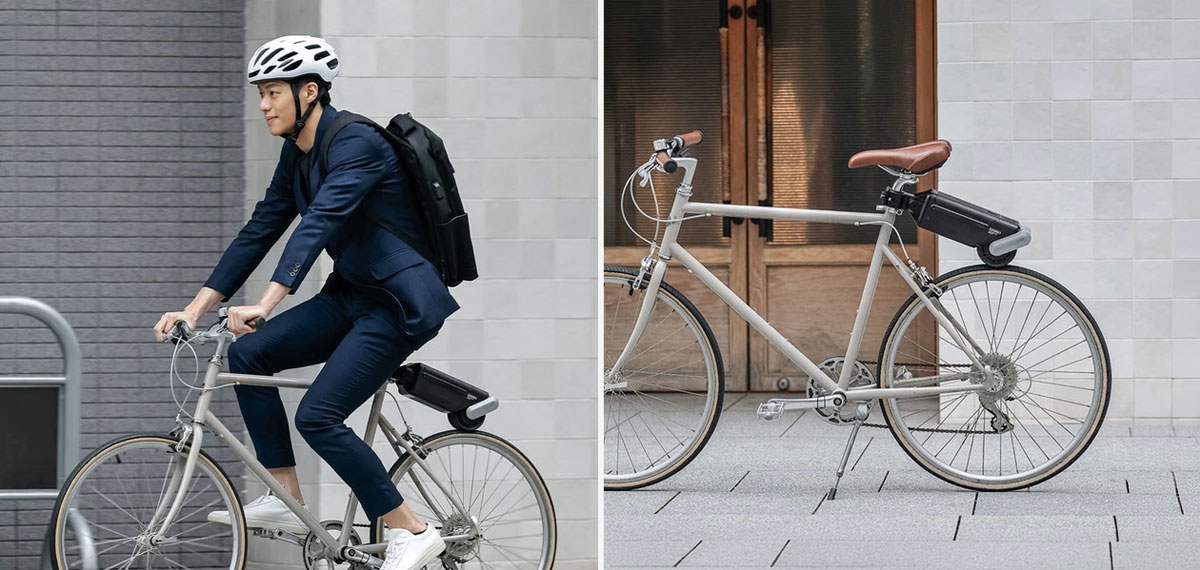
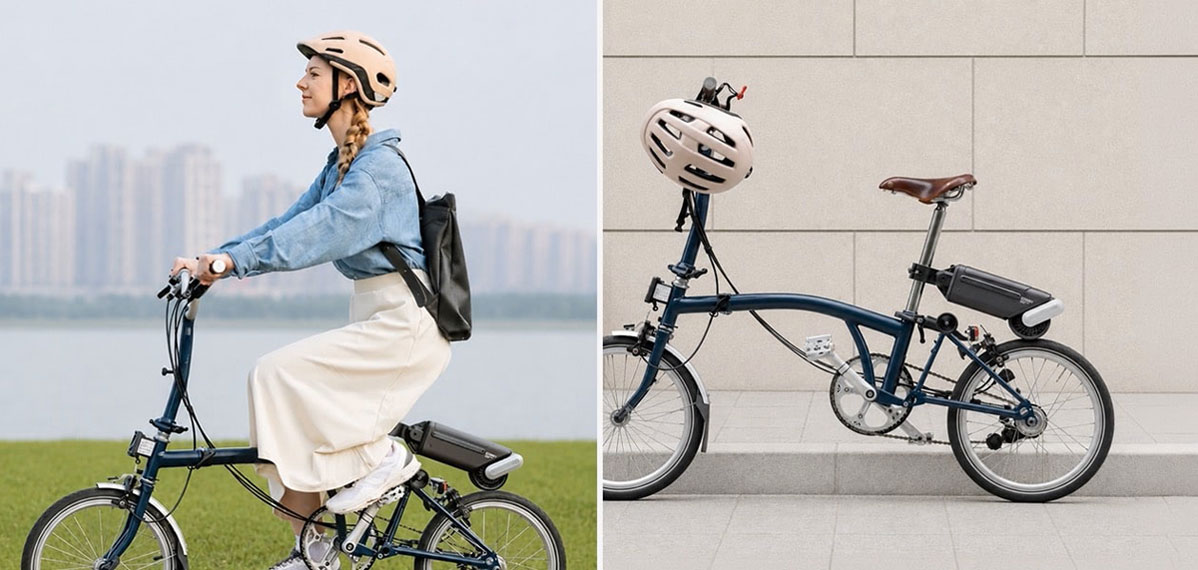
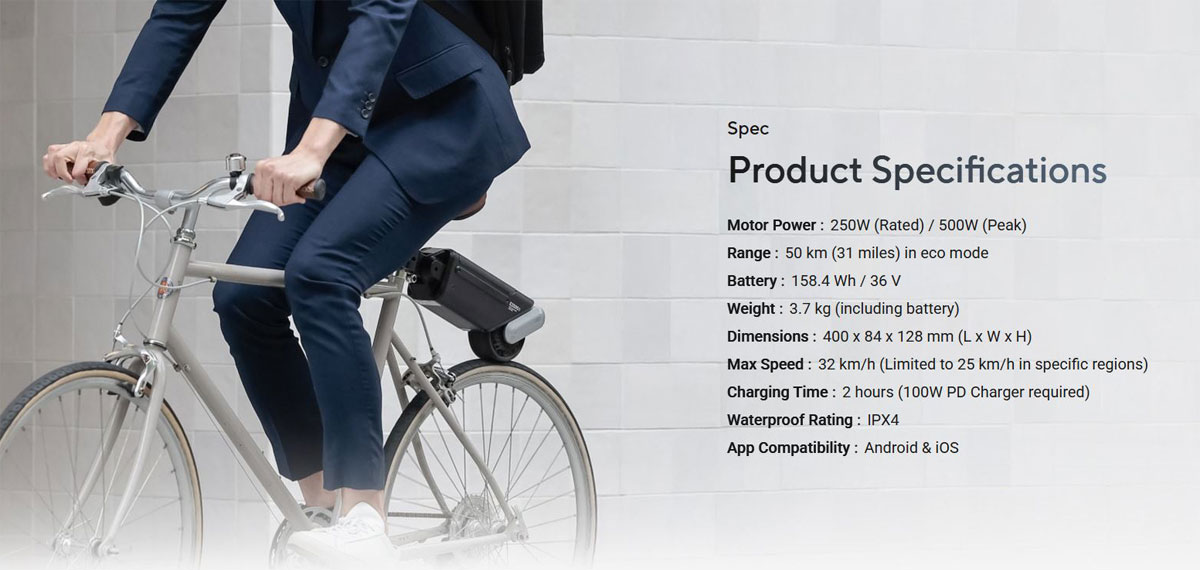
ASUS has announced the Oxiis E250G1 Intelligent Bike Booster, a friction-drive conversion kit designed to electrify almost any existing bicycle without replacing the wheel, modifying the brakes, or touching the gears. The kit weighs 3.7 kg in total and packs motor, battery, and control electronics into a single module. It's aimed squarely at the growing number of cyclists who own a perfectly good bike but aren't ready to spend four figures on a purpose-built e-bike.
How it works
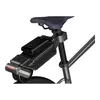
The Oxiis uses a friction-drive motor — a roller that clamps to the seatpost and presses against the rear tire. There's no hub replacement, no bottom-bracket surgery. A cadence sensor detects when you're pedaling and engages assist automatically, which ASUS says makes the response feel closer to a conventional e-bike than a simple throttle system. Three assist levels can be switched via the handlebar button or a companion smartphone app.
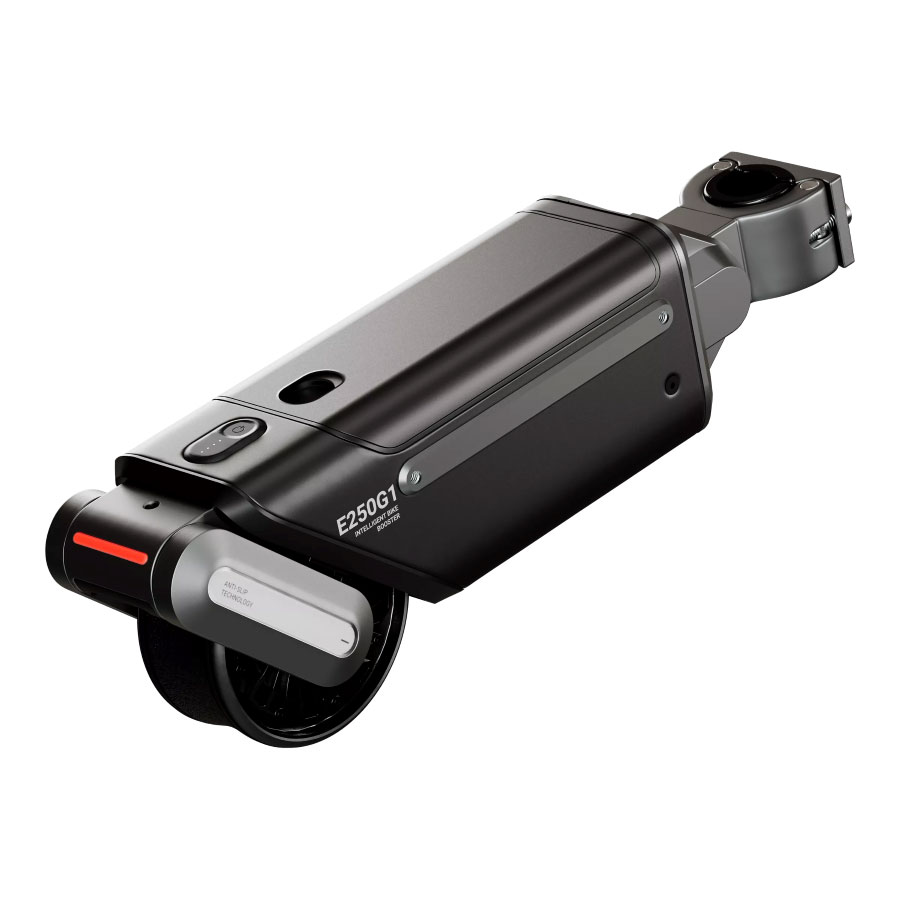
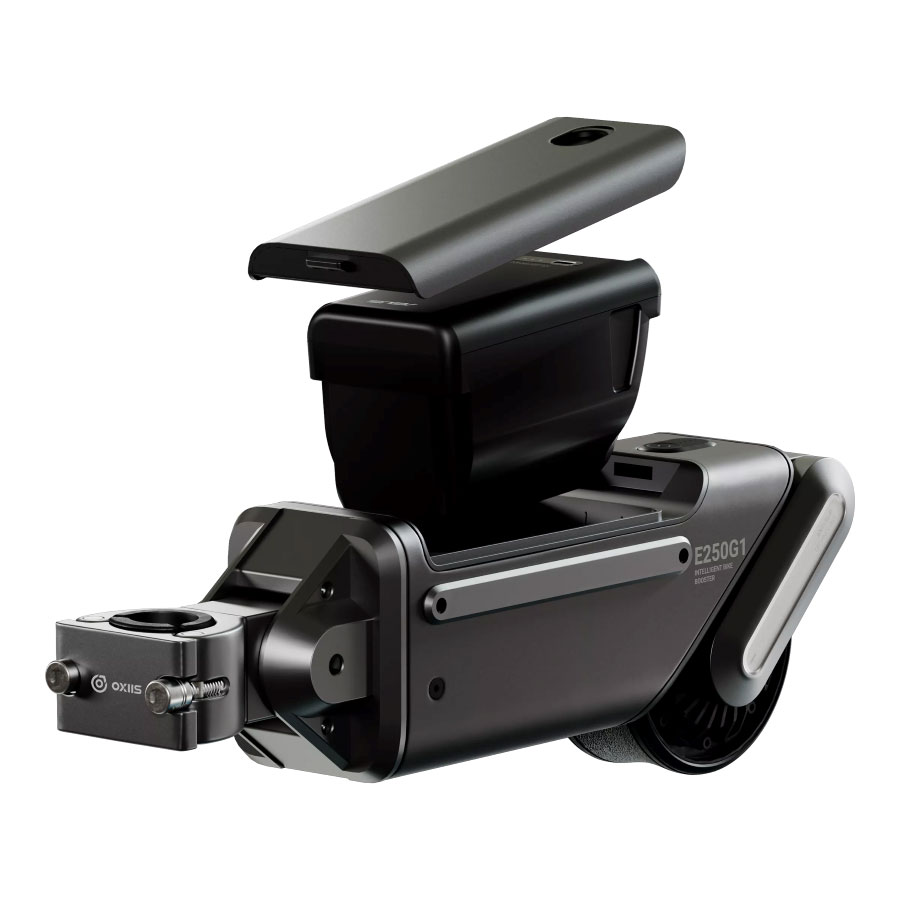
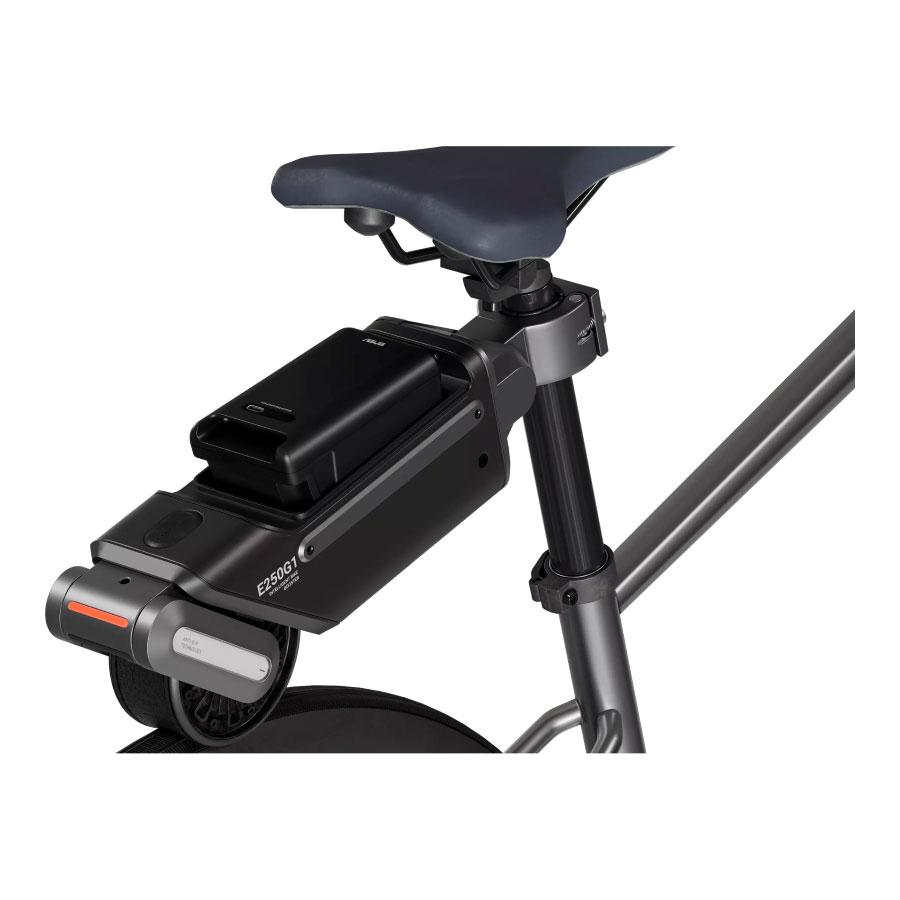
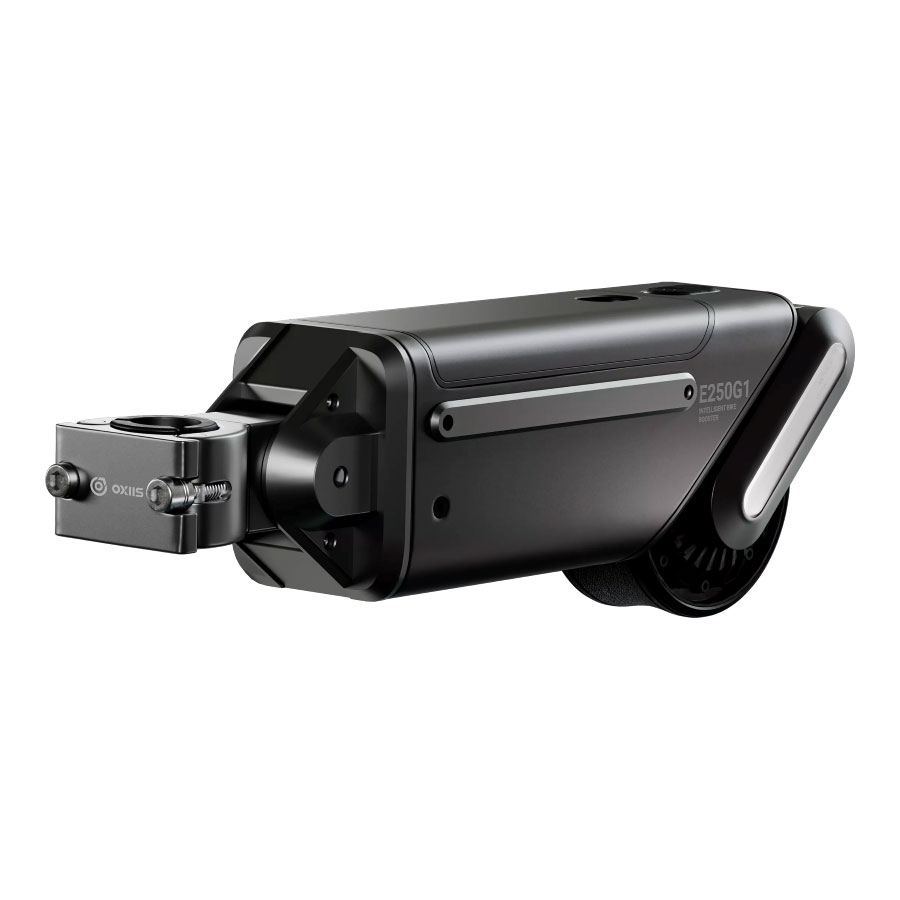
Rated power is 250W, with a 500W peak. Top assisted speed is capped at 25 km/h (roughly 15.5 mph) in regulated markets — which covers the EU and UK — or 32 km/h where local rules allow. The module carries a 158.4 Wh battery and ASUS claims up to 50 km (31 miles) of range in Eco mode, though real-world figures will vary with rider weight, terrain, and how hard you lean on the motor. The unit is IPX4-rated, so light rain and splashes won't cause problems.


Charging is handled by USB-C at up to 100W, with a full charge taking around two hours — the same cable you'd use for a laptop. The battery is also user-replaceable, so a worn cell doesn't mean junking the whole drive unit.
Three assist modes can be controlled through the companion app or a button on the handlebar.
Compatibility and caveats
The Oxiis fits tire sizes from 16 to 29 inches plus 700C wheels, which covers the vast majority of road, hybrid, and city bikes. Two groups are excluded: full-suspension mountain bikes and bikes with carbon seatposts. Carbon seatposts can't safely handle the clamping pressure the motor requires, so check your frame before getting excited, as noted by Digital Trends.
The friction-drive approach is simpler to install than hub-motor or mid-drive kits from competitors like Bafang and Swytch, but it's a less proven method over the long term. Established kits — Swytch and Cytronex in the UK, for instance — typically run £500–£1,200. The e-bike conversion kit market is valued at around $8.3 billion in 2026, per Mordor Intelligence, with right-to-repair trends continuing to push consumers toward upgrading existing bikes rather than buying new.
Price and availability
ASUS hasn't disclosed pricing or an exact release date. The company says the Oxiis E250G1 will launch "later in 2026." No regional rollout roadmap has been published, so UK and US availability timelines remain open questions. Worth watching — but not worth waiting on a purchase from a competitor if you need something now.


