Samsung's P9 and P7 are the world's first USB4 portable SSDs, with up to 8TB of storage

Samsung has unveiled two new portable SSDs at Gamescom 2026 in Cologne: the flagship P9 and the more affordable P7, both using the USB4 interface. The P9 is claimed to be the world's first portable SSD to combine USB4 speeds with an 8TB capacity, making it a meaningful step up for video professionals and power users who have outgrown slower drives.
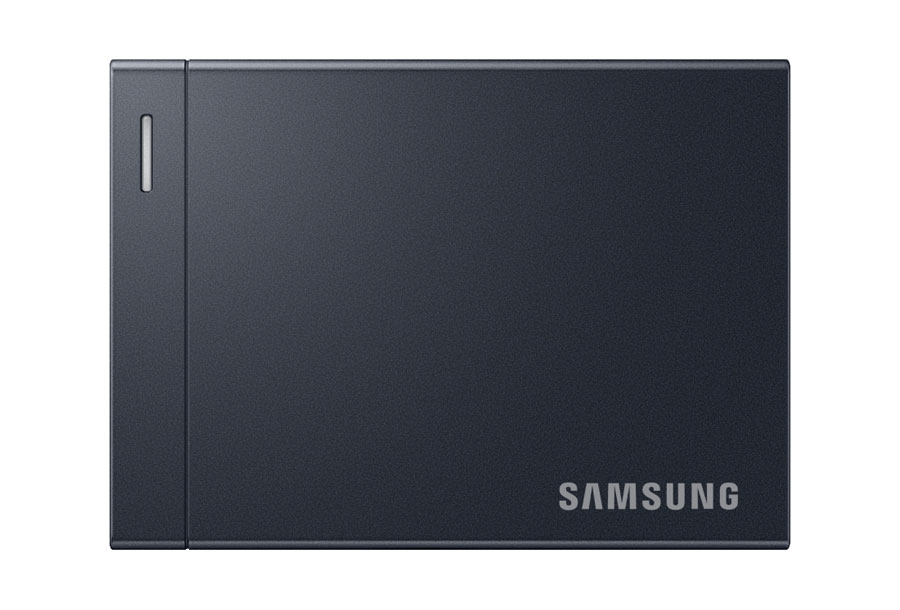
The P9
The P9 hits 4,000MB/s sequential read and 3,800MB/s sequential write — roughly double the Samsung T9's 2,000MB/s ceiling. That jump is wide enough to enable direct 12K video recording to the drive from a camera, which has practical implications for cinematographers and content creators shooting in high resolution. USB4 adoption is now broad enough across recent laptops — including MacBook Pro M-series and Dell XPS 14 Gen 6 — that these speeds are actually reachable without an adapter. The P9 also won a CES 2026 Innovation Award, per Samsung Global Newsroom.
The P7
Samsung is keeping full speed specs for the P7 under wraps for now, but it's positioned as the tougher, more versatile option. It survives a 2-meter drop and passes shock and vibration tests, according to SammyFans, making it a reasonable choice for fieldwork or anyone who isn't gentle with their gear.
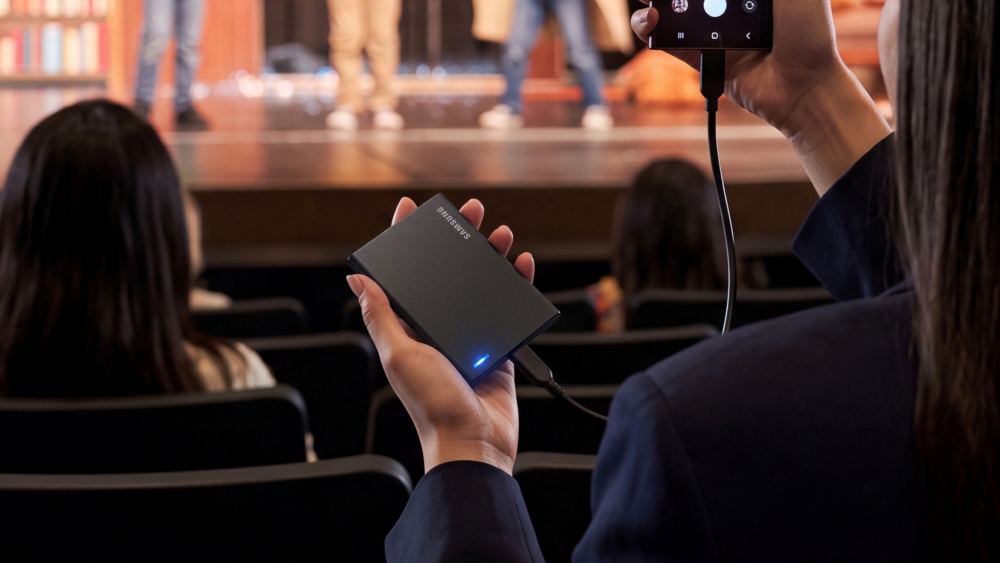
Samsung P7 portable SSD. Illustration: Samsung
Price and availability
Both drives go on sale globally on August 31, 2026, in 1TB, 2TB, 4TB, and 8TB capacities. P9 pricing starts at $339.99 for 1TB and climbs to $2,699.99 for the 8TB model. The P7 starts at $289.99 for 1TB, with the 8TB version priced at $2,289.99. European pricing puts the P9 from €350.99, though UK-specific GBP pricing hasn't been confirmed yet — expect it to land in the £270–300 range for the 1TB entry model based on Samsung's typical retail positioning.
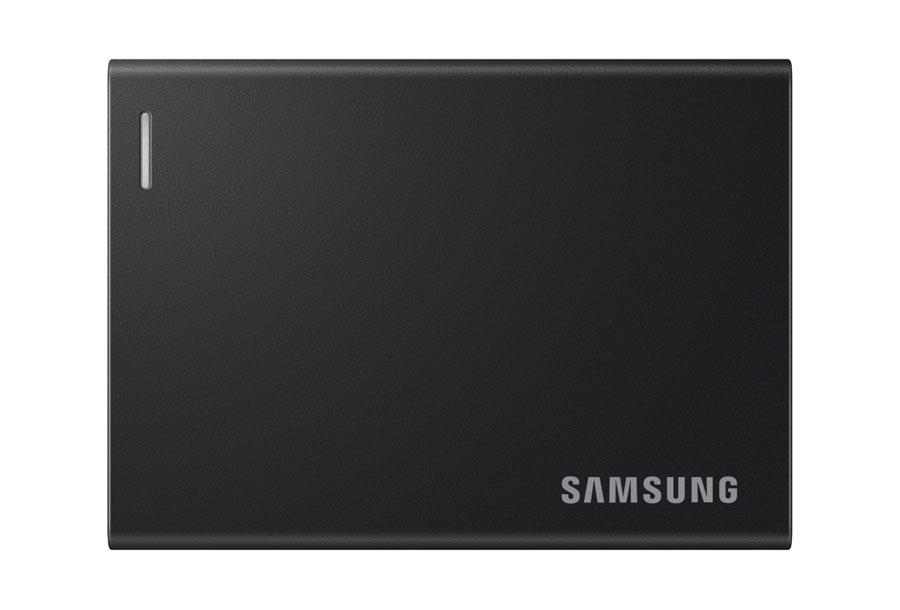
At those prices, the P9 is firmly premium territory, sitting well above mainstream portable SSDs from Kingston or Corsair. But for creators who need to pull large RAW or 12K footage off a camera fast, the speed-to-portability ratio is a genuine differentiator — not just a spec-sheet number.


