Lenovo's fanless AeroBlade laptop concept ditches cooling fans for solid-state tech

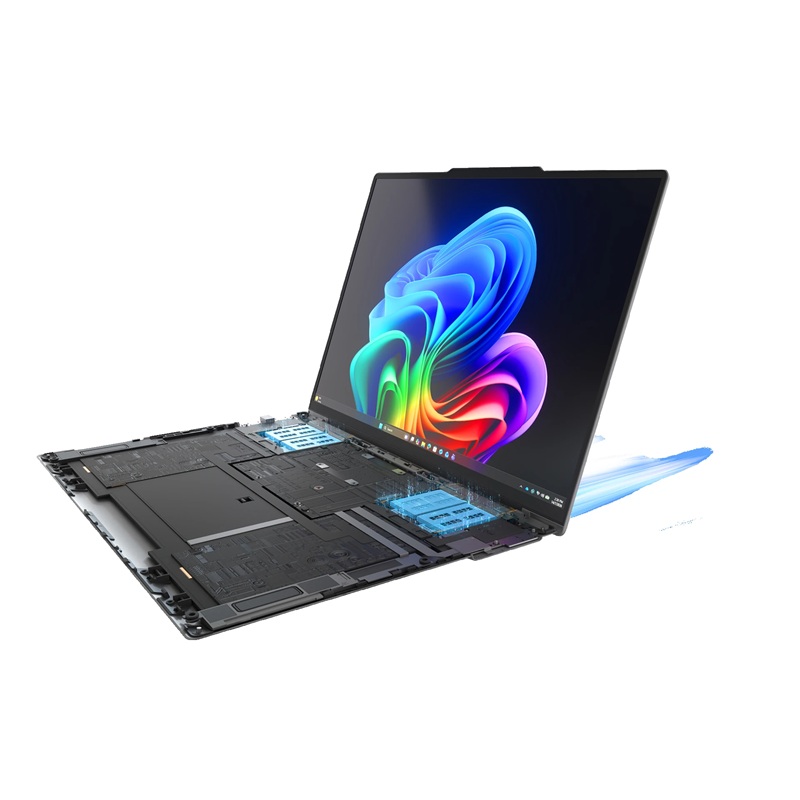
Lenovo has shown off a fanless 14-inch laptop concept at IFA Berlin that could point to a quieter, thinner future for portable PCs — if it ever makes it to shelves. The Project AeroBlade weighs under 830g, measures less than 10mm thick, and replaces traditional spinning fans entirely with solid-state cooling modules made by Silicon Valley startup Frore Systems. No price or release date has been announced; Lenovo calls this a proof-of-concept.
The hardware
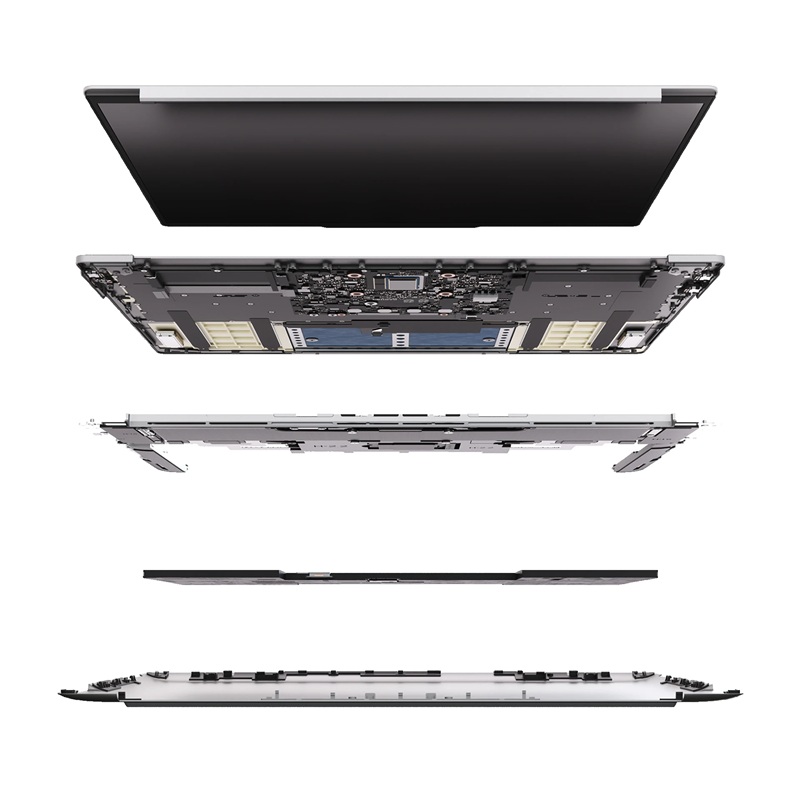
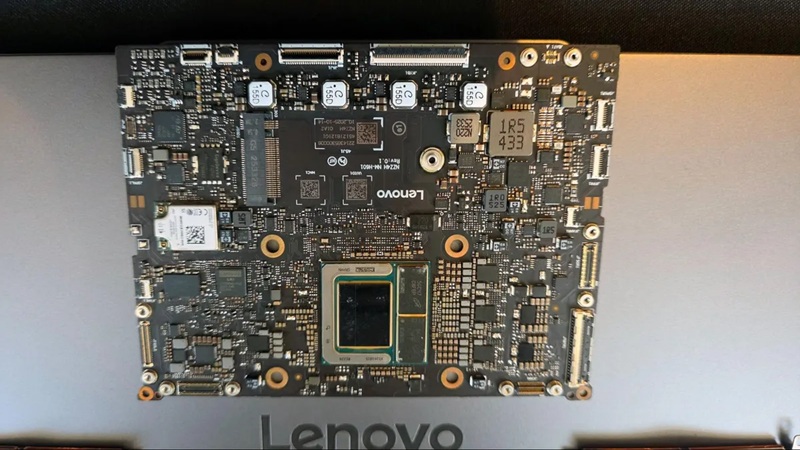
The chassis is magnesium-aluminium alloy. Ports include three USB-C connections with Thunderbolt 4 support, and Wi-Fi 7 is on board. The display is OLED. Inside runs Intel's Lunar Lake processor family, which carries a baseline TDP of 17–30W.
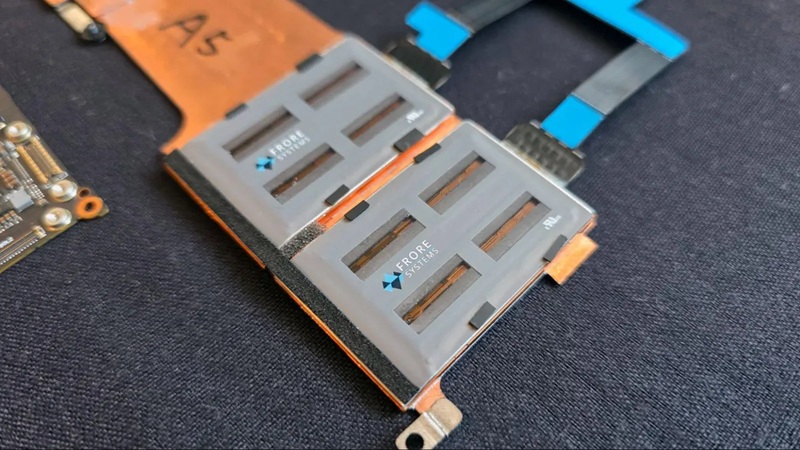
The cooling system — branded Lenovo Active Flow — relies on four AirJet Mini modules. Each module uses a vibrating membrane instead of a spinning fan blade to move air, dissipating 7.5W of heat. Four together handle 30W total, per PCWorld. The benefits over traditional fans: no noise, no moving parts to wear out, and no gaps for dust to enter.
The catch
The thermal math is tight. Lunar Lake chips are rated for up to 37W at peak, which means the 30W cooling ceiling could trigger throttling — a slowdown the processor imposes on itself to avoid overheating — during sustained heavy workloads. Lenovo hasn't addressed that gap publicly.
Scale is the other open question. Frore Systems has yet to land a volume manufacturing commitment from any OEM beyond this Lenovo concept. An earlier version shown at Computex used just one AirJet Mini module; AeroBlade uses four, raising per-unit cost concerns.


For comparison, Apple's MacBook Air M3 already achieves a sub-10mm profile with entirely passive cooling — no fans, no AirJet modules — at a known price. AeroBlade's added complexity needs to deliver a clear advantage to justify the premium that solid-state cooling would inevitably add.
What comes next
Lenovo confirmed at IFA it hasn't decided whether AeroBlade will enter full production. The concept shows that AirJet can scale beyond a single module in a real chassis, which is meaningful progress. Whether that translates into something you can actually buy — and at what cost — remains entirely open.


