

Following the success of Persona 3 Reload, which received critical acclaim and demonstrated strong sales, discussions about possible remakes of other games in the series have intensified among fans. Recent developments suggest that Atlus does indeed have such plans.

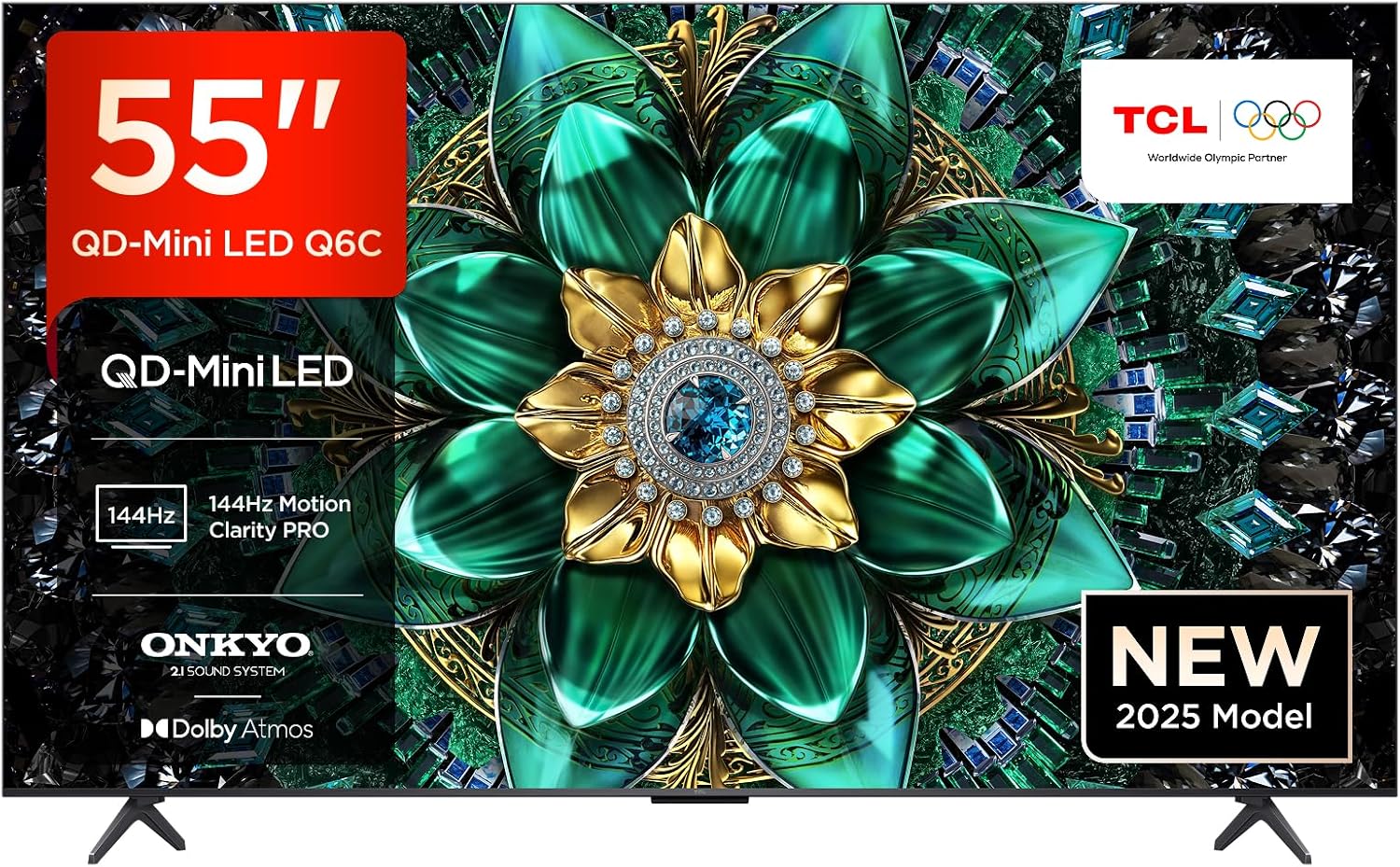
TCL has introduced the new Q6C QD-Mini LED TV to the European market. The model, available in five sizes (55, 65, 75, 85 and 98 inches), features high image quality and advanced technology.
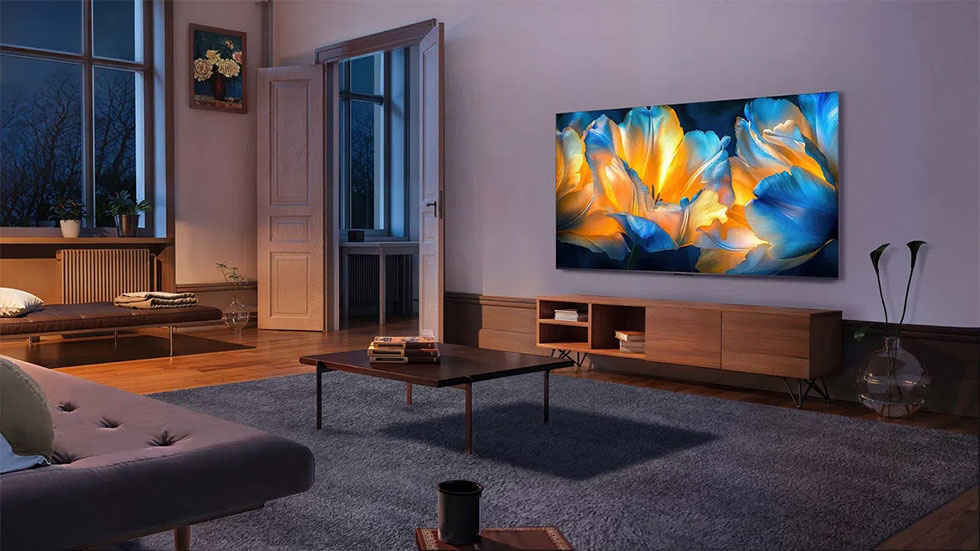
TCL has started selling C6KS TVs in some European countries and plans to launch the C6K model soon. Both devices are equipped with HVA panels and the new Halo Control System.
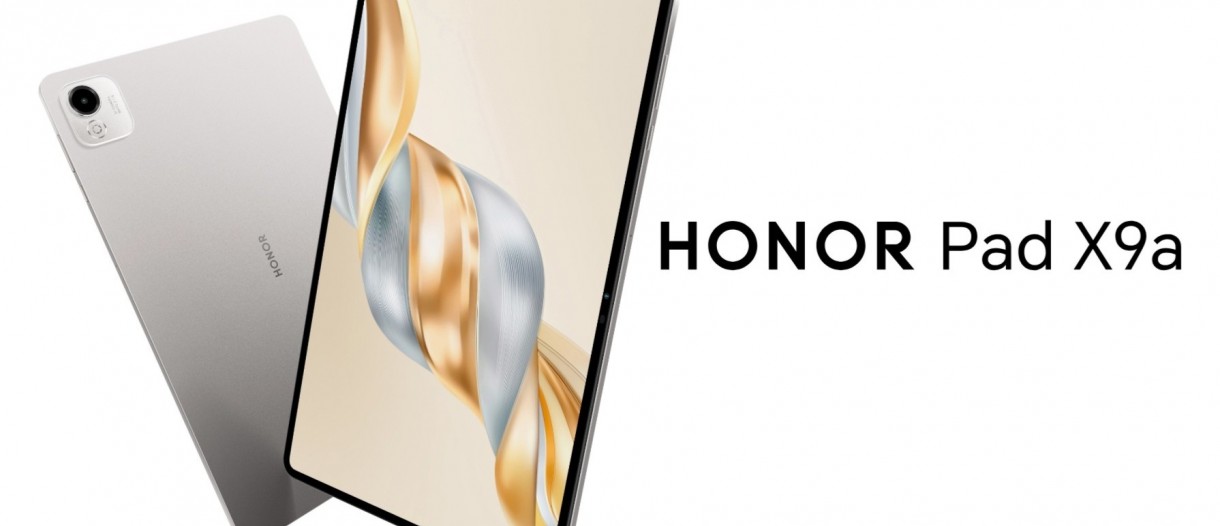
Honor announced the Pad X9 tablet in July 2023, and now it has introduced an updated model - the Honor Pad X9a.
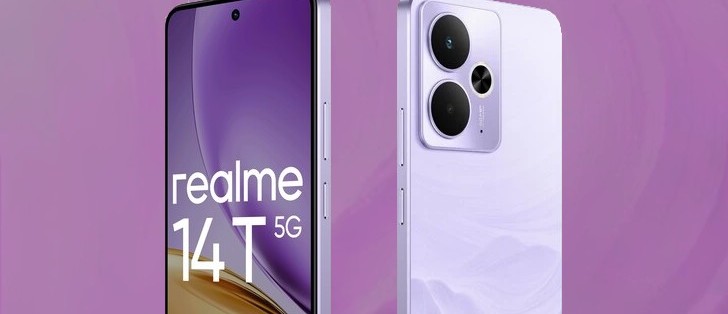
A page for the new Realme 14T smartphone was spotted on AliExpress, probably published prematurely.
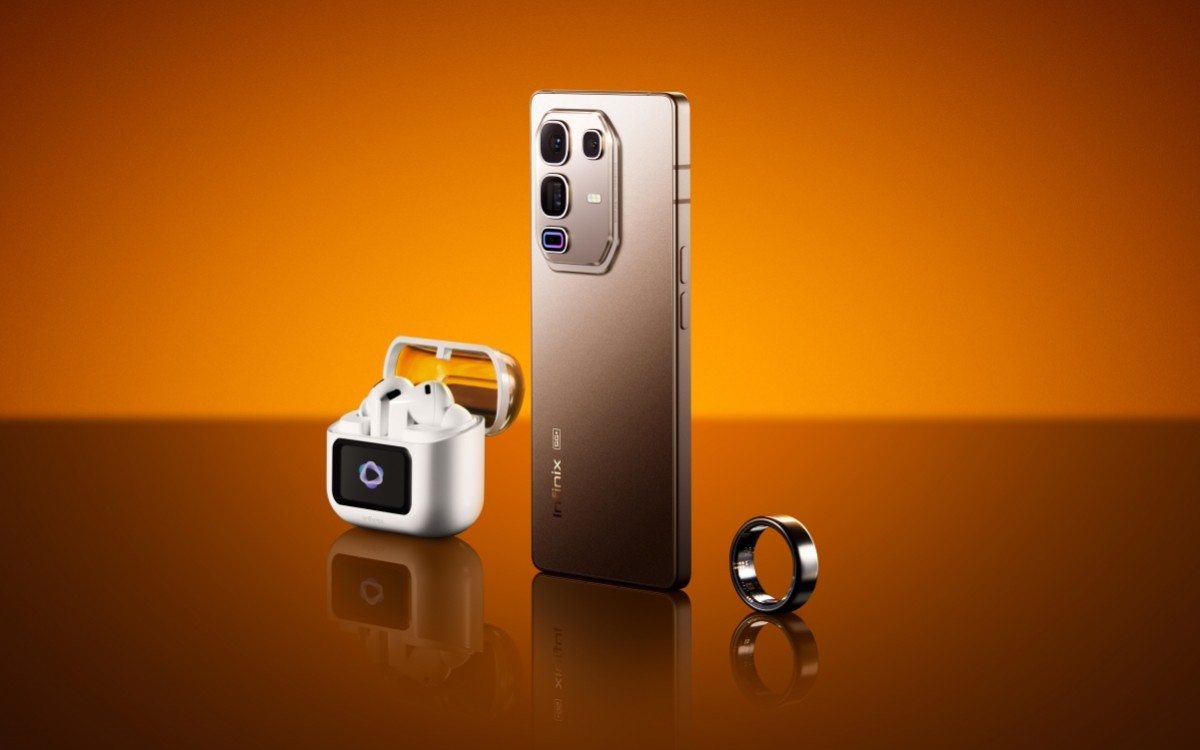
Infinix has presented a new flagship smartphone of the Note 50 series - the Pro+ model with 5G support. Along with the new smartphone, the company introduced AI Ring and AI Buds accessories that became part of the brand's strategy.
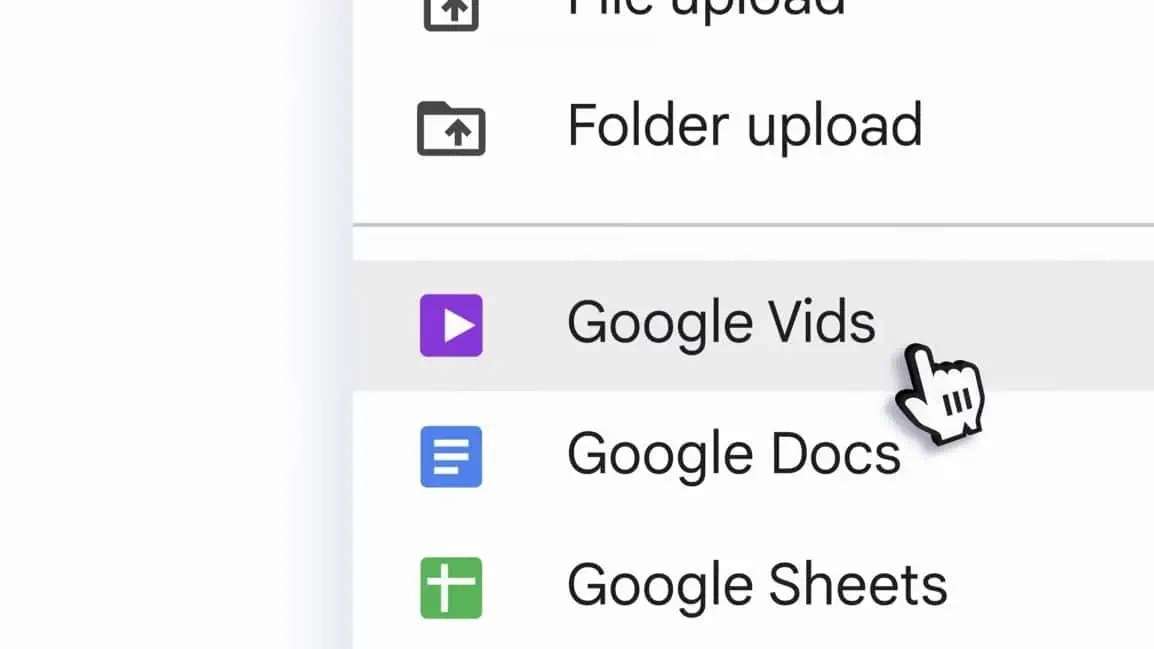
Google is adding a new feature to the Google Vids platform that will help create video presentations using artificial intelligence.
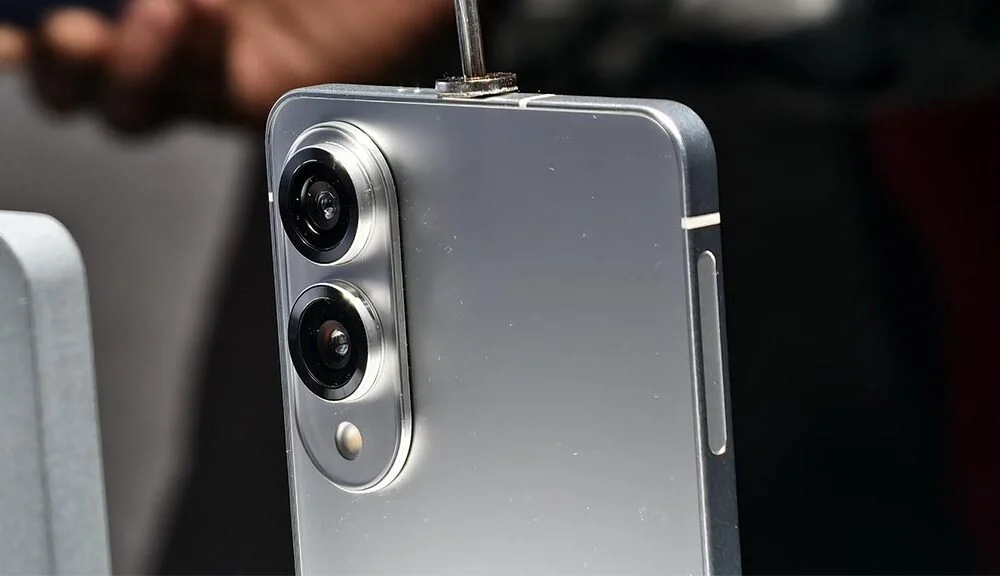
Two new Samsung devices have been spotted on Geekbench. The South Korean version of the Galaxy S25 Edge (SM-S937N) appeared on the new list alongside the international version of the Galaxy Tab S10 FE (SM-X526B).
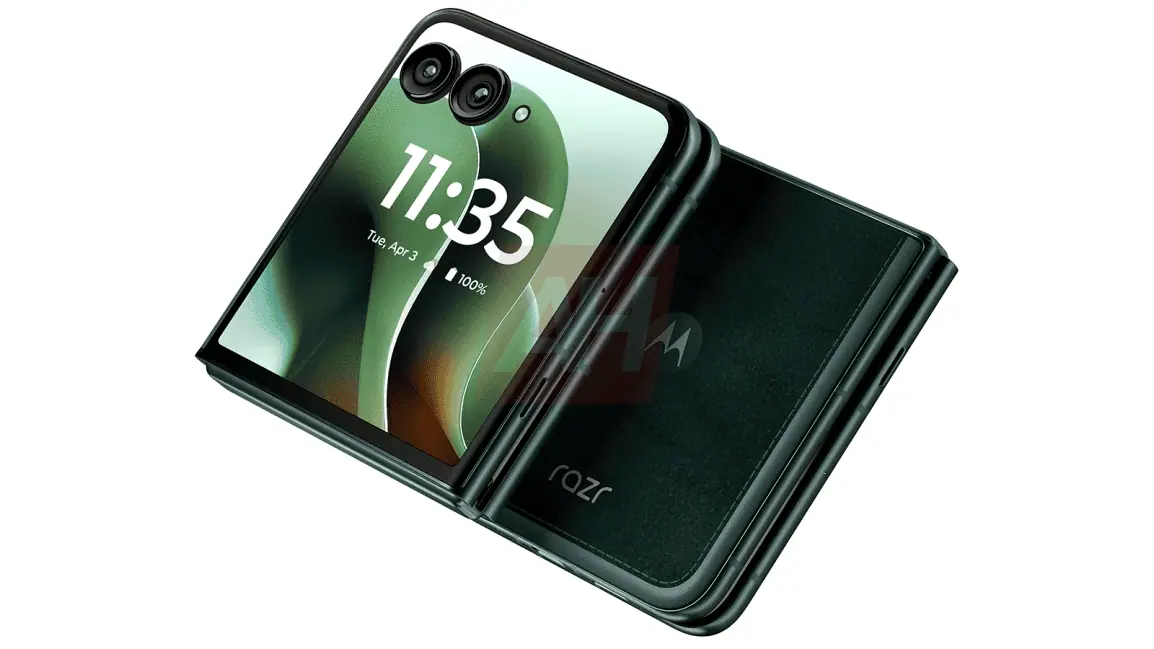
New colour leaks of the Motorola Razr 60 Ultra have appeared online. The 360-degree video shows all sides of the device, including its elegant wooden texture on the back.
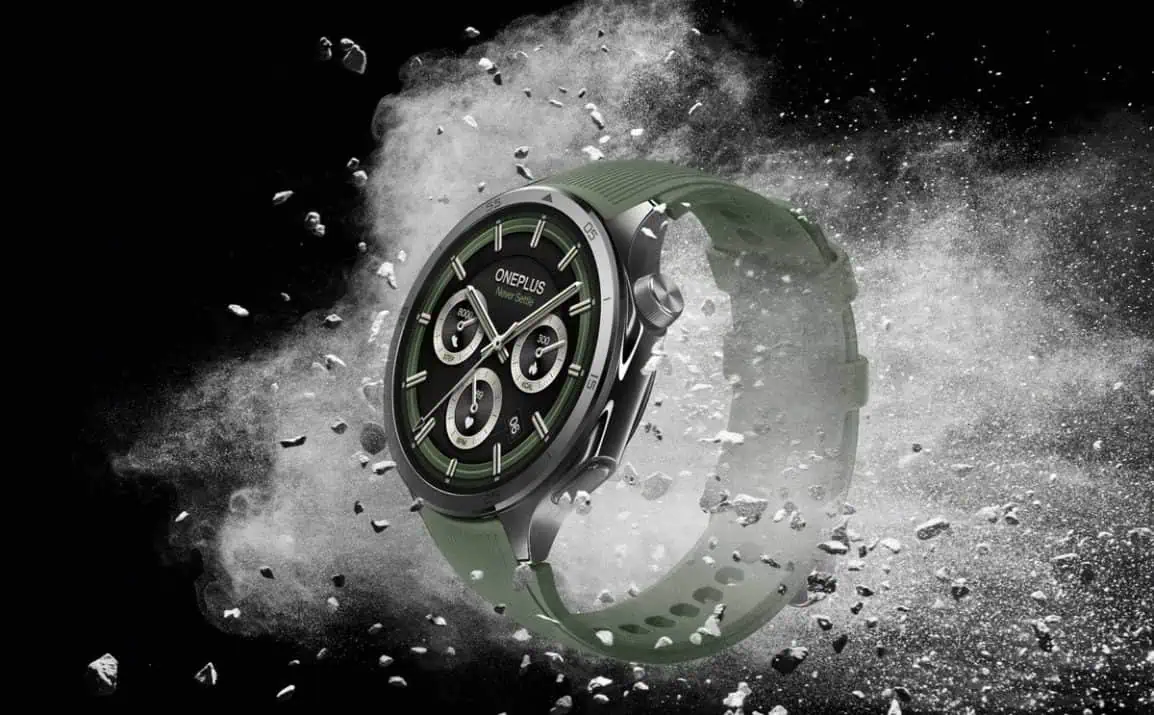
A month ago, OnePlus unveiled its new smartwatch - OnePlus Watch 3. After that, the head of research and development at OnePlus Health Lab, Leo Zhan, said that the company may release a new Watch 3 model in a different size.
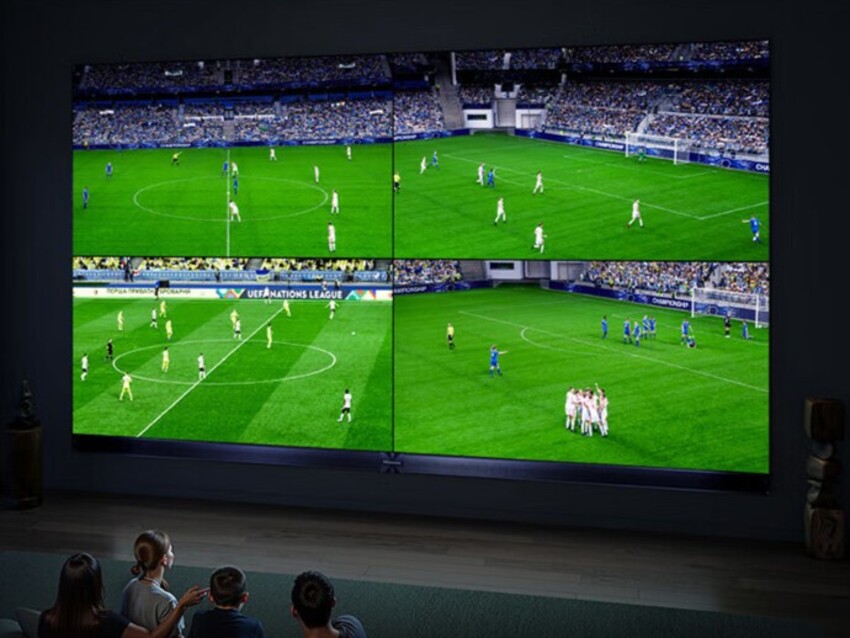
Hisense has officially launched its 163-inch UX MicroLED TV in China. This model features an ultra-thin bezel-less design and supports a range of advanced technologies for enhanced picture and sound.

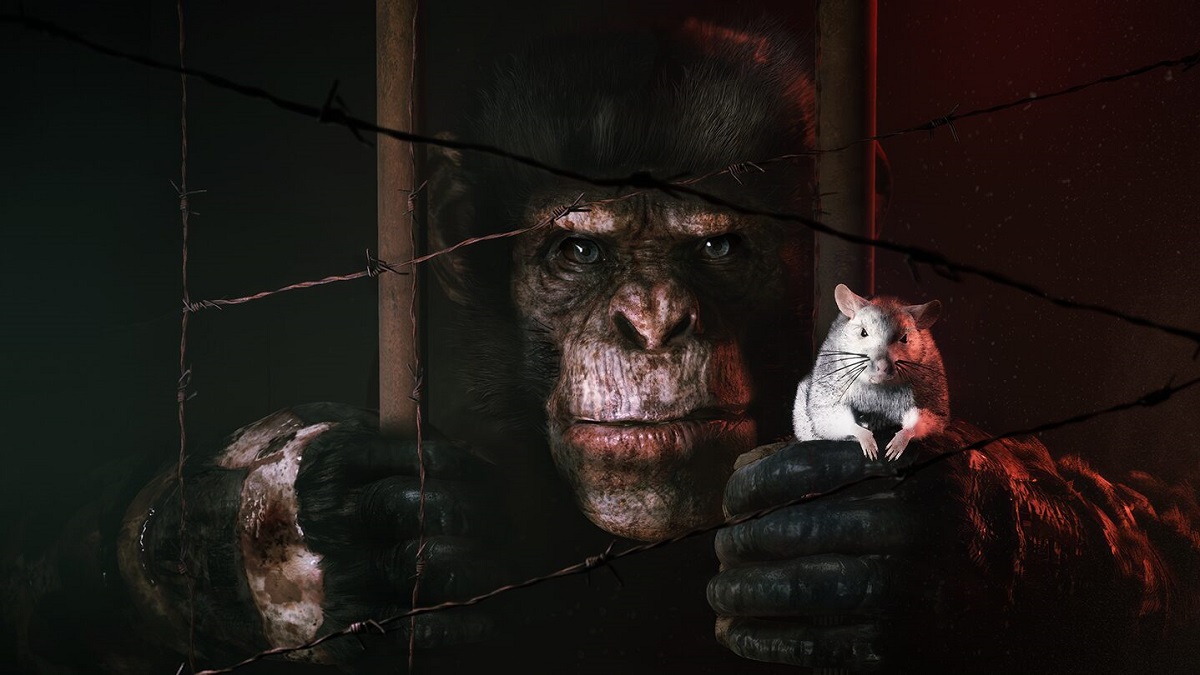
Horror fans will definitely be interested in this game
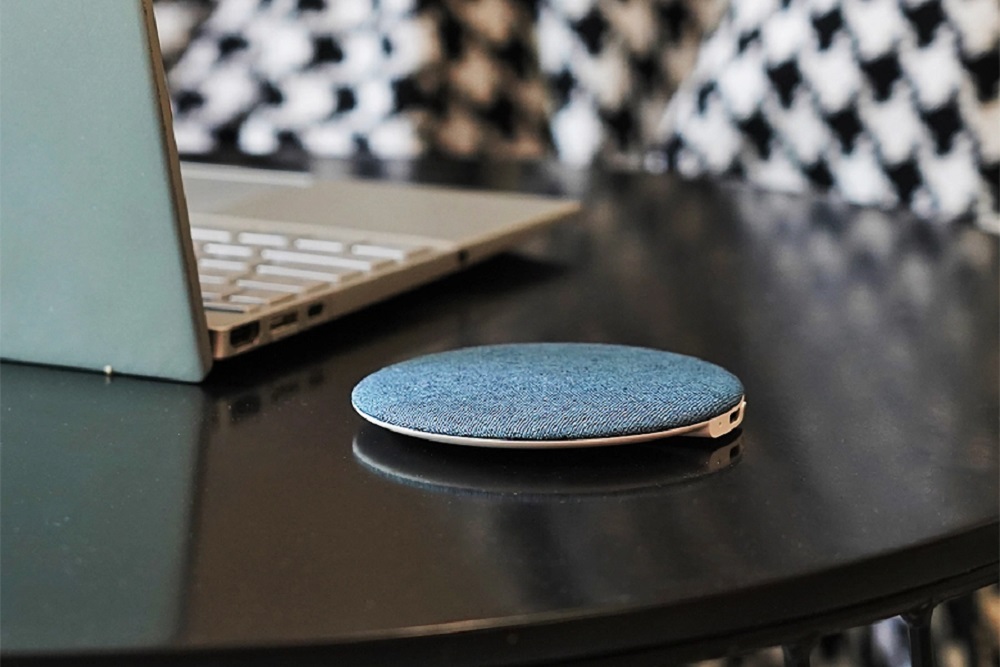
The device is only 11 mm thick

Autopsy Simulator is not a game for the faint of heart
The update is already available on Android, iOS and in the browser


