Resonance: A Plague Tale Legacy is a third-person action-adventure game developed by Asobo Studio. This time, players are transported to two different time periods — medieval Europe and ancient Minoan Crete, — where a young bandit, Sofia, embarks on a perilous journey to uncover the mystery that has haunted her since childhood. The game shifts the series’ focus from stealth to close-quarters sword combat and light-based puzzles. The ggeditorial team also travelled to the Island of the Minotaur to see how this new instalment reimagines what a game in the A Plague Tale series can be.
Synopsis
Following a botched heist in Venice, the thief Sofia finds herself on the Island of the Minotaur — a place that has haunted her dreams since childhood and where the legacy of a forgotten civilisation lies. Together with her friend Leni, Sofia must navigate the ruins, evade those hunting her, and uncover the truth about the ancient resonance that links her fate to the myth of the Minotaur, — as well as discover whether lifting the curse means destroying it, or, conversely, finally realising her place within it.
4 reasons to buy Resonance: A Plague Tale Legacy
- At last, you can take on everyone instead of hiding in the bushes
- You’ll want to explore beyond plague-stricken France
- Jumping between timelines is your hobby
- No drawn-out open worlds. Just a rich, linear story
1 reason to give Resonance: A Plague Tale Legacy a miss
- The combat is sometimes a bit clunky, and you want maximum fluidity
Quick overview:
- Plot: the rats are running late, the Minotaur is coming
- Gameplay: forget everything you’ve ever been taught
- Is everything all right on the island?
- What will make Resonance: A Plague Tale Legacy memorable
- Five things you need to know about Resonance: A Plague Tale Legacy
Plot: the rats are running late, the Minotaur is coming
In Resonance: A Plague Tale Legacy, the series’ focus shifts from Amicia and Hugo to Sophie. The story unfolds fifteen years before the events of Requiem, where we first met her. After a heist plan linked to the gang of Sophia’s late father goes disastrously wrong in Venice, the young girl is forced to flee with her closest friend, Leni. Together, they head for a mysterious place that has haunted her dreams since childhood: the island of the Minotaur off the coast of Crete. What begins as a desperate escape quickly turns into a personal quest, accompanied by the question: ‘What on earth is going on here?’. Sofia tries to piece together the fragments of her family’s past, track down the rumoured treasure, and come to terms with the unsettling feeling that the island itself had been calling to her long before she realised why.
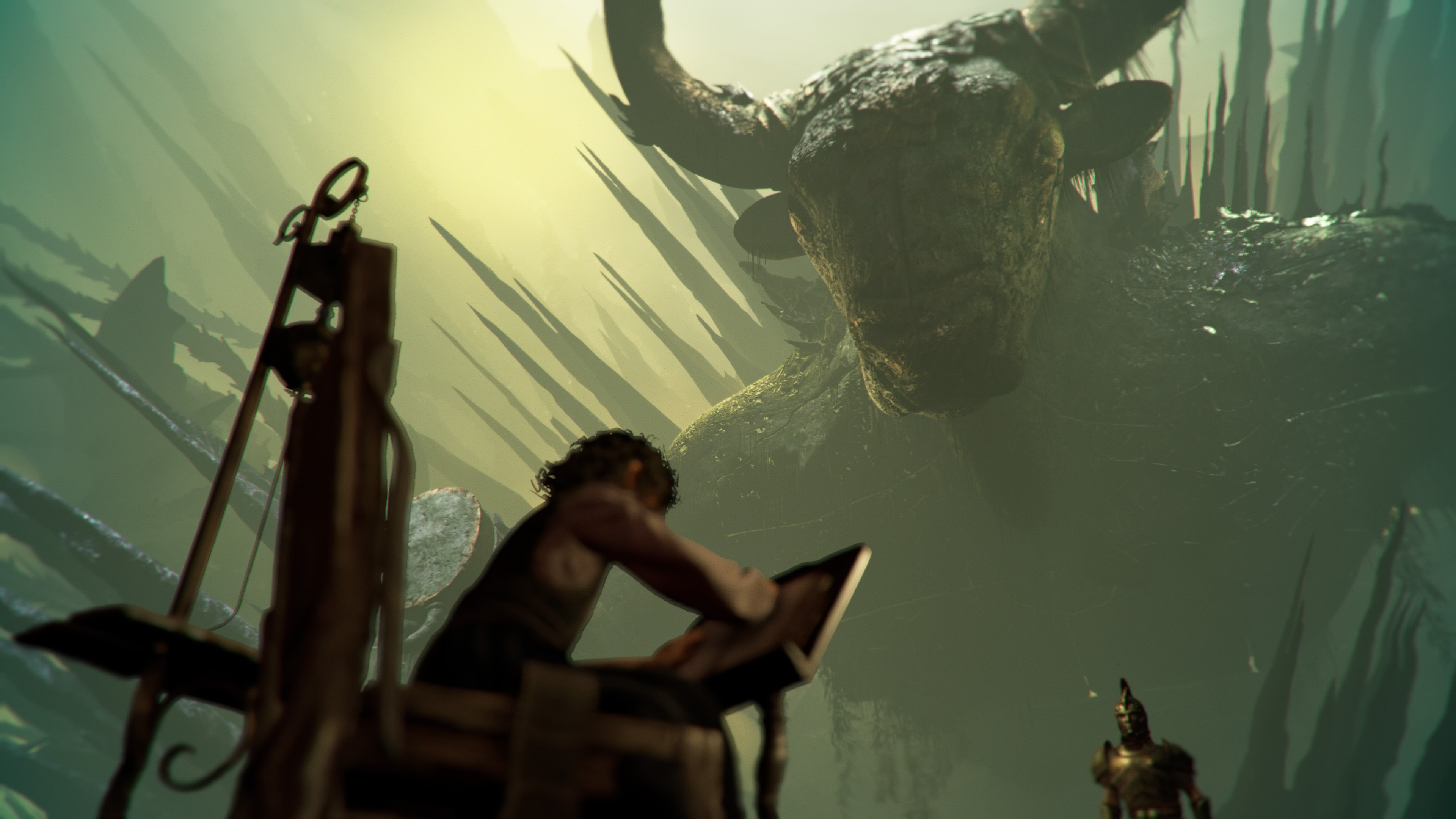
Instead of hundreds of thousands of rats, we’re now presented with a single, formidable Minotaur, which could cause no less trouble. Illustration: Gagadget
The story unfolds across two timelines: Sofia’s modern-day struggle against those hunting her, and the legendary past of Theseus — a warrior whose decisions in Minoan times shape her destiny. This dual structure transforms the plot into a dialogue between eras, where every discovery in the distant past sheds new light on Sophia’s understanding of her own identity and offers yet another perspective on the nature of the ‘curse’ that has gripped the franchise from the very beginning.
The writers have given us a story of grief, legacy and the cost of seeking answers that could change who you are. Meanwhile, a growing obsession with the island’s secrets drives the characters towards dangerous decisions and painful self-discovery. All of this transforms the initial plan of a treasure hunt into a reflection on one’s role in this world.
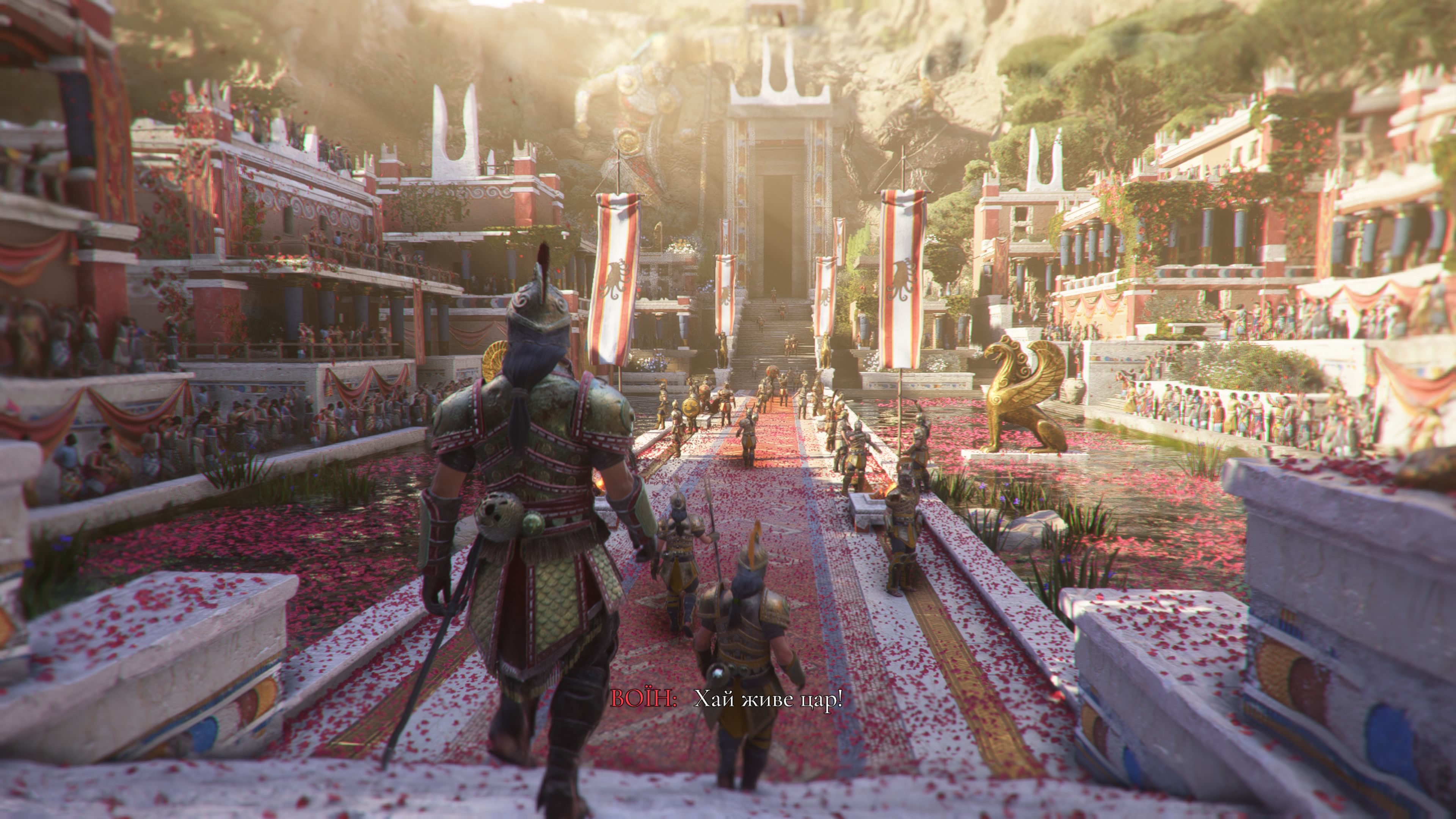
As well as Sofia’s story, you’ll also have to find out who Theseus is and what his role is in all of this. Illustration: Gagadget
And although I initially had my doubts as to whether the game would be interesting without the series’ main selling point – the rats – I was left satisfied by the end. Resonance shows that the world of A Plague Tale doesn’t end with the plague in France, and there’s plenty of drama whether the rodents are there or not. Parts of the adventure had me on the edge of my seat, just like in the previous instalments. The Minotaur (whoever he may be) provided a great foil to the rats whilst they were preparing for the plague. And now I’m even more eager for the next challenge in this mad world.
Gameplay: forget everything you’ve been taught
Resonance reimagines the series, shifting from a survival game with an emphasis on stealth to a dynamic action-adventure focused on close combat. At its core is now Sophia’s aggressive fighting style, built around a parry system and a series of strikes. Players combine sword strikes, throwing objects around and manoeuvring with a grappling hook to close the distance or pull enemies in for the kill. All of this turns encounters into dynamic, deadly dances.
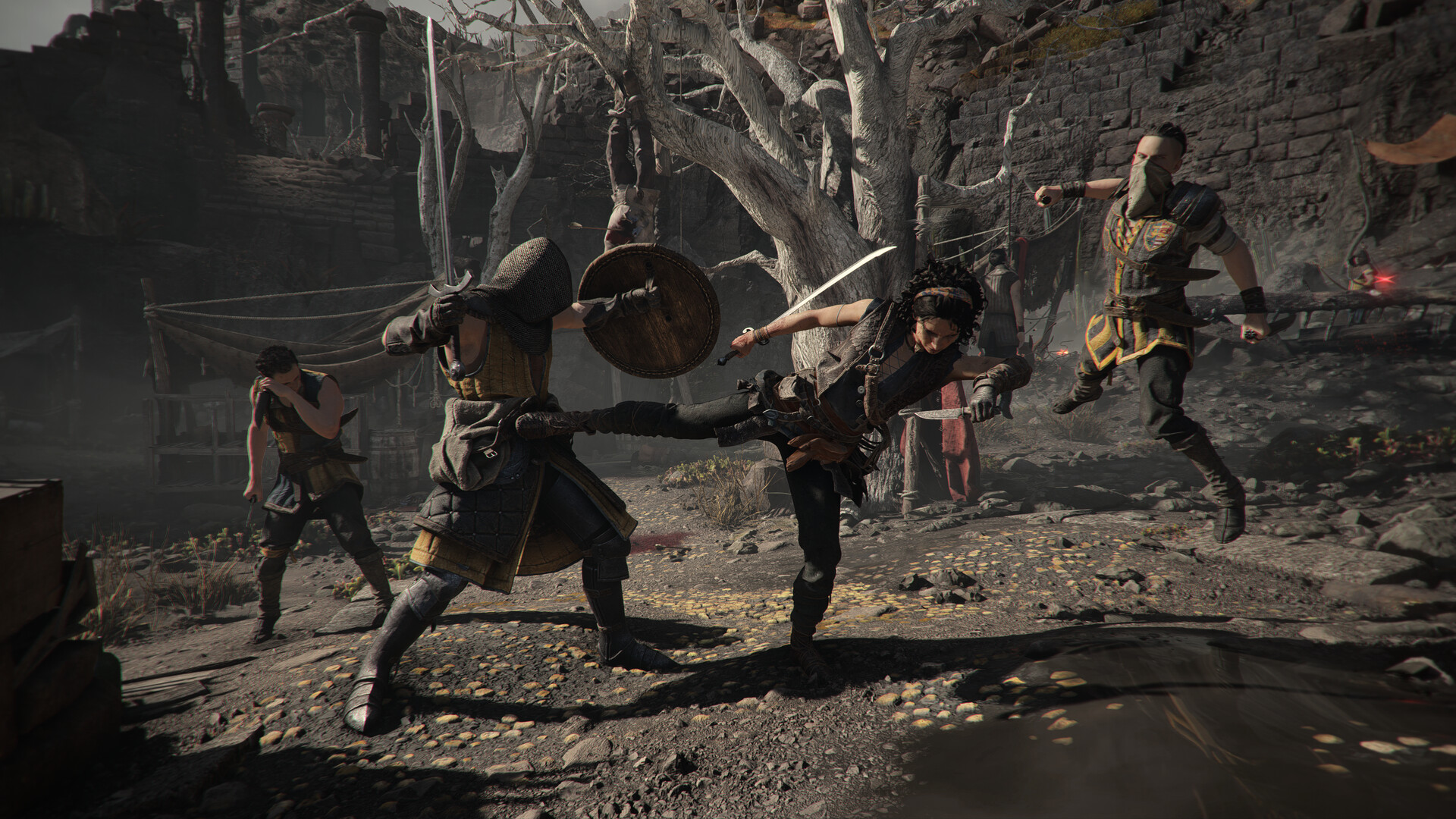
From now on, we can kill almost everyone in our path, but don’t think that makes it any less terrifying. Illustration: Focus
To help you do this better, you’ll find new blades scattered across the locations. For example, some cause bleeding after a successful series of attacks, whilst others allow you to land a special strike on several enemies at once. In addition, you’ll come across various bracelets, amulets and jewellery, which Sofia can equip to increase her chances of survival. Thanks to this, there’s a greater chance that archers will miss, or that enemies will more frequently drop items that can be thrown at others. And it’s a brilliant approach when you find not just a simple piece of jewellery, but also a tool that could save your life. Although the game doesn’t do without the familiar skill tree, which is unlocked by finding special small items.
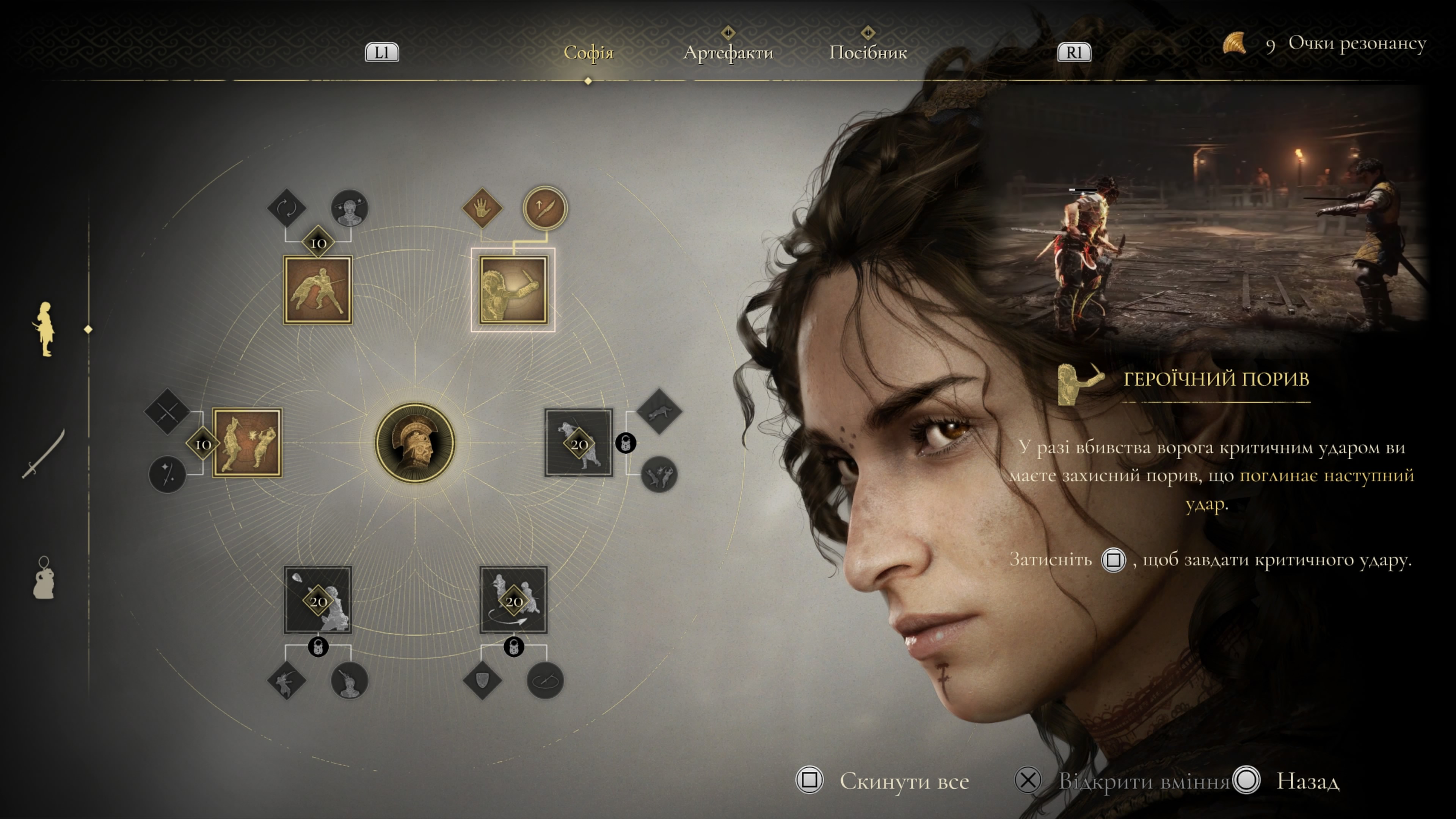
Levelling up allows you to create your own build, so that you alone decide how to secure victory. Illustration: Gagadget
Puzzle-solving has also been reimagined, centred around a new light-manipulation mechanic linked to a stolen Minoan artefact. A prismatic sphere reflects beams of light to activate ancient mechanisms, open hidden paths and uncover the island’s deepest secrets. These puzzles combine observation of the surroundings with spatial reasoning, whilst in the platforming sections, Sofia uses her agility and grappling hook to navigate the crumbling ruins. The result is an interactive world that encourages experimentation and exploration. However, don’t expect an open world. The whole game is divided into chapters with relatively spacious locations, but I much prefer this approach.
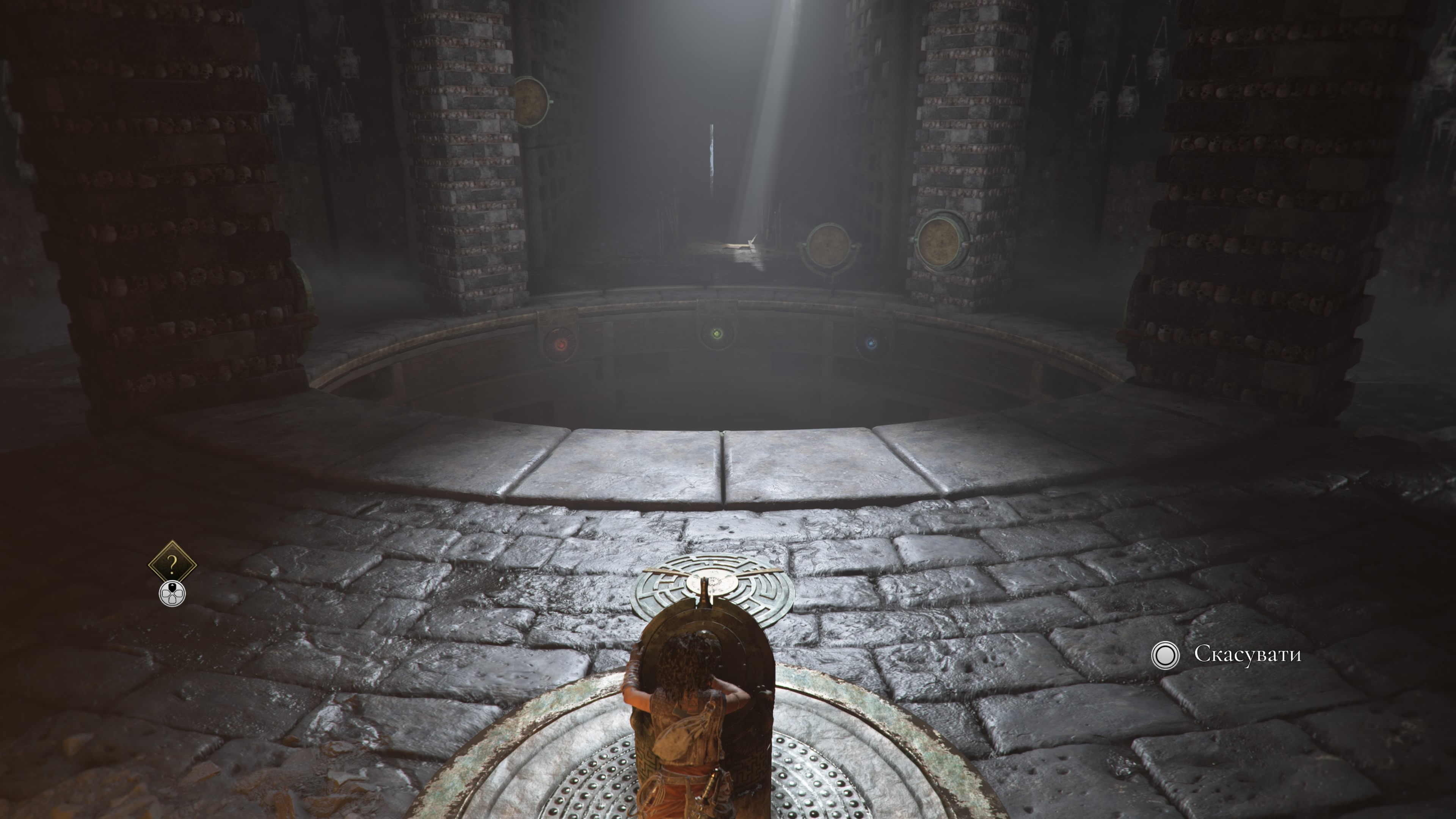
The main thing is that you don’t have any trouble finding your bearings. Otherwise, you might get stuck for quite a few minutes. Illustration: Gagadget
As for stealth, there’s a small element of it left, where you’ll have to hide from something or someone and find a way out of a situation where the stress levels keep rising. So the game constantly juggles gameplay elements on screen to keep things from getting boring.
As for the downsides, the only thing I’d mention is that the combat itself feels a bit clunky in places. I’d have liked Sofia and her attacks to be more fluid, with a flow reminiscent of, say, Batman: Arkham.
Is everything alright on the island?
I played the game on a PlayStation 5 Pro and there were a few niggles with the optimisation. On one occasion, the game simply froze and crashed. From time to time, there were frame rate drops, particularly when there were lots of small details on screen. However, I didn’t encounter any critical bugs or anything that prevented me from completing the game. So let’s put some of the shortcomings down to the press build.
But Greece is lovely, isn’t it?
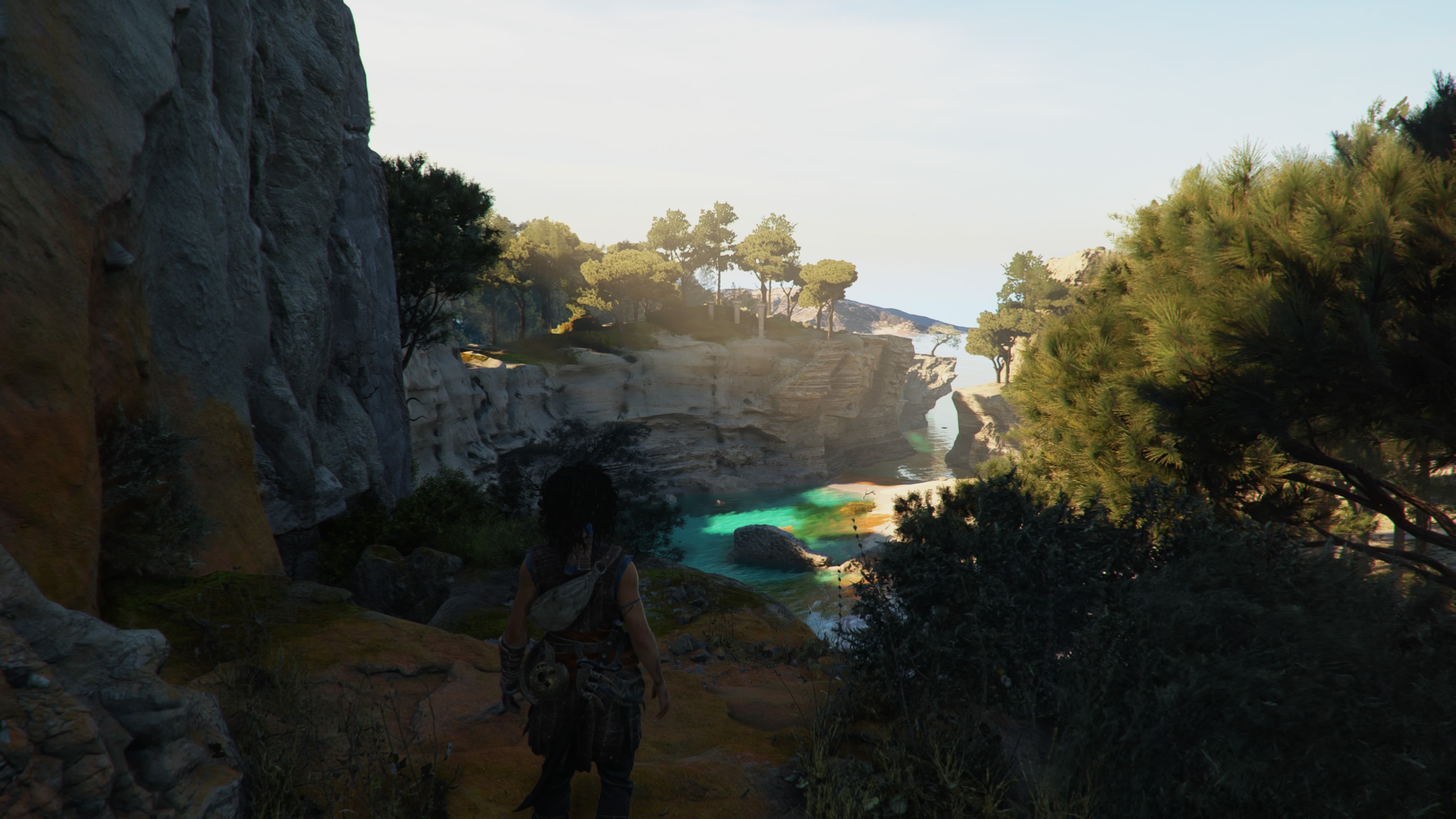
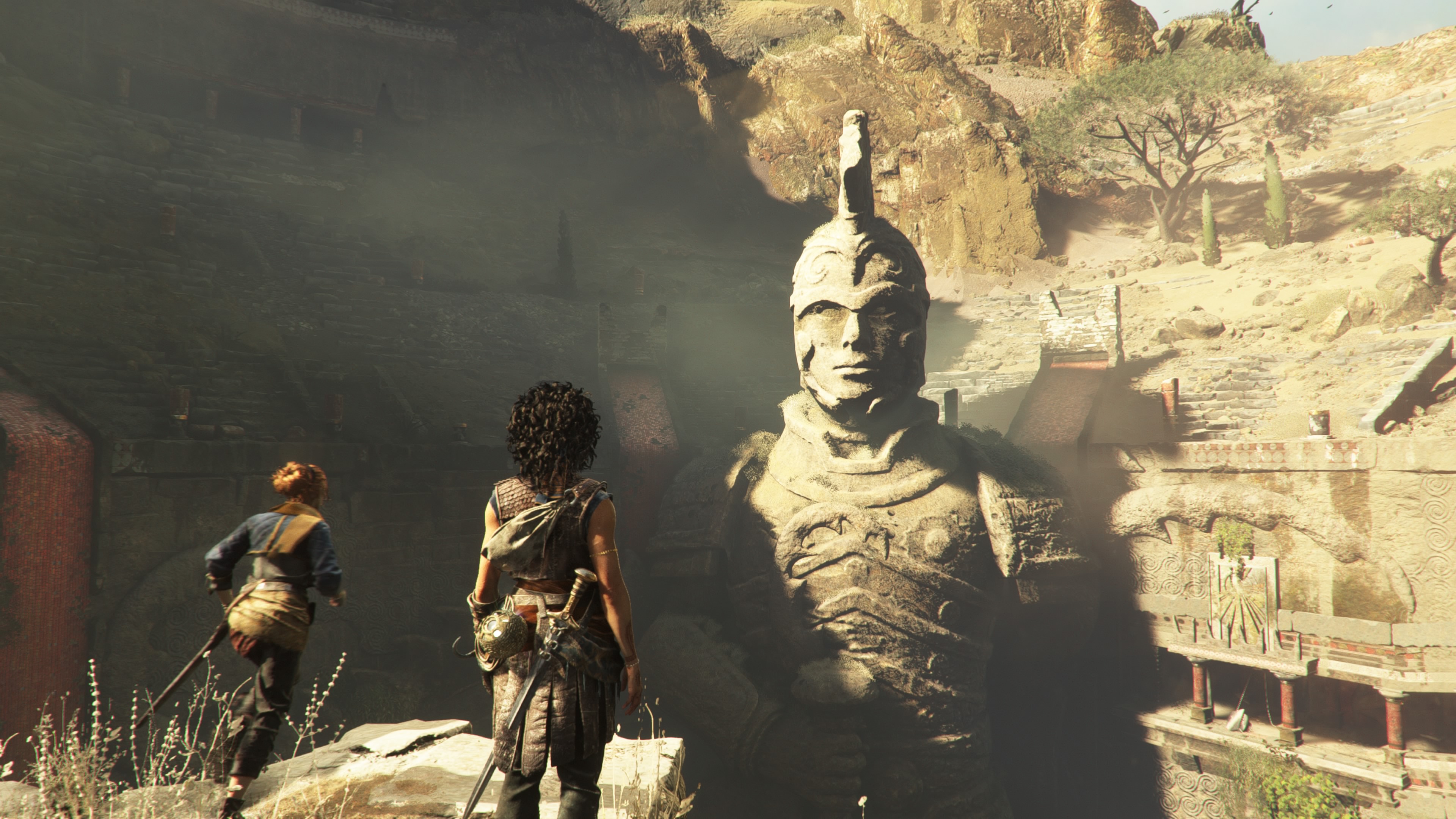
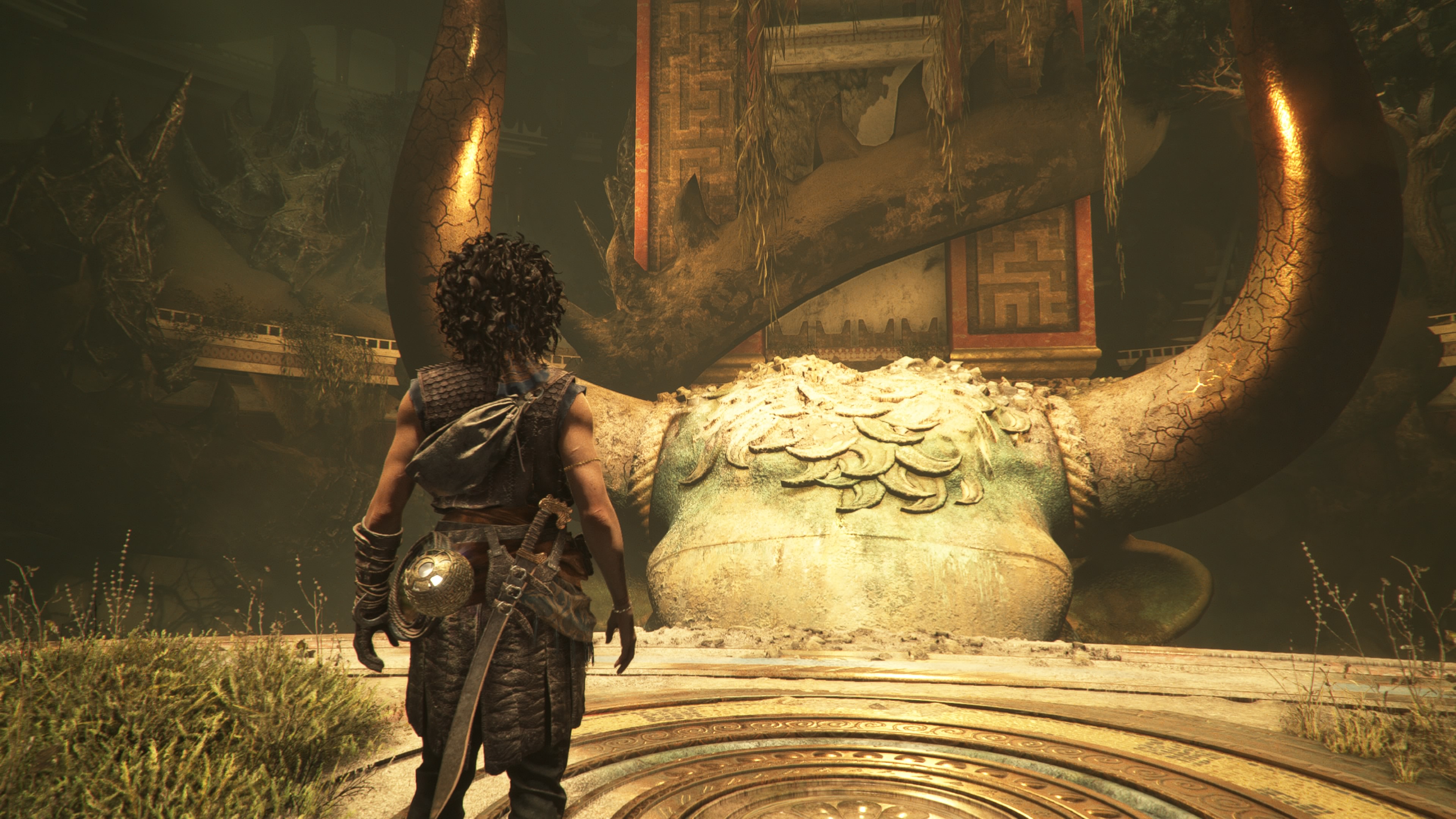
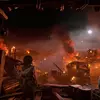
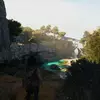
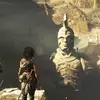
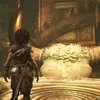
The game’s art style is based on dramatic contrasts: the vibrant Minoan palaces in golden hues, adorned with marble and frescoes, stand in stark contrast to the faded, dust-choked ruins of medieval architecture, creating a world that feels both mythical and realistic. So there’s plenty to take in on this Greek journey, and the series’ characteristic gradual transition from colourful scenes to more sombre locations is beautifully preserved.
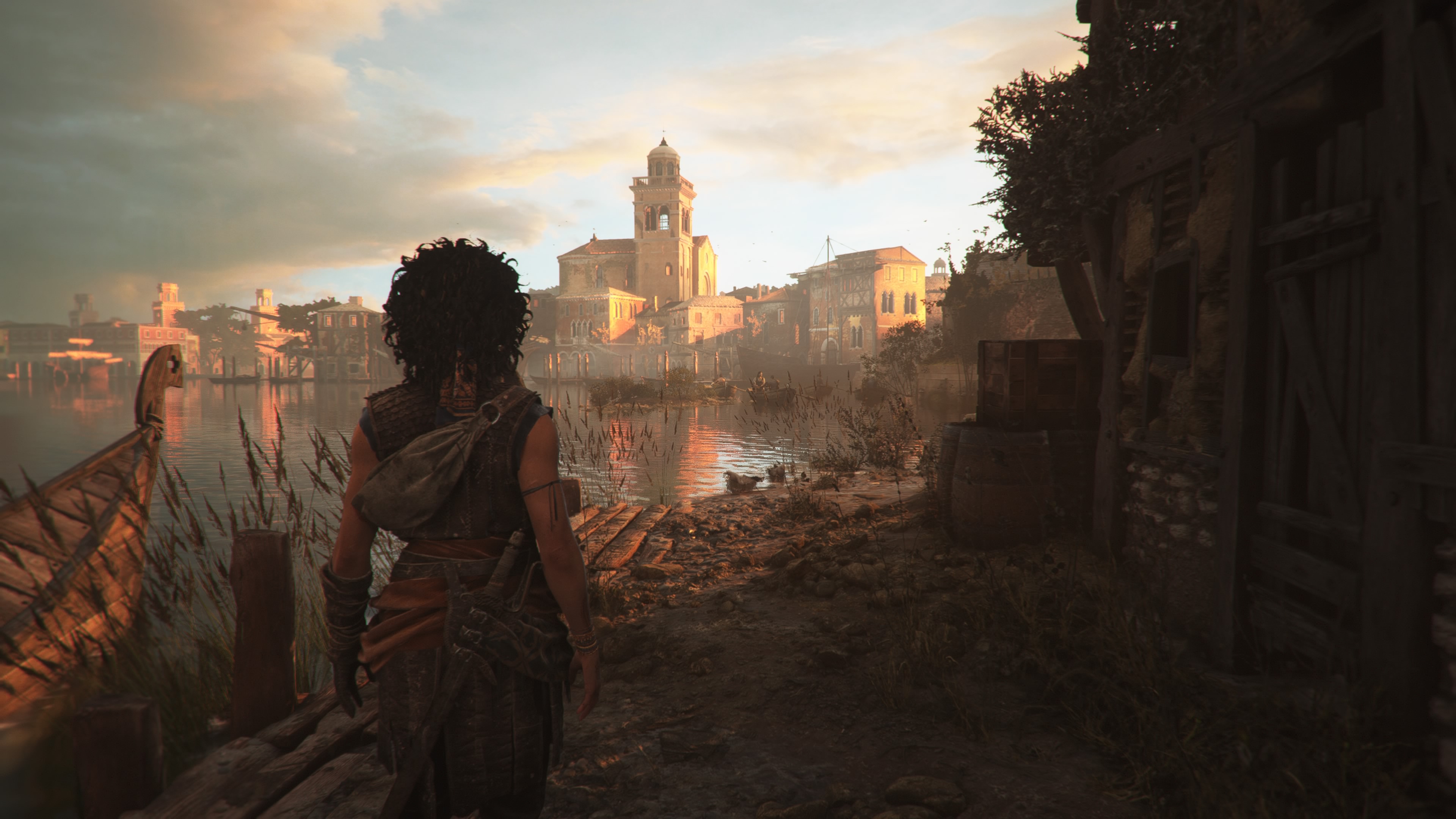
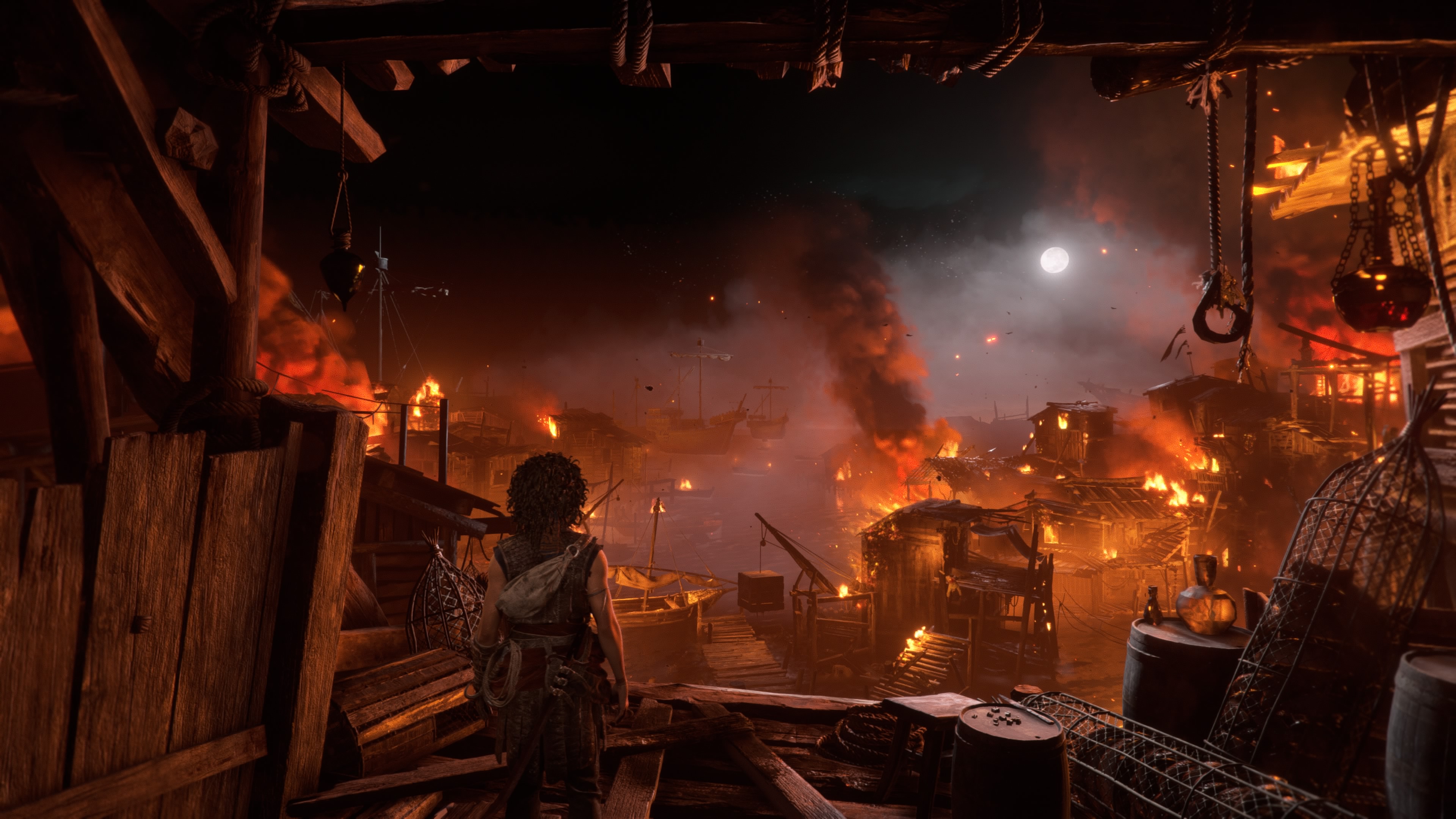
The soundscape doesn’t disappoint either
The game’s beautiful music blends emotional melodies with mythical grandeur. As a result, the soundtrack feels both ancient and timeless. From personal tracks that emphasise Sophia’s grief to thunderous battle themes featuring a choir, the music elevates every moment. And the sound design – from the echo of footsteps in marble halls to the distant sea breezes – helps you immerse yourself more deeply in the world.
What makes *Resonance: A Plague Tale Legacy* memorable
Resonance: A Plague Tale Legacy is memorable for boldly reimagining the series’ identity whilst preserving its emotional core. By replacing stealth with close-quarters combat, the game grants players a new kind of freedom of action. The heroine no longer flees from danger but confronts it head-on, using a sword, a dagger and a grappling hook. And the shift in setting from plague-ridden France to ancient Greek mythology, set against a backdrop of medieval decline and featuring two timelines, demonstrates that this franchise has plenty of room for development and is far richer than it might initially appear.
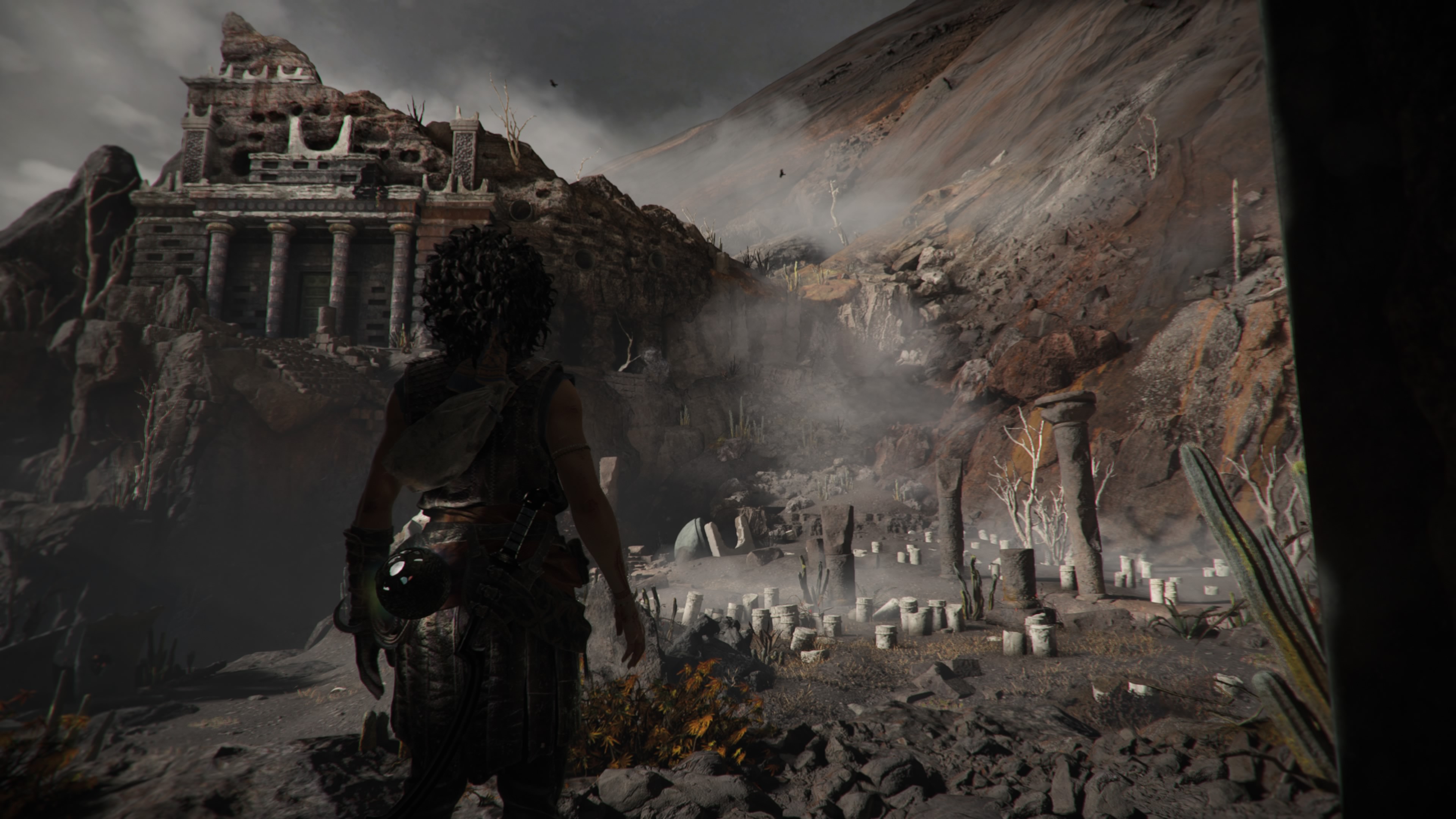
The industry still knows how to create high-quality linear adventures that aren’t forgotten the very next day. Illustration: Gagadget
Five things you need to know about Resonance: A Plague Tale Legacy
- This is a prequel set 15 years before the events of Requiem, and for the first time we play as the bandit Sofia
- The story unfolds across two timelines: medieval Europe and ancient Minoan Crete
- Stealth is no longer the main focus. Instead, the emphasis is on dynamic close-quarters combat
- The action shifts from plague-stricken France to the sun-drenched Mediterranean
- Resonance is the third game in the A Plague Tale series
| Resonance: A Plague Tale Legacy | |
|---|---|
| Genre | Action Adventure |
| Platforms | PlayStation 5, Xbox Series, PC |
| Number of players | Single-player |
| Developer | Asobo |
| Publisher | Focus |
| Playtime | 10–15 hours |
| Release date | 27 August 2026 |

For those who want to know more
- Drink rum to your heart’s content: a review of Assassin’s Creed Black Flag Resynced
- Die, die, and love every second: Saros review
- The art of AI hacking: Pragmata review
- A whimsical adventure with a giant catfish: South of Midnight review on PlayStation 5
- A symphony of death: Marathon review
The editorial team would like to thank the publisher, Focus Entertainment, for kindly providing the game for review
Our game editor has been playing games since he was 4 years old and can't imagine himself without it. He has played 100+ games on PlayStation, but still considers The Last of Us Part II to be the best in the industry. In January 2022, he joined the gg team. He studies at the Faculty of Journalism at Kyiv International University.


