DJI Mini 4K vs Potensic ATOM SE: Comparison
There's something about watching your first aerial shot come together - that smooth pull-back revealing a coastline or a cityscape you've walked through a hundred times. Entry-level drones have made that accessible to almost anyone, and the DJI Mini 4K and Potensic ATOM SE are two of the most tempting starting points right now. One carries the most trusted name in consumer drones. The other is making a serious case that you don't need to pay the DJI premium to fly well.
I've put over 50 flights on each across different conditions and locations - calm shoots, windy sessions, tricky lighting. Here's what actually separates them once you're in the air.
DJI Mini 4K vs Potensic ATOM SE: Quick Overview
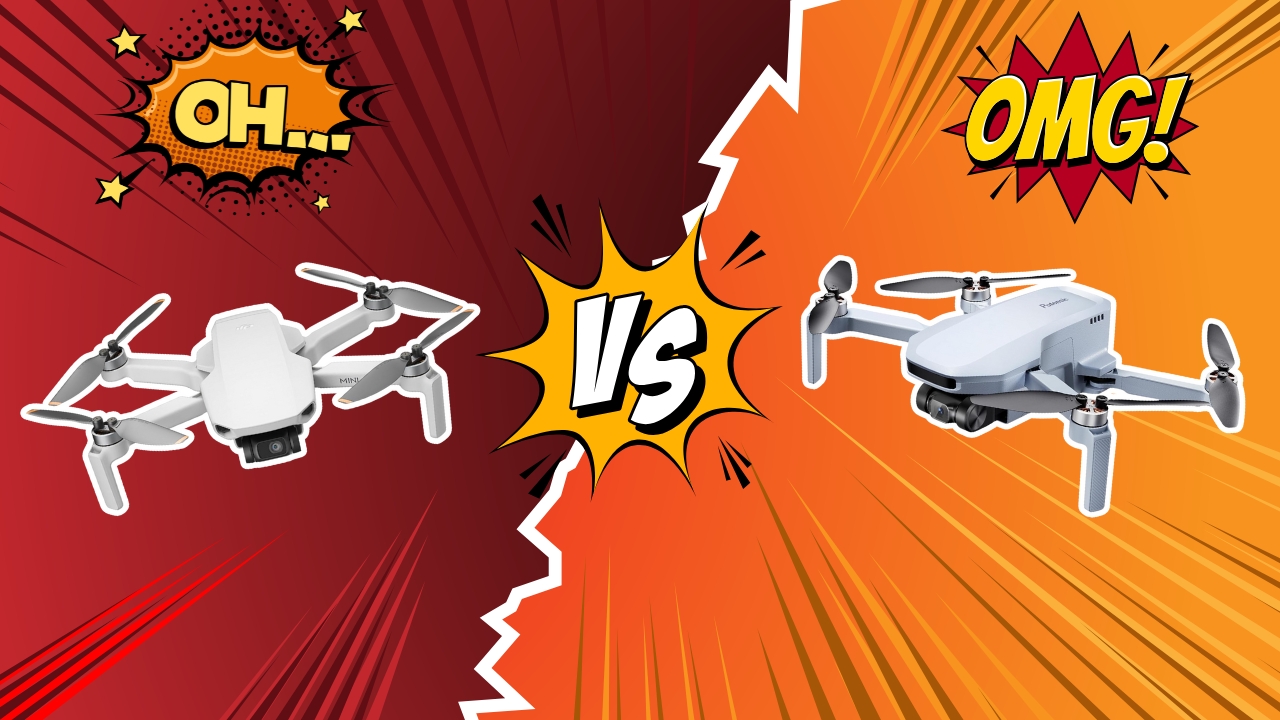
Here's what you need to know upfront: The DJI Mini 4K and Potensic ATOM SE both feature 4K cameras, 3-axis gimbals, and sub-250g weights requiring no FAA registration. The DJI emphasizes professional reliability with superior gimbal stabilization, DJI's proven O4 transmission system up to 10km, longer 31-minute flight time, and comprehensive intelligent features including QuickShots. The Potensic prioritizes value with GPS positioning, optical flow sensors, affordable pricing, and surprisingly capable 4K/30fps video quality for beginners.
For most aspiring drone pilots, I recommend the DJI Mini 4K. Its superior stabilization produces noticeably smoother footage, the extended transmission range prevents signal dropouts, and DJI's mature ecosystem ensures reliable firmware updates and excellent customer support. However, choose the Potensic ATOM SE if budget constraints are paramount, you're learning basic drone operation before upgrading, or you primarily fly in close-range scenarios where the Potensic's 2km range proves sufficient.
Table of Contents:
- DJI Mini 4K vs Potensic ATOM SE: Full Comparison
- Potensic ATOM SE vs DJI Mini 4K: Design
- DJI Mini 4K or Potensic ATOM SE: Owner Reviews
- DJI Mini 4K and Potensic ATOM SE Alternatives
DJI Mini 4K vs Potensic ATOM SE: Full Comparison
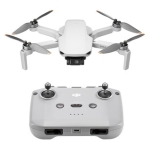
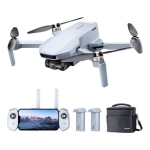
| Specification | DJI Mini 4K | Potensic ATOM SE |
| Image |
 |
 |
| Camera Resolution | 4K/30fps, 2.7K/60fps, 1080p/60fps | 4K/30fps, 2.7K/30fps, 1080p/30fps |
| Sensor | 1/2.3" CMOS | 1/3" CMOS |
| Gimbal | 3-axis mechanical | 3-axis mechanical |
| Max Transmission Range | 10km (O4 transmission) | 2km (Wi-Fi 5G) |
| Max Flight Time | 31 minutes | 31 minutes |
| Max Wind Resistance | 10.7 m/s (Level 5) | 8 m/s (Level 4) |
| Max Speed | 16 m/s (Sport mode) | 12 m/s |
| Weight | 249g | 235g |
| Obstacle Avoidance | No | No |
| Positioning Systems | GPS + Downward Vision | GPS + Optical Flow |
| Intelligent Features | QuickShots, Panorama, Waypoints | Follow Me, Orbit Mode, Waypoint |
| Storage | MicroSD (up to 256GB) | MicroSD (up to 128GB) |
| Battery Capacity | 2453 mAh | 1800 mAh |
| Controller Battery | 5200 mAh (3 hours) | 3000 mAh (2.5 hours) |
| Dimensions (Folded) | 148×90×62 mm | 89×52×37 mm |
| Operating Temperature | 0°C to 40°C | 0°C to 40°C |
We may earn a small commission if you buy via our links - it helps keep gagadget.com running.
Video quality reveals meaningful differences despite both drones advertising 4K capability. The DJI Mini 4K's larger 1/2.3" sensor captures noticeably cleaner footage with better dynamic range, particularly in challenging lighting conditions. During my early morning flights, the DJI preserved shadow detail while maintaining highlight control that the Potensic struggled to match. The Mini 4K also offers 2.7K/60fps recording for smoother slow-motion playback, while the ATOM SE maxes out at 30fps across all resolutions.
Gimbal stabilization separates casual from professional results. Both drones employ 3-axis mechanical gimbals, but the DJI's implementation delivers substantially smoother footage during flight. When reviewing side-by-side recordings from identical windy conditions, the Mini 4K's footage appeared cinematic and fluid, while the ATOM SE showed noticeable micro-jitters and occasional horizon drift. For purely recreational flying this matters less, but content creators will immediately appreciate the DJI's superior stabilization algorithms working in concert with higher-quality gimbal motors.
Transmission technology creates the most dramatic practical difference. DJI's O4 system maintains rock-solid video feed and control up to 10km with minimal latency, while the Potensic's Wi-Fi-based transmission starts showing interference around 500 meters in urban environments. During my suburban testing, the ATOM SE occasionally experienced brief signal hiccups beyond 300 meters, while the Mini 4K never wavered. The psychological confidence of knowing your drone maintains reliable connection fundamentally changes how boldly you'll compose shots.
Flight performance characteristics favor the DJI across multiple metrics. The Mini 4K's 16 m/s sport mode speed significantly outpaces the ATOM SE's 12 m/s maximum, enabling dynamic tracking shots and faster repositioning between locations. Wind resistance proves superior on the DJI at Level 5 (10.7 m/s) versus Level 4 (8 m/s) on the Potensic, translating to more flyable days throughout the year. During coastal flights with 20 mph winds, the Mini 4K maintained stable hover while the ATOM SE visibly struggled to hold position.
Battery life matches specifications at 31 minutes for both drones, though real-world performance differs. The DJI's larger 2453 mAh battery consistently delivered 26-28 minutes of mixed flying, while the Potensic's 1800 mAh pack typically exhausted after 23-25 minutes. Neither includes spare batteries in base packages, making this difference meaningful for extended shooting sessions. The Mini 4K's controller battery also outlasts the Potensic's by approximately 30 minutes per charge.
Intelligent flight modes showcase DJI's software maturity advantage. QuickShots on the Mini 4K deliver genuinely impressive automated cinematography - Dronie, Circle, Helix, and Rocket modes execute complex camera movements with single-button simplicity. The ATOM SE's Follow Me and Orbit modes work adequately but lack the polish and reliability of DJI's implementations. During testing, the Potensic occasionally lost tracking subjects, while DJI's system maintained lock even in challenging scenarios.
Storage flexibility favors the Mini 4K with support for up to 256GB microSD cards versus the ATOM SE's 128GB maximum. For serious videographers shooting 4K at high bitrates, doubling the storage capacity means fewer interruptions to swap cards. Both drones require purchasing memory cards separately, though the DJI's higher bitrate recording arguably benefits more from larger capacity cards.
Potensic ATOM SE vs DJI Mini 4K: Design & Build
Both drones embrace ultra-portable folding designs while prioritizing different aspects of the user experience - one emphasizes pocket-sized convenience, the other focuses on handling and control precision.
DJI Mini 4K Design:
Potensic ATOM SE Design:
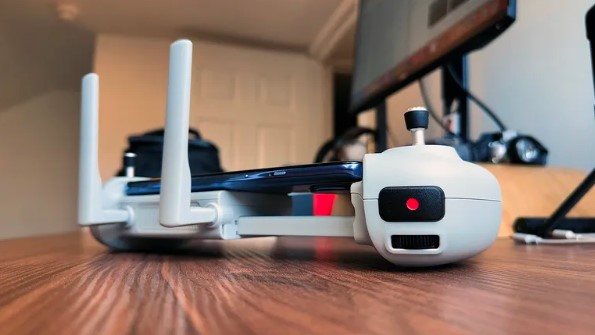
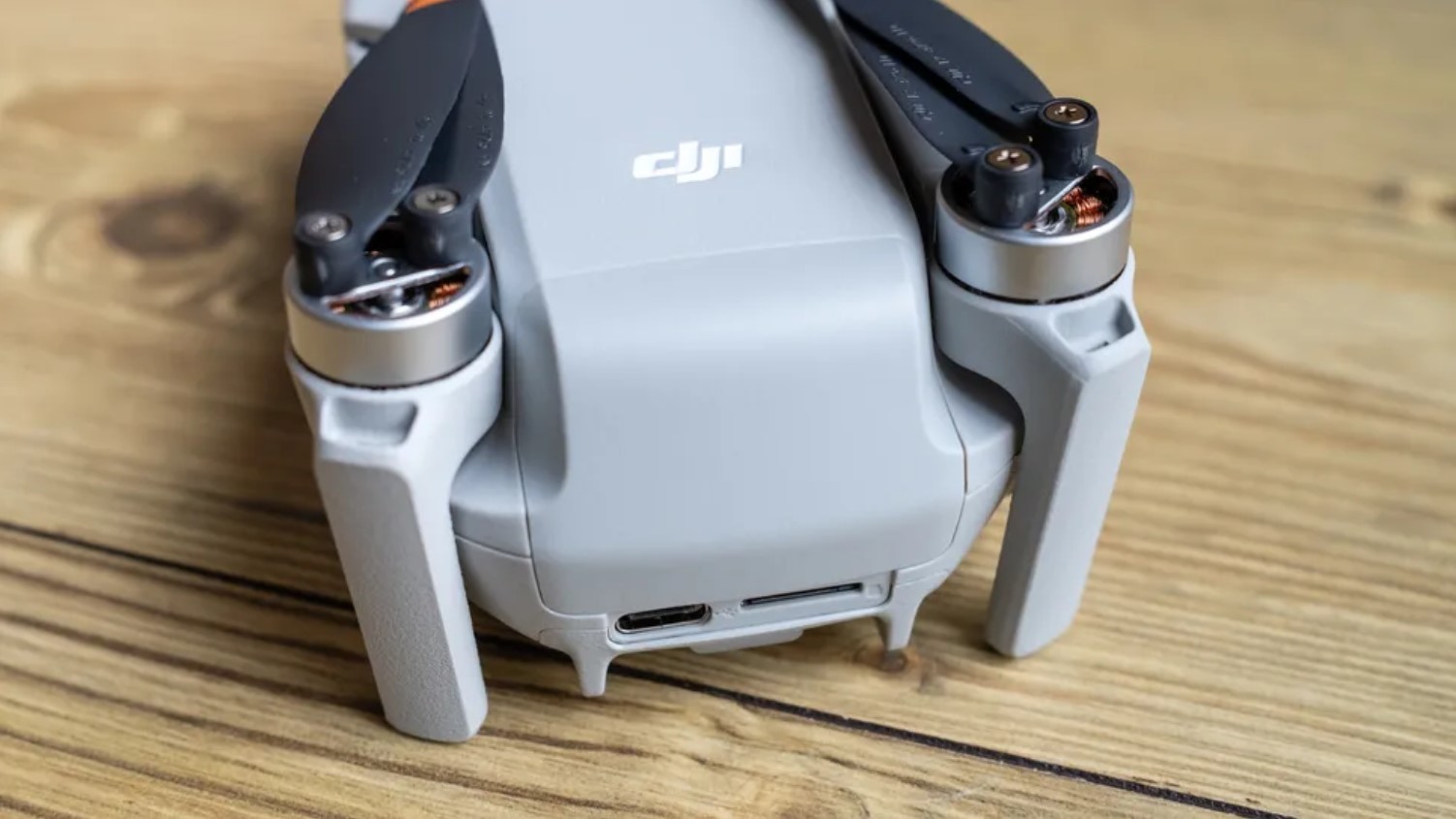
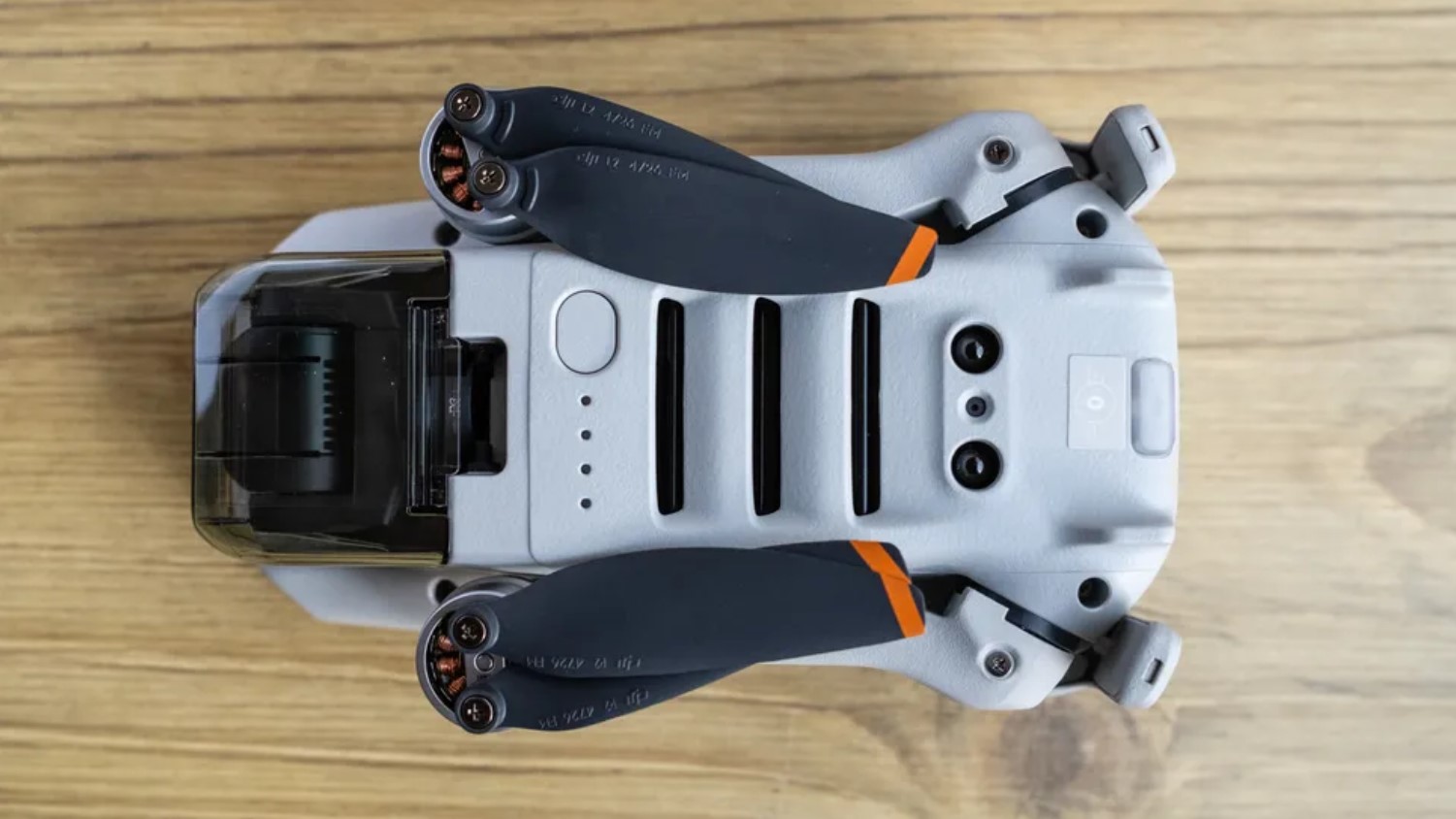
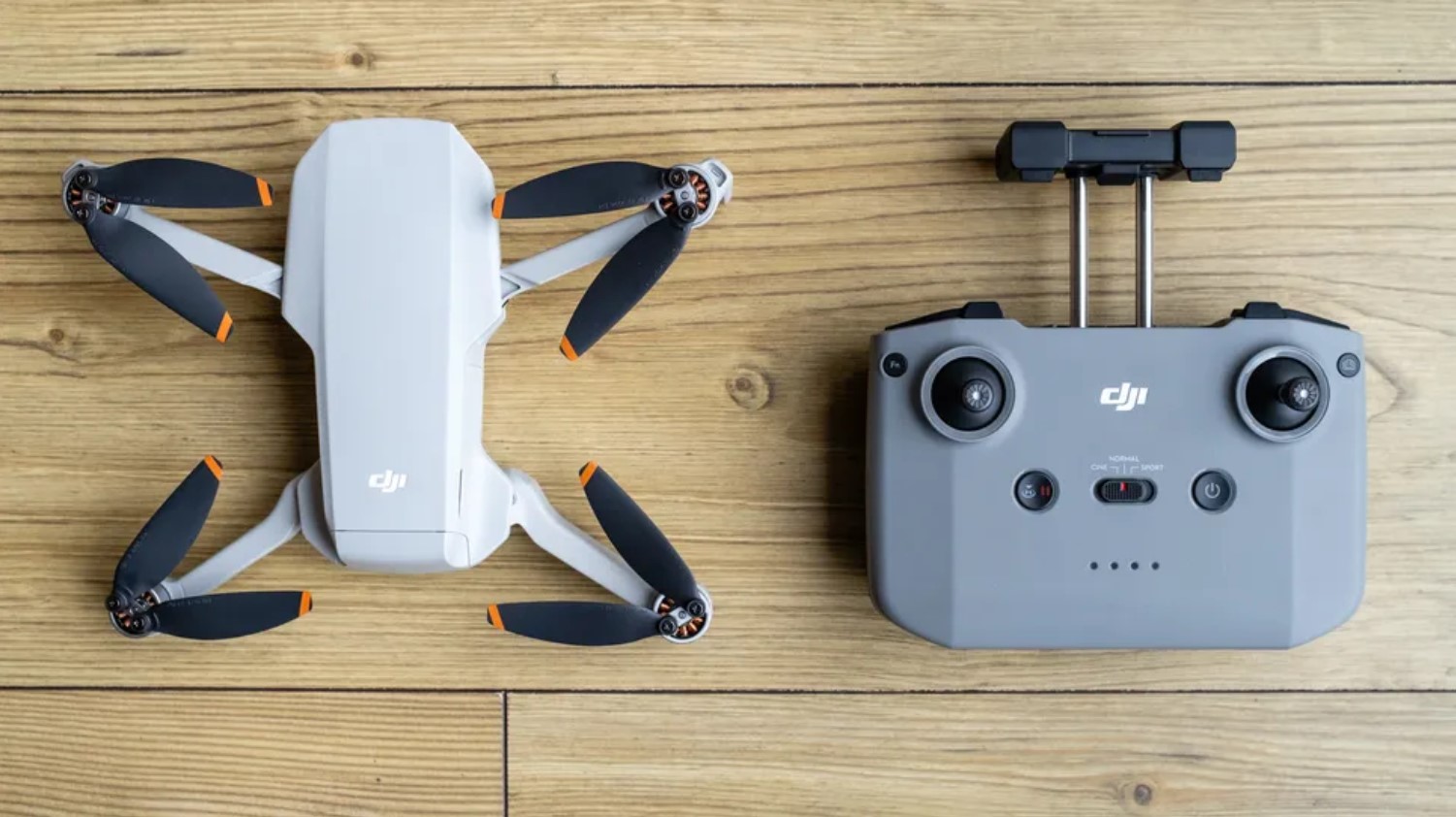
The DJI Mini 4K presents a refined aesthetic with smooth gray plastics and thoughtful proportions at 148×90×62mm folded. The build quality feels reassuringly solid, with tight tolerances on folding arms and minimal flex in the frame during handling. Unfolding reveals a satisfying mechanical precision as each arm locks into position with audible clicks. The camera and gimbal assembly appears well-protected by a removable guard, though I recommend installing propeller guards for beginners. At 249g, DJI strategically engineered the weight to remain just under FAA registration requirements while maintaining structural integrity.
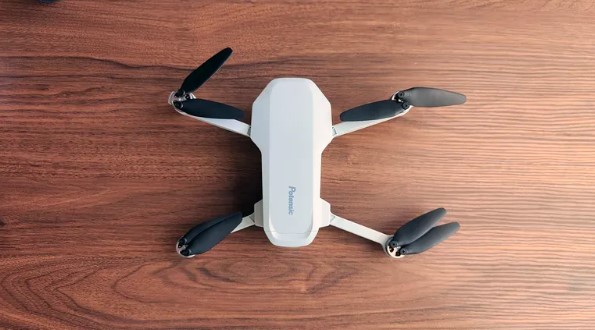
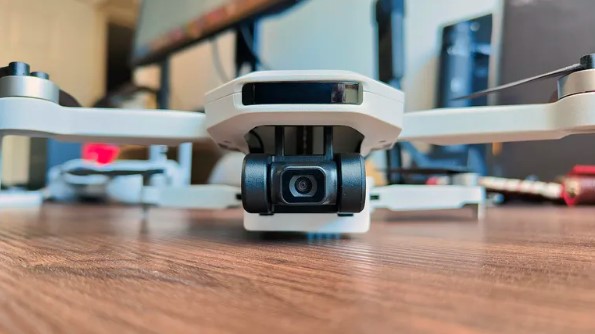
The Potensic ATOM SE pursues extreme portability with genuinely pocket-sized 89×52×37mm folded dimensions. The diminutive form factor amazes first-time users - this drone literally disappears into a jacket pocket. However, this compactness comes with trade-offs in perceived build quality. The plastics feel thinner and more flexible compared to DJI's construction, particularly noticeable when handling the folding arms. At 235g, the ATOM SE achieves its weight advantage through lighter materials rather than advanced engineering, resulting in a toy-like impression despite functional capability.
Controller designs reflect each company's philosophy. DJI's RC-N2 controller features a comfortable grip, well-positioned control sticks with excellent resistance, and a prominent smartphone clamp supporting devices up to 7 inches. The integrated 5200 mAh battery provides approximately 3 hours of operation between charges. Physical buttons for gimbal control, video recording, and photo capture fall naturally under fingers during flight. The Potensic controller adopts a simpler approach with adequate ergonomics but less refined stick feel and a smaller 3000 mAh battery limiting sessions to about 2.5 hours. Both controllers connect smartphones via cables rather than wireless mounting.
DJI Mini 4K or Potensic ATOM SE: Owner Reviews
Real-world experiences from actual drone pilots reveal how these budget flyers perform across diverse use cases:
DJI Mini 4K Owner Reviews:
Praises: "The video stabilization is phenomenal for this price range. My footage looks surprisingly professional even when flying in moderate wind. The DJI Fly app makes everything intuitive, even for my first drone."
"Transmission range is no joke - I've flown out to 1.5 miles with perfect video feed the entire time. Battery life consistently delivers 27+ minutes of real flying, not just hovering. Build quality feels premium compared to other budget drones I researched."
***
Drawbacks: "Wish it included at least one spare battery at this price point. No obstacle avoidance means you need to fly cautiously around trees and structures. The lack of higher frame rates limits creative slow-motion options."
"Controllers require connecting your phone with a cable, which feels outdated compared to drones with built-in screens. In bright sunlight, seeing my phone screen remains challenging despite maximum brightness settings."
Potensic ATOM SE Owner Reviews:
Praises: "Incredible value for money - getting 4K video and GPS stabilization for under $300 seemed too good to be true. The tiny size means I take it everywhere, capturing moments I'd miss with bulkier drones."
"Setup took literally 10 minutes from unboxing to first flight. The app interface is straightforward without overwhelming beginners. Footage quality exceeds expectations for such an affordable drone, perfect for learning aerial photography fundamentals."
***
Drawbacks: "Signal gets sketchy beyond 300 meters in my neighborhood with moderate Wi-Fi interference. The gimbal occasionally drifts slightly during long recordings, requiring post-production stabilization. Build quality feels lightweight - I'm extra careful during landings."
"Battery life falls short of advertised 31 minutes - I typically get 22-24 minutes of real flight time. The Follow Me feature works inconsistently, sometimes losing tracking when I move behind obstacles."
DJI Mini 4K and Potensic ATOM SE Alternatives
If neither drone perfectly matches your requirements, these compelling alternatives warrant consideration:
- Holy Stone HS720E: Mid-range option with 4K/30fps camera, 26-minute flight time, 1km transmission range, and optical flow positioning. Features brushless motors and GPS return-to-home at an attractive price between the Potensic and DJI.
- DJI Mini SE: Budget DJI alternative with 2.7K/30fps camera, 30-minute flight time, 4km transmission range, and proven reliability. Sacrifices 4K resolution for lower pricing while maintaining DJI's superior stabilization and app ecosystem.
The Holy Stone HS720E targets buyers seeking middle-ground performance between budget and premium. The brushless motors provide quieter operation and longer lifespan compared to brushed alternatives, while GPS positioning ensures stable hovering. Video quality approaches the Potensic with better transmission reliability, making it suitable for intermediate pilots graduating from toy drones. However, it lacks DJI's polished software experience and comprehensive intelligent flight modes. The 1km range proves adequate for most recreational scenarios while staying significantly below the Mini 4K's impressive 10km capability.
The DJI Mini SE appeals to budget-conscious buyers prioritizing reliability over cutting-edge specifications. While limited to 2.7K video resolution, the footage quality benefits from DJI's superior image processing and gimbal stabilization. The 4km transmission range doubles the Potensic's capability while maintaining DJI's rock-solid connection quality. This drone represents an excellent entry point into DJI's ecosystem, with the option to upgrade within the same app environment and familiar controls. The main sacrifice is 4K resolution - acceptable for social media sharing but limiting for those envisioning professional content creation.
Should You Buy the DJI Mini 4K or Potensic ATOM SE?
After extensive flight testing across varying conditions and use cases, both the DJI Mini 4K and Potensic ATOM SE deliver accessible aerial photography experiences for aspiring drone pilots, though they target distinctly different priorities.
Choose the DJI Mini 4K if video quality and reliability matter more than initial cost savings. Content creators, real estate photographers, and serious hobbyists will immediately appreciate the superior gimbal stabilization producing professional-looking footage. The extended 10km transmission range provides confidence for ambitious compositions, while the mature DJI Fly app ecosystem ensures consistent firmware updates and excellent customer support. The larger sensor and higher frame rate options create meaningful advantages for those envisioning drone videography as more than casual experimentation.
Choose the Potensic ATOM SE if extreme portability and budget constraints drive your decision. First-time drone buyers learning basic piloting skills will find the ATOM SE perfectly adequate for developing fundamental aerial photography techniques before potentially upgrading. The genuinely pocket-sized dimensions encourage spontaneous flying opportunities, while the lower price reduces anxiety about potential crashes during the learning curve. For casual users prioritizing fun over professional results, the ATOM SE delivers surprising 4K capability at an accessible entry point.
The DJI Mini 4K represents the wiser long-term investment for most aspiring drone pilots. While costing more upfront, the superior video quality, reliable transmission, and comprehensive features justify the premium for anyone serious about aerial content creation. The Potensic ATOM SE serves its purpose as an ultra-affordable introduction to drone flying, but many pilots will quickly outgrow its limitations and wish they'd invested in DJI's proven capabilities from the start. Consider your ambitions carefully - if you envision creating compelling aerial content regularly, the Mini 4K's advantages prove worth every additional dollar.
Go Deeper:

Meet James, our go-to tech guru and seasoned reviewer. His sharp attention to detail and love for gadgets drive his deep dives into the newest tech waves. James's insightful analysis and real zest for breakthroughs have earned him a solid reputation in the tech world.


