BYD's profit crashed 55% in Q1 — and its price war is now Europe's problem

BYD's net profit fell 55.4% to 4.09 billion yuan (~$594 million) in the first quarter of 2026 — the weakest result since Q1 2023. Revenue dropped 11.8% to 150.2 billion yuan, marking three consecutive quarters of decline. For a company that set a global sales record just months ago, the numbers are a sharp reversal.
The price war hangover
The core problem is China's EV market, where every major brand is cutting prices to hold share. BYD built its name on affordable electric cars, but aggressive discounting has steadily eaten into margins. A tax incentive change made things worse: buyers who previously paid zero purchase tax now get a cap of 15,000 yuan (~$2,000) per vehicle. That ceiling triggered a buying rush at the end of 2025 as consumers tried to beat the deadline — and left Q1 2026 with a demand vacuum.
Domestic EV sales fell 30% year-on-year to 700,463 units, nearly half the record pace set the quarter before. Operating cash flow, per AutoWorld Journal, plunged 67%. Rival Geely briefly overtook BYD in domestic sales during the quarter — a first.

Pushing hard into Europe
Exports are BYD's pressure valve. Overseas shipments surged 55% year-on-year to 321,165 units in Q1, now accounting for 46% of total sales. The company has set a 2026 export target of 1.5 million units, with overseas revenue already at 38% of total.
Europe is the clearest growth story. BYD new registrations more than doubled in January–February 2026 to 29,291 units, according to Cryptopolitan, giving the brand a 1.8% EU share and putting it ahead of Tesla for that period. The Seal U ranked third in EU registrations in January.
The US market remains closed to Chinese EVs, making Europe pivotal. BYD also plans to build 6,000 overseas charging stations within 12 months — a direct play at the kind of infrastructure lock-in that made Tesla's Supercharger network so effective.
The premium pivot
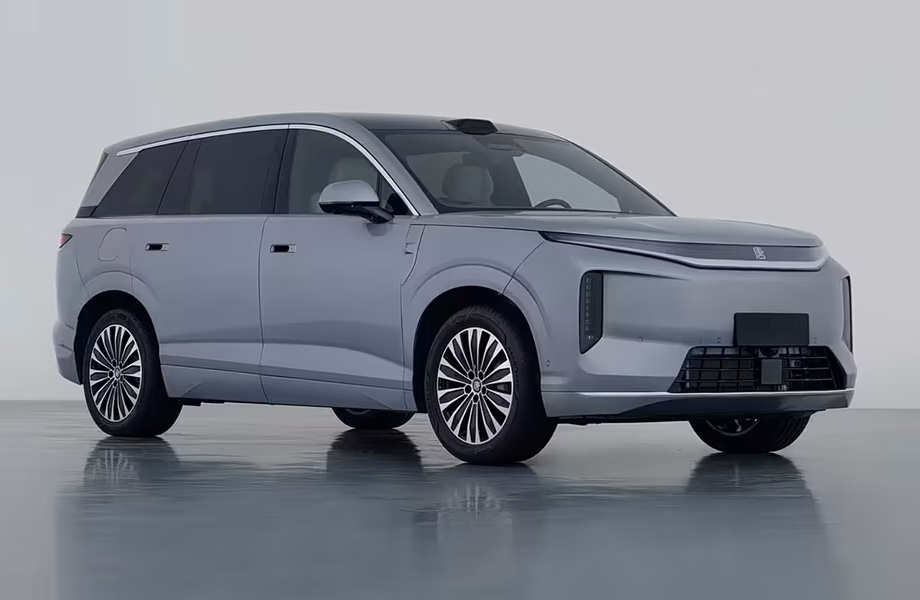
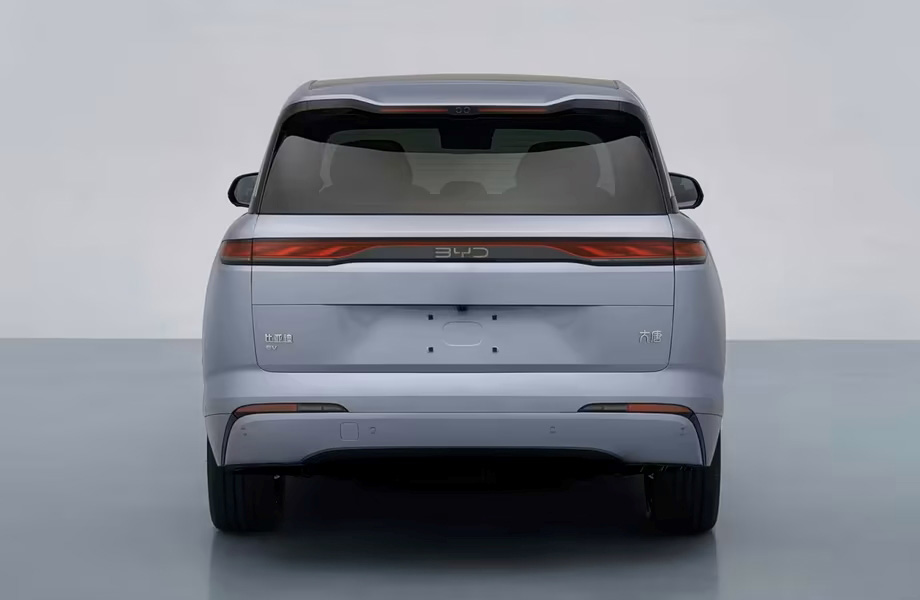
At the Beijing Auto Show, BYD unveiled the Datang — a full-size electric SUV priced from 250,000 yuan (~$34,500) in China. More than 30,000 pre-orders landed within 24 hours. No European pricing or launch timeline has been confirmed, but the move signals BYD is chasing higher-margin buyers rather than just volume. The Blade 2.0 battery in the Datang promises up to 950 km of range.
The next few quarters will show whether export momentum can offset the margin compression at home. For now, BYD is a financially squeezed company growing fast outside China — a combination that tends to produce aggressive pricing wherever it lands.


