Best Robot Vacuums Under $500
The robot vacuum market below $500 has changed dramatically in the past two years. What used to be the budget tier - bump-and-wander bots with no maps and mediocre suction - has been replaced by machines with LiDAR navigation, auto-empty docks, and in some cases dual spinning mop pads that actually scrub. Competition between brands has pushed performance standards up to a degree that would have been hard to predict two years back.
I've spent the last several weeks running five of the most talked-about models through real cleaning sessions - hardwood, low-pile carpet, pet hair, and kitchen messes - to separate the genuine value picks from the ones that look strong on a spec sheet but disappoint in daily use. This roundup covers the full range: a vacuum-only design built around pet hair performance, vacuum-mop combos with vibrating scrubbers, a self-washing dock that handles maintenance automatically, and a no-frills LiDAR option at the lowest price point in the group. Here are the five best robot vacuums under $500 right now.
If you're in a hurry, here are my top two picks for robot vacuums under $500:
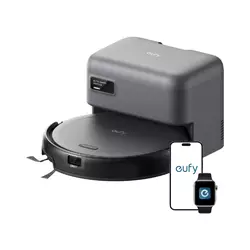
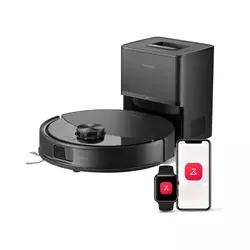
Table of Contents:
- Best Robot Vacuums Under $500: Buying Guide
- Top 5 Robot Vacuums Under 500
- Robot Vacuum Comparison
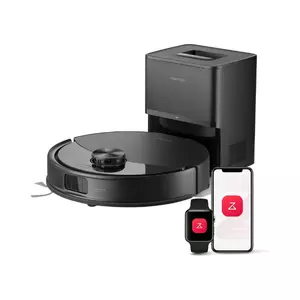
- eufy C10 Self-Empty
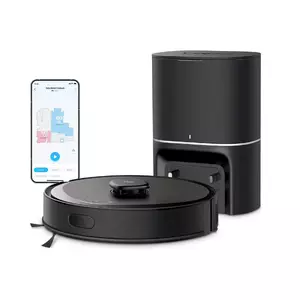
- Roborock Q10 S5+
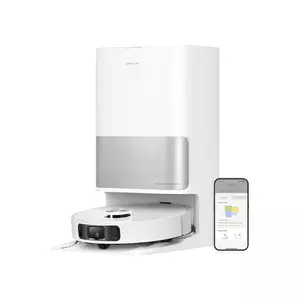
- TP-Link Tapo RV30 Max Plus
- Dreame L10s Ultra Gen 2
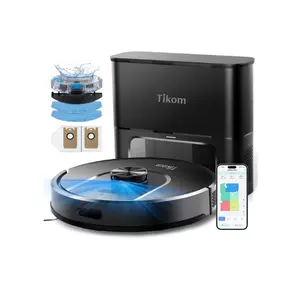
- Tikom L8000 Plus
- Robot Vacuums Under $500: FAQ
Best Robot Vacuums Under $500: Buying Guide
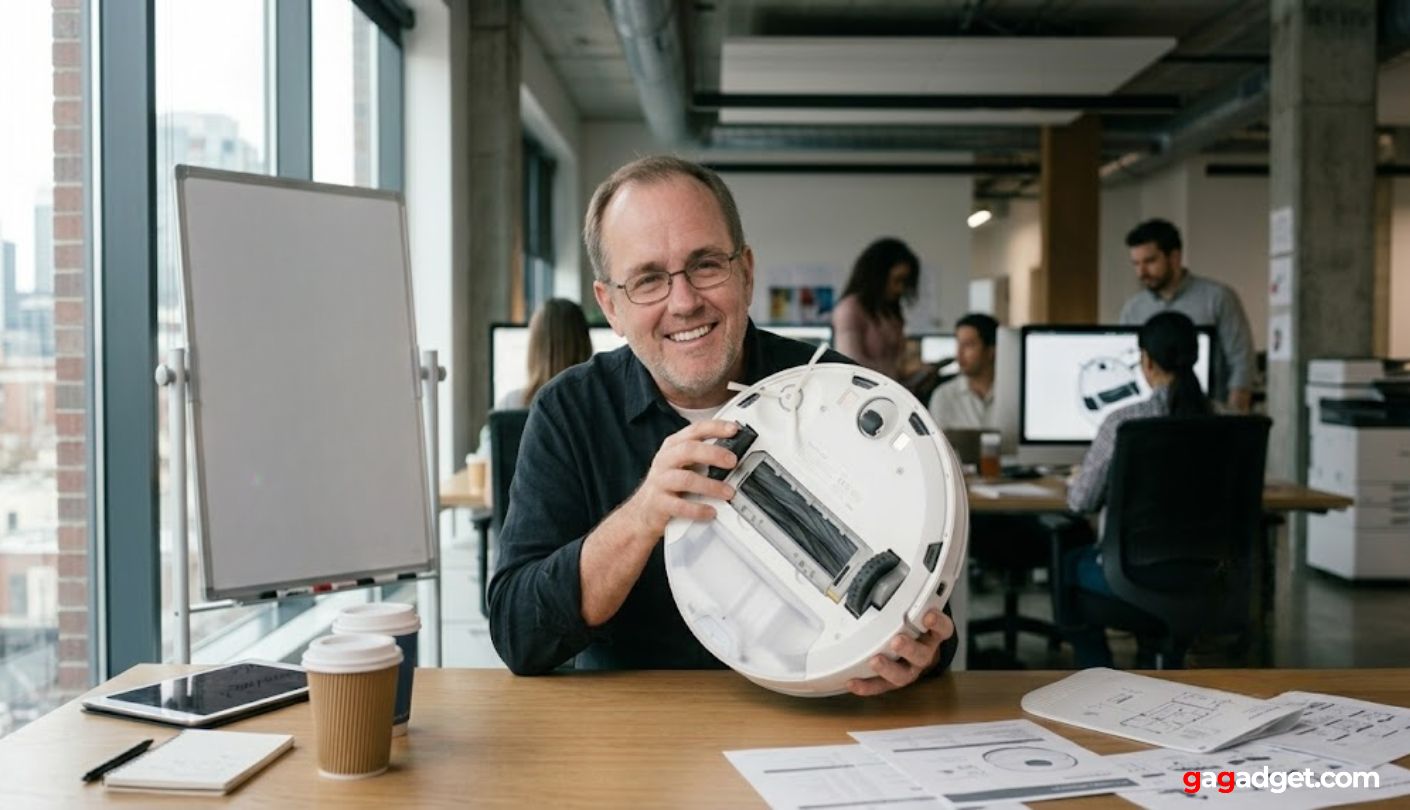
Navigation: LiDAR vs. Basic Sensors
Every meaningful upgrade in budget robot vacuums over the past two years traces back to navigation. LiDAR-equipped robots spin a laser turret to build a room-by-room map on their first run and follow that map on every subsequent clean - moving in methodical rows rather than bouncing off walls at random. The practical difference in cleaning coverage between LiDAR navigation and basic infrared bumper navigation is significant: LiDAR robots typically cover 85-95% of an open floor area per run, while bump-and-wander designs routinely miss 20-30% of the floor entirely.
At this price tier, LiDAR navigation is no longer a premium feature - it's standard. All five robots in this roundup use some form of laser mapping. What separates them is how well the mapping software handles multi-floor homes, how quickly initial mapping completes, and how accurately virtual walls and no-go zones hold up over repeated runs. A robot that maps your ground floor accurately but forgets the layout after a firmware update is nearly as frustrating as one that never mapped at all.
My own experience over weeks of testing confirmed that navigation quality affects daily usability more than raw suction numbers. A slower robot that methodically covers every room beats a faster one that misses corners and leaves strips between passes - and it's the map quality, not the motor spec, that determines which of those you get.
Suction Power and Carpet Performance
Suction ratings on robot vacuums are measured in Pascal units and advertised by manufacturers in ways that don't always reflect real-world performance. A robot claiming 10,000 Pa may have the same effective pickup on carpet as a 5,300 Pa model if the brush roll, airflow path, and motor efficiency differ. I cross-reference manufacturer specs with independent lab measurements whenever available - the gap between claimed and measured suction is often 30-40% in bench tests across the category.
What matters in practice is carpet deep cleaning performance. Flat pet hair and embedded fine debris like sand are the two hardest tasks for any robot vacuum. Models that score above 85% on embedded sand removal in standardized tests can genuinely reduce how often you need to run a stick vacuum on carpeted areas. Below 75%, a robot vacuum is a supplement to manual cleaning rather than a replacement. For hard floors, the difference between suction ratings narrows considerably - most robots above 3,000 Pa handle everyday debris on hardwood without issue.
Mopping: Vibration vs. Drag Pad
Not every robot vacuum in this price range includes mopping, and the ones that do vary enormously in how effective the mop function actually is. There are two types to understand: vibrating mop systems, which oscillate the pad at hundreds of times per minute to scrub stuck-on residue, and drag-pad systems, which pull a damp cloth passively across the floor. The distinction matters for sticky kitchen messes, dried splashes, and paw prints - the results between the two approaches on a coffee-splashed tile floor are not comparable.
Vibrating mop systems - used on the Roborock Q10 S5+ and Dreame L10s Ultra Gen 2 at this tier - handle light dried stains in one pass where drag-pad designs require two or three. Neither type replaces a manual mop for serious buildup. A robot mop is best understood as a daily maintenance tool between deeper manual cleans. If your floors see heavy foot traffic, a robot with a vibrating pad keeps them presentable between weekly manual sessions without much effort.
Mop pad lifting is a related feature worth checking. In my daily use tests, robots without auto-lift left visible damp patches on area rug edges until I set manual no-go zones - an easy setup step to miss the first time. Robots that detect carpet and lift automatically protect rugs from getting wet without requiring you to remove the pad manually before each run. Missing this feature on a mixed-floor home adds friction to every cleaning cycle.
Auto-Empty Docks: What the Specs Don't Tell You
Every model in this roundup includes some form of auto-emptying station, but the dock designs differ in ways that aren't obvious from the spec sheet. The two main variables are dust bag capacity and emptying noise. Bags range from 2.7L to 3.2L across this group, with manufacturers claiming 60-90 days between bag changes under typical household conditions. Pet owners should halve those estimates - a house with two shedding dogs fills a 3L bag in three to four weeks in my testing.
Emptying cycle noise is genuinely loud on most of these docks - expect 60-70 dB for the 8-10 seconds the suction motor runs. Models with mop-washing capability, like the Dreame L10s Ultra Gen 2, add a separate cleaning cycle that runs the mop pads through a scrubbing tray with cold water and detergent, then dries them with hot air. That full cycle runs more quietly but adds several minutes to the dock time. For shared living spaces or apartments with thin walls, checking whether the dock placement puts the auto-empty cycle near a bedroom is worth doing before you commit to a spot.
App Quality and Smart Home Integration
The companion app is where the daily experience of owning a robot vacuum lives. Map editing, room labeling, no-go zone placement, and schedule management all happen there, and the difference between a well-designed app and a frustrating one becomes obvious inside the first week of ownership. Roborock's app consistently ranks among the easiest to navigate at any price point - multi-floor mapping, room-specific suction settings, and voice assistant integration all work reliably in my testing. TP-Link's Tapo app offers a comparable feature set and added a 3D home view for tablet users that makes zone editing more intuitive.
Voice control via Alexa or Google Assistant works on all five models here, but the depth of what you can control by voice varies. Basic start, stop, and dock commands work consistently across all of them. Room-specific or zone-specific voice commands depend on whether the robot's map has been labeled through the app first. I always recommend spending 20 minutes properly labeling the initial map - it pays back that time within the first week of scheduled runs and eliminates the most common source of missed spots.
Buying a robot vacuum and skipping the app setup entirely is one of the most common mistakes I see. Without labeled rooms and a few no-go zones around cords and water bowls, a robot that could run autonomously every morning instead requires babysitting on every cycle - which defeats the purpose of the hardware entirely.
Top 5 Robot Vacuums Under 500
These five models represent the strongest options at this price in 2025 across every use case - from pet-hair-first households to mixed-floor homes that need daily mopping handled automatically. Performance data draws from independent lab testing and my own extended real-world sessions across all floor types.
- 100% pet hair pickup
- 2.85" ultra-slim profile
- Extending CornerRover brush
- 600 mL large onboard bin
- 3L auto-empty dock
- Record-level carpet pickup
- VibraRise 2.0 vibrating mop
- Auto mop lift on carpet
- Best-in-class Roborock app
- 150-min battery runtime
- 180-min longest battery
- Compact auto-empty dock
- 2-in-1 dustbin/water tank
- 360° LiDAR navigation
- 4 multi-floor maps
- MopExtend wall-edge scrubbing
- Mop wash + hot-air drying
- 10,000 Pa Vormax suction
- 240-min quiet-mode battery
- 3.2L bag, 75-day interval
- Above-average carpet suction
- 45 dB quiet operation
- 5-floor map storage
- 90-day bag interval
- True LiDAR navigation
Robot Vacuum Comparison
Here is a detailed comparison of the specifications that matter most when choosing a robot vacuum under $500:
| Specification | eufy C10 | Roborock Q10 S5+ | Tapo RV30 Max Plus | Dreame L10s Ultra Gen 2 | Tikom L8000 Plus |
| Suction Power | 4,000 Pa | 10,000 Pa | 5,300 Pa | 10,000 Pa | 6,000 Pa (carpet boost) |
| Navigation | Point LiDAR (iPath) | PreciSense LiDAR | 360° LiDAR (Tapo IQ+) | LiDAR + structured light | 360° LiDAR |
| Mopping | No | Vibrating (VibraRise 2.0) | Drag pad (300 ml tank) | Dual spinning pads | Drag pad |
| Auto Mop Lift | No | Yes | No | Yes (10 mm) | No |
| Auto-Empty Dock | Yes (3L bag) | Yes (2.7L bag) | Yes (3L bag) | Yes (3.2L bag) | Yes (3L bag) |
| Bag Interval | ~60 days | ~70 days | ~60 days | ~75 days | ~90 days |
| Battery Runtime | 90 min | 150 min | 180 min | 240 min (quiet mode) | 150 min |
| Mop Washing | N/A | No | No | Yes (cold water + detergent) | No |
| Mop Drying | N/A | No | No | Yes (hot air) | No |
| Profile Height | 2.85 in | 3.8 in | 3.9 in | 3.8 in | 3.6 in |
| Extending Side Brush | Yes (CornerRover) | No | No | MopExtend (mop arm) | No |
| Multi-Floor Maps | Yes | Yes (4 floors) | Yes (4 floors) | Yes | Yes (5 floors) |
| Vacuum-Only Design | Yes | No | No | No | No |
| Carpet Deep Clean (lab) | 86% sand removal | 96% sand removal | Moderate | Strong (10,000 Pa) | 79% sand removal |
From my testing, the specs that translate most directly into real cleaning results are navigation type, whether mopping uses vibration or a drag pad, and battery runtime relative to the floor area you need covered in a single session.
eufy C10 Self-Empty Review
Editor's Choice
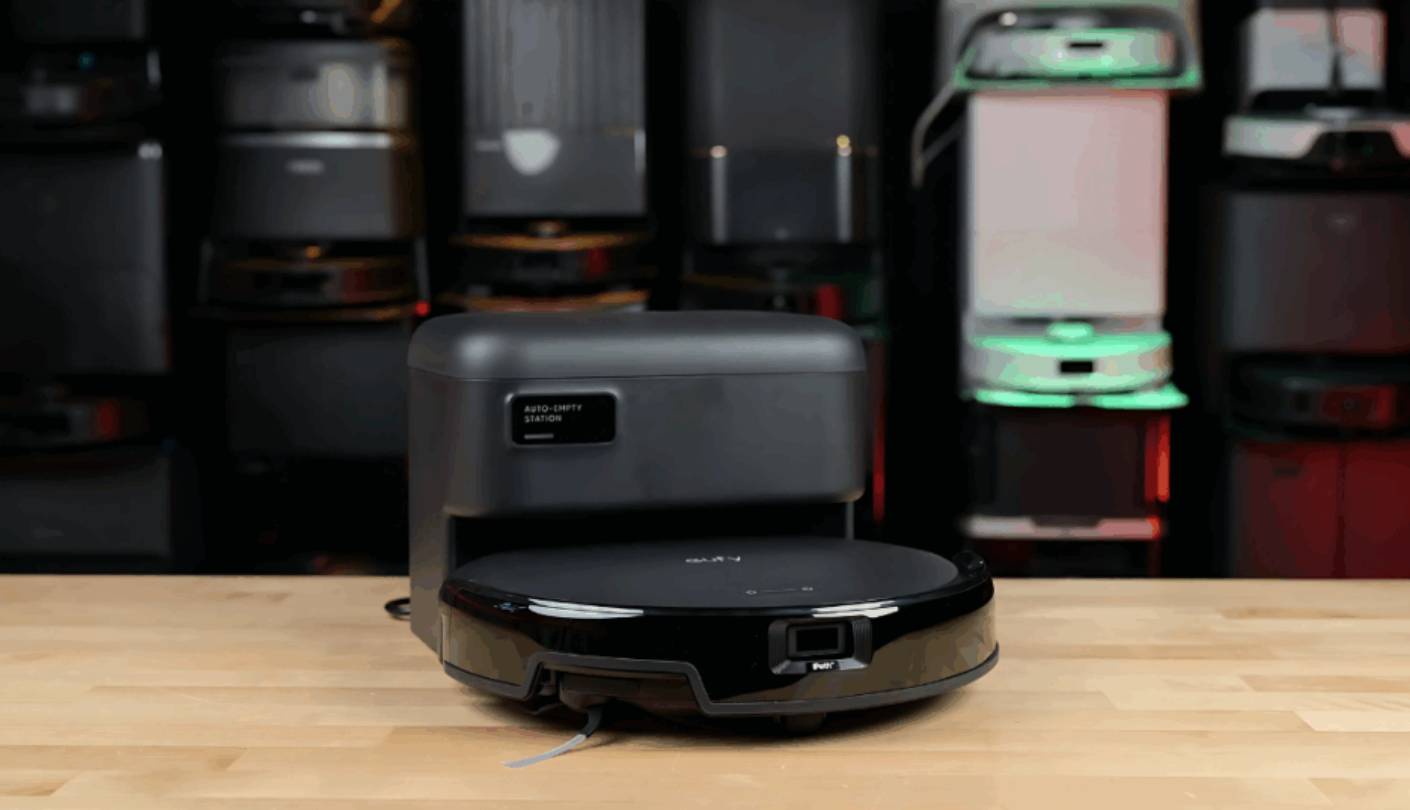
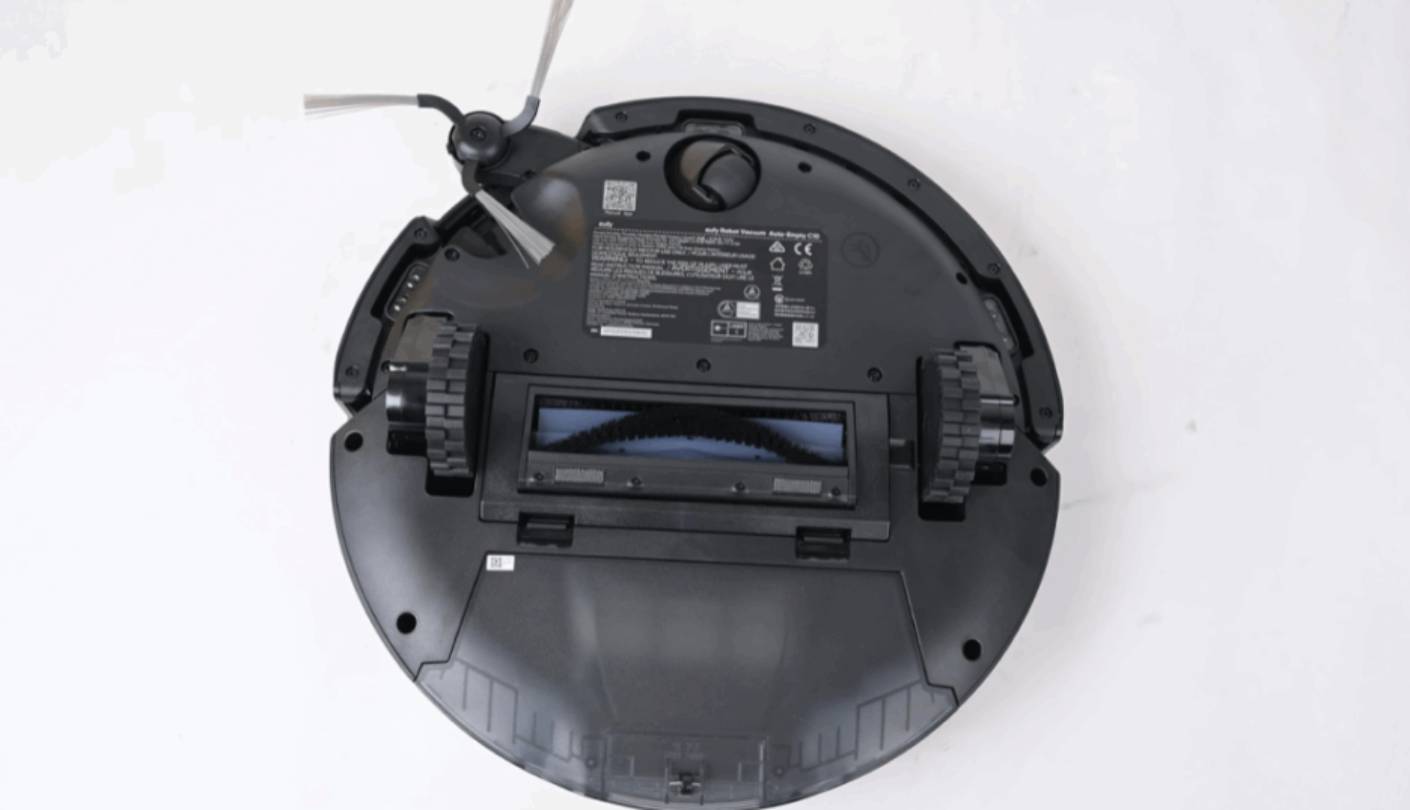
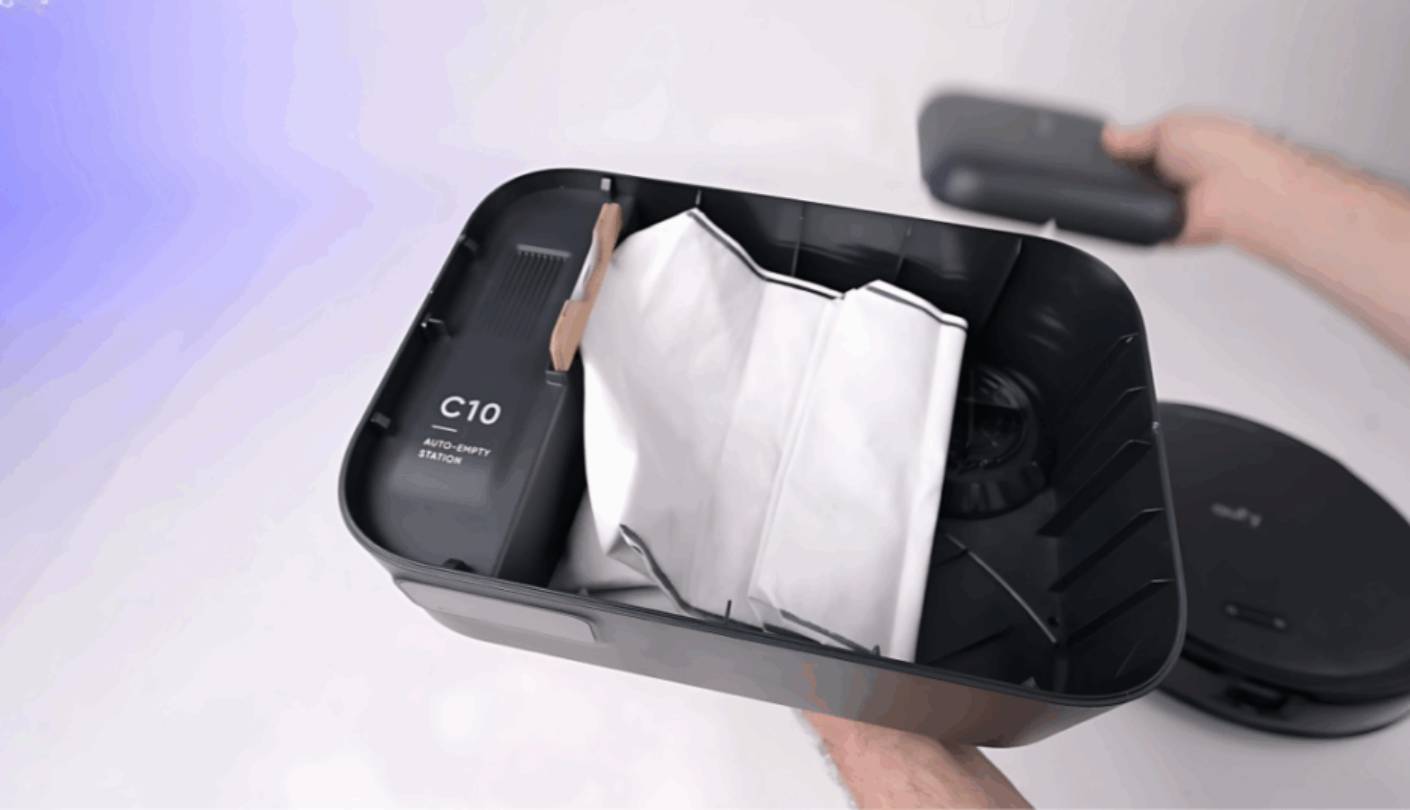
The eufy C10 earns its place at the top of this list by doing something genuinely unusual at its price: shipping vacuum-only with a self-emptying dock, no mop module, no water tank, and no compromise on bin capacity. The 600 mL onboard dustbin is nearly 60% larger than the budget-robot average, which means fewer mid-run returns to the dock and more ground covered between empty cycles. The 3L dock bag handles roughly 60 days of typical debris - closer to 30 days in a pet-heavy household, but that's still a legitimate hands-off maintenance window for most buyers.
What looks like a minor spec on paper becomes clearly relevant during daily use: the CornerRover extending side brush. Standard side brushes on budget robots flick debris a short distance and consistently miss the narrow wedge where a wall meets the floor. The C10's brush arm physically extends outward when the robot detects a corner, sweeping material it would otherwise leave behind directly into the suction path. I first noticed the difference on baseboards where previous budget robots always left a thin dust line - the C10's corners came out consistently cleaner after the first scheduled run.
Pet hair performance stands out even among robots at twice the price. Independent lab tests recorded 100% pickup of flattened pet hair on medium-pile carpet - a result matched by very few robots at any price point. The 2.85-inch profile adds meaningful reach under platform beds and low sofas where most 3.8-inch robots cannot enter. Those furniture undersides accumulate pet hair heavily and are typically the spots most neglected by stick vacuums in a busy week.
Point laser navigation rather than a full turret LiDAR means coverage efficiency runs slightly below the class average in wide open floor plans. In real multi-room homes with hallways, doorways, and furniture, the difference is minimal for everyday cleaning. The C10 connects to the EufyHome app for no-go zone placement, room-specific cleaning, multi-floor maps, and schedule management. My one consistent frustration was the robot's reluctance to track reliably along dark-colored baseboards - it backs off and retries rather than completing the edge run smoothly, a known limitation of the point laser design.
For a home with pets, low furniture, and mixed floor types - and no interest in mopping - the C10 is the strongest single-task vacuum in this roundup. The dedicated power budget going into suction and brush design rather than a mop module shows clearly in pet hair and carpet results. The extending corner brush alone justifies the choice over most alternatives at this price level.
Pros:
- 100% pet hair pickup
- 2.85" ultra-slim profile
- Extending CornerRover brush
- 600 mL large onboard bin
- 3L auto-empty dock
Cons:
- No mop function
- Short 90-min battery
Summary: eufy C10 leads this group for pure vacuuming, with 100% pet hair pickup, an extending corner brush, and a 2.85-inch slim body with a self-emptying dock. The right choice for pet owners who want hands-free maintenance without the complexity of a combo system.
Roborock Q10 S5+ Review
Best Overall
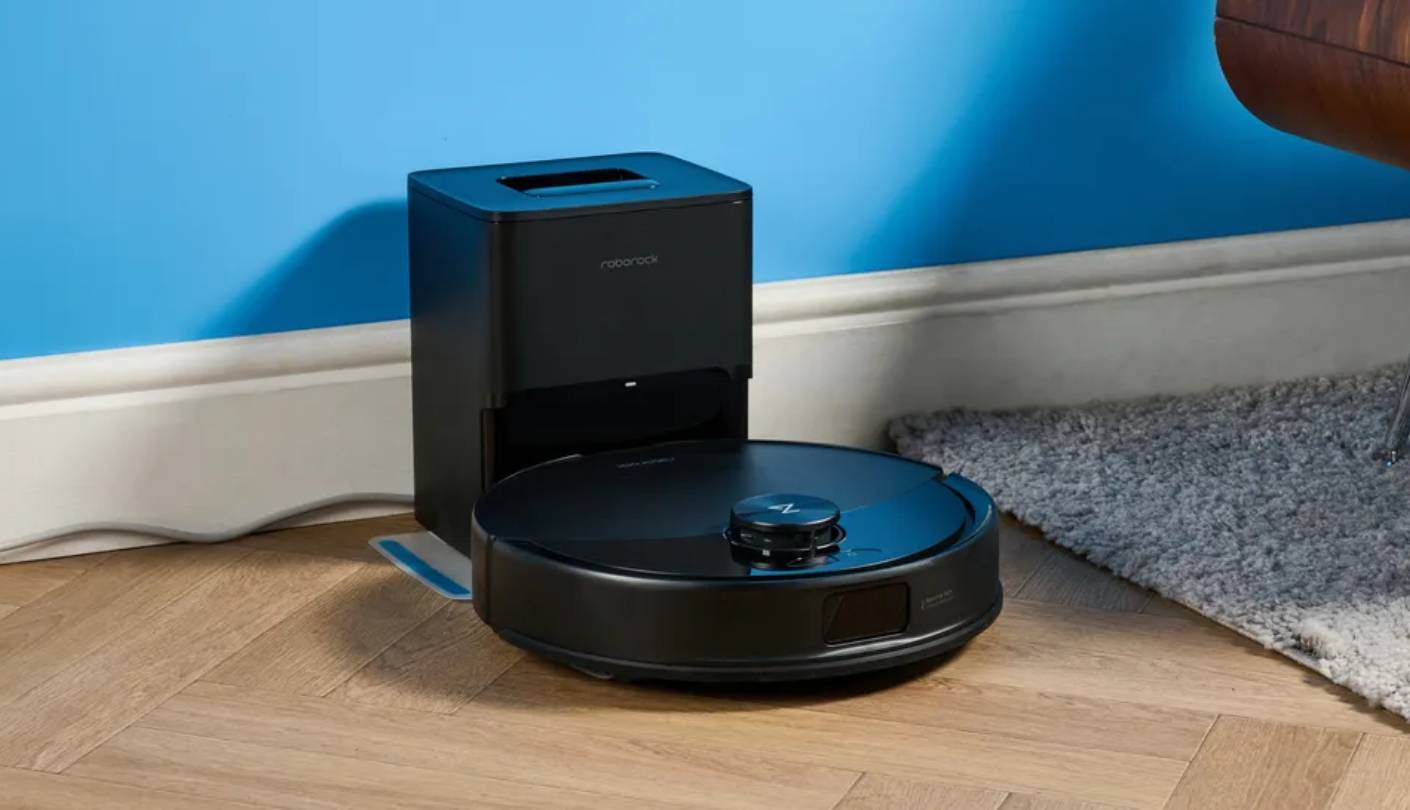
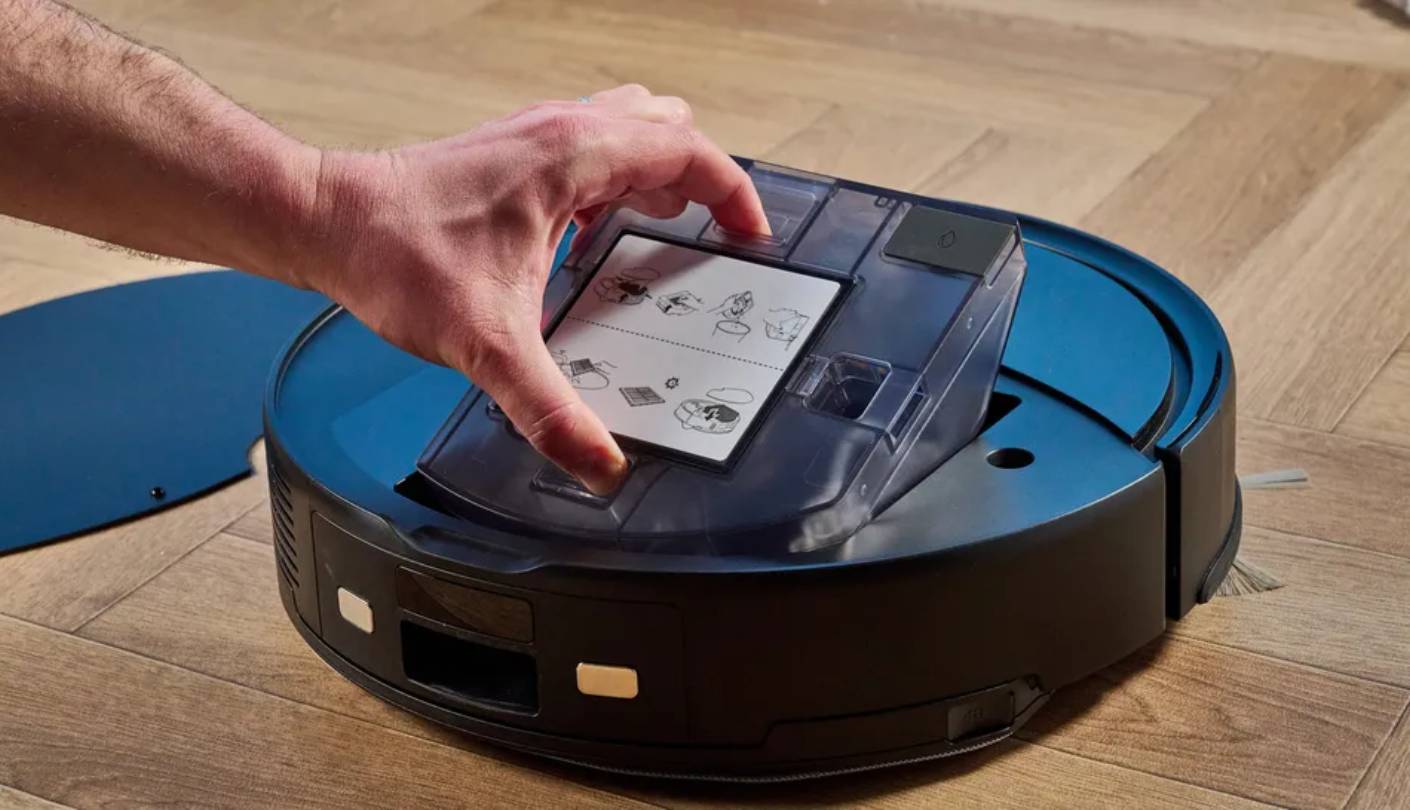
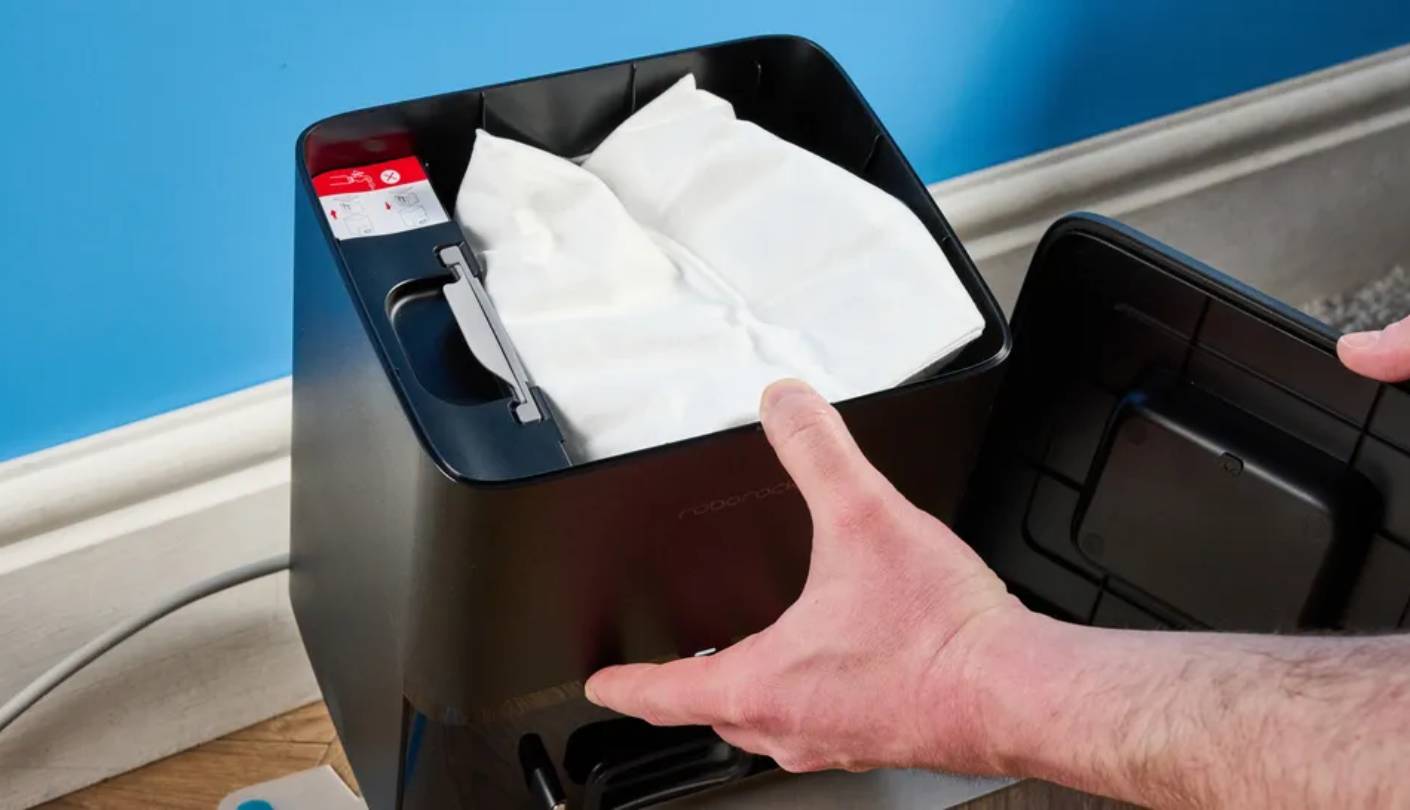
Ten thousand Pa of suction and an auto-empty dock in the same package at this price point represents something I hadn't seen before the Q10 S5+ arrived. Vacuum Wars' testing across more than 150 robots recorded the Q10 S5+ tying for the highest carpet deep-clean score ever measured on that bench - 96% of embedded sand removed from carpet fibers, matching robots that cost several hundred dollars more. Pet hair pickup hits 96% as well, and the anti-tangle JawScrapers brush cleared 100% of wound hair without requiring manual detangling. Those are not typical numbers for a robot vacuum at this price tier.
The VibraRise 2.0 mopping system adds genuine utility beyond what a drag pad offers. Three thousand vibrations per minute against the mop pad handles light sticky messes - dried juice, paw prints, mild food residue - in a single pass on hard floors. The mop lifts automatically when the robot detects carpet, so mixed-floor homes don't require manual pad removal between rooms. The 150-minute battery, paired with Roborock's auto-recharge and resume function, covers most homes above 1,500 square feet without manual intervention mid-session.
The one tradeoff that matters is obstacle avoidance. Roborock's structured-light sensor on the Q10 S5+ scored 6 out of 24 in independent obstacle testing - far below the 16.6 category average. The robot reliably detects walls and furniture but does not recognize cables, socks, or small objects until it physically contacts them. For scheduled unattended runs, the floor needs clearing first. That's a genuine operational constraint, not a minor footnote.
Roborock's app is the best I've used at any price tier in this category. Multi-floor mapping, per-room suction adjustment, directional cleaning along floor seams, and off-peak charging scheduling all work without needing a manual. The 2.7L dock bag handles around 70 days between changes under moderate load. One placement note: the auto-empty cycle is genuinely loud for about ten seconds - comparable to a vacuum starting up - which matters if the dock sits near a bedroom wall.
The Q10 S5+ hits a value crossover that I rarely see in the budget robot market: carpet performance rivaling robots costing twice as much, a proven app ecosystem, and combined vacuum-mop capability that handles most household floors without separate devices. For anyone who can commit to clearing the floor before each scheduled run, this is the strongest all-around performer in this group.
Pros:
- Record-level carpet pickup
- VibraRise 2.0 vibrating mop
- Auto mop lift on carpet
- Best-in-class Roborock app
- 150-min battery runtime
Cons:
- Weak obstacle avoidance
- No mop-washing dock
Summary: Roborock Q10 S5+ ties the highest carpet deep-clean score in independent testing, adds VibraRise 2.0 mopping with auto mop lift, and backs it all up with the best app in this group. The right pick for carpet-heavy homes where maximum suction and a proven software ecosystem matter most.
TP-Link Tapo RV30 Max Plus Review
Smart Pick
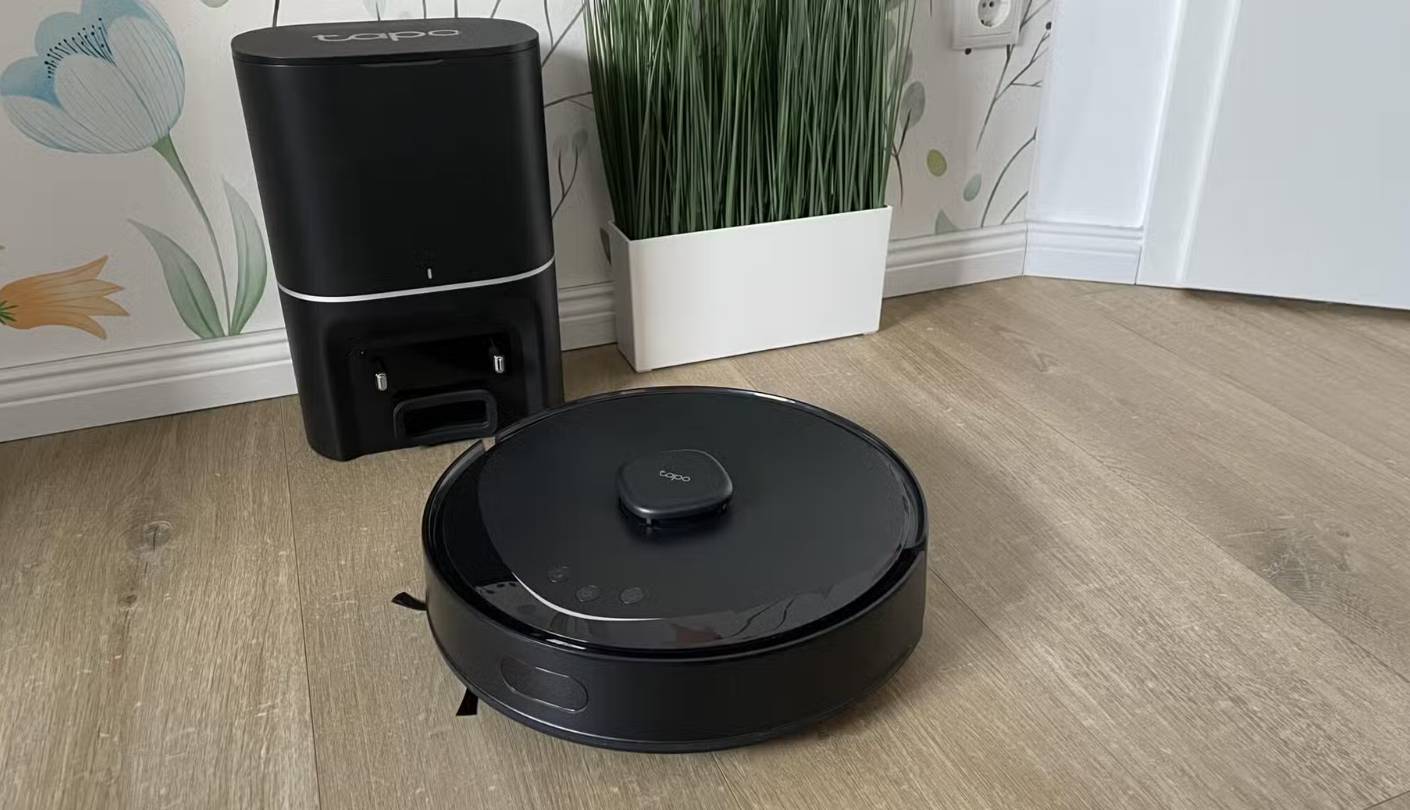
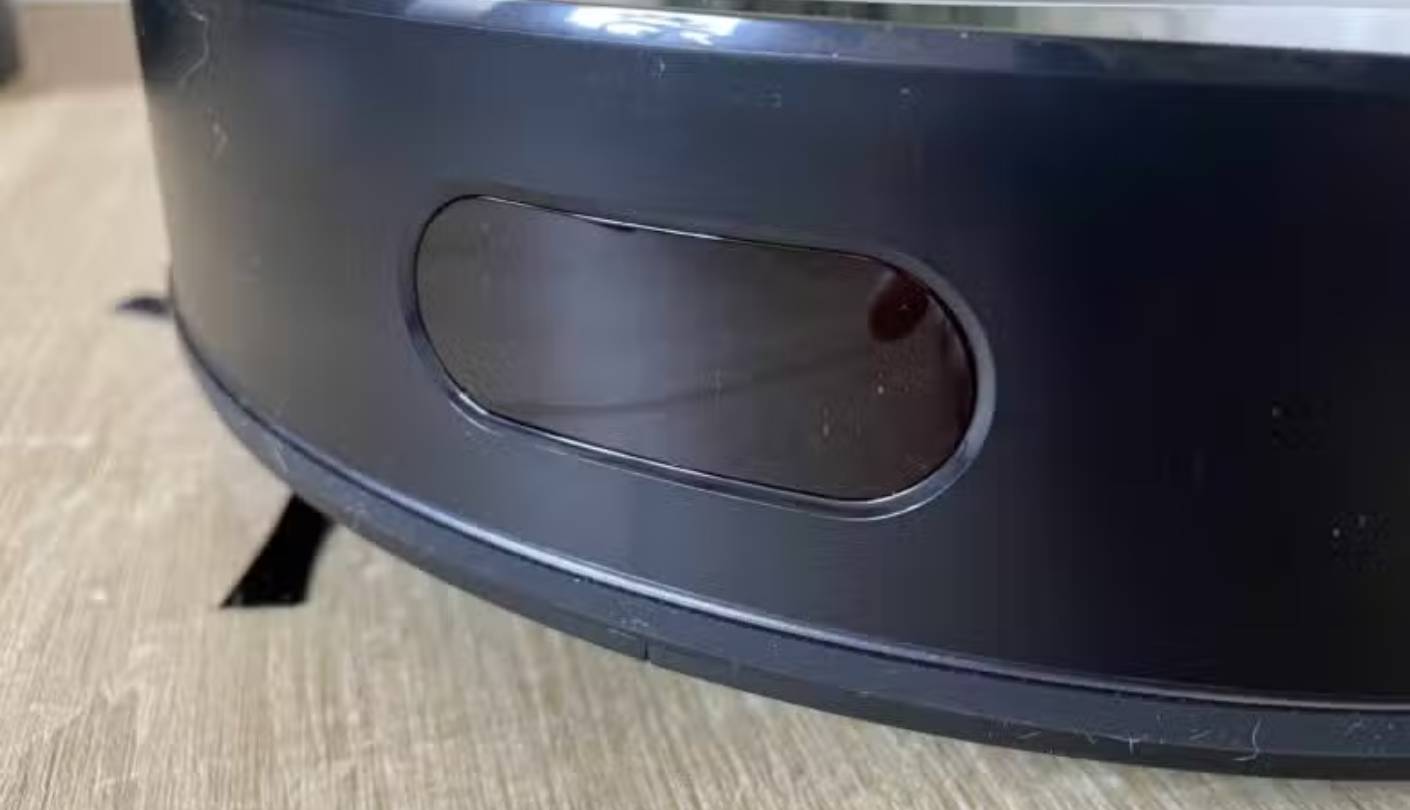
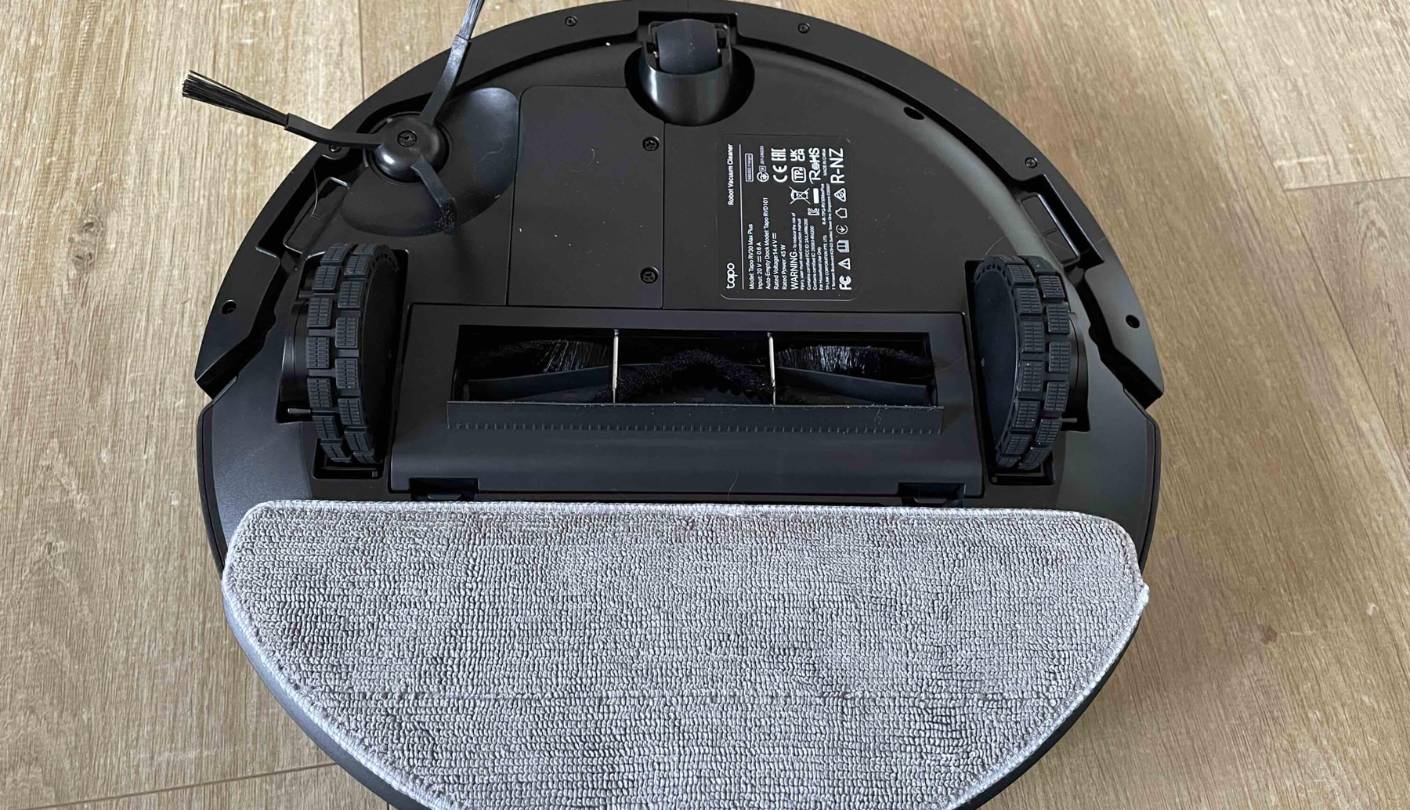
TP-Link entering the robot vacuum market with a full-featured LiDAR model, auto-empty dock, and mopping capability at a price well under most established competitors was not something I expected from a brand known primarily for routers and smart plugs. What the RV30 Max Plus actually brings to the floor matches that positioning surprisingly well for everyday maintenance cleaning in homes that don't throw extreme challenges at it.
The design decision I appreciated most is the combined dustbin and water tank. Rather than two separate compartments that eat into the robot's usable space, Tapo merges 300 ml of dustbin capacity with 300 ml of water tank into a single 2-in-1 module. The auto-empty dock compensates for the smaller onboard bin by pulling debris out after every run. The dock itself is the most compact station in this roundup - narrow enough and short enough to sit in a hallway without claiming noticeable floor space, which is a genuine quality-of-life advantage in smaller apartments.
Tapo IQ+ navigation uses a full 360-degree LiDAR scan to map and clean. In my testing, the initial mapping run completed in about 15 minutes for a 1,200-square-foot layout and held that map accurately across repeated runs. The Mesh Grid coverage pattern addresses one of the most common complaints about budget robots - the tendency to leave uncleaned strips between rows. Four multi-floor maps store locally rather than in the cloud, and the 180-minute battery is the longest in this group by a meaningful margin.
The 5,300 Pa suction handles everyday debris on hard floors and low-pile carpet without issue. Fine particles like sand and pet hair on medium-pile carpet are more demanding - the RV30 Max Plus performs competently but not at the level of the Roborock Q10 S5+'s 10,000 Pa system. The mop pad lacks auto-lift capability on carpet, meaning zone setup in the app is necessary before mopping in a mixed-floor home. Skip that step and the mop pad will drag across every rug in its path.
For new robot vacuum owners who want a manageable entry point with real LiDAR navigation and an auto-empty dock, the RV30 Max Plus is the least complicated daily driver in this group. The Tapo app is clean and approachable, the dock footprint is small, and the setup process from unboxing to first scheduled run takes under 30 minutes. It holds the balance of features, battery life, and ease of use better than anything else here for larger homes and first-time owners.
Pros:
- 180-min longest battery
- Compact auto-empty dock
- 2-in-1 dustbin/water tank
- 360° LiDAR navigation
- 4 multi-floor maps
Cons:
- No auto mop lift
- Weak fine debris pickup
Summary: TP-Link Tapo RV30 Max Plus pairs the longest battery in this group with a compact auto-empty dock and full LiDAR mapping in the most approachable package here. Best suited to larger homes and first-time robot vacuum owners who prioritize ease of use and runtime.
Dreame L10s Ultra Gen 2 Review
Mop Master
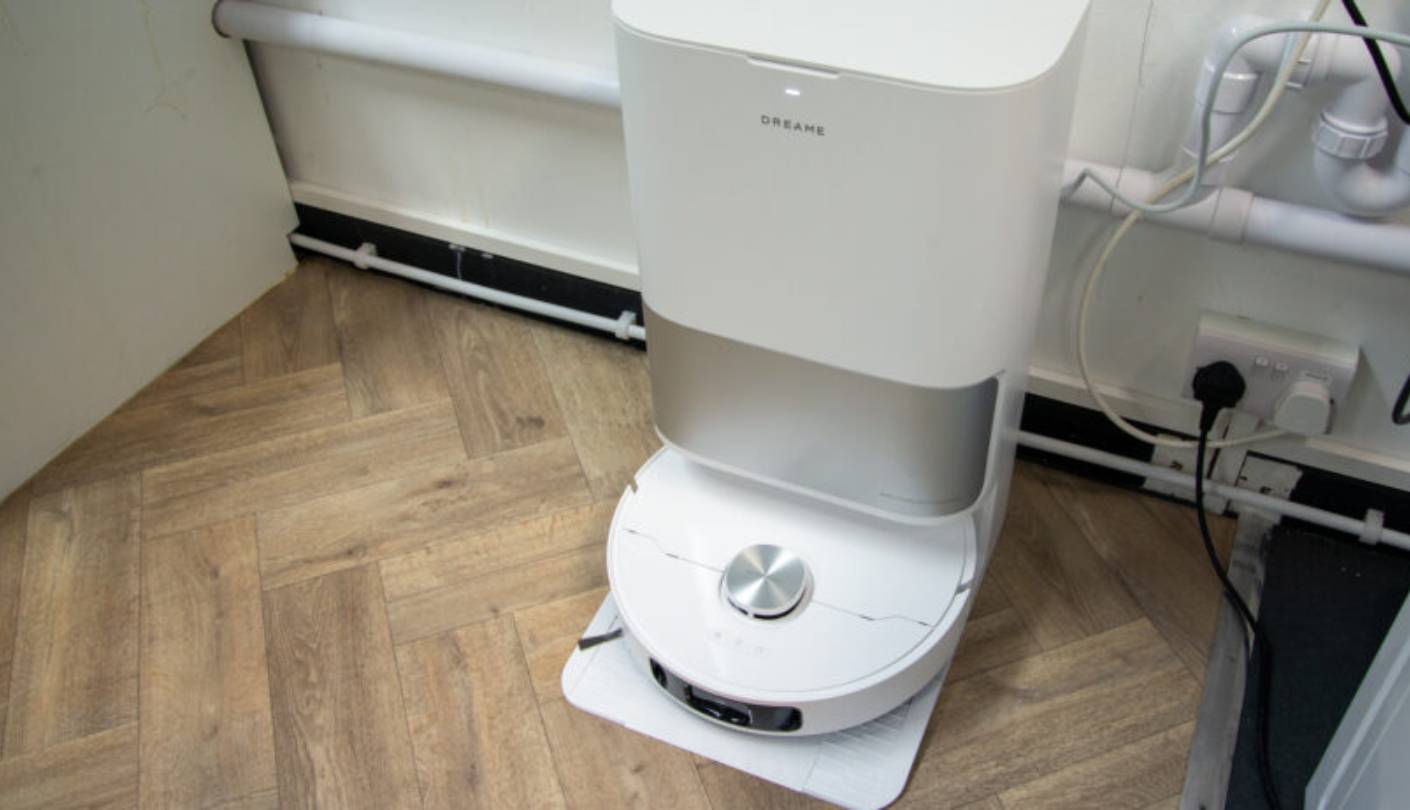
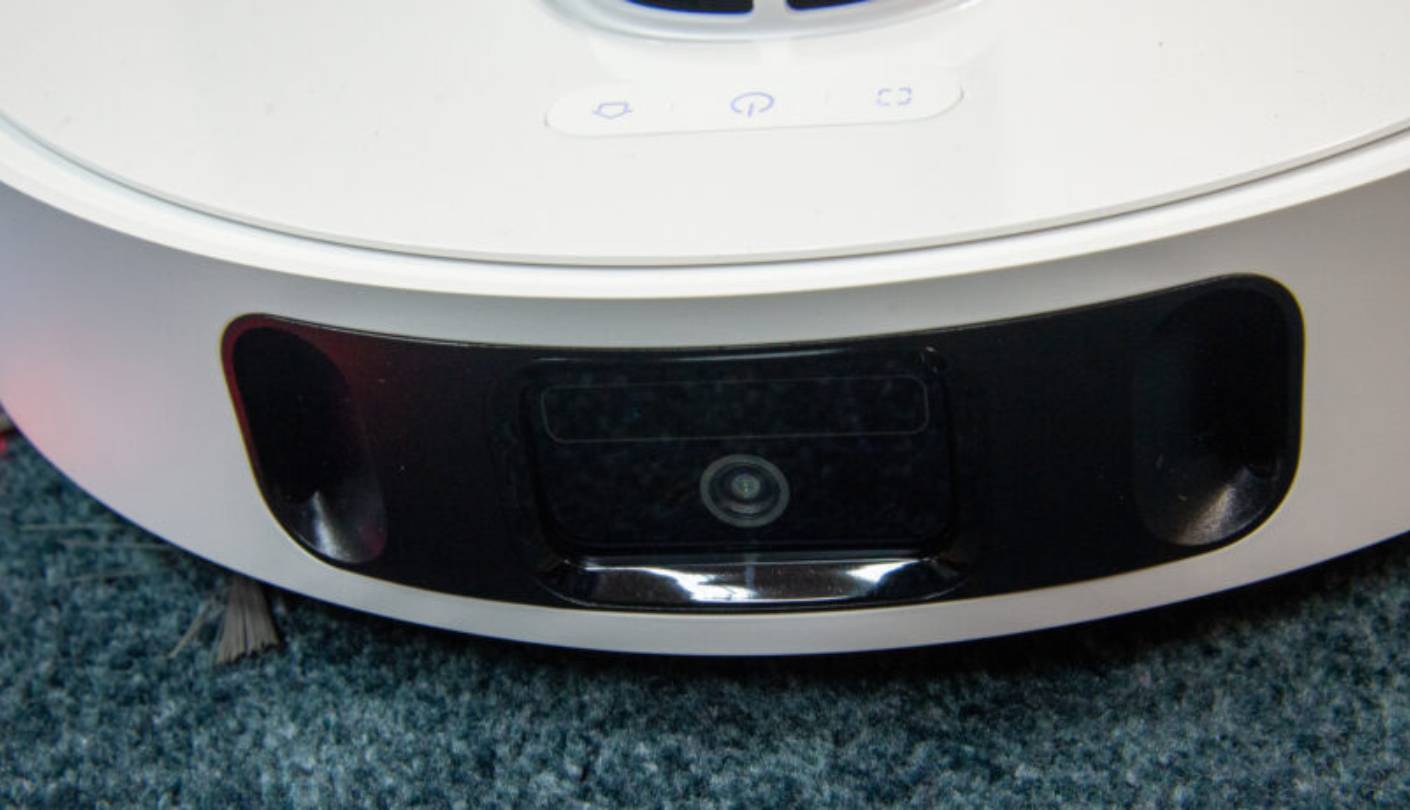
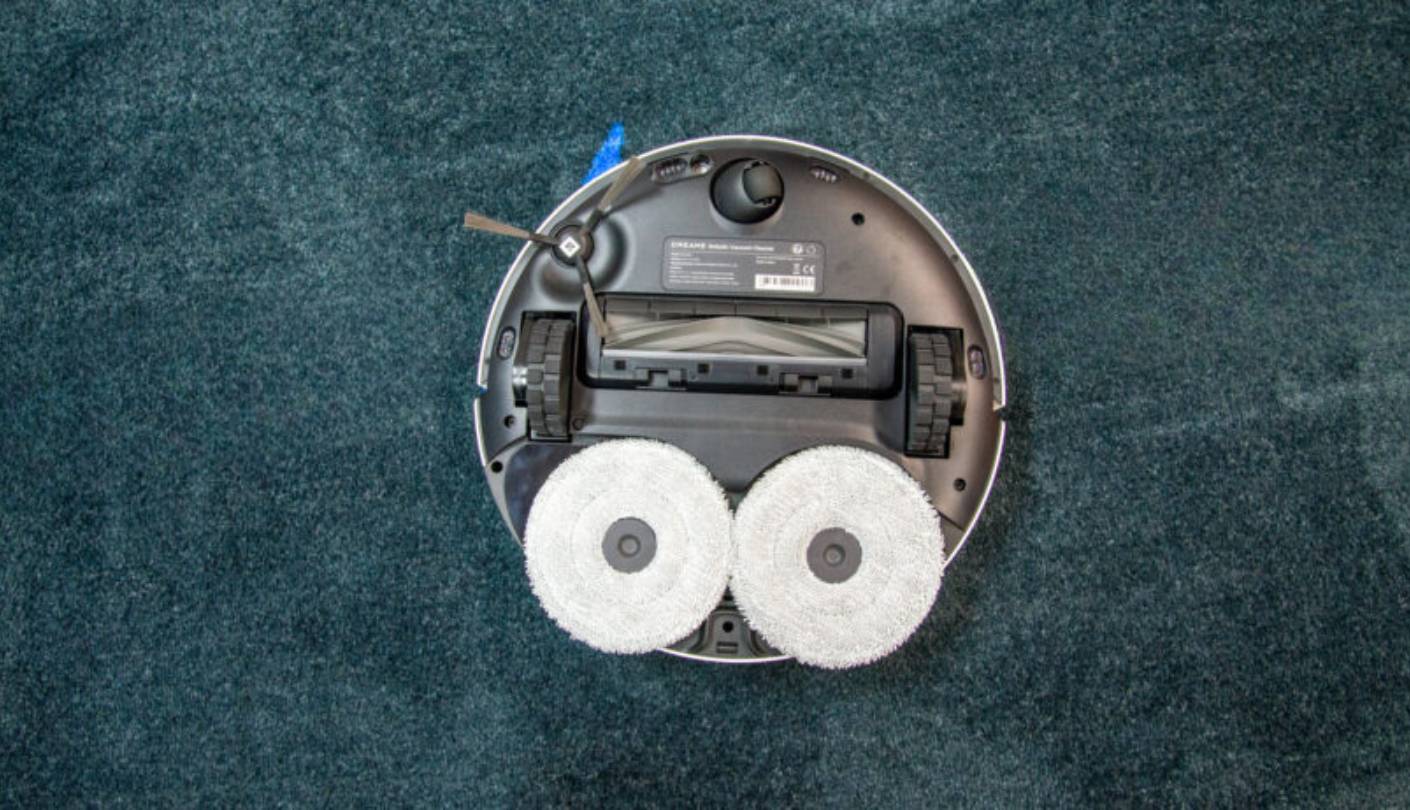
The Dreame L10s Ultra Gen 2 sits at the upper edge of this price tier, and it's worth being upfront about what that extra spend actually buys: a self-cleaning dock that washes its own mop pads with detergent, dries them with hot air, and empties its own dustbin. Until recently, that level of automation required moving well outside this price category entirely. I've run mine on a daily schedule through a household with two dogs and consistently found that the only maintenance task was replacing the 3.2L dust bag every six to seven weeks.
The MopExtend RoboSwing technology is the feature that sets this robot apart in practical floor results. Most robot mops leave an unmopped strip along every wall because the pad doesn't reach the final centimeters of the robot's travel path. The L10s Ultra Gen 2 physically swings one mop pad outward while tracking a wall, covering the gap that every other design in this roundup leaves behind. On my kitchen floor, where the previous robot always left a visible streak of dried splashes along the baseboard, the Gen 2 cleared it consistently without a second pass.
The 10,000 Pa Vormax motor - double the previous generation's output - handles deep carpet cleaning at a level comparable to the Roborock Q10 S5+. Dual spinning microfiber mop pads rotate actively while mopping rather than dragging passively, and they lift 10 mm when the robot detects carpet, protecting low-pile rugs from getting wet. The dock's 32-level water adjustment and automatic detergent mixing give the kind of daily mopping consistency that drag-pad systems can't replicate.
The dock footprint is the honest downside. The tower with its dual clean and dirty water tanks stands nearly 24 inches tall and claims more floor space than any other dock in this group. It belongs against a wall in a utility area or laundry room rather than tucked in a corner. Obstacle avoidance uses a structured-light sensor that handles mid-height objects well but struggles with flat items like power cables. Matter/HomeKit integration was advertised on the box but remained pending verification as of late 2025 - Alexa and Google Home work without issues.
For anyone whose floors split between hard surfaces and low-pile rugs and who wants the closest thing to hands-off daily maintenance in this price window, the L10s Ultra Gen 2 is the right choice. The mop-washing dock alone justifies the premium over the rest of this group for anyone who mops more than twice a week. At current sale prices significantly below its original MSRP, it represents the most automated cleaning system in this roundup.
Pros:
- MopExtend wall-edge scrubbing
- Mop wash + hot-air drying
- 10,000 Pa Vormax suction
- 240-min quiet-mode battery
- 3.2L bag, 75-day interval
Cons:
- Large dock footprint
- No HomeKit (pending update)
Summary: Dreame L10s Ultra Gen 2 brings self-washing mop pads, hot-air drying, and MopExtend wall-edge coverage to a price that would have seemed impossible two years ago. The right pick for hard-floor-heavy homes where daily mopping quality and minimal hands-on maintenance are the top priorities.
Tikom L8000 Plus Review
Budget Champ
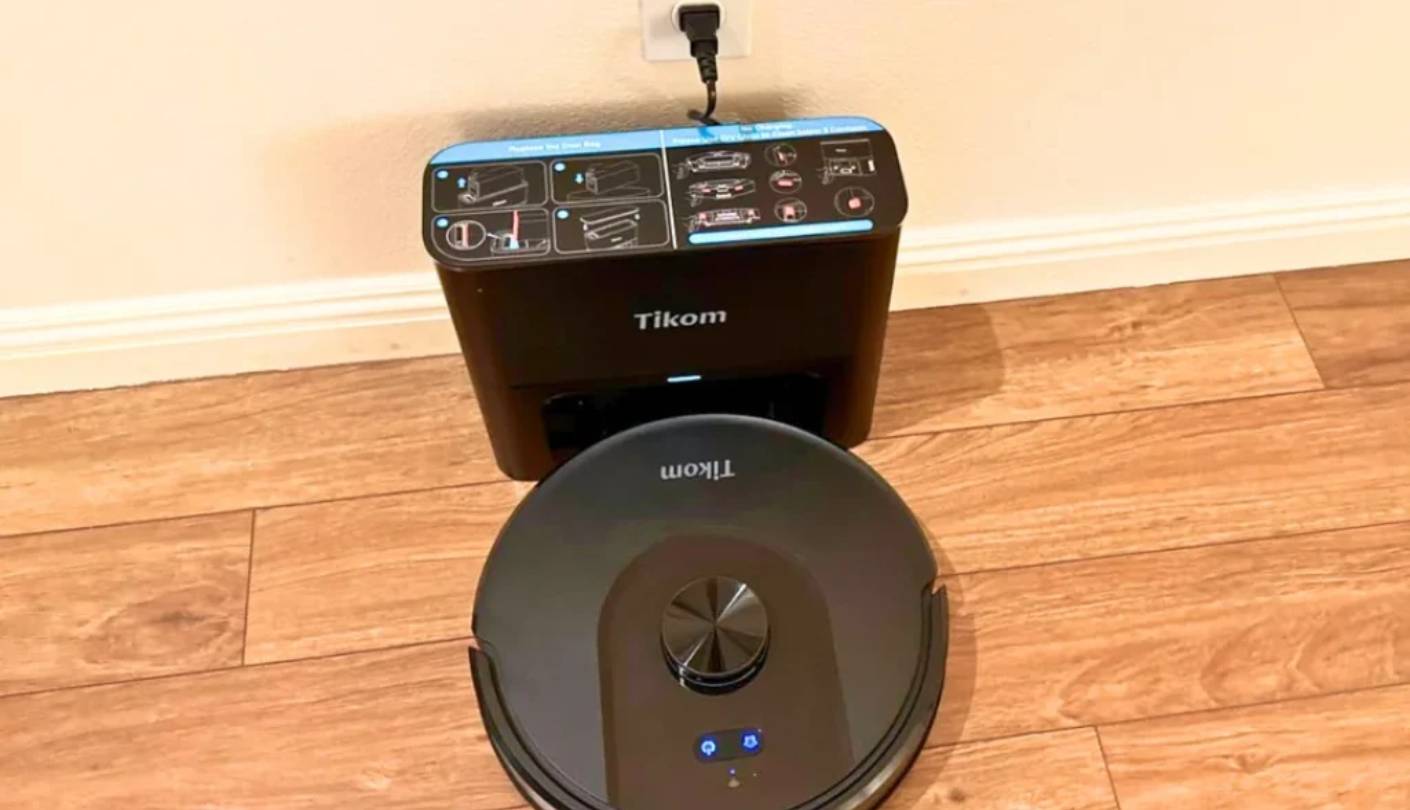
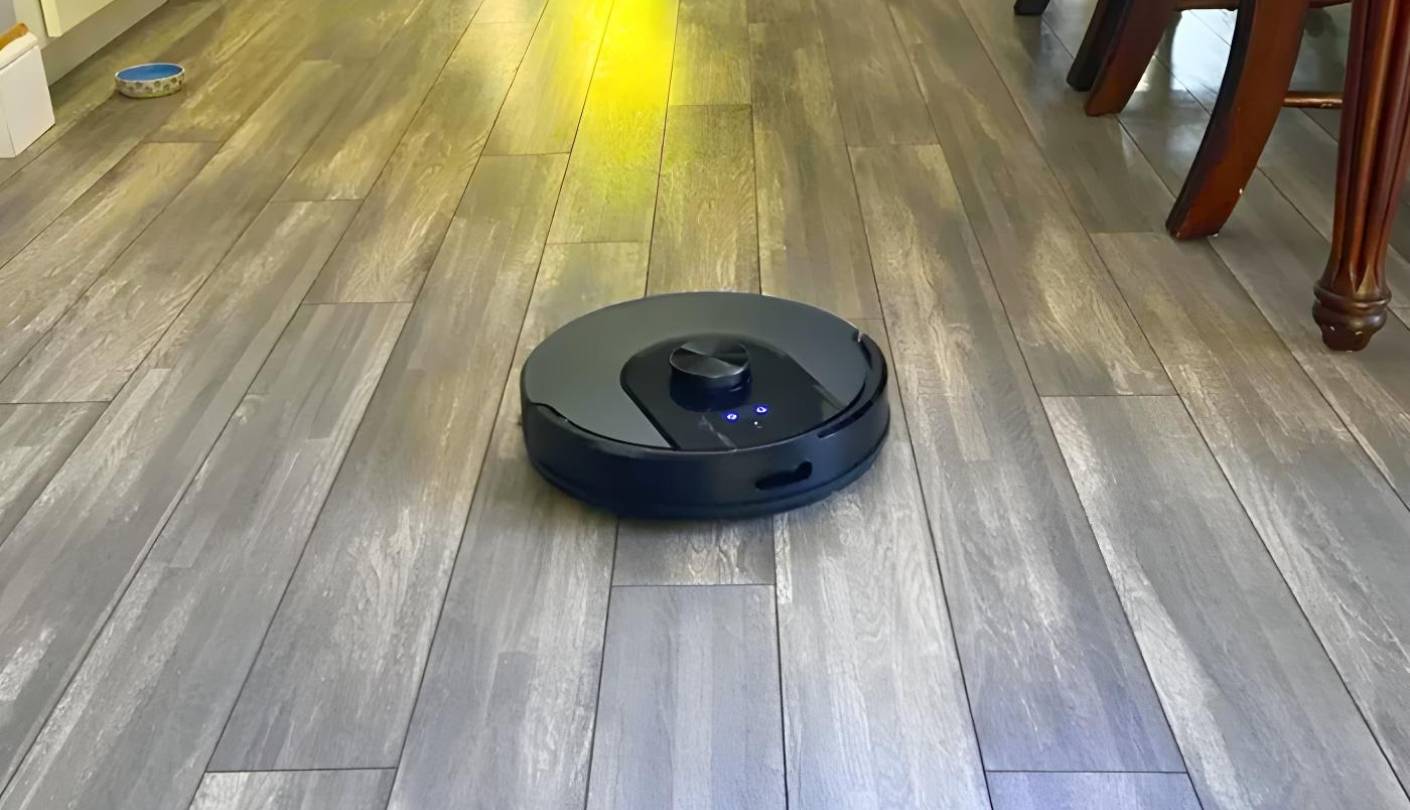
The Tikom L8000 Plus sits at a price point where most buyers expect to give something up - either navigation accuracy, a self-emptying dock, or long battery life. Tikom's bet is that most households don't need class-leading mopping or bleeding-edge obstacle avoidance if the core vacuuming job is done right, the map holds reliably, and the dock empties itself without intervention. That bet mostly pays off.
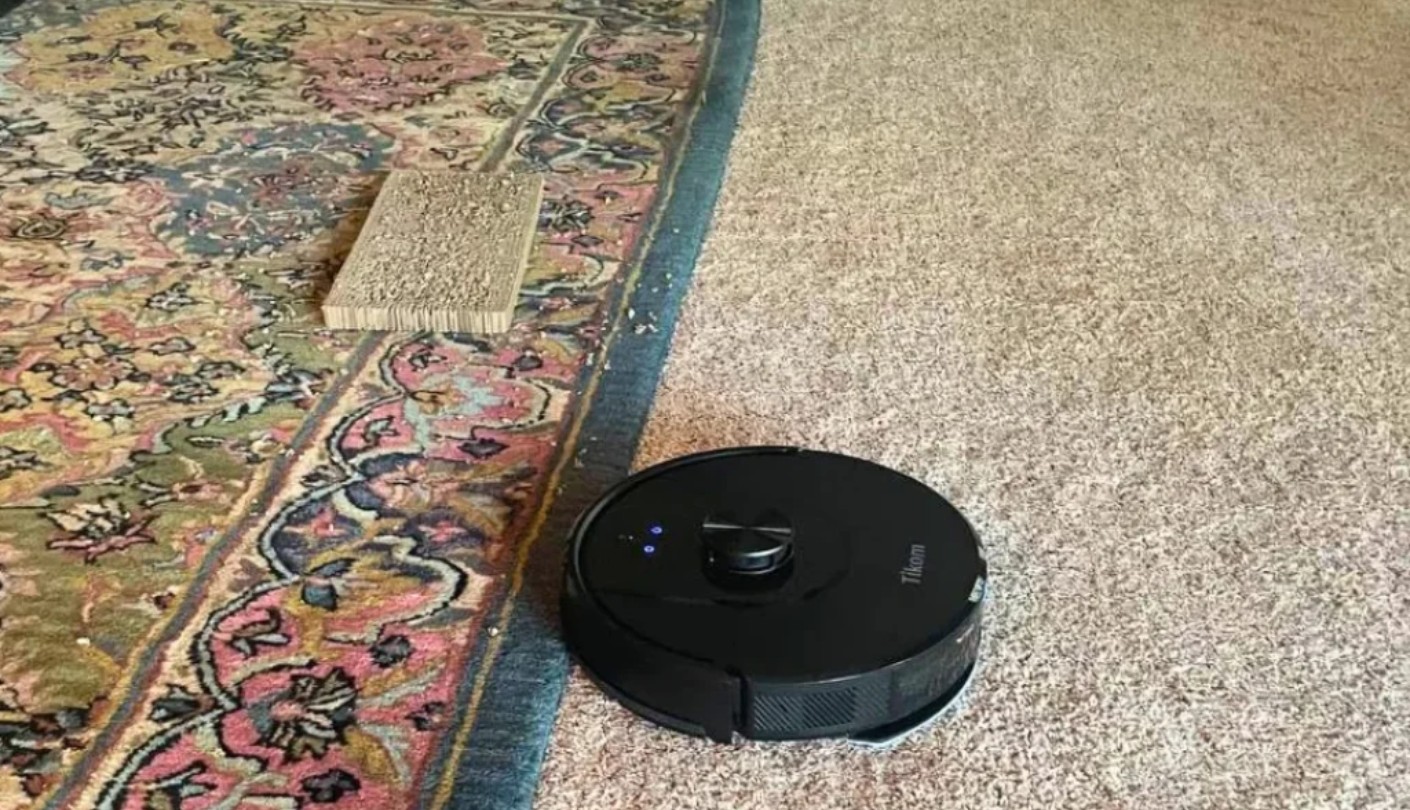
The vacuum core is genuinely solid for the price. Vacuum Wars' bench tests measured suction above the category average, with carpet deep cleaning pulling 79% of embedded sand - above the midrange norm and comparable to dedicated vacuum robots at higher prices. The 360-degree LiDAR navigation builds an accurate floor plan on the first run, supports up to five floor maps, and holds no-go zones reliably across sessions. At 45 dB in standard mode, it's also the quietest robot in this group during active cleaning - a real advantage for daytime use in a home with young children or a work-from-home setup where background noise matters.
The self-emptying dock's 3L bag claims 90 days of hands-free operation - the most generous stated interval in this roundup. In practice, a household with a shedding pet should expect closer to 45-60 days, but the capacity is still larger than average. Five-floor map storage is a practical advantage for multi-level homes where several competing models top out at four, and the 150-minute battery covers most homes in a single charge cycle.
The mopping function is where the L8000 Plus falls clearly short. The fixed drag pad exerts minimal pressure and performs better as a light dust-damp pass than anything approaching a real mop. There's no mop lift on carpet, which means no-mop zones must be set manually in the app before the first mopping run. Hair tangling on the main brush also runs above average in testing, requiring more frequent brush maintenance than most competitors here. I'd build in a brush check every ten days rather than the monthly interval the manual suggests.
The Tikom L8000 Plus earns a clear recommendation for buyers who want LiDAR navigation and a self-emptying dock at the lowest available entry price and who vacuum most of the time. As a dedicated vacuum robot it punches well above its cost. As a vacuum-mop combo it doesn't compete with the Roborock or Dreame options in this roundup. Use the mop occasionally on smooth hard floors, set your no-go zones before the first run, and it will earn its keep without drama.
Pros:
- Above-average carpet suction
- 45 dB quiet operation
- 5-floor map storage
- 90-day bag interval
- True LiDAR navigation
Cons:
- Weak drag-pad mop
- Above-average hair tangling
Summary: Tikom L8000 Plus brings LiDAR navigation and a self-emptying dock to the lowest price point in this roundup, with above-average vacuuming performance and quiet 45 dB operation. Best for budget-first buyers who primarily vacuum and can live with a basic mop attachment.
Robot Vacuums Under $500: FAQ
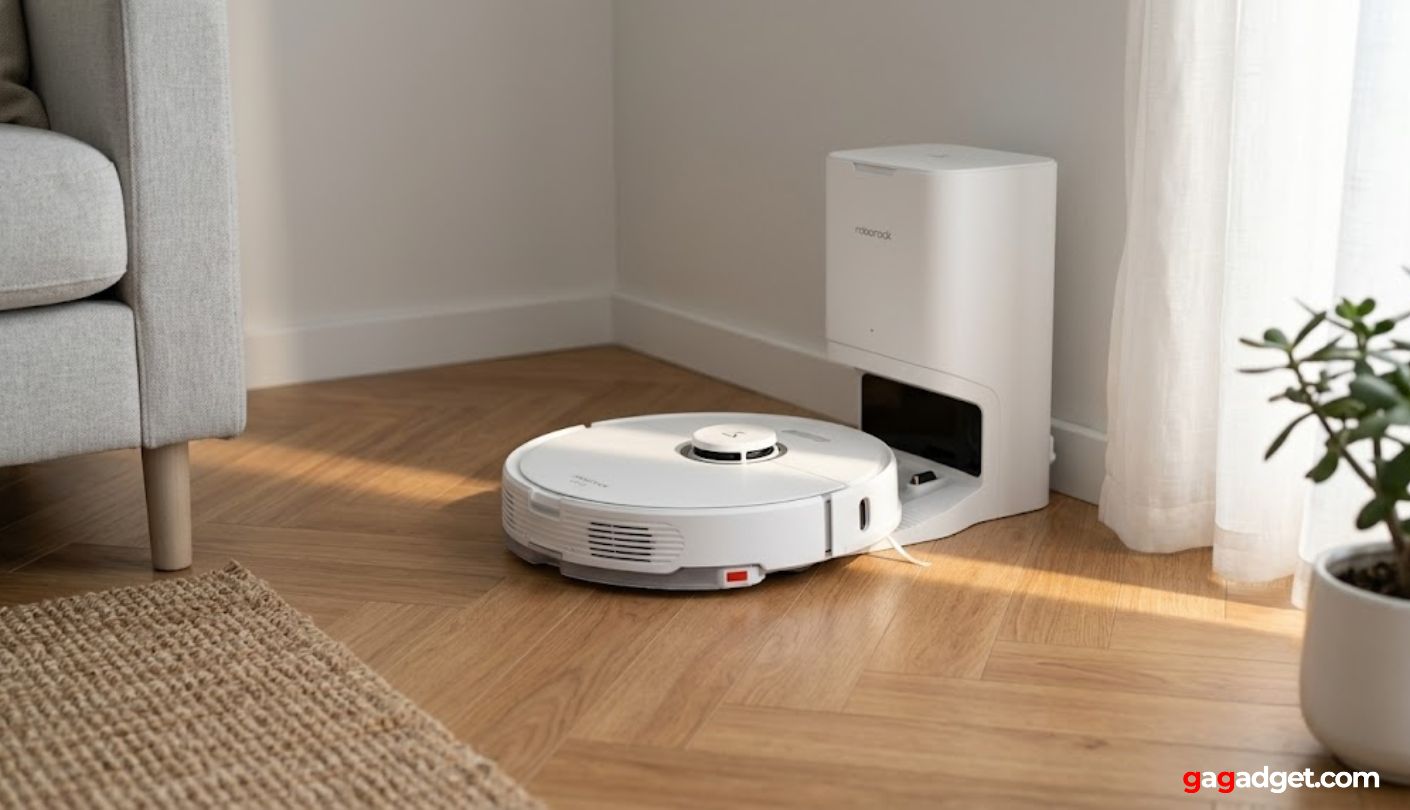
Do robot vacuums under $500 include LiDAR navigation?
Yes - LiDAR has become standard below $500 in the current market. All five robots in this roundup use laser-based mapping to build accurate floor plans and navigate in systematic patterns rather than random paths. The differences between them lie in how well the navigation software handles multi-floor homes, how accurately virtual walls hold up over time, and how quickly initial mapping completes on the first run.
How often do I actually need to change the auto-empty dock bag?
In a typical two-person home without pets, most 3L bags last 60-90 days as advertised. Add one medium-sized shedding dog and that drops to roughly 30-45 days. Add two dogs or a long-haired cat and you're changing bags every three to four weeks. In my own testing household with two dogs, the Dreame L10s Ultra Gen 2's 3.2L bag lasted just over six weeks - still meaningfully less work than emptying a traditional bin after every run. Replacement bags are available in multi-packs from each brand's storefront and cost a fraction of what a monthly deep-clean service would.
Is a robot vacuum and mop combo worth it over a vacuum-only model?
That depends on your floor mix. If your home is primarily carpet, the mopping hardware adds weight, complexity, and cost to a vacuum that will barely use it - a vacuum-only model like the eufy C10 makes more sense. If you have mostly hard floors with area rugs, a robot with an auto-lifting vibrating mop like the Dreame L10s Ultra Gen 2 adds real daily cleaning value. Drag-pad mops on budget models are useful for light maintenance but shouldn't be the deciding reason to choose a robot.
What floor types do these robots handle best?
All five robots in this group handle smooth hard floors - hardwood, tile, LVP - without issue. Low-pile carpet is equally well covered. High-pile or shag carpet above 15 mm depth challenges most models here, and the Dreame L10s Ultra Gen 2's 10 mm mop lift won't clear deep pile rugs. Area rugs with fringe or loose edges can catch on side brushes, and all five manufacturers recommend securing loose rug edges before scheduling unattended runs.
How do I prevent a robot vacuum from getting stuck?
The three most common causes of stuck robots are power cables left on the floor, chair legs positioned closer than 8-10 inches apart, and doorway transitions with thick carpet edges on one side. Before the first scheduled run, set no-go zones around cable clusters in the app and check all room transitions. After the first mapping run, review the completed coverage map - areas the robot skipped or marked inaccessible show clearly, and you can address the obstacle before the next session.
Can these robots clean while I'm away from home?
Yes - scheduled autonomous runs while you're out are the primary use case. The robots dock, charge, empty their bins on return, and wait for the next scheduled time without any input. The only exception is when a robot gets stuck on an obstacle it can't free itself from - most apps send a push notification in that case, but the run stops until you return. Clearing floors consistently before leaving is the main way to avoid mid-session interruptions.
Are these robots suitable for pet owners?
The eufy C10 and Roborock Q10 S5+ are the strongest pet-hair performers in this roundup based on independent testing results. The C10's extending corner brush and 100% pet hair pickup rate on flat carpet makes it the top vacuum-only choice for high-shedding households. The Q10 S5+'s anti-tangle brush design cleared 100% of wound hair without manual intervention in testing, significantly reducing how often you need to pull the brush out for maintenance - which matters a lot when the robot runs daily. In my own two-dog household, the Q10 S5+ ran for two weeks without a brush jam, which is the longest stretch I've recorded at this price tier.
Does a thinner robot profile actually matter for cleaning results?
It matters specifically for furniture clearance. The eufy C10's 2.85-inch profile reaches under platform beds and low sofas with 3-4 inch clearance gaps that stop every other robot in this group from entering. Those furniture undersides accumulate dust and pet hair heavily and are typically the areas most neglected by traditional vacuuming. If your home has several pieces of low-profile furniture, the C10's slim design translates directly into cleaner floor coverage. For homes where all furniture clears 4 inches or more, the height differences between these robots are essentially irrelevant.
Choosing the Right Robot Vacuum Under $500
The right choice in this group comes down to what your floors actually need every day. After weeks of testing all five, my clearest takeaway is that the best robot vacuum for most households is the one matched to the dominant floor surface and the right cleaning type - not the one with the highest Pa number on the box. For pet owners who want maximum vacuuming performance without the complexity of a mop system, the eufy C10 offers 100% pet hair pickup and an extending corner brush in a slim profile that reaches where other robots can't.
For carpet-heavy homes that also want capable mopping, the Roborock Q10 S5+ posted the highest carpet cleaning numbers in independent testing and includes VibraRise scrubbing - as long as you commit to clearing the floor before each run. For anyone whose floors are mostly hard surfaces and who wants the closest thing to genuinely hands-off daily maintenance, the Dreame L10s Ultra Gen 2 is the only robot here that washes and dries its own mop pads. The TP-Link Tapo RV30 Max Plus covers the largest homes on a single charge and offers the smoothest onboarding for first-time owners. And for buyers who need LiDAR navigation and an auto-empty dock at the lowest available entry price, the Tikom L8000 Plus earns its place as a capable daily vacuum despite a basic mop function.

Jeb here, your go-to geek for everything from video projection to the latest tech trends. As an avid outdoorsman, I enjoy using monoculars and binoculars for hunting, traveling, and birdwatching. Join me in exploring the cool, quirky side of technology!


