Vivaldi 8.0 overhauls its interface while every other browser chases AI

While Chrome, Edge, and Firefox race to embed AI assistants into their toolbars, Vivaldi has gone the other direction. Version 8.0, released May 21, 2026, is the browser's most significant visual overhaul in its ten-year history — and its CEO Jon von Tetzchner is making a point of keeping artificial intelligence out of it entirely. The update is free for Windows, macOS, and Linux.
The unified look
The headline change is what Vivaldi calls the "Unified" design. Previously, the browser's tabs, toolbars, and side panels sat as visually distinct blocks layered on the window. The new design merges them into a single continuous surface, cutting visual clutter without removing any of the tools Vivaldi is known for. If you've ever felt that feature-rich browsers look like a cockpit built by committee, this is Vivaldi's answer to that complaint.
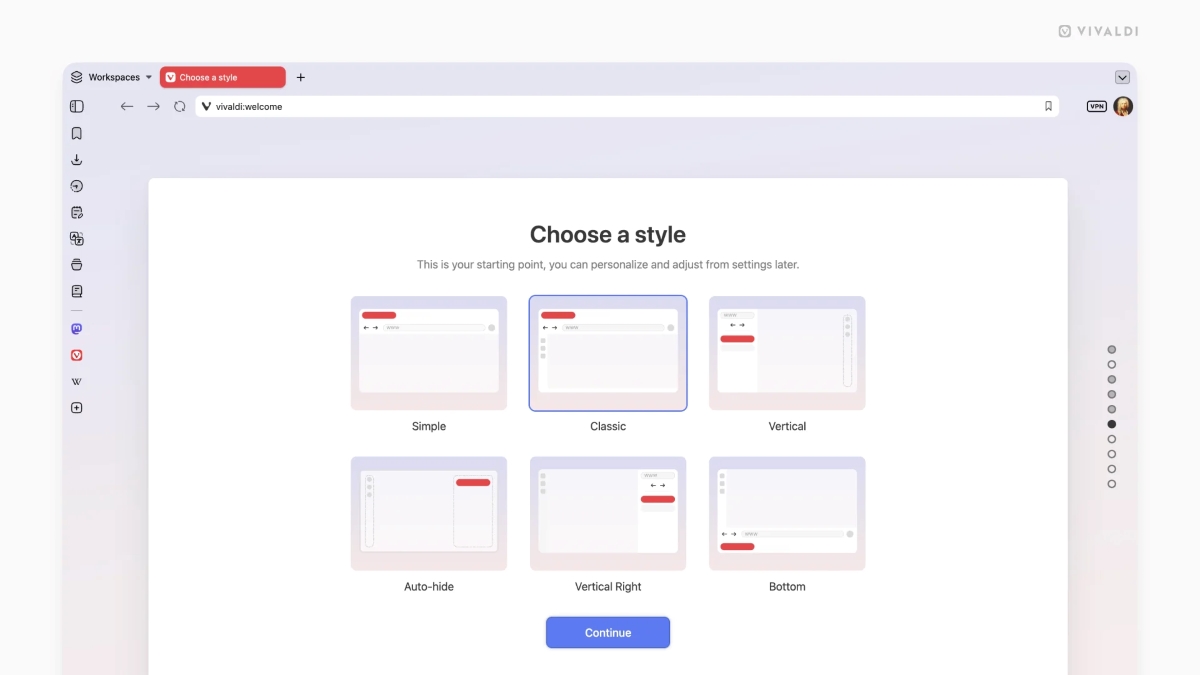
Six layout presets ship with 8.0 to give new users a sensible starting point: Simple, Classic, Vertical Left, Vertical Right, Auto Hide, and Bottom. Vertical tab layouts have long been a Vivaldi signature — they make far better use of widescreen monitors than a horizontal tab strip. Auto Hide collapses the interface entirely for distraction-free reading, while Classic keeps the familiar look for anyone not ready to change.
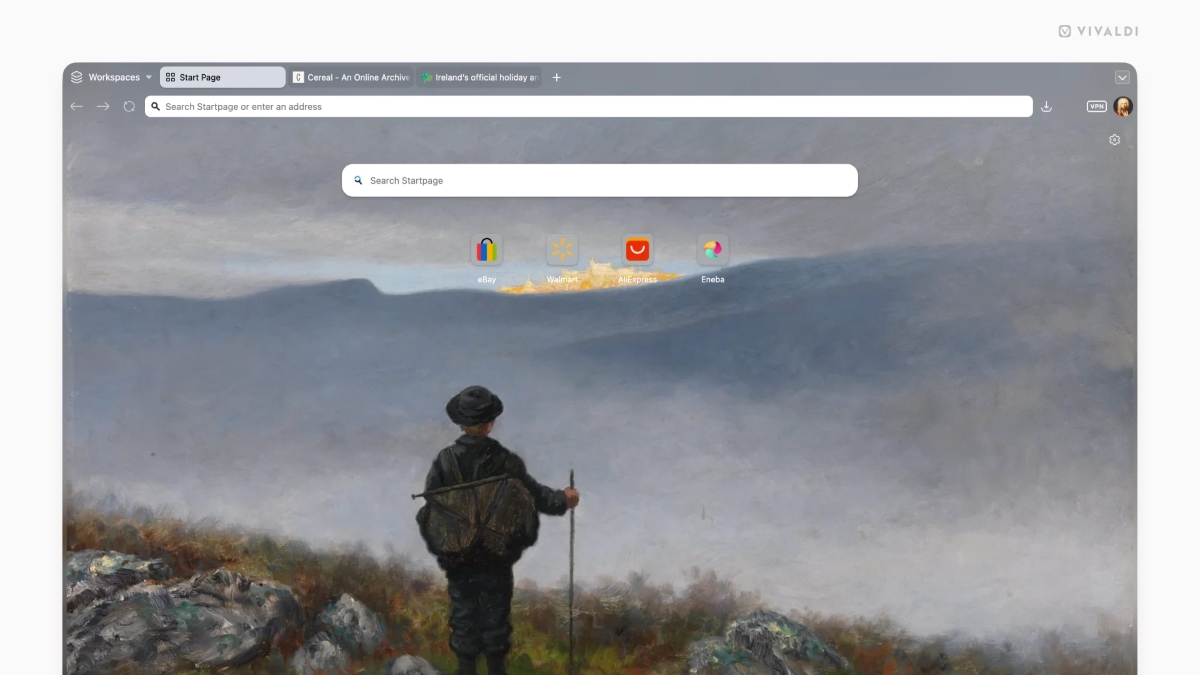
For deeper customization, Vivaldi's theme library at themes.vivaldi.net now tops 7,000 community-built themes. Existing custom themes remain backward compatible with 8.0, so long-time users won't need to rebuild their setups.
The anti-AI pitch
Vivaldi holds around 2.4 million active users globally — a rounding error next to Chrome's 71% market share, but a loyal one. The browser is built on Chromium, meaning Chrome extensions work natively, so there's no real cost to trying it.
Von Tetzchner's no-AI stance is deliberate positioning. As the Vivaldi official 8.0 announcement makes clear, the company views the current AI arms race among browser makers as a distraction from what most people actually need from a browser. A Make Use Of review framed the update as a direct counterpoint to the AI-heavy direction announced at Google I/O 2026.
The privacy angle also holds up structurally. Vivaldi is headquartered in Oslo, operates under European data protection rules, and doesn't run the kind of telemetry pipelines that have made Chrome and Edge contentious for privacy-conscious users. For anyone already using a Chromium-based browser but uneasy about Google or Microsoft collecting usage data, 8.0 gives a credible reason to look again.


