Cuktech wants to put an exoskeleton on your legs — for a $300 deposit

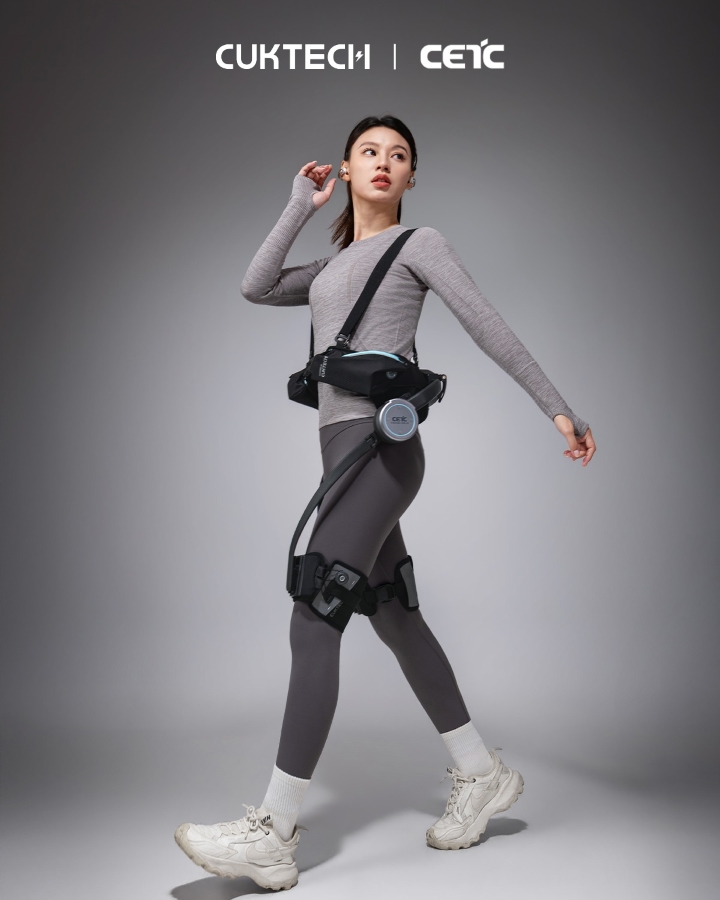
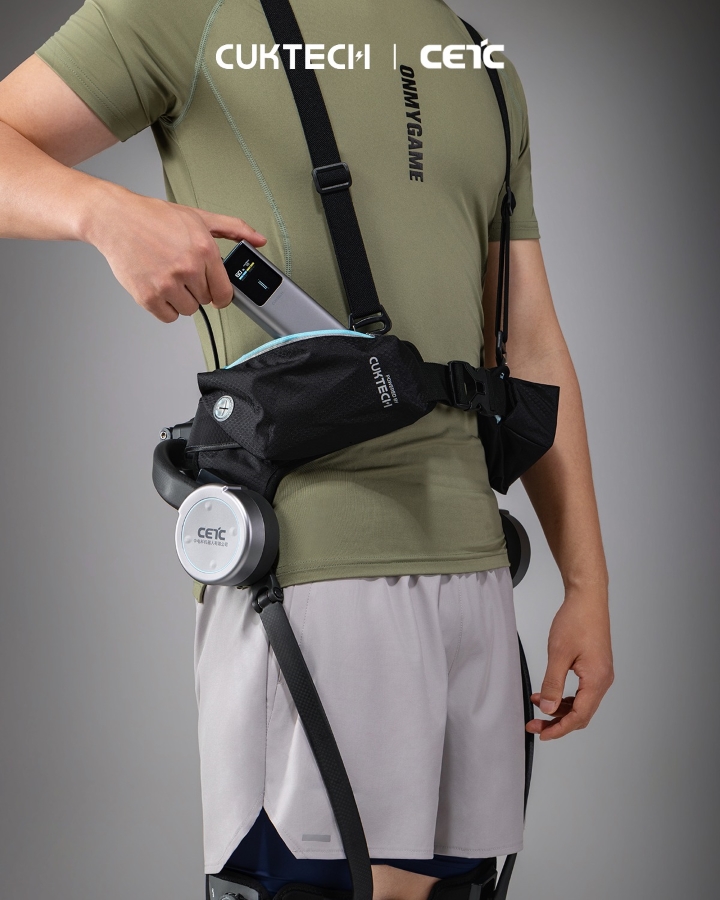
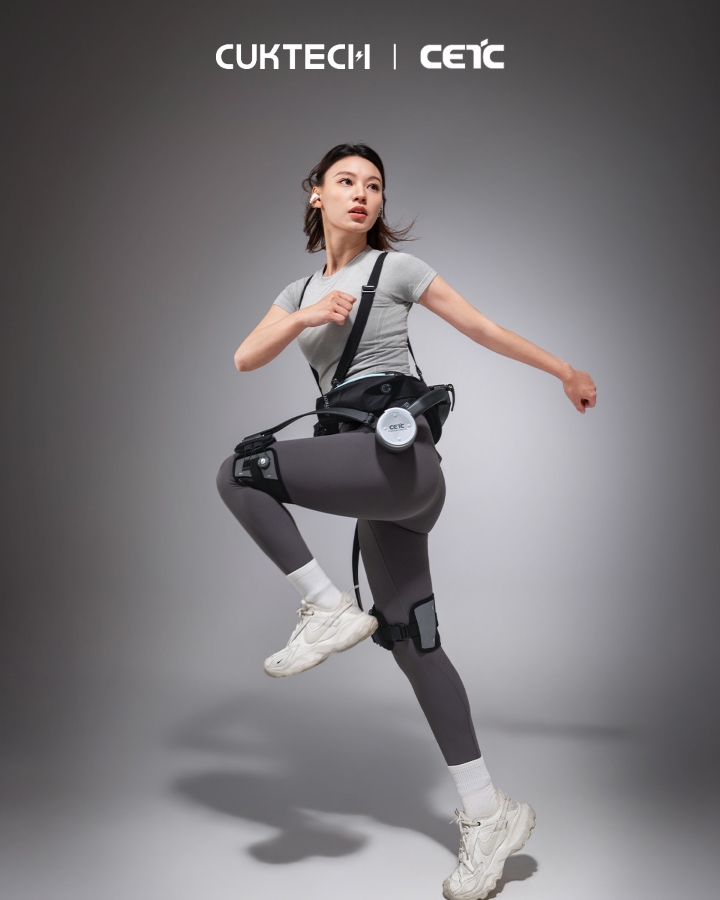
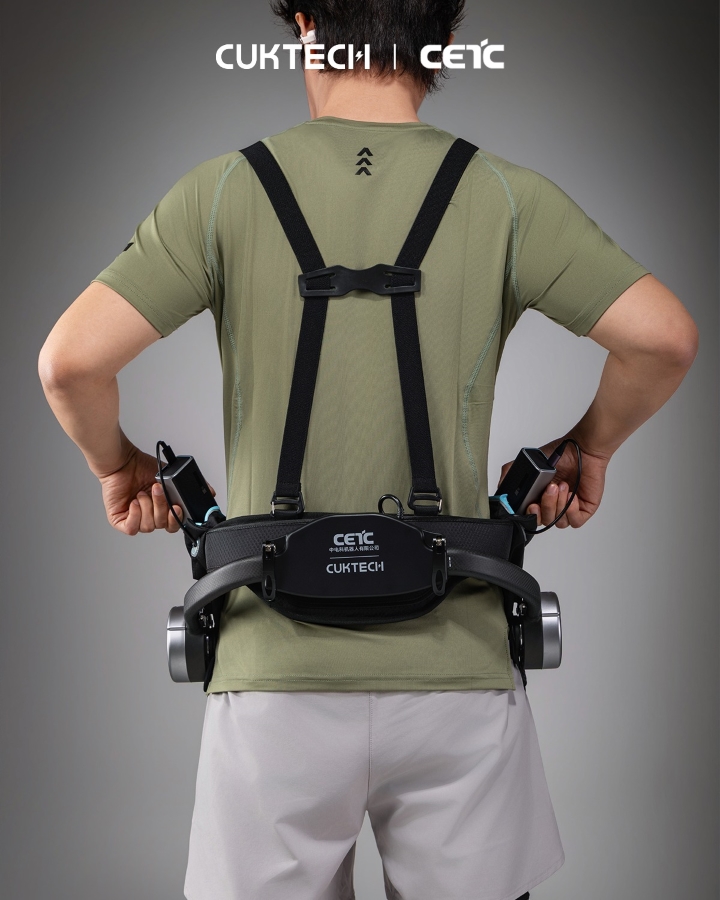
Cuktech — the brand best known for high-capacity power banks born out of the Xiaomi ecosystem — is now recruiting 50 testers for its first exoskeleton. The application window runs June 29 to July 5, 2026, and selected testers get the device free to keep, as long as they return it intact if they drop out. With existing consumer-grade exoskeletons priced anywhere from $5,000 to $15,000, Cuktech is clearly betting on a much cheaper entry point.
The hardware promise
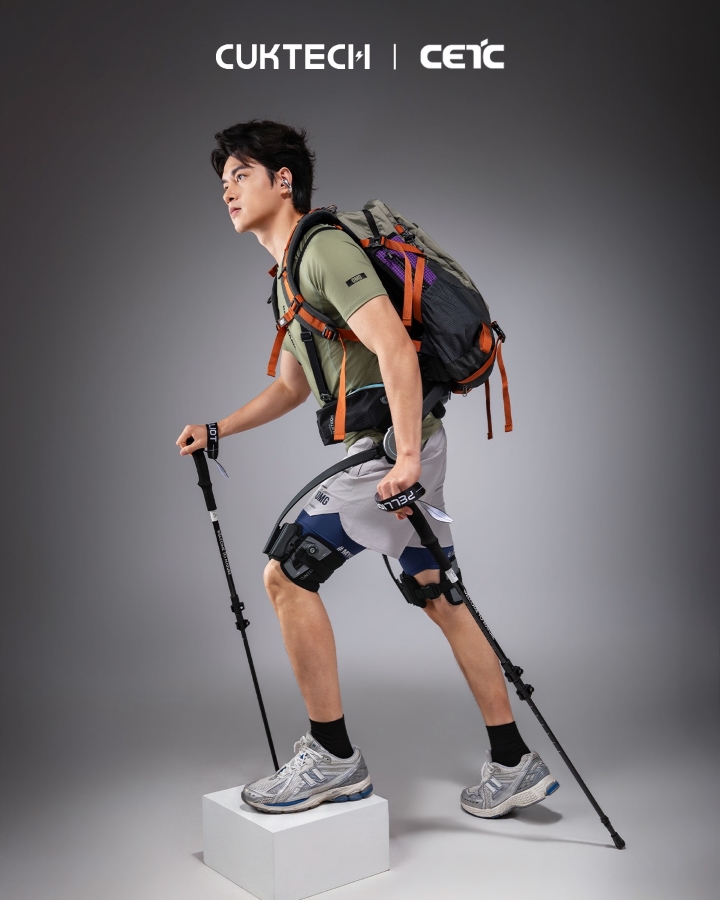
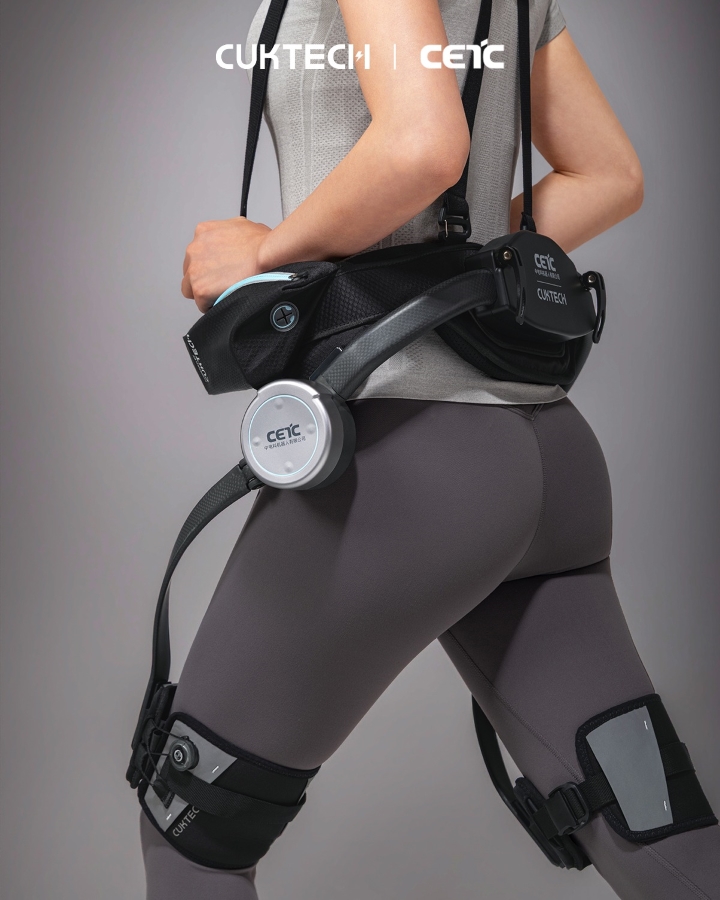
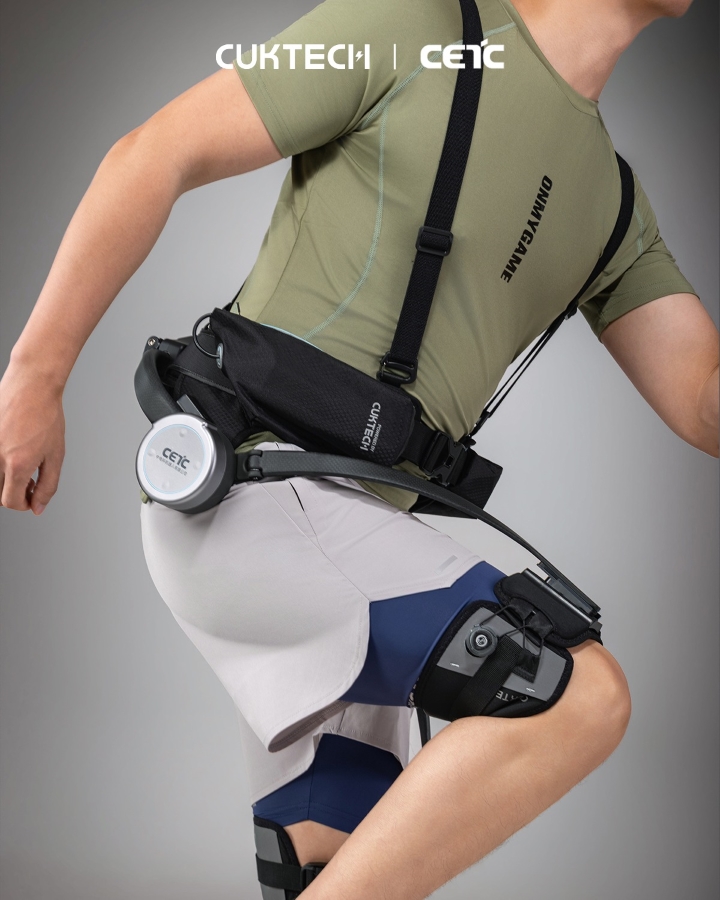
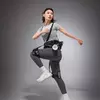
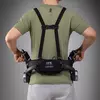
The device is designed to lighten heavy backpacks, speed up walking pace, and protect knees on steep ascents and descents. That's the pitch — but Cuktech hasn't released a single technical specification yet. Weight, motor output, battery life: all undisclosed. That level of secrecy is a real credibility risk. Competitors like Hyundai, whose X-ble Shoulder exoskeleton began shipping to workers in early 2025 with a planned Europe and North America rollout in 2026, have been far more transparent about what their hardware actually does.
The tester rules
Getting selected isn't straightforward. Applicants must be at least 18, in good health, and free of chronic joint, back, or cardiovascular conditions — somewhat ironic given that exoskeletons are often developed precisely to help people with those issues. Cuktech is prioritizing hiking, mountaineering, and outdoor-lifestyle bloggers. The company wants compelling video and photo content, and testers must use the device at least three times a week (or 15 days a month) and submit regular written, photo, and video reports.
The $300 deposit (2,000 yuan) is refundable within 10 working days of the trial ending, provided the device comes back undamaged. It's an unusual structure for a crowdfunding-style campaign — more like a small-scale product pilot than a Kickstarter.
The bigger picture
The US and UK have seen their share of exoskeleton crowdfunding overclaims. Enhanced Robotics, for instance, went quiet after 2023 despite earlier promises. Cuktech's transparent refund policy and influencer-first testing approach at least signals some awareness of that skepticism. Still, the regulatory landscape is thin: only around 28% of commercial exoskeletons carry EU CE marking, and fewer than 10 models have received FDA clearance in the US. Cuktech has said nothing about its regulatory pathway.
Vastnaut's consumer exoskeleton — demoed in Los Angeles in May 2026, weighing 2.7 kg and claiming a 35% reduction in knee load — sets a concrete hardware benchmark Cuktech will need to match or beat. Without published specs, it's impossible to say whether it can. If Cuktech can deliver an affordable, functional device, it would open the category to trail guides, older hikers, and everyday outdoor enthusiasts. That's a real market. The question is whether the hardware exists to serve it.


