This is what Microsoft's Surface Phone could have looked like

Photos of a Microsoft smartphone prototype from 2013–2014 have appeared online, offering the clearest look yet at a device that never shipped. The prototype, reportedly codenamed Raven, ran an early pre-release build of Windows Phone 8.1 and wore the same magnesium alloy chassis as the Surface tablets of that era. Microsoft ultimately shelved it — and the Nokia acquisition is likely why.
A Surface in phone clothing
The hardware follows Surface design language closely. The chassis appears to use the same magnesium alloy finish found on Surface Pro tablets from the same period — a deliberate choice that would have positioned the phone as a premium companion device. Inside sat an unidentified Qualcomm chipset, standard for Windows Phone hardware at the time, driving a 720p display with physical navigation buttons below it. By 2014 specs, that was mid-to-high-end territory.
Whether "Raven" was ever destined for retail shelves as an official Surface Phone product remains unconfirmed. As Windows Forum notes, the "Surface Phone" label is unverified — it was one of dozens of internal prototype designs from that era, and no conclusive evidence links it to a planned commercial launch.
Killed by the Nokia deal
The timing tells the story. Microsoft announced its acquisition of Nokia's Devices and Services division in September 2013 and closed the deal in April 2014. That window aligns precisely with when Raven's development appears to have stalled. Once Microsoft owned Nokia, it had a ready-made phone business — and little reason to build a parallel Surface-branded handset from scratch.
The strategy didn't pan out. Windows Phone held roughly 4% of the US market in 2013, and the Nokia gamble ended with a $7.6 billion writedown in 2015. Microsoft eventually returned to smartphones with the Surface Duo in 2020 — a dual-screen Android device that shared almost nothing with Raven beyond the Surface name.
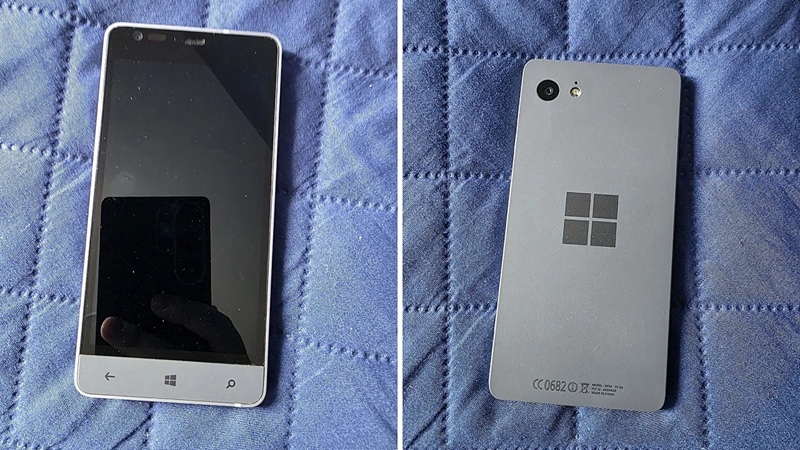
The Raven prototype features a magnesium alloy body consistent with Surface tablet design from 2013–2014, running a pre-release build of Windows Phone 8.1.
The Raven prototype is a reminder of how differently things could have gone. A Surface-branded phone in 2014 would have faced the iPhone 6 and Galaxy S5. Whether better hardware branding could have reversed Windows Phone's decline is a question Microsoft never got to answer.
Source: Windows Central


