Apple patents a smarter notification system that watches what you're doing

Apple has filed a patent for an adaptive notification system that goes well beyond what Screen Time can do today. Patent US 2026/0227846 A1, published August 6, 2026, describes software that watches what you're actually doing on a device before deciding whether to show you an alert — making "do not disturb" genuinely context-aware for the first time.
How it works
The system uses a conditional-gate mechanism. It pulls in real-time behavioral data from the touchscreen, camera, and onboard sensors — detecting whether you're scrolling, typing, watching a video, or sitting idle. It then checks that activity against preset criteria: duration, type, frequency, or some combination. Only when those thresholds are crossed does a notification appear. If the criteria aren't met, the system stays silent. The goal is to stop interrupting people mid-task without a real reason.
There's a second piece too. The patent describes an activity summarization feature that builds a digest of recent usage. Instead of blocking you mid-task, the system can let you finish and review a summary afterward — a more human way of handling the backlog.
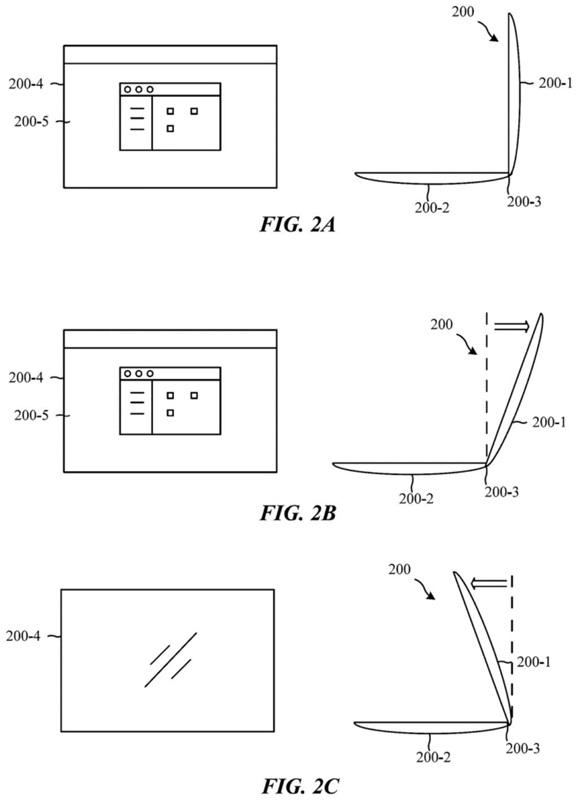
Apple's patent describes a conditional-gate mechanism that checks what you're doing before deciding to interrupt you.
Context and current limits
iOS 18.1 already has Notification Summaries and a Reduce Interruptions Focus mode, but both work on fixed schedules or content-based filters. They have no idea whether you're deep in a spreadsheet or mindlessly refreshing a feed. This patent would layer in that behavioral context — the system would know the difference.
The patent language is deliberately broad. Apple uses terms like "computing system" and "subject" rather than "iPhone" and "user," which signals the technology could extend to parental controls, corporate device monitoring, health tracking on Apple Watch, and accessibility tools.
No timeline yet
Patents describe concepts, not shipping products. Apple has not announced when or whether this system will appear in a future iOS or watchOS update. It may arrive as an enhancement to Screen Time, or as something new entirely. Either way, the underlying direction is clear: Apple wants notifications to be earned by context, not just scheduled by a clock.


