SmartSens SCC85XS: The 200MP Sensor Redefining Smartphone Photography with AI and Low-Light Performance

Chinese company SmartSens decided that the flagship smartphone market could use another player in the megapixel major league. Their new image sensor SCC85XS is an attempt to prove that massive resolution can be not only a marketing number on a box but also a quite logical technological tool.
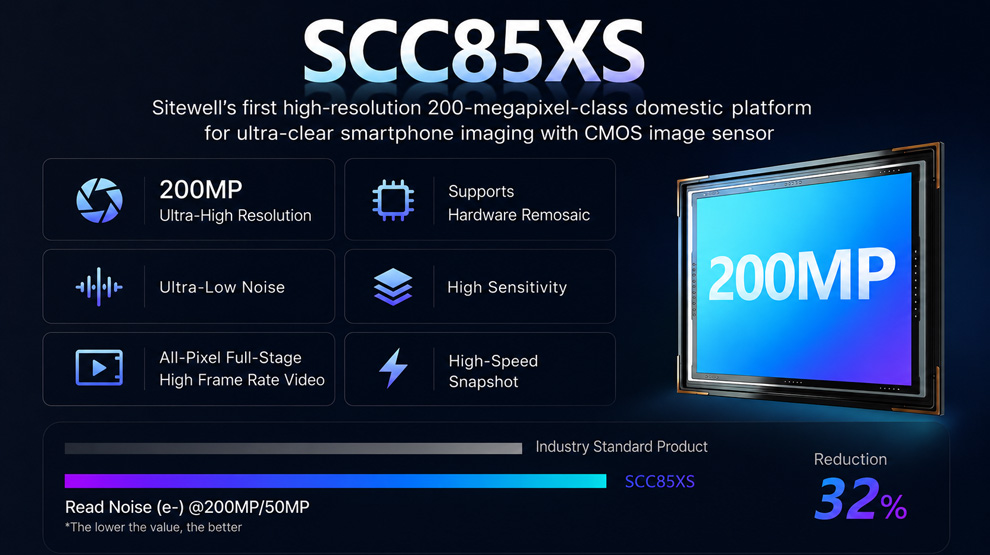
New SCC85XS sensor for flagships. Illustration: SmartSens
Technological content and dimensions
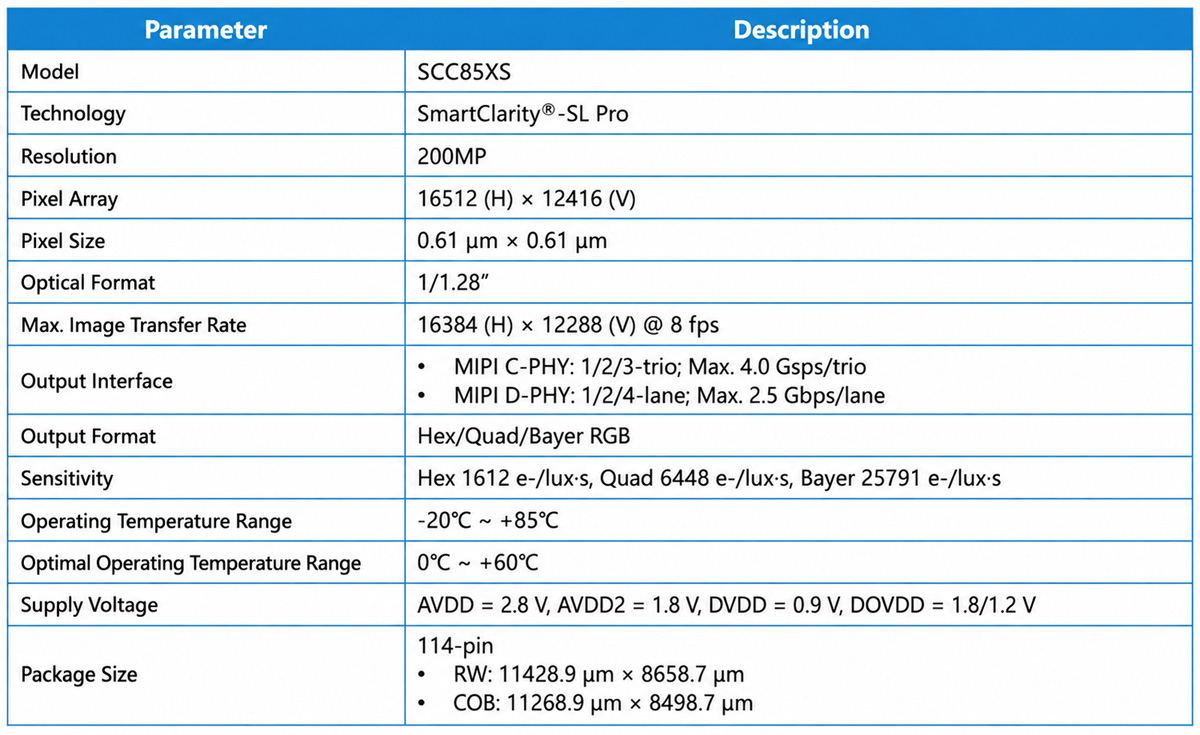
SCC85XS is built on the proprietary SmartClarity-SL Pro platform using a 22-nm technology process. The size of an individual pixel is only 0.61 µm. By comparison, the well-known Samsung ISOCELL HP2 has pixels of similar size (0.6 µm). The novelty claims versatility: it is planned to be used in both main modules and telephoto or wide-angle cameras of top-tier devices.
Zoom and image quality
The manufacturer assures that the sensor allows for 2x zoom with a resolution of 50 MP and 4x with 12.5 MP without loss of quality. Naturally, support for full 200 MP output is also present. In today's world, where the CMOS sensor market becomes increasingly demanding in terms of detail, such hardware crop capabilities become the standard for 'high-end' smartphones.



Less noise, more intelligence
Special attention is paid to shooting in low light conditions. The declared read noise levels in 200 and 50 MP modes are about 0.8e-, which is 32% lower compared to similar solutions from competitors. The peak quantum efficiency reaches 80% — this means that the sensor absorbs light quite effectively, which is critically important for such small pixels.
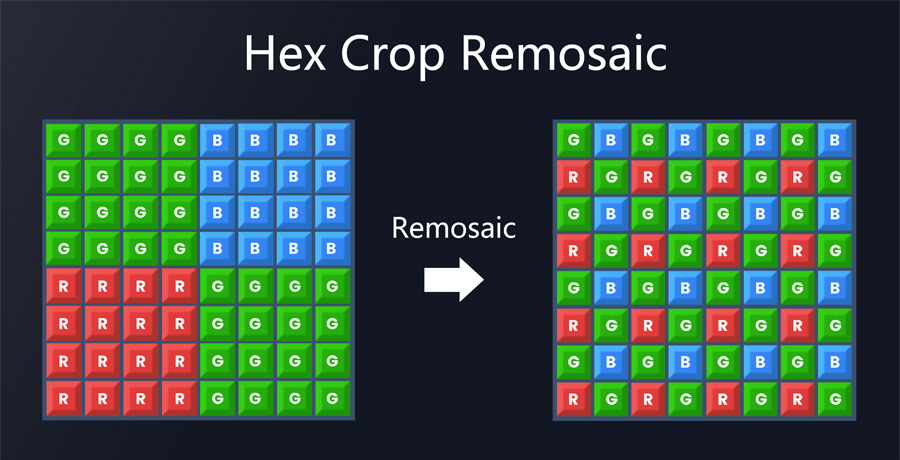
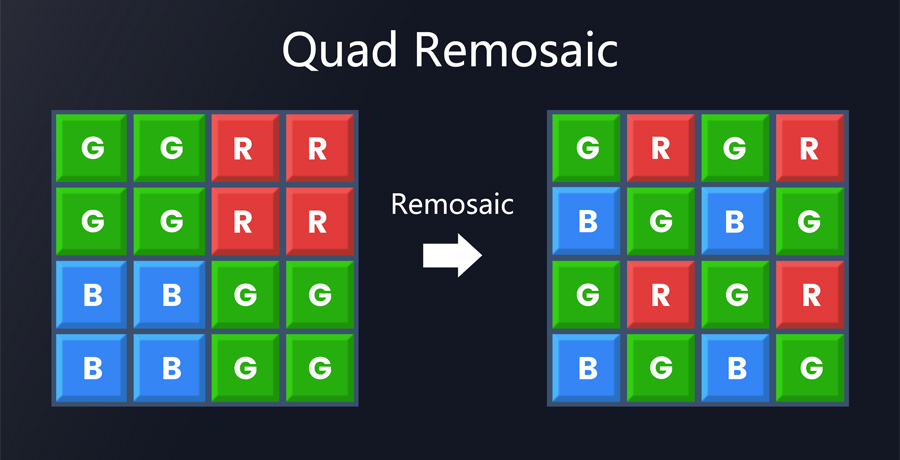


However, the most interesting parts are hidden in the hardware technologies Hex Crop Remosaic and Quad Remosaic. They allow forming standard RAW data and high-resolution video directly on the sensor chip. This significantly reduces the load on the smartphone's central processor and speeds up image processing, especially when AI-based algorithms come into play.
While some manufacturers are only preparing the design of future novelties, such as the base Galaxy S27, SmartSens is creating hardware that might make market leaders a bit uneasy.


