NASA vs. China: The Moon's South Pole Is Running Out of Parking Spots

The US and China are racing to land astronauts on the Moon — and NASA's administrator says losing isn't just an embarrassment, it's a national security risk. NASA chief Jared Isaacman told an Air Force conference in September 2026 that the US must beat China to the lunar surface, warning that whoever arrives first will set the technical and legal standards that every other spacefaring nation will have to follow.
The parking lot problem
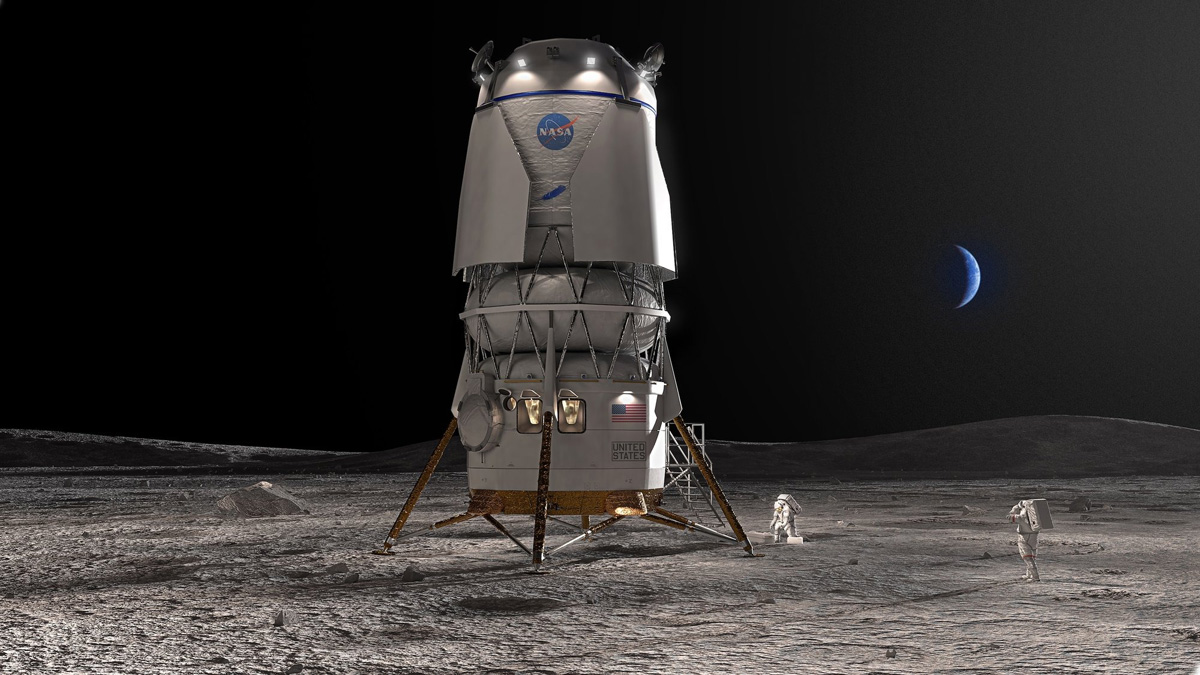
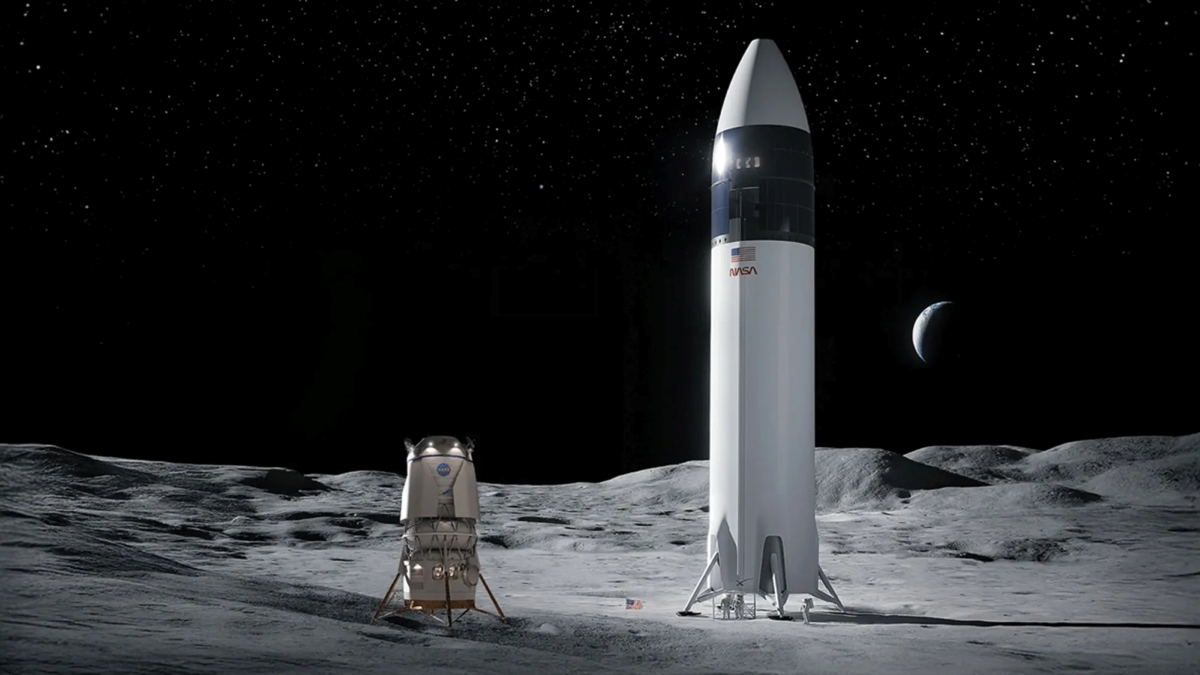
NASA's current target is a crewed lunar landing in 2028 under Artemis IV. China is aiming for 2030. That two-year gap sounds comfortable, but any delay in the US schedule could hand Beijing the initiative. The flashpoint is the Moon's South Pole.
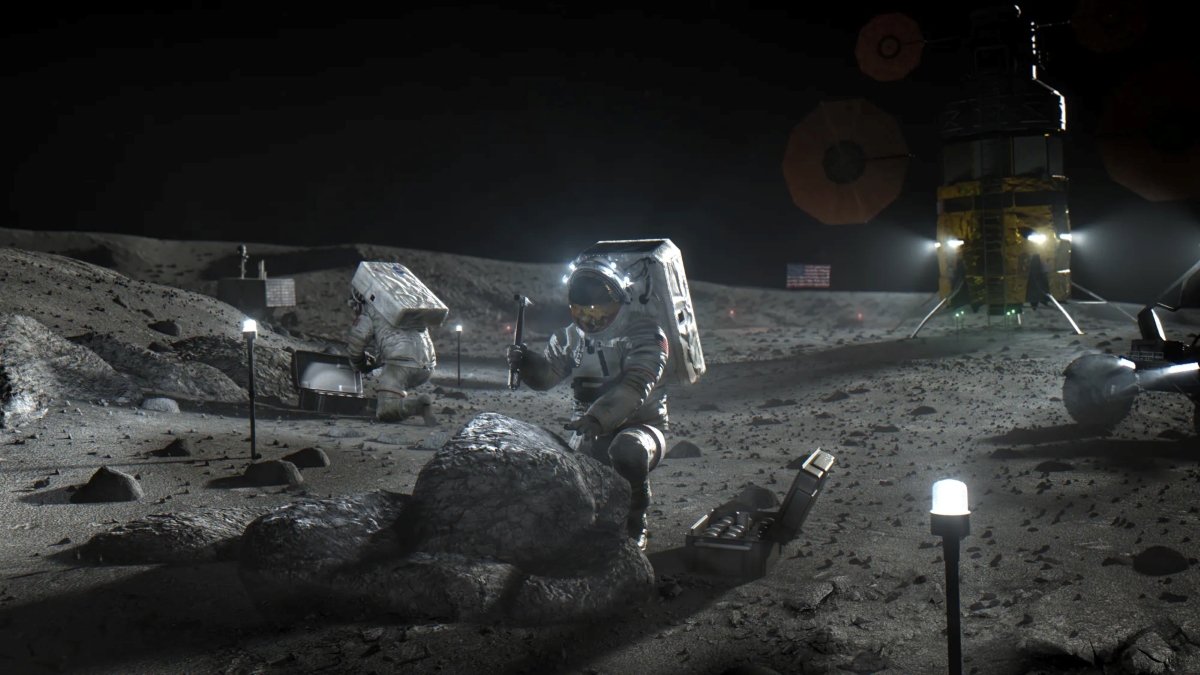
The region is prized for its water ice deposits — a potential source of rocket fuel and drinking water for future bases — and its long-exposure ridgelines that make solar power viable. The catch: usable landing zones are scarce. Isaacman described the available spots as a limited number of "parking spaces," with both countries eyeing the same sites. Research published at AIAA SciTech 2026 confirms the problem: safety exclusion zones of 1–5 km around any landed mission can effectively block competitors from nearby sites. An actor arriving one to two years early gains a de facto veto over adjacent access.
Standards as soft power
Isaacman's argument goes beyond terrain. He drew an explicit parallel to Apollo 11 in 1969 — a mission whose real legacy wasn't the Moon rocks but the demonstration of American technological dominance that shaped Cold War alliances for decades. The same logic applies now: the nation that establishes infrastructure first gets to write the rulebook.
The US is already pushing that agenda through the Artemis Accords, an international framework now signed by 71 countries as of August 2026. The Accords promote transparent resource extraction and commercial access — a framework built on American terms. China and Russia are building a rival bloc, the International Lunar Research Station (ILRS), outside the UN's traditional space-law body, COPUOS. A successful Chinese landing before 2028 would significantly strengthen the ILRS's appeal to undecided nations.
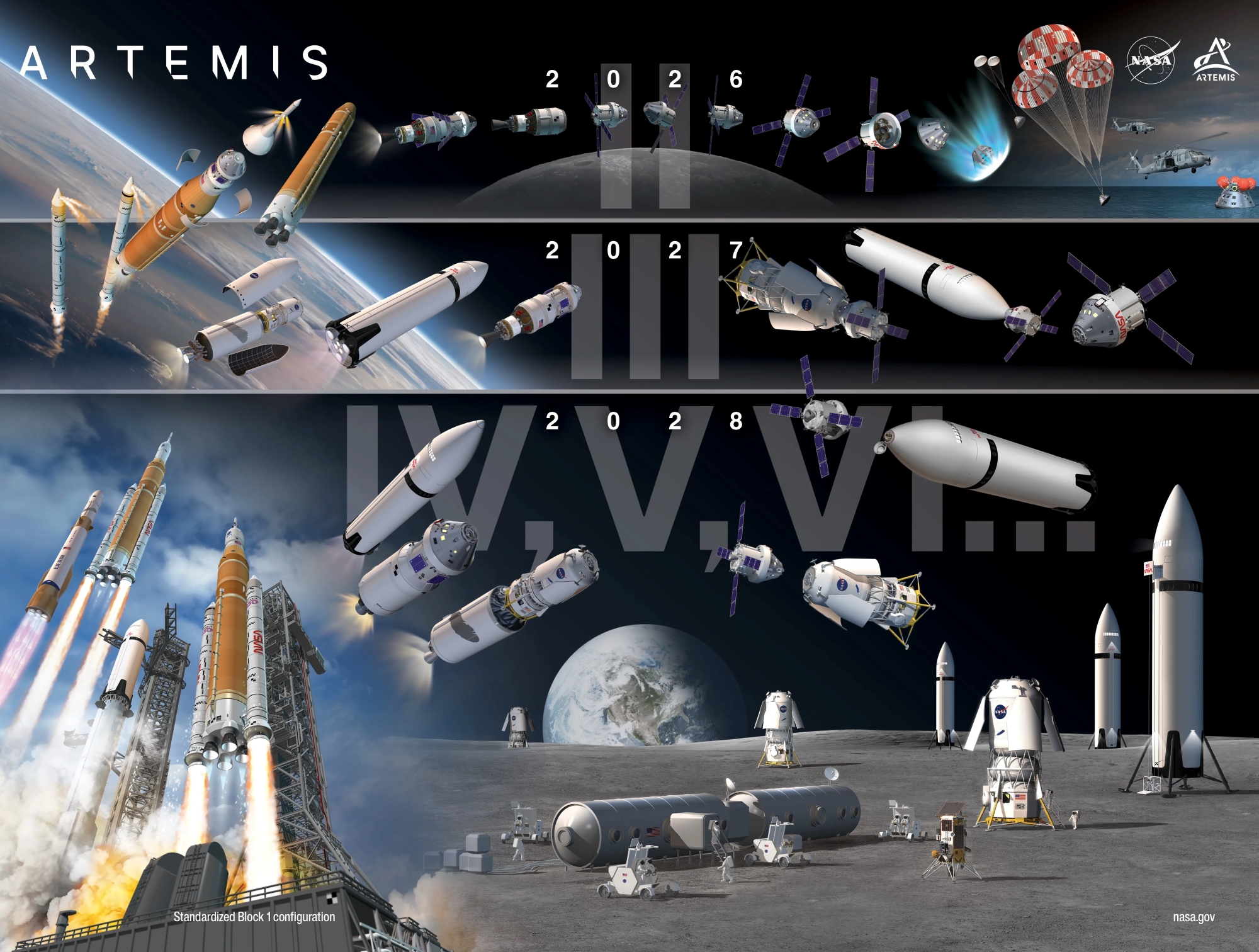
NASA administrator Jared Isaacman has framed the Moon race as a national security priority, invoking Apollo 11 as a historical precedent.
NASA and the Pentagon
Isaacman is pushing for closer coordination between NASA and the Department of Defense, particularly on cislunar operations and space-based nuclear power projects. Running parallel programs in two separate agencies wastes money; pooling investment would let both institutions move faster against a Chinese lunar program that is heavily state-funded and centrally directed.
NASA has also been developing autonomous systems to prepare the ground for human crews — including a swarm-robotics program that lets rovers make independent decisions during surface exploration. Getting those systems to the South Pole ahead of 2028 is now as much a geopolitical objective as a scientific one.


