News, reviews, articles on the topic NASA

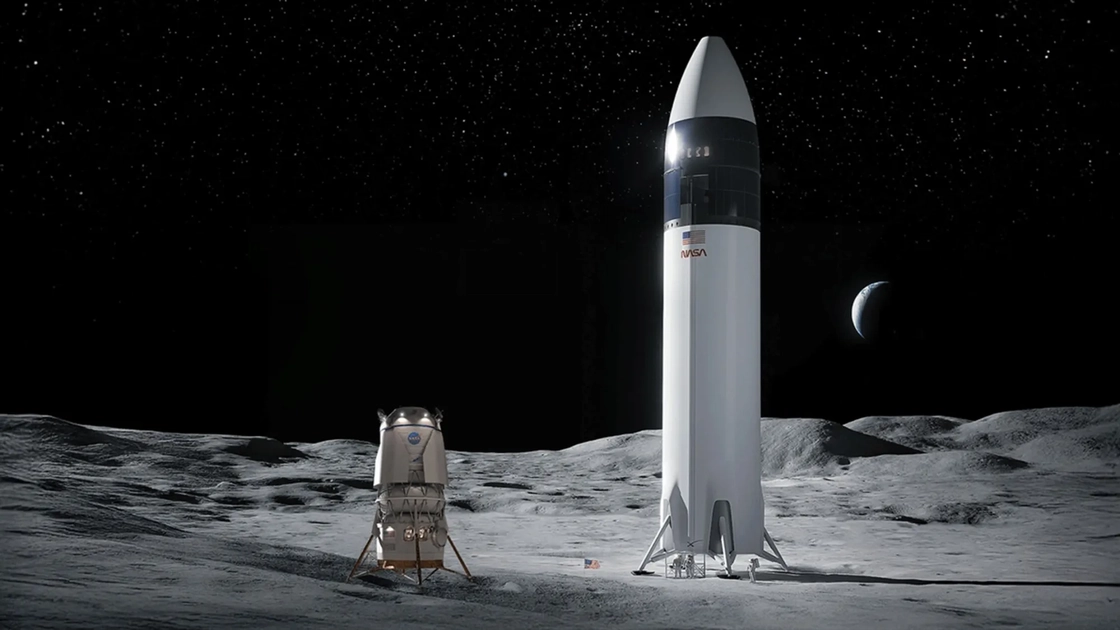
NASA has opened bids for five lunar technologies — from oxygen extraction to Stirling generators — as the U.S. races to establish a permanent South Pole base before China's 2030 deadline.
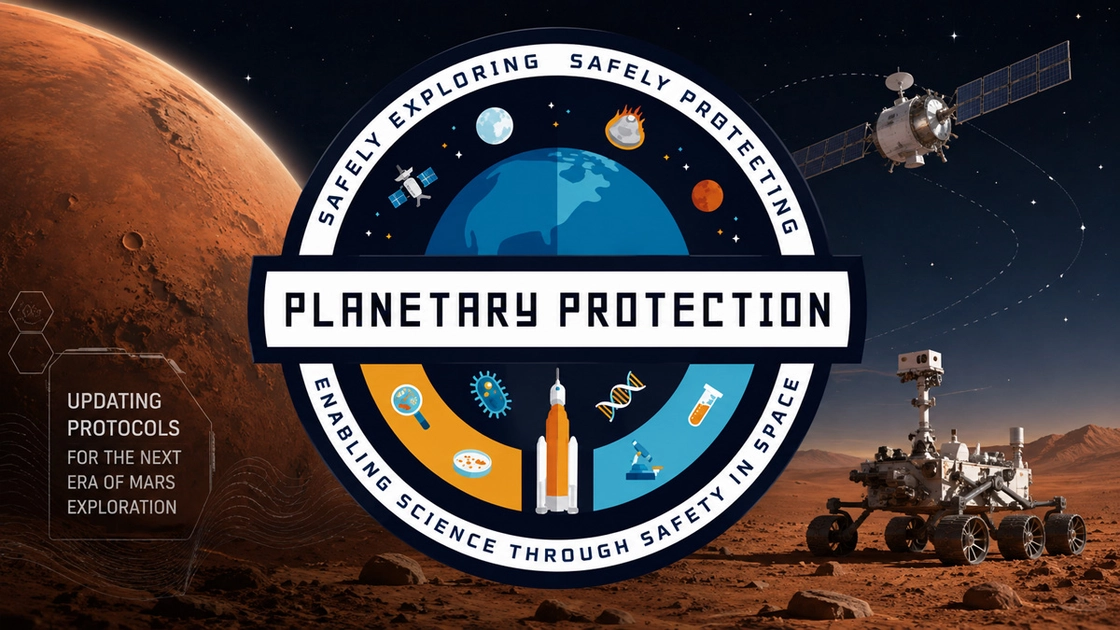
A new expert panel called M-FORCE will audit planetary protection protocols based on Viking-era data—and could cut sterilization costs that already eat up 10% of mission budgets.
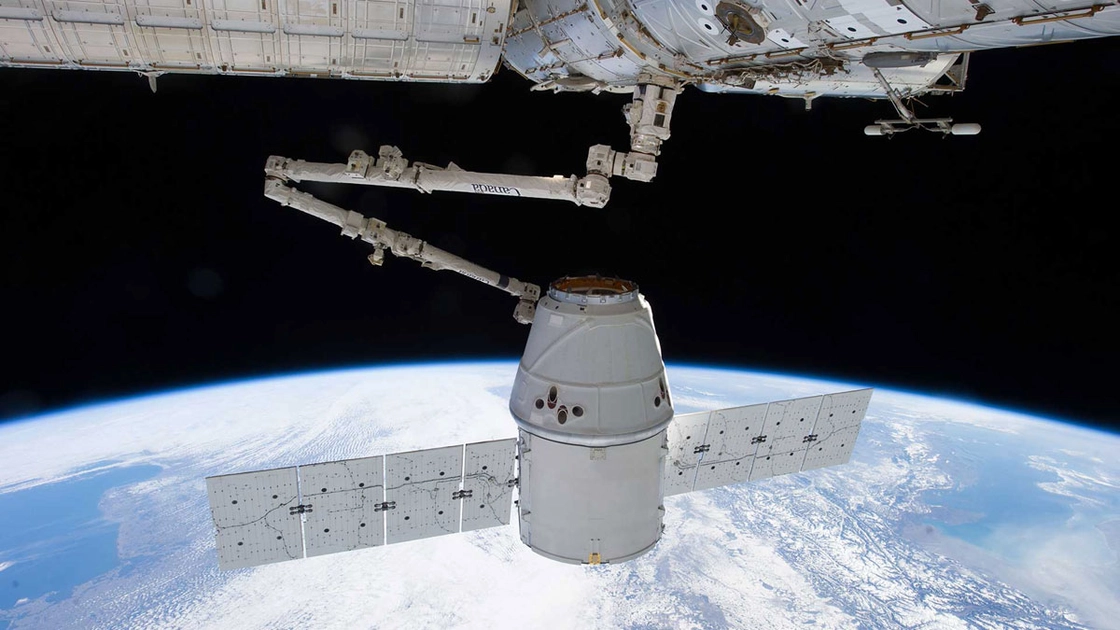
Canadian robotics firm MDA Space is rewriting its technical brief after NASA paused the Lunar Gateway project, shifting the iconic robotic arm toward lunar surface logistics instead.
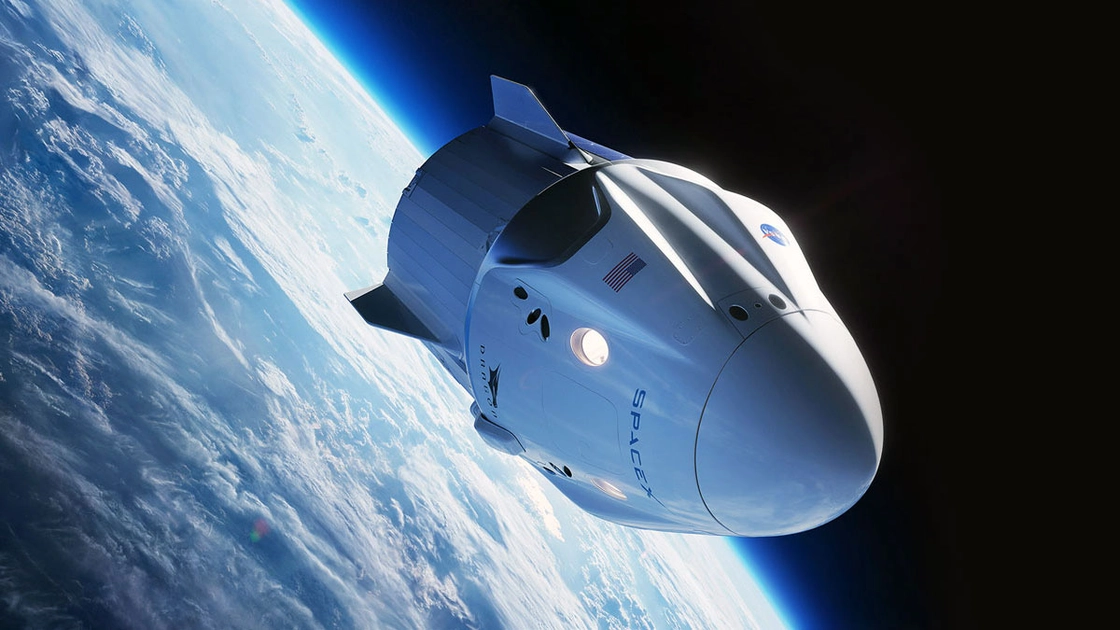
With Boeing's Starliner years behind schedule, SpaceX's existing fleet is now America's only reliable path to the International Space Station through 2030.
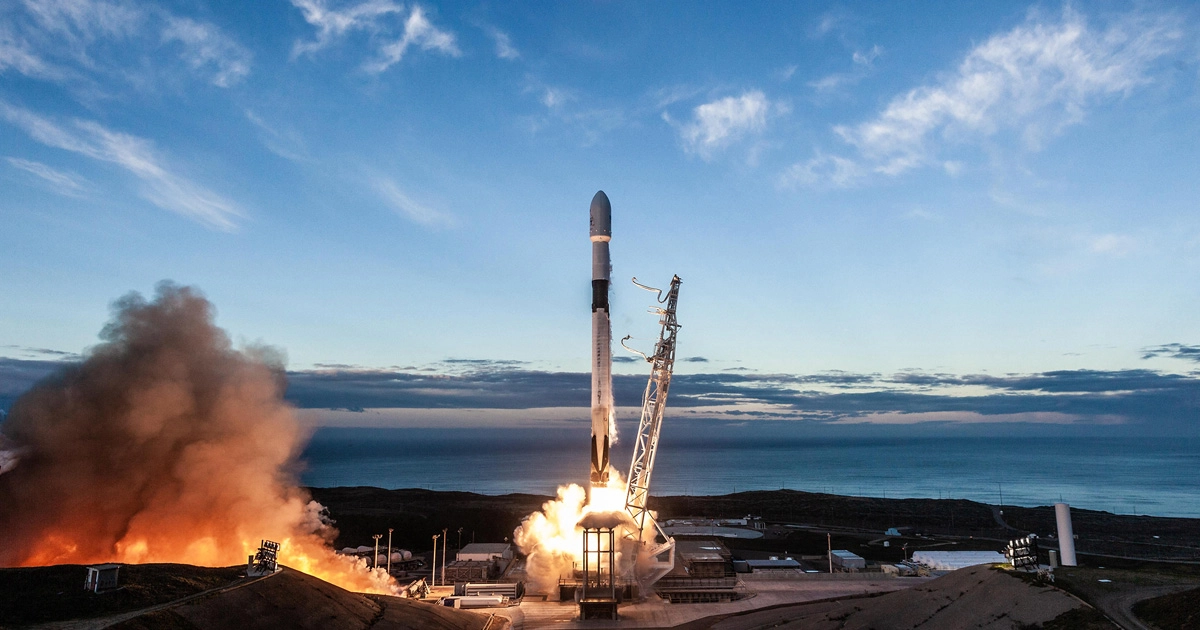
A Falcon 9 upper stage launched in January 2025 will slam into the lunar surface on August 5, 2026, giving researchers a rare live experiment in crater formation.
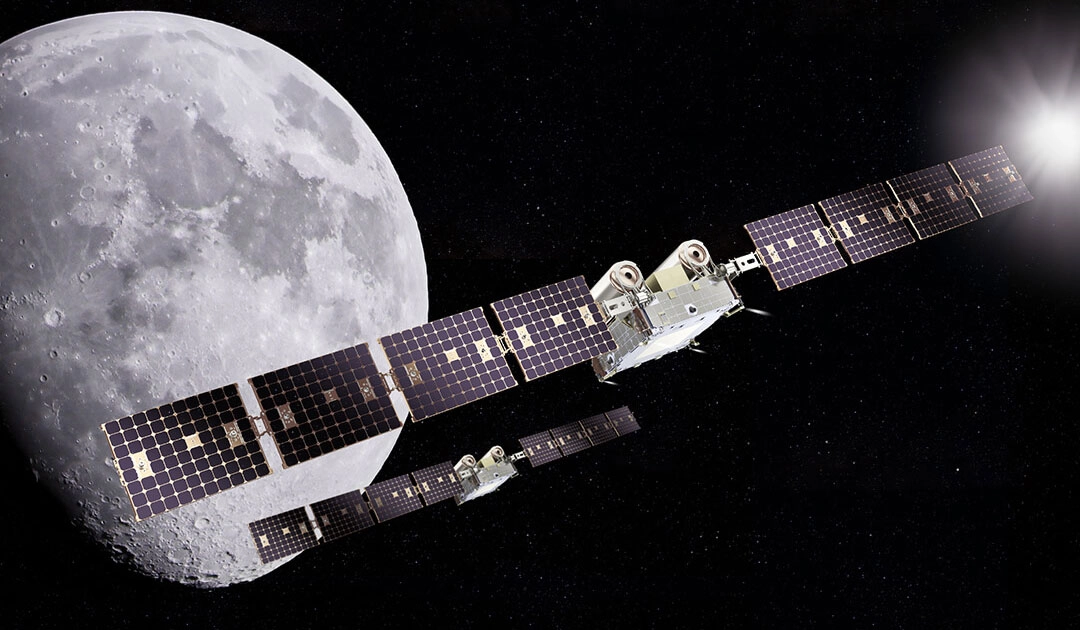
Two 400kg spacecraft built by Lockheed Martin's Terran Orbital are set to practice autonomous docking in lunar orbit in 2027 — no human hand-holding required.
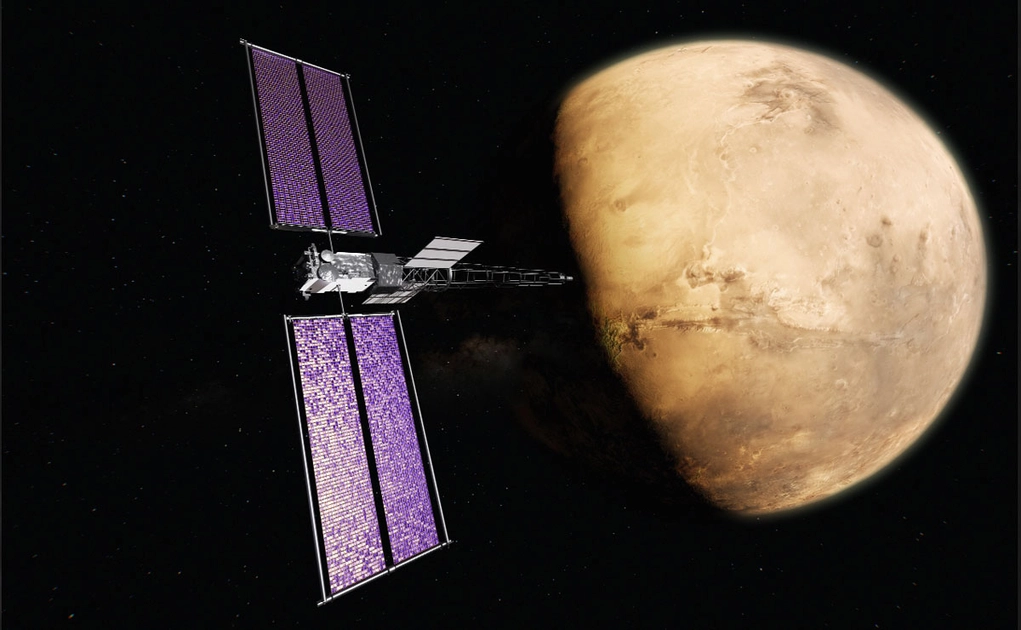
SR-1 Freedom carries a fission reactor and three next-gen helicopters — and it's as much about US space nuclear policy as it is about Mars.
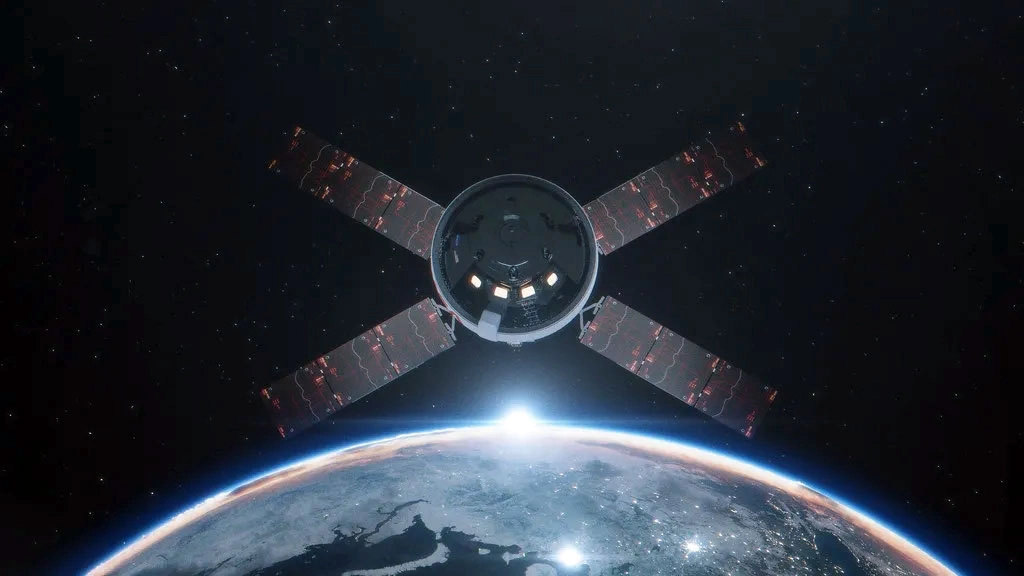
Two Starlink Mini laser terminals on Orion will stream live 4K video of orbital docking — the first time a crewed NASA spacecraft has done that in real time.

Astronomers used X-ray echoes from gamma-ray bursts to measure our galaxy's spiral arms more precisely than ever before — and found they're 10% farther away.
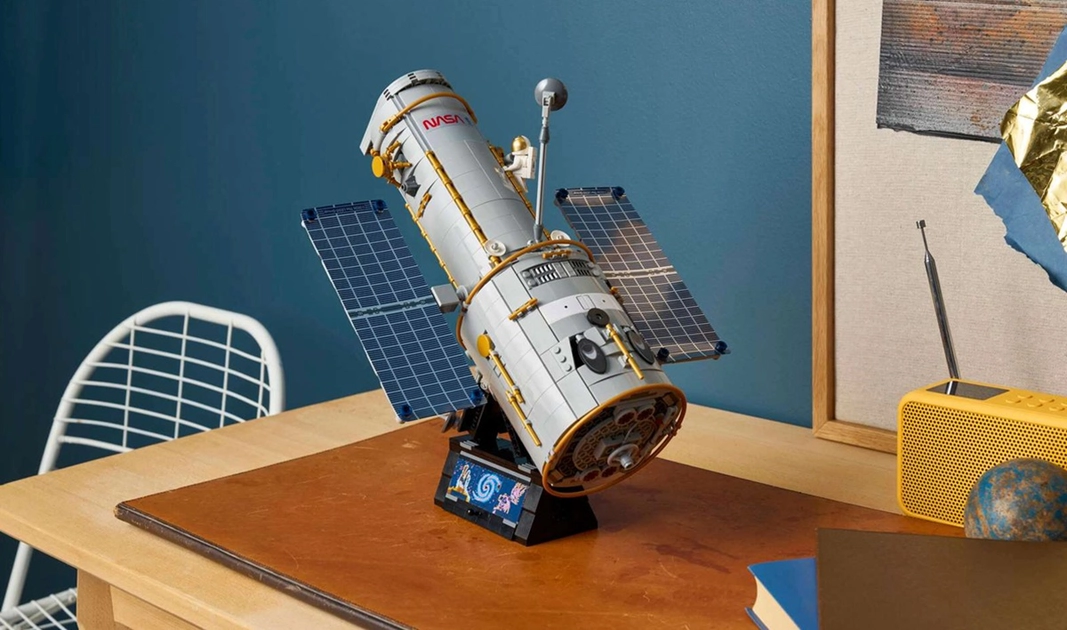
The standalone Icons set triples the piece count of the 2021 Space Shuttle version and opens up to reveal the telescope's internal instrument bay.
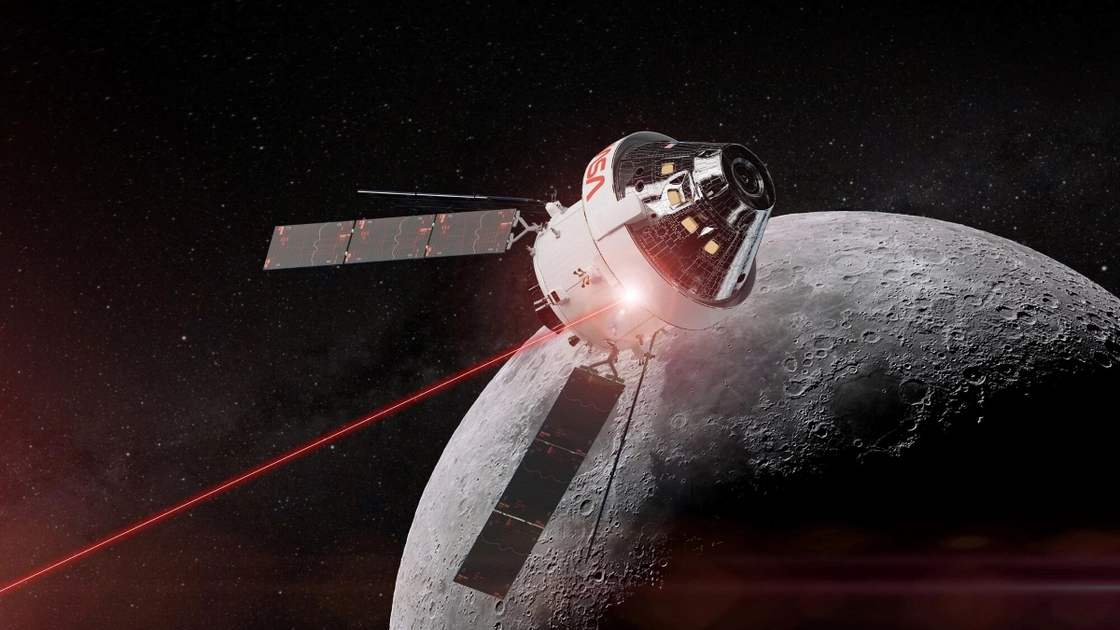
The Artemis II mission used an experimental laser link to beam live video from lunar orbit to 25 million viewers. Radio waves couldn't have done it.
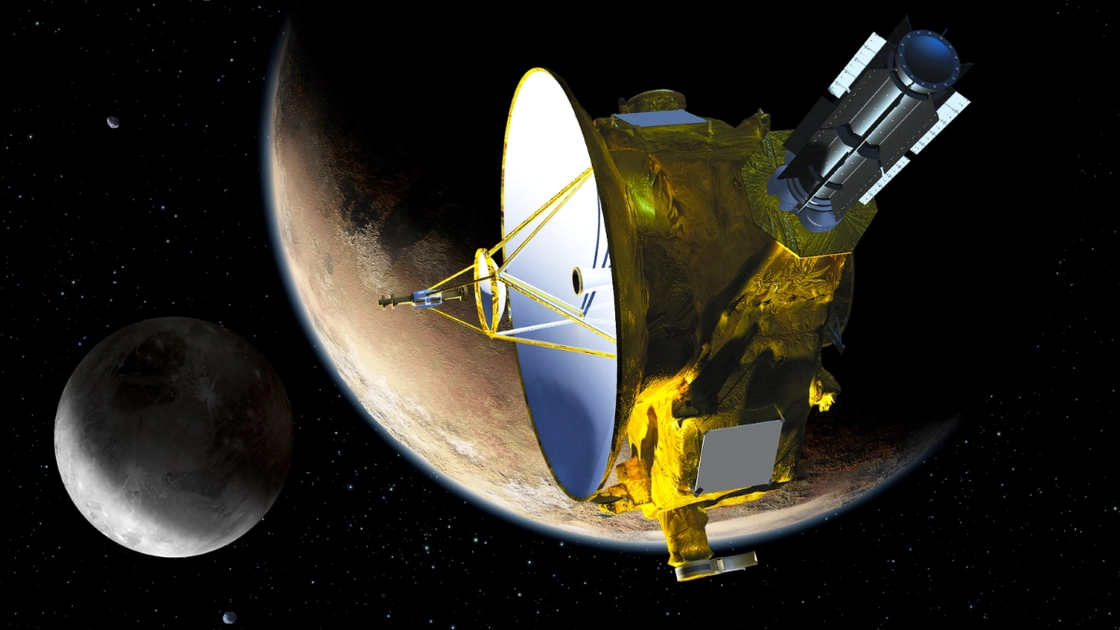
The veteran probe ended a 321-day hibernation on June 23, and Congress saved it from budget cuts just in time to keep science going.
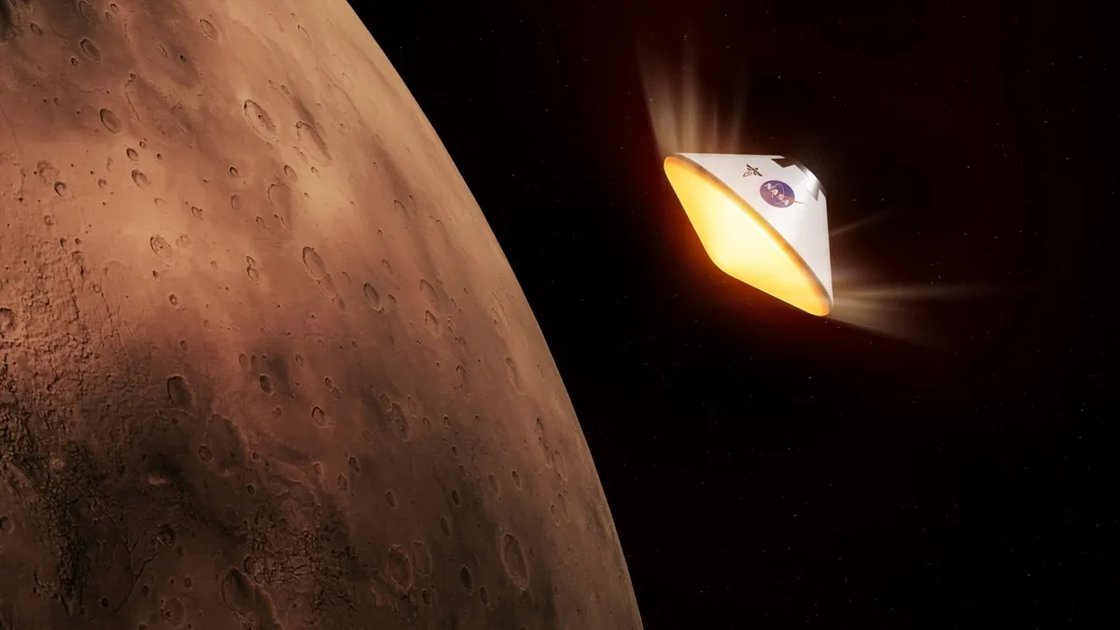
SkyFall will drop three next-gen helicopters directly into the Martian atmosphere — no landing platform required — to hunt for subsurface water ice.
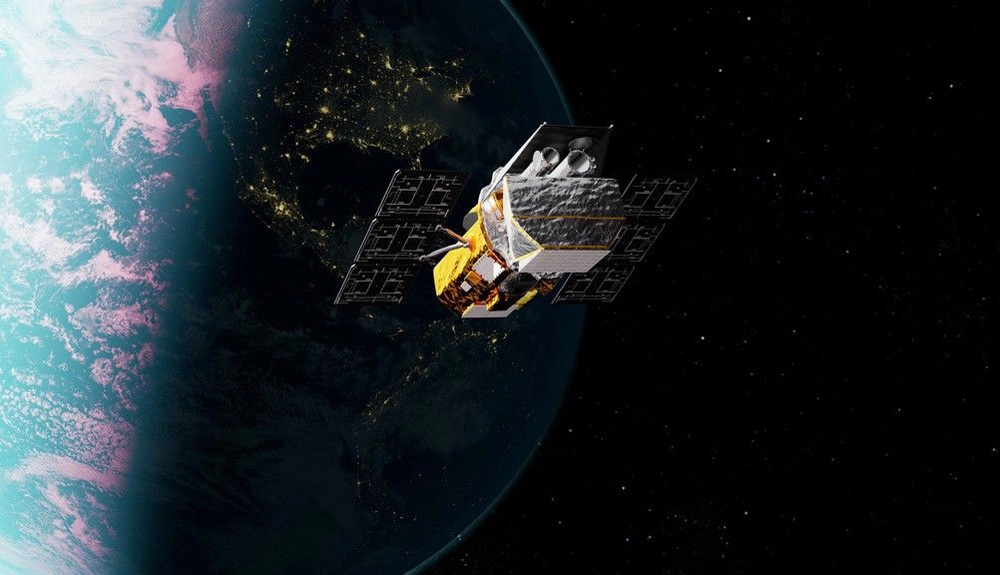
A technical problem with the Pegasus XL rocket forced the LINK spacecraft back to base before it could attempt to save the Swift Observatory from burning up in October.
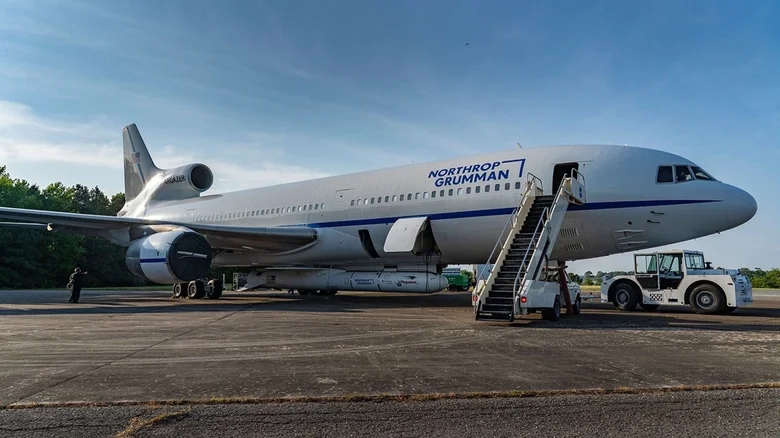
The Swift Observatory has been dropping out of orbit faster than expected. A $30M contract with an Arizona startup may be its only shot at survival.


