How Do the Best Trail Cameras That Send Photos to Your Phone Compare?
Nothing on the box tells you that the camera is the cheap part. Every model in this category advertises photos arriving on your phone as though it were a hardware feature, in the same typeface as the megapixel count and the flash range, when it is actually a subscription running on somebody else's cellular network. No plan, no photos. The camera keeps triggering, keeps filling its memory, and keeps saying nothing at all, which is a discovery most owners make in the third week of the season rather than in the shop.
That reframes the shopping. A recurring monthly cost attached to each camera you own tends to outweigh the difference in purchase price within a season or two, so the plan structure deserves the attention people normally spend comparing sensors. One of these five ships with a hundred free photos every month and no expiry, another offers a month of free service and then bills by usage, and a third arrives with a small block of trial data that runs out in days. I compared the hardware honestly and the service terms just as closely, because on a cellular camera those two things are the same purchase.
Here are my two top picks for the best trail camera that sends photos to your phone:
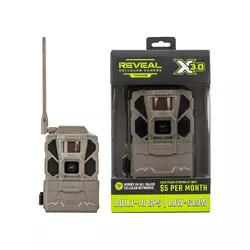
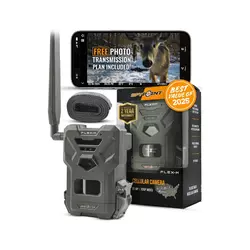
Table of Contents:
- Best Trail Cameras That Send Photos to Your Phone: Buying Guide
- Top 5 Cellular Trail Cameras in 2026
- Trail Cameras That Send Photos to Your Phone: Comparison
- TACTACAM Reveal X 3.0
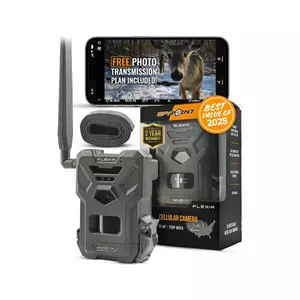
- SPYPOINT FLEX-M
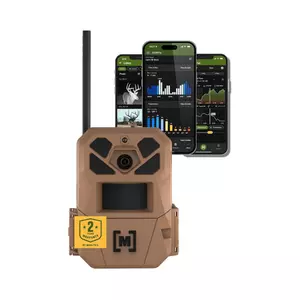
- Moultrie Edge 3
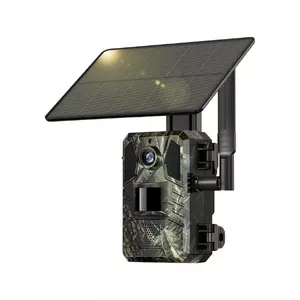
- SEHMUA RBX-H10
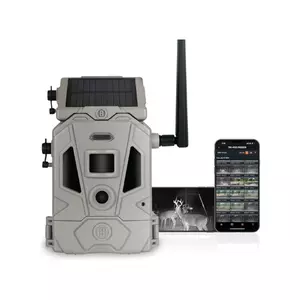
- Bushnell CelluCORE 20
- Cellular Trail Cameras: FAQ
Best Trail Cameras That Send Photos to Your Phone: Buying Guide
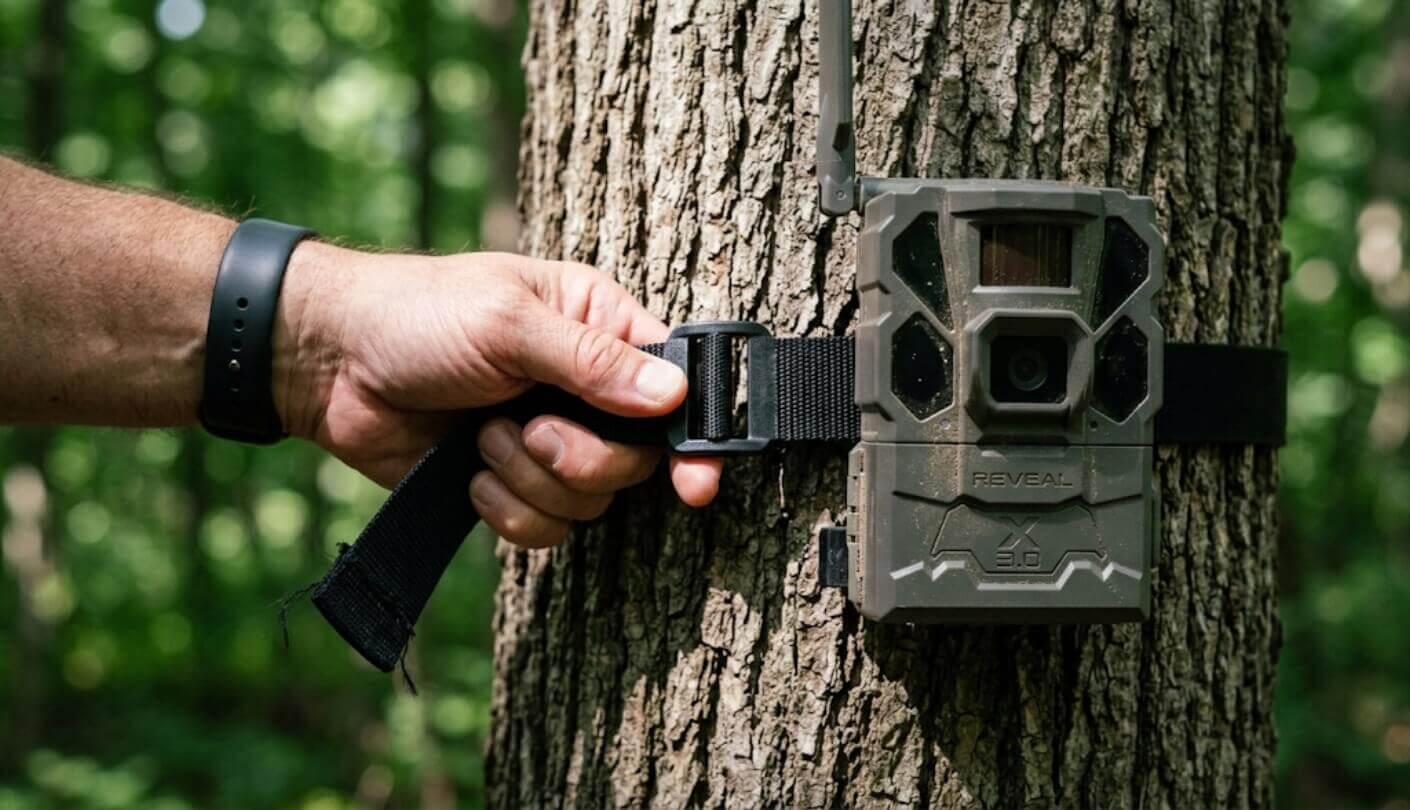
Buying a cellular camera means buying two things at once and only one of them arrives in the box. What follows is ordered by how much each factor changes the experience of owning one, beginning with the part the packaging is quietest about.
The Subscription Is Not Optional
Every camera here requires an active data plan to transmit anything, and manufacturers confirm it only where few shoppers look, in their own support answers. Moultrie puts it about as bluntly as anyone in the industry does, comparing the arrangement to owning a phone. Plans are priced per camera rather than per account on every platform in this roundup, so a three-camera property carries three monthly charges. Costs generally start around ten dollars a month per unit and climb with the number of images you want moved.
Budget the plan before the camera, because two seasons of monthly fees will usually exceed what you paid for the hardware. A camera without an active plan still records to memory and still tells you nothing.
Free tiers vary enormously and are the closest thing to a genuine differentiator in this market. SPYPOINT includes a hundred photos a month at no cost with no commitment, which for a low-traffic scrape or a gate is a workable permanent arrangement. Bushnell gives thirty days of service and then expects a paid plan. The SEHMUA unit activates a small complimentary data allowance on first connection, measured in megabytes rather than months, and I would treat that as a setup test rather than as service.
Signal at the Camera, Not at Your House
The camera needs a usable connection where it hangs, which may be nothing like the coverage in your driveway a quarter mile away. Terrain, foliage in leaf and the tree itself all cut signal, and reception measured in June under a full canopy will not match what you saw in March. Moultrie puts the caveat in writing on its own listings, noting that parts of the country simply have no signal and that no camera will work there.
Carrier strategy is how manufacturers hedge that. Multi-carrier units scan and lock onto the strongest available network automatically, which is what Tactacam and Moultrie do, while SPYPOINT and the dual-SIM Bushnell carry two preactivated SIMs and switch between carriers. The SEHMUA carries an embedded SIM that the owner cannot swap, covering the three major American networks between them. I would walk the intended tree with a phone on each of two carriers before ordering anything, because a camera that cannot reach a tower is a very expensive memory card.
Trigger Speed, Detection Range and What Gets Missed
Trigger speed is the interval between the sensor noticing warmth and the shutter firing, and across this group it spans 0.2 to 0.9 seconds. A deer at a walking pace covers something close to its own body length in the gap between the fastest and slowest figures here, which is the difference between a broadside animal centred in frame and a hindquarter on its way out of it. The number comes from how quickly the passive infrared sensor and processor wake, and it is the specification most worth paying for on a trail with fast movement.
Recovery time between shots matters as much as trigger speed and almost nobody advertises it. Independent testing put one popular model at over twenty seconds between pictures, which is a whole animal group passing unrecorded.
Detection range and flash range are quoted together by most brands and they are not the same measurement. Detection is how far the sensor reads body heat, flash is how far the infrared array throws usable light, and independent testing routinely finds the detection figure shorter than the marketing number. I treat published ranges as a ceiling rather than a specification and site cameras closer to the trail than the box suggests, which costs nothing and fixes most empty-frame complaints.
Power: AA Cells, Lithium Packs and Solar
Battery arrangements here run from eight AA cells to sixteen, plus one unit with a sealed rechargeable pack and a panel built into the top of its case. Cell count is a rough proxy for how long a camera stays out, but transmission is what actually drains these things, since every upload powers a cellular radio for a few seconds. Set a camera to send instantly and it will empty a battery tray in a fraction of the time the same camera lasts uploading in scheduled batches.
Chemistry matters more than count. Alkaline cells fade badly in cold and lose capacity fast under the current draw of an LTE transmission, and every manufacturer here recommends lithium AA cells instead. I run lithium in anything left out past October and treat the manufacturer's month figures as best-case laboratory numbers, because they are measured at fixed daily image counts that no real trail produces. External twelve-volt jacks and clip-on solar panels are the practical fix on cameras you cannot reach easily.
Flash Type and What Spooks Game
Infrared arrays split into low-glow and no-glow, and the choice trades light for stealth. Low-glow emits a faint red shine that most animals ignore and most people notice, and it lights further because the emitters run at a wavelength the sensor reads more efficiently. No-glow is invisible in practice and costs you range, typically a fifth to a third of it, which is why manufacturers reserve it for models aimed at pressured deer or at property security where a visible camera invites theft.
No-glow flash trades roughly a third of your night range for invisibility, which is worth it near a property line and wasteful deep in the woods. Match the flash to the reason the camera is there.
Night range runs from 80 to 100 feet on paper across the four brands that publish it, and the ranking shifts once glow type enters the calculation, since an 80-foot no-glow array is doing harder work than a 96-foot low-glow one. I have had far more images ruined by a camera aimed at open ground with nothing for the flash to bounce off than by any deficiency in the array itself. Point these at a backdrop of brush or a trail with cover behind it and the night pictures improve immediately.
Top 5 Cellular Trail Cameras in 2026
The ranking below weighs plan terms alongside hardware, since a camera that costs less to buy and more to feed is not the bargain its listing suggests.
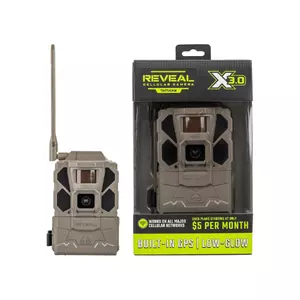
- Longest Published Flash
- Reinforced Fixed Antenna
- No Card Needed
- Over-The-Air Firmware
- Live Aiming Preview
- Permanent Free Tier
- True Dual SIM
- Two Year Warranty
- On-Camera Test Shot
- Cable Lock Point
- Hundred Foot Range
- Largest Battery Tray
- Offline Setting Changes
- Built-In Memory
- Feeder Remote Control
- Integrated Solar Panel
- No Battery Swaps
- Fastest Quoted Trigger
- Live 2K Streaming
- Detachable Panel Lead
- Four Month Runtime
- Removable Battery Tray
- Strong Picture Scores
- Thirty Free Days
- Weather Data Stamping
Trail Cameras That Send Photos to Your Phone: Comparison
Manufacturer-published figures, with the model variants that share each listing spelled out in the last row:
| Specification | TACTACAM Reveal X 3.0 | SPYPOINT FLEX-M | Moultrie Edge 3 | SEHMUA RBX-H10 | Bushnell CelluCORE 20 |
| Trigger Speed | 0.35 s | 0.4 s | 0.5 s | 0.2 s | 0.9 s |
| Video | 1080p, 10, 15 or 30 s clips | 720p with sound, 15 s clips | 1080p | 2K live streaming | 1080p at 30 fps |
| Power Source | 12 AA, or 12V external | 8 AA, or LIT-22 pack | 16 AA, or lithium pack | Sealed 7800 mAh pack | 12 AA, removable tray |
| Cellular Approach | Multi-carrier LTE auto-connect | Dual SIM, both preactivated | Multi-carrier auto-connect | Embedded SIM, not swappable | Dual SIM, AT&T and Verizon |
| Companion App | Reveal | SPYPOINT | Moultrie | UCON | Bushnell CelluCORE |
| Solar | Optional panel | Optional panel bundle | Optional solar pack | Integrated 4W panel | Sold as a separate Solar model |
| On-Camera Controls | None, app only | Buttons for format and test shot | Offline settings and Live Aim | Power switch, app only | None, app only |
| Variants Sharing the Listing | X 3.0 and no-glow Pro 3.0 | Single, twin pack, solar bundle | Edge 3 and 50MP Edge 3 Pro | Naming differs across listings | Dual SIM or carrier-locked |
The bottom row is the one that costs people money. Four of these listings sell several cameras under names separated by a single word, the fifth cannot keep its own model code consistent, and every figure above applies only to the variant named in the header.
TACTACAM Reveal X 3.0 Review
Editor's Choice
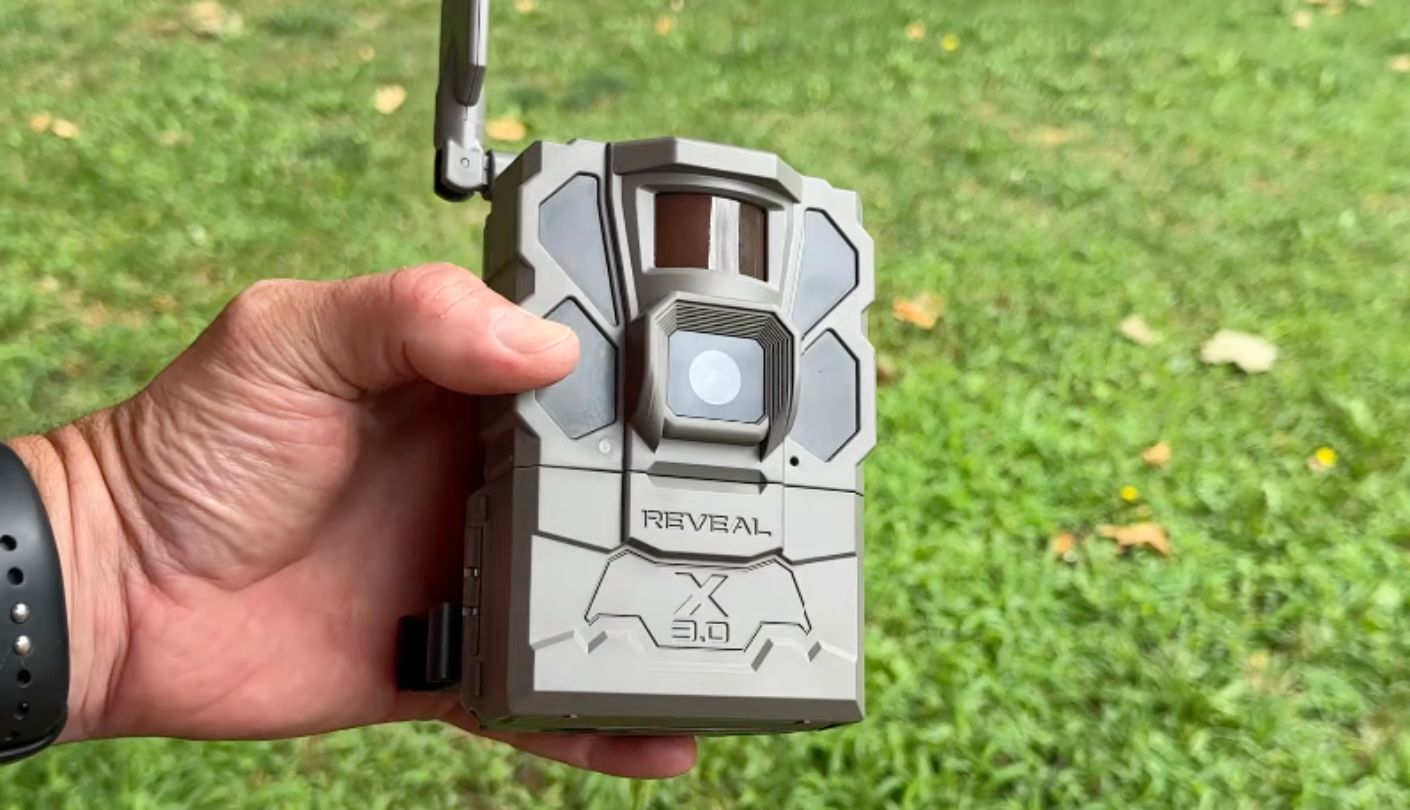
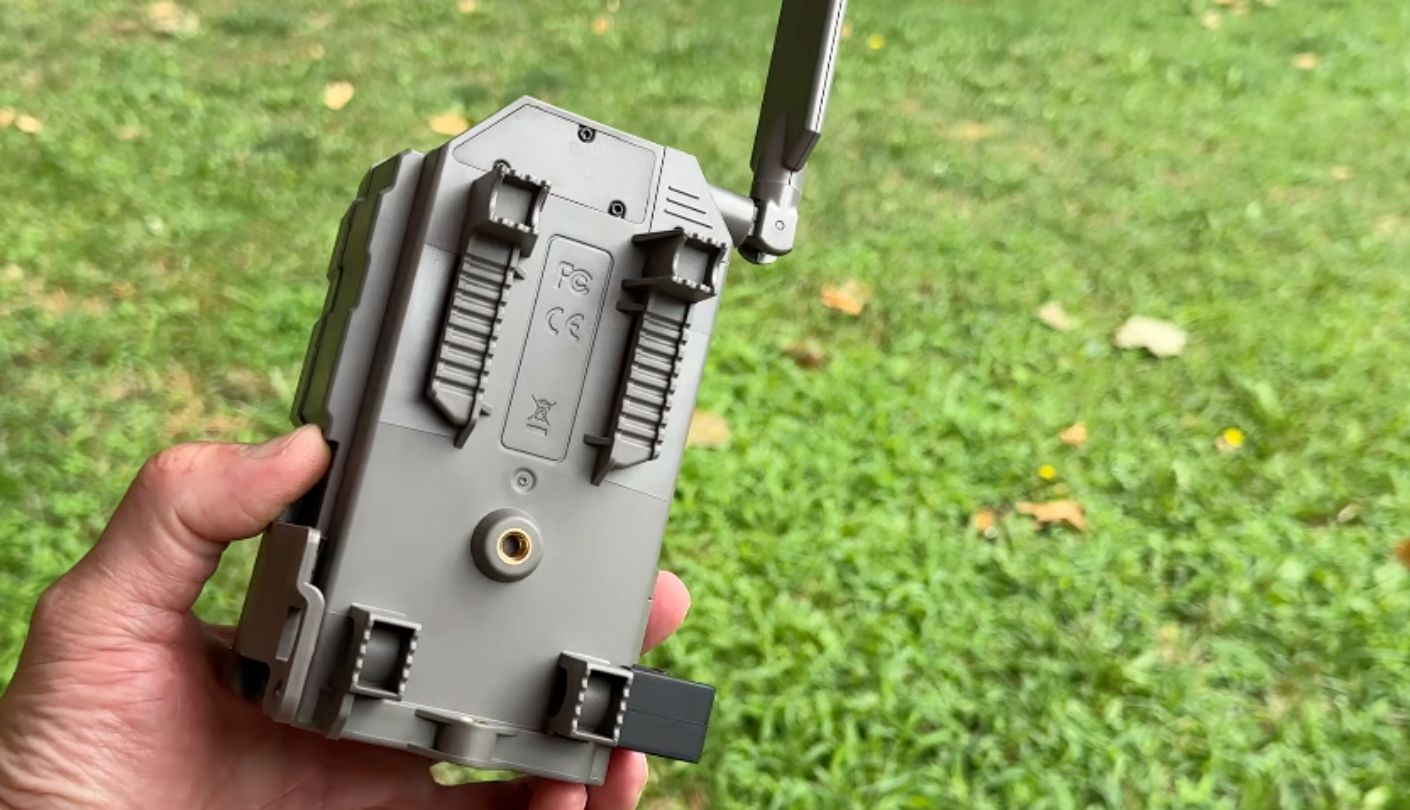
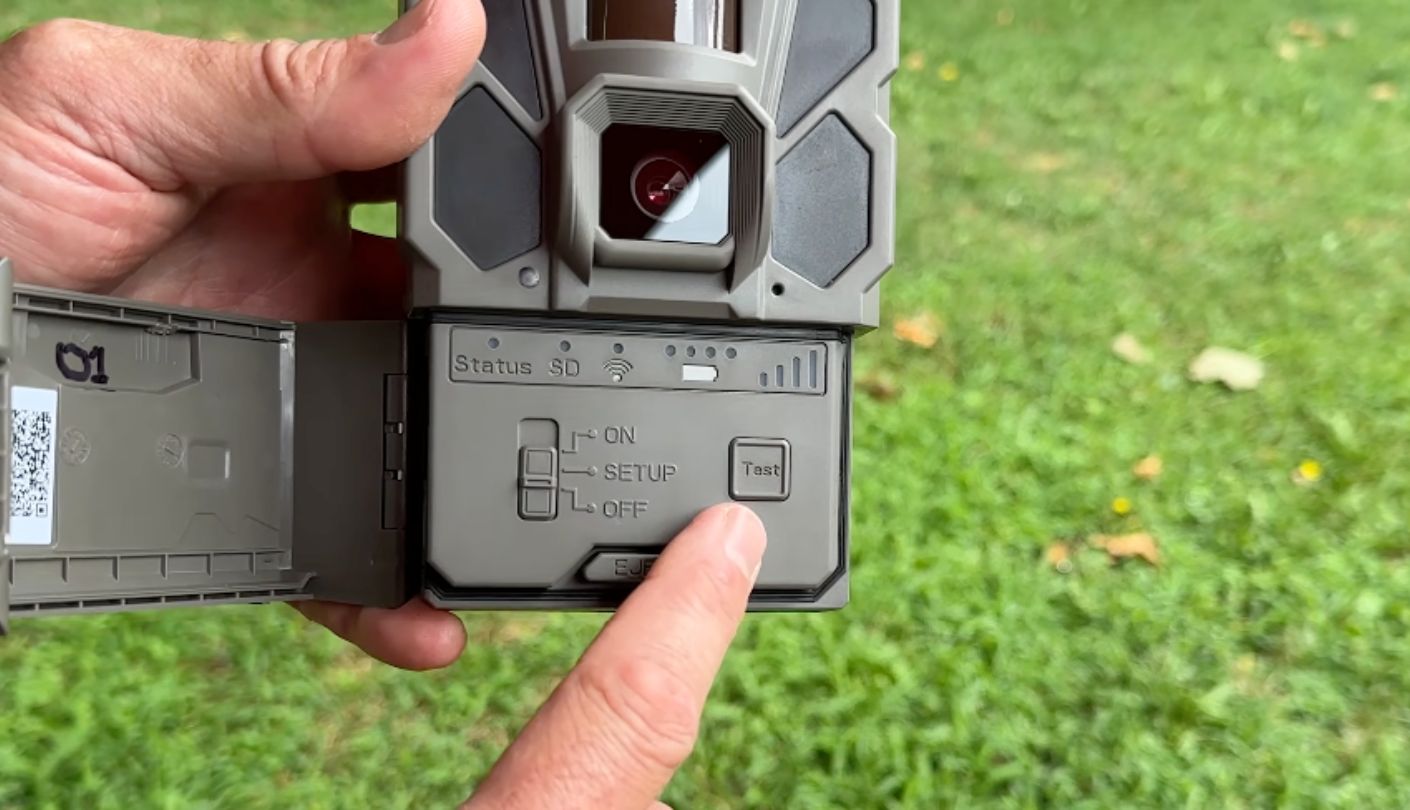
There is no screen anywhere on my top pick, and that turns out to be deliberate. The TACTACAM Reveal X 3.0 is configured entirely through the Reveal app, which sounds like a cost saving until you realise it removes the single most common failure point in the field, the tiny monochrome menu that owners squint at in the dark and misconfigure. Everything runs from the phone instead, including live camera aiming, so the framing is confirmed before you walk away from the tree.
Tactacam quotes a 0.35-second trigger and a low-glow infrared array reaching past 96 feet, the longest published flash range in this comparison. Photos capture at 4K with a selectable 2.5K option and video at 1080p in ten, fifteen or thirty second clips. The 4K figure is interpolated rather than native, as it is on most cameras making that claim, and independent bench testing at Trailcampro measured the trigger at 0.36 seconds against Tactacam's 0.35, which is as close to an honest published number as this category gets.
The generation-three changes are all practical rather than headline material. The antenna is now pre-installed and reinforced rather than screwed on, which removes the part most likely to snap on a camera that lives on a strap. GPS is integrated, so the app maps where each unit hangs, and eight gigabytes of internal storage means the camera works with no SD card at all, with a slot available if you want a local copy. Firmware now updates over the cellular link rather than requiring a trip out with a laptop.
Power comes from twelve AA cells with a twelve-volt external jack for a battery pack or panel. Trailcampro measured 2.7 months at thirty pictures a day on lithium cells and 6.8 months running in hybrid mode, and the operating range is quoted from thirteen below zero to a hundred and forty degrees Fahrenheit with an IP66 rating. Recovery time between pictures came in at 22.1 seconds in the same testing, which is the number to check against your own expectations if you watch a heavily used trail.
Two caveats. The warranty runs one year from activation rather than from purchase, which is shorter than what SPYPOINT and Bushnell offer, and Tactacam publishes no free photo allowance, so the plan starts costing from the day the camera goes live. Neither undoes the fundamentals, and among cameras meant to be left alone for a whole season this one goes on the tree before the others.
Pros:
- Longest Published Flash
- Reinforced Fixed Antenna
- No Card Needed
- Over-The-Air Firmware
- Live Aiming Preview
Cons:
- One Year Warranty
- No Free Allowance
Summary: Tactacam spent this generation fixing the parts that break and the errands that waste a Saturday, which is a less exciting release than a bigger sensor and a more useful one. The absence of any free photo tier is the line item to work into the budget before ordering.
SPYPOINT FLEX-M Review
Best Overall
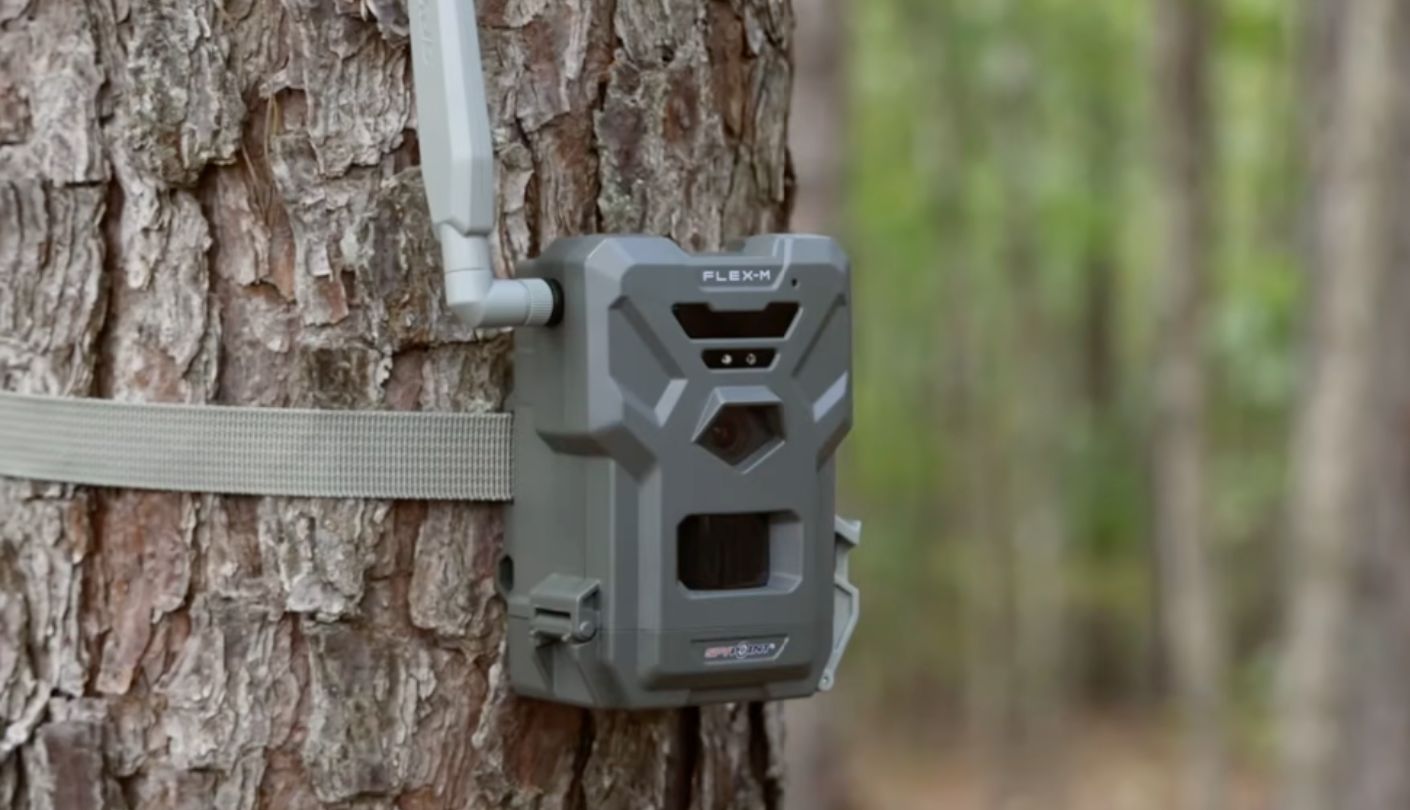
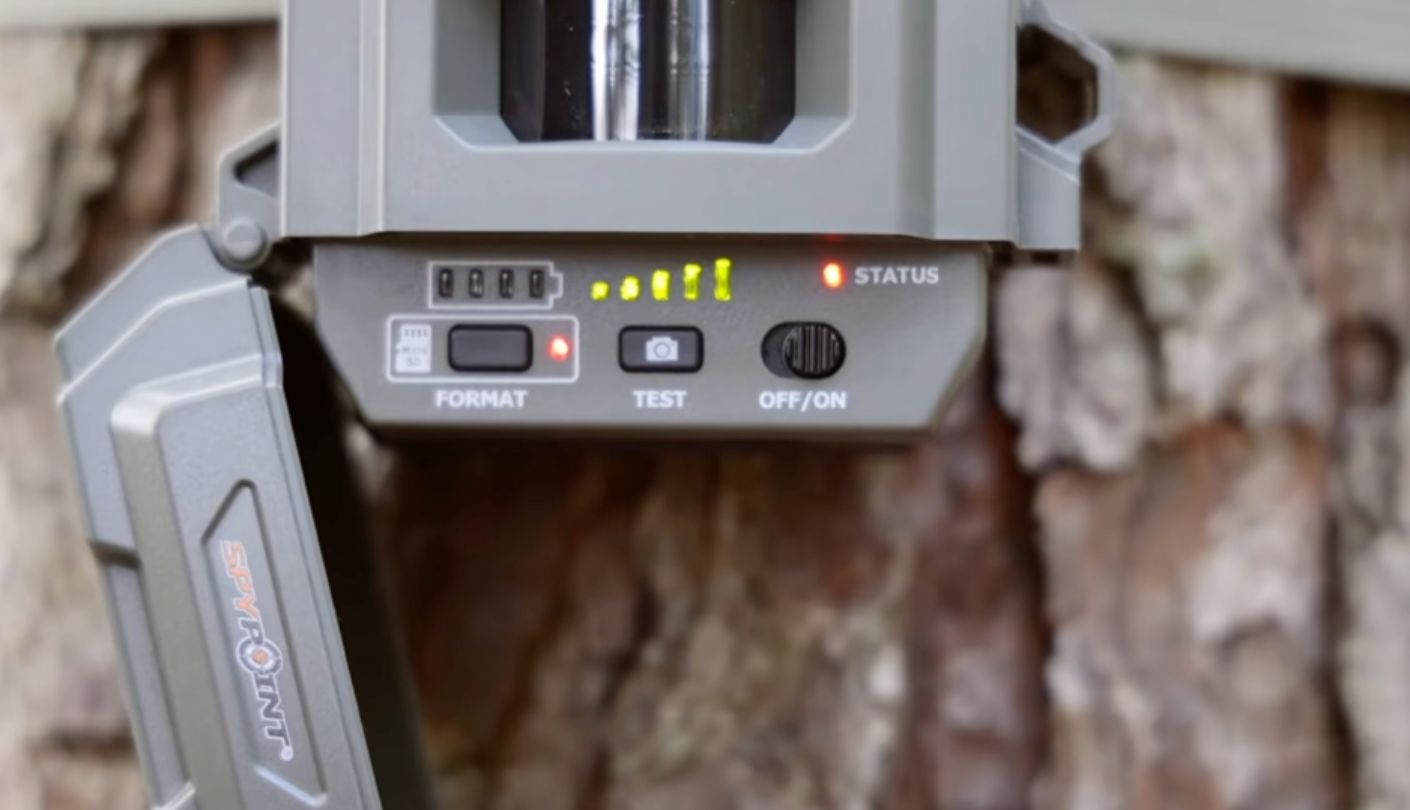
A hundred photos a month, free, with no contract and no end date. That single term makes the SPYPOINT FLEX-M a different proposition from everything else here, because a gate camera or a quiet scrape rarely produces more than three or four images a day and can therefore run indefinitely at no cost. Paid tiers exist for busier locations, and the free one is not a trial that lapses.
The hardware backs it up better than the price suggests. True dual SIM with two preactivated cards means the camera picks whichever of the major carriers is stronger at the tree and switches if that signal drops, rather than being locked to one network at purchase. Trigger speed is 0.4 seconds with 90 feet of detection and flash range, and SPYPOINT's Buck Tracker detection technology drives the sensor array behind it.
Photos come in at an effective 28 megapixels through interpolation and video at 720p with sound in fifteen second clips, which is the weakest video specification here and the honest cost of the price. Trailcampro rated the picture quality at 79 out of 100 and the trigger and detection performance at 93, a split that tells you exactly what this camera is for. The same testing placed it first for flash range and second for detection among 2024 cellular cameras.
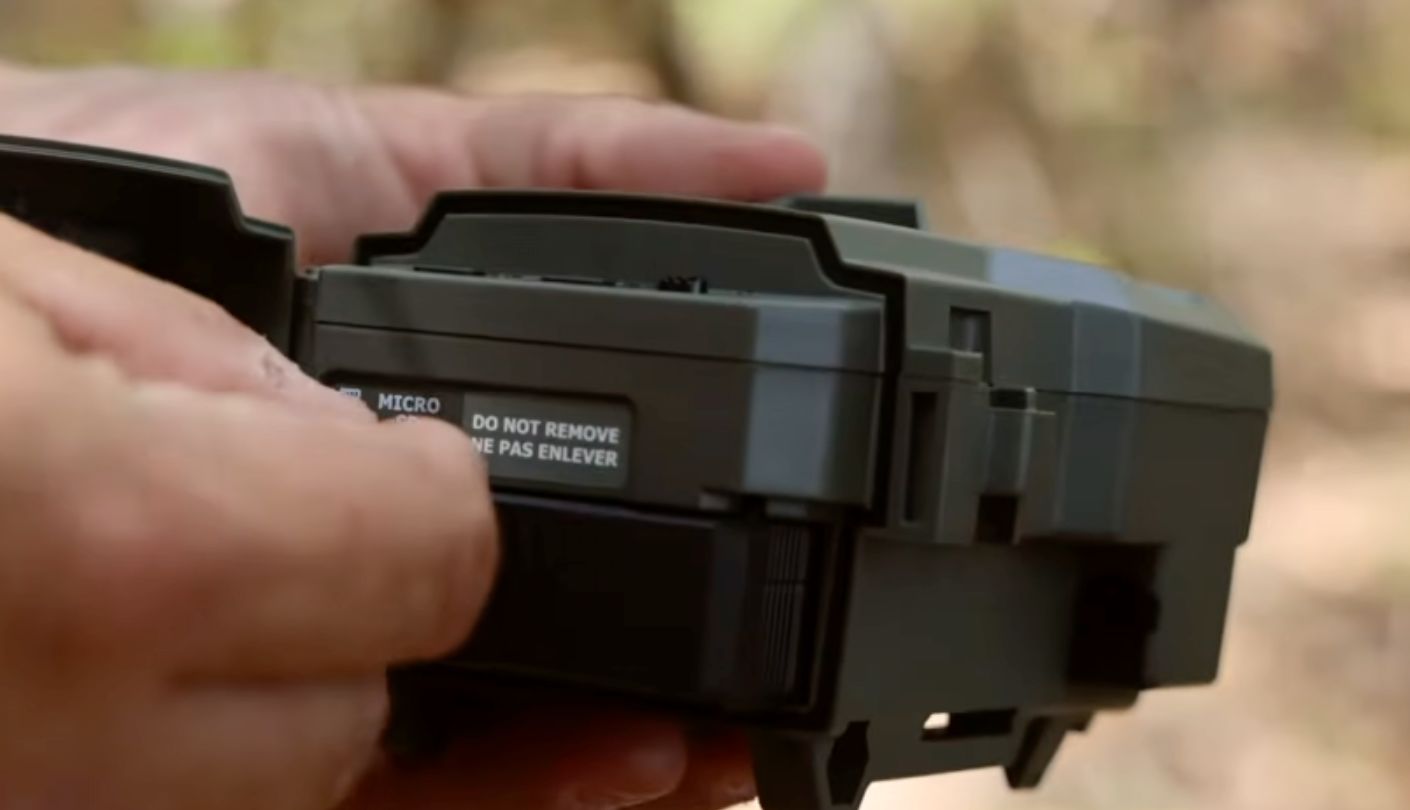
Eight AA cells power it, fewer than any other AA-based camera in this lineup, with a LIT-22 rechargeable pack and a twelve-volt jack as alternatives and a compatible solar panel sold separately. Trailcampro measured 3.3 months on pictures and 1.9 months on video at thirty captures a day. On-camera buttons format the microSD card and fire a test shot without the phone, the card is not included, and the body is IP65 rated with a standard quarter-inch tripod thread and a cable lock hole beside the latch.
The reservations are proportionate. Video at 720p will disappoint anyone planning to watch clips rather than glance at stills, the eight-cell tray means more frequent trips than a twelve or sixteen cell camera, and the free plan covers a hundred images rather than unlimited ones. SPYPOINT covers the camera for two years, twice what Tactacam offers.
Pros:
- Permanent Free Tier
- True Dual SIM
- Two Year Warranty
- On-Camera Test Shot
- Cable Lock Point
Cons:
- 720p Video Only
- Smallest Battery Tray
Summary: Running costs decide cellular cameras over a five-year horizon, and this is the only one that can plausibly cost nothing to operate at a low-traffic site. The video resolution is where SPYPOINT found the savings, and on a camera bought for stills that is the right corner to cut.
Moultrie Edge 3 Review
Longest Range
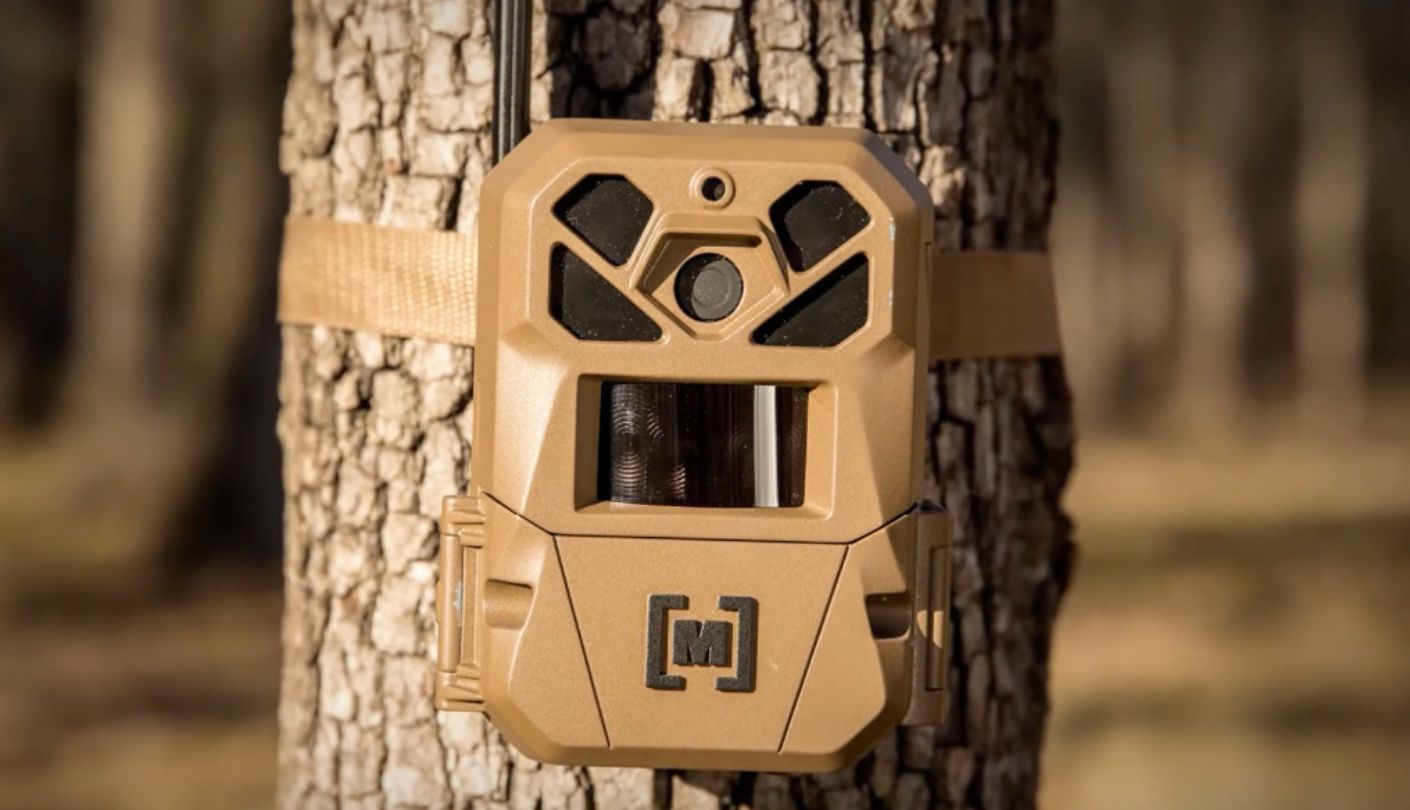
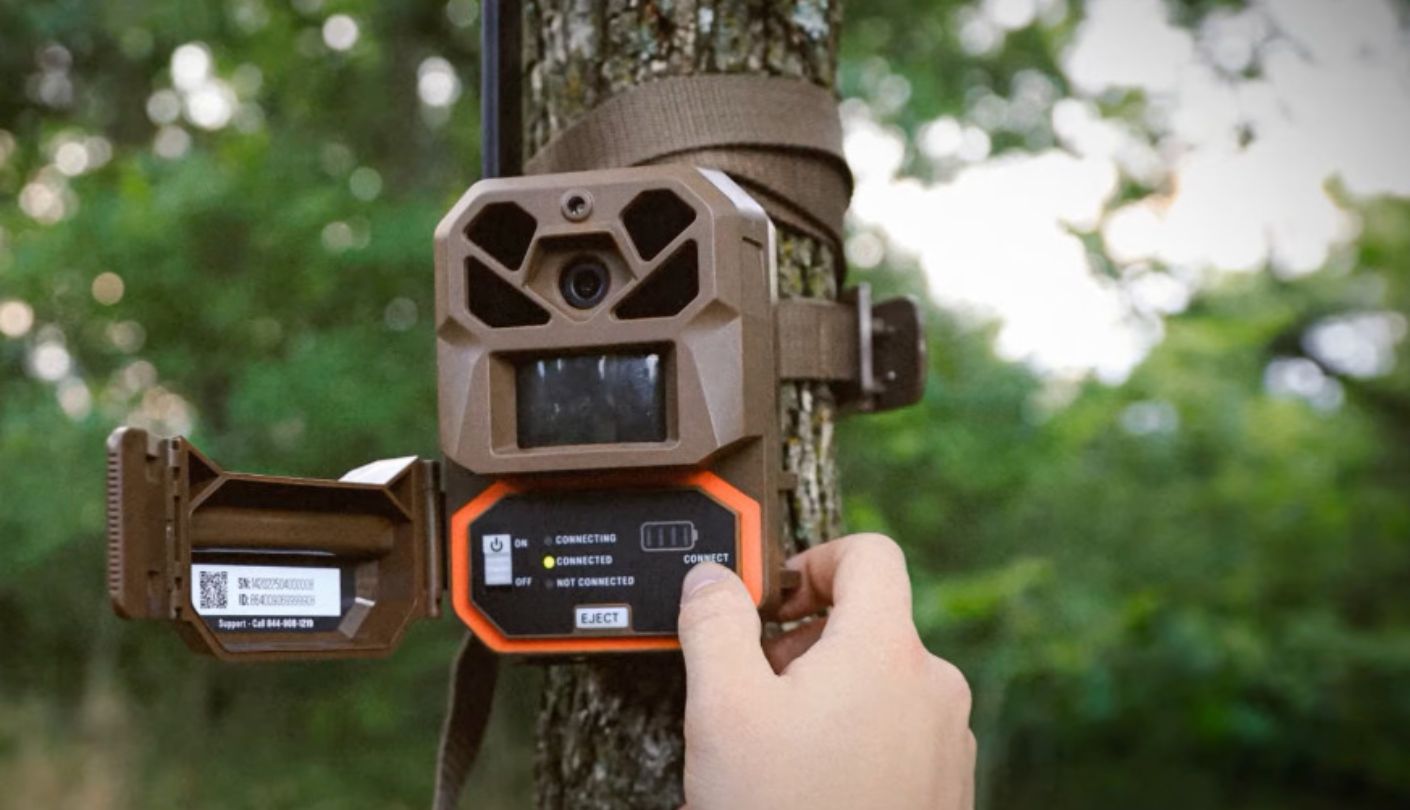
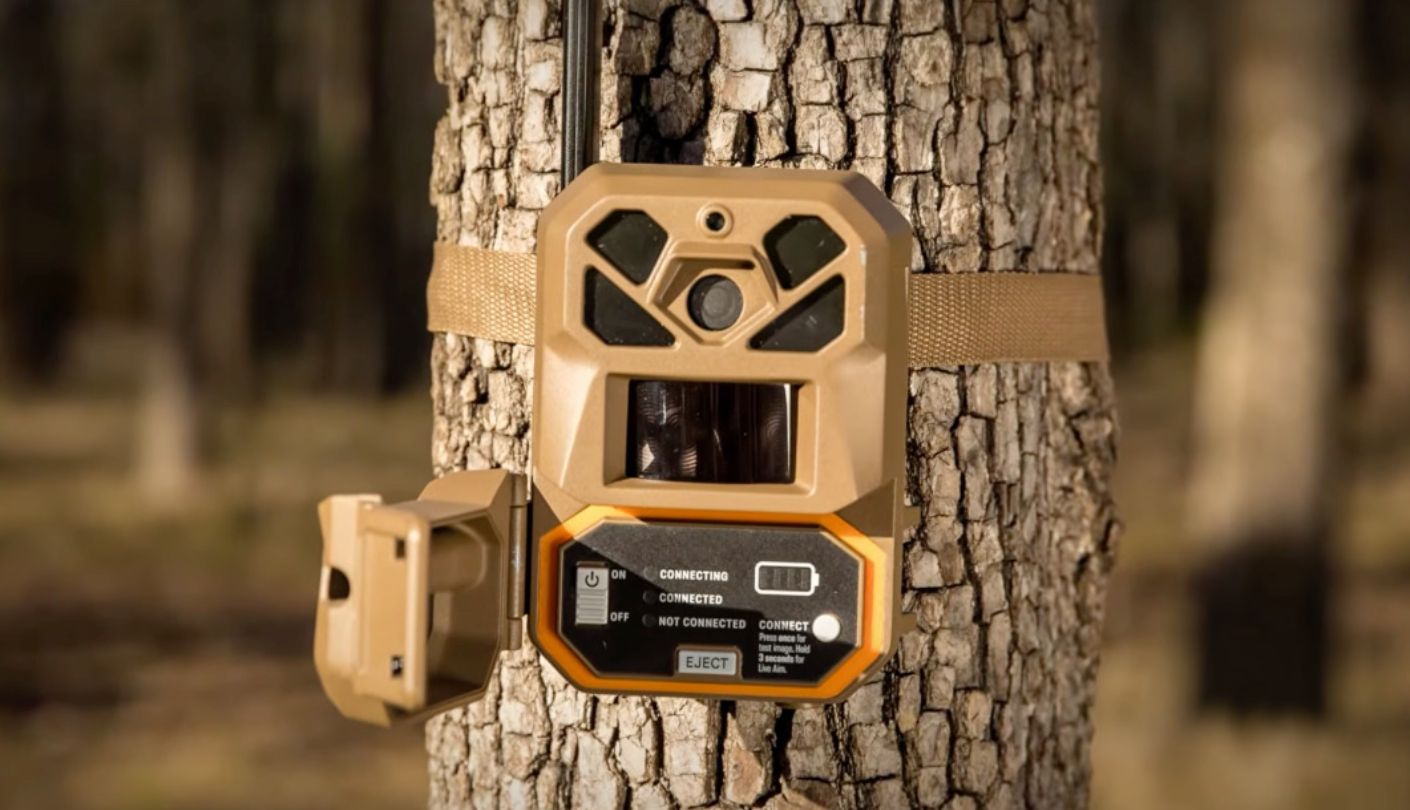
Moultrie publishes two different trigger speeds for this camera. Its own product page lists 0.4 seconds while retail listings, the linked one included, say 0.5. Throughout this article the slower number stands, on the principle that a disputed specification should be quoted at its least flattering published value. Either way the Moultrie Edge 3 is mid-pack on speed and first on reach, with 100 feet of detection and flash range, the longest confirmed figure among these five.
Images capture at 40 megapixels with 1080p video and a low-glow array behind them. Built-in memory removes the SD card from the equation entirely, with everything stored and managed through the Moultrie app, and GPS marks each camera's position on a map. Live Aim previews the frame in real time rather than making you wait for a test image, and offline settings let you reconfigure a camera at the tree even when your own phone has no signal, which is a properly considered feature for anyone who has driven back out to fix an angle.
Moultrie AI is the headline addition and it does two jobs. It detects bucks and automatically switches from photo to video before uploading, and it filters false triggers from wind and moving branches before they consume data or attention. Moultrie's own material is not consistent about how much of that filtering the standard model gets, since the Edge 3 page lists false-trigger elimination among its features while the company's support answers credit that capability to the Pro versions, so set expectations at the lower of the two.
Sixteen AA cells is the largest tray in this roundup, and Moultrie recommends branded cells over generic ones and offers a lithium-ion Power Mag or a solar pack as alternatives. The camera also talks to Moultrie's connected feeders, letting you check feed levels and adjust schedules from the same app, which is a genuine convenience on a managed property and irrelevant everywhere else. Plans carry no contract and start around ten dollars a month.
Approach the listing carefully. The Edge 3 and the Edge 3 Pro sit under near-identical names with different sensors, trigger speeds and flash types, the Pro moving to 50 megapixels, 1440p video, a 0.3-second trigger and a no-glow array, and both sell in single and two-camera packs. Buy the wrong line and the specifications above stop applying.
Pros:
- Hundred Foot Range
- Largest Battery Tray
- Offline Setting Changes
- Built-In Memory
- Feeder Remote Control
Cons:
- Conflicting Published Specs
- Reduced AI Filtering
Summary: Reach and battery capacity are where this one wins, and the offline configuration feature solves a problem the other brands have quietly ignored for years. The naming overlap with the Pro version is the trap to avoid at checkout.
SEHMUA RBX-H10 Review
Solar Built-In
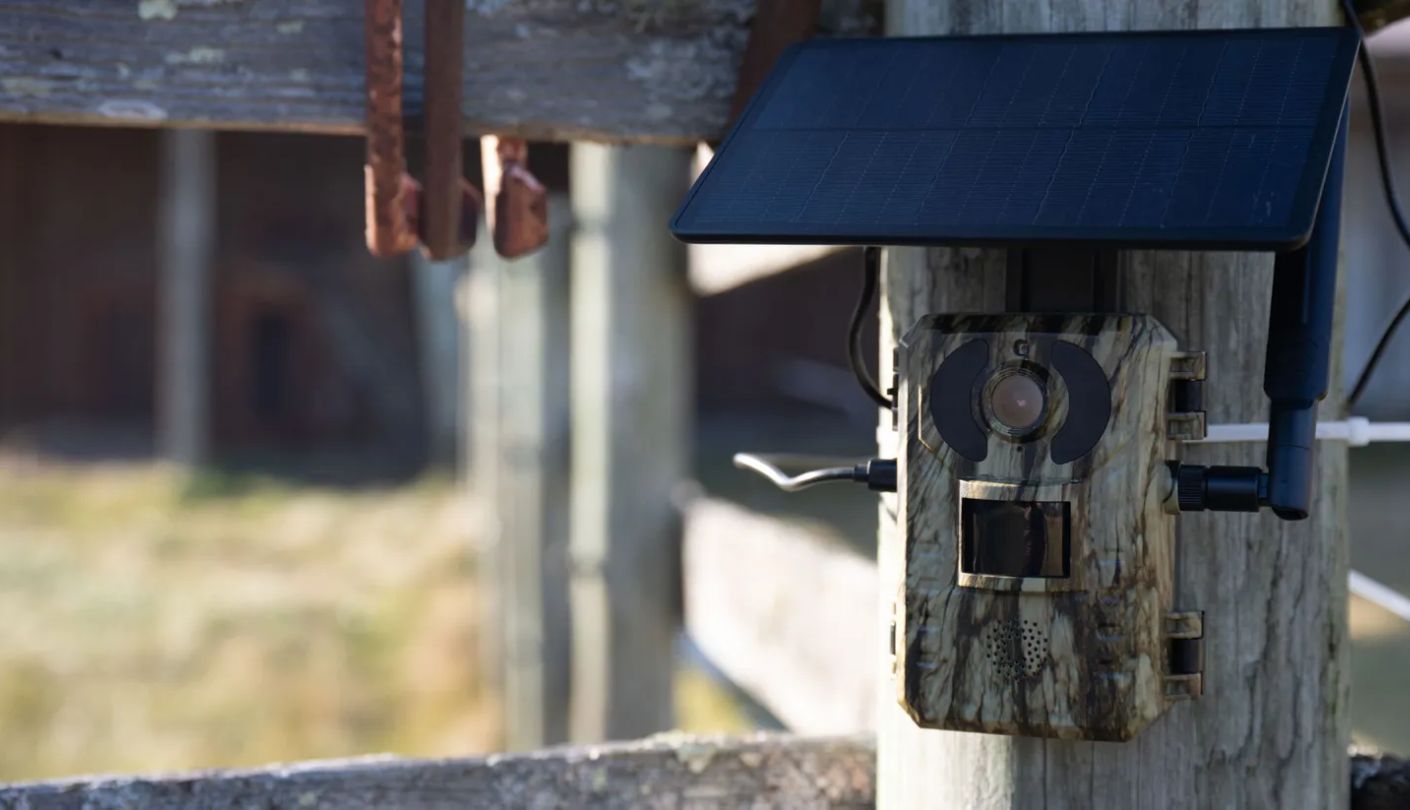
What do you actually know about a camera whose maker will not state its megapixel count? The SEHMUA RBX-H10 publishes a 0.2-second trigger, the fastest quoted figure in this comparison, alongside 2K live streaming and an IP66 body, and then goes quiet on photo resolution, detection range and flash range. Different listings from the same brand advertise 48 megapixels and 2.7K on hardware described with the same model code, which is not a small inconsistency.
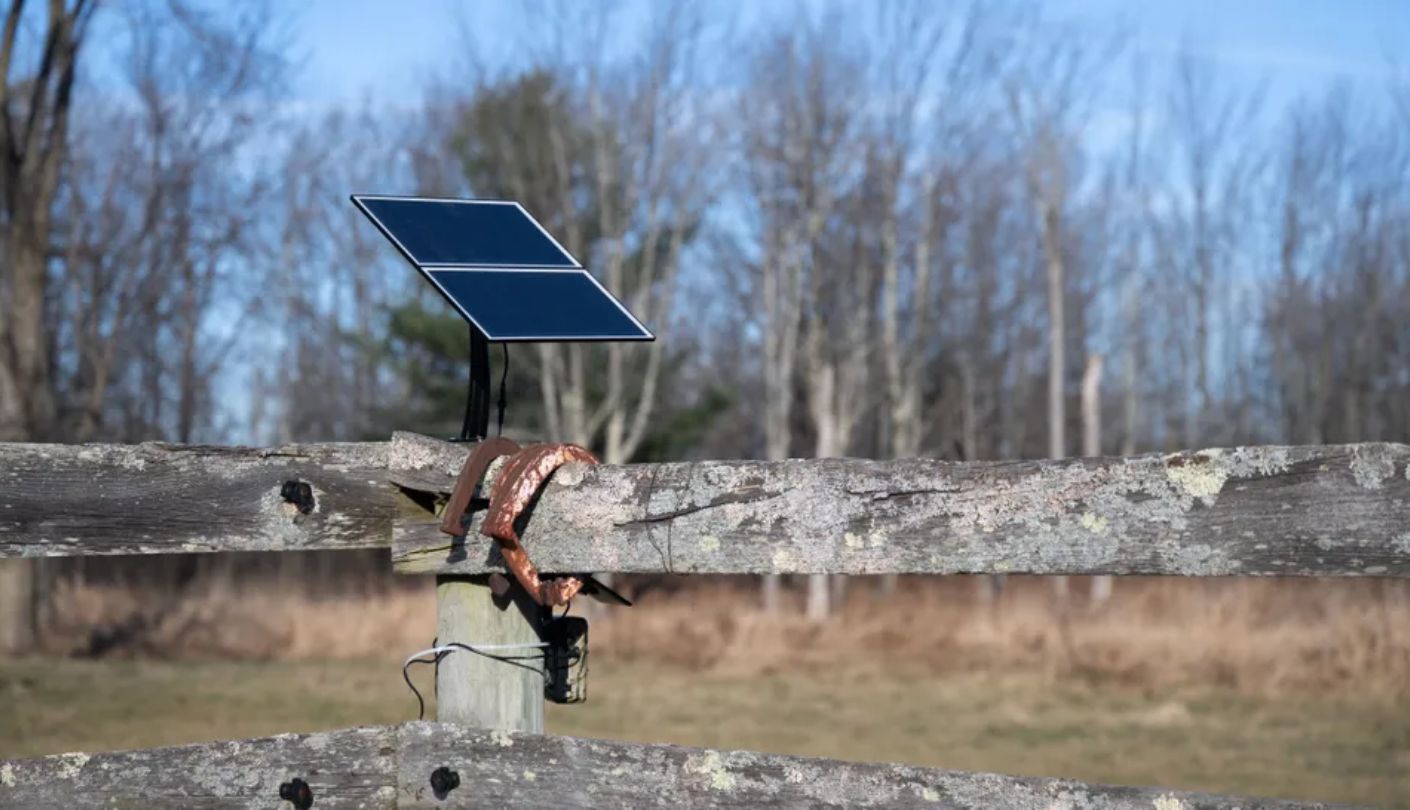
What is documented is the power system, and it is the reason this camera is here. A 4W solar panel sits in the top of the housing above a sealed 7800 mAh rechargeable pack, so there is no battery tray, no lithium AA purchase and no seasonal trip to swap cells. Panel and camera can also be separated and joined by a ten-foot lead, which puts the cells in sunlight while the lens stays in shade and is a touch more expensive brands charge extra for. Charge it fully over USB before the first deployment and daylight should carry it from there.
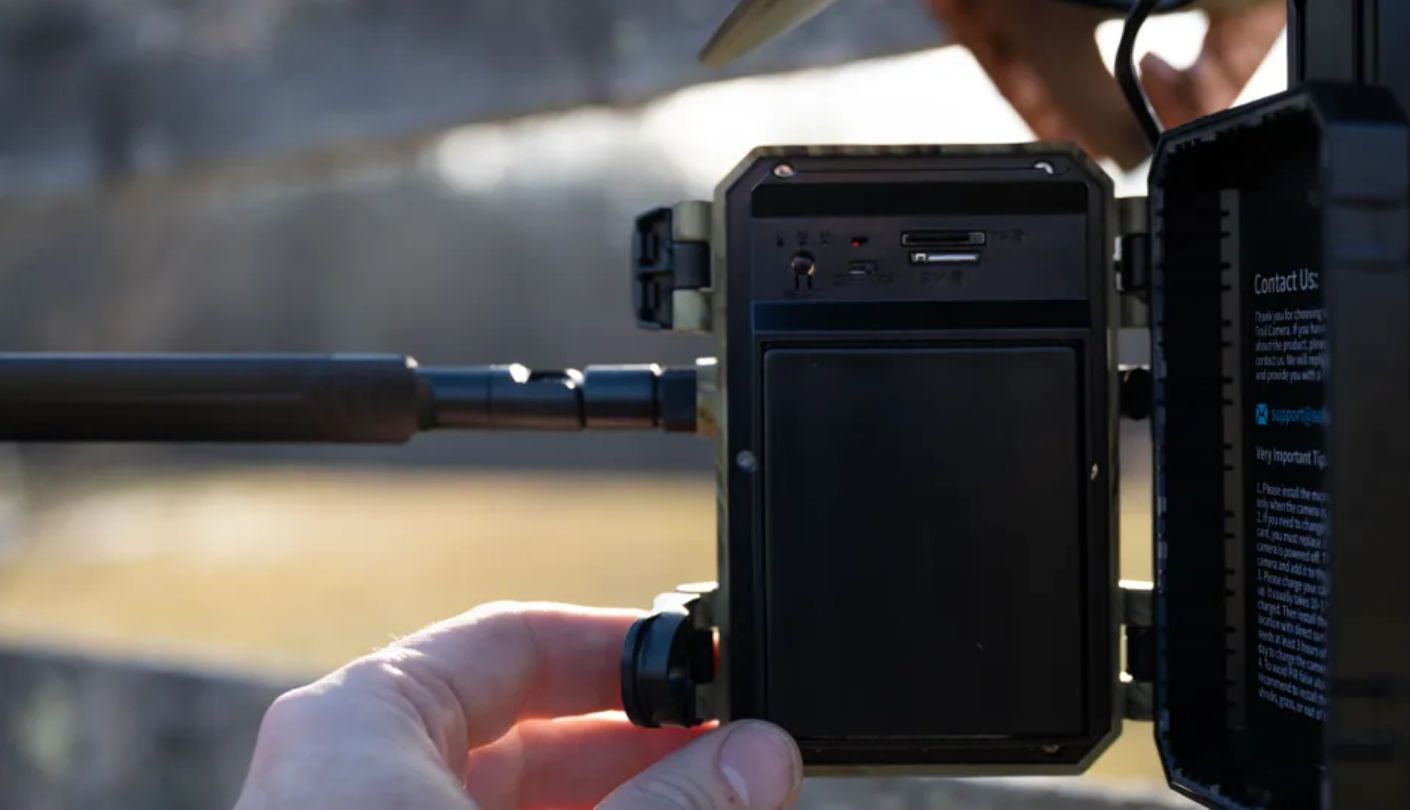
Connectivity runs on an embedded SIM covering Verizon, AT&T and T-Mobile, and the manual is explicit that the card is not user-replaceable, so a coverage problem cannot be solved by swapping carriers yourself. SEHMUA asks for at least two bars of signal at the camera for reliable operation. Setup runs entirely through an app called UCON rather than software carrying SEHMUA's own name, which is worth knowing before a support question arises.
The service arrangement needs stating plainly. Amazon listings advertise an unlimited data plan, and that plan is a paid subscription, not something included with the camera. What ships free is a small trial allowance activated on first connection, measured in a few hundred megabytes, which covers commissioning and little else. Warranty is one year, extendable to two by contacting the company with an order number.
Night vision uses an 850nm low-glow array, which sits at the visible end of infrared and produces a faint red shine. Live 2K streaming on demand is the genuine capability the established brands mostly reserve for premium models, and if watching a feeder in real time matters more to you than knowing the sensor specification, that is the trade on offer here. Anyone who needs published, verifiable numbers should buy elsewhere.
Pros:
- Integrated Solar Panel
- No Battery Swaps
- Fastest Quoted Trigger
- Live 2K Streaming
- Detachable Panel Lead
Cons:
- Sensor Specs Unpublished
- SIM Cannot Change
Summary: Solar charging built into the lid removes the single most tedious chore in trail camera ownership, and no established brand in this price range offers it as standard. Everything you would want to verify about the imaging is missing from the documentation, and that is a real risk rather than a quibble.
Bushnell CelluCORE 20 Review
Battery Life
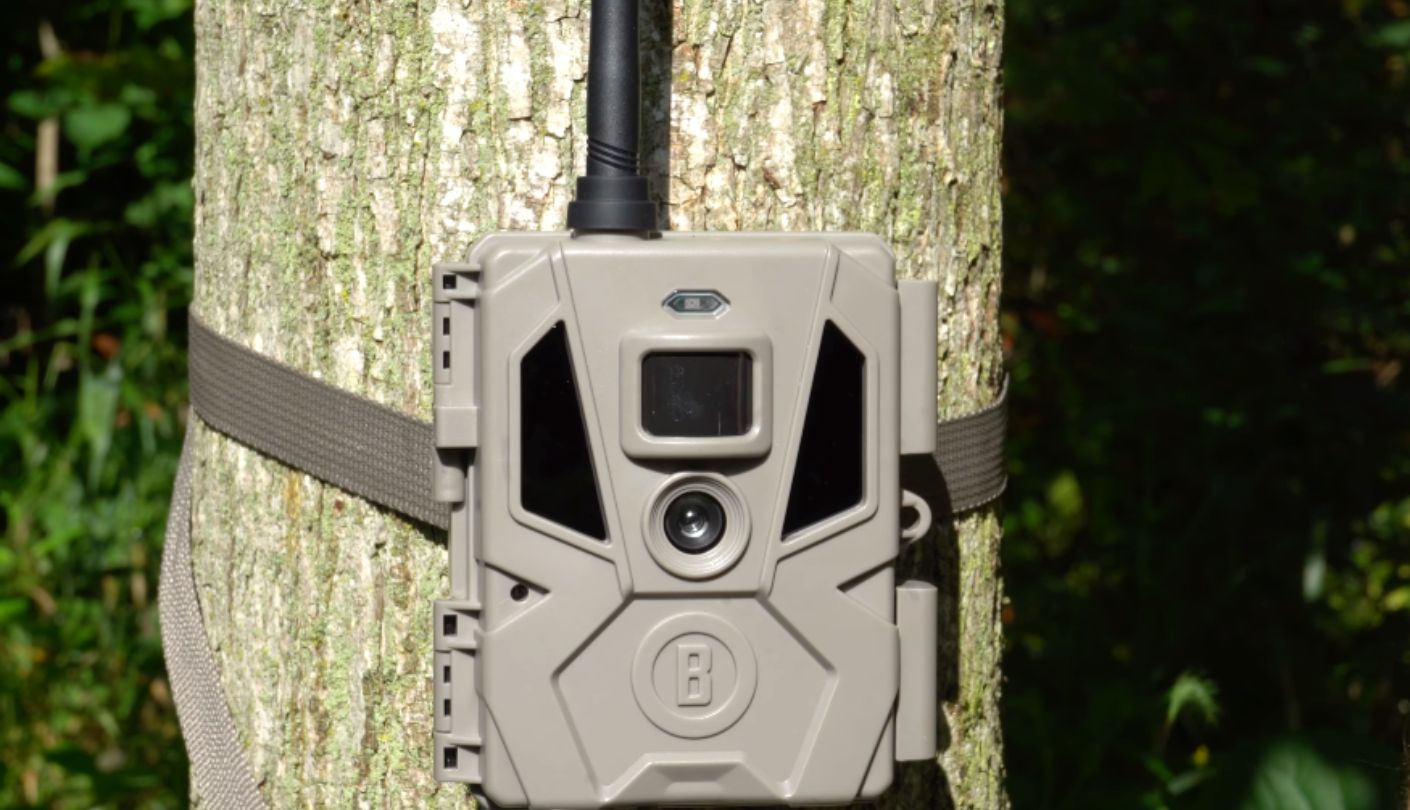
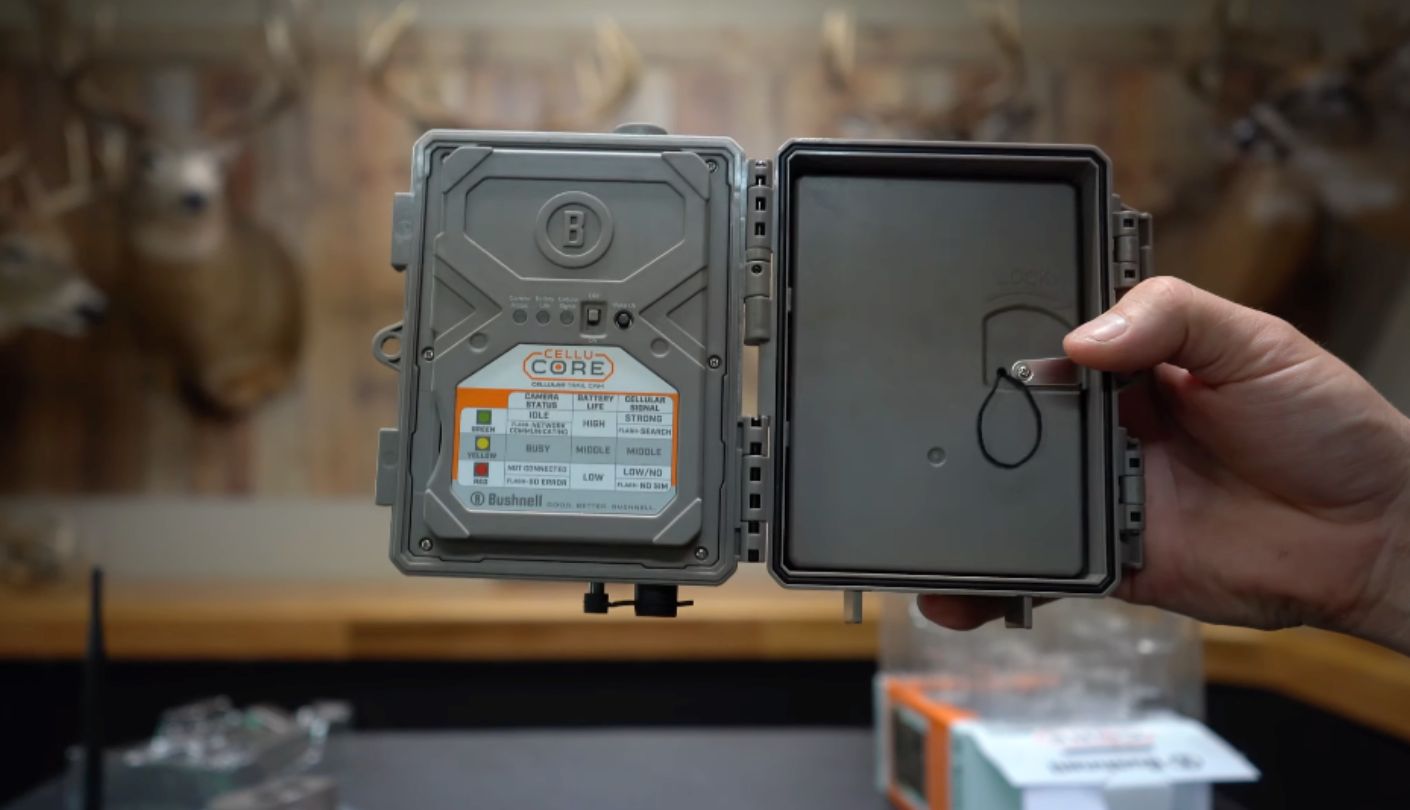
I watched a deer walk clean out of frame on a camera with a trigger this slow, and it taught me more about siting than any specification sheet. The Bushnell CelluCORE 20 fires in 0.9 seconds, the slowest here by a wide margin, which is fine on a feeder or a gate where animals stop and wrong on a travel corridor where they do not. Aim it at a place animals linger and the number stops mattering.
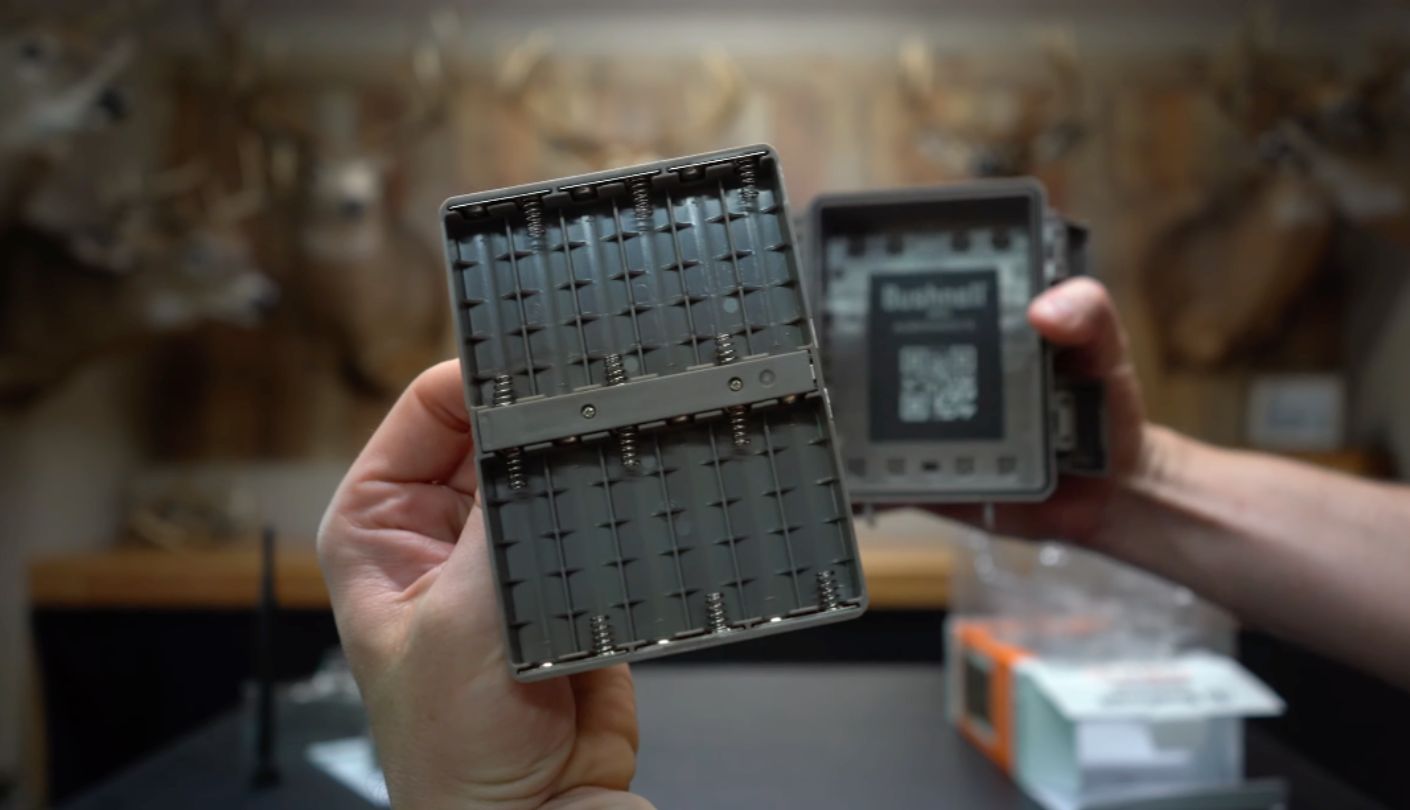
What you get in exchange is endurance. Bushnell quotes up to six months on twelve lithium AA cells, and Trailcampro's independent testing measured 4.3 months at thirty pictures a day, the strongest bench figure here in ordinary picture mode. Tactacam beats it only by running in hybrid mode, which is a different job. The battery tray pulls out for changing rather than making you unload cells one at a time in the cold, and a twelve-volt external jack accepts a pack or panel.
Images come in at 20 megapixels with 1080p video at thirty frames a second, and Trailcampro scored the picture quality at 88 out of 100, higher than the SPYPOINT despite the far lower megapixel figure, which is a useful reminder of how little that number predicts. The infrared array uses 36 LEDs reaching 80 feet for both detection and night illumination, and the current version carries dual SIM connectivity that picks between AT&T and Verizon automatically. Stills carry a stamp with date, time, temperature and moon phase, and the app sorts images by weather and wind.
Storage runs to an SD card of up to 32 gigabytes, which is not included and is a lower ceiling than the SPYPOINT's 512 gigabyte support. There is no viewer on the camera, so all setup and troubleshooting happens through the phone. Bushnell covers the camera for two years and includes the first thirty days of service, with no-contract plans starting around ten dollars a month afterwards.
The variant question applies here too and it is the oldest trap in this article. Carrier-locked AT&T and Verizon versions of the CelluCORE 20 are still on shelves alongside the dual SIM model, they carry different part numbers, and retail descriptions of the older ones disagree about whether the flash is low-glow or no-glow. Check the part number rather than the product name.
Pros:
- Four Month Runtime
- Removable Battery Tray
- Strong Picture Scores
- Thirty Free Days
- Weather Data Stamping
Cons:
- Slowest Trigger Here
- 32GB Card Ceiling
Summary: Sited on a feeder or a gate, the slow trigger costs nothing and the endurance means one visit a season instead of three. Bushnell's picture quality scoring above cameras with double the megapixels is the quiet argument for reading test results rather than sensor claims.
Cellular Trail Cameras: FAQ
Do all of these need a paid monthly plan?
Every one of them needs an active data plan to transmit anything, and Moultrie confirms in its support material that the requirement applies across the whole category rather than to its own models alone. The exception on cost rather than principle is SPYPOINT, which includes a hundred photos a month permanently at no charge. Bushnell includes the first thirty days of service. Plans are billed per camera on every platform here, so three cameras means three charges.
What happens if the camera has no cellular signal?
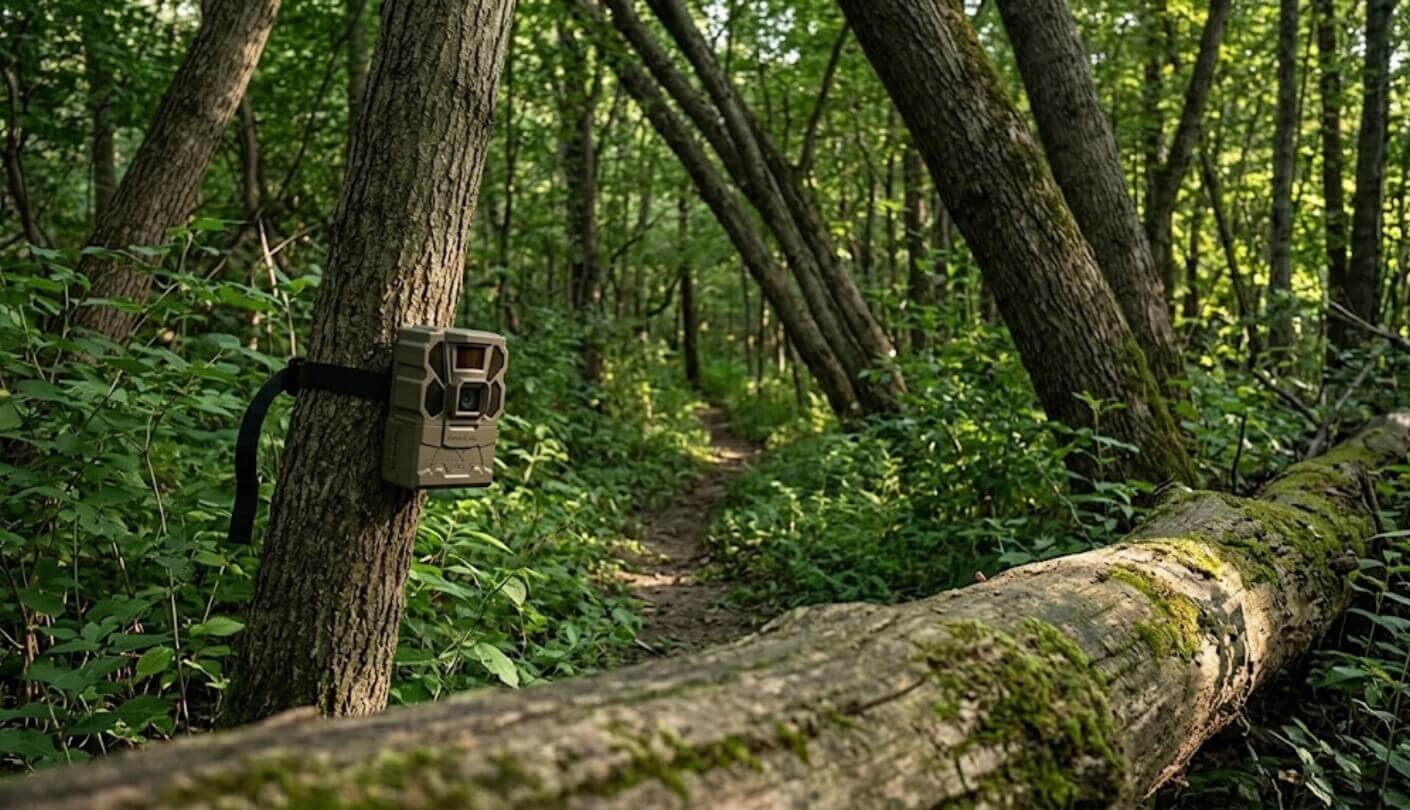
It keeps triggering and keeps saving images, and you see none of them until you visit. Moultrie says plainly on its listings that parts of the country have no signal and that no camera will work in those places. Multi-carrier and dual SIM designs improve the odds by choosing the strongest available network, but none of them can create coverage. Check reception at the actual tree, in leaf, before committing.
Whose trigger speed is fastest, and does it matter?
SEHMUA quotes 0.2 seconds, ahead of Tactacam's 0.35, SPYPOINT's 0.4 and Moultrie's 0.5, with the Bushnell trailing at 0.9. Worth noting that SEHMUA publishes very few other specifications, while Tactacam's figure has been independently verified at 0.36 seconds on a test bench. A quoted number from a brand that documents everything else is worth more than a faster one standing on its own.
Do I still need an SD card?
It depends on the camera. Tactacam includes eight gigabytes of internal storage and treats the card slot as optional, and Moultrie's built-in memory removes the card entirely. SPYPOINT needs a microSD of up to 512 gigabytes and does not include one, and Bushnell takes a card up to 32 gigabytes, also not supplied. A card is worth fitting anyway where supported, since transmitted images are compressed and the card holds the full-resolution originals.
How long do the batteries actually last?
Less than the box says, and transmission frequency matters more than cell count. Bench testing at thirty pictures a day in ordinary picture mode measured 4.3 months for the Bushnell, 3.3 for the SPYPOINT and 2.7 for the Tactacam on lithium cells, with the Tactacam reaching 6.8 months once switched to hybrid mode. Switching a camera from instant sending to scheduled batch uploads extends all of those substantially, and lithium cells outlast alkaline by a wide margin in cold weather.
Is no-glow flash worth choosing over low-glow?
Near a road, a boundary or anywhere a visible camera might be stolen, yes. No-glow is invisible to people and animals and costs roughly a third of the night range for it. Bushnell specifies a no-glow array reaching 80 feet on the CelluCORE 20, though descriptions of its older carrier-locked variants disagree on that point, while Tactacam, SPYPOINT and Moultrie all use low-glow arrays reaching further. The Moultrie Edge 3 Pro and Tactacam Pro 3.0 are the no-glow versions of their respective lines.
Can I move a camera to a different carrier later?
On most of these, the camera handles it for you. Tactacam and Moultrie scan automatically for the strongest network, and SPYPOINT and the dual SIM Bushnell carry two preactivated cards and switch between them. SEHMUA is the exception, using an embedded SIM the manual confirms cannot be replaced by the owner, so a coverage problem at that site has no fix beyond moving the camera.
Why do my photos look worse than the megapixel count suggests?
Because most of these figures are interpolated rather than native, meaning software enlarges a smaller sensor's output. Tactacam's 4K, SPYPOINT's 28 megapixels and similar claims elsewhere are all produced this way. Independent testing scored the 20-megapixel Bushnell higher for picture quality than the 28-megapixel SPYPOINT, which is the clearest illustration available that sensor size and lens quality decide the image, not the number on the box.
Choosing the Camera and the Plan Together
Work out what a year of service costs before comparing hardware, because that calculation reorders the field for most buyers. A camera at a low-traffic gate that sends four images a day fits inside SPYPOINT's free allowance forever, which makes the SPYPOINT FLEX-M close to unanswerable on running costs even with its 720p video. A busy trail generating dozens of images a day blows through any free tier by the second week, at which point a free allowance stops being the deciding factor and the hardware settles it, and there the TACTACAM Reveal X 3.0 takes it on flash range, storage and the fact that nothing on it needs a screwdriver.
The remaining three suit narrower briefs. Long shots across a field or a food plot want the hundred-foot reach and sixteen-cell tray of the Moultrie Edge 3. A camera hung somewhere awkward, where changing batteries means an hour each way, makes the integrated panel on the SEHMUA RBX-H10 worth its undocumented sensor. And a feeder watched all winter belongs to the Bushnell CelluCORE 20, where animals stand still long enough for a slow trigger and the batteries last until spring. Whichever way it goes, check the part number against the specification before the box ships.

Jeb here, your go-to geek for everything from video projection to the latest tech trends. As an avid outdoorsman, I enjoy using monoculars and binoculars for hunting, traveling, and birdwatching. Join me in exploring the cool, quirky side of technology!


