



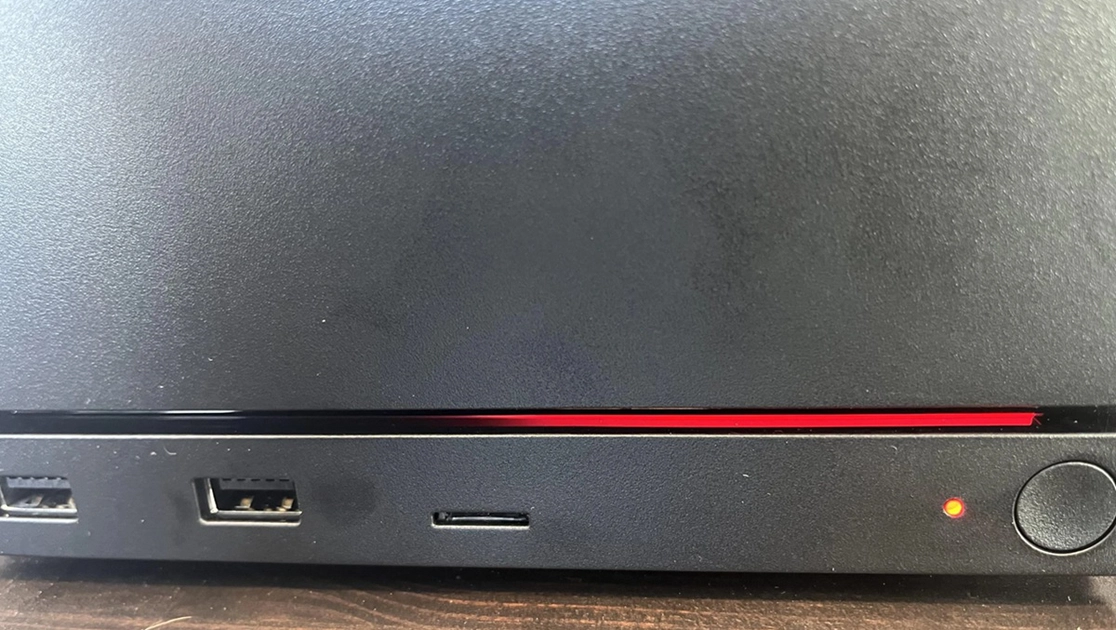
Two early buyers have reported permanent GPU failures on Valve's $1,049–$1,428 console — and the soldered graphics chip means warranty replacement is the only fix.
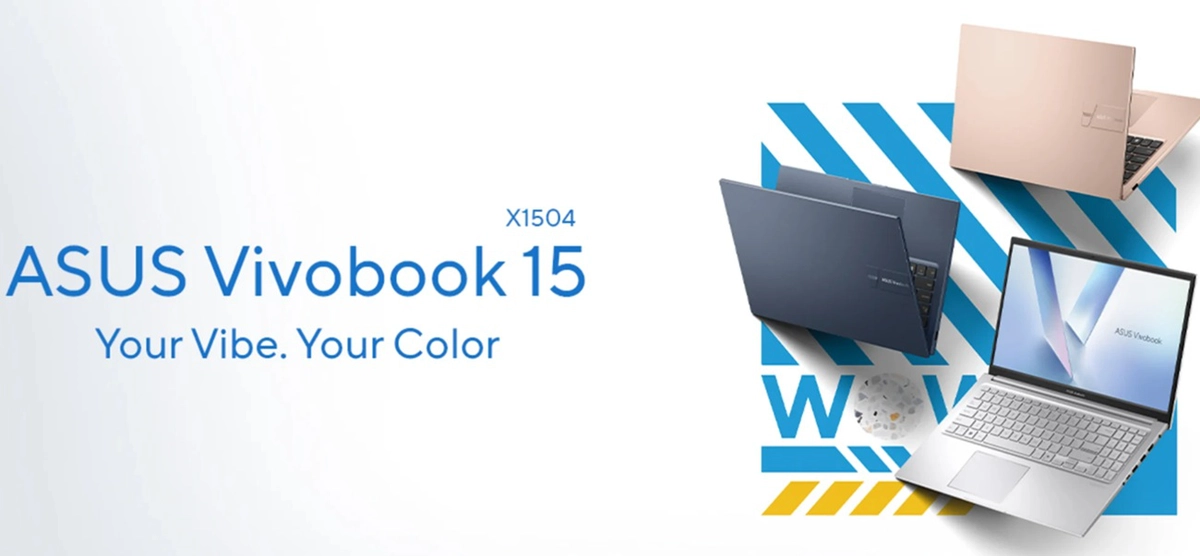
ASUS has unveiled its 2026 Vivobook 15 with Intel's new budget AI chip in India, but US and UK buyers face an indefinite wait while older models fill shelves.

The European Court of Justice has dismissed Alphabet's last appeal, making the €4.125bn penalty permanent and opening the door to unlimited follow-on damages claims across 13 nations.

BYD has passed 7,000 fast chargers in China and is pushing into Europe with technology that dwarfs anything currently on public networks in the US or UK.

The racing game beats Resident Evil Requiem, Pokémon Pokopia, and 17 others to claim the highest critic score of the year's first half.
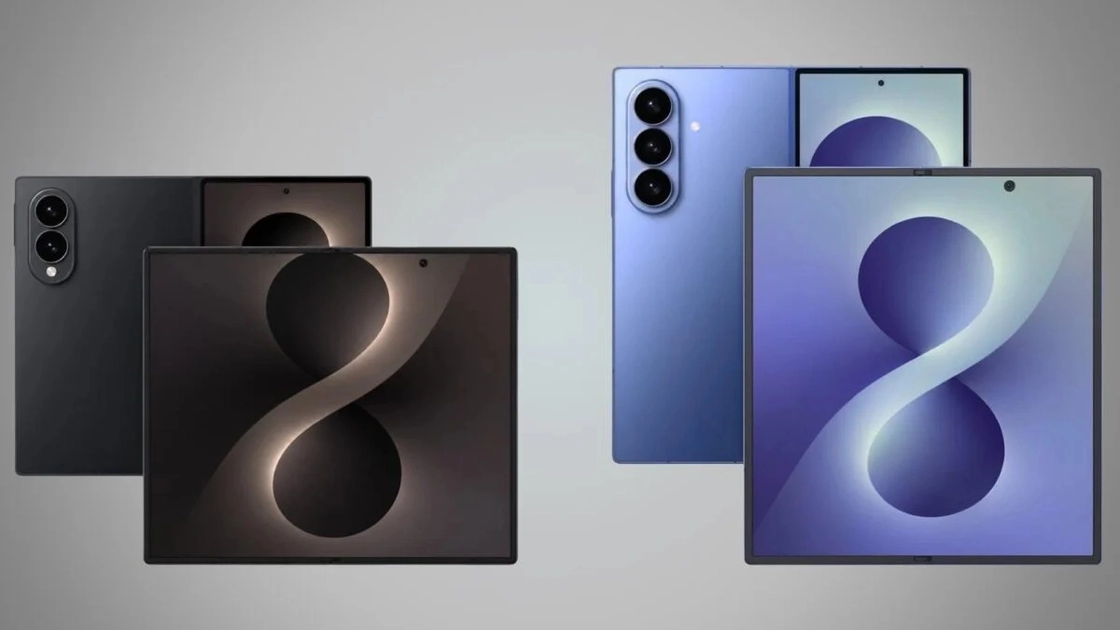
Leaked European prices put the Galaxy Z Fold 8 Ultra as high as €2,800, and a global memory shortage is driving the increase ahead of Apple's first foldable.
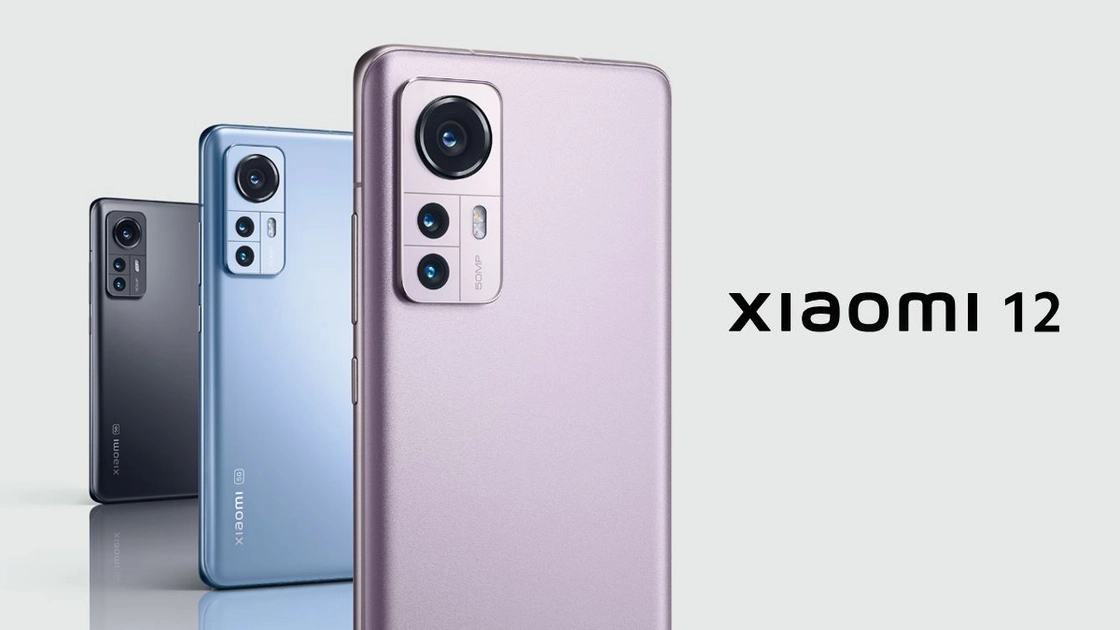
Xiaomi has officially ended software support for 11 devices this year, including former flagships — leaving owners without security patches as EU rules tighten.

CD Projekt RED's long road from catastrophic day-one failure to a game that still tops Steam charts is now a case study in post-launch recovery.

Google's new Android 17 feature gives Gemini and third-party AI agents a persistent home at the top of your screen, with a security sandbox that keeps them from accessing other apps.
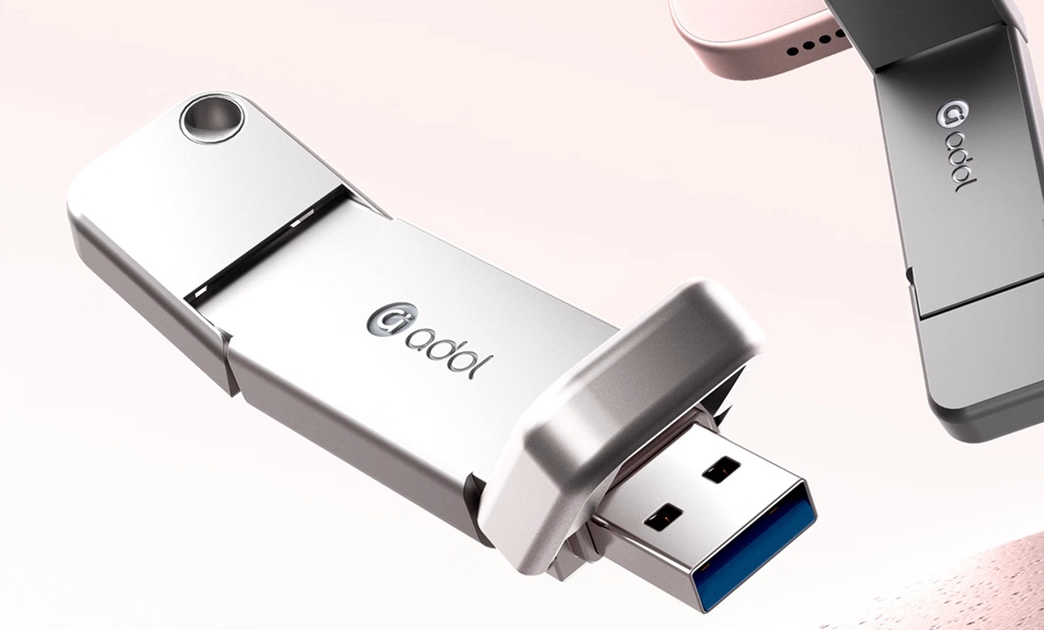
Asus has launched a compact metal SSD drive with USB-A and USB-C connectors — but only in China, and at 500MB/s it trails faster rivals already available in the West.

Relic's new wave-defense game drops the RTS complexity and opens the franchise to newcomers at $29.99 / £23.99.
The Claude maker wants custom silicon on Samsung's 2nm process — joining OpenAI, Google, and Meta in a push to reduce dependence on NVIDIA.

The Austrian plant that prints 600,000 discs a day has begun converting to optical microlenses, backed by a €30M investment. January 2028 is now a hard deadline.


