Best Gaming Chairs for Long Sessions
After three hours in the wrong chair, your back starts making decisions for you - you shift, you stand up, you stop playing. It's a problem that no peripheral upgrade fixes, and most budget and mid-range chairs are designed to look good in a product photo, not to support your spine through a six-hour raid or a late-night ranked climb. The market has also split along a clear fault line: on one side, ergonomically focused chairs with integrated lumbar systems and premium materials, and on the other, feature-packed recliners with footrests, speakers, and massage functions that prioritize comfort-on-demand over strict posture engineering.
The five chairs in this roundup cover both ends of that divide. My selection ranges from a breathable fabric budget chair that outperforms its category to a flagship ergonomic build with magnetic armrest toppers and built-in lumbar hardware. I've put each through extended daily use - work sessions, competitive gaming, and the kind of late-night marathons that reveal where a chair actually fails - to find out which ones justify a real investment in your back and which ones are better left on the shelf. Here are the best gaming chairs for long sessions right now.
If you're in a hurry, here are my top two picks for gaming chairs for long sessions:
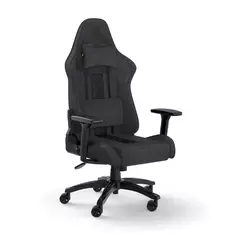
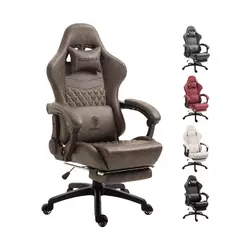
Table of Contents:
- Best Gaming Chairs for Long Sessions: Buying Guide
- Top 5 Gaming Chairs for Long Sessions in 2026
- Gaming Chair Comparison
- Corsair TC100 Relaxed Fabric
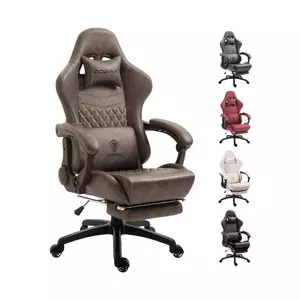
- Dowinx Big & Tall Vintage Gaming Chair
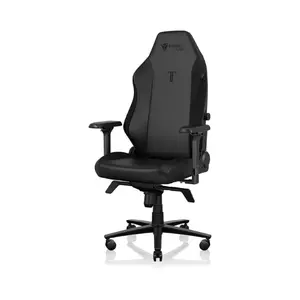
- Secretlab Titan Evo
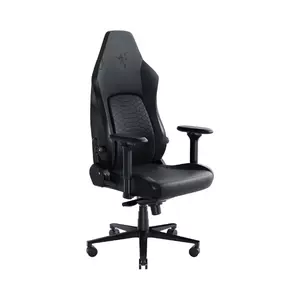
- Razer Iskur V2
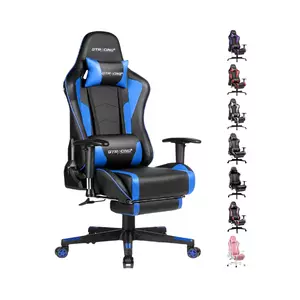
- GTPLAYER Gaming Chair with Footrest
- Gaming Chairs for Long Sessions: FAQ
Best Gaming Chairs for Long Sessions: Buying Guide
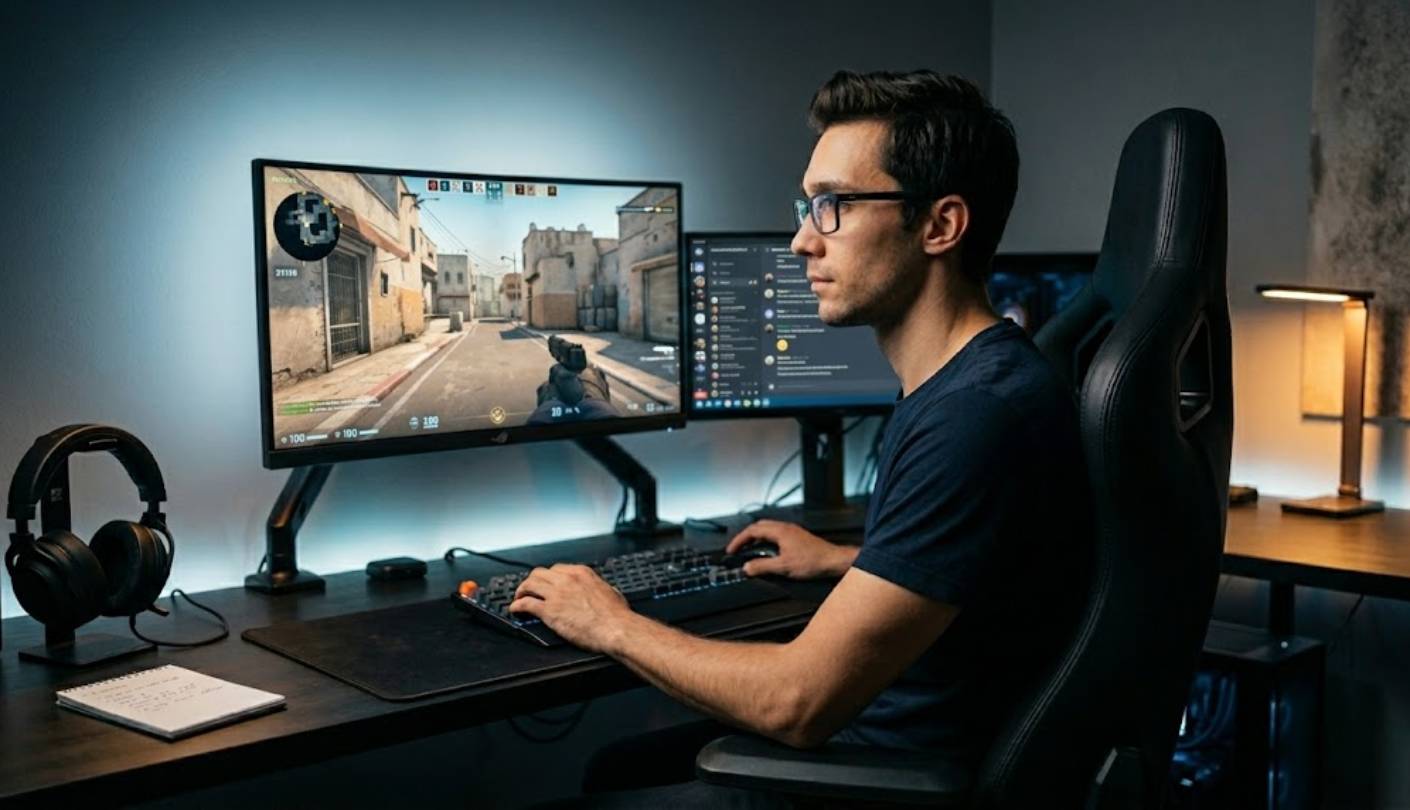
Lumbar Support: Pillow vs. Integrated Systems
Lumbar support is where more gaming chairs fail than any other single spec. A removable pillow strapped to the backrest is the cheapest solution, and it's present in the majority of chairs at every price point. Pillows aren't inherently bad - the issue is that they're passive. Once you shift your sitting position, the pillow stays where it was, and the support it was providing either disappears or works against you. In my experience, pillow-based lumbar works adequately for sessions under two hours and starts to require constant manual re-positioning after that point.
Integrated lumbar systems - where the support is built into the chair's backrest frame and adjusts for depth, height, and in more advanced designs, lateral rotation - maintain contact across a wider range of postures without any input from the user. The Razer Iskur V2's 6D lumbar swivels to follow your spine as you rotate left or right, which removes the main failure mode of pillow designs entirely. The tradeoff is that integrated lumbar adds to the chair's cost and complexity, and a poorly calibrated system can create more pressure than it relieves.
For gamers who maintain consistent upright posture, a well-positioned adjustable pillow is often enough. For anyone who shifts between postures frequently - crossing legs, leaning sideways, or switching between an active playing position and a relaxed one mid-session - the investment in integrated lumbar pays off in the form of continuous support with zero fuss. The chairs in this roundup include both approaches, and the right choice depends more on your sitting habits than your budget.
Seat Material: Fabric, PU Leather, and Breathability
The material your chair's seat and backrest are made from matters more the longer you sit in it. PU leather looks premium and cleans easily, but it traps heat against your body in a way that becomes noticeable after the first hour in warm conditions. Chairs like the Dowinx LS-6689 use perforated PU to address this, and the perforation does help - though fabric still outperforms any perforated synthetic leather on raw breathability. The Corsair TC100 Relaxed's soft woven fabric stays cooler against skin in summer use, which isn't a minor detail if you game in a warm room.
Durability is the other side of this equation. Fabric holds up well against abrasion but absorbs stains faster than leather surfaces and requires more deliberate cleaning. PU leather is easy to wipe down but develops surface cracking at stress points - typically the seat edges and armrest seams - faster than woven materials. I've watched chairs with standard PU leather degrade visibly within eighteen months of daily use. High-quality perforated PU and bonded leatherette hold up significantly better, but fabric remains the longer-lasting material when maintained properly. For high-frequency use, fabric is worth choosing over standard PU unless you need the wipe-clean convenience.
Armrest Adjustability and Long-Session Comfort
Armrests are one of the most underrated factors in gaming chair comfort over long sessions. A fixed-height armrest forces your shoulders into a posture that works for one desk height and one body position - neither of which you'll maintain for six hours straight. 2D armrests (height only) are an improvement, 3D adds lateral adjustment, and 4D brings fore-aft movement into the mix. For gaming specifically, fore-aft adjustment is worth paying for: a position that works with a mouse on a large desk is different from the position that works while leaning back at 130 degrees with a controller.
The distance between armrests matters as much as their range of motion. Armrests set too wide create shoulder strain that builds slowly and becomes impossible to ignore after two hours. Armrests too close together force an inward elbow angle that strains the forearms over an extended session. The ideal setup positions your elbows at roughly desk height with your shoulders relaxed - which is why adjustability in multiple directions is worth the cost difference from the cheapest 2D designs.
The Secretlab Titan Evo takes armrest engineering furthest in this group with its CloudSwap magnetic topper system, which lets you swap the contact surface between standard, memory foam, and gel options depending on your preference. I find the memory foam variant significantly better for four-plus-hour sessions than any hard plastic or rigid foam pad. The daily benefit of swappable toppers is practical rather than cosmetic - elbow comfort accumulates as a fatigue factor the same way lumbar support does, and having a softer surface ready to swap in takes ten seconds.
Recline Range, Tilt Mechanics, and Footrests
Most gaming chairs advertise recline angles between 90 and 180 degrees. The real-world range that gets used is typically 95 to 130 degrees - near upright for active gaming and a moderate lean for watching content or taking breaks. The difference between a chair that locks recline at set positions and one with a continuous freeform recliner is noticeable once you've used both. Freeform recline lets you find the exact angle your body wants rather than settling for whichever preset is closest. I always prefer step-free recline for long sessions.
Tilt mechanics - where the entire seat tilts forward when you lean back rather than just the backrest hinging - keep your body in a more natural position across the recline range. Chairs without seat tilt create a shearing effect on the lower spine as you lean further back, which is one reason that high recline angles in cheap chairs can actually increase discomfort rather than relieving it. Retractable footrests change the equation entirely once you recline past 120 degrees: without leg support at that angle, circulation and lower-back pressure both suffer. The Dowinx LS-6689 and GTPLAYER are the two chairs in this group that include them, and the footrest becomes necessary for comfortable extended recline on either one.
Build Quality, Weight Capacity, and Warranty
A gaming chair's structural quality determines its long-term value more than almost any other factor. The gas cylinder class is the most overlooked spec: Class 4 is the industry standard for quality chairs and what you should verify before buying anything in this category. Below Class 4, cylinders fail faster under sustained weight - a real issue for daily-use chairs expected to last three-plus years. The base material also matters: aluminum bases like the Secretlab Titan Evo's are stiffer and more durable than the plastic five-star bases used on budget chairs, which develop flex and eventually crack under repeated load.
Weight capacity claims are often inflated in product listings. A chair rated for 350 lbs based on static load testing may develop accelerated wear under a 220 lb user who sits actively for eight hours daily. The relevant metric is weight capacity in the context of intended daily use, not maximum static load. Chairs with reinforced steel frames, welded joints, and thicker seat pans hold up significantly better under sustained daily load than those that hit the same rated weight with minimum-spec components.
Warranty length is one of the clearest signals of manufacturer confidence in a chair's build quality. Secretlab's five-year warranty on the Titan Evo is the strongest coverage in this group and reflects a genuine expectation of longevity. Razer covers three years. The budget chairs in this group carry one-year warranties, which is industry standard at that tier and honest about what to expect. For a chair you'll sit in daily, I weigh warranty terms heavily - it's one of the few objective signals that separates a brand that backs its product from one that doesn't.
Top 5 Gaming Chairs for Long Sessions in 2026
These chairs went through extended gaming sessions, daily work use, and posture stress tests to find out which ones genuinely support your body over hours and which ones favor aesthetics over sustained comfort.
- Breathable soft fabric
- Wide backrest design
- 10° seat tilt mechanism
- Memory foam headrest
- Long-term durability
- 350-400 lb capacity
- 4D armrests
- Retractable footrest
- Massage lumbar pillow
- Serviceable components
- Built-in 4-way lumbar
- Magnetic memory foam headrest
- CloudSwap armrest toppers
- Aluminum wheelbase
- 5-year warranty
- 6D swivel lumbar system
- 4D lockable armrests
- Wide seat base
- Knurled precision dials
- 300 lb capacity
- Bluetooth 5.1 dual speakers
- Retractable footrest
- SGS Class 4 gas lift
- 155° recline range
- 330 lb capacity
Gaming Chair Comparison
Here's a detailed comparison of the specifications that matter most when choosing a gaming chair for long sessions:
| Specification | Corsair TC100 Relaxed | Dowinx LS-6689 | Secretlab Titan Evo | Razer Iskur V2 | GTPLAYER Footrest |
| Upholstery | Soft fabric / leatherette | Perforated PU leather | SoftWeave fabric / leatherette | ePU leather / fabric | PU leather |
| Lumbar Support | Adjustable pillow | Massage pillow (USB) | Built-in 4-way adjustable | Built-in 6D adjustable + swivel | Removable pillow |
| Armrests | 2D | 4D | 4D (CloudSwap toppers) | 4D (lockable) | 3D |
| Recline Range | 90° - 160° | 90° - 170° | 85° - 165° | 90° - 153.5° | 90° - 155° |
| Footrest | No | Yes (retractable) | No | No | Yes (retractable) |
| Headrest | Memory foam pillow | Adjustable pillow | Magnetic memory foam | Memory foam pillow | Adjustable pillow |
| Max Weight | 264 lbs (120 kg) | 350 - 400 lbs | Varies by size | 300 lbs (136 kg) | 330 lbs |
| Bluetooth Speakers | No | No | No | No | Yes (Bluetooth 5.1) |
| Seat Tilt | 10° rock | 15° rock | Yes (multi-tilt) | Yes | Yes |
| Backrest Height | 81 cm | 32.5 in (82.5 cm) | ~85 cm (regular) | 85.5 cm | ~85 cm |
| Warranty | 2 years | 1 year | 5 years | 3 years | 1 year |
| Base Material | Nylon | Steel | Aluminum | Steel | Steel (5-point) |
The specs that translate most directly to real long-session comfort are lumbar system type, armrest dimensionality, and whether the seat uses a tilt mechanism rather than backrest-only recline. Warranty length is the best available signal for structural longevity across this price range.
Corsair TC100 Relaxed Fabric Review
Editor's Choice
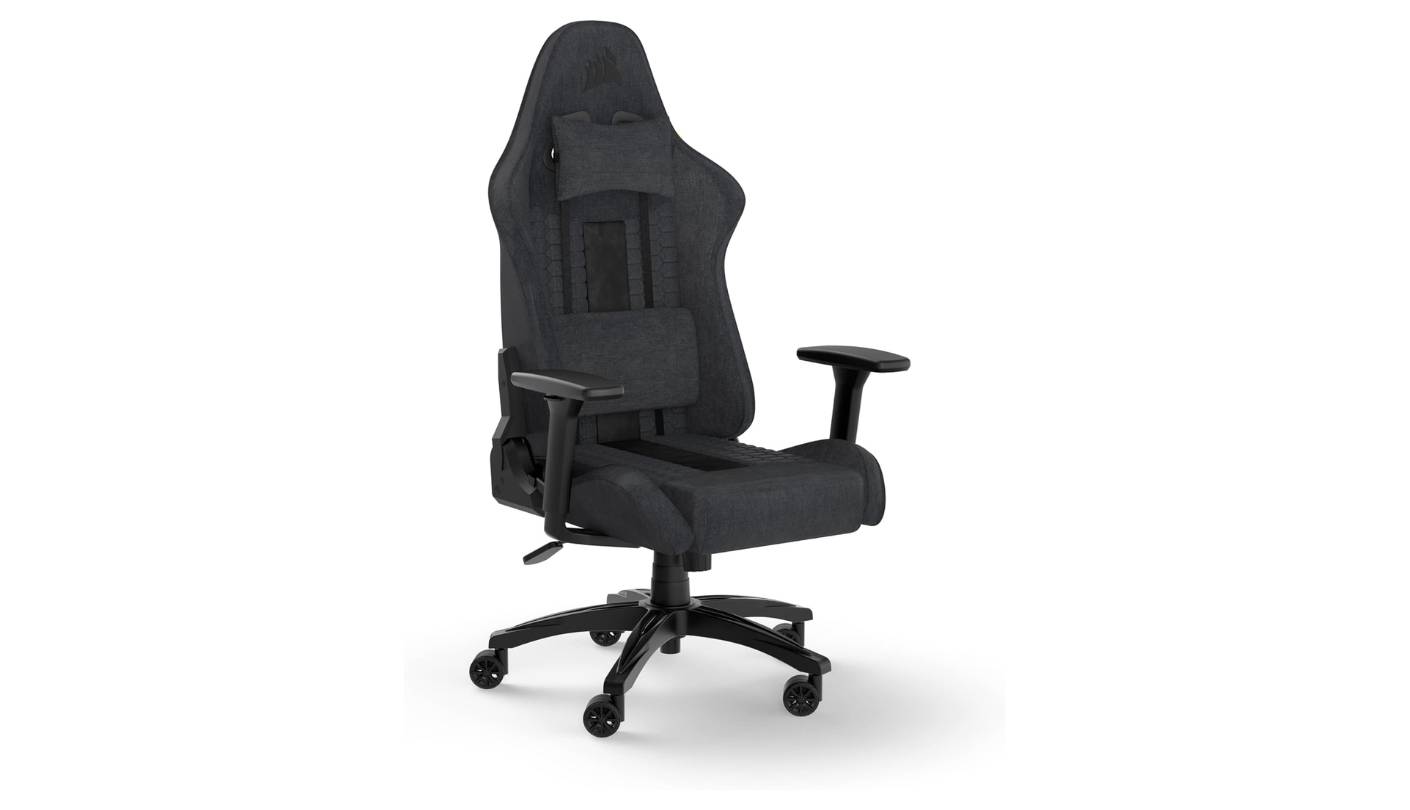
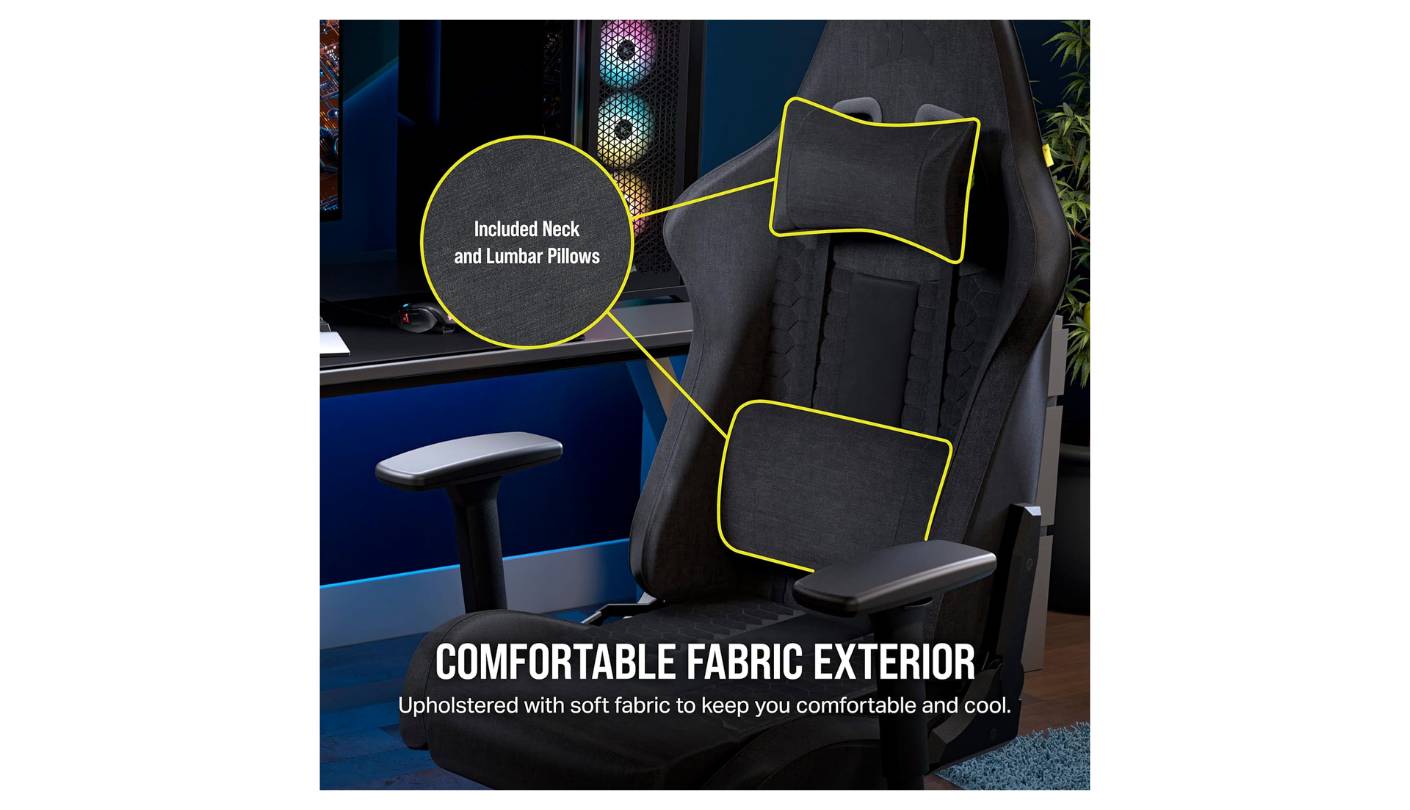
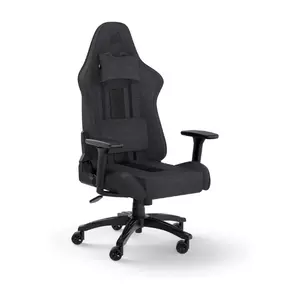
The first thing I noticed when I sat down in the Corsair TC100 Relaxed was how little it felt like a gaming chair in the worst sense of the phrase. The woven fabric - soft, consistent, and breathable against skin - reads more like a well-made office chair than a racing bucket. Corsair has built its way into this category deliberately, and the TC100 is the point where accessible price and honest comfort come together. The hexagonal stitching on the backrest is subtle enough to work in a home office without looking out of place on a work call.
The broad backrest design is a deliberate departure from narrow racing-style chairs that force a specific posture. At 59.5 cm wide and 81 cm tall, the backrest accommodates shoulder-to-shoulder contact without the bolsters pinching in. Corsair's rated maximum of 6'2" and 264 lbs applies squarely to the regular-to-large frame, and within that range the seat depth of 38 cm and 10 cm gas lift travel cover most desk setups without issue. The lumbar pillow secures with adjustable backpack-style straps - not the most elegant mechanism, but one that lets you reposition quickly mid-session without stopping what you're doing.
Where the TC100 makes its most tangible trade-off is in armrest adjustability. The 2D arms adjust for height and lateral width via a screw mechanism - usable but not quick to change on the fly. The height range is generous and the rubber armrest surface is comfortable for forearm resting, but anyone who switches between active keyboard use and a more reclined position regularly will find the lack of fore-aft adjustment limiting. The included memory foam headrest pillow does its job for neck support and stays where placed without constantly re-positioning.
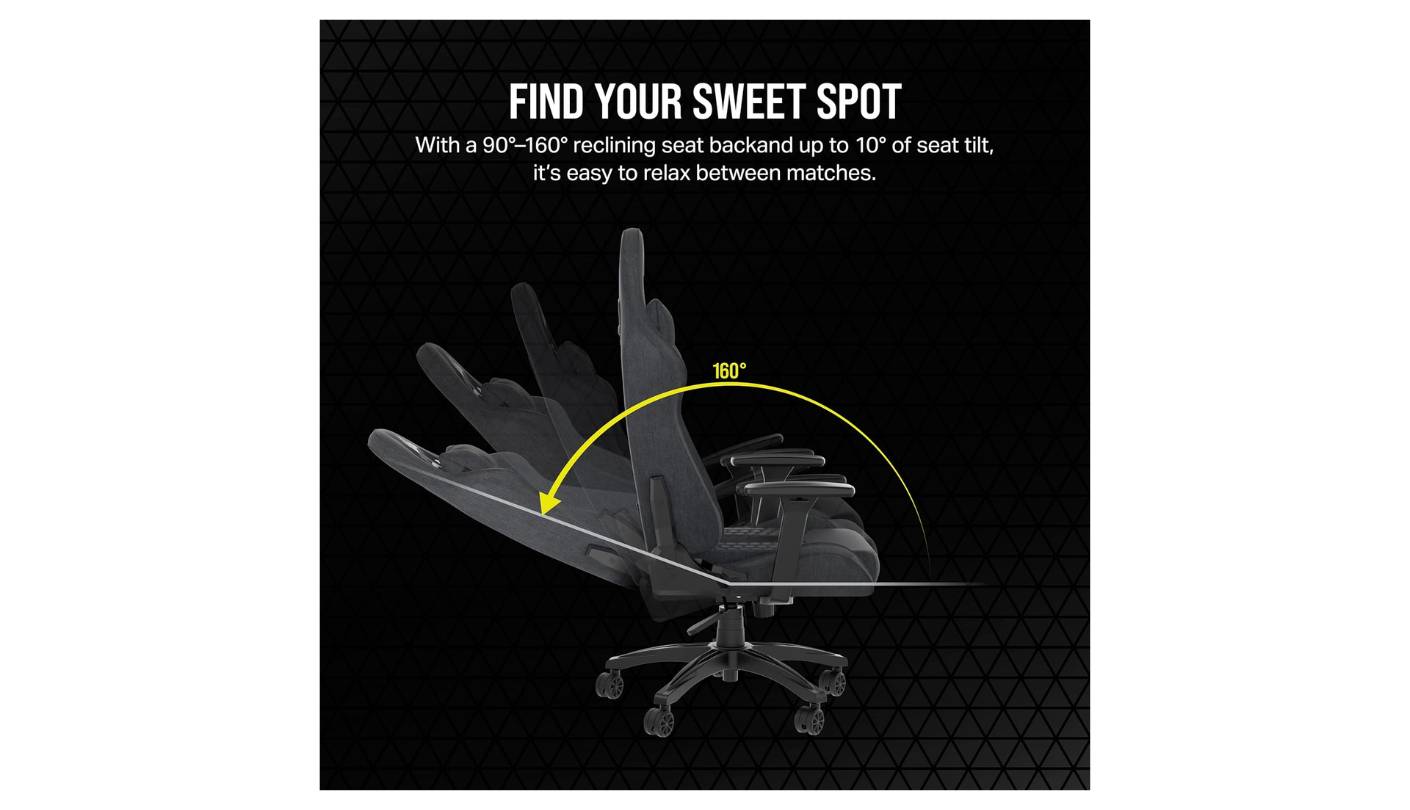
Corsair's 160-degree recline with 10-degree seat tilt gives the TC100 a good range for a budget chair. The tilt mechanism engages before the backrest hinge - meaning you get actual seat movement rather than just a hinging back - which reduces the spinal shear that undercuts comfort in cheaper designs. Over year-long real-world testing by PC Gamer and HotHardware, the TC100's fabric held its shape and retained its softness without the degradation that hits PU leather chairs at the same price point over the same period.
For any gamer who runs warm, games in a warm room, or simply doesn't want to peel themselves off synthetic leather at the end of a summer session, the TC100 is the most direct answer in this price tier. The 2D armrests and slightly short backrest for taller users are the real limitations, but within its intended range - regular-to-large frames, daily gaming and work use, budget-conscious buyers - the TC100 is a clear winner that holds up longer than most of its competitors.
Pros:
- Breathable soft fabric
- Wide backrest design
- 10° seat tilt mechanism
- Memory foam headrest
- Long-term durability
Cons:
- 2D armrests only
- Short backrest for tall users
Summary: Corsair TC100 Relaxed leads the budget tier with breathable soft fabric, a wide comfortable backrest, and a proper seat tilt mechanism. The best value pick for regular-to-large frames who prioritize long-session comfort over premium features.
Dowinx Big & Tall Vintage Gaming Chair Review
Best Overall
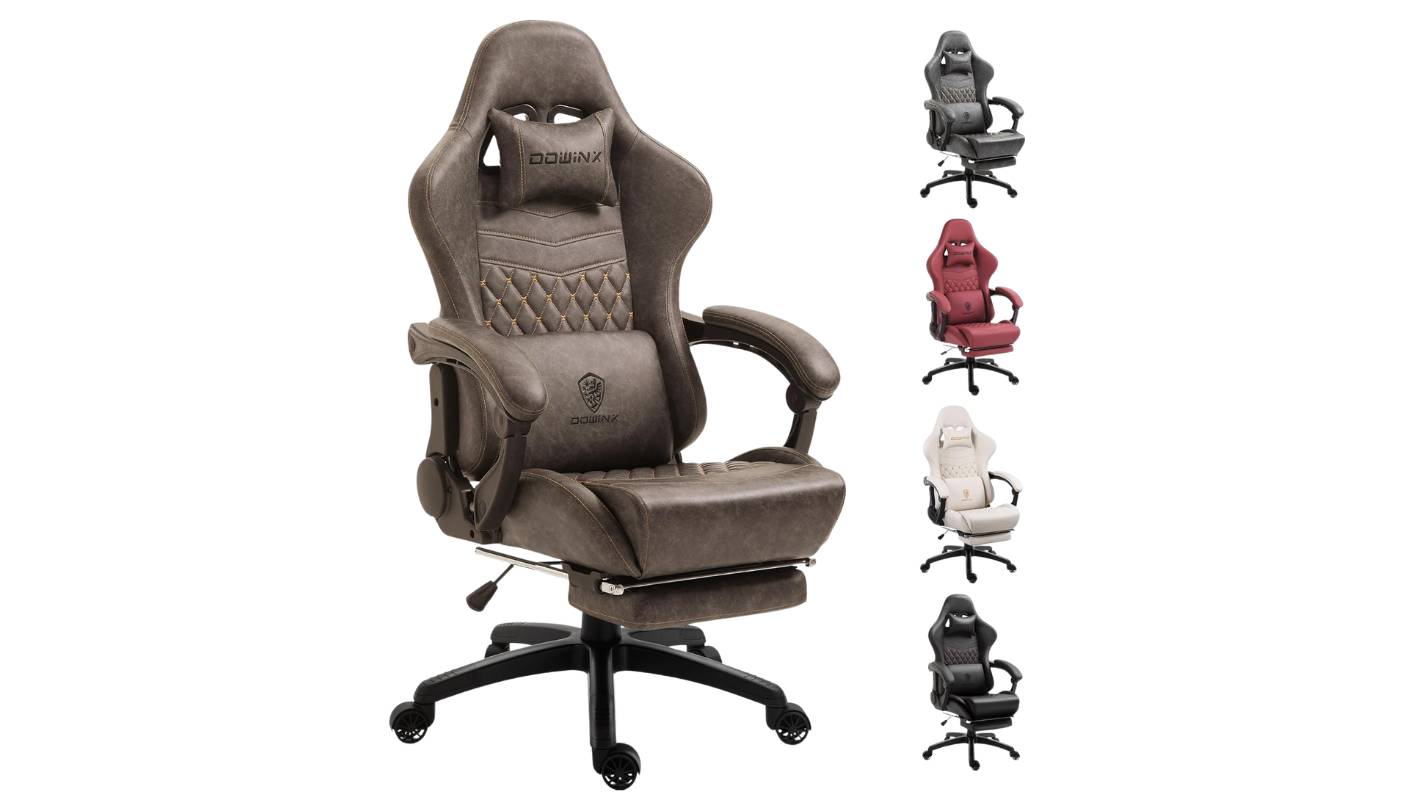
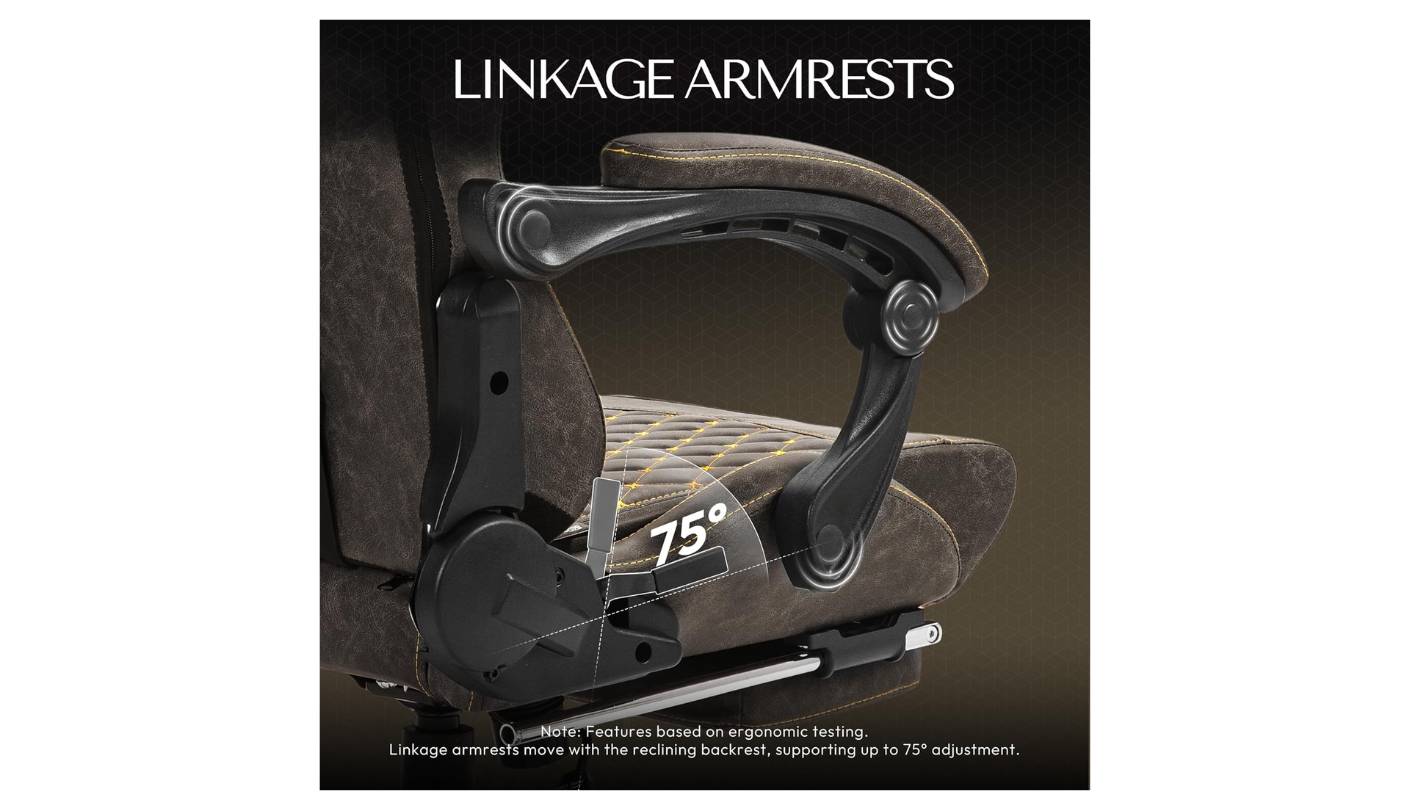
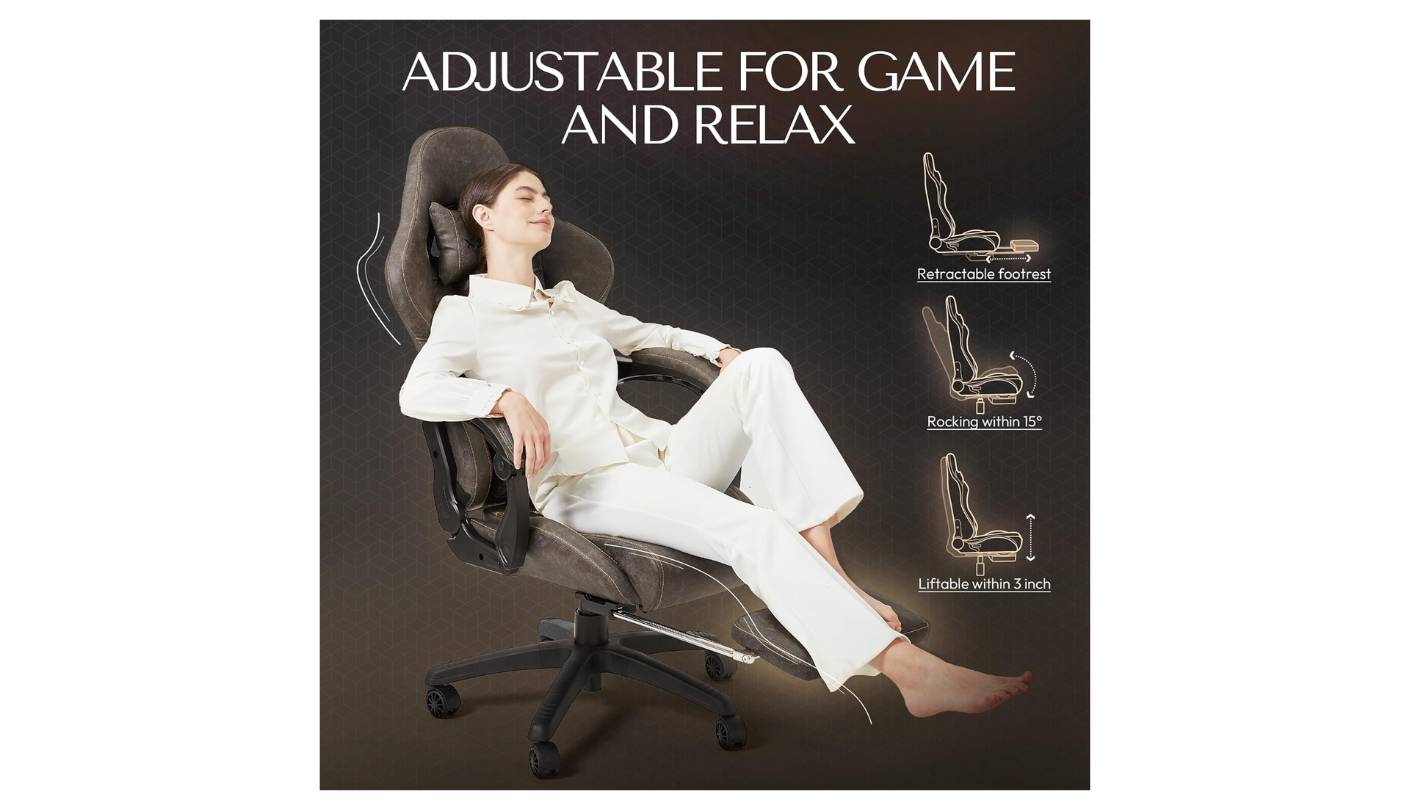
A chair that has been revised 43 times since its 2019 launch based on direct customer feedback is a chair that Dowinx takes seriously. The LS-6689 occupies an unusual position in this category - it packs features that appear on chairs at three times its price into a build that big-and-tall users can actually rely on. The 350-400 lb capacity across variants is backed by a steel frame with a Class 4 gas cylinder and welded joints rather than bolt-on connections, which is why the long-term durability data on this chair is better than most budget competitors in the same load range. The vintage aesthetic - diamond-quilted stitching, perforated PU leather - keeps the design from reading as a generic gaming chair despite the feature list.
The 4D armrests cover up-down, front-back, left-right, and angular rotation - the full range that active gaming postures actually require. Circular bearing integration in the armrest mechanism keeps them stable in the extended position, including when fully reclined to the chair's 170-degree maximum. That recline range, paired with the retractable footrest, turns the LS-6689 into a functional recliner at a fraction of what a dedicated reclining gaming chair costs. For users over 6'2", the footrest functions more as a calf rest than a full leg support - a limitation worth knowing before buying, but one that still meaningfully improves comfort at high recline angles versus no support at all.
The USB-powered vibrating massage function in the lumbar pillow is divisive among users. I find it more useful as a fatigue break during four-plus-hour sessions than as a continuous comfort feature - the vibration intensity is moderate rather than intense, and the battery-free USB design keeps it simple. The noise from the motor at maximum intensity is audible, and in shared spaces it's worth running at a lower setting. Some testers find the lumbar pillow itself over-prominent. For anyone with a larger or longer torso, the LS-6689's wide wing-shaped backrest tends to position the pillow correctly, while shorter users may need more adjustment time to find their preferred placement.
Build longevity at this price point is where Dowinx earns its value case against higher-priced competitors. The 1.0 mm PU leather bonded to polyester mesh has shown minimal cracking at stress points in extended testing - significantly better than the thinner PU used in most sub-$250 chairs. The armrest foam pads are replaceable, the gas cylinder is a standard Class 4 replacement, and the overall serviceability is higher than the category average. Long-term cost of ownership for a well-maintained LS-6689 runs lower than budget chairs with sealed, non-replaceable components.
This is my recommendation when someone needs a big-and-tall chair with real feature depth and a proven frame - not a chair marketed as big-and-tall that handles light use only. The vintage aesthetic is the most personal factor: if diamond-quilted PU leather fits your setup, the LS-6689 overdelivers at its price. If not, the core ergonomic value is the same regardless of colorway, and the range of available options covers most preferences.
Pros:
- 350-400 lb capacity
- 4D armrests
- Retractable footrest
- Massage lumbar pillow
- Serviceable components
Cons:
- Audible massage motor
- Footrest short for tall users
Summary: Dowinx LS-6689 packs 4D armrests, a retractable footrest, massage lumbar, and a 350-400 lb-rated steel frame into the most feature-complete package in this group. The best all-around choice for big-and-tall users who want genuine long-session support at a competitive price.
Secretlab Titan Evo Review
Build Legend
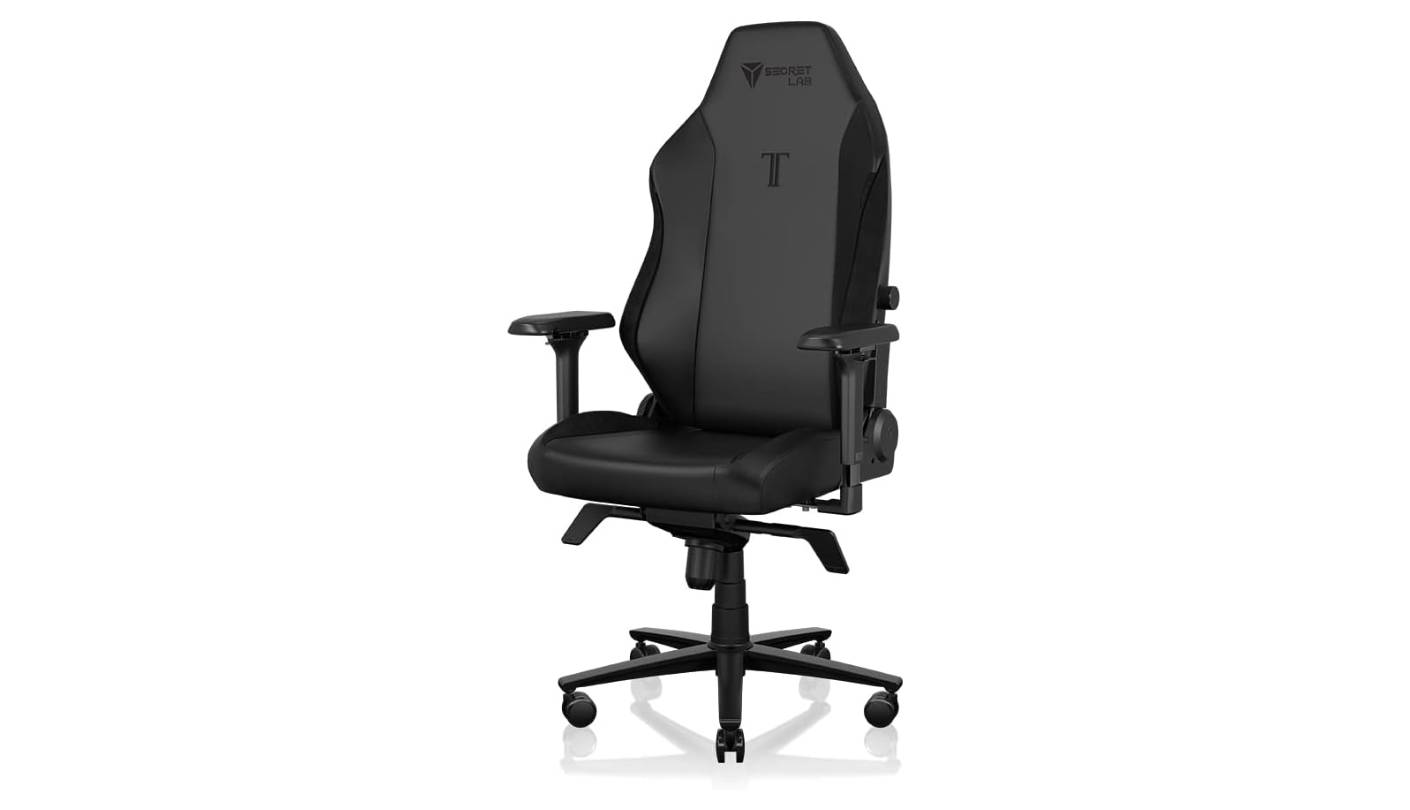
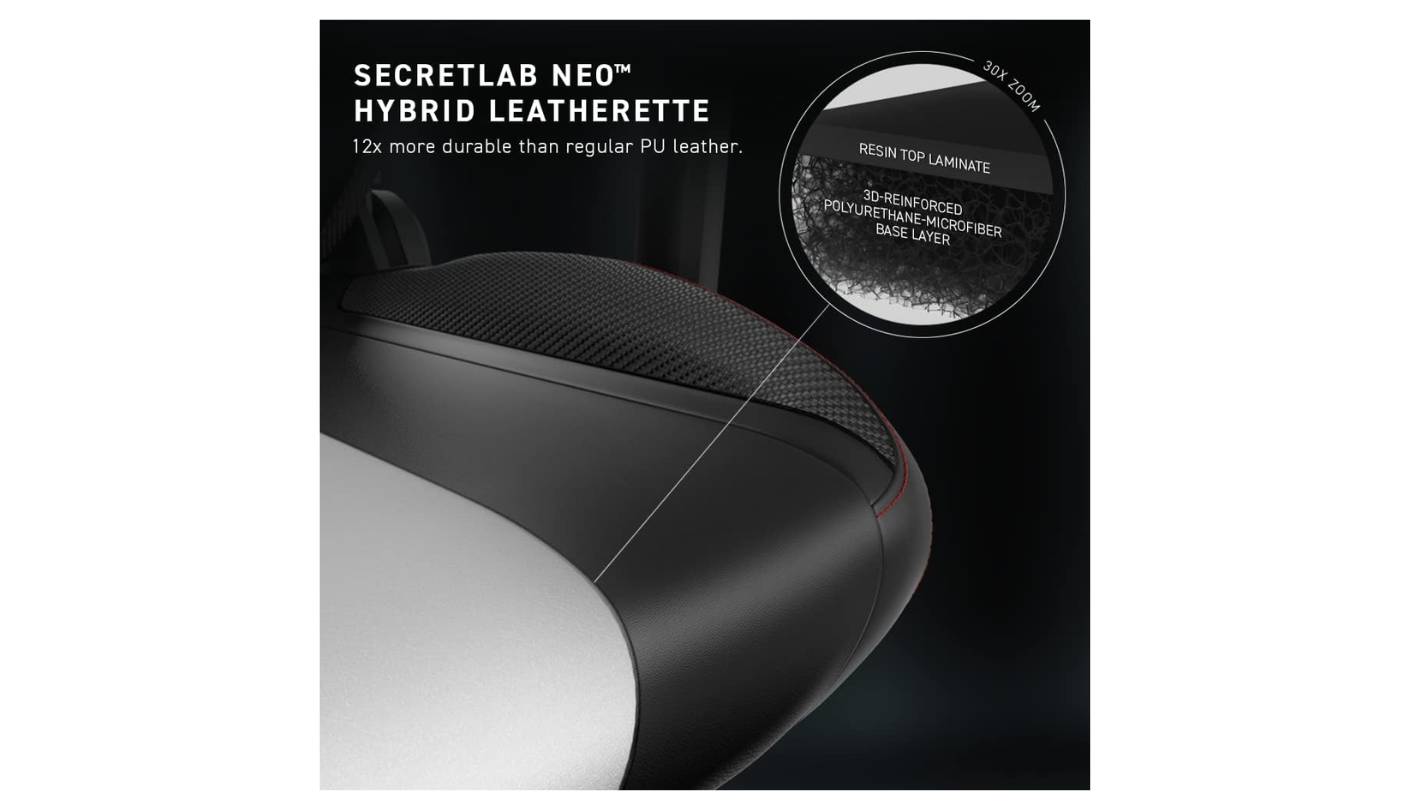
Ten years after Secretlab launched its first Titan, the Evo remains the chair I point people toward when they say they want to buy once and stop thinking about it. The aluminum wheelbase, cold-cure foam seat, and five-year warranty aren't marketing language - they're the practical reason this chair outlasts most alternatives in daily use without developing the structural creaks and cushion collapse that undermine cheaper builds by year two. My unit has been through daily mixed gaming and work use, and the only change from new is a slight softening of the seat foam that reviewers consistently describe as an improvement over the initial firm feel.
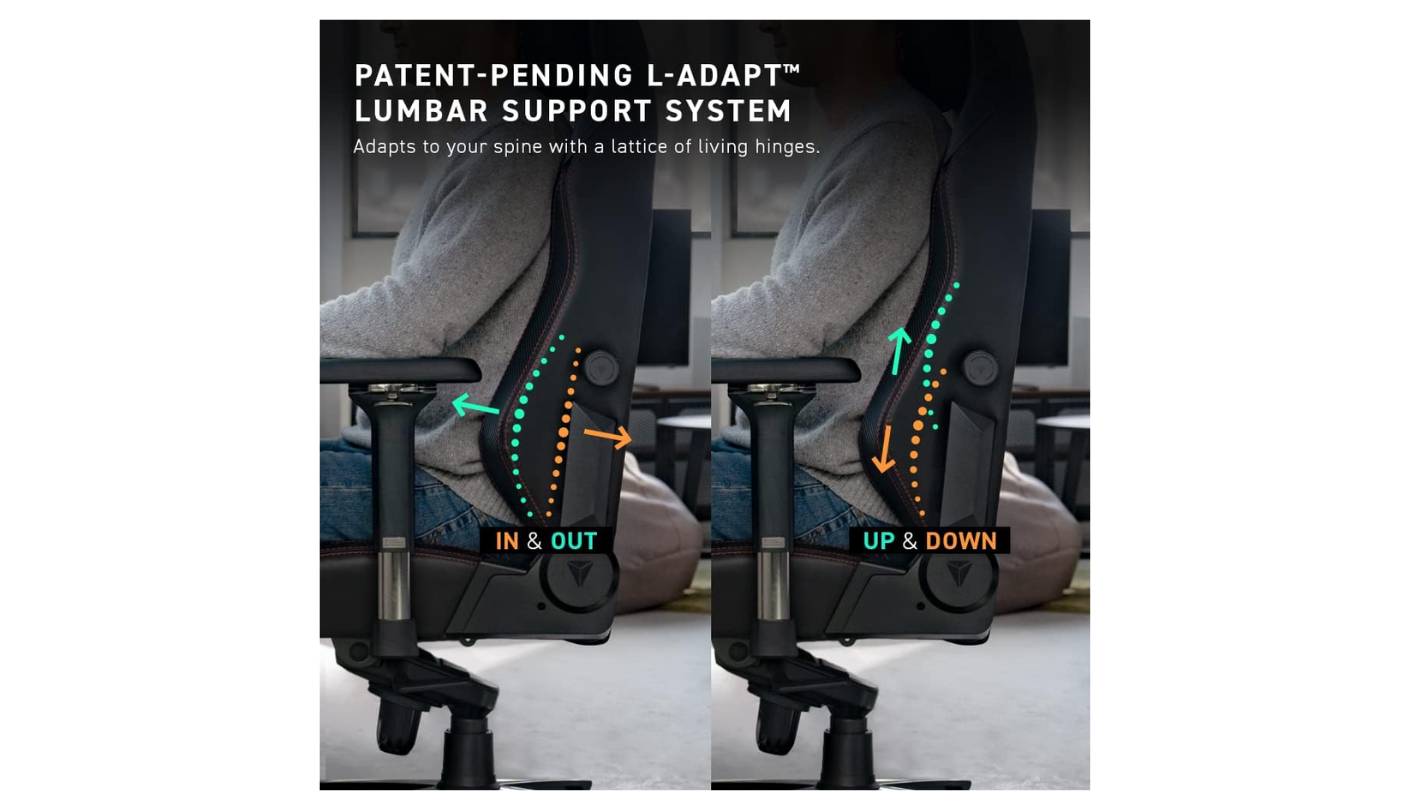
The built-in 4-way adjustable lumbar is what earns the Titan Evo its reputation among gamers with chronic back concerns. Set independently for both height and depth, it holds its position across the full recline range without requiring manual re-positioning between sessions - which is the core failure mode of pillow designs that the Titan Evo eliminates at a structural level. Note the distinction from the Razer Iskur V2's 6D system: the Titan Evo's lumbar stays where you dial it rather than auto-tracking lateral movement. For most users, manually dialed precision is exactly what they want. The magnetic memory foam headrest is the other standout hardware feature: the neodymium attachment slides to exactly the height where your head rests, and the hold is firm enough that it doesn't drift under use.
The CloudSwap magnetic armrest topper system deserves its own paragraph. The 4D armrests adjust in all four planes - height, fore-aft, lateral, and angle - and the magnetic contact surface swaps between standard PU, memory foam, and Technogel toppers without tools. Secretlab sells the premium toppers separately, which is a fair criticism, but the base PU toppers that ship with the chair are better than the armrests on most competing chairs at this price. The Technogel option in particular provides a pressure-distribution feel that's meaningfully better for extended forearm resting during long gaming sessions.
The SoftWeave Plus fabric variant outperforms the NEO Hybrid leatherette for breathability and is worth choosing unless the wipe-clean convenience of leather is a non-negotiable. Available in Small, Regular, and XL sizes, the Titan Evo fits a wider body range than any other chair in this roundup by a clear margin. The small size covers 5'11" frames efficiently, while the XL accommodates broader builds that regular gaming chairs simply don't address. For each size, Secretlab has calibrated the seat depth, backrest curve, and armrest placement independently rather than scaling a single design.
The Titan Evo sits at the price point where the features justify the cost rather than merely reflecting it. Competing chairs at this tier often match individual specifications on paper but fall short on integrated quality - the way the lumbar, headrest, and armrests work together across posture changes is where the Titan Evo separates from the field. If your budget reaches this range and you want a chair that won't need replacing for five or more years, nothing else in this roundup makes a stronger case.
Pros:
- Built-in 4-way lumbar
- Magnetic memory foam headrest
- CloudSwap armrest toppers
- Aluminum wheelbase
- 5-year warranty
Cons:
- Premium toppers sold separately
- High entry price
Summary: Secretlab Titan Evo combines built-in 4-way lumbar, a magnetic memory foam headrest, CloudSwap armrests, and an aluminum wheelbase into the most structurally durable chair in this group. The right long-term investment for serious daily gamers who want to stop buying chairs.
Razer Iskur V2 Review
Posture King
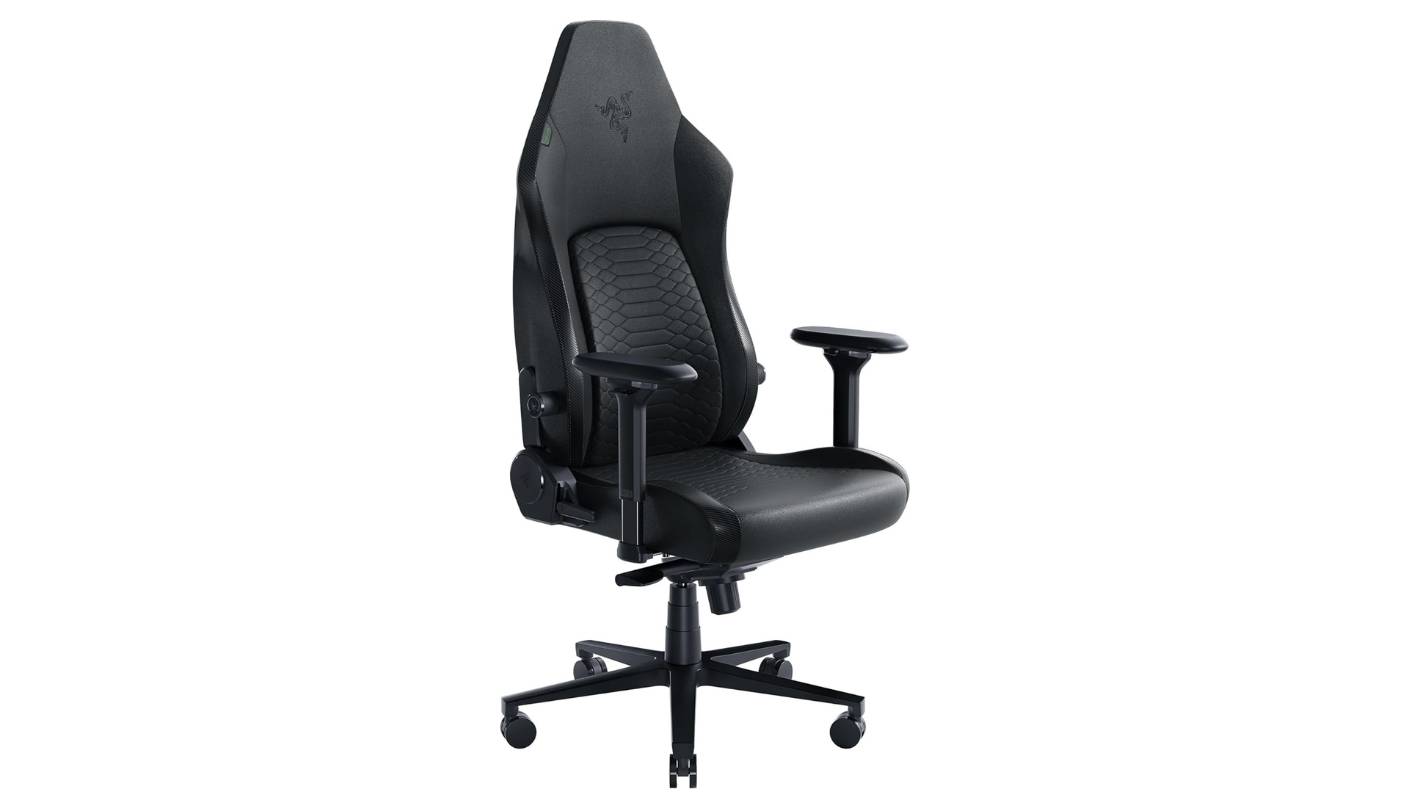
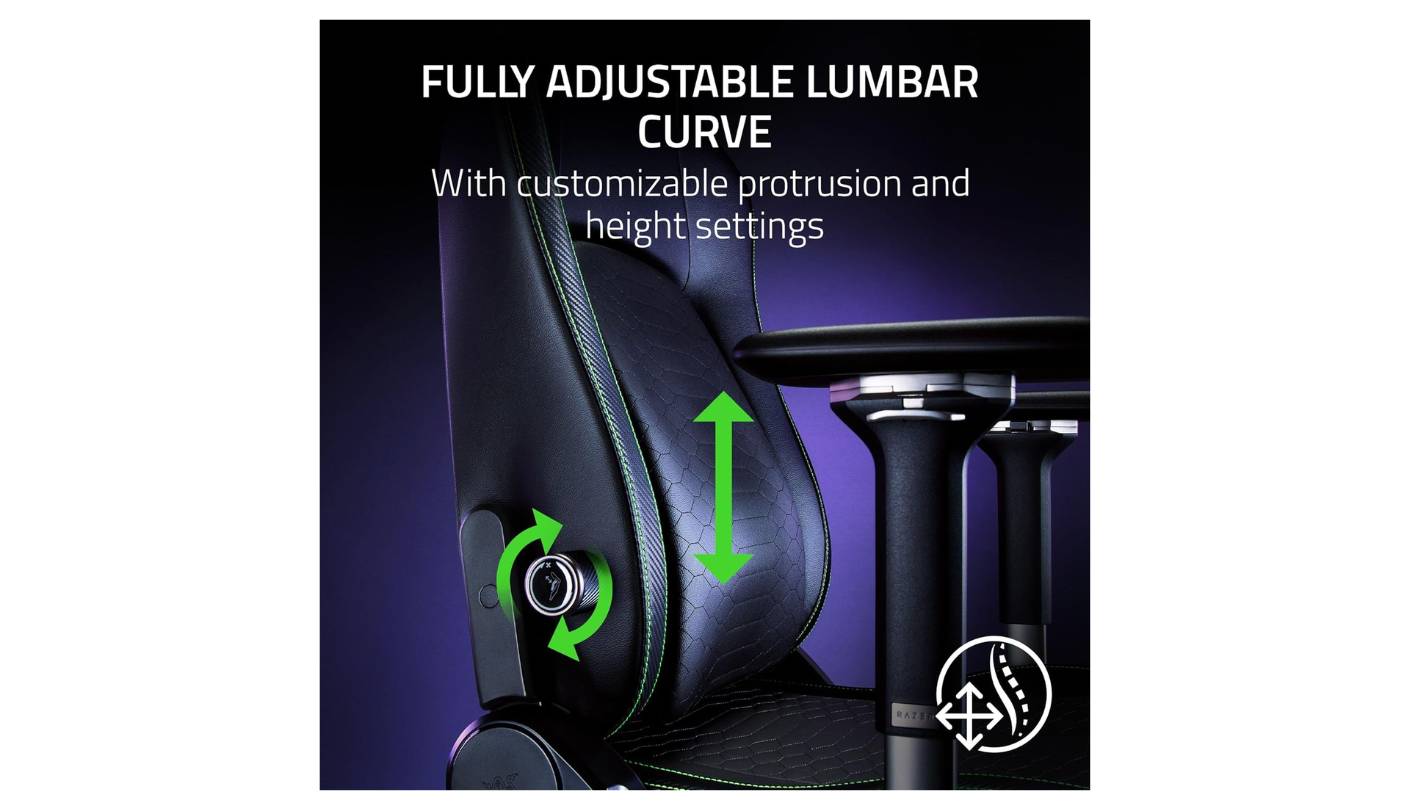
What separates the Razer Iskur V2 from most chairs claiming ergonomic credentials is the specificity of its lumbar engineering. The 6D system adjusts vertically, for depth, and - unlike every other chair in this roundup - swivels 360 degrees to follow lateral body rotation in real time. This last function matters specifically for gamers who sit cross-legged, work with a wide multi-monitor setup, or simply shift between postures throughout a long session. The internal arc follows your spine's curve as you rotate rather than maintaining a fixed pressure point that works for exactly one seating position. Two knurled dials on the chair's sides - left adjusts height, right adjusts depth - feel solid and precise in a way that communicates quality the moment you use them.
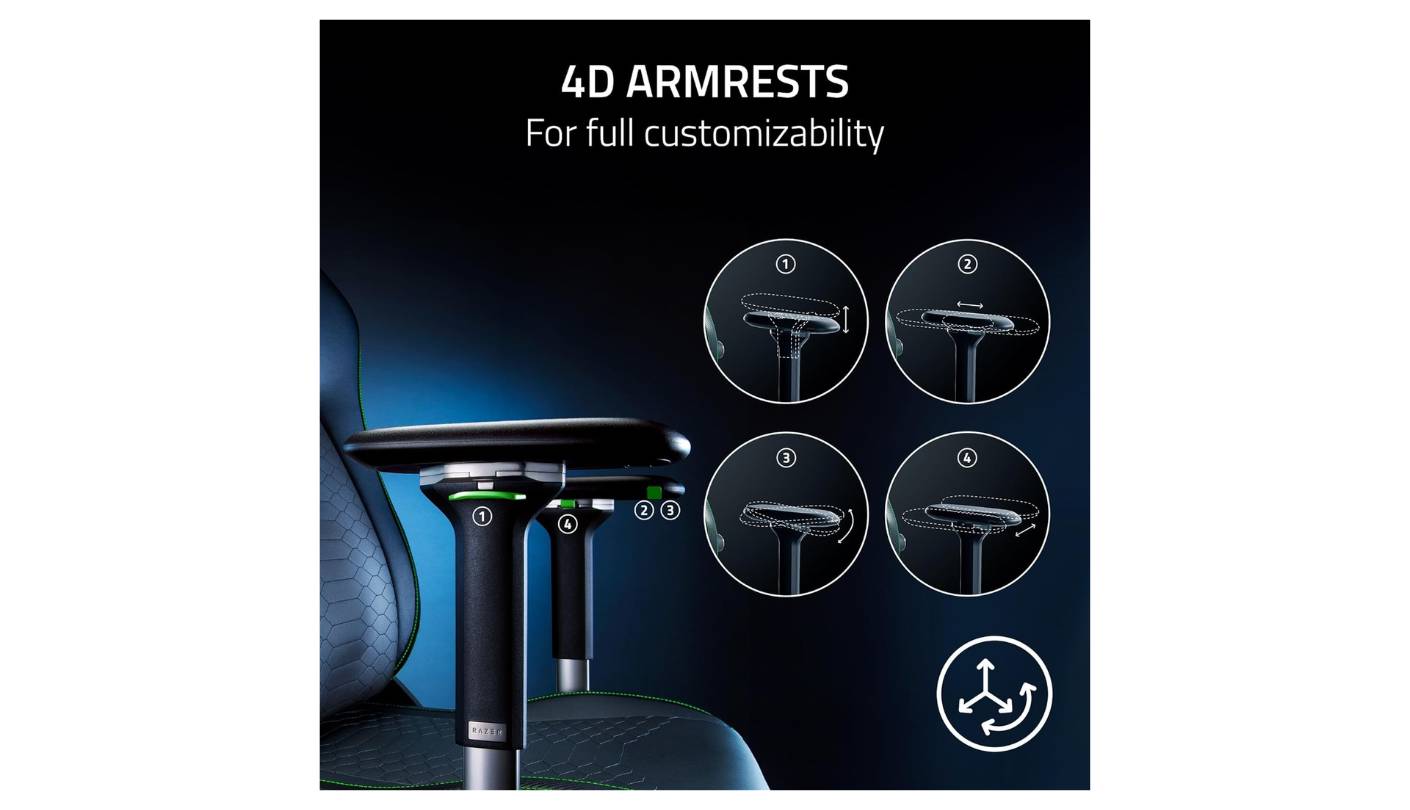
The 4D lockable armrests are another point of distinction from the competition. Standard 4D arms adjust position but don't hold angle under load - you can shift them accidentally by bumping your knee, a problem several reviewers noted with lower-spec Razer models. The Iskur V2's lockable mechanism requires deliberate engagement to move, which means your armrest position stays where you set it for the entire session without drift. The fore-aft range of 40 mm covers the transition between an active keyboard position and a reclined controller posture, and the angular rotation of 50 degrees is wider than most competing 4D designs.
Razer reduced the seat bolsters and widened the base compared to the first Iskur, and the change is meaningful for real-world use. The wider seat accommodates a broader range of sitting positions - including cross-legged - without the bucket-seat constriction that makes narrow gaming chairs uncomfortable for anything but rigidly upright posture. The high-density cold-cure foam sits at a medium firmness that distributes pressure without the initial plushness that compresses quickly in cheaper builds. One caveat worth noting: the integrated lumbar naturally pushes you slightly forward, which makes the seat feel shorter at first than the dimensions suggest. Most testers adapt within a week, and the lumbar contact more than compensates for the adjustment period.
The memory foam headrest attaches via a strap with a plastic quick-release buckle rather than the magnetic system on the Secretlab Titan Evo. This is the Iskur V2's most noticeable step down from its direct competition - the headrest stays put under static conditions but can slip out of position during more active use. Gamers who sit upright with the lumbar providing correct posture often find their head sits above the pillow anyway, making it a non-issue in practice. For anyone who relies on neck support during reclined gaming, the strap adjustment will require occasional attention.
Independent reviewers at TechGearLab rated the Iskur V2 at 10+ hours of comfortable gameplay after extended testing - a figure I've found credible in my own use, with the 6D lumbar doing work that a pillow simply can't sustain over that timeframe. At its rated capacity of 300 lbs and the recommended height range of 5'3" to 6'6", it covers a broad user base. For anyone where lumbar support is the primary concern and auto-tracking integrated engineering matters more than a lower price, the Iskur V2 is the most targeted solution in this roundup.
Pros:
- 6D swivel lumbar system
- 4D lockable armrests
- Wide seat base
- Knurled precision dials
- 300 lb capacity
Cons:
- Strap-attached headrest
- Seat feels short initially
Summary: Razer Iskur V2 brings the most advanced lumbar system in this group - a 6D swivel design that follows lateral body movement in real time - paired with lockable 4D armrests and a widened seat base. The strongest pick for gamers where lower-back support is the top priority.
GTPLAYER Gaming Chair with Footrest Review
Sound Throne
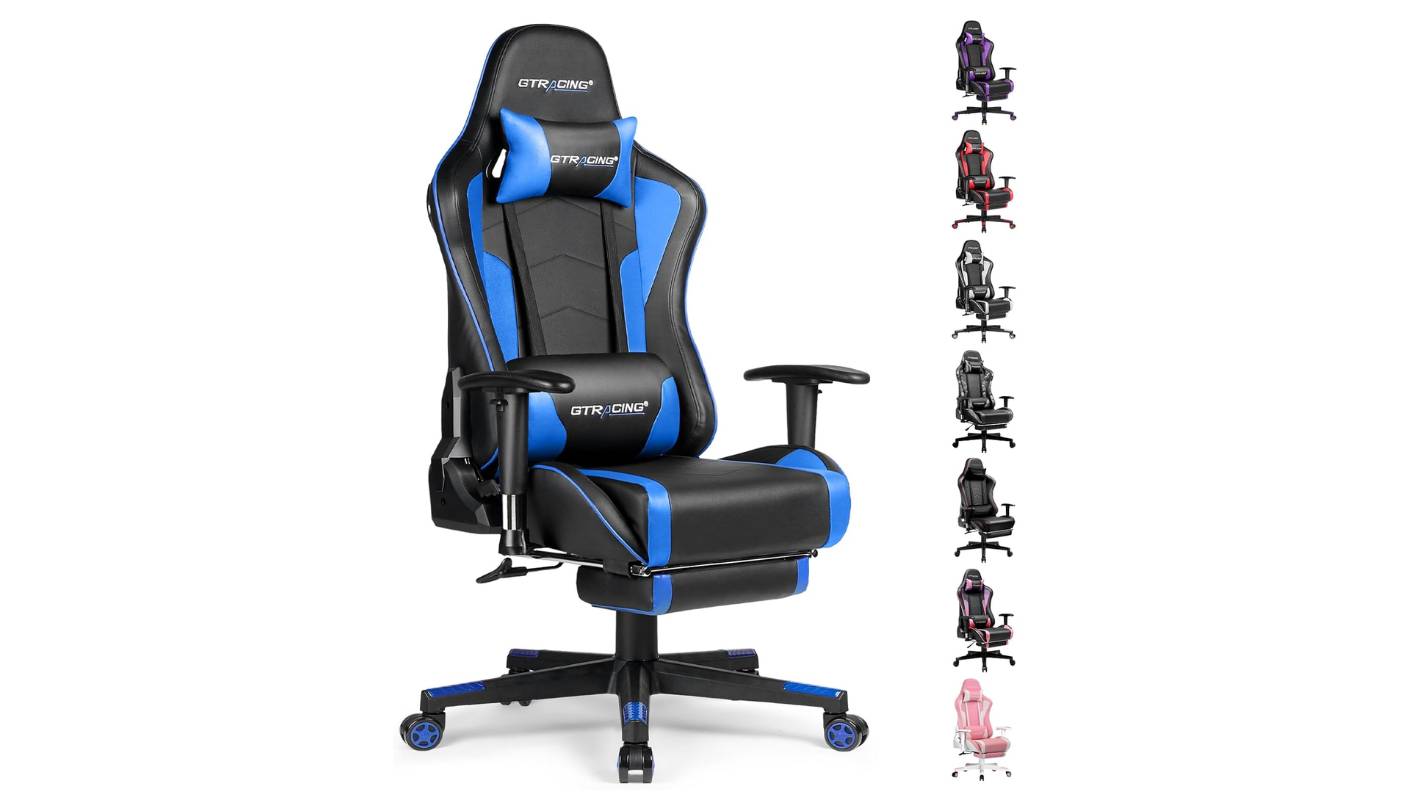
Most gaming chairs make you choose between a seat and a sound system. The GTPLAYER Gaming Chair with Footrest skips that trade-off by building dual Bluetooth 5.1 speakers into the backrest at shoulder height, creating a close-proximity stereo field that headphones don't replicate. Connecting via Bluetooth to a phone or console controller receiver within a 5-meter range is a thirty-second setup, and the 15-hour battery life on the audio system covers an extended session comfortably before needing a USB recharge.
The sound quality from the integrated speakers is better than the spec sheet suggests. At close proximity - sitting in the chair with drivers positioned near shoulder height rather than across the room - the stereo separation and low-frequency response work well for ambient game audio and movie content. Competitive gaming on headphones remains the right call for spatial audio accuracy, but for story-driven games, casual sessions, or background music during late-night play, the speakers create an audio environment that a standard chair simply can't. I've used this configuration for extended single-player sessions where the immersion from speaker proximity is genuinely different from listening across a room.
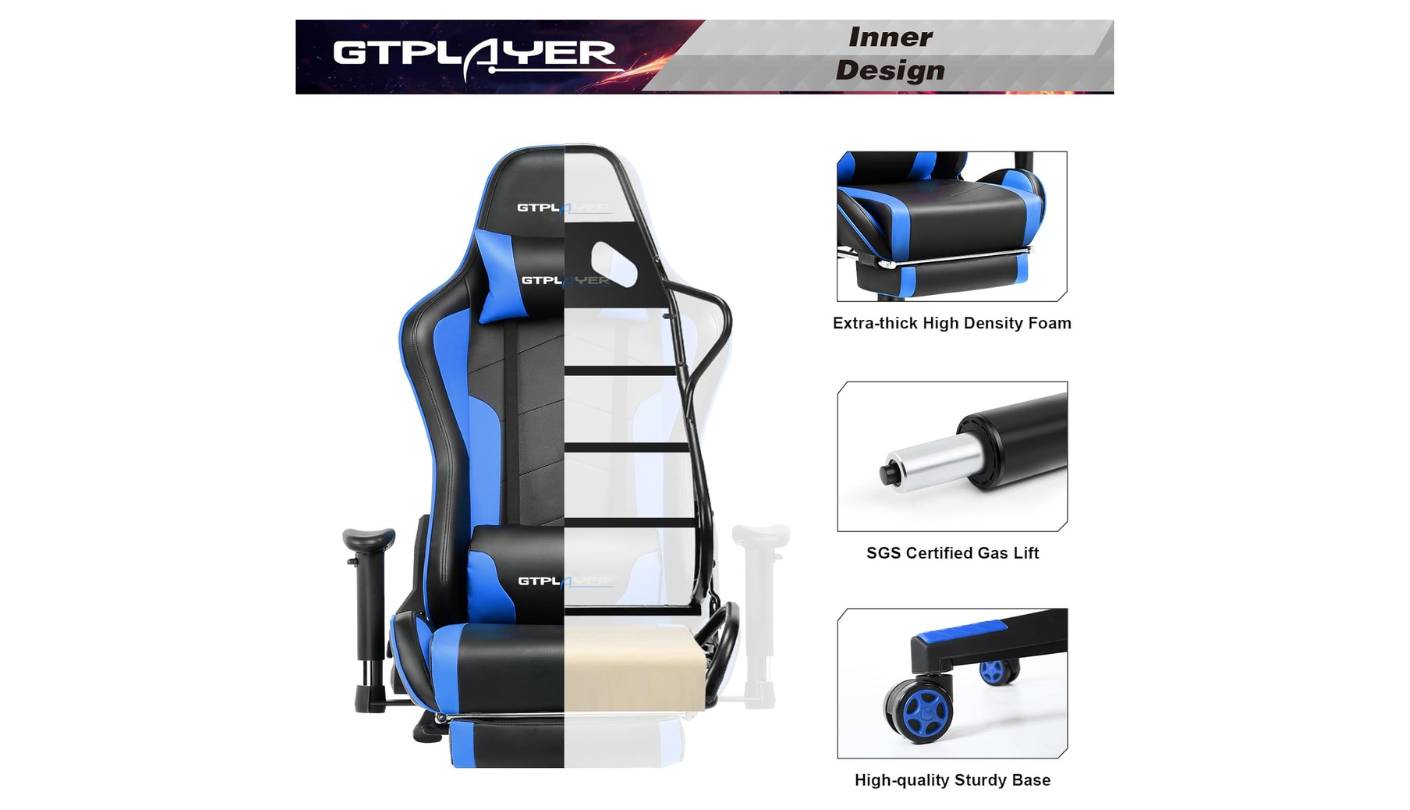
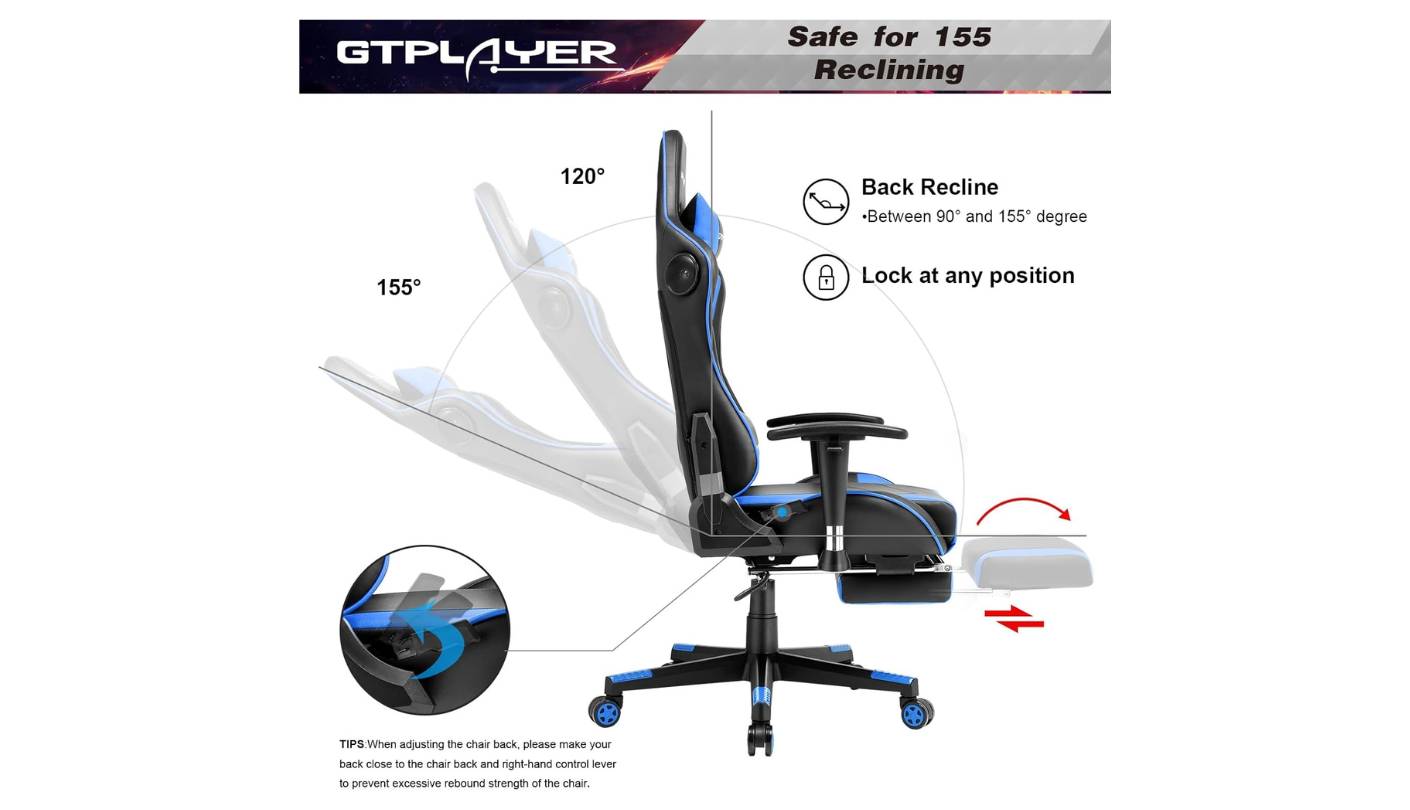
The 90-155 degree recline works through a standard backrest hinge mechanism with a side lever, and the retractable footrest extends to support the lower legs at mid-to-high recline angles. At full 155-degree recline with the footrest out, the GTPLAYER becomes a functional recliner that works for breaks, console gaming, and content watching. The SGS-certified Class 4 gas lift handles up to 330 lbs on a reinforced steel five-point base - a meaningful construction detail at this price that separates it from chairs that claim similar capacity with non-certified cylinders.
The 3D armrests cover height, lateral, and basic angle adjustments without the full 4D fore-aft range of the higher-priced chairs in this group. For the GTPLAYER's primary use case - relaxed gaming, reclined content consumption, and casual sessions - the 3D range is adequate. Users who switch frequently between active keyboard gaming and reclined controller play may want the fore-aft range that only 4D designs offer. The removable headrest and lumbar pillows are standard strap-attached designs, functional for their intended position and unremarkable compared to the integrated systems on the Razer and Secretlab.
The GTPLAYER is the chair I'd recommend to someone whose setup functions as an entertainment center as much as a gaming rig. The Bluetooth speaker integration is useful rather than ornamental, the footrest earns its keep during extended reclined use, and the Class 4 cylinder build quality holds up better than most chairs at its price point. For gamers focused strictly on competitive posture and ergonomic support, one of the other chairs in this group is the better fit. For the casual-to-moderate gamer who wants a feature-rich entertainment seat, the GTPLAYER packs more experience per dollar than anything else here.
Pros:
- Bluetooth 5.1 dual speakers
- Retractable footrest
- SGS Class 4 gas lift
- 155° recline range
- 330 lb capacity
Cons:
- 3D armrests only
- Basic pillow lumbar
Summary: GTPLAYER pairs Bluetooth 5.1 speakers and a retractable footrest with an SGS-certified Class 4 gas lift in a feature-rich package for casual-to-moderate gaming. The best pick for gamers who want an entertainment-focused experience seat over a strict ergonomic setup.
Gaming Chairs for Long Sessions: FAQ
Do gaming chairs actually make a difference for long sessions?
Yes, but the quality of the difference depends entirely on which chair you choose. A budget gaming chair with a passive lumbar pillow will outperform a standard office chair in the first hour, then underperform it as the pillow migrates and the seat foam compresses. A chair with an integrated lumbar system and proper seat tilt - like the Secretlab Titan Evo or Razer Iskur V2 - maintains support across posture changes for multiple hours in a way that budget designs can't. The most accurate way to frame it is that a good gaming chair reduces accumulated fatigue rather than eliminating it. You will still need to move, stretch, and take breaks - a chair doesn't override basic physiology.
Is a fabric or PU leather gaming chair better for long sessions?
Fabric is better for most long-session use cases. It breathes more freely, stays cooler against skin in warm conditions, and holds up better over time than standard PU leather, which tends to crack at stress points after twelve to eighteen months of daily use. The trade-off is cleanability - fabric absorbs spills and stains faster than leather surfaces. Perforated PU leather is a middle option that improves breathability over standard leather while maintaining the wipe-clean convenience. For a chair used eight or more hours daily in a climate-controlled room, fabric is the choice I'd make based on long-term comfort and durability.
What lumbar support type is best for gaming?
For gaming specifically, built-in adjustable lumbar is worth the price premium over removable pillows. Gaming involves more postural variety than standard office work - you shift between leaning forward during competitive play, sitting upright during loading screens, and leaning back during cutscenes and breaks. A pillow supports one of those positions adequately; an integrated system like the Razer Iskur V2's 6D design or the Secretlab Titan Evo's 4-way built-in lumbar maintains contact across all of them. For occasional gamers or shorter sessions under two hours, an adjustable pillow is sufficient. For daily four-plus-hour use, integrated lumbar is the upgrade with the most direct impact on how you feel at the end of a session.
What are 4D armrests and do I need them for gaming?
4D armrests adjust in four directions: height, lateral position, fore-aft, and angular rotation. For gaming specifically, the fore-aft adjustment is the dimension most worth having. A position that works for active mouse and keyboard use at a desk is typically different from the position that supports your arms while holding a controller at a slight recline. 2D armrests (height only) lock you into one compromise between those two positions. For gamers who only play at a desk in an upright position, 2D is sufficient. For mixed gaming and work use, or anyone who shifts posture during sessions, the full four-way range is a real usability improvement - and once you've used it daily, going back to 2D feels like a step backward.
Should I get a gaming chair with a footrest for long sessions?
A footrest is most valuable if you recline past 120 degrees during breaks or casual play. At that recline angle, your legs hang without support unless the chair includes a footrest, which creates circulation issues and lower-back strain that accumulate over time. For gamers who sit upright throughout their sessions and only use recline for brief breaks, a footrest adds bulk without meaningful benefit. For anyone who does extended reclined gaming - console players, story-game enthusiasts, or anyone who uses their chair for movie watching - the retractable footrests on the Dowinx LS-6689 and GTPLAYER make high-recline positions usable rather than just technically possible.
How important is weight capacity in a gaming chair?
Weight capacity matters more for long-term build longevity than for short-term structural safety. A chair rated to your weight will likely hold you safely even if it uses a lower-spec cylinder and frame - but it will degrade faster under daily load at or near its rated limit. I recommend choosing a chair with at least 50 lbs of headroom above your actual weight for daily-use chairs, which gives the frame, cylinder, and foam more margin before wear becomes noticeable. For users over 250 lbs, this makes a purpose-built big-and-tall chair like the Dowinx LS-6689 a more practical choice than a standard gaming chair that technically meets the number.
Can a gaming chair cause back pain?
Yes - the wrong gaming chair can cause back pain even if it's well-built. A chair whose lumbar support hits the wrong point of your spine, whose seat is too shallow for your thigh length, or whose armrests force an elevated shoulder position will create new discomfort even in premium builds. The most common issue I see is lumbar position: a pillow or built-in support that pushes against the upper lumbar rather than the lower lumbar creates fatigue faster than no lumbar support at all. If you switch to a new chair and develop back discomfort within the first week, adjust the lumbar position first before concluding the chair doesn't work for you - proper lumbar placement sits at roughly belt height, against the natural inward curve of your lower back.
How long should a quality gaming chair last?
A quality gaming chair in daily use should last three to five years without major structural degradation, assuming normal care. The gas cylinder and casters are the first components to fail in most chairs - Class 4 cylinders from reputable manufacturers last longer than the budget options used in no-name chairs, and replacement cylinders are available and inexpensive when they do fail. Seat foam degrades on a timeline that depends heavily on density: high-density cold-cure foam like that in the Secretlab Titan Evo and Razer Iskur V2 holds its shape significantly longer than the lower-density foam in budget chairs. For fabric chairs, the upholstery itself typically outlasts the foam underneath it. If a chair starts to feel noticeably different after twelve months, the foam is the first thing to check - and in serviceable designs like the Dowinx LS-6689, replacing individual components costs a fraction of replacing the whole chair.
Choosing the Right Gaming Chair for Long Sessions
The clearest choice in this group runs between ergonomic-first chairs built for posture support and feature-packed chairs built for comfort and immersion. For gamers where back health is the primary concern - daily long sessions, existing lumbar issues, or anyone who has learned the hard way that a cheap chair costs more than it saves - the Secretlab Titan Evo is the strongest long-term investment in this group, and the Razer Iskur V2 is the right answer if auto-tracking 6D lumbar addresses your specific seated posture challenges.
For big-and-tall users who need a chair built for their frame without paying flagship prices, the Dowinx LS-6689 packs more genuine feature depth per dollar than anything else in this category. The Corsair TC100 Relaxed is my recommendation when budget is the constraint and breathable fabric comfort is the priority - it's the best value chair in this group by a real margin. And for the gamer who wants sound, footrest support, and an entertainment-forward setup in one package, the GTPLAYER Gaming Chair with Footrest covers that use case better than any other option here.

Meet James, our go-to tech guru and seasoned reviewer. His sharp attention to detail and love for gadgets drive his deep dives into the newest tech waves. James's insightful analysis and real zest for breakthroughs have earned him a solid reputation in the tech world.


