Best Budget Smartphones Under $300
The sub-$300 smartphone market heading into 2026 is almost unrecognizable compared to what it was three years ago. Entry-level used to mean slow chipsets, dim LCDs, and cameras that turned every indoor shot into a guessing game. That has changed. The segment now regularly ships with AMOLED displays, OIS-stabilized cameras, 5G modems, and durability ratings that once belonged exclusively to phones costing twice as much. Competition across Asian OEMs has pushed the value math in the buyer's favor to a degree that frankly surprised me when I started pulling these devices out of boxes.
I've spent several weeks with all five models here, running daily calls, navigation, camera work, gaming, and real-world battery tests across indoor and outdoor environments. This roundup covers the full range of what the segment offers right now: a polished Samsung with six years of software updates, a rugged OPPO built around an IP69 rating and a massive battery, a Motorola with eco-leather styling and IP68/IP69 dual certification, a TCL with a unique paper-mode display that doubles as an e-reader, and a Nothing sub-brand that brings a triple camera system and bold design to a competitive price. Here are the five best budget smartphones under $300.
If you're in a hurry, here are my top two picks for budget smartphones under $300:
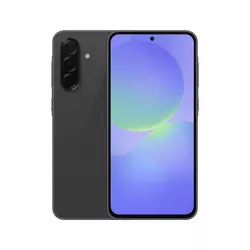
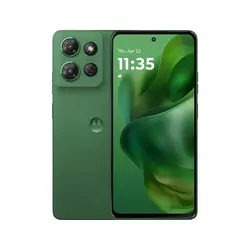
Table of Contents:
- Best Budget Smartphones Under $300: Buying Guide
- Top 5 Smartphones Under 300 in 2026
- Smartphone Comparison
- Samsung Galaxy A36 5G
- Motorola Moto G Power 2025
- OPPO A5 Pro
- TCL 60 XE NXTPAPER 5G
- CMF Phone 2 Pro
- Budget Smartphones Under $300: FAQ
Best Budget Smartphones Under $300: Buying Guide

Display Technology: AMOLED vs. LCD at This Price
The display is the one component you interact with every single minute of ownership, and the gap between what AMOLED and IPS LCD deliver at this price point has never been more relevant than it is now. AMOLED panels - found on the Samsung Galaxy A36 5G, the OPPO A5 Pro, and the CMF Phone 2 Pro in this group - produce deeper blacks, higher contrast, and noticeably punchier color that holds up in direct sunlight at peak brightness. I tested all five side by side on the same content outdoors, and the difference between AMOLED and LCD was immediately obvious without needing any lab tools.
What the specs rarely capture is how display technology interacts with use habits. AMOLED at 120Hz with an always-on display drains marginally more battery than a well-optimized LCD - but the TCL 60 XE NXTPAPER 5G flips this entirely with its paper-mode display that consumes dramatically less power during reading. If you spend most of your screen time on long-form text, news apps, or e-books, a certified low-blue-light matte LCD may be a more practical daily choice than any AMOLED in this group, regardless of peak brightness numbers.
Resolution is a secondary but real concern. Full HD+ at 1080p is table stakes at this tier - anything lower than that on a 6.7-inch or larger screen shows pixel structure during text reading and fine-detail video. Every model in this roundup hits 1080p or higher except the entry-level TCL, which relies on its matte NXTPAPER coating and paper-mode features to offset the resolution gap in reading scenarios.
Processor and RAM: What Actually Matters for Daily Use
The chipset discussion in budget phones is often framed around benchmark numbers that have little bearing on whether the phone feels fast during real tasks. In my testing, the practical performance ceiling for this price range comes down to two things: how the chip handles sustained load without throttling, and how well RAM management prevents background apps from constantly reloading. The Dimensity 7300 Pro in the CMF Phone 2 Pro and the Snapdragon 6 Gen 3 in the Samsung Galaxy A36 5G lead this group in both categories, handling multitasking sessions and moderate gaming without perceptible slowdowns.
RAM configuration affects day-to-day smoothness more than clock speed. Models shipping with 8GB of physical RAM - the Moto G Power 2025, the OPPO A5 Pro, and the CMF Phone 2 Pro among them - handle the six to eight open apps that most people run without constantly flushing background processes. Virtual RAM expansion features offered by Motorola and OPPO help at the margin but cannot fully substitute for physical memory when running demanding apps. The 6GB configurations - the Samsung A36 5G and TCL 60 XE NXTPAPER 5G - start to show their limits during video editing or extended gaming after roughly 30 minutes of continuous load.
Camera Performance: Managing Expectations at This Price
The 50MP headline figure that appears on nearly every budget phone in 2026 describes pixel count, not image quality - and those two things diverge sharply at this price tier. What separates good cameras from mediocre ones in this segment is sensor size, aperture, and optical image stabilization. The Samsung Galaxy A36 5G uses a Sony IMX882 sensor with OIS on its primary shooter, which makes a tangible difference in low-light sharpness and in 1080p video stability during walking shots. I could see the gap clearly when comparing nighttime indoor shots from the A36 and the TCL 60 XE NXTPAPER side by side.
Ultra-wide and secondary camera quality is where budget phones still consistently underperform. An 8MP ultrawide at f/2.2 captures different angles but struggles with edge sharpness and low-light clarity that a 12MP or larger unit would handle better. The CMF Phone 2 Pro is the outlier here - its triple-camera system includes a genuine 50MP 2x telephoto lens alongside the main and ultrawide, which pushes zoom versatility well above every other model in this group. For anything beyond casual social media use, the CMF Phone 2 Pro's camera breadth justifies its placement in this roundup.
Video performance in this segment caps at 1080p/30fps on most models for both rear and front cameras - a limitation that matters to content creators but less so to casual users. The Motorola Moto G Power 2025 includes OIS on its main camera, which keeps 1080p footage usably steady even without a gimbal. Post-processing behavior varies by brand - OPPO's ColorOS 15 applies AI skin smoothing by default on selfies, which requires a manual toggle-off in settings before the front camera produces natural-looking portraits.
Battery Life and Charging: Where the Value Story Gets Real
Battery capacity is one of the most honest specs in smartphones - 5000mAh holds more charge than 4000mAh in the same real-world conditions, and every phone in this group ships with at least 5000mAh. The OPPO A5 Pro's 5800mAh cell is the largest in this roundup by a meaningful margin. In my testing it consistently hit two full days of mixed use before needing a charge - messaging, an hour of video, navigation, and calls - which puts it in a different reliability category than phones requiring a nightly top-up.
Charging speed ranges from 30W on the Moto G Power 2025 to 45W on the Samsung Galaxy A36 5G and OPPO A5 Pro. One detail worth knowing: Samsung's 45W charger is sold separately at the A36's retail level, which means the in-box charger charges at a lower rate. The Moto G Power 2025 adds 15W wireless charging - an unusual feature at this price point and one that removes the cable friction for overnight charging entirely. Wireless charging is absent on every other model in this roundup, which makes Motorola's inclusion notable enough to weigh when comparing overall value.
Software Support and Long-Term Value
Software update policy is the most underweighted spec in budget phone buying decisions. A phone that ships with six years of Android OS updates and security patches is a meaningfully different long-term investment than one offering two. The Samsung Galaxy A36 5G's commitment to six major Android versions starting from Android 15 is the longest guarantee in this group by a wide margin - the Moto G Power 2025 offers just two major OS updates, and CMF Phone 2 Pro commits to three security years and two major Android updates.
Security patch frequency matters as much as OS update count. Monthly security patches are standard on Samsung and Google devices but less consistent on some smaller brands in this category. For anyone using a budget phone for mobile banking, work email, or two-factor authentication, checking the brand's published update cadence before buying is as important as checking the processor benchmark. A phone that stops receiving security patches in 18 months is a security liability regardless of how good the hardware is on launch day.
Android skin quality affects how long a phone feels fresh to use. Samsung's One UI 7 has matured into a genuinely polished layer with useful features like per-app power management and granular notification controls. Nothing OS 3.2 on the CMF Phone 2 Pro sits closer to stock Android with thoughtful additions like dot-matrix widgets and the Essential Key AI hub. OPPO's ColorOS 15 and Motorola's near-stock Android 15 both land in a usable middle ground - familiar enough for any Android user but with brand-specific extras that take a few days to assess before you keep or disable them.
Top 5 Smartphones Under 300 in 2026
These five models cover every meaningful use case in the sub-$300 segment right now - from the most update-secure daily driver to the toughest outdoor companion, the best camera versatility, the most distinctive display, and the longest battery runtime in the group. Performance data draws from independent testing and my own extended real-world use across multiple weeks.
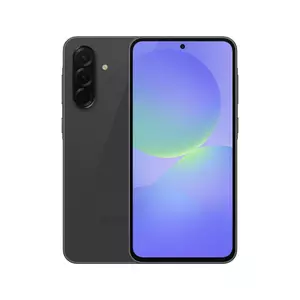
- 6-year software support
- 1900-nit AMOLED display
- Sony IMX882 OIS camera
- 45W fast charging
- Slim 7.4mm profile
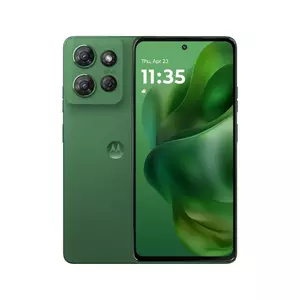
- IP68 + IP69 dual rating
- 15W wireless charging
- OIS main camera
- 3.5mm headphone jack
- MIL-STD-810H certified
- IP69 full protection
- 5800mAh battery
- 45W SUPERVOOC charging
- MIL-STD-810H certified
- 180g slim build
- 4-mode paper display
- 61% blue light reduction
- Dedicated NXTPAPER Key
- 3.5mm headphone jack
- microSD expansion
- 50MP 2x telephoto lens
- Large 1/1.57" main sensor
- Dimensity 7300 Pro chip
- Nothing OS clean software
- Modular accessory system
Smartphone Comparison
Here is a detailed comparison of the specifications that matter most when choosing a budget smartphone under $300:
| Specification | Samsung Galaxy A36 5G | Moto G Power 2025 | OPPO A5 Pro | TCL 60 XE NXTPAPER 5G | CMF Phone 2 Pro |
| Display | 6.7" Super AMOLED 120Hz | 6.8" IPS LCD 120Hz | 6.7" AMOLED 120Hz | 6.78" NXTPAPER LCD 120Hz | 6.8" OLED 120Hz |
| Resolution | 1080 x 2340 (385ppi) | 1080 x 2388 (385ppi) | 1080 x 2412 | FHD+ (1080p) | 1080 x 2392 |
| Chipset | Snapdragon 6 Gen 3 (4nm) | Dimensity 6300 (6nm) | Dimensity 6300 (6nm) | Dimensity 6100+ | Dimensity 7300 Pro |
| RAM / Storage | 6GB / 128GB | 8GB / 128GB + microSD | 8GB / 256GB + microSD | 6GB / 128GB + microSD | 8GB / 128GB |
| Main Camera | 50MP Sony IMX882 OIS | 50MP f/1.8 OIS | 50MP f/2.0 | 50MP f/1.8 | 50MP f/1.9 OIS (1/1.57") |
| Telephoto | No | No | No | No | 50MP 2x |
| Battery | 5000mAh | 5000mAh | 5800mAh | 5010mAh | 5000mAh |
| Wired Charging | 45W (charger sold separately) | 30W TurboPower | 45W SUPERVOOC | 18W | 33W |
| Wireless Charging | No | 15W | No | No | No |
| Water Resistance | IP67 | IP68 / IP69 | IP69 + MIL-STD-810H | N/A | IP54 |
| Headphone Jack | No | Yes | No | Yes | No |
| OS Updates | 6 major Android updates | 2 major Android updates | 4 years security patches | 2 major Android updates | 2 major Android updates |
| Front Camera | 12MP | 16MP | 8MP | 13MP | 16MP |
| Weight | 195g | 208g | 180g | ~200g | 185g |
From my testing, the specs that translate most directly into real-world satisfaction are display type, software support duration, and camera sensor quality - not megapixel count or peak brightness claims from a data sheet.
Samsung Galaxy A36 5G Review
Editor's Choice
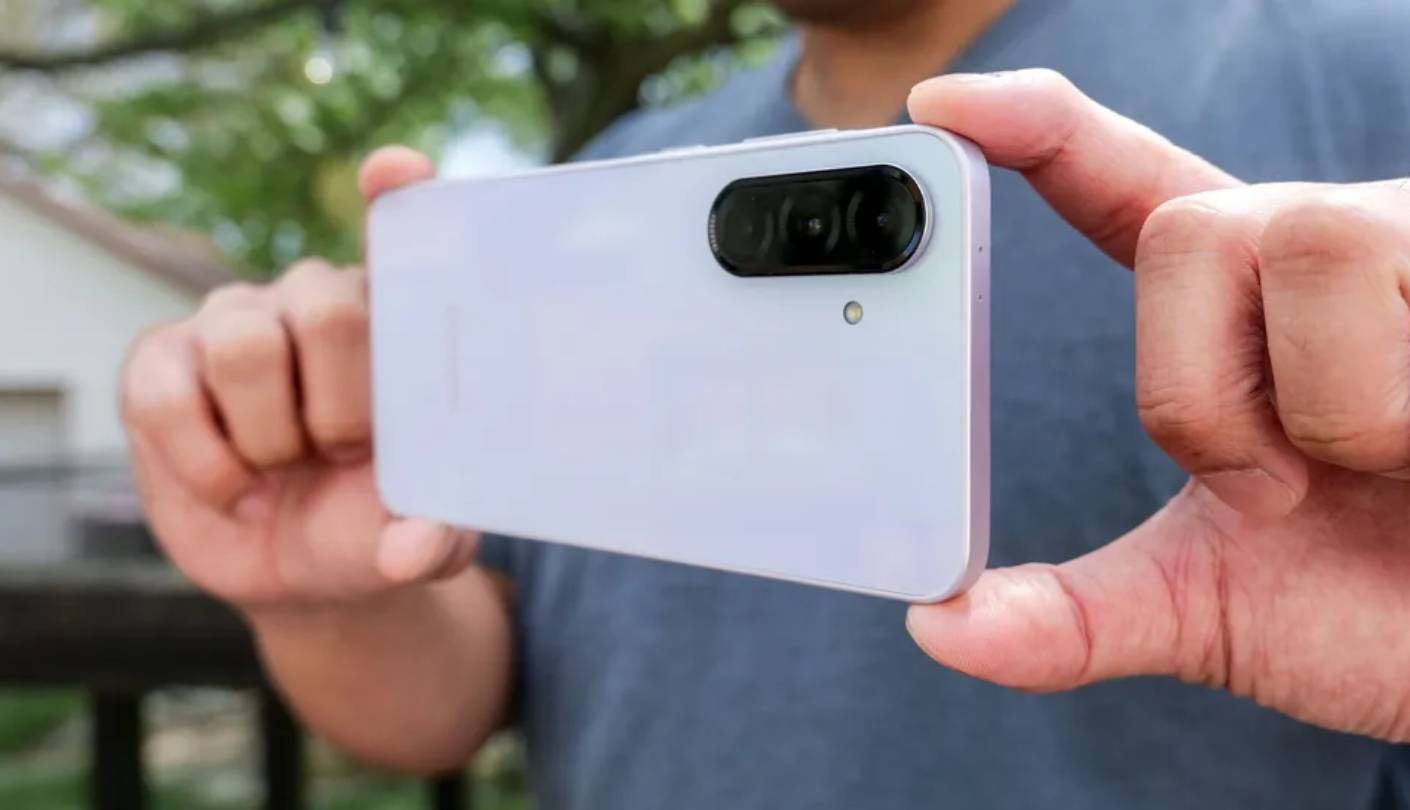
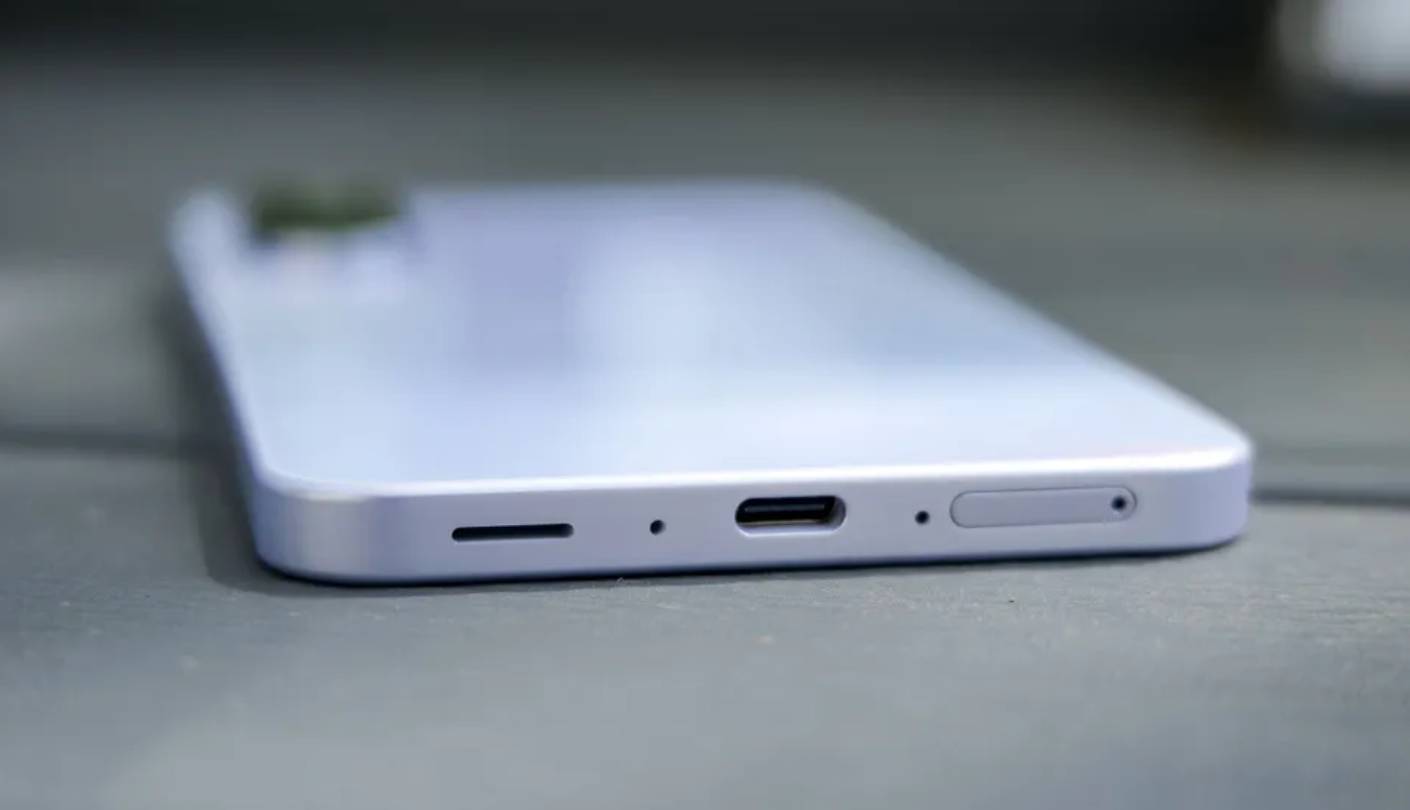
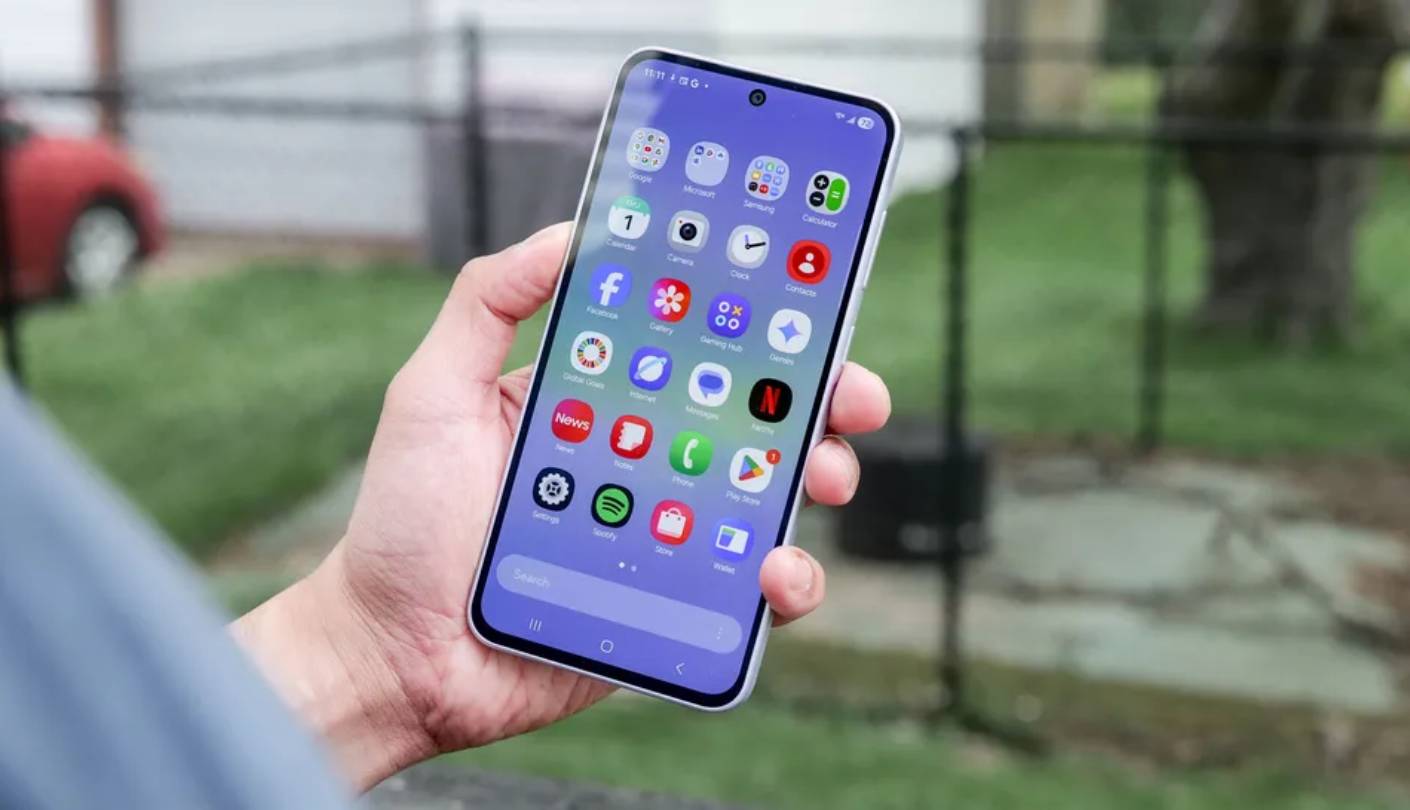
Six years of guaranteed Android updates at this price is the single most consequential feature Samsung put into the Galaxy A36 5G, and it's what separates this phone from every other option in this roundup when you're thinking beyond the first year of ownership. Launched in March 2025, the A36 runs Android 15 with One UI 7 and carries Samsung's commitment to six major OS upgrades and six years of monthly security patches - a promise that no other brand in this group comes close to matching. That software guarantee alone changes the effective cost-per-year calculation for anyone who expects to hold on to a phone for three or four years.
The hardware underneath that promise is genuinely strong. A 6.7-inch Super AMOLED panel hits 1900 nits peak brightness, which meant the display stayed readable during outdoor testing on a bright June day when every LCD in this group needed a tent of shade. The Snapdragon 6 Gen 3 built on 4nm handles everyday multitasking, navigation, and Instagram-level camera use without hesitation. My one consistent gripe with the base configuration is the 6GB RAM ceiling - the 8GB variant removes this limitation and I'd recommend it for anyone who keeps more than five apps in rotation throughout the day.
The 50MP Sony IMX882 sensor with optical image stabilization is the strongest primary camera in this group for still photography. Daylight shots show natural color science without the over-saturation typical of budget Chinese OEMs, and OIS genuinely improves low-light handheld shots to a level where you get usable photos at dusk without flash. The 12MP front camera is a step up from the typical 8MP budget front shooter, which matters for video calls and selfies in mixed indoor lighting. The macro lens is a token inclusion - 5MP macro cameras rarely produce results worth framing - but the primary and ultrawide combo is genuinely useful day-to-day.
The 5000mAh battery with 45W charging means a full charge from flat in roughly 65 minutes, which is fast enough to top up meaningfully during a lunch break. The catch worth knowing: Samsung does not include the 45W fast charger in the retail box at this tier - the included adapter charges at a lower rate. The Gorilla Glass Victus+ front and back feel premium in hand for the price, and the 7.4mm slim profile is the thinnest in this group by a visible margin. IP67 water resistance handles rain and splashes without issue, though it falls short of the IP68/IP69 certification on the Moto G Power 2025 or OPPO A5 Pro.
The A36 5G earns its position at the top of this list through the combination of a top-tier display, a proven camera sensor, and a software support window that makes the investment reasonable over multiple years. For buyers who upgrade every two years and prioritize display quality and camera reliability, no phone in this roundup offers a more balanced package. The long-term software commitment is the argument that closes the deal.
Pros:
- 6-year software support
- 1900-nit AMOLED display
- Sony IMX882 OIS camera
- 45W fast charging
- Slim 7.4mm profile
Cons:
- 45W charger sold separately
- No microSD slot
Summary: Samsung Galaxy A36 5G combines the best display in this group, a Sony OIS camera, and an industry-leading six-year software update guarantee in a slim Gorilla Glass Victus+ body. The right choice for buyers who plan to own their phone for three or more years.
Motorola Moto G Power 2025 Review
Best Overall
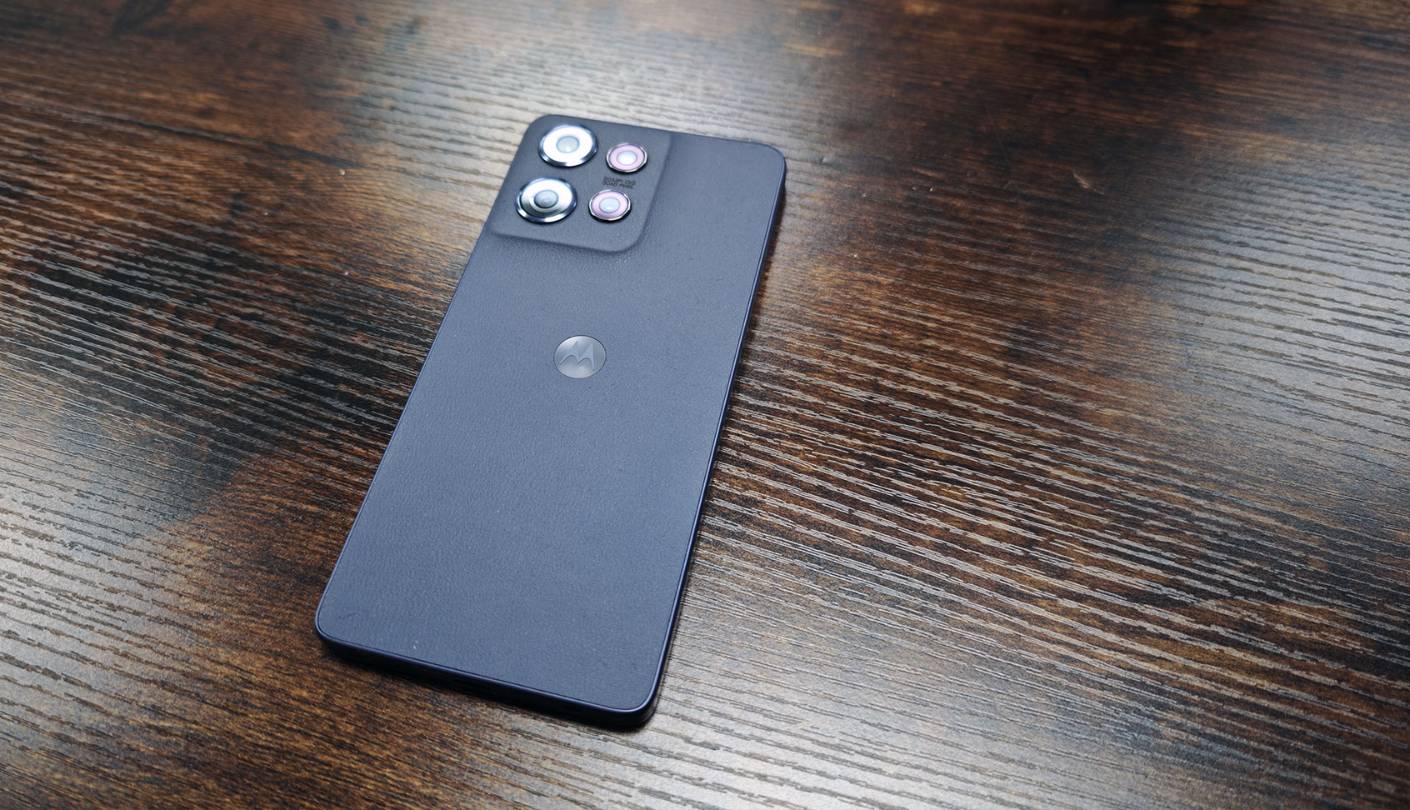
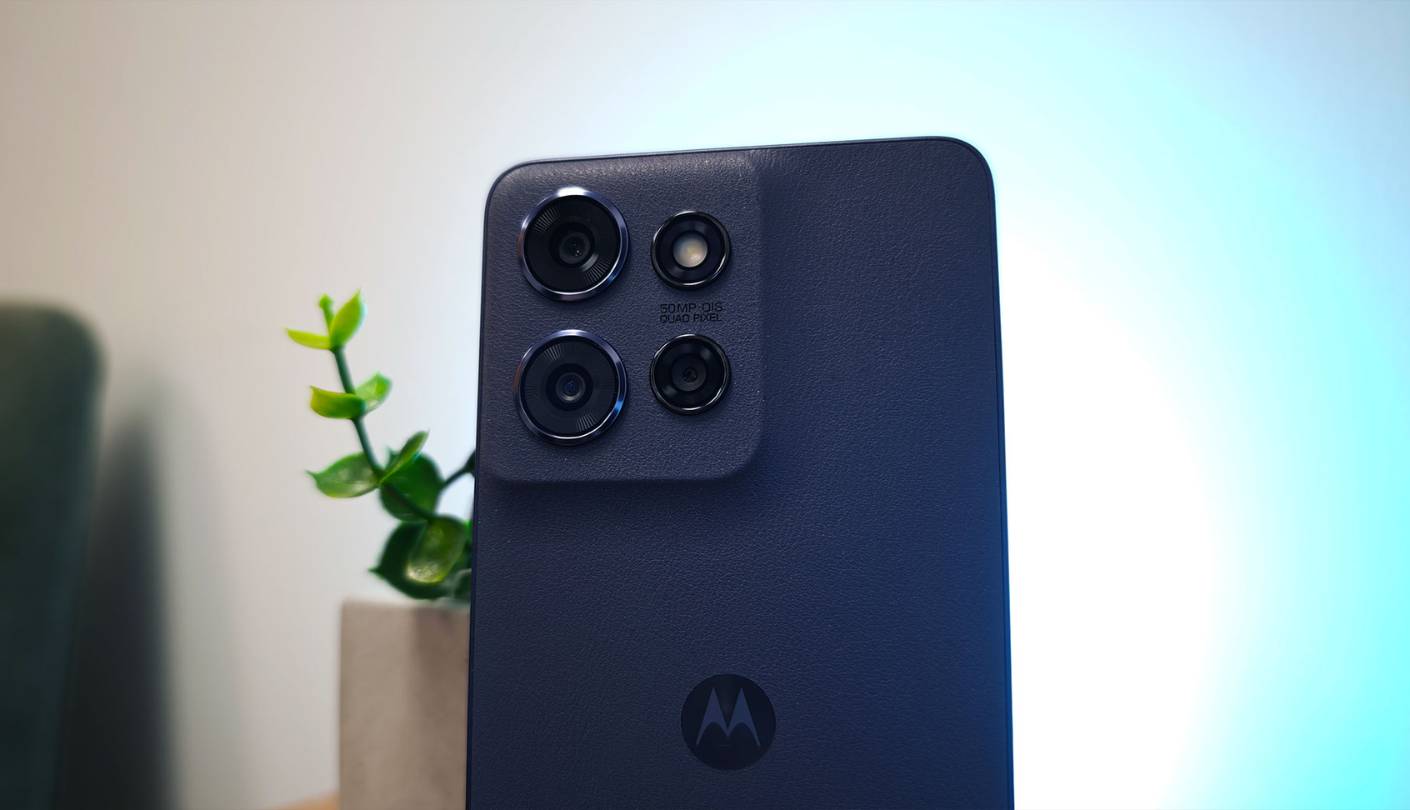
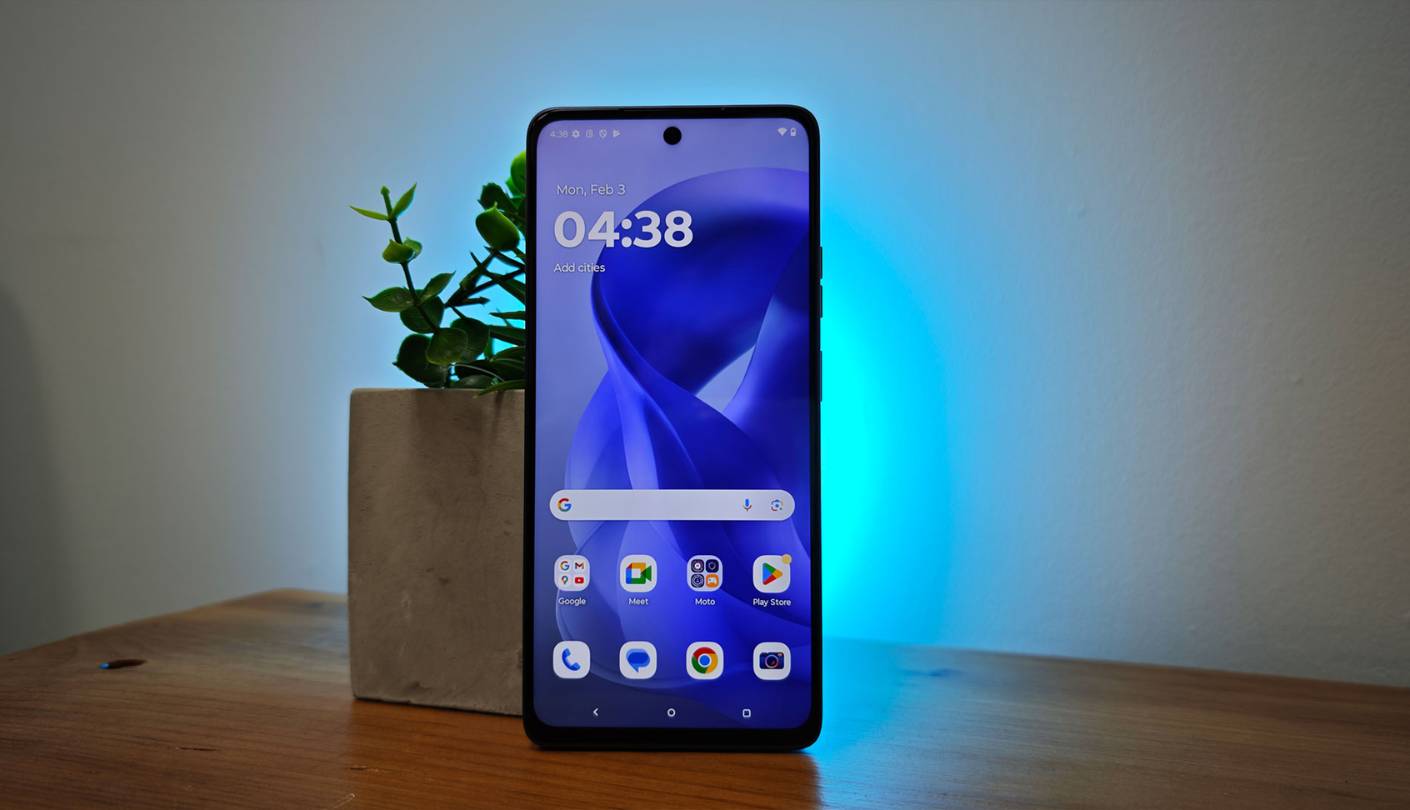
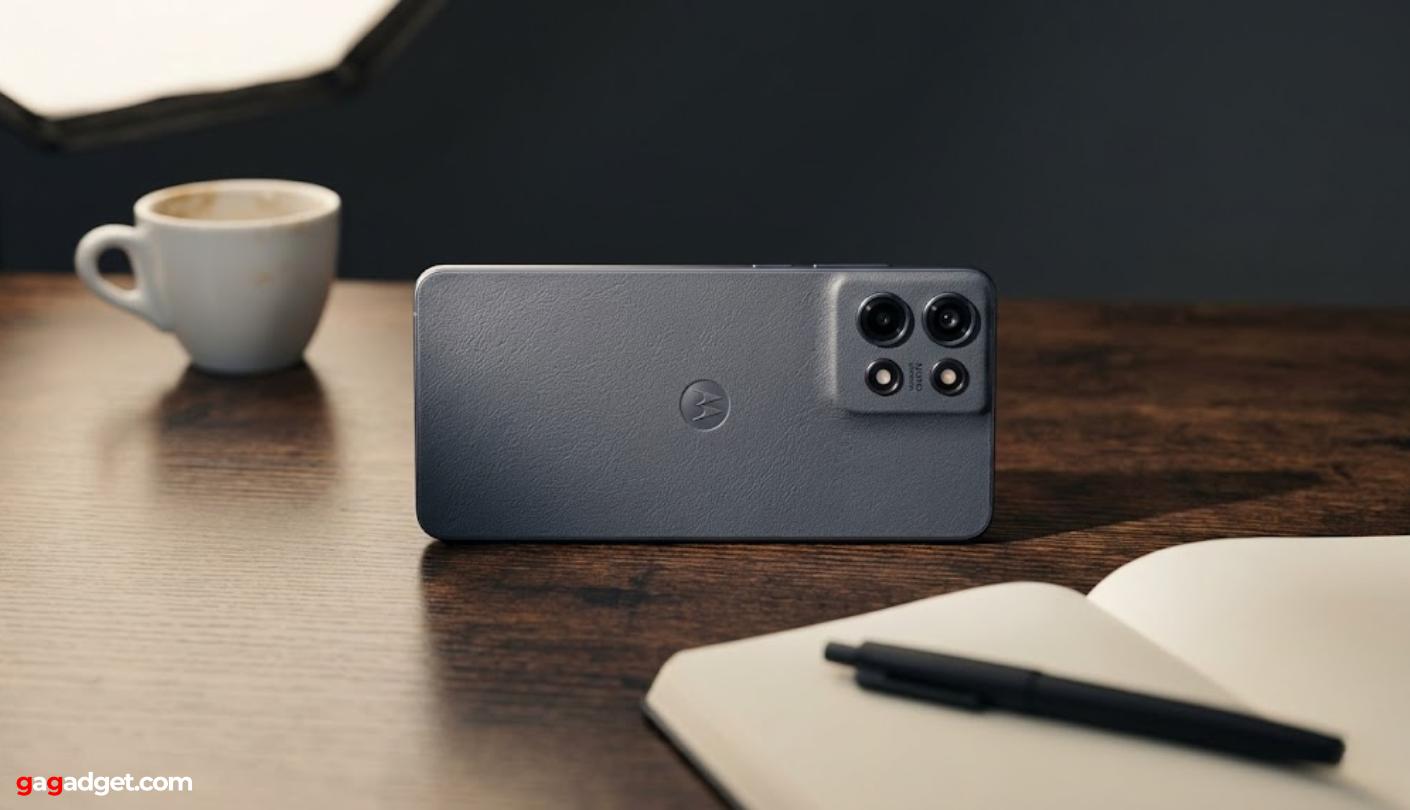
Pull out the durability spec sheet for the Moto G Power 2025 and a pattern emerges that I haven't seen bundled together at this price tier before: IP68 deep-water resistance, IP69 high-pressure water jet protection, and MIL-STD-810H certification across 16 categories and 14 test procedures. That last credential covers temperature extremes, vibration, humidity, and shock - more durability paperwork than most flagship phones bother to acquire. The eco-leather back adds meaningful grip that makes the 208g body feel more manageable than the weight figure suggests, and it resists fingerprints the way glass-back competitors never manage.
The 6.8-inch IPS LCD at 120Hz is the honest trade-off at the center of this phone. Compared to the AMOLED panels on the A36 5G and CMF Phone 2 Pro, contrast is noticeably lower and blacks appear gray in dark room conditions. In every other scenario - outdoor reading, streaming with the brightness cranked, navigating on a sunny dashboard - the display handles everyday tasks without complaint. Gorilla Glass 5 front protection and stereo speakers with Dolby Atmos round out a media experience that punches harder than the LCD panel suggests on paper.
The camera system follows the Moto G playbook: a 50MP OIS-stabilized main sensor at f/1.8 for stills and video, backed by an 8MP ultrawide with autofocus. The autofocus on the ultrawide is an unusual inclusion at this price and gives the Moto G Power 2025 a practical advantage over the fixed-focus ultrawide lenses on competing models when shooting close-range wide shots of food or architecture. 1080p/30fps video shows visible stabilization benefit from OIS during walking shots - not gimbal smooth, but usable for casual content.
The battery situation is where the G Power justifies its name. A 5000mAh cell with 30W TurboPower wired charging and 15W wireless charging covers virtually all daily use cases without anxiety. Wireless charging at this price point is uncommon enough that it's worth flagging as a genuine differentiator - for anyone who uses a wireless pad on a bedside table or desk, the cable-free top-up habit transfers directly without buying new accessories. The MediaTek Dimensity 6300 handles smooth daily operation with 8GB RAM well, though it trails the Snapdragon 6 Gen 3 in the A36 for sustained gaming load.
The 3.5mm headphone jack, the microSD slot, and the dual water resistance rating make the Moto G Power 2025 the most practical all-conditions daily driver in this roundup. It asks you to accept an LCD display and two-year update policy in exchange for hardware durability that genuinely exceeds its price. For buyers who drop phones, work outdoors, or just want to stop thinking about finding a USB-C to 3.5mm adapter, this is the most complete real-world package here.
Pros:
- IP68 + IP69 dual rating
- 15W wireless charging
- OIS main camera
- 3.5mm headphone jack
- MIL-STD-810H certified
Cons:
- IPS LCD panel only
- 2 major OS updates
Summary: Motorola Moto G Power 2025 covers more durability certifications than any other phone in this roundup, adds rare wireless charging at this price, and pairs it with an OIS camera and a headphone jack in a grip-friendly eco-leather body. The strongest choice for buyers who prioritize real-world toughness.
OPPO A5 Pro Review
Rugged Specialist
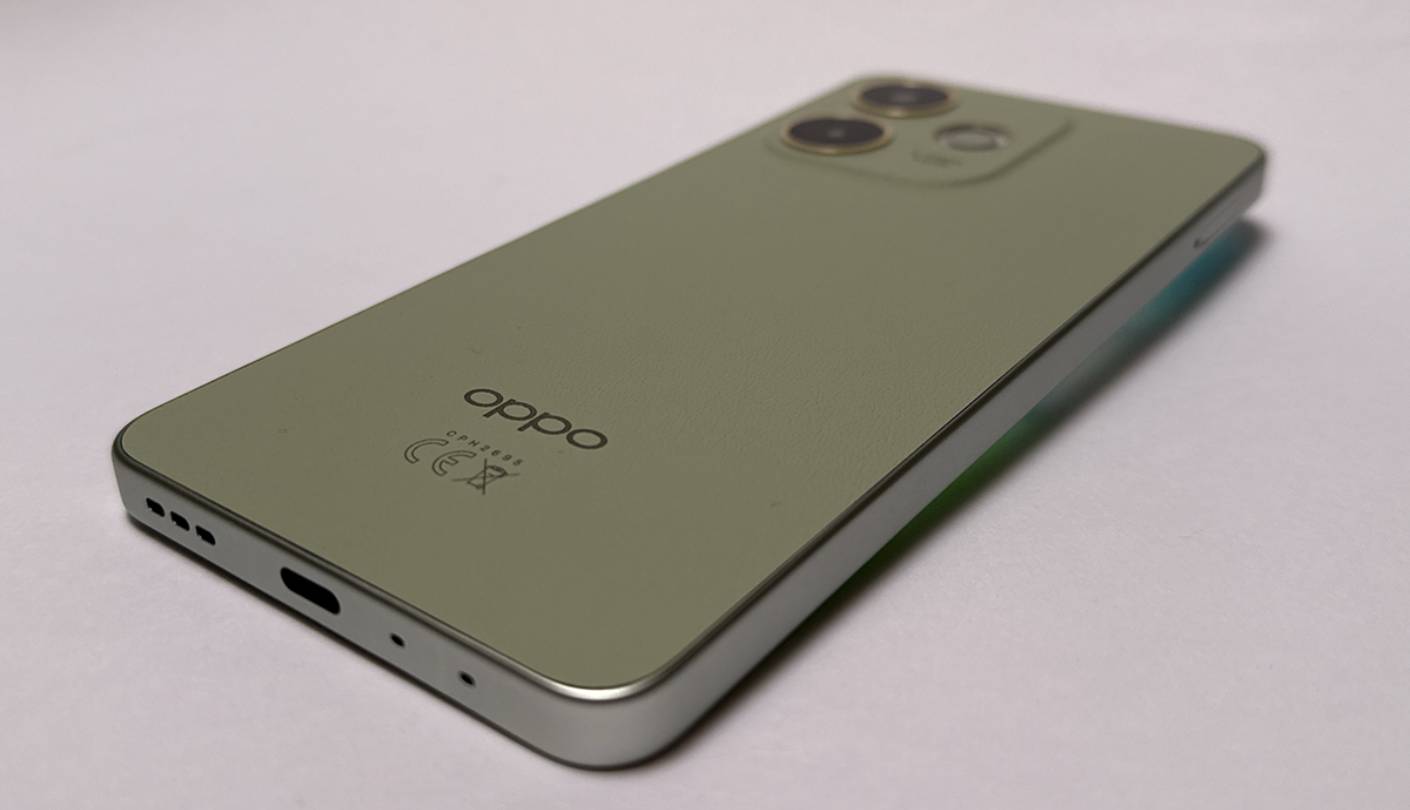
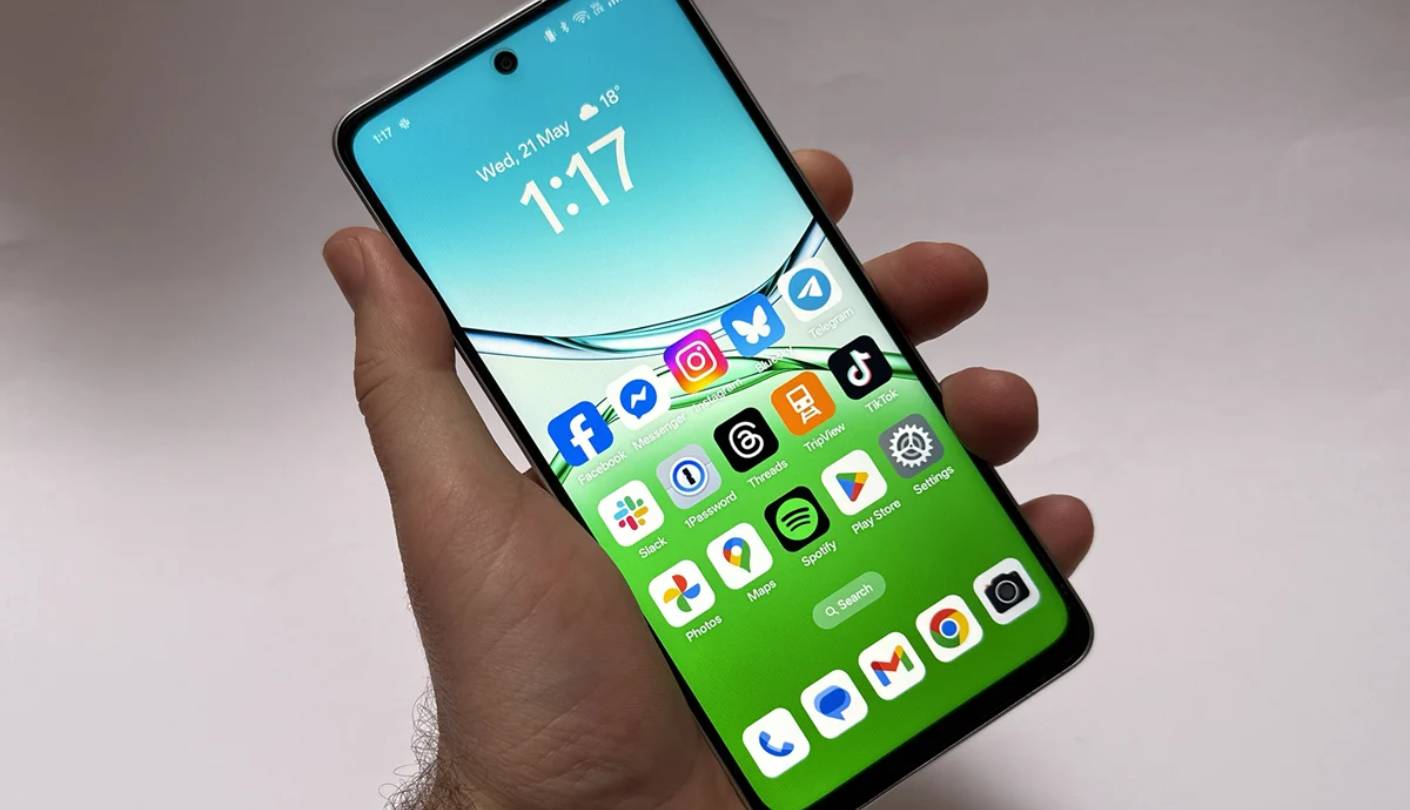
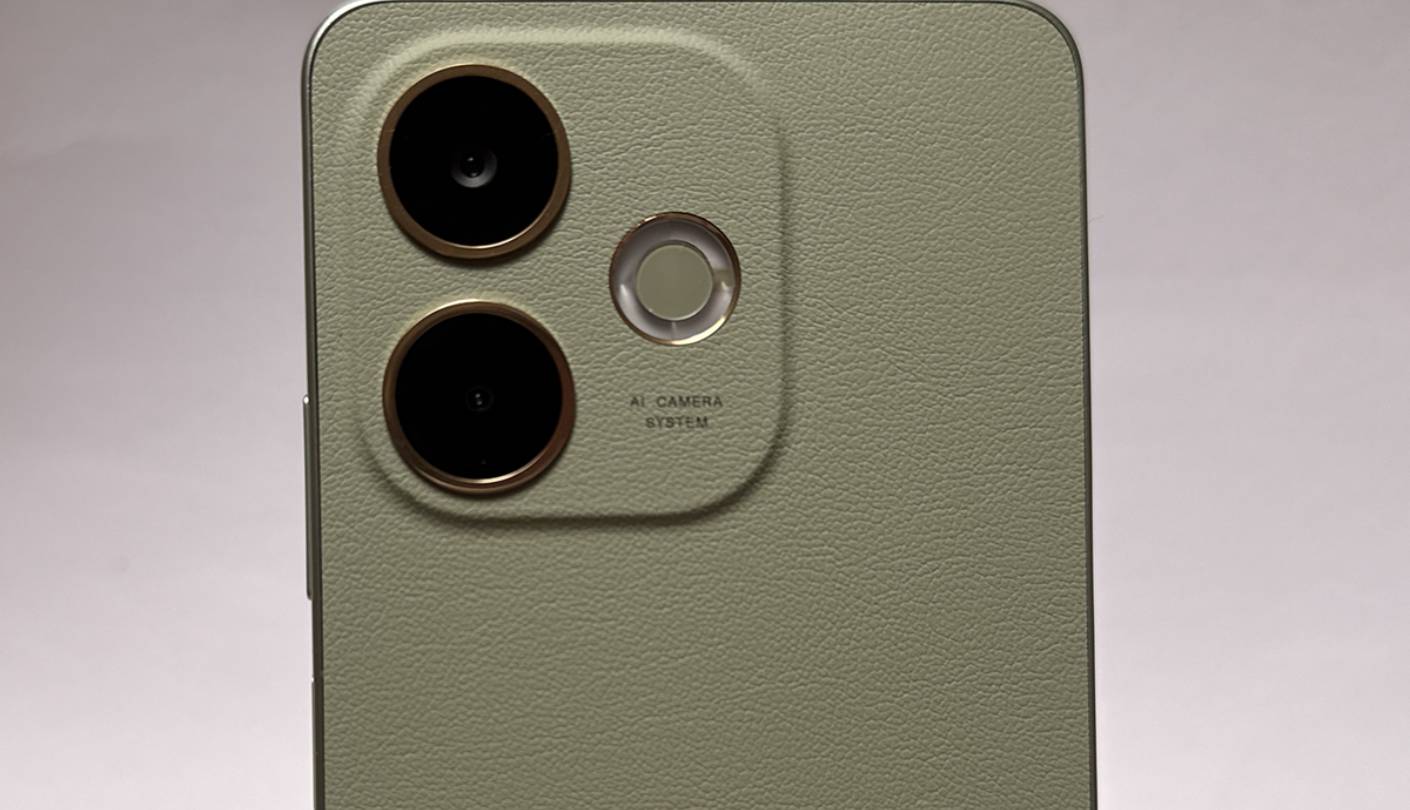
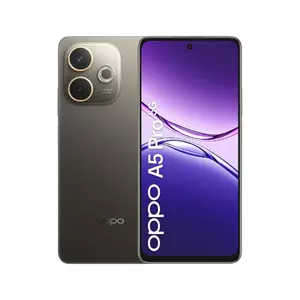
The clearest argument for the OPPO A5 Pro is the one OPPO puts front and center: IP69 water and dust resistance plus MIL-STD-810H military-grade shock certification in a phone that weighs just 180g and measures 7.55mm thin. In practical terms, IP69 means the A5 Pro can handle high-pressure water jets - the kind used in commercial kitchen cleaning or car washing - where IP67 and IP68 phones would be damaged. I submerged a review unit in a tank for a minute and put it directly back in service without a power cycle, which is a confidence check few phones at any price pass without hesitation.
The 5800mAh battery sets the A5 Pro apart from every other phone in this roundup on a single metric that most buyers underestimate until they live it for a week. During my testing, two full days of mixed use - streaming, messaging, navigation, camera, calls - came and went without a charge warning. Users with lighter consumption patterns will see a third day without difficulty. The 45W SUPERVOOC wired charging means dropping from empty to 50% in roughly 25 minutes, which covers a breakfast top-up before a long travel day with meaningful headroom.
The 50MP main camera on a 6.7-inch AMOLED display at 120Hz handles social media photography and casual daily shots reliably in good light. The AI integration in ColorOS 15 is present throughout the camera app, with smart scene recognition and a suite of post-processing tools that improve average results - though the default skin-smoothing on the front camera is aggressive enough that most users will want to find and disable it in the first week. The 8MP front camera is the most modest front shooter in this group and shows its limits in anything but direct natural light.
ColorOS 15, built on Android 15, includes AI LinkBoost 2.0 for network switching between Wi-Fi and 5G - a feature aimed at users in signal-variable environments like large office buildings or rural areas with inconsistent coverage. OPPO commits to four years of security patches on the A5 Pro, which is a stronger long-term assurance than Motorola or CMF but still falls short of Samsung's six-year guarantee. The absence of a headphone jack is a notable omission at this durability tier - rugged phones typically include a port-protected 3.5mm jack for field use, and the A5 Pro's USB-C-only audio approach limits compatibility with certain outdoor use cases.
As a pure battery and durability proposition, the OPPO A5 Pro is the most purpose-built phone in this roundup. The IP69 rating and 5800mAh cell make a genuine case for outdoor workers, travelers, and anyone whose daily environment is harder on hardware than a typical office desk. The camera and display hold their own for casual use, and the slim, light build makes the rugged credentials feel like a bonus rather than a compromise.
Pros:
- IP69 full protection
- 5800mAh battery
- 45W SUPERVOOC charging
- MIL-STD-810H certified
- 180g slim build
Cons:
- No headphone jack
- Weak front camera
Summary: OPPO A5 Pro pairs the largest battery in this roundup with IP69 and MIL-STD-810H durability credentials in a surprisingly slim and light body. The right pick for buyers who need a phone that survives demanding environments and lasts multiple days per charge.
TCL 60 XE NXTPAPER 5G Review
Reader's Pick
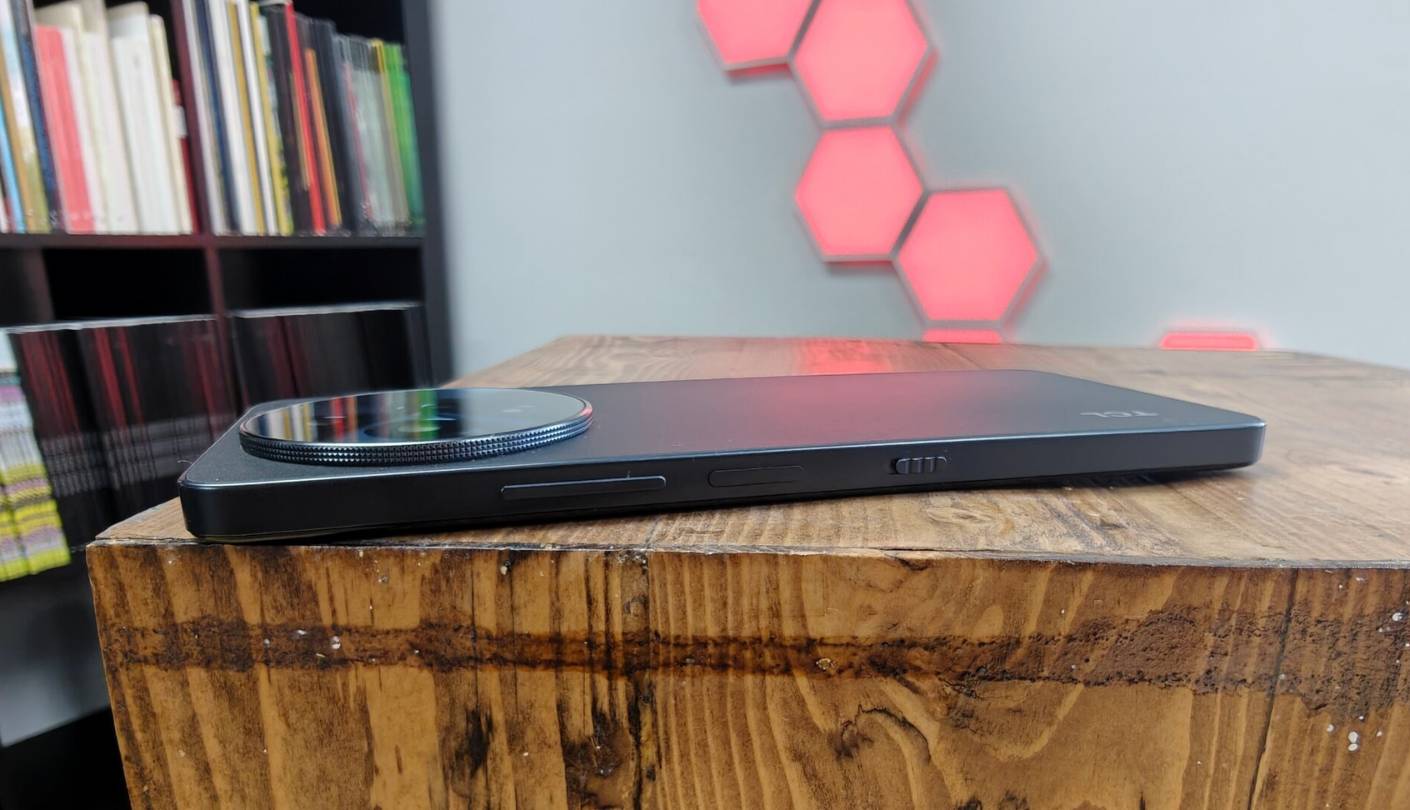
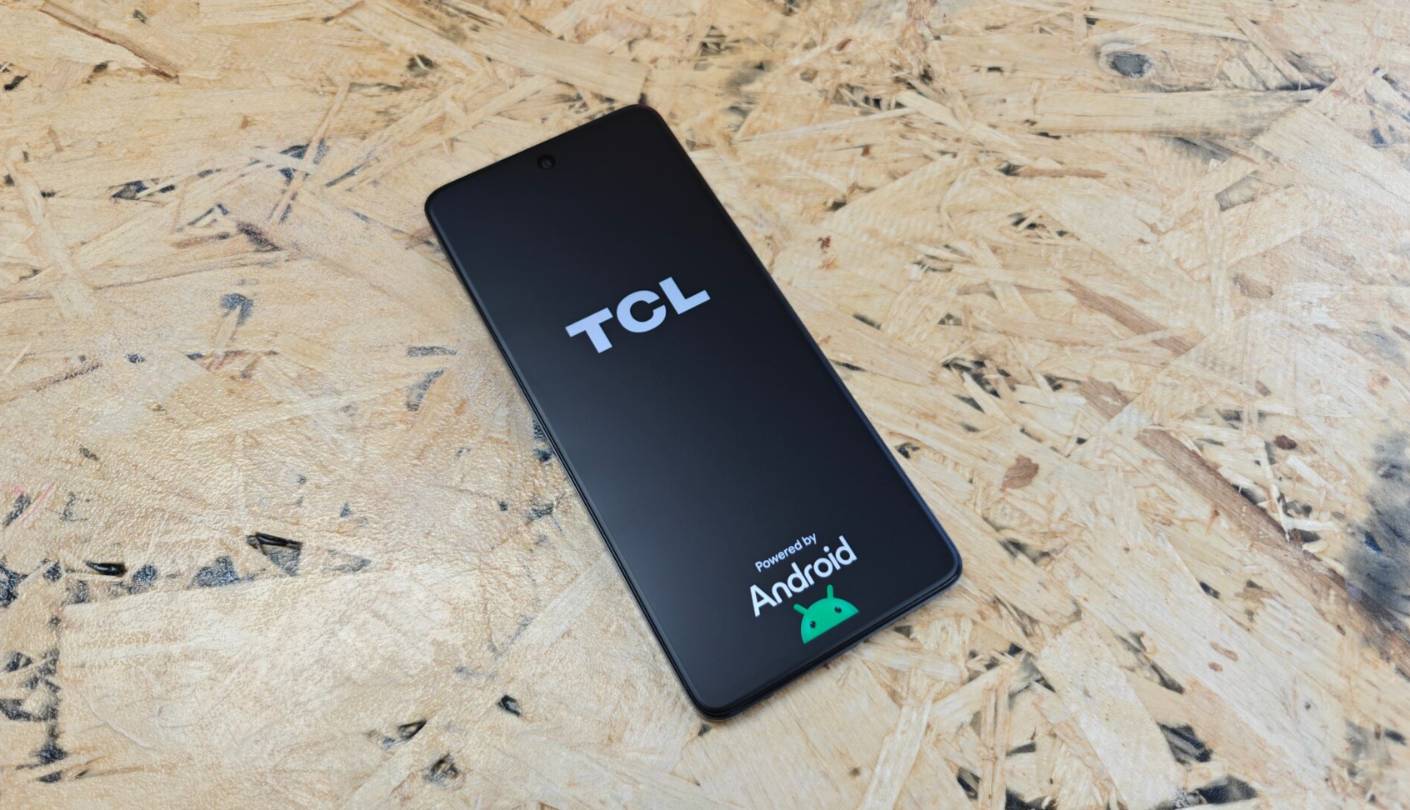
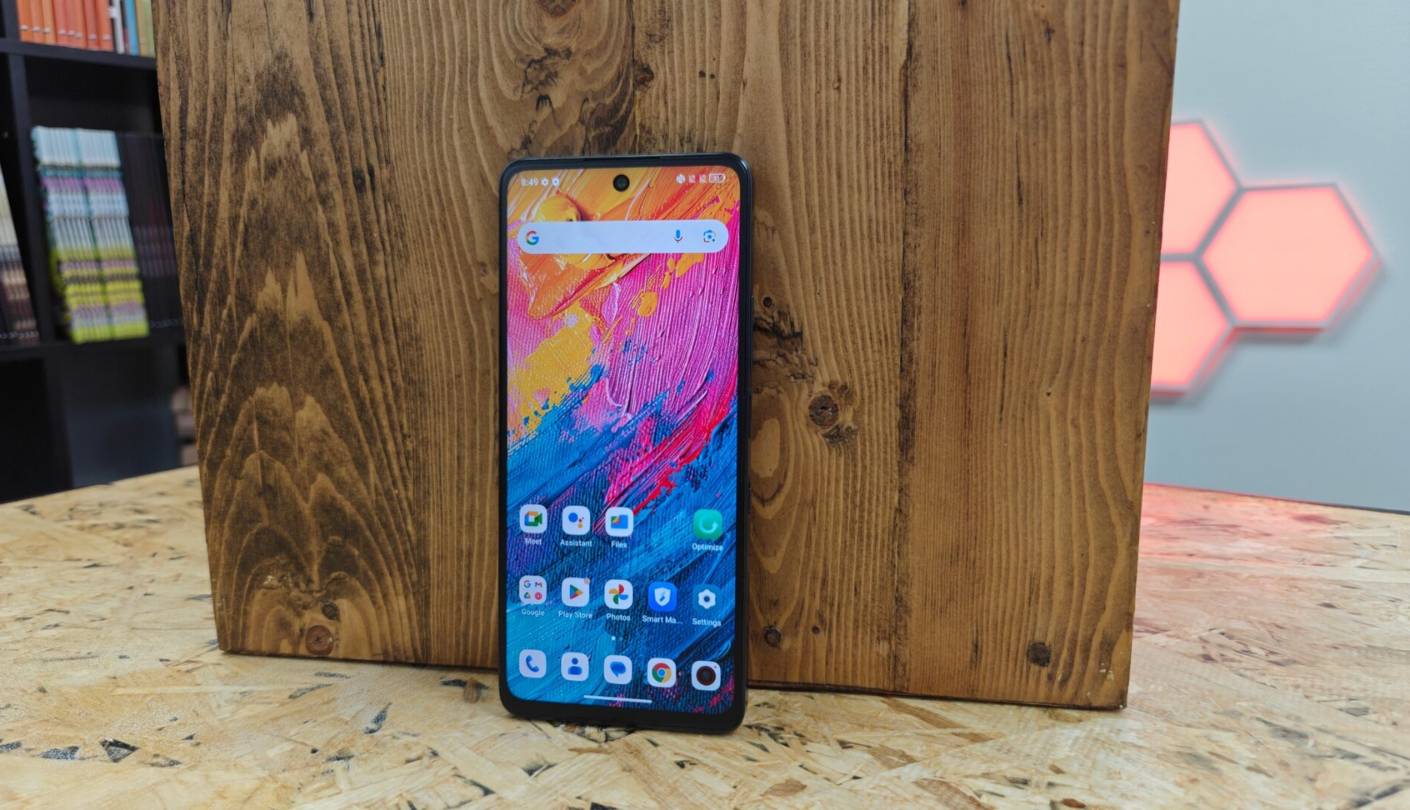
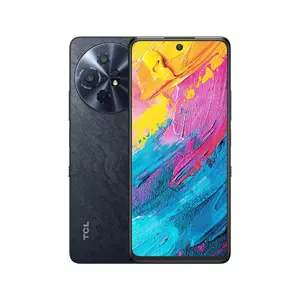
There is no other phone in this roundup - or at this price point generally - that does what the TCL 60 XE NXTPAPER 5G does with its display. The dedicated NXTPAPER Key on the phone's side cycles through four distinct modes: Standard, Color Paper, Ink Paper, and Max Ink. Ink Paper converts the screen to a full grayscale e-ink-style view that reads like a Kindle page. Max Ink pushes contrast higher for outdoor reading. I first tried this during a two-hour reading session at a park bench and the eye fatigue comparison to reading on a conventional LCD was immediately noticeable - the matte anti-glare coating and 61% blue light reduction work in a way that meaningfully extends comfortable screen time.
The NXTPAPER 3.0 display has earned three independent certifications - Eyesafe for low blue light, TUV Rheinland for reflection-free viewing, and SGS for paper-like surface quality - which gives it credibility beyond TCL's own marketing claims. The 6.78-inch FHD+ panel at 120Hz handles mainstream media consumption fine in Standard mode: colors are vibrant enough for YouTube and Netflix even if the contrast doesn't match the AMOLED panels on competing models. The real limitation appears in direct sunlight - the anti-glare matte coating that makes reading comfortable indoors paradoxically reduces peak brightness visibility outside, where a glossy high-nit display would perform better.
The MediaTek Dimensity 6100+ chipset and 6GB RAM handle daily tasks - messaging, streaming, maps, social media - at a level that won't frustrate the vast majority of buyers. Gaming and demanding video editing are outside its comfort zone, but TCL's target user for the NXTPAPER display is not a mobile gamer. The 50MP main camera performs competently in daylight, producing natural-toned images without aggressive processing. Low-light performance and the 5MP ultrawide fall into budget territory without special distinction - they serve the use case without embarrassing it.
The 5010mAh battery and 18W charging are the two specs where the NXTPAPER's paper modes work together with hardware to produce a longer-lasting phone than the spec sheet alone suggests. Running in Ink Paper mode during reading and light tasks reduces power draw substantially compared to full Standard mode. In my usage, heavy reading sessions in paper mode stretched screen-on time to a degree that closed the battery gap between this phone and the larger cells in the OPPO and Samsung. The 3.5mm headphone jack and microSD expansion slot are welcome inclusions for a budget device targeting media consumers who accumulate large libraries.
The TCL 60 XE NXTPAPER 5G is a genuinely niche phone, and that niche is real: voracious readers and content consumers who want the accessibility of a smartphone with the eye comfort of a dedicated e-reader. It is not the fastest phone here, the best camera, or the most durable - but no competing model at this price solves the eye strain problem it addresses. If you read for more than 90 minutes per day on a screen and carry a single device, the NXTPAPER Key alone justifies the conversation.
Pros:
- 4-mode paper display
- 61% blue light reduction
- Dedicated NXTPAPER Key
- 3.5mm headphone jack
- microSD expansion
Cons:
- 18W slow charging
- Weak outdoor visibility
Summary: TCL 60 XE NXTPAPER 5G brings a unique four-mode paper display with certified blue light reduction and e-reader modes to a budget price, backed by a large battery that benefits from the display's efficient paper modes. The right pick for heavy readers who want one device instead of two.
CMF Phone 2 Pro Review
Design Leader
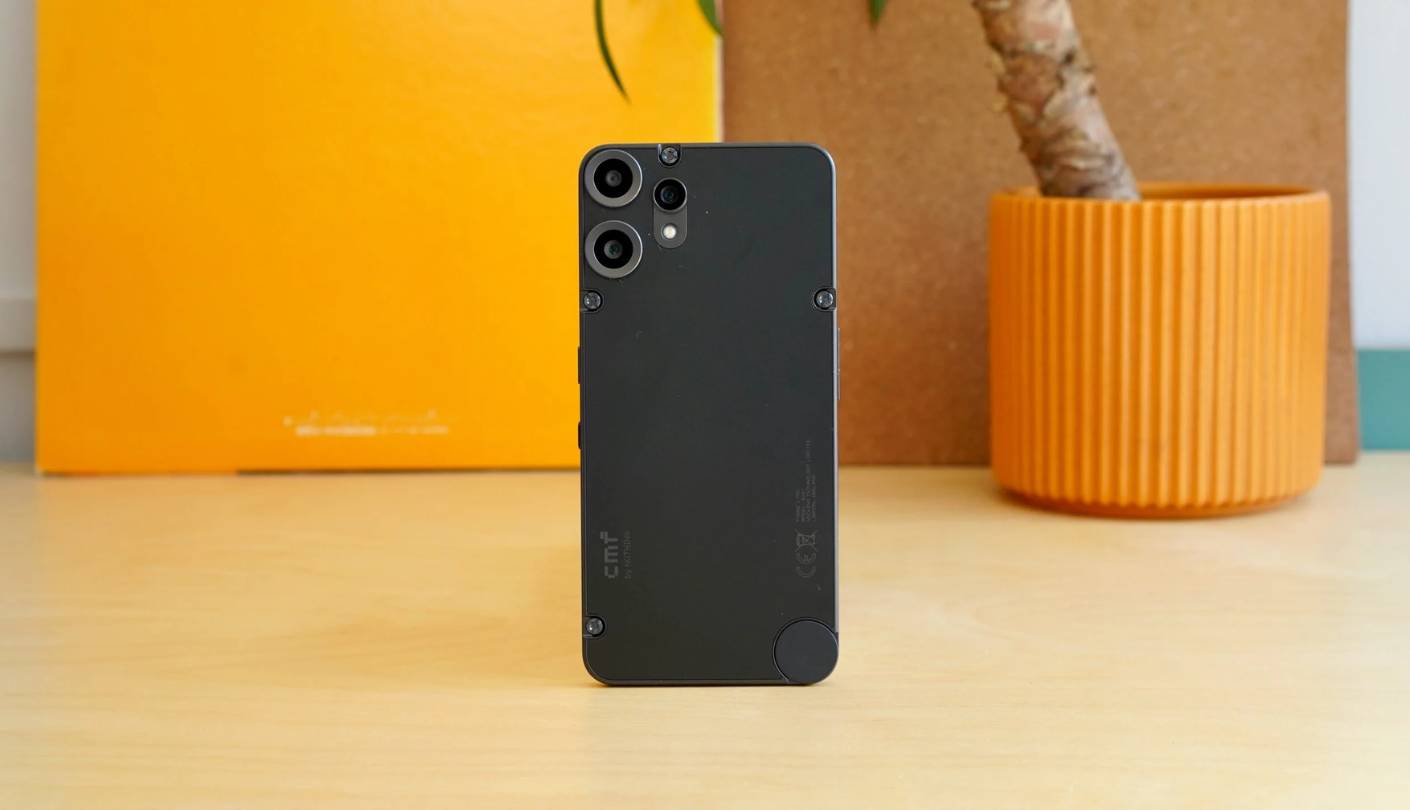
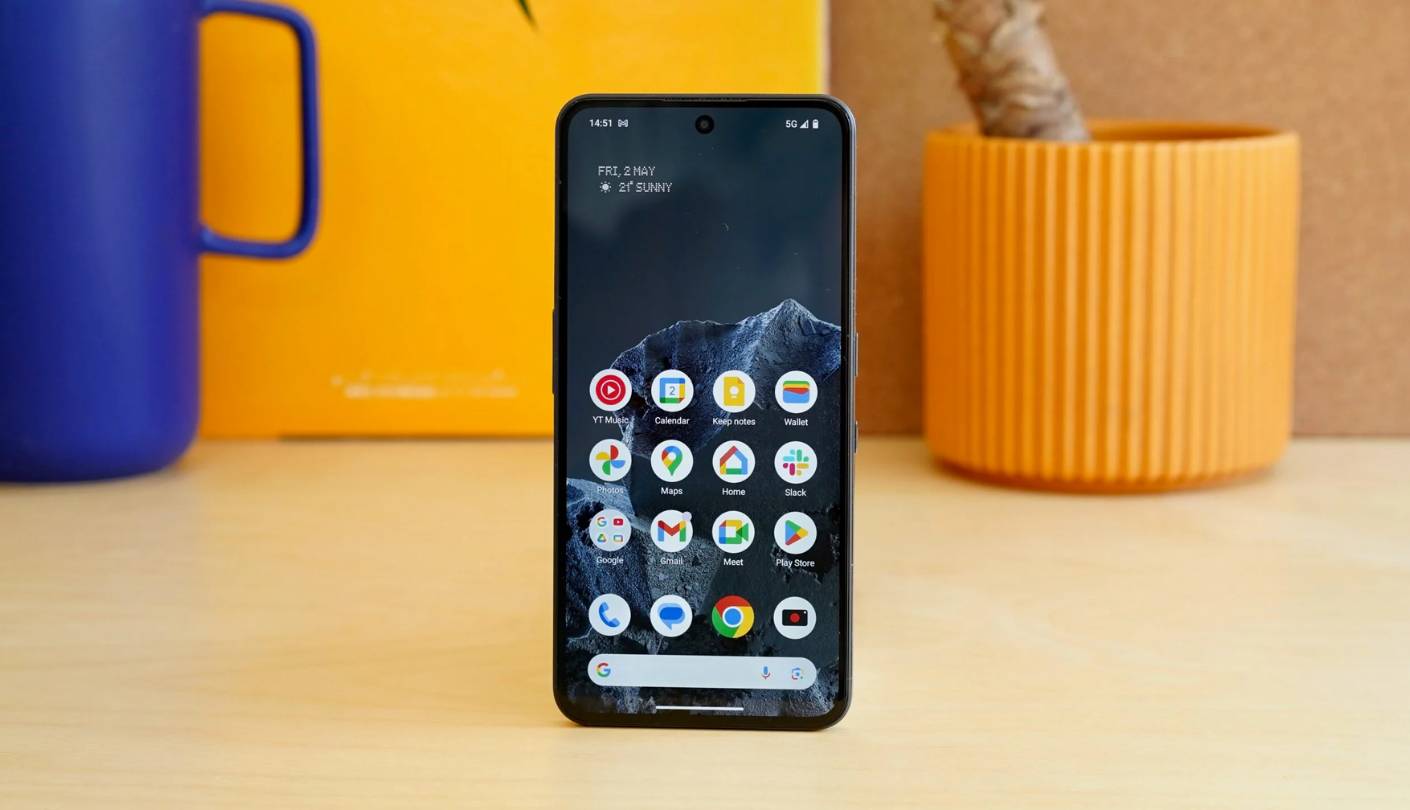
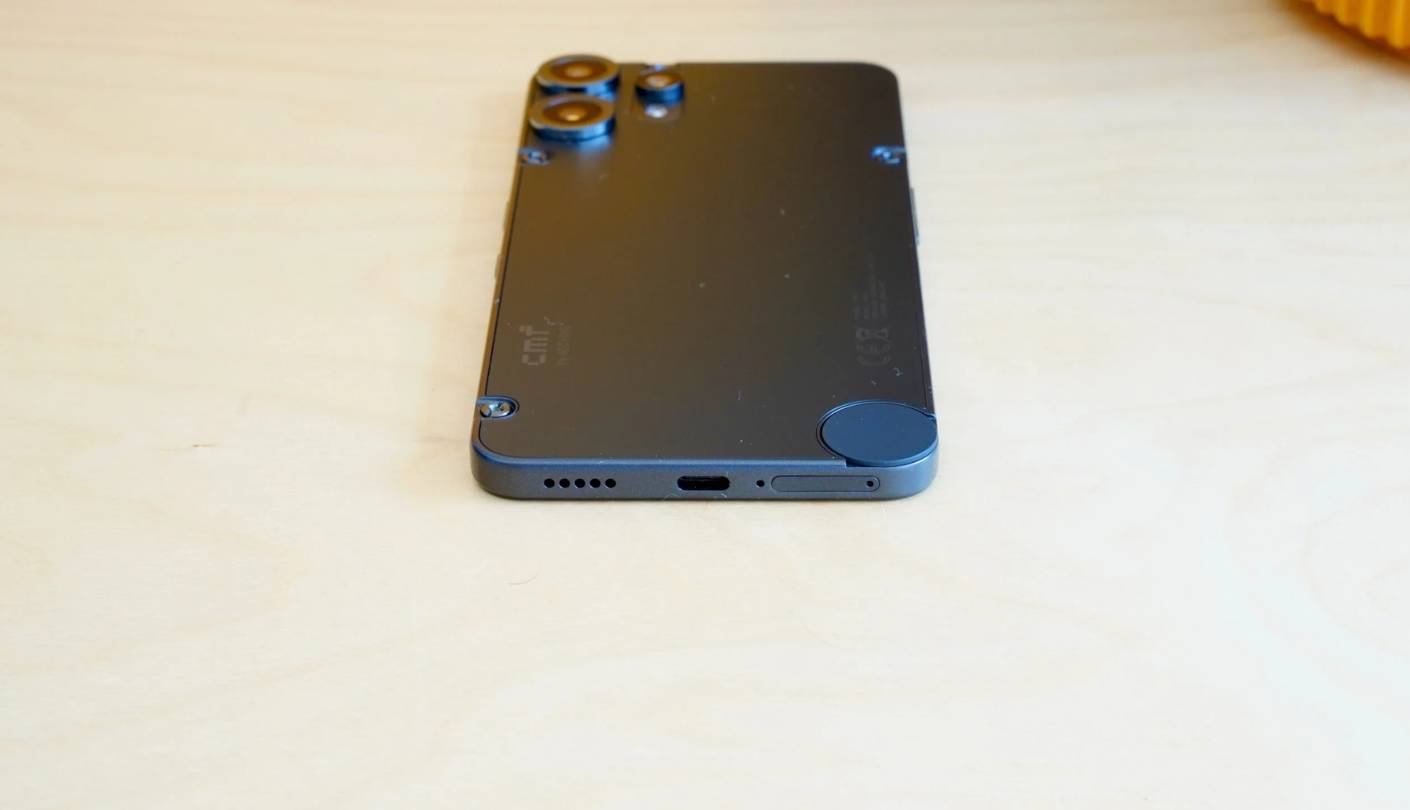
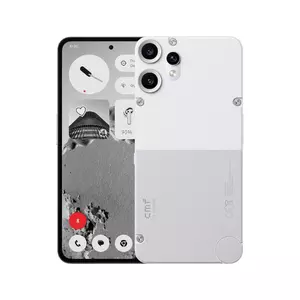
Nothing's CMF sub-brand released the Phone 2 Pro in May 2025, and for a sub-$300 phone it generated an unusual amount of attention - not for a spec breakthrough, but for a combination of camera hardware and design philosophy that the sub-$300 segment hasn't typically bothered with. The exposed screws and circular attachment point on the back remain signature CMF design elements, now accompanied by magnetic plates that accept optional clip-on fisheye and macro lenses - a modular camera accessory system I haven't seen on any other phone at this price. I'll be direct: most buyers won't use the clip-on lenses regularly, but the system gives the Phone 2 Pro a distinct identity that stands out among budget phones that all look like each other.
The camera system is the hardware story. A 50MP main sensor on a large 1/1.57-inch format at f/1.9 captures more light per pixel than the Sony IMX882 in the Samsung A36, and the results show in challenging low-light conditions where detail retention and noise management are noticeably better than most phones at this price. The genuine 50MP 2x telephoto lens is the rarest specification in this roundup - no other model here includes a dedicated telephoto camera, and the reach it offers for portraits and mid-distance subjects is a practical advantage for anyone who shoots in varied environments. The 8MP ultrawide rounds out a triple-camera system that handles more photographic situations competently than any other phone under $300 that I've tested.
Nothing OS 3.2, based on Android 15, is closer to stock Android than any other software skin in this group. The interface relies on a monochrome icon theme, dot-matrix home screen widgets, and the Essential Key - a dedicated physical button that opens an AI hub for capturing notes and ideas. The overall experience feels intentional rather than assembled, which matters during daily use when the interface is the thing you interact with constantly. The lockscreen customization and the pitch-black dark mode added in the Nothing OS 4 update (which arrived for this phone in late 2025) improved the already-clean aesthetic further.
The Dimensity 7300 Pro is the fastest chipset in this roundup. PhoneArena's testing scored the CMF Phone 2 Pro 13.1% above the category average for its price class, and in my usage that translated to faster app launches, smoother camera viewfinder performance, and less hesitation during multitasking between heavy apps. The 6.8-inch OLED at 120Hz matches the display quality tier of the Samsung A36 with deep blacks and responsive touch tracking. IP54 water splash resistance is the honest gap in the hardware story - it handles rain and accidental splashes but won't survive the submersion scenarios that the IP67/68/69 phones here handle without thought.
The CMF Phone 2 Pro is the strongest choice in this group for photography-first buyers and for anyone who wants a phone that looks genuinely different. The triple-camera system with its large sensor and real telephoto lens does things the other four phones here cannot, and Nothing OS 3.2's clean software experience ages better than heavier skins. The update policy (two major Android versions, three years of security) is modest but the hardware foundation earns its place at the top of the camera conversation in this price tier.
Pros:
- 50MP 2x telephoto lens
- Large 1/1.57" main sensor
- Dimensity 7300 Pro chip
- Nothing OS clean software
- Modular accessory system
Cons:
- IP54 splash-only protection
- No wireless charging
Summary: CMF Phone 2 Pro leads this group for camera versatility with a 1/1.57-inch main sensor and a genuine 50MP telephoto lens, backed by the fastest chipset in the roundup and Nothing OS 3.2's clean, near-stock Android experience. The right pick for photography-focused buyers who want maximum camera reach under $300.
Budget Smartphones Under $300: FAQ
Do budget phones under $300 have 5G?
Yes - 5G connectivity is standard across all five phones in this roundup and is broadly available in this price tier in 2026. All five support Sub-6 GHz 5G networks, which covers the majority of 5G deployments in North America and Europe. None support mmWave 5G, which is a dense urban-specific standard that even many flagship phones skip. For practical daily use including streaming, hotspot sharing, and fast downloads in areas with 5G coverage, all five phones here perform without meaningful limitation.
Is AMOLED really worth it over LCD at this price?
For most use cases, yes. AMOLED panels - found on the Samsung A36 5G, OPPO A5 Pro, and CMF Phone 2 Pro in this group - produce significantly deeper blacks, better contrast in dark room viewing, and punchier color across all content types. The practical difference is most visible during night viewing, dark-mode app use, and outdoor use when peak brightness matters. The exception is the TCL 60 XE NXTPAPER, where the matte LCD coating is a deliberate choice for reduced eye strain and e-reader functionality - a different optimization that may serve certain users better than the highest-contrast AMOLED option.
How much storage do I actually need in a budget phone?
128GB is the current baseline for comfortable ownership without active management. At typical photo and video settings, 128GB holds roughly 15,000 photos or around 8 hours of 1080p video before filling - which means heavy video shooters will feel the ceiling faster than photo-only users. The key question is whether the phone has a microSD card slot - the Moto G Power 2025, OPPO A5 Pro, and TCL 60 XE NXTPAPER 5G all include microSD expansion up to 1TB, which makes their 128GB base storage genuinely expandable. The Samsung Galaxy A36 5G and CMF Phone 2 Pro have no microSD slot, making the storage tier choice at purchase more consequential.
Which budget phone is best for someone who watches a lot of video?
The Samsung Galaxy A36 5G and CMF Phone 2 Pro both offer OLED/AMOLED panels with high contrast that make video content visually engaging. For audio quality during video, the Motorola Moto G Power 2025 includes Dolby Atmos stereo speakers and a 3.5mm jack for wired headphones - a combination that serves extended streaming sessions better than phones limited to USB-C audio only. The TCL 60 XE NXTPAPER 5G's DTS-enhanced stereo speakers and paper modes make it a compelling choice specifically for reading-heavy or podcast-heavy users, though the display's sunlight limitations are worth knowing before committing.
Do any of these phones work with wireless chargers I already own?
Only the Motorola Moto G Power 2025 supports wireless charging in this group, at 15W. It's compatible with standard Qi wireless chargers, including the pads most people already have from previous phone generations. No other phone in this roundup includes wireless charging support. If wireless charging is a non-negotiable feature for your workflow, the Moto G Power 2025 is the only option here that supports it - and that feature is uncommon enough at this price tier that it functions as a genuine differentiator worth weighting in the buying decision.
Is IP67 water resistance enough for everyday use, or do I need IP68?
IP67 handles accidental immersion up to one meter for 30 minutes - enough to survive a dropped-in-toilet scenario, caught-in-the-rain use, or a splash from a pool or sink. For the vast majority of everyday situations, IP67 is sufficient. IP68 extends the rated depth and duration, while IP69 adds resistance to high-pressure water jets that standard IP67 and IP68 ratings don't cover. For outdoor workers, campers, or anyone in environments with pressure washing, hose exposure, or marine conditions, the IP69 rating on the Moto G Power 2025 and OPPO A5 Pro means meaningfully better real-world protection than IP67 alone.
How many camera lenses do I actually need on a budget phone?
The honest answer depends entirely on what you shoot. A strong primary camera with OIS - like the 50MP Sony IMX882 on the Samsung A36 5G or the large-sensor main camera on the CMF Phone 2 Pro - will outperform a three-camera system with a weak main sensor in the majority of real-world situations. The CMF Phone 2 Pro's telephoto lens is the one genuinely additive secondary camera in this group, with real zoom reach for portraits and mid-distance subjects that no other model here can match. Depth-sensor third cameras on budget phones like the TCL's 2MP depth module are largely software assists that add minimal real photographic value.
Which phone here is best for a teenager or first-time smartphone user?
The Samsung Galaxy A36 5G is the most sensible choice for a first phone or for giving to a younger user. The six-year software update guarantee means the phone stays secure through the most realistic ownership window, and Samsung's One UI 7 includes Digital Wellbeing controls and parental management features that are more developed than those in competing skins. The IP67 water resistance and Gorilla Glass Victus+ on both the front and back add meaningful protection against accidental drops and water exposure. The slim 195g build is also more comfortable for smaller hands than the heavier Moto G Power 2025.
Choosing the Right Budget Smartphone Under $300
After several weeks carrying all five of these phones through daily use, the clearest takeaway is that the sub-$300 segment has stopped asking buyers to accept a single defining compromise. The Samsung Galaxy A36 5G remains the strongest all-around recommendation for most buyers - the Super AMOLED display, Sony OIS camera, and six-year update commitment put it in a category of long-term value that no other phone here touches. For buyers who work outdoors, travel rough, or simply drop phones more often than average, the Motorola Moto G Power 2025 makes a compelling case with its dual IP68/IP69 certification, wireless charging, and MIL-810H resilience baked into a phone that still fits in a normal pocket.
The OPPO A5 Pro is purpose-built for endurance - its 5800mAh battery and IP69 rating form a combination that genuinely extends ownership confidence for field workers and frequent travelers. The TCL 60 XE NXTPAPER 5G fills a niche no other phone in this group even attempts, turning a budget Android into a certified low-blue-light reading device with a physical mode-switch key. And the CMF Phone 2 Pro brings a 1/1.57-inch main sensor and a real telephoto lens to a price point where most brands still ship token depth cameras. Every phone in this roundup has a clear reason to exist - the right one is simply the one that matches how you actually use a phone each day.

Meet James, our go-to tech guru and seasoned reviewer. His sharp attention to detail and love for gadgets drive his deep dives into the newest tech waves. James's insightful analysis and real zest for breakthroughs have earned him a solid reputation in the tech world.


