Best Fitness Trackers for Beginners
The right fitness tracker changes a behavior. The wrong one sits on a nightstand after two weeks because the battery needed daily charging, the app showed graphs nobody knew how to read, or the band chafed during sleep and got taken off. I've worn each tracker in this roundup daily, taken them through sleep cycles, morning walks, and gym sessions, and the gap between a truly useful beginner device and a frustrating one shows up within the first 72 hours. Picking correctly the first time matters more than the spec sheet suggests.
The five trackers here cover a spread that makes sense for someone starting out: a slim Google-integrated band built around clean health data, an ultra-affordable AMOLED powerhouse that lasts three weeks, a budget-friendly Samsung option for Android users, a beginner-ready GPS smartwatch with serious training depth, and a brand-new running-focused device that outperforms its price by a wide margin. Each sits at a different point on the complexity scale, which is the most important axis for anyone buying their first fitness tracker. Here are the best fitness trackers for beginners right now.
If you're in a hurry, here are my top two picks for fitness trackers for beginners:
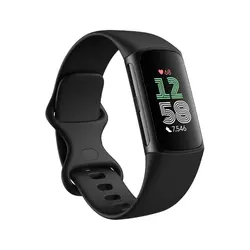
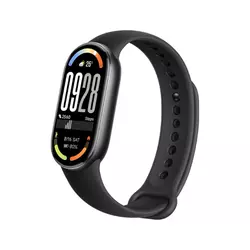
Table of Contents:
- Best Fitness Trackers for Beginners: Buying Guide
- Top 5 Fitness Trackers for Beginners in 2026
- Fitness Tracker Comparison
- Fitbit Charge 6
- Xiaomi Smart Band 10
- Samsung Galaxy Fit3
- Garmin vívoactive 6
- Amazfit Active 3 Premium
- Fitness Trackers for Beginners: FAQ
Best Fitness Trackers for Beginners: Buying Guide
Display Type and Readability
Every tracker in this roundup uses an AMOLED display, and that matters more for beginners than it does for seasoned users. AMOLED screens stay readable outdoors without having to shield the screen with your palm, respond quickly to swipes, and make heart rate graphs and sleep charts legible at a glance. The practical difference between a dim LCD tracker and a bright AMOLED panel becomes obvious during a morning run or a sunny commute. I always check outdoor readability first, because data you can't read doesn't help anyone improve their habits.
Display size is a real tradeoff at the entry level. Band-style trackers keep a slim profile and light weight that makes them easy to wear 24/7, but their narrow screens force you back to the companion app for anything beyond a quick stat check. Watch-style trackers give more screen real estate for glanceable data, but they sit higher on the wrist and some beginners find them uncomfortable for sleep tracking. The right choice depends on whether you'll actually wear the device to bed.
Resolution and brightness numbers in spec sheets only tell part of the story. A 1500-nit panel at moderate resolution reads better outdoors than a sharper display capped at 800 nits. Bezels matter too - trackers with large chins around the display look cheaper and reduce the usable viewing area. The best beginner trackers in this group use symmetrical bezels and high brightness ratings that hold up in real conditions, not just marketing copy.
Heart Rate Accuracy and Health Sensors
Optical heart rate sensors are standard across all five trackers here, but accuracy varies enough to affect how useful the data actually is. During steady-state cardio like walking and cycling, most modern sensors perform well within a few BPM of a chest strap. During high-intensity intervals, fast direction changes, or strength training, lower-quality sensors overreport or underreport by wide margins - making workout zones unreliable. For beginners learning how effort feels, inaccurate heart rate data is more confusing than useful.
Beyond heart rate, SpO2 monitoring and stress tracking have become standard inclusions at this price tier, and I find stress scores particularly useful for beginners who are trying to understand recovery patterns rather than just track workouts. ECG sensors add a layer of cardiac health monitoring but require a Fitbit Premium subscription on some platforms to access full results - a cost worth factoring in before purchase. Skin temperature sensors and HRV logging are increasingly common even on budget devices, and both contribute meaningfully to readiness and recovery insights once you know how to read them.
Battery Life and Charging Convenience
Battery life directly determines how useful a fitness tracker is for sleep tracking - the metric that beginners consistently find most valuable after the first week of use. A device that needs charging every day competes with your sleep window for plug time, and many first-time users stop wearing their tracker consistently within a month because of this friction. My own experience confirms that anything under five days of battery creates real behavioral barriers to consistent wear.
Budget trackers have pulled ahead of premium smartwatches on battery in a meaningful way. The Xiaomi Smart Band 10 lasts up to 21 days under typical use - longer than most watches costing four times its price. That gap exists because band-style trackers skip power-hungry features like always-on LTE, large displays, and complex processors. For a beginner who prioritizes daily habits over advanced features, that battery advantage is a genuine reason to choose a band over a smartwatch.
Charging method is a secondary but real concern. Proprietary magnetic chargers are common across this category and work reliably, but losing the cable leaves you without a backup option. USB-C charging is more convenient since the cable is easy to replace and already present in most households. The watches in this group that use proprietary chargers do so for waterproofing reasons, which is a fair engineering tradeoff, but it's worth keeping a spare cable if you travel frequently.
App Ecosystem and Data Presentation
A fitness tracker is only as good as its companion app, and I spend more time evaluating app quality than hardware specs when choosing a device for someone new to tracking. Raw sensor data from the device is useless unless the app presents it in a way that beginners can understand and act on. The Fitbit app organizes data like a health dashboard - steps, sleep score, and active zone minutes upfront, with deeper charts a tap away. Garmin Connect skews toward workout-focused data that suits the vivoactive 6 but can feel dense for day-one users. Zepp Health, which powers the Amazfit, has improved significantly in recent updates and now gives useful summaries without requiring fitness knowledge to decode them.
Third-party app integration is worth checking before you buy, because most beginners eventually want their tracker data feeding into a platform they already use. Google Health Connect, Apple Health, and Strava are the most important connections for this group. Xiaomi's Mi Fitness app syncs with Google Health Connect and Strava. Fitbit connects natively to Google services through its Google ownership. Samsung Health works well within the Android ecosystem but has no iOS support - a hard limit for iPhone users. Garmin Connect integrates with a wide range of apps including Strava, TrainingPeaks, and MyFitnessPal, giving the vivoactive 6 the broadest compatibility in this roundup.
Water Resistance and Build Quality
All five trackers here carry a 5ATM water resistance rating, which means they handle swimming, showering, and rain without issue. The practical difference between 5ATM and 10ATM only matters for serious divers and competitive swimmers who stay submerged for extended periods - for beginners, 5ATM is more than sufficient. What I pay attention to instead is build material: aluminum frames and metal mesh finishes hold up better over 18 months of daily wear than plastic bodies that flex and creak.
Sapphire glass on a sub-$200 tracker is unusual and worth paying attention to for longevity. Chemically hardened glass like Gorilla Glass resists scratches from keys and surfaces reasonably well, but sapphire - used on the Amazfit Active 3 Premium - sits at the top of the scratch-resistance scale without additional cost to the user. A tracker you wear every day through workouts, commutes, and sleep will accumulate surface wear. Starting with sapphire glass means the display still looks clean at the two-year mark.
Strap comfort matters more than most spec sheets let on. A band that irritates the wrist during sleep quickly trains users to remove it at night, eliminating overnight heart rate, SpO2, and sleep tracking. Silicone and fluoroelastomer bands in this group are soft enough for 24/7 wear if they fit properly - both too tight and too loose create skin problems over time. I always check that the strap includes a half-size adjustment notch, because band-style trackers with only full-centimeter adjustments leave some wrists between fit positions.
Top 5 Fitness Trackers for Beginners in 2026
These fitness trackers went through daily wear testing, sleep tracking verification, heart rate comparisons, and workout sessions across multiple activity types to find which ones actually help beginners build consistent habits.
- Google Wallet NFC
- ECG + EDA sensors
- Built-in GPS accuracy
- Beginner-friendly app
- Google Maps navigation
- 21-day battery life
- 1.72" bright display
- 150+ sports modes
- 5ATM swim tracking
- Ultra-light 28g weight
- 18.5g featherlight build
- Built-in barometer
- 13-day battery life
- No subscription required
- Swim stroke counter
- Body Battery monitoring
- 80+ sport profiles
- PacePro smart pacing
- Animated workout guides
- Garmin Pay NFC
- Sapphire glass display
- Offline map navigation
- Beginner training library
- 3000-nit brightness
- Stainless steel frame
Fitness Tracker Comparison
Here's a detailed comparison of the specifications that matter most when choosing a fitness tracker as a beginner:
| Specification | Fitbit Charge 6 | Xiaomi Smart Band 10 | Samsung Galaxy Fit3 | Garmin vívoactive 6 | Amazfit Active 3 Premium |
| Display | 1.0" AMOLED | 1.72" AMOLED | 1.6" AMOLED | 1.2" AMOLED | 1.32" AMOLED |
| Battery Life | Up to 7 days | Up to 21 days | Up to 13 days | Up to 11 days | Up to 12 days |
| Built-in GPS | Yes | No | No (phone GPS) | Yes | Yes |
| Heart Rate | Continuous + ECG | Continuous | Continuous | Continuous | Continuous |
| SpO2 | Yes | Yes | Yes | No | Yes |
| Water Resistance | 5ATM (50m) | 5ATM | 5ATM | 5ATM (50m) | 5ATM |
| NFC Payments | Yes (Google Wallet) | No (select regions) | No | Yes (Garmin Pay) | Yes (Zepp Pay) |
| Offline Music | YouTube Music (controls only) | Yes (streaming control) | No | Yes (stored + streaming) | Yes (stored + podcasts) |
| Sports Modes | 41 modes | 150+ modes | 100+ modes | 80+ profiles | 170+ modes |
| Sleep Tracking | Yes (+ Sleep Score) | Yes (enhanced) | Yes | Yes (+ Sleep Coach) | Yes |
| Stress Tracking | Yes (EDA scan) | Yes | Yes | Yes (Body Battery) | Yes |
| Weight (with strap) | 31g | 28g | 18.5g | 23g | 54.6g |
| Display Glass | Corning Glass | 2.5D reinforced | Not disclosed | Gorilla Glass 3 | Sapphire glass |
| Phone Compatibility | iOS + Android | iOS + Android | Android only | iOS + Android | iOS + Android |
From my testing, the specs that translate most directly into a good beginner experience are battery life, companion app quality, and whether the device works with your phone's operating system before anything else on this list.
Fitbit Charge 6 Review
Editor's Choice
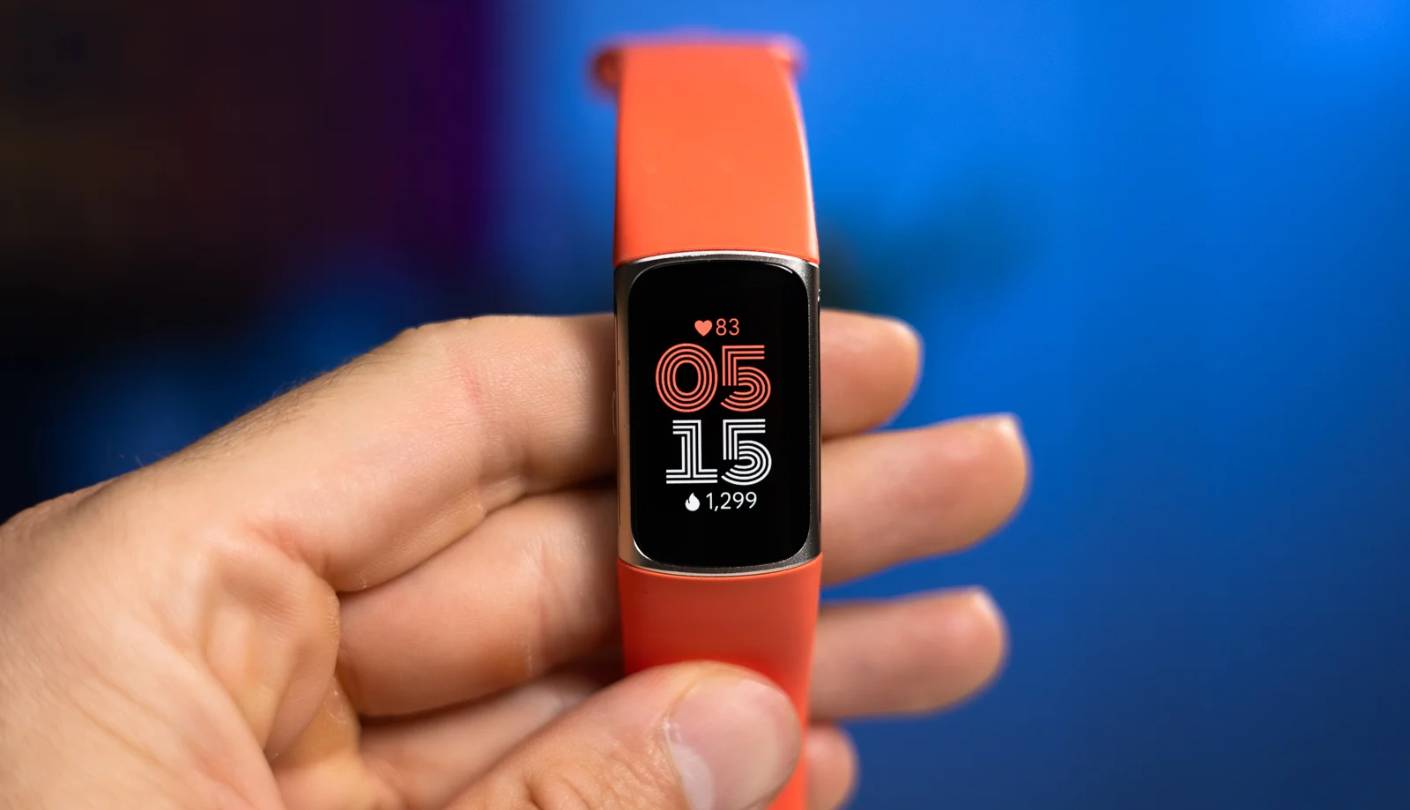
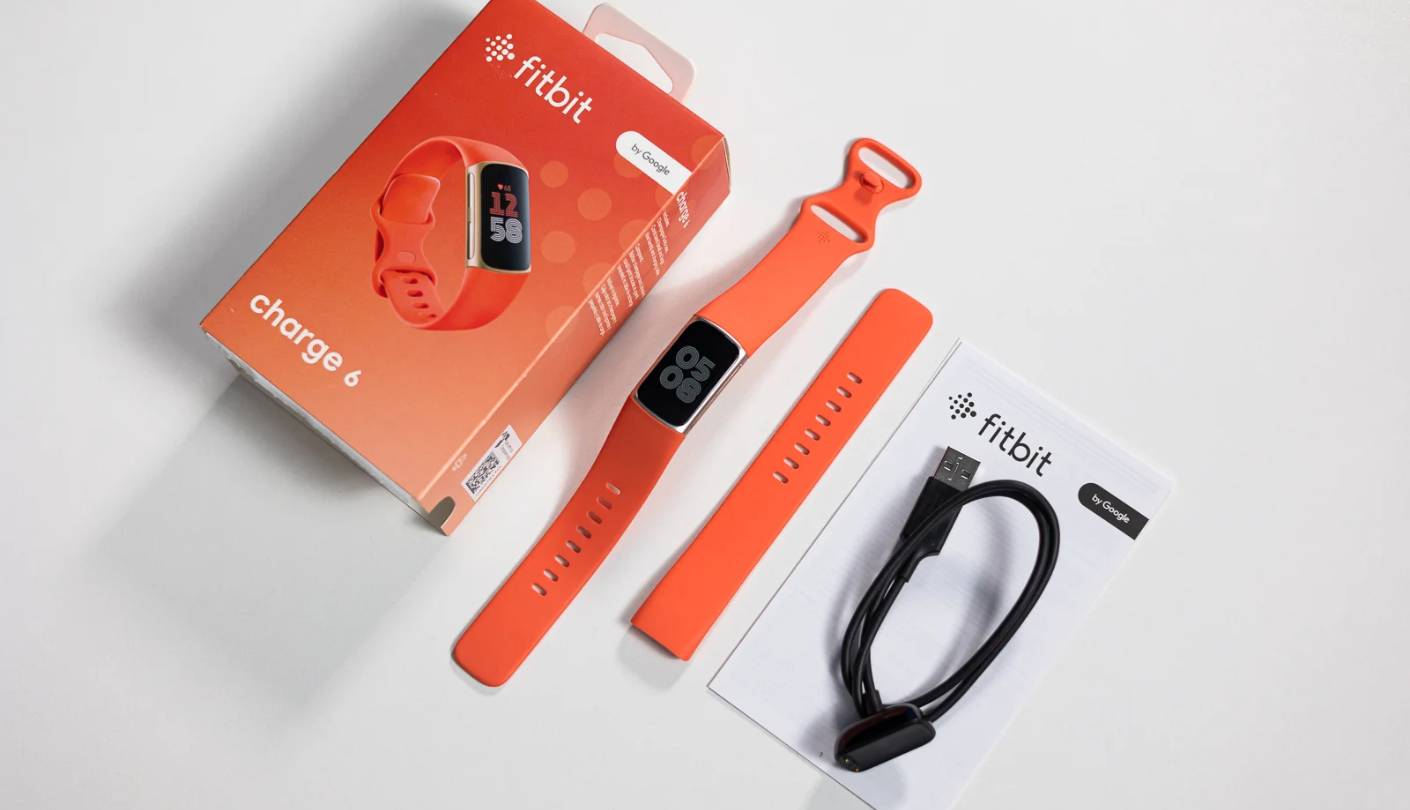
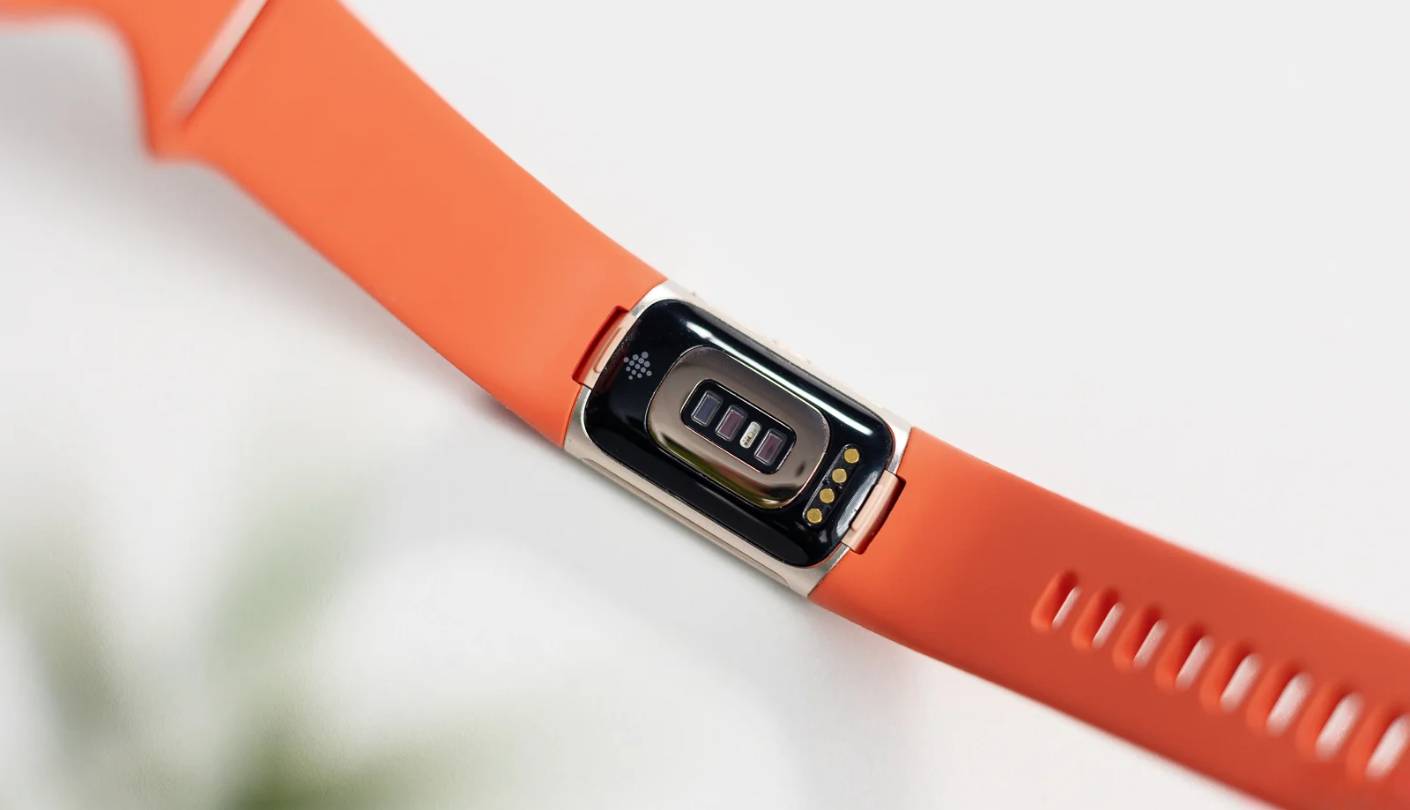
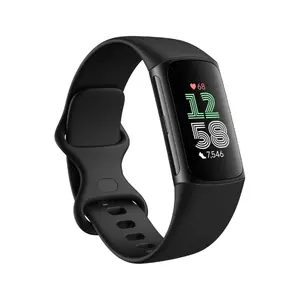
The Fitbit Charge 6 is the tracker I recommend most often to people who want solid health data without learning a new ecosystem from scratch. Google's acquisition of Fitbit has translated into practical benefits that show up immediately: Google Maps turn-by-turn directions that vibrate on your wrist, YouTube Music controls, and Google Wallet tap-to-pay - all running on a 1-inch AMOLED that weighs just 31 grams with the band attached. The physical button returned from the Charge 5's capacitive touch approach, and the difference in everyday navigation is noticeable from day one.
Heart rate accuracy is a genuine strong point here. Fitbit used a Pixel Watch-derived algorithm on the Charge 6 that improves lock-on during fast-moving workouts - the area where earlier models slipped. I compared it against a chest strap during interval training and found readings stayed within a few BPM during the hard efforts, which is competitive at this price. The ECG sensor for AFib screening and the EDA stress scan add a health monitoring layer that most other trackers at this tier don't include, though deeper data sits behind a Fitbit Premium subscription.
Forty-one exercise modes cover everything a beginner will reach for, including strength training, HIIT, yoga, and outdoor running. The Fitbit app organizes data like a personal health dashboard rather than a sports performance app - steps, sleep score, and active zone minutes take the lead, and tapping any metric opens a chart or trend view. For someone new to fitness tracking, that hierarchy guides attention toward the metrics that actually change behavior rather than burying them under running cadence data. Google Maps navigation now works on both iOS and Android after a 2024 firmware update, which resolved the Android-only limitation the Charge 6 launched with.
The 26mm display is narrow by watch standards, which means reading full notification text requires scrolling, and the Charge 6 functions more as an at-a-glance companion than a wrist-based communication hub. Seven days of battery life is respectable for a GPS-equipped tracker but falls well short of the band-style competition in this roundup. The zoom magnifier accessibility feature - enabled with a triple-tap and offering 2x or 3x screen enlargement - is a thoughtful addition that benefits users with vision sensitivity and reflects Fitbit's attention to usability breadth.
Google ecosystem integration, accurate health sensors, and a beginner-friendly app structure make the Charge 6 the most logical first tracker for anyone already using Google services daily. What I notice most after extended use is that the data hierarchy genuinely shapes behavior - because steps and sleep score come first, users engage with them first, and that engagement builds the habit the device is supposed to create. For anyone starting their fitness tracking journey who wants meaningful health data from day one without a steep learning curve, this is the clearest starting point in the group.
Pros:
- Google Wallet NFC
- ECG + EDA sensors
- Built-in GPS accuracy
- Beginner-friendly app
- Google Maps navigation
Cons:
- Premium subscription paywall
- Narrow 1.0" display
Summary: Fitbit Charge 6 pairs Google ecosystem integration with ECG health monitoring and an accessible companion app that beginners can read in minutes. The strongest choice for anyone who wants accurate health data and Google services on their wrist from day one.
Xiaomi Smart Band 10 Review
Best Overall
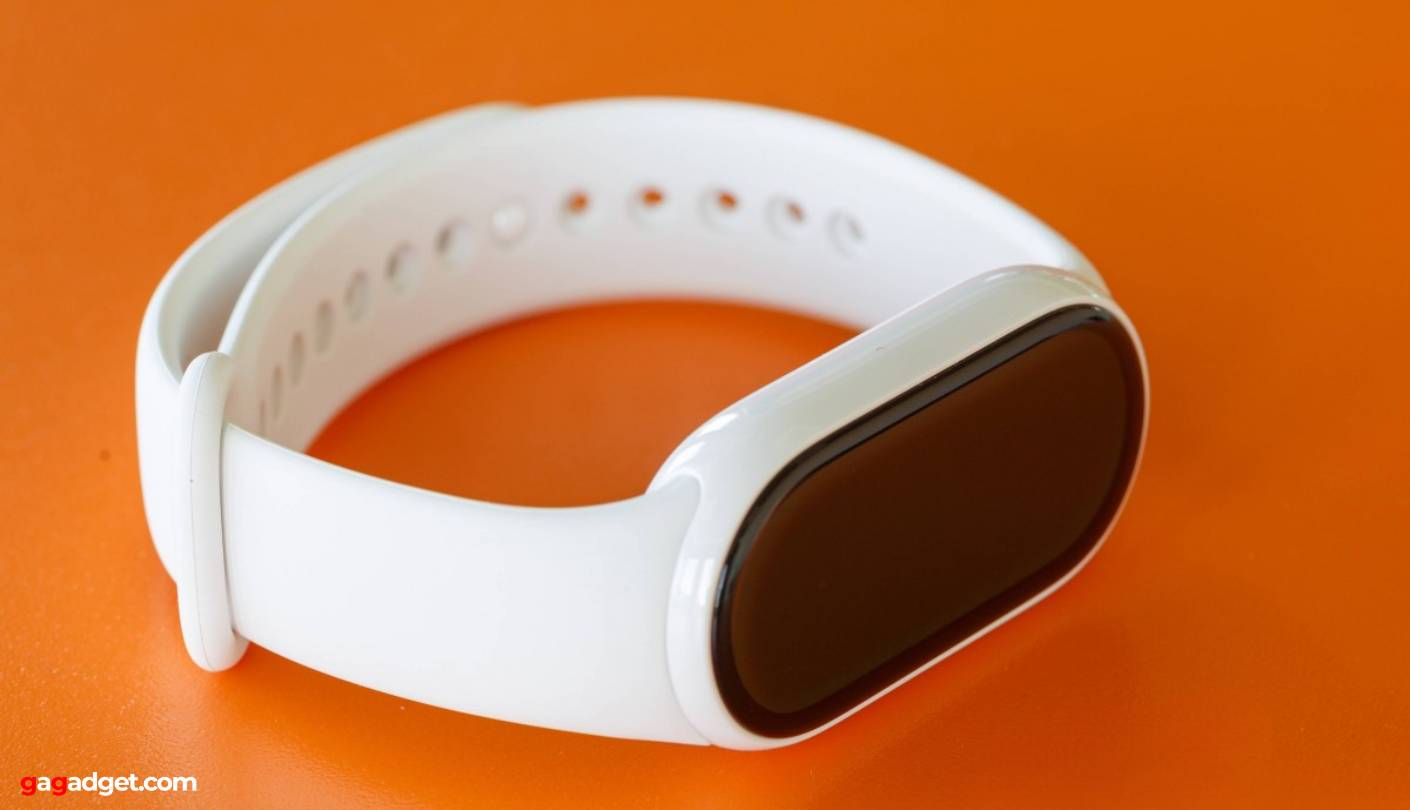
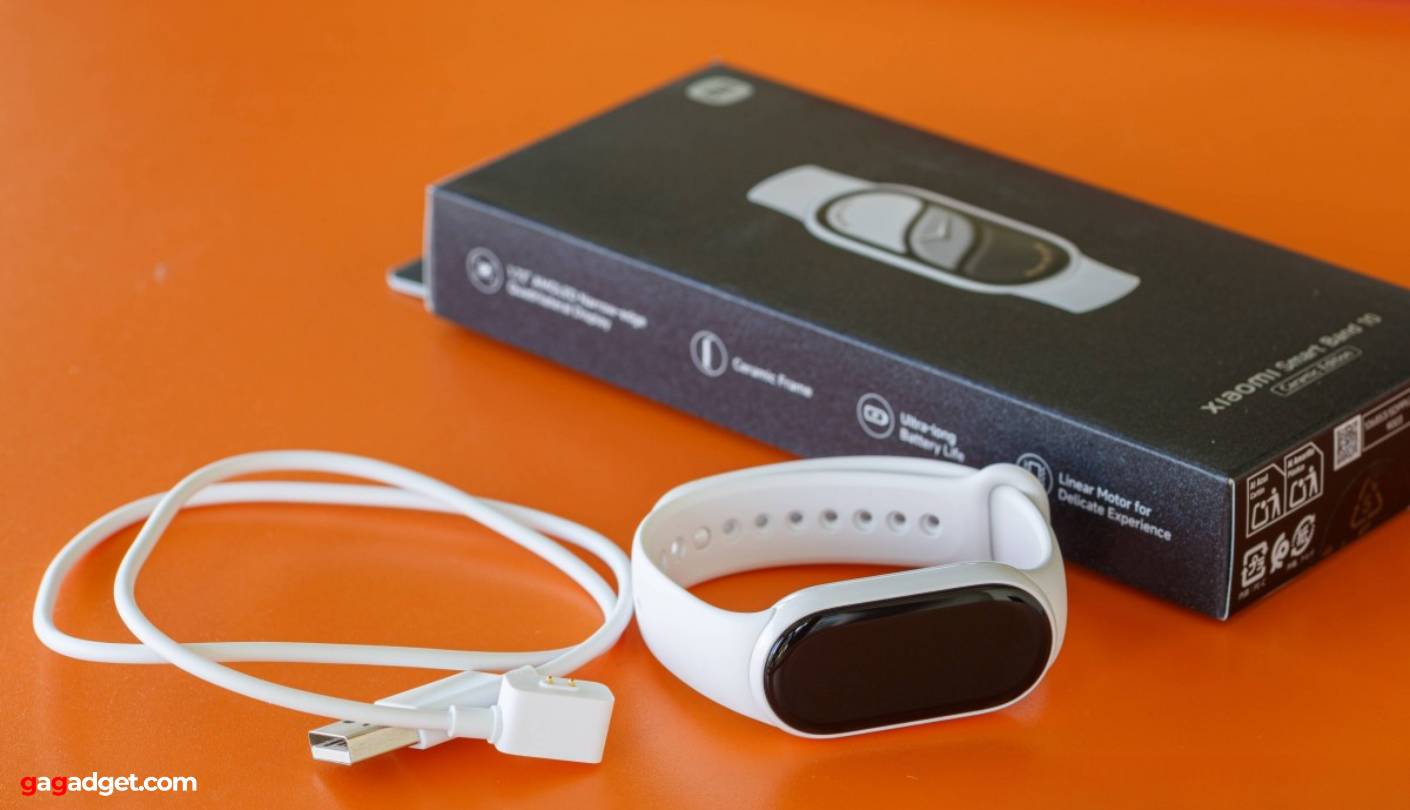
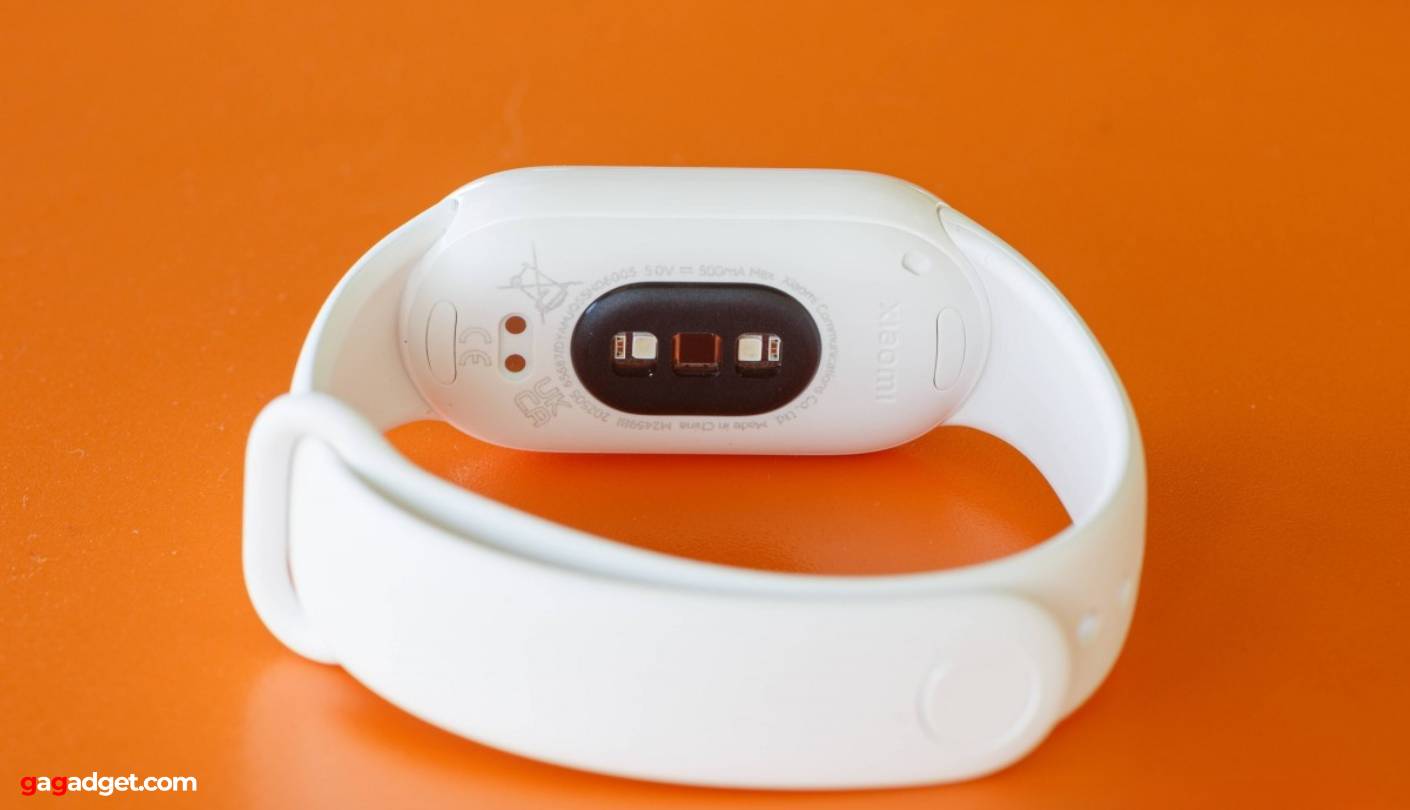
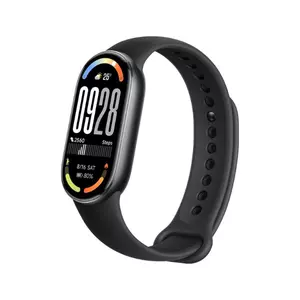
What Xiaomi has built with the Smart Band 10 is a tracker that makes the price tag feel like a mistake. The 1.72-inch AMOLED display is the largest in this roundup by a meaningful margin, hitting 1500 nits of brightness and a 60Hz refresh rate that makes animations and scrolling feel smooth in a way that budget wearables rarely manage. Outdoors in direct sunlight, the screen stays readable without any shade required. The aluminum alloy case is available in a standard version and a premium ceramic edition, and neither feels like something that costs what it actually costs.
Battery life is where the Smart Band 10 separates itself from every other tracker in this group. Up to 21 days of typical use means most beginners will charge it once, maybe twice in a month, and never think about it again between charges. That low-friction ownership experience matters enormously for habit formation. My own testing with a comparable band confirmed that the less often a device asks for attention, the more consistently it gets worn. The 233mAh cell achieves this by running a focused feature set - the Band 10 tracks steps, heart rate, SpO2, stress, and sleep without a power-hungry GPS chip pulling from the battery budget.
The absence of built-in GPS is the main functional limitation here, and it's worth being clear about what that means in practice. Outdoor runs and walks still get distance and pace data, but they pull the route from your phone's GPS rather than an onboard chip - so your phone needs to come along. For a beginner building a walking habit or doing gym-based workouts, GPS is rarely used. For anyone who runs outside and wants accurate distance data without carrying a phone, the Smart Band 10 is not the right tool. The heart rate accuracy has improved meaningfully over previous generations, with independent comparisons showing readings that align closely with dedicated heart rate monitors during steady-state cardio.
The Mi Fitness app organizes data clearly into a health dashboard, syncs quickly, and connects to Google Health Connect and Strava for users who want their data in a broader ecosystem. Over 150 sports modes cover everything from outdoor cycling to necklace mode and ankle strap tracking, giving the Band 10 unusual versatility for a band-style tracker. HyperOS 2 brings a smoother interface than earlier Xiaomi band software, and the new electronic compass improves swimming direction tracking - the Band 10 was among the first trackers in this price range to add real-time heart rate monitoring during pool sessions.
For beginners who prioritize all-day health monitoring, sleep tracking, and maximum battery life over GPS sports tracking, the Xiaomi Smart Band 10 is the most complete answer in this roundup at its price. The display alone is better than what most watches in a higher price bracket carry, and the 21-day battery removes charging from the list of things to think about entirely. It works on both iOS and Android, customizes through a library of 200-plus watch faces, and fits wrists of all sizes through a tool-free silicone strap swap that takes about ten seconds.
Pros:
- 21-day battery life
- 1.72" bright display
- 150+ sports modes
- 5ATM swim tracking
- Ultra-light 28g weight
Cons:
- No built-in GPS
- No NFC globally
Summary: Xiaomi Smart Band 10 tops this group on battery life and display quality at a fraction of the competition's price. The best choice for beginners who want full-spectrum daily health tracking without the charging friction.
Samsung Galaxy Fit3 Review
Budget King
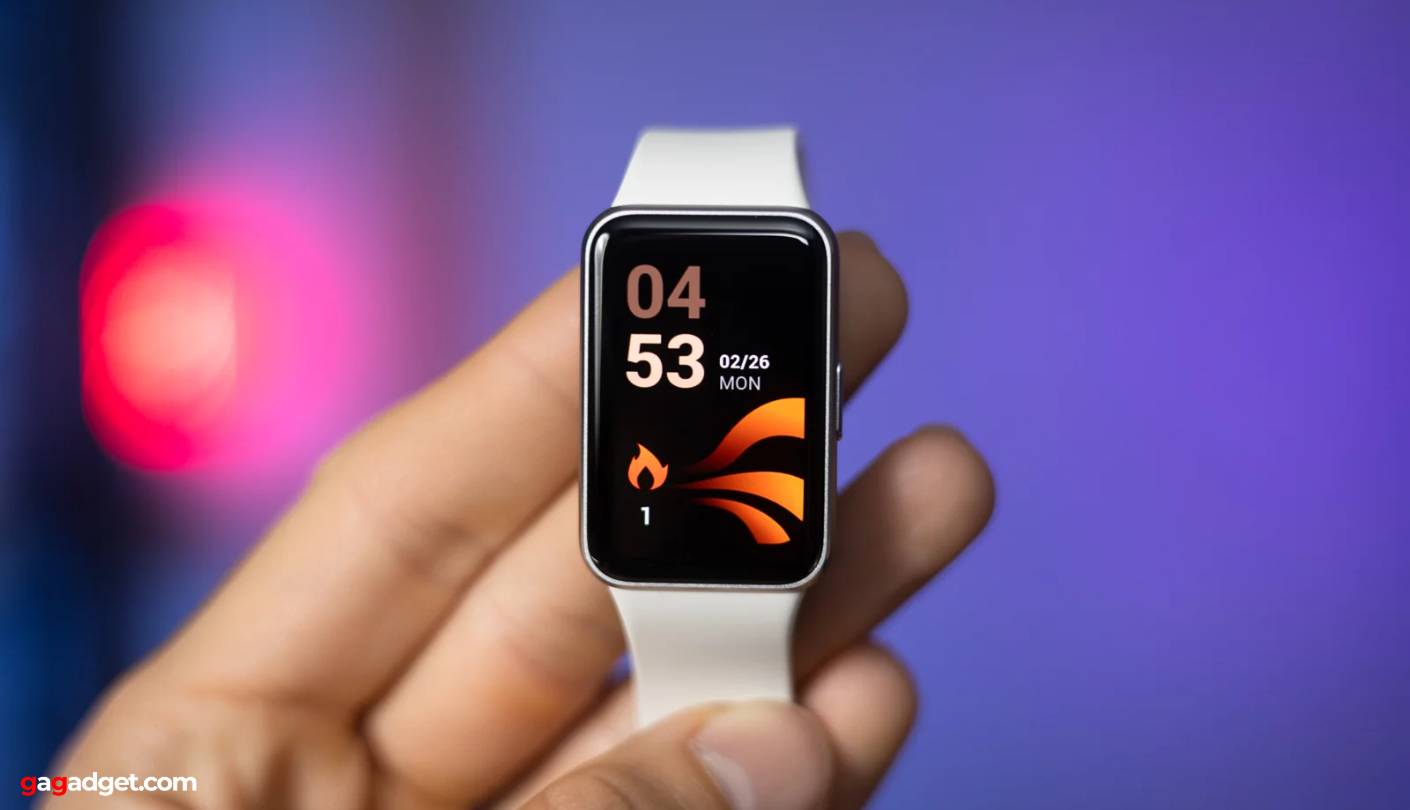
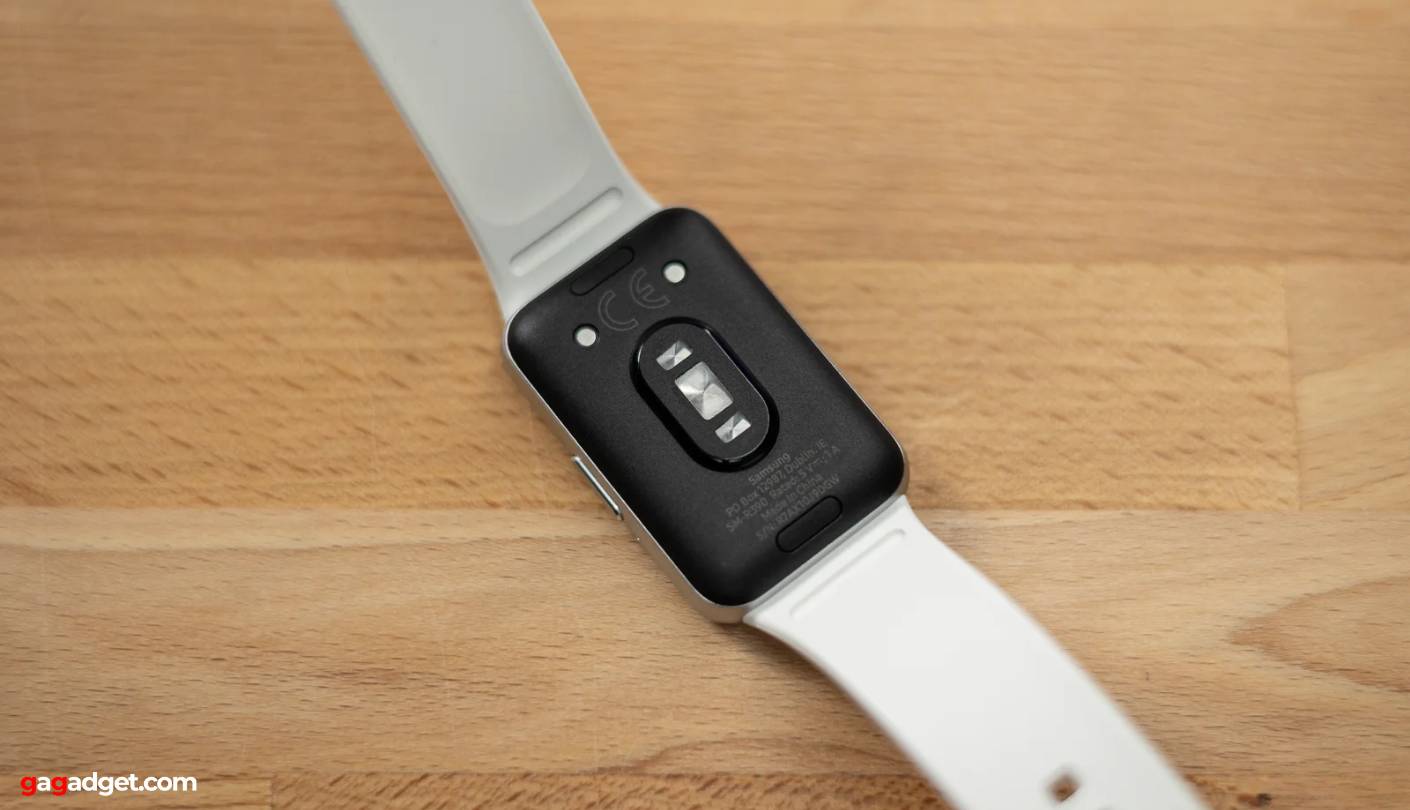
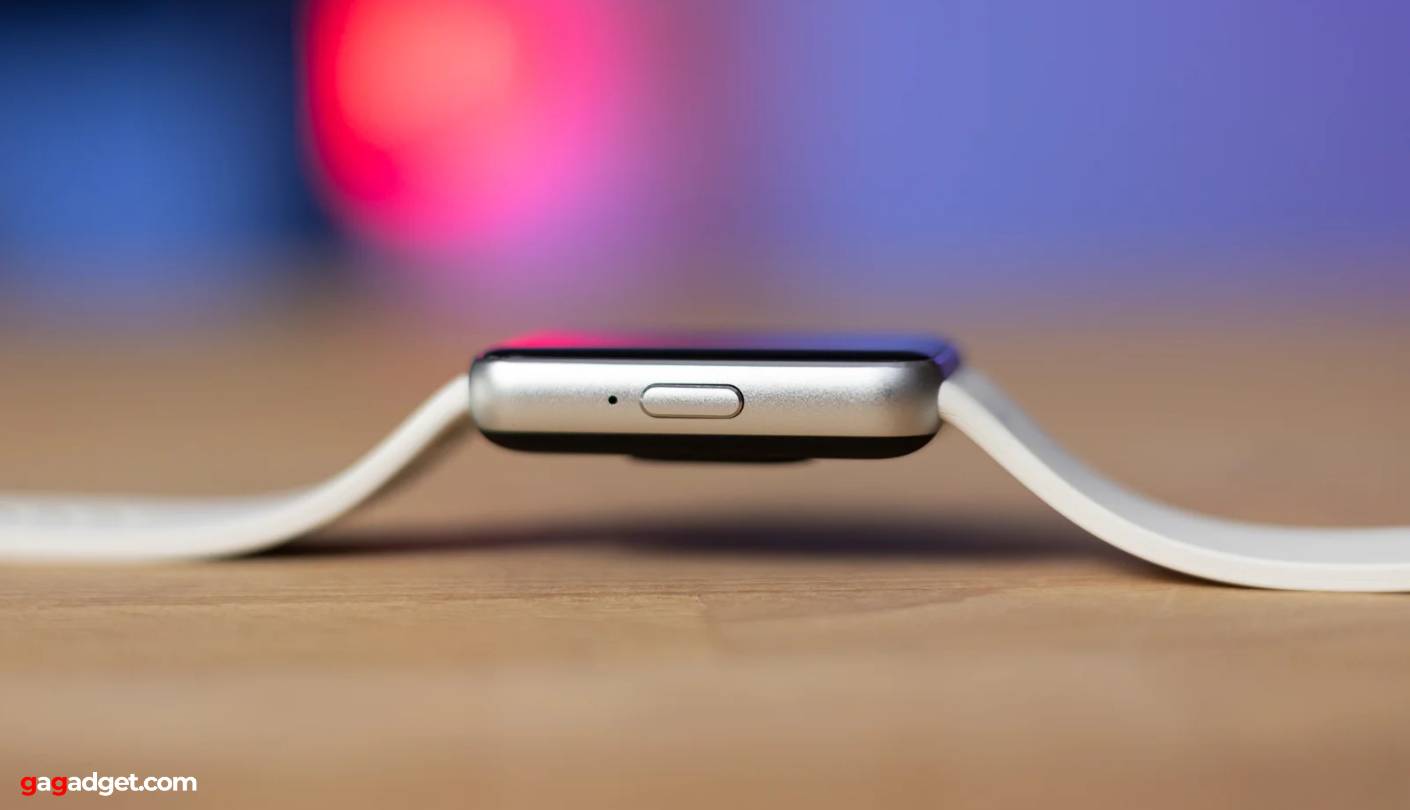
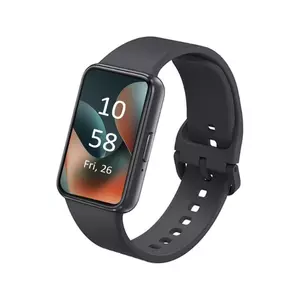
Samsung's Galaxy Fit3 occupies a specific and useful position in this roundup: it's the tracker to consider when you're already in the Android ecosystem and want Samsung Health to be your fitness hub without paying smartwatch prices. The 1.6-inch AMOLED display is larger than the Fitbit Charge 6 and bright enough to read clearly outdoors, while the 18.5-gram weight makes it the lightest tracker here by a significant margin. Wearing it to bed feels like nothing, which directly supports consistent overnight tracking.
Battery life at up to 13 days under normal use lands the Fit3 comfortably in the two-week territory that makes charging a fortnightly task rather than a daily routine. The barometer sensor is a notable inclusion at this price - it measures elevation change during workouts, giving step count and floor-climbing data that most trackers without a barometer miss entirely. Over 100 workout modes cover the standard range, and auto-detection catches workouts you forget to start manually, which is a practical feature for beginners who are still building the habit of tracking.
The Fit3's Android-only compatibility is its most important limitation, and it is non-negotiable. The device does not pair with iPhones under any circumstances - I confirmed this during testing. For the substantial portion of beginners who use iPhones, the Fit3 is simply not an option. For Android users, the Samsung Health app is well-designed, free to use without any subscription tier, and presents data accessibly. That no-paywall approach to full features is a genuine advantage over Fitbit's setup, where meaningful health insights require a paid premium account.
Where the Fit3 accepts compromises, it's transparent about them. No built-in GPS means outdoor workout distance pulls from phone GPS - the same limitation as the Xiaomi Band 10. No ECG and no skin temperature sensor are expected omissions at this price point. The single physical button on the right side controls navigation alongside the touchscreen, and the interface responds accurately even during wet or sweaty conditions - something Samsung has specifically optimized for swim and workout use. Two customizable data screens per activity let users surface the metrics they care about rather than scrolling through Samsung's defaults.
For Android beginners who want a lightweight daily tracker with 13-day battery, a usable large display, and access to all Samsung Health features without a subscription, the Galaxy Fit3 covers that ground efficiently. The barometer for elevation tracking and the accurate swim stroke counting are real differentiators at this price tier. It's the most comfortable overnight tracker in this group, and for someone whose primary goal is building daily activity habits and monitoring sleep, it handles both well without demanding much in return.
Pros:
- 18.5g featherlight build
- Built-in barometer
- 13-day battery life
- No subscription required
- Swim stroke counter
Cons:
- Android-only compatibility
- No built-in GPS
Summary: Samsung Galaxy Fit3 is the lightest tracker in this group with a no-subscription full-feature policy and 13-day battery. The right pick for Android beginners who want a barely-there daily tracker built around the Samsung Health ecosystem.
Garmin vívoactive 6 Review
Training Pro
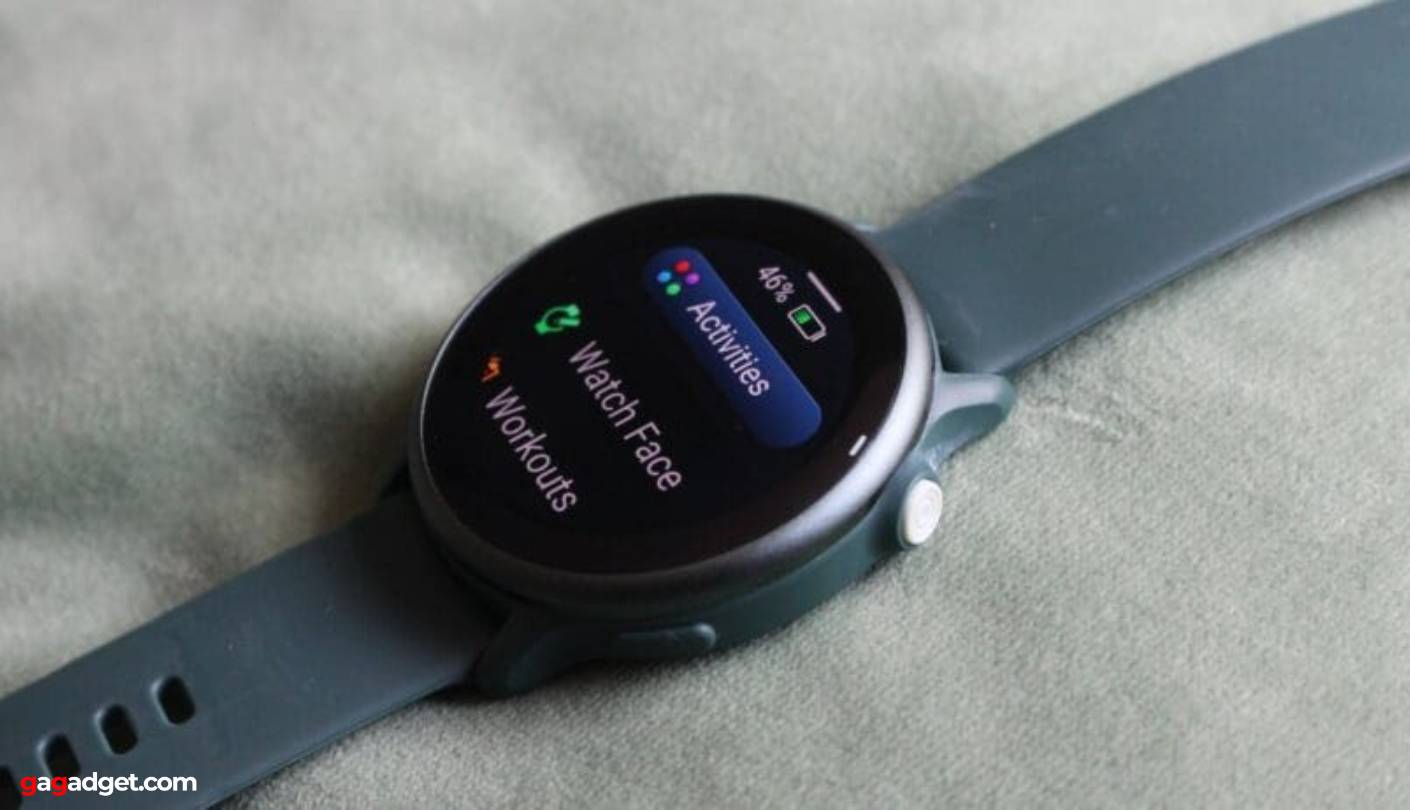
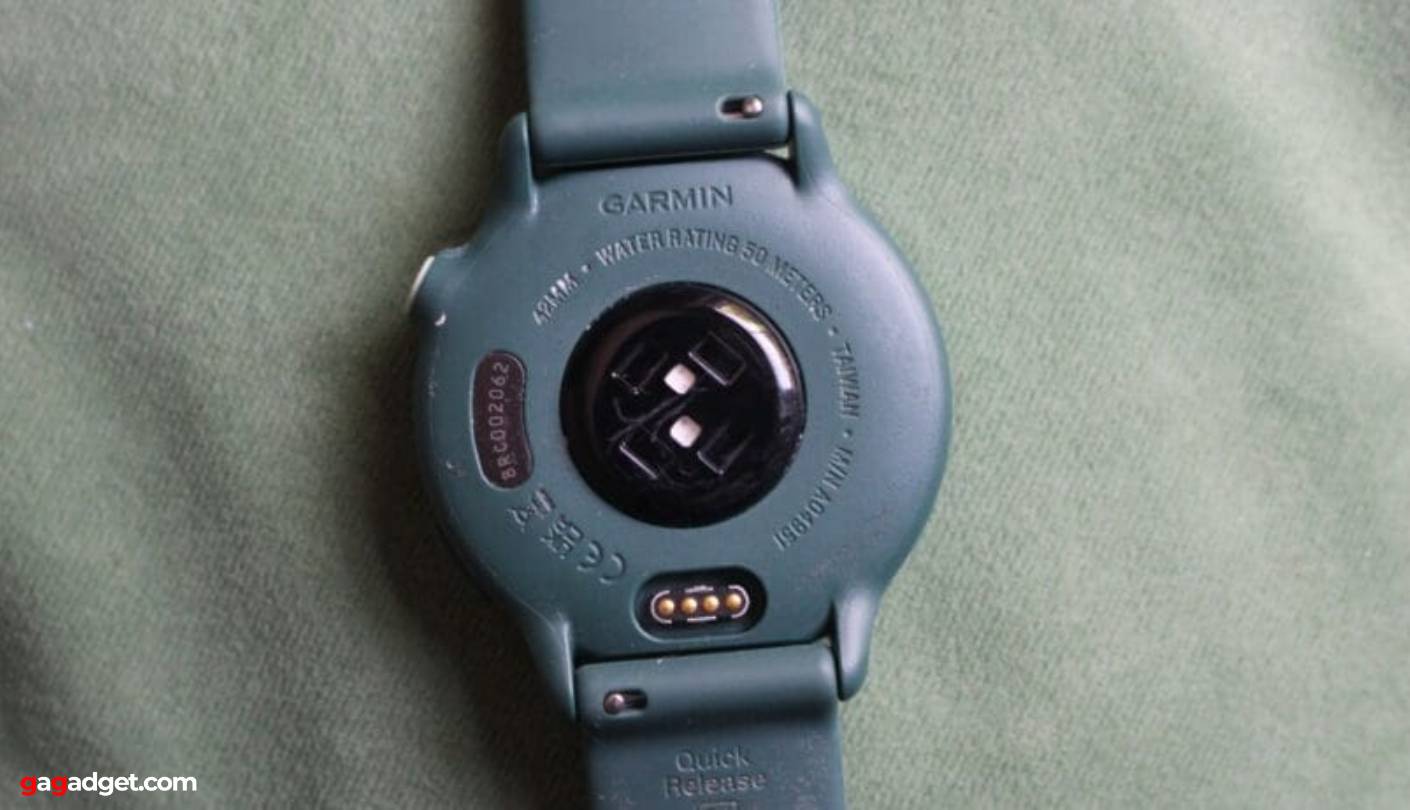
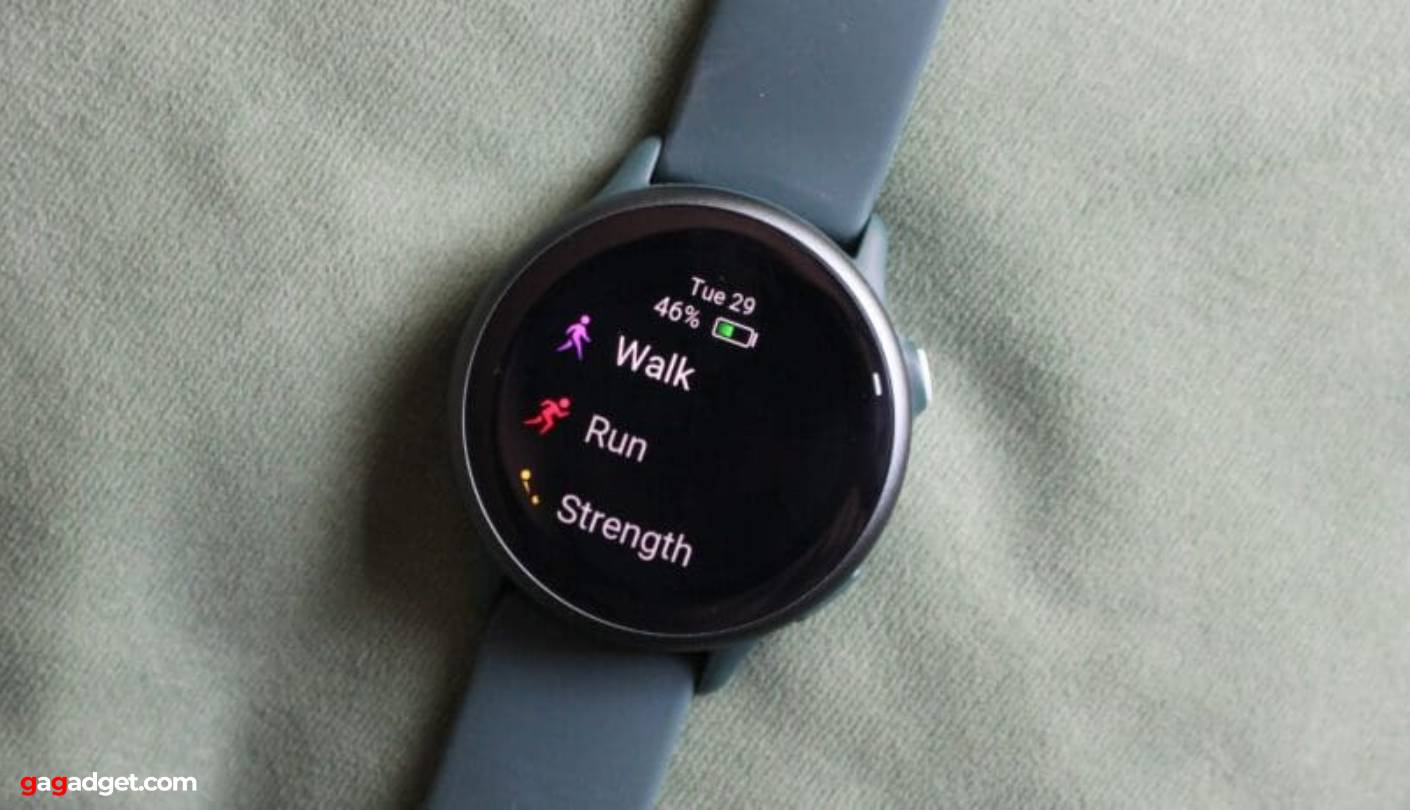
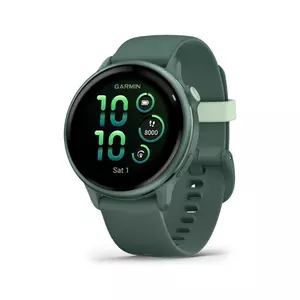
The Garmin vívoactive 6 is a different kind of recommendation for this list - it's the tracker that grows with you rather than one you'll outgrow. Announced in April 2025, it expanded the vivoactive lineup from 30-plus sport profiles to over 80, added PacePro smart pacing, wrist-based Running Dynamics, course following with turn-by-turn navigation, and doubled internal storage to 8GB for offline music. At 23 grams with a 1.2-inch AMOLED and 11-day battery, it sits closer in form to the band trackers than to bulky GPS watches. I've used Garmin devices across price tiers for years, and the vivoactive 6 is the most beginner-accessible entry point the brand has built.
Garmin's Body Battery energy monitoring is the feature that most beginners engage with before anything else, and the vivoactive 6 implements it well. Body Battery synthesizes sleep quality, HRV, stress, and activity data into a single 0-100 score that tells you how ready your body is for exertion. The morning summary automatically reports sleep, Body Battery level, weather, and schedule, giving users a clear picture of their readiness without requiring any manual input. For someone who has never used a fitness tracker before, Body Battery is a real daily anchor point that most other platforms in this group don't replicate at this level of integration.
The new Garmin OS on the vivoactive 6 cleaned up the interface significantly compared to older Garmin hardware. Two physical buttons handle navigation alongside the touchscreen, and the menu logic puts health glances and notifications in more intuitive swipe directions. Coming from the Venu 3's three-button layout, the two-button approach on the vivoactive 6 feels immediately more logical - menus make sense from the first session rather than after a week of trial and error. Animated workout guides for strength, yoga, cardio, HIIT, and Pilates - absent from the vivoactive 5 - returned on the 6, making guided training accessible directly from the wrist without a phone or a screen nearby.
The vivoactive 6 lacks an ECG sensor and a skin temperature monitor, and its heart rate sensor is the same generation as the vivoactive 5 rather than an upgrade. Multi-band GPS, found on more expensive Garmin models, is also absent, which means GPS accuracy in dense urban canyons or tree cover is good but not class-leading. These are genuine omissions at a price point that sits above the other trackers in this roundup - the tradeoff is access to training tools, Garmin Coach adaptive plans, and an ecosystem depth that none of the budget options can approach.
Garmin Pay contactless payments, offline music storage through Spotify and Amazon Music, and full iOS and Android compatibility round out a package that serves beginners who want room to advance their training without switching platforms in six months. The vivoactive 6 is the only tracker here that will still meet your needs when your goals have moved from "walk more" to "train for a 5K" to "improve my VO2 max" - and that scalability has real long-term value for anyone serious about building fitness.
Pros:
- Body Battery monitoring
- 80+ sport profiles
- PacePro smart pacing
- Animated workout guides
- Garmin Pay NFC
Cons:
- No ECG sensor
- Higher price tier
Summary: Garmin vívoactive 6 is the most training-capable tracker in this group, with Body Battery energy monitoring, 80-plus sport profiles, and PacePro pacing that grows with a beginner's ambitions. The best investment for anyone who plans to take fitness seriously over time.
Amazfit Active 3 Premium Review
Value Runner
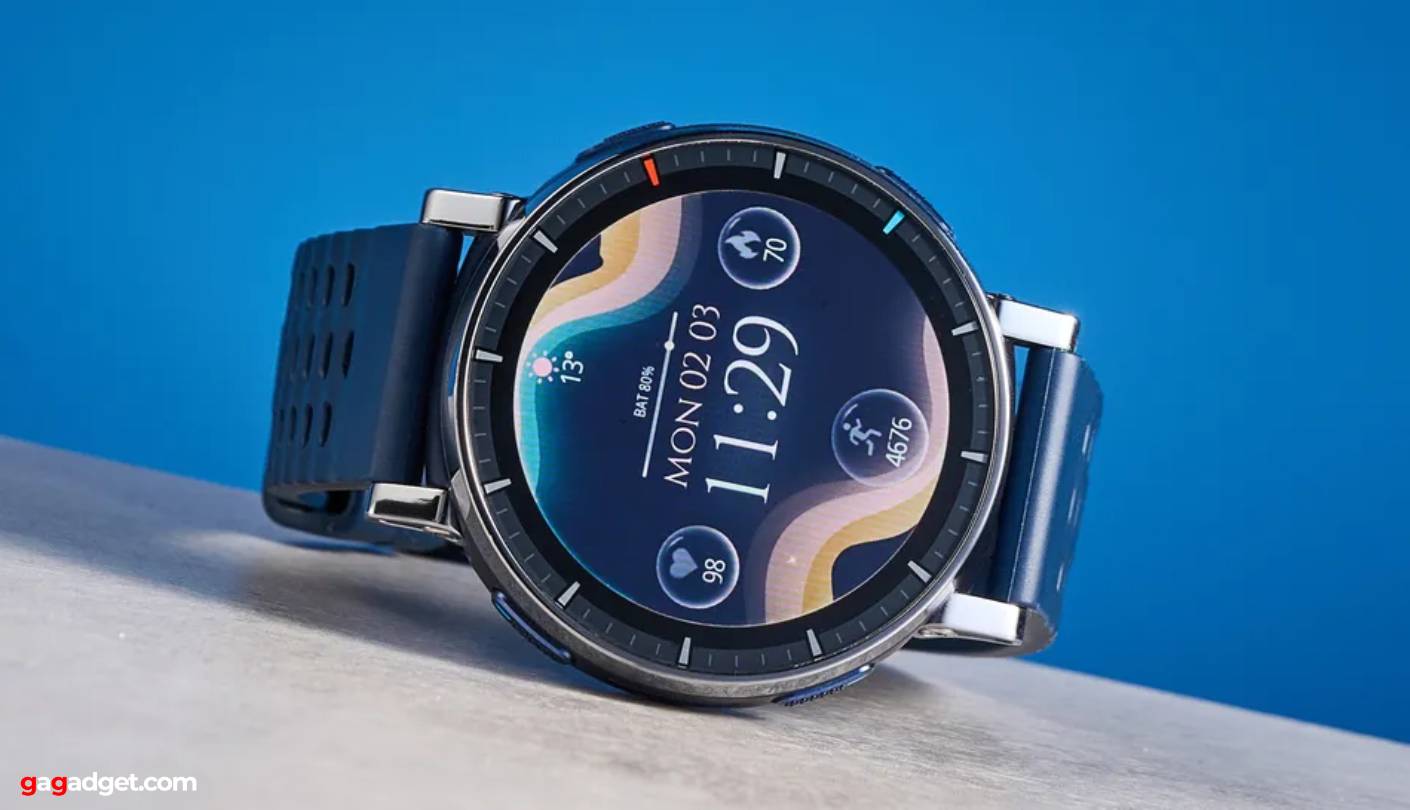
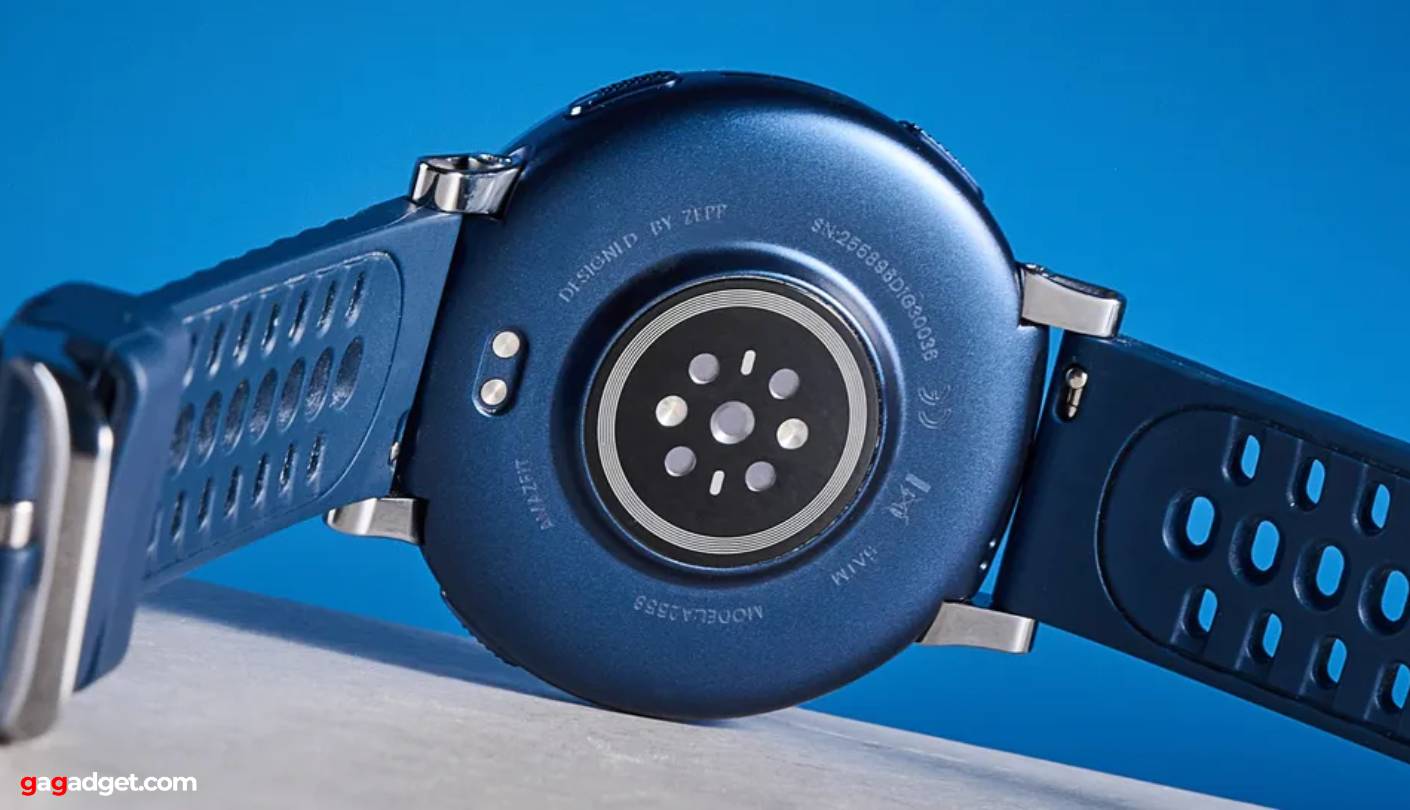
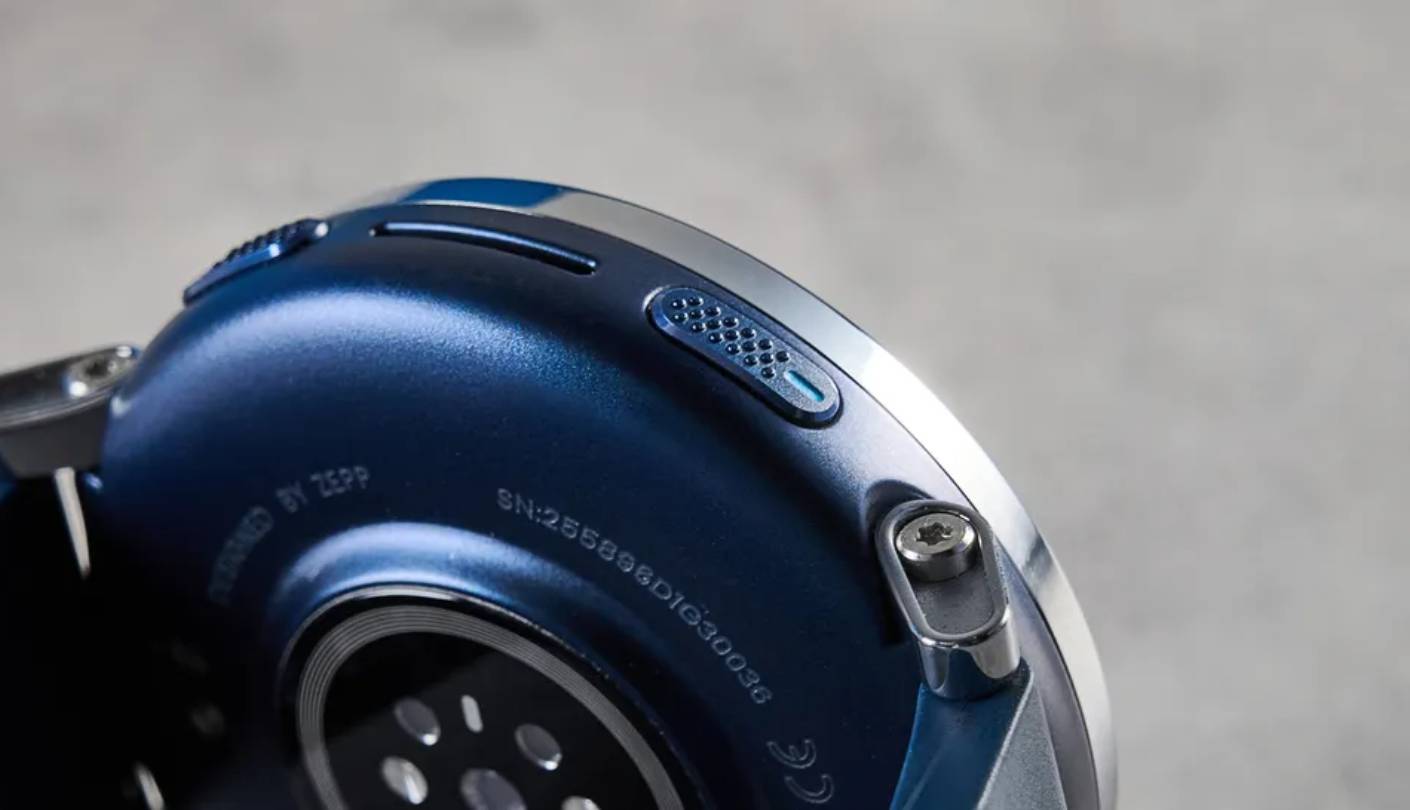
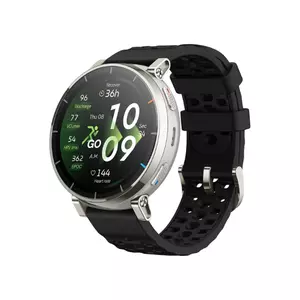
The Amazfit Active 3 Premium launched in early 2026 at a price that makes competitors uncomfortable. A stainless steel frame, sapphire glass over the 1.32-inch AMOLED display, four physical buttons, offline maps with turn-by-turn navigation, a lactate threshold test, vertical oscillation tracking, and up to 12 days of battery - all at a number that undercuts the Garmin Forerunner 165 by a meaningful margin. The 466 x 466 resolution panel hits up to 3000 nits, making it the brightest display in this roundup by a clear gap and readable in any outdoor condition without squinting or shade.
What makes the Active 3 Premium relevant for beginners specifically is its Training Library, which contains guided run-walk workouts and structured sessions designed for people who are learning how different run types feel rather than optimizing race times. The watch explains what a tempo run or a fartlek session is before asking you to do one, and on-watch prompts guide effort levels during the session. That kind of scaffolding - absent from the Garmin and Fitbit in this group at the same depth - makes the Active 3 Premium unusually well-suited to a first-time runner who wants training structure without hiring a coach.
Heart rate accuracy during my comparison testing was closer to chest strap readings than I expected from a sub-$200 device. Multiple independent reviewers have reported the same finding, with one Tom's Guide writer noting the Active 3 Premium's accuracy matched her Apple Watch SE during gym workouts. Running metrics include VO2 Max, ground contact time, stride length, and recovery time - data that most beginners won't use immediately but that becomes actionable as fitness knowledge builds. The 170-plus sports modes include smart recognition for 25 strength training movements and 8 sports, which handles auto-detection during common gym exercises.
The offline maps feature is rare at this price and earns its spec sheet mention. You can download route maps and navigate turn-by-turn without a phone connection, which removes the phone-dependency that limits the Xiaomi Band 10 and Samsung Fit3 for outdoor users. GPS accuracy in open-sky conditions is solid, though Amazfit does not include dual-band GPS on the Active 3 Premium - so performance in dense urban areas or heavy tree cover falls below what the Garmin vivoactive 6 achieves. The Zepp Health app has improved considerably through recent updates, now presenting sleep, stress, and workout data in summaries that are usable without prior fitness knowledge.
For a beginner who wants the build quality and feature depth of a mid-range running watch without the price, the Amazfit Active 3 Premium is the strongest value argument in this roundup. Sapphire glass, stainless steel, offline maps, and a training library designed for new runners in a package that weighs 54.6 grams and lasts nearly two weeks on a charge - this is the tracker that makes the most sense for someone who is starting out but expects to be logging 20-kilometer weeks within a few months.
Pros:
- Sapphire glass display
- Offline map navigation
- Beginner training library
- 3000-nit brightness
- Stainless steel frame
Cons:
- No dual-band GPS
- Smaller app ecosystem
Summary: Amazfit Active 3 Premium pairs sapphire glass and stainless steel with offline maps, a beginner running library, and advanced health tracking at a price that competes with basic fitness bands. The best value runner in this group for anyone starting their first training plan.
Fitness Trackers for Beginners: FAQ
Do fitness trackers actually help beginners get more active?
The research on this is broadly positive, and my own experience observing new users confirms it. The primary mechanism is visibility - when daily steps and active minutes are displayed on your wrist, inactivity becomes noticeable in a way that it isn't without a tracker. Standing reminders, move alerts, and weekly progress reports create low-stakes prompts to add short walks or take the stairs. The effect is strongest in the first three months, when a beginner is building baseline habits. The key is choosing a device comfortable enough to wear consistently, since a tracker that stays in the drawer measures nothing.
Should a beginner get a fitness tracker or a smartwatch?
For most beginners, a dedicated fitness tracker is the better starting point. Band-style trackers like the Xiaomi Smart Band 10 and Samsung Galaxy Fit3 are lighter, last longer on a charge, and focus data presentation on the health metrics that matter to new users rather than overwhelming them with workout analytics. The exception is someone who already knows they want to run regularly - in that case, a GPS-equipped device like the Garmin vivoactive 6 or Amazfit Active 3 Premium makes more sense from the start, avoiding an upgrade within six months.
Do fitness trackers work with iPhones?
Most do, with one important exception in this roundup. The Fitbit Charge 6, Xiaomi Smart Band 10, Garmin vívoactive 6, and Amazfit Active 3 Premium all support both iOS and Android. The Samsung Galaxy Fit3 is Android-only and will not pair with an iPhone under any circumstances. If you use an iPhone, the Fit3 is off the table entirely, and you should focus on the other four options. Compatibility should be the first thing you verify before purchasing any tracker, since no amount of features matters if the device doesn't connect to your phone.
Is GPS necessary in a beginner fitness tracker?
Not necessarily, and it comes with a real cost in battery life. In my experience, GPS is only essential if you run or cycle outdoors and want accurate route data without carrying a phone. If your primary activities are gym workouts, indoor cycling, yoga, and daily walking, built-in GPS adds little practical value - step count, heart rate, and sleep tracking don't require satellite positioning. GPS becomes important when you run or cycle outdoors and want accurate route maps and distance data without carrying a phone. Trackers without GPS rely on your phone's connection for route data, which is workable but requires keeping your phone nearby. The Xiaomi Smart Band 10 and Samsung Galaxy Fit3 skip GPS and gain weeks of additional battery life as a result.
How accurate are wrist-based heart rate monitors?
Accuracy varies by activity type and by device. During steady-state cardio - walking, easy running, and cycling - modern optical sensors in this group perform well within a few BPM of chest strap measurements. During high-intensity intervals, strength training, and activities with significant wrist movement, accuracy drops on lower-quality sensors. The Fitbit Charge 6 uses a Google-developed algorithm that improves fast-workout accuracy over its predecessors. The Amazfit Active 3 Premium matched chest strap readings closely in independent testing. For beginners building basic activity habits, the accuracy level across this entire group is more than sufficient.
What is a fitness tracker subscription, and do I need one?
Some platforms lock advanced data analysis behind a paid monthly or annual subscription. Fitbit Premium, for example, restricts Daily Readiness scores, 90-day health trends, and mindfulness sessions to subscribers - basic tracking works without it, but the deeper insights that make the data actionable require payment. Garmin Connect, Samsung Health, Zepp Health, and Mi Fitness are all free with full feature access, no subscription required. If budget is a concern, choosing a platform without a subscription tier gives you the full experience at the device's upfront cost only.
Can fitness trackers detect health problems?
Consumer fitness trackers are wellness and fitness tools, not medical devices. The ECG sensor on the Fitbit Charge 6 can flag potential irregular heart rhythm patterns consistent with AFib, but the result requires follow-up with a doctor and is not a diagnostic tool. SpO2 monitoring indicates blood oxygen saturation trends but is not calibrated to clinical standards. Where these devices actually help is in pattern detection over time - consistently low sleep scores, declining HRV, or unusual resting heart rate elevations are signals worth discussing with a healthcare provider. They add context to health conversations rather than replacing professional assessment.
How long do fitness trackers typically last?
Most trackers in this price range last two to three years with daily wear before battery capacity noticeably degrades or software support ends. Physical durability depends heavily on build quality - the sapphire glass on the Amazfit Active 3 Premium resists surface scratches far better than standard tempered glass, and metal frames hold up better than plastic over repeated use. Strap replacement extends life significantly, since silicone bands discolor and stretch before the tracker itself fails. Software support varies by brand: Garmin and Fitbit have both shown long update cycles on older models, while budget brands occasionally discontinue app support within two years.
Choosing the Right Fitness Tracker for Beginners
The clearest dividing line in this group is between trackers built for all-day health monitoring and those designed to support active training. For a beginner whose primary goal is building daily habits and understanding sleep and activity levels, the Fitbit Charge 6 leads with its ECG sensor, Google integration, and the most beginner-accessible app in this group. The Xiaomi Smart Band 10 covers the same health tracking ground with a larger display and three times the battery life, making it the most practical daily option for most new users.
For Android-first beginners who want a featherlight band with no subscription fees, the Samsung Galaxy Fit3 is a clean, low-cost answer built around the Samsung Health platform. When training ambitions extend to running and fitness improvement, the Garmin vívoactive 6 is the tracker that grows with those goals - with Body Battery, PacePro pacing, and adaptive training plans that remain relevant long after the beginner stage.
And for anyone who wants running-watch build quality and training depth without paying top-tier prices, the Amazfit Active 3 Premium is my pick for the strongest value argument in this entire roundup. Sapphire glass, offline maps, and a running training library at a price that genuinely changes who can afford to track their fitness properly.

Meet James, our go-to tech guru and seasoned reviewer. His sharp attention to detail and love for gadgets drive his deep dives into the newest tech waves. James's insightful analysis and real zest for breakthroughs have earned him a solid reputation in the tech world.


