Best Smartwatches for iPhone
Pairing a smartwatch with an iPhone goes deeper than picking up the obvious Apple Watch and moving on. iOS lets in a wide field of fitness watches, sport-focused trackers, and lifestyle wearables, and how each handles notifications, message replies, and Health app sync varies more than the spec sheets suggest. The result on my wrist over the past few months: same iPhone, five very different daily experiences.
I've spent the past eight months rotating five watches on my left wrist - through a half-marathon training block, an Alpine hiking week, and roughly 240 days of iPhone-paired daily wear - and the differences in real use turned out to be sharper than any side-by-side data table could show. Each watch went through real workouts, sleep cycles, and notification-heavy workdays, not synthetic stress runs. Here are the best smartwatches for iPhone right now.
If you're in a hurry, here are my top two picks for smartwatches for iPhone:
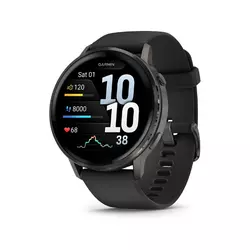
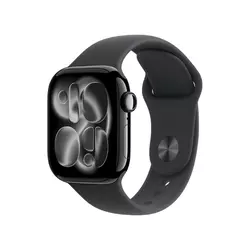
Table of Contents:
- Best Smartwatches for iPhone: Buying Guide
- Top 5 Smartwatches for iPhone in 2026
- Smartwatch for iPhone Comparison
- Garmin Venu 4
- Apple Watch Series 11
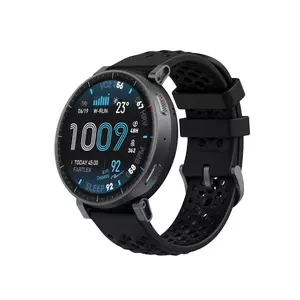
- Amazfit Active Max
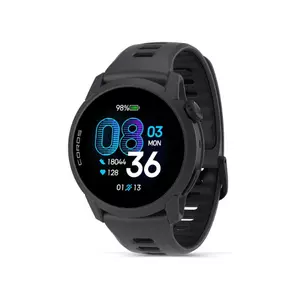
- COROS PACE 4
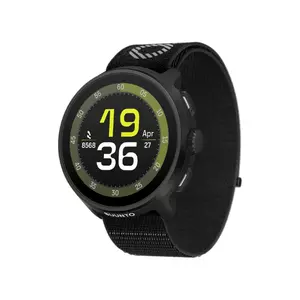
- SUUNTO Run Sports Watch
- Smartwatches for iPhone: FAQ
Best Smartwatches for iPhone: Buying Guide

iPhone Compatibility and Notification Handling
How a watch handles iOS pairing shapes more of the daily experience than the marketing pages tell you. The Apple Watch Series 11 is the only one in this group that can reply to iMessages with the full keyboard, dictation, and emoji set, plus answer FaceTime audio calls right on the wrist. Garmin, Amazfit, COROS, and Suunto all show iOS notifications and let you dismiss or pre-set quick replies, but iPhone restrictions mean none of them can send freeform text back over iMessage. For users who reply to messages from the watch dozens of times a day, this gap matters. For users who only need to glance at incoming alerts, every watch here handles that fine.
Health app sync is another area where iPhone owners need to think ahead. Apple Watch writes data straight into Apple Health, but Garmin Connect, Zepp, COROS, and Suunto all need their own apps installed and configured to feed data over to Health. The flow works once set up, but the first hour after unboxing requires more setup on the non-Apple watches.
I run my notifications through a fairly typical mix - Slack, WhatsApp, Telegram, calendar alerts, fitness app pings - and the difference between the Apple Watch and the rest is most visible in how quickly notifications appear and how the haptic feedback feels. Apple's tap on the wrist is instantly recognizable, and alerts surface within a second or two. The Garmin Venu 4 lags by two to three seconds in my testing, with Amazfit and COROS sitting in the same range. The Suunto Run feels the slowest of the group, occasionally taking five seconds before alerts arrive. None of these are deal-breaking gaps for most workflows, just real differences worth knowing before buying.
Display Quality and Always-On Behavior
AMOLED has become the default for premium smartwatches, and every watch in this roundup uses one. The differences come down to brightness, pixel density, and how each handles always-on mode. The Amazfit Active Max pushes a peak brightness of 3,000 nits on its 1.5-inch panel, which is the brightest in this group and stays readable even in direct summer sun. The COROS PACE 4 sits at 1,500 nits on its 1.2-inch screen, the Apple Watch Series 11 at 2,000 nits, and the Garmin Venu 4 close behind. My eyes don't notice the gap between 1,500 and 3,000 nits in normal conditions, but on a beach run at midday, the Amazfit's screen visibly cuts through the glare easier than any of the others.
Always-on behavior is where the battery economy gets interesting. The Apple Watch keeps full color and complications visible at all times with adaptive dimming, but it also drives the 24-hour battery claim down toward 16 to 18 hours of practical use with always-on enabled. The Garmin Venu 4 with always-on drops from a 10-day rating to about three days on the 41mm. The COROS PACE 4 and Suunto Run both let you toggle always-on independently per activity, which gives the kind of control I want as a runner who needs the screen lit during intervals but dark during sleep. From my own routine, I keep always-on disabled on every watch here except the Apple Watch and use a wrist-raise gesture for time checks.
Health Sensors and Tracking Accuracy
Optical heart rate sensors have improved across the board, but the gap between top tier and budget tier still shows up under hard intervals. The Apple Watch Series 11 ties with the Garmin Venu 4 at the top of this group for steady-state accuracy, both holding within two beats per minute of a chest strap during my tempo runs. The COROS PACE 4 and Suunto Run land just behind, with occasional drift on cold-weather hard intervals where I'd reach for a chest strap if the workout had specific HR targets. The Amazfit Active Max is more variable - fine for daily resting and walking metrics, less reliable when push pace climbs above lactate threshold.
Sleep tracking is where I lean most on these watches in daily life. Apple Watch Series 11 added Sleep Score to watchOS 26, which finally puts Apple's overnight readings in the same ballpark as Oura and Whoop. Garmin's Sleep Coach with the new Sleep Alignment metric stays my favorite for actionable feedback the morning after.
Beyond heart rate, each watch covers a different set of health features. The Apple Watch Series 11 introduces hypertension notifications and refined sleep apnea detection, plus the existing ECG and blood oxygen tools. The Garmin Venu 4 matches with ECG, adds skin temperature, training readiness, and the new Health Status feature. COROS focuses on training load and recovery rather than medical-style alerts. Suunto Run keeps things stripped to recovery, HRV, and training stress balance. My honest read after a year of comparing readings is that most users will find more value in trends than in absolute single-day numbers, and every watch here surfaces useful trends in its companion app.
Battery Life and Charging Patterns
Battery life is the single biggest spread in this group. The Amazfit Active Max claims 25 days of typical use and 64 hours of continuous GPS, which lines up with around 10 days of heavy use in my testing. The COROS PACE 4 hits 19 days of standard use and 20 hours of full GPS. The Garmin Venu 4 lands at 10 days on the 41mm and 12 days on the 45mm. The Suunto Run goes about 12 days as a smartwatch and 20 hours of dual-band GPS. The Apple Watch Series 11 finally reaches a 24-hour rating, which sounds modest next to the others but covers a full day with workout tracking and sleep monitoring without the old need for a midday charge.
Charging speed and connector design matter more than the headline numbers might suggest. Apple's magnetic puck takes the Series 11 from empty to 80% in roughly 30 minutes, which I use for a quick top-up while showering after a run. Garmin uses a proprietary cable that's fast enough but inconvenient when traveling. The Suunto Run finally moved to a USB-C cable that I genuinely appreciate after years of tangled proprietary chargers. COROS keeps a magnetic clip that locks well. For users who travel often, my recommendation is to factor cable simplicity into the buying decision - dropping a USB-C cable into a bag is easier than packing yet another single-use charger.
Build Quality, Comfort, and Daily Wear
Weight and case size shape how a watch feels at hour 14 of a long day. The COROS PACE 4 at 32 grams with the nylon strap is the lightest watch I've worn in this group, and after a few hours I forget it's there. The Suunto Run at 36 grams sits close behind with the same disappear-on-wrist feel. The Apple Watch 42mm aluminum lands around 30 grams without strap, but the rectangular case and stiffer band make it feel slightly more present. The Garmin Venu 4 at 42 grams in 41mm and 51 grams in 45mm is heavier than the Venu 3 because of the new full metal case. The Amazfit Active Max at 39.5 grams without strap is light, but the 48.5mm diameter means it sits like an Apple Watch Ultra on smaller wrists.
Strap material plays a bigger role at hour 12 than I expected when I first started rotating watches. The nylon strap on the COROS PACE 4 dries fast after a sweaty run and stays flexible in cold weather, while silicone holds tighter under load but traps heat against the skin during long sessions. After a humid summer of training, my preference now skews toward nylon for sport and silicone for office days.
Materials and durability separate everyday-wear watches from sport-only tools. The Apple Watch Series 11 with Ion-X glass has a ceramic coating that brings two times the scratch resistance of the Series 10 by Apple's own measurement. The Garmin Venu 4 moves to a full metal case with stainless steel bezel and Gorilla Glass front. The Amazfit Active Max uses aluminum alloy with mineral glass rather than the sapphire of pricier rivals. COROS and Suunto both use polycarbonate cases to hit weight and price targets. My personal preference for daily wear lands on the lighter, polycarbonate-cased COROS for runs and the metal-cased Garmin or Apple Watch for office days where the watch shows under a sleeve.
Top 5 Smartwatches for iPhone in 2026
These five smartwatches all went through extended iPhone-paired daily use rather than benchmark snapshots, and the rankings below reflect what each does best in normal life rather than the spec war on paper.
- Multi-band GPS accuracy
- Full metal case
- Built-in LED flashlight
- On-demand ECG support
- Training Readiness metrics
- 24-hour battery life
- Hypertension notifications
- 5G cellular option
- 2x scratch resistance
- Full iMessage replies
- 3,000-nit AMOLED display
- 25-day battery rating
- 4GB offline storage
- 170+ workout modes
- Offline maps support
- Ultralight 32g design
- Dual-frequency GPS accuracy
- 19-day battery life
- Action Button shortcut
- Voice memo recording
- Featherlight 36g body
- Dual-band GPS chipset
- Track Run mode
- USB-C charging cable
- 4GB music storage
Smartwatch for iPhone Comparison
Here's how the five watches stack up across the specifications that matter most for iPhone owners considering a daily-wear smartwatch:
| Specification | Garmin Venu 4 | Apple Watch Series 11 | Amazfit Active Max | COROS PACE 4 | SUUNTO Run |
| Display | 1.2"/1.4" AMOLED | 42mm/46mm LTPO3 OLED | 1.5" AMOLED | 1.2" AMOLED | 1.32" AMOLED |
| Peak Brightness | ~2,000 nits | 2,000 nits | 3,000 nits | 1,500 nits | ~1,000 nits |
| GPS | Multi-band SatIQ | GPS L1 + L5 (cellular) | Single-band GNSS | Dual-frequency | Dual-frequency |
| Heart Rate Sensor | Elevate Gen 5 | 3rd-gen optical | Biotracker PPG 6.0 | New optical sensor | New optical sensor |
| ECG | Yes | Yes | No | No | No |
| Battery Life | Up to 12 days (45mm) | Up to 24 hours | Up to 25 days | Up to 19 days | Up to 12 days |
| GPS Battery | Up to 25 hours | Up to 12 hours | Up to 64 hours | Up to 20 hours | Up to 20 hours |
| Weight | 42g (41mm) / 51g (45mm) | ~30g (42mm aluminum) | 39.5g (without strap) | 32g (nylon) / 40g (silicone) | 36g |
| Water Resistance | 5 ATM | 50m + IP6X | 5 ATM | 5 ATM | 5 ATM |
| iMessage Reply | Quick replies only | Full reply support | Quick replies only | Quick replies only | Quick replies only |
| Cellular Option | No | Yes (5G) | No | No | No |
| Onboard Music | Yes (with streaming apps) | Yes (Apple Music, Spotify) | Yes (4GB MP3) | Yes (MP3 only) | Yes (4GB) |
| Charging Cable | Proprietary | Magnetic puck | Magnetic clip | Magnetic clip | USB-C |
From extended daily wear, the specifications that translate most directly into a better iPhone experience are GPS chip quality, heart rate accuracy under load, charging convenience, and how the watch handles iMessage. The Apple Watch leads on iMessage and Health app integration, but the Garmin and the COROS take the GPS accuracy crown for sport tracking.
Garmin Venu 4 Review
Editor's Choice
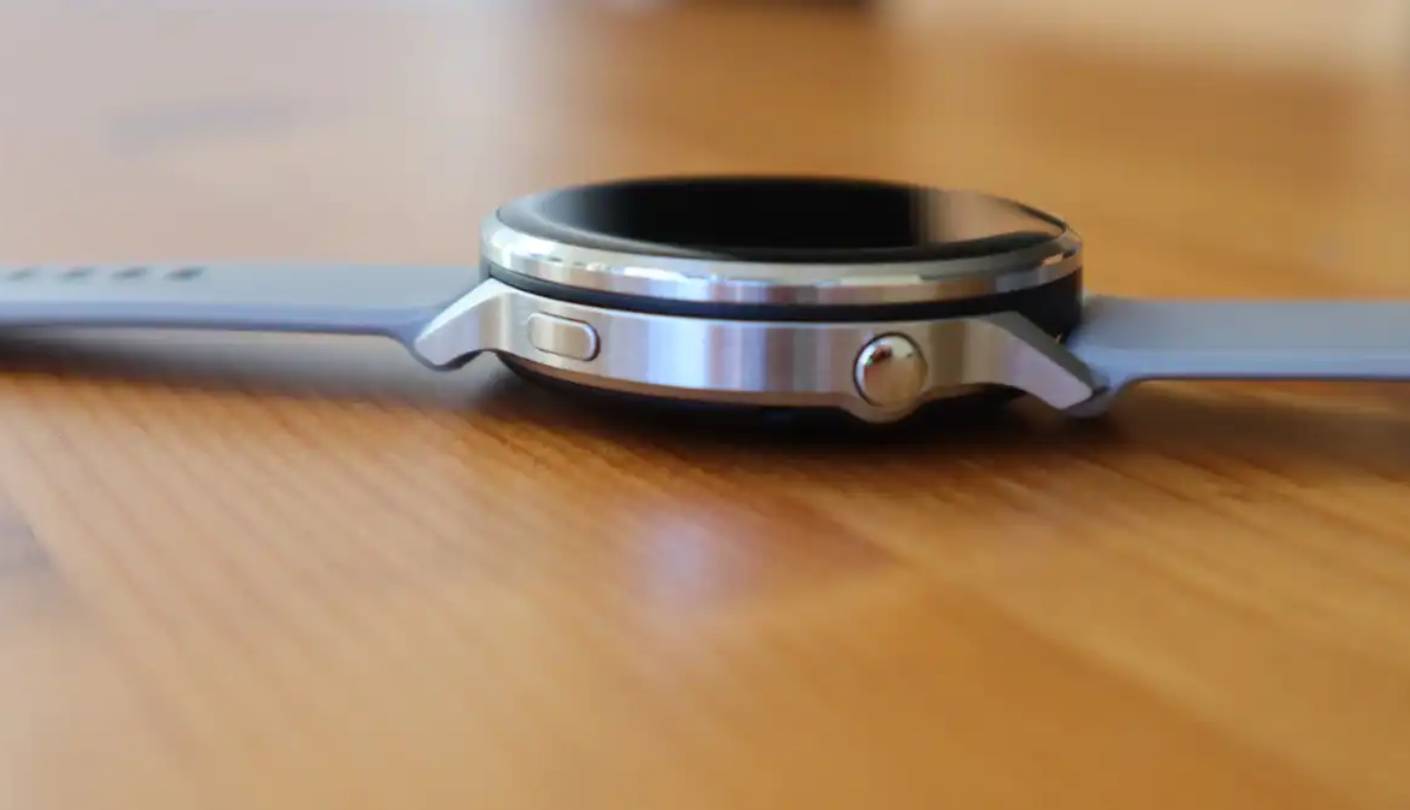
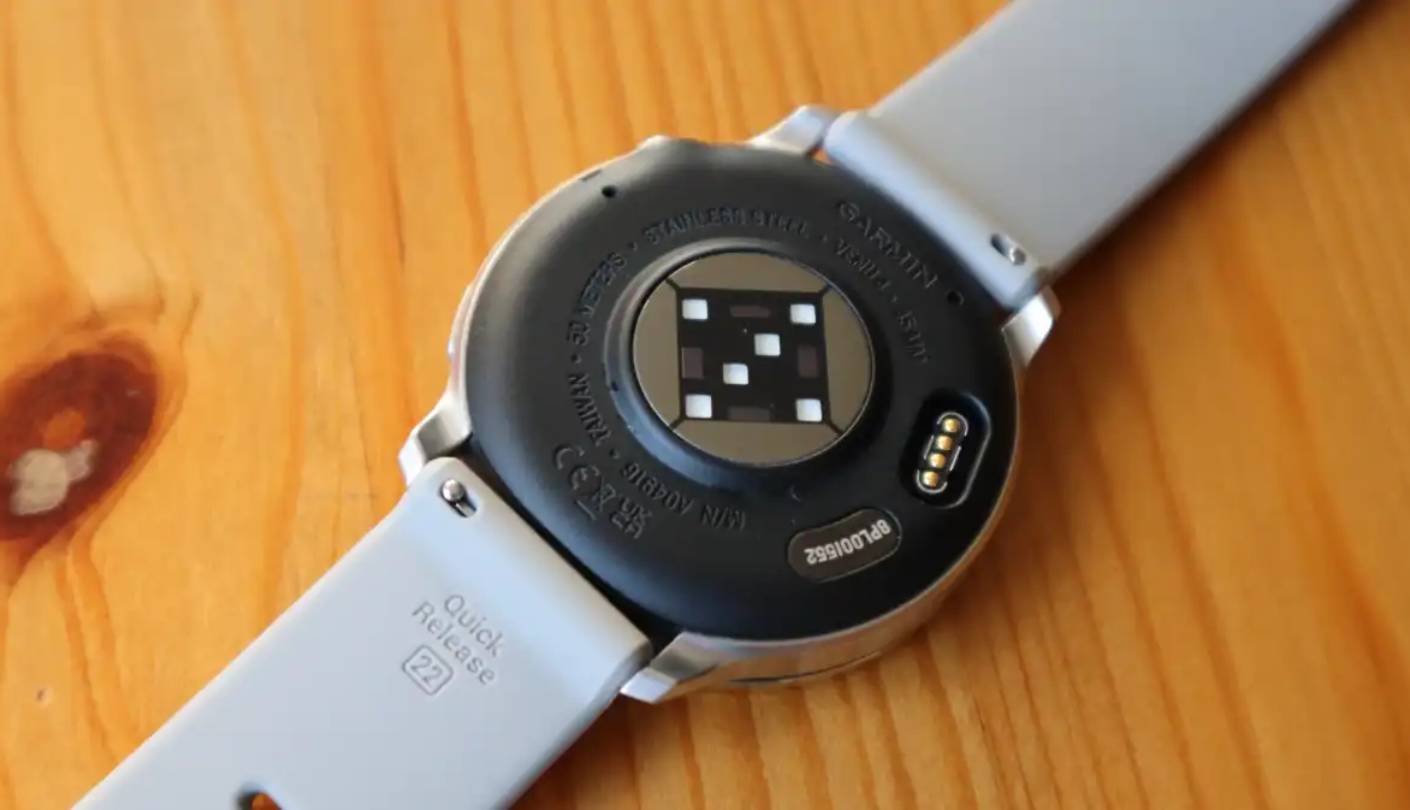
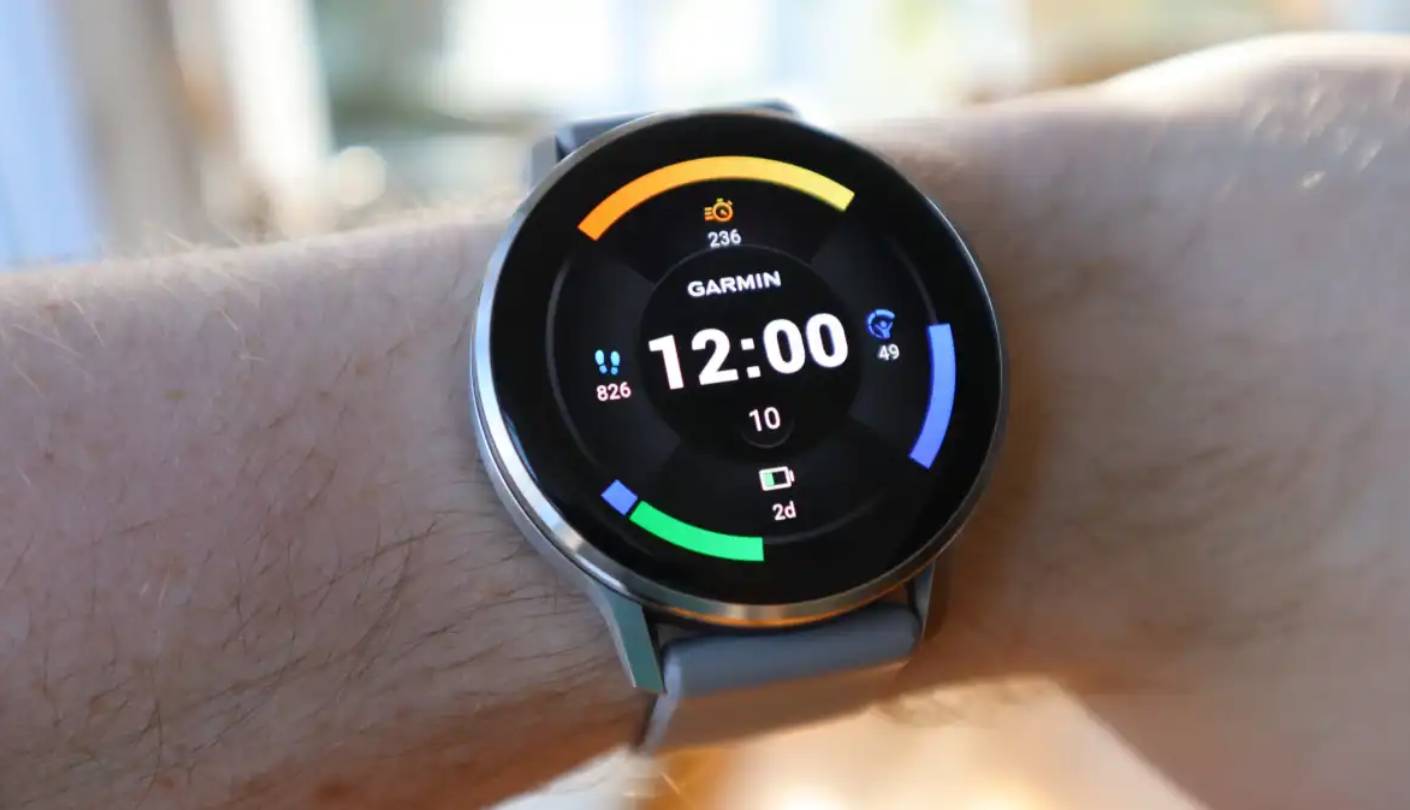
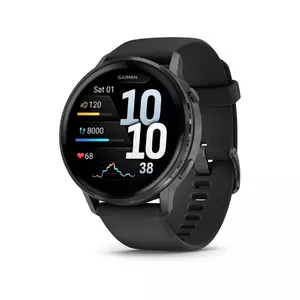
The Garmin Venu 4 is the watch I keep recommending to iPhone owners who want the depth of Garmin's training ecosystem without the chunky look of a Forerunner or Fenix. The new full metal case looks sharp under a shirt cuff, the AMOLED display matches the brightness of the Forerunner 970, and the Elevate Gen 5 sensor with on-demand ECG covers the health bases that most users actually use day to day. I've worn the 41mm Lunar Gold for the past two months and the watch fits the bridge between sport tool and lifestyle smartwatch better than any Garmin before it.
What changed for me with this generation is the platform shift. The Venu 4 now runs Garmin's unified 2025 OS shared with the Forerunner 570, Forerunner 970, and Fenix 8, which means new features land across the lineup rather than trickling down. Multi-Band GNSS with SatIQ technology has been the standout in my own runs - GPS tracks through wooded trail and dense city blocks come out cleaner than the Venu 3 ever managed, and side-by-side runs against a Forerunner 970 showed differences smaller than what most race timers would detect. For iPhone users planning structured training, the Training Readiness score, Load Ratio, and Race Predictor cover the same depth as Garmin's flagships at a smaller size.
The flashlight is the surprise feature I didn't think I'd use. A long press on the back button fires the LED at the top of the case in white or red mode, with brightness controlled by swiping up and down. For early morning runs, finding house keys in a dark bag, or just navigating a power outage, the flashlight is more useful than its presence on a spec sheet implies. The new Lifestyle Logging feature lets me tag caffeine intake, late meals, or alcohol on the watch, and Garmin Connect then correlates those entries with sleep scores and HRV - a clean way to spot which habits actually affect recovery.
The iPhone integration is where the Venu 4 sits second to the Apple Watch and ties roughly with the rest of the non-Apple options. Notifications come through cleanly, quick replies work for iMessage as long as the iPhone is nearby, and the speaker plus microphone handle calls competently if your iPhone is buried in a bag. The voice assistant relays through Siri or Google Gemini depending on phone, and as Garmin's own voice tools go, it feels rough at the edges. For users prioritizing fitness and health depth over wrist-based reply speed, that trade is worth taking.
The downsides are real but manageable. There's no LTE option, so the watch needs an iPhone in range for full connectivity. The price climbed compared to the Venu 3, and the battery on the 41mm dropped slightly compared to the 45mm because of the smaller cell. The proprietary charging cable is the kind of legacy decision I wish Garmin would let go of in 2026. None of these stop the Venu 4 from being my top recommendation for iPhone owners who want a tracker that handles sport, health, and weekday wear in one round metal case.
Pros:
- Multi-band GPS accuracy
- Full metal case
- Built-in LED flashlight
- On-demand ECG support
- Training Readiness metrics
Cons:
- No LTE option
- Proprietary charging cable
Summary: Garmin Venu 4 brings flagship-level training tools, multi-band GPS, and a metal case to a lifestyle-shaped smartwatch that pairs cleanly with iPhone. The right pick for users who want serious health tracking without a chunky sport-watch look.
Apple Watch Series 11 Review
Best Overall
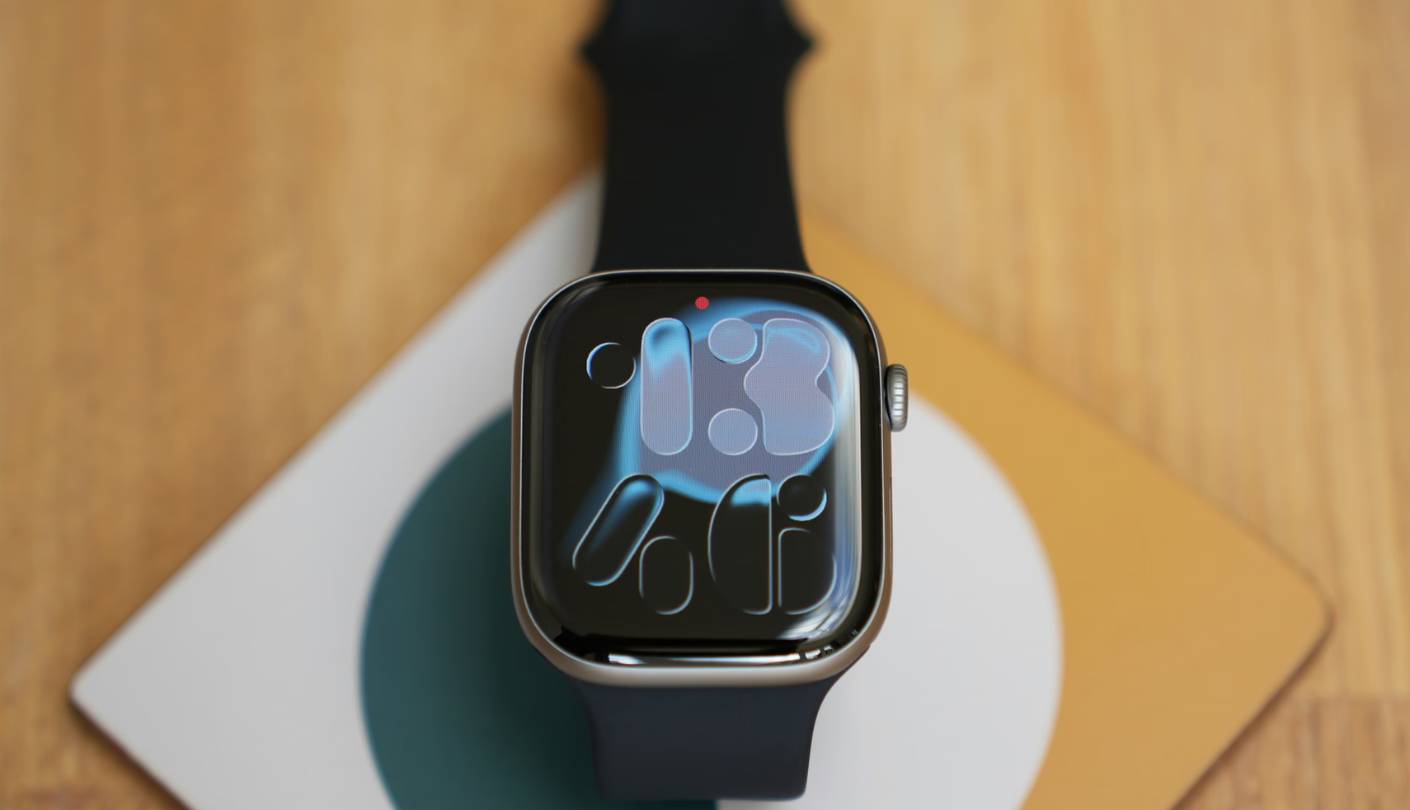
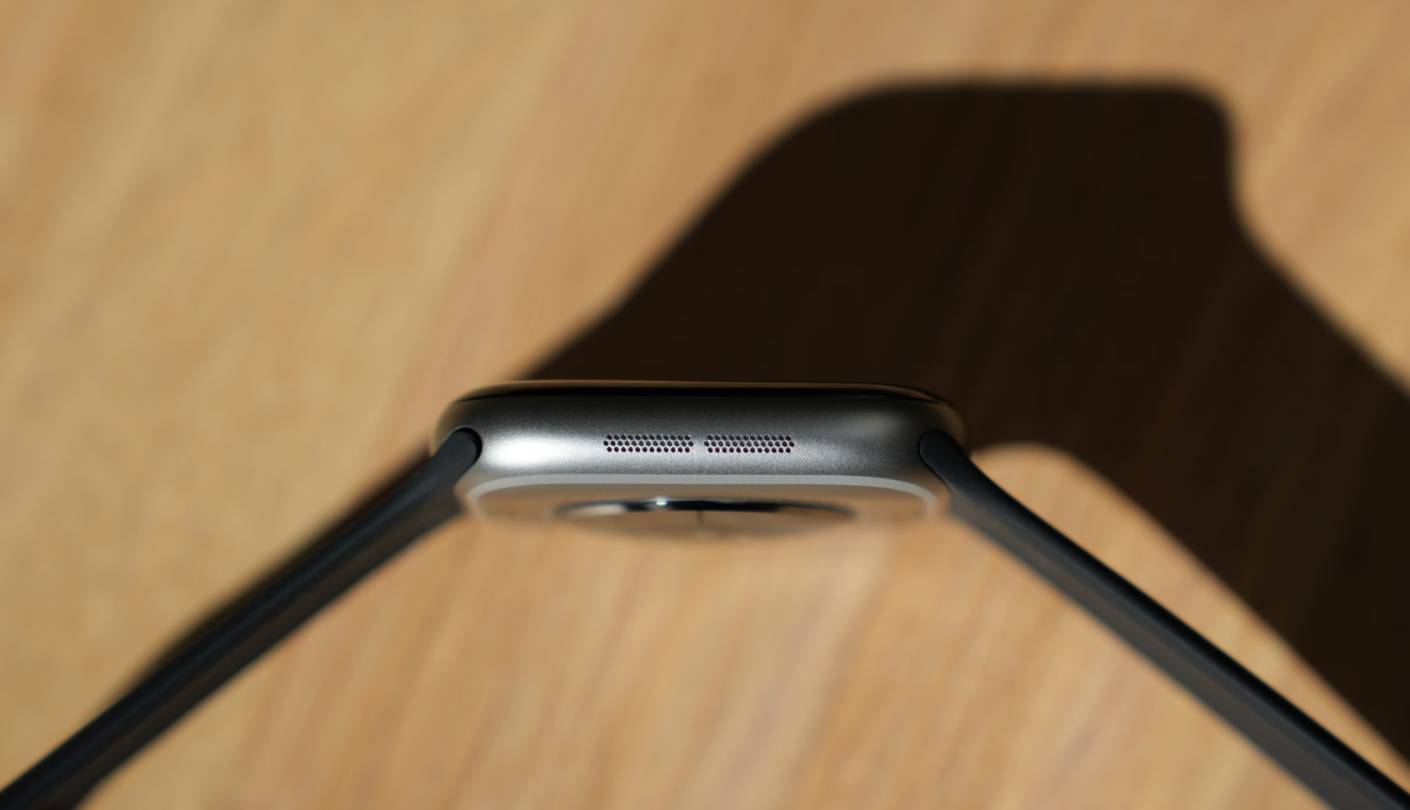
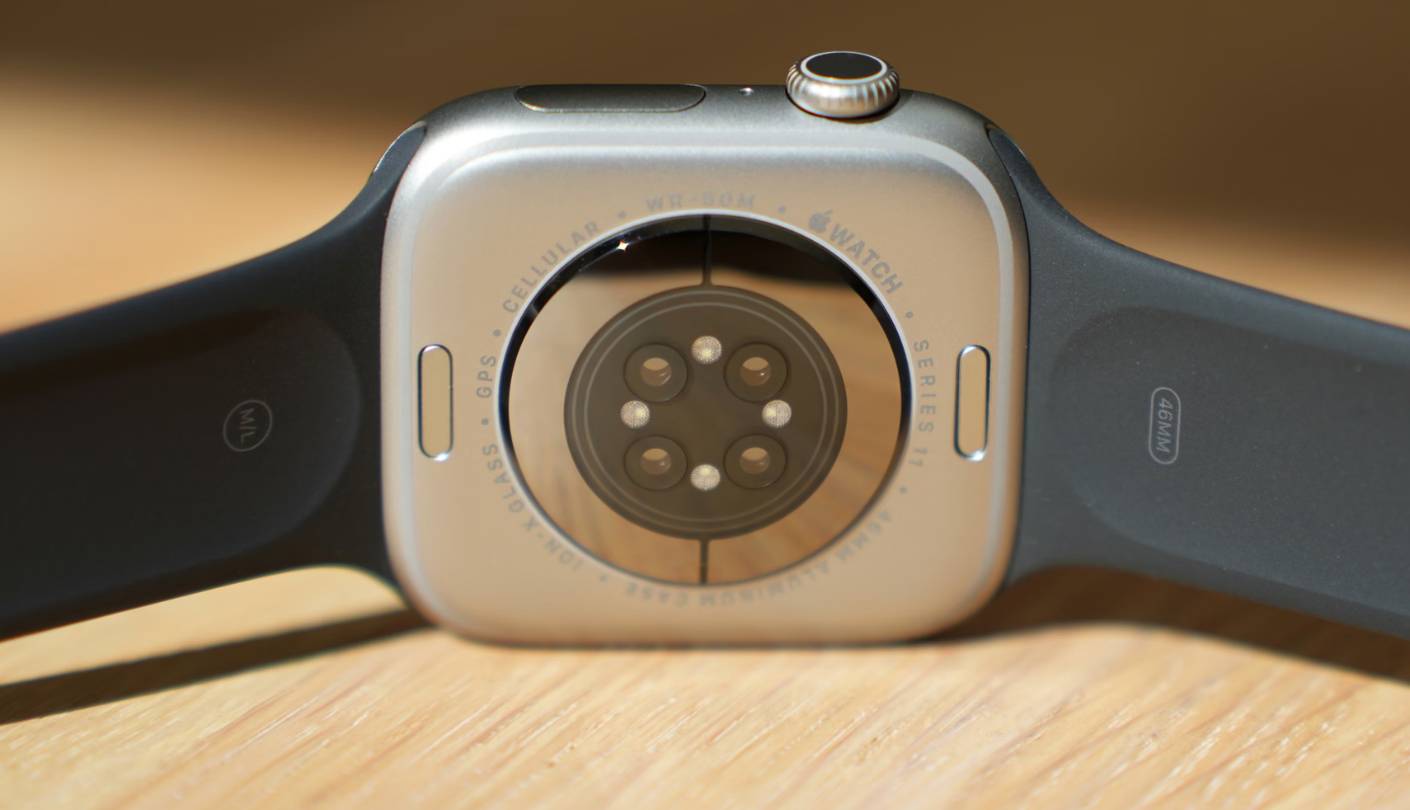
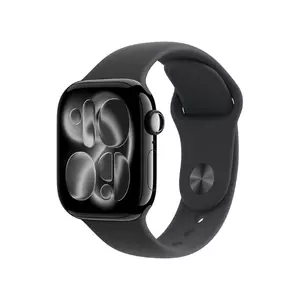
The Apple Watch Series 11 earns the Best Overall slot for the obvious reason - nothing else handles iPhone integration this cleanly - and a less obvious one: Apple finally cracked battery life. The 24-hour rating means I can wear the Series 11 for a full day plus an overnight sleep tracking session and still have charge in the morning, which has reshaped how I use the watch compared to the Series 9 I owned before. After eight weeks of daily wear, the battery is the upgrade that has changed my routine the most.
The S10 chip carries over from the Series 10, but the watch gains a 5G cellular antenna that runs faster than the LTE versions when away from iPhone, and a new ceramic coating on the Ion-X glass that brings double the scratch resistance over the Series 10 by Apple's own measurement. My aluminum 46mm has stayed visually clean through the two months I've worn it, including the occasional accidental knock against a desk corner that would have left a mark on my older Series 9. The biggest performance change generation-over-generation is endurance rather than raw speed, and that fits the way most users actually live with these watches.
Health gets the headline upgrade with hypertension notifications, which use the optical heart sensor to monitor how blood vessels respond over a 30-day period and flag patterns consistent with chronic high blood pressure. Combined with the existing ECG, blood oxygen, sleep apnea detection, and the new Sleep Score in watchOS 26, the Series 11 covers more passive health monitoring than any other watch in this roundup. The hypertension feature got FDA clearance in late 2025 and now ships enabled on Series 9 and later, so users on slightly older Apple Watches get it via update without buying new hardware.
For pure iPhone integration, nothing else competes. iMessage replies with full keyboard, dictation, and emoji work without compromise. Wrist Flick, the new gesture in watchOS 26, lets me dismiss notifications by flicking the watch backward - genuinely useful one-handed. Call screening shows whether incoming calls are spam before I answer. The Notes app finally landed on the wrist, syncing with my iPhone and Mac, which I use multiple times a day for jotting quick references during meetings. Workout Buddy on Apple Intelligence-capable iPhones reads pace and heart rate aloud during runs through Bluetooth headphones, and that feedback loop has changed how I pace tempo runs in the last month.
The trade-offs are familiar ones. The cellular model adds cost upfront plus a monthly carrier fee, and unless you regularly run without iPhone, the GPS-only version covers the same ground for less. The 24-hour battery, real upgrade as it is, is still a fraction of what Garmin or Amazfit deliver as raw runtime, so anyone who wants a watch that lasts a week between charges should look elsewhere. For iPhone users who want the smoothest possible wrist experience and don't mind charging nightly, my honest take after years of Apple Watches is that the Series 11 is the most capable mainline model Apple has shipped.
Pros:
- 24-hour battery life
- Hypertension notifications
- 5G cellular option
- 2x scratch resistance
- Full iMessage replies
Cons:
- Cellular plan extra
- Daily charging required
Summary: Apple Watch Series 11 finally hits 24-hour battery life and adds hypertension notifications to the deepest iPhone integration on the market. The right pick for iPhone owners who want the smoothest wrist experience without compromise.
Amazfit Active Max Review
Value Pick
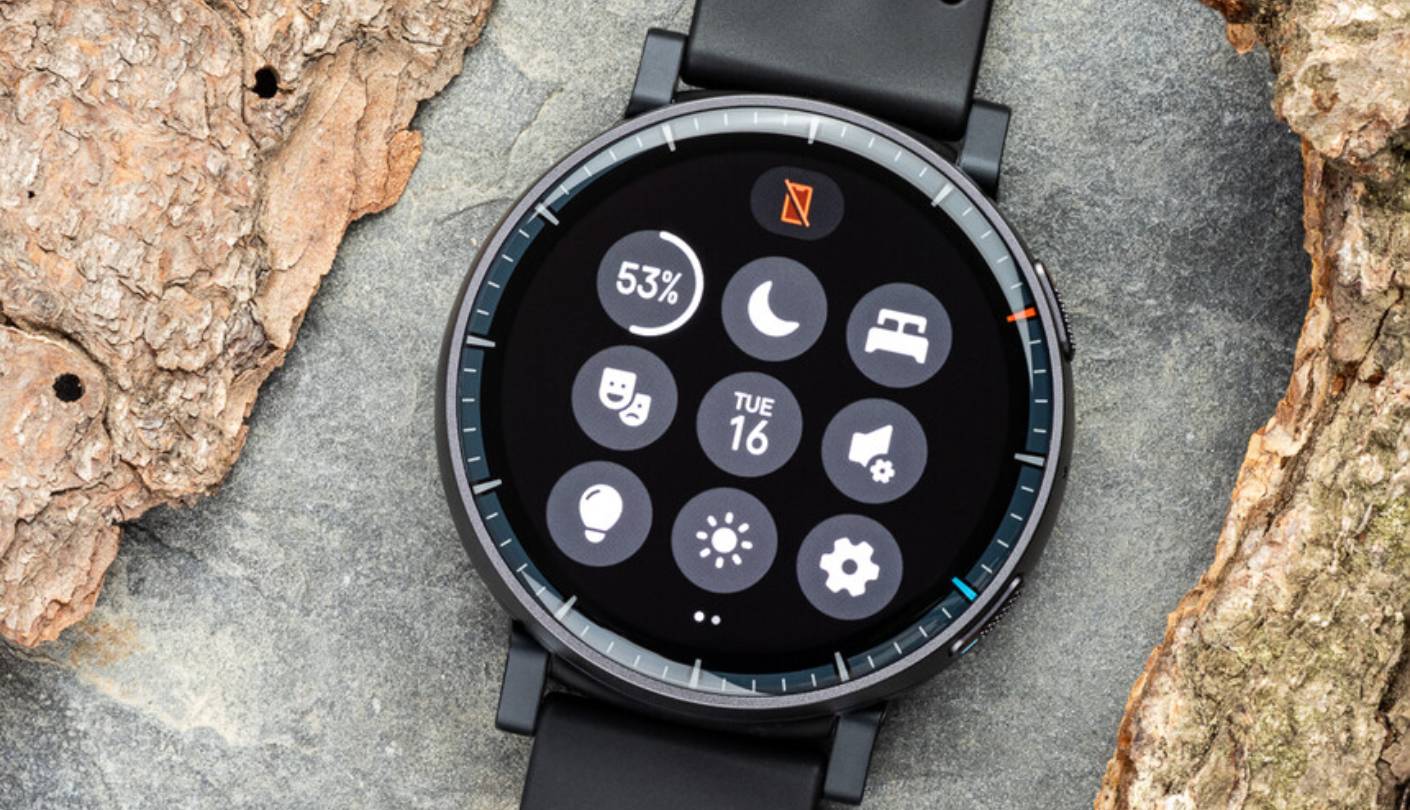
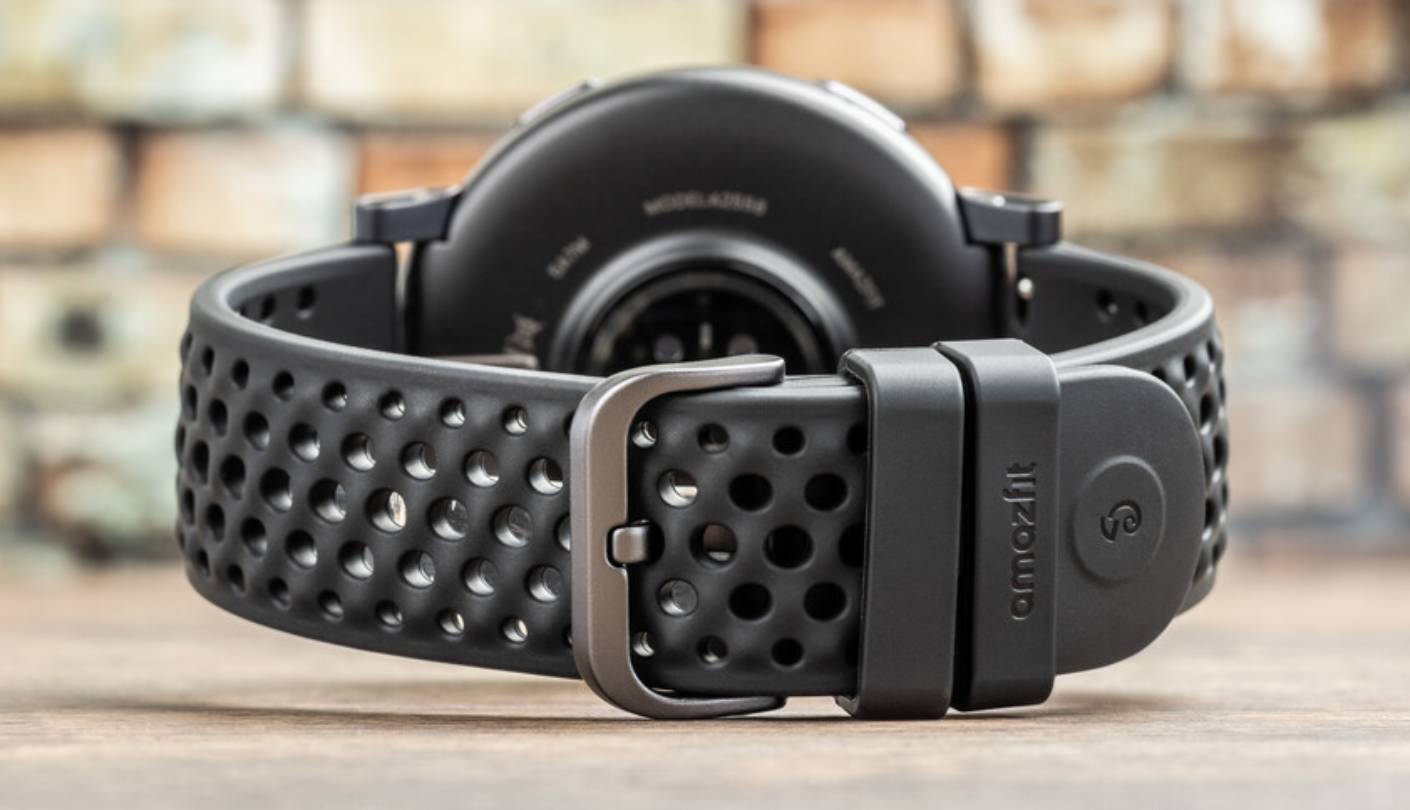
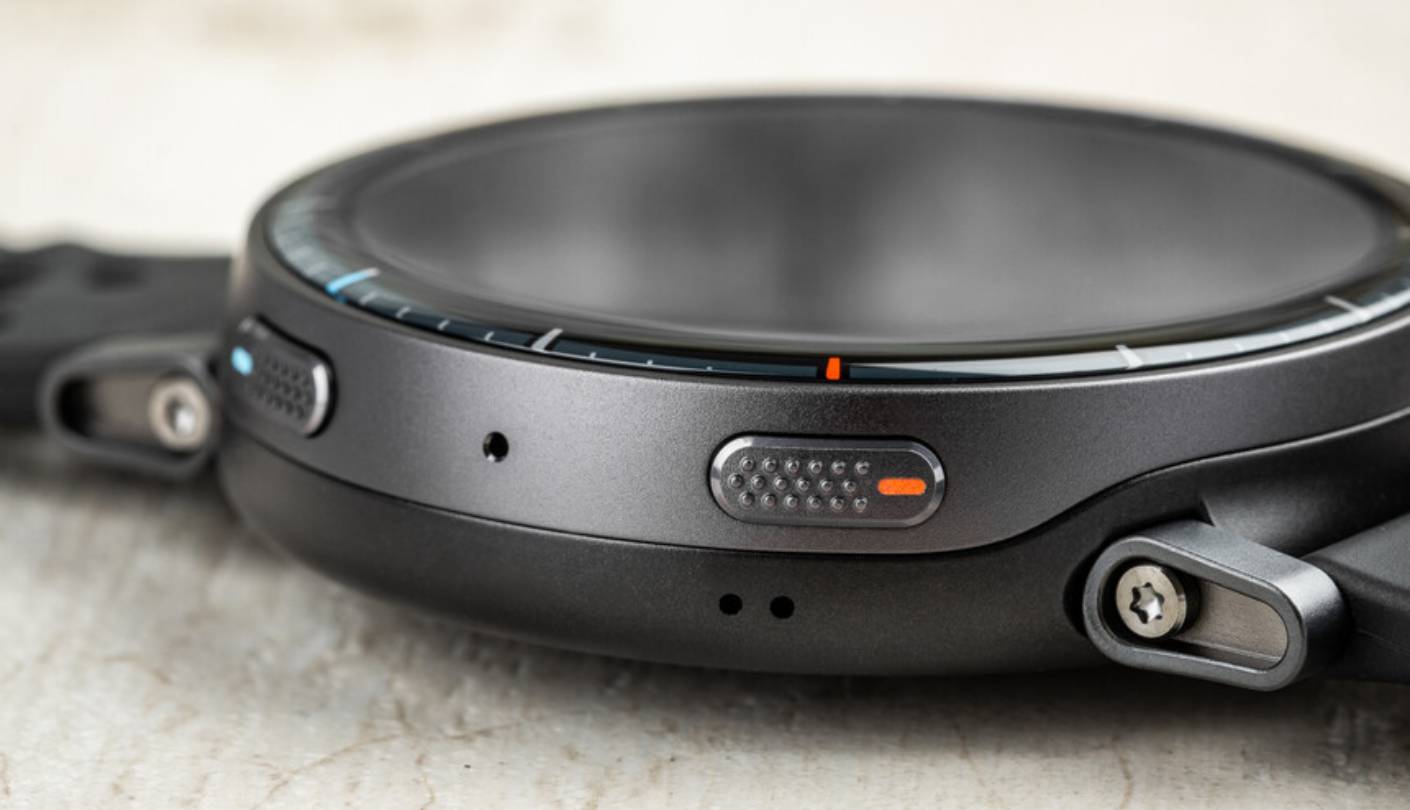
The Amazfit Active Max reads like an entry-level watch on the price tag and like a high-end one on the spec sheet, and that gap is what makes it interesting. A 1.5-inch AMOLED at 480 by 480 resolution with peak brightness of 3,000 nits is brighter than any other watch in this group. The 25-day battery rating in light use and 64 hours of continuous GPS extend further than the Apple Watch by an order of magnitude. After three weeks on my wrist with daily 5K runs, sleep tracking, and notifications running, I clocked just over 10 days between charges - well below the marketing claim, but still longer than every other watch I've tested at this price.
The 1.5-inch screen sets the tone for the whole watch. Outdoors at midday, fonts read as crisply as on any flagship, and the auto-brightness handles the swing from sun to shade without the manual nudge I sometimes give the Garmin. The 48.5mm aluminum case sits closer to Apple Watch Ultra territory than to a regular smartwatch, so wrists under about 165mm circumference should try one on first. My wrist sits around 175mm and the Max wears comfortably, though the 12.2mm height means it catches on long sleeves more than the slimmer Suunto Run.
For sport tracking, the Active Max ships with more than 170 workout modes, offline maps, and 4GB of internal storage that handles MP3 music plus map tiles. The HYROX-specific tracking mode caught my eye because the format is harder to find on watches at this price. GPS is single-band rather than dual-frequency, so accuracy in dense urban canyons or wooded trails sits a step behind the COROS or Garmin. For street runs and open-park sessions, the gap is small. For technical mountain trail work, I'd reach for the Garmin or COROS instead.
iPhone pairing runs through the Zepp app, which has improved a lot in the past two years but still doesn't match Garmin Connect or the Apple Health flow for polish. Notifications come through reliably, quick replies work for iMessage, and the watch's built-in mic and speaker handle voice calls passably. NFC payments via Zepp Pay work in supported regions, though the bank coverage isn't as wide as Apple Pay. PAI (Personal Activity Intelligence) is Amazfit's signature scoring system, and I've found it more motivating than raw step counts because it weights all activity by intensity.
The trade-offs that put this in Value Pick rather than higher rest mostly on the software ecosystem. ZeppOS doesn't feel as polished as watchOS or Garmin OS - menus take an extra tap, animations occasionally stutter, and the watch face store is functional rather than refined. Safety features like fall detection and crash detection that ship on more expensive watches aren't here. For users who want the longest possible battery, the brightest possible screen, and a real sport-tracking feature set without paying flagship prices, the Active Max covers ground that no other watch in this roundup does at its price.
Pros:
- 3,000-nit AMOLED display
- 25-day battery rating
- 4GB offline storage
- 170+ workout modes
- Offline maps support
Cons:
- Single-band GPS
- No fall detection
Summary: Amazfit Active Max pairs a flagship-bright AMOLED screen with battery life that runs into weeks at a price most rivals can't touch. The right pick for iPhone users who want long endurance and a big bright display without flagship spend.
COROS PACE 4 Review
Runner's Pick
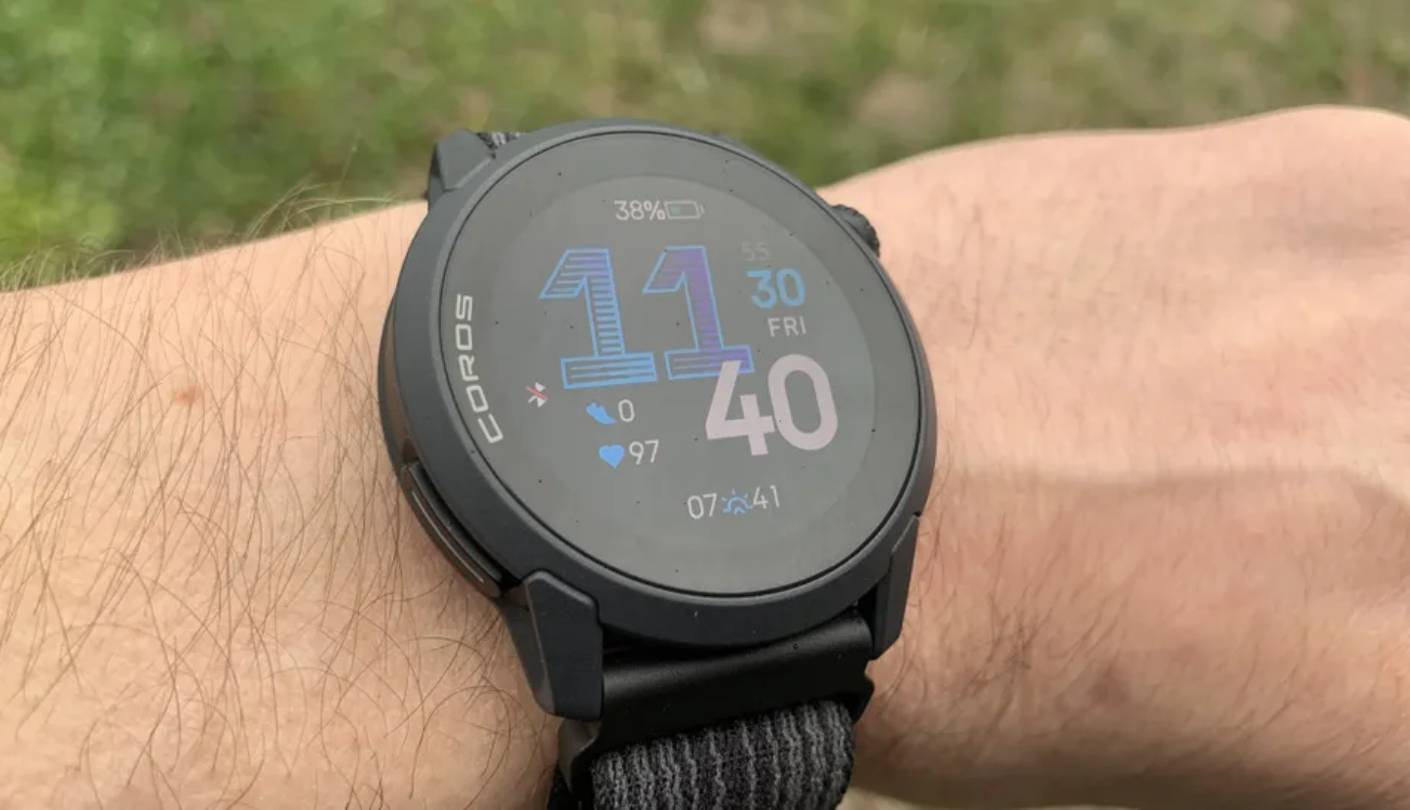
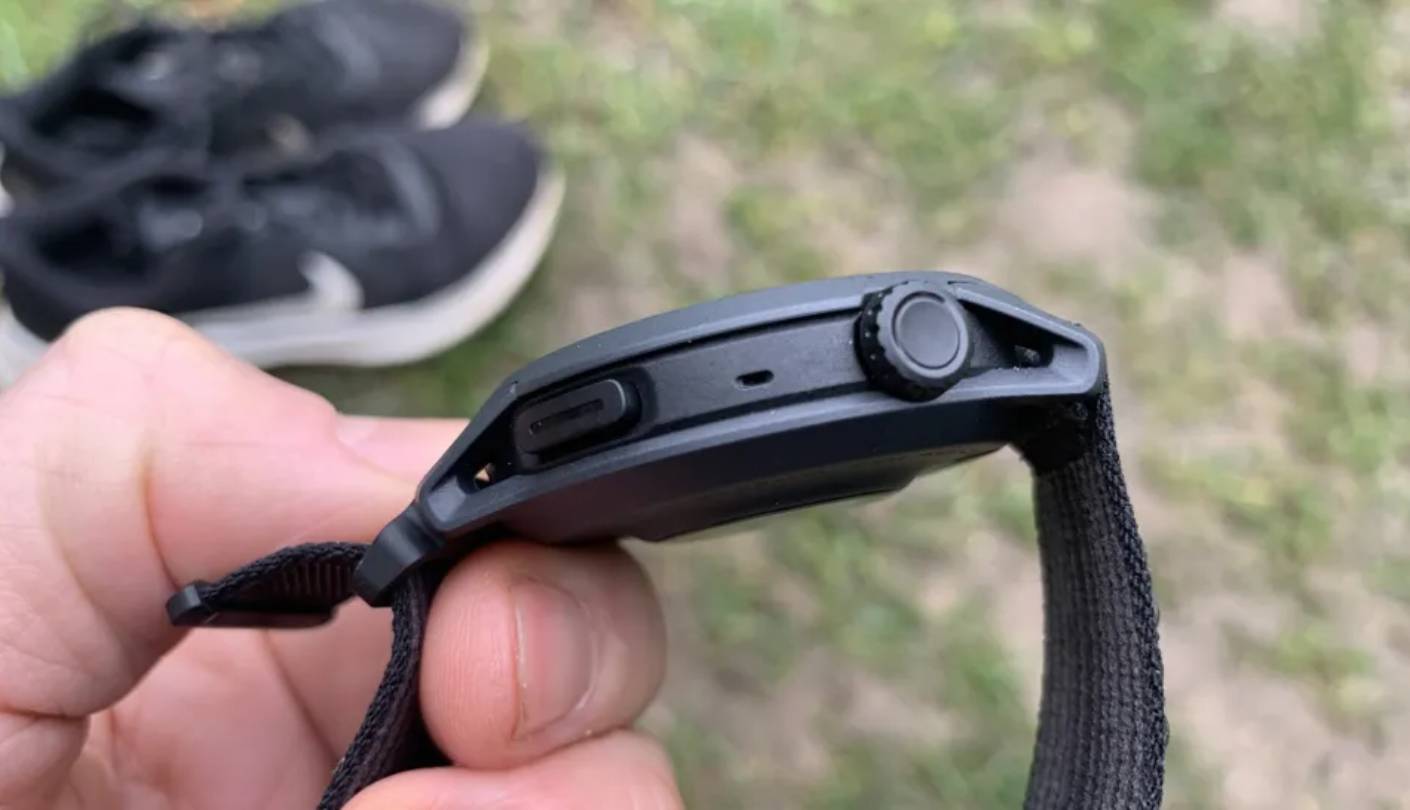
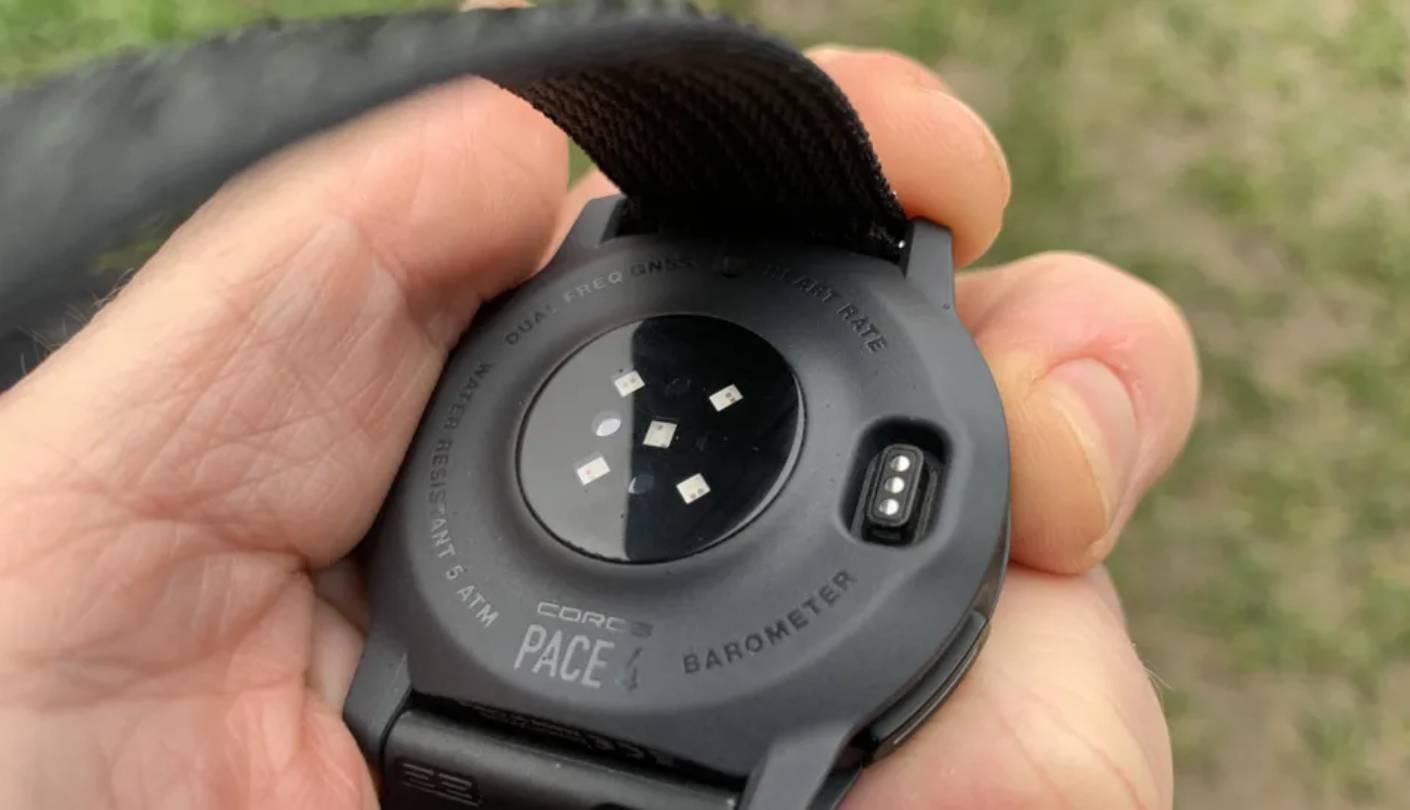
The COROS PACE 4 is the watch I reach for when I'm training rather than just living. At 32 grams with the nylon strap, it disappears on my wrist within an hour, and the 1.2-inch AMOLED screen at 1,500 nits cuts through outdoor light without pushing into the punishing brightness levels that drain battery on rivals. The Pace 4 is COROS's second AMOLED running watch, and after using the Pace Pro for a year, the upgrades here feel sharper than the spec sheet suggests.
The Action Button is the new piece I appreciate most. A third physical button on the case sits under my finger naturally during runs, and I've mapped it to laps so I can mark intervals without moving my left hand off the bar during track sessions. The two main buttons plus the digital crown give a faster navigation flow than the touchscreen alone, especially when running in light rain or wearing gloves. The newer optical heart rate sensor handles steady-state runs cleanly, with the usual caveat that hard cold-weather intervals still benefit from a chest strap if precise targets matter to the workout.
GPS is where COROS has always punched above its price, and the PACE 4 keeps that trend. Dual-frequency GNSS in Max Accuracy mode produces tracks as clean as anything in this roundup, and side-by-side comparisons against a Garmin Forerunner 970 in dense forest and downtown blocks showed differences inside what a race timer would call equivalent. Battery in standard daily use is rated at 19 days, with 20 hours in dual-band GPS mode and 40 hours in standard GPS. From my routine of three to four runs a week plus 24/7 tracking, I see about a week between charges, which falls short of the rating but matches my real-world Garmin numbers.
iPhone integration runs through the COROS app, which has tightened up significantly over the last year. Notifications come through reliably, the new microphone lets me record voice memos and Voice Pins tied to specific points during a workout, and the EvoLab training suite covers race predictor, training load, recovery, and VO2 max. Music handling is the area where COROS still feels behind - MP3 only, no Spotify or other streaming services, and the lack of a speaker means no on-watch voice calls or music playback without earbuds. For runners who train with headphones anyway, this works. For users wanting wrist-phone smarts, look elsewhere in this roundup.
What keeps the PACE 4 in Runner's Pick rather than something broader is COROS's deliberate focus. There's no NFC payments, no offline maps (just breadcrumb navigation), and the smartwatch feature set sits at the basics. For runners who want an ultralight tool that handles structured training, accurate GPS, and clean recovery analysis without the clutter of a lifestyle watch, the PACE 4 is the easiest recommendation in this entire group. My personal verdict after six weeks of training with it - this is the tool I'd take to a race start line over anything else here.
Pros:
- Ultralight 32g design
- Dual-frequency GPS accuracy
- 19-day battery life
- Action Button shortcut
- Voice memo recording
Cons:
- No music streaming
- Breadcrumb navigation only
Summary: COROS PACE 4 packs flagship-level GPS, an AMOLED display, and a 19-day battery into a 32-gram running watch. The right pick for iPhone-paired runners who want a focused training tool without smartwatch bloat.
SUUNTO Run Sports Watch Review
Lightweight Pick
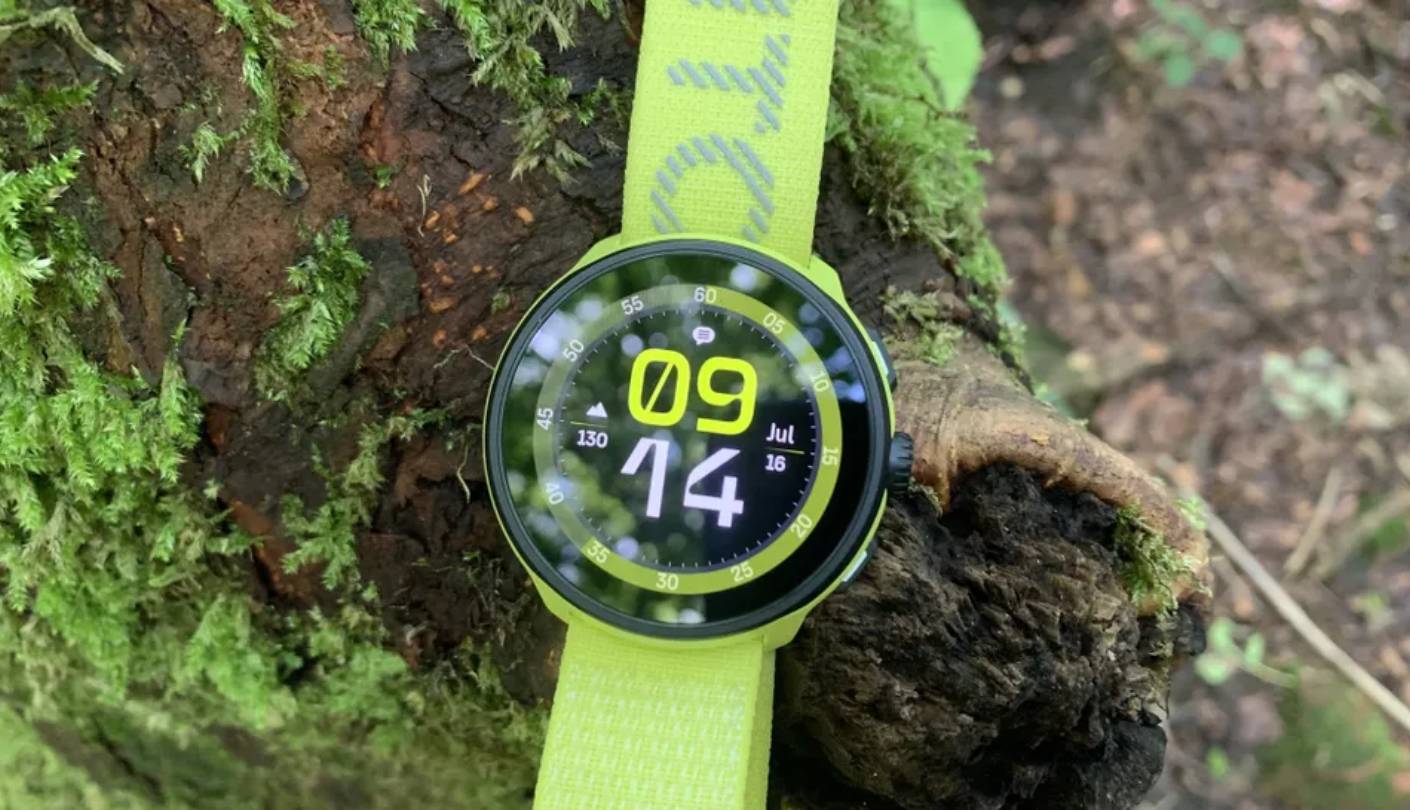
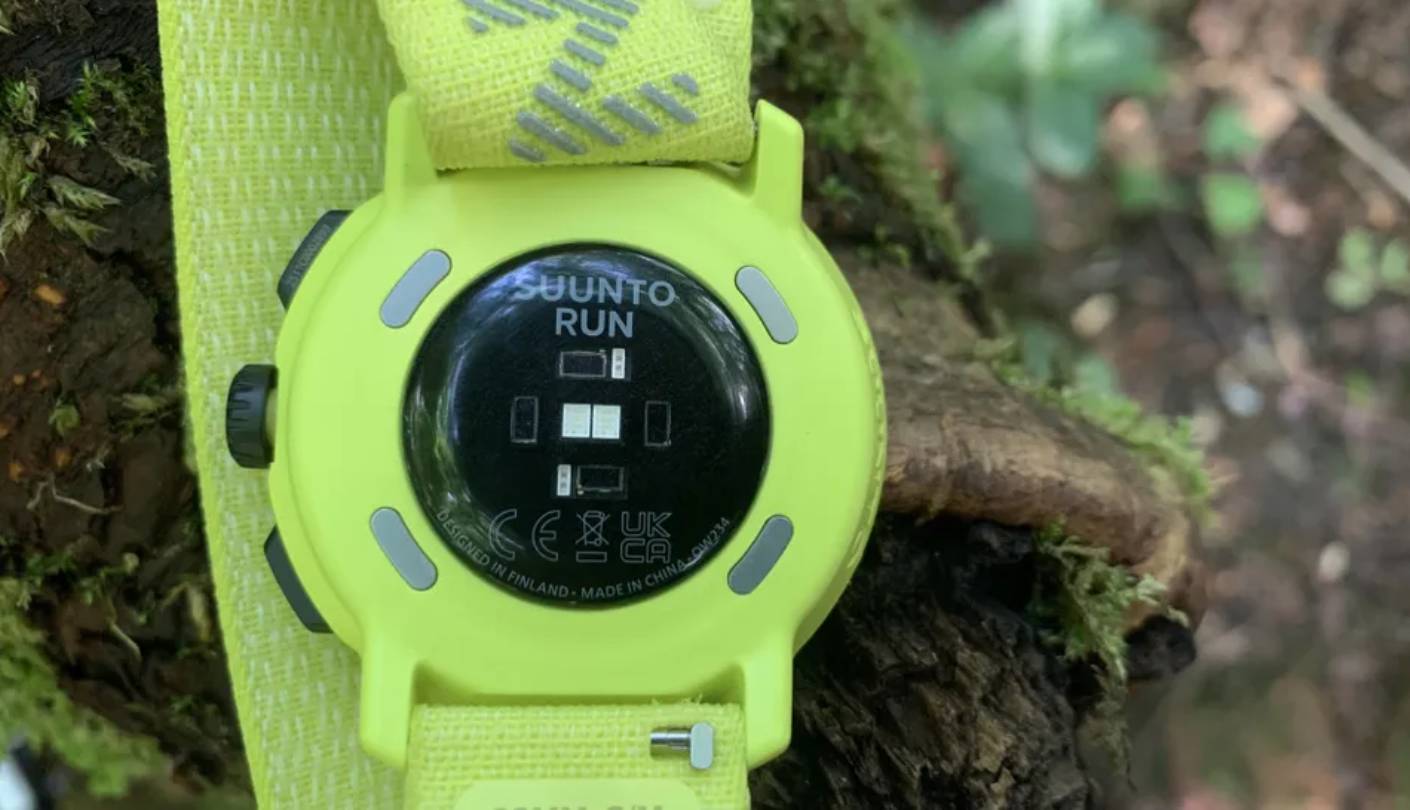
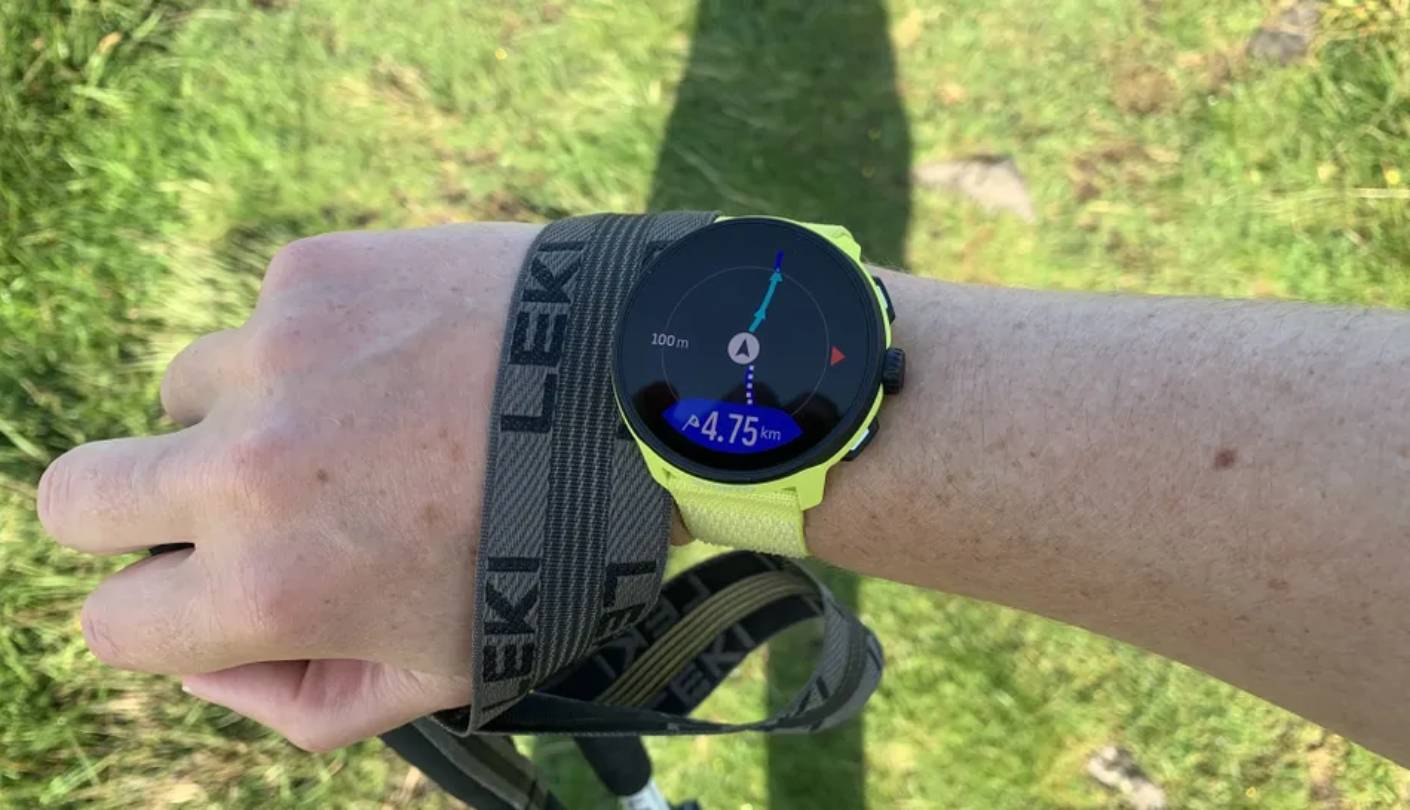
The SUUNTO Run shows what happens when a Finnish brand decides to undercut the budget running-watch field with the same dual-band GPS chip as its flagship. At 36 grams with the nylon strap, the Run is barely heavier than the COROS PACE 4 and lighter than every Apple Watch or Garmin in this roundup. The 1.32-inch AMOLED screen, the rotating digital crown, and the polycarbonate case mark it as a sport-first watch rather than a lifestyle wearable, and after two months of testing, that focus is what I most respect about it.
Dual-frequency GPS is the headline feature carried down from the Suunto Race S, and in my testing across forested trails and downtown blocks, accuracy stayed within a fraction of what I'd see on the Garmin Forerunner 970. The new optical heart rate sensor handles steady runs and recovery readings well, with the usual caveat about hard intervals where I'd reach for a chest strap. The Track Run mode locks the watch to a specific outdoor track lane on the first lap, then snaps subsequent laps to that same line - a small feature that fixes a real annoyance for athletes doing speed work on a 400-meter oval.
Battery sits at 12 days in smartwatch mode and 20 hours in dual-band GPS, which lines up with most of the entry-level AMOLED running field. With always-on display turned on, that drops to about four days. From my own use, leaving always-on disabled and running a few times a week, I see about a week between charges. The new USB-C charging cable is the upgrade I most appreciate compared to the older Suunto chargers - I don't carry a separate proprietary cable in my travel kit anymore, which on a multi-week trip is a real quality-of-life win.
iPhone pairing runs through the Suunto app, which has improved over the past year, particularly with sleep tracking and recovery metrics. Notifications surface a beat slower than on the Garmin or Apple Watch in my testing, but quick replies work for iMessage and the music storage of 4GB lets me load MP3 files for offline playback. The big software gap is the lack of the Suunto Plus store on the Run, so the customization options for watch faces and apps are slimmer than on the Race S or Vertical. For runners willing to live without those extras, the core training experience covers what they need.
What keeps the Run in Lightweight Pick rather than higher up is the smart feature gap rather than any sport-tracking weakness. There's no offline maps (just breadcrumb route following), no NFC payments, no support for cycling power meters at launch (added later via firmware), and no built-in speaker for voice calls. For iPhone owners who run regularly and want a featherweight watch with flagship GPS and a respectable AMOLED screen, the Suunto Run does what most premium running watches do at a noticeably lower price. My take after extended wear - it's a sport tool first, and that framing is what makes it worth buying.
Pros:
- Featherlight 36g body
- Dual-band GPS chipset
- Track Run mode
- USB-C charging cable
- 4GB music storage
Cons:
- No offline maps
- Slim watch face options
Summary: SUUNTO Run brings flagship dual-band GPS and a bright AMOLED screen to a 36-gram running-focused watch. The right pick for iPhone-paired runners who prioritize lightweight wear and accurate tracking over smartwatch features.
Smartwatches for iPhone: FAQ
Do non-Apple smartwatches really work well with iPhone?
Yes, all four non-Apple watches in this roundup pair cleanly with iPhone over Bluetooth and pass workout, heart rate, and sleep data into Apple Health through their respective apps. The main limitation iOS imposes is that only the Apple Watch can send freeform iMessage replies from the wrist - Garmin, Amazfit, COROS, and Suunto can show notifications and send pre-set quick replies, but not type custom messages back. From my own daily use, I find the data sync works reliably across all four once configured, though the first-day setup takes more steps than on Apple Watch.
Is the Apple Watch always the best choice for iPhone owners?
For most users, yes - the Apple Watch handles iMessage, FaceTime, Apple Pay, Find My, and Apple Health more cleanly than any third-party watch. But it's not the right pick for everyone. Runners and outdoor athletes often want longer battery life and dual-band GPS that the Garmin, COROS, or Suunto offer. Users who want a watch that lasts more than a day between charges should consider the Amazfit Active Max instead. My honest take after testing all five is that the Apple Watch wins for daily lifestyle and the others win for sport-specific use cases.
Can these watches track sleep accurately when paired to iPhone?
Sleep tracking has improved across all five watches in this roundup, with the Apple Watch Series 11 adding Sleep Score in watchOS 26 to match the kind of overnight insights Garmin and Whoop have offered for years. The Garmin Venu 4's Sleep Coach with Sleep Alignment is my personal favorite for actionable morning feedback, while the Suunto Run's nap detection caught short rest periods more reliably than the others in my testing. All five sync sleep data to Apple Health if configured, so iPhone owners can keep one consolidated view across the Health app.
Which smartwatch has the best GPS accuracy for running?
For pure GPS accuracy, the COROS PACE 4 and SUUNTO Run sit at the top of this group thanks to dual-frequency GNSS that handles dense urban areas and tree cover better than single-band alternatives. The Garmin Venu 4 with its multi-band SatIQ technology matches them in my testing. The Apple Watch Series 11 GPS is good for street running and parks but trails the dedicated sport watches under tough sky conditions. The Amazfit Active Max uses single-band GPS and is the weakest of the five for technical trail running, though fine for road work.
How long do these smartwatches actually last between charges?
Real battery life depends heavily on use patterns. From my own testing, the Amazfit Active Max lasts around 10 days under heavy use with daily notifications and three workouts a week. The COROS PACE 4 and Garmin Venu 4 land near a week of mixed use. The Suunto Run sits close to that with always-on display disabled. The Apple Watch Series 11 hits 18 to 24 hours depending on workout intensity and 5G use. Manufacturer ratings are usually optimistic, so I expect about 60 to 70 percent of the headline number in normal life.
Do I need a cellular plan to use these smartwatches?
Only the Apple Watch Series 11 supports a cellular plan in this roundup - the Garmin, Amazfit, COROS, and Suunto all rely on a paired iPhone in Bluetooth range for connectivity. For users who run, hike, or travel without iPhone often, the cellular Apple Watch is the only option here that handles calls and messages independently. For users whose iPhone is always nearby, GPS-only models save the upfront cost and the monthly carrier fee. My personal recommendation is to skip cellular unless you specifically need phone-free smart features.
Which smartwatch is best for tracking specific health conditions?
The Apple Watch Series 11 has the deepest passive health monitoring tools, including hypertension notifications, sleep apnea detection, ECG, and blood oxygen, all FDA-cleared in the US. The Garmin Venu 4 matches with ECG, Health Status (in beta), training readiness, and skin temperature tracking. The Amazfit Active Max, COROS PACE 4, and Suunto Run focus more on training and recovery metrics rather than medical-style alerts. For users with cardiovascular concerns, my recommendation lands on the Apple Watch. For users tracking training stress and recovery, Garmin or COROS handle that depth better.
Are budget smartwatches a good first watch for iPhone owners?
The Amazfit Active Max and Suunto Run are both serious budget picks that handle the basics well - notifications, fitness tracking, sleep, GPS, and music storage. For first-time smartwatch buyers who aren't sure how much they'll use the device, starting with a budget watch makes sense before committing to a flagship. The Active Max in particular gives a closer look at what flagship features feel like at a lower price. From my experience guiding friends through their first smartwatch, I'd point most beginners to the Suunto Run if they run regularly and the Amazfit Active Max if they want long battery and a big bright screen.
Choosing the Right Smartwatch for iPhone
The five smartwatches in this roundup cover most realistic iPhone-pairing scenarios, and the best one depends on whether the priority is daily lifestyle integration or sport-specific tracking. For users who want the smoothest iMessage replies and the deepest Apple Health sync, the Apple Watch Series 11 remains the clear pick - the 24-hour battery and hypertension notifications make it the most capable mainline Apple Watch yet. For a tracker that handles sport, health, and weekday wear in one metal-cased package, the Garmin Venu 4 is my Editor's Choice for iPhone owners who want depth without the bulk of a Forerunner.
For users who want flagship features at a budget price, the Amazfit Active Max brings a 3,000-nit AMOLED, 25-day battery, and offline maps for less than the alternatives. The COROS PACE 4 is the right pick for runners who want an ultralight training tool with dual-band GPS, and the SUUNTO Run is my go-to recommendation for budget-conscious runners who want flagship GPS and a featherweight build. Whichever direction the decision points, my advice is to start from how you actually use your iPhone day to day, then match the watch to that pattern rather than to the spec sheet alone.

Meet James, our go-to tech guru and seasoned reviewer. His sharp attention to detail and love for gadgets drive his deep dives into the newest tech waves. James's insightful analysis and real zest for breakthroughs have earned him a solid reputation in the tech world.


