Android 17's Pause Point forces a 10-second stop before you doomscroll

Google has built a mandatory 10-second delay into Android 17 that blocks access to apps you've flagged as distracting — and unlike every screen-time tool that came before it, there's no easy way to dismiss it. The feature, called Pause Point, was announced at the Android Show on May 12 and is designed to break the reflex that sends your thumb straight to TikTok or Instagram before you've even thought about it.
The friction is the point
When you try to open a marked app, Pause Point intercepts the launch and holds you at a short waiting screen. During those 10 seconds, your phone can walk you through a breathing exercise, show a photo slideshow, suggest an alternative app — a fitness tracker, an audiobook — or let you set a usage timer for the session ahead. The goal, per TechCrunch, is intentional design: putting a moment of deliberate choice between the impulse and the action.
What makes Pause Point different from Google's earlier Digital Wellbeing timers is the exit cost. Previous app timers could be snoozed or dismissed with two taps — most heavy users learned to ignore them within a week. Pause Point, once enabled, requires a full phone restart to disable. That's not a bug; it's the mechanism. Enough inconvenience to make you actually stop, not enough to make the phone unusable.
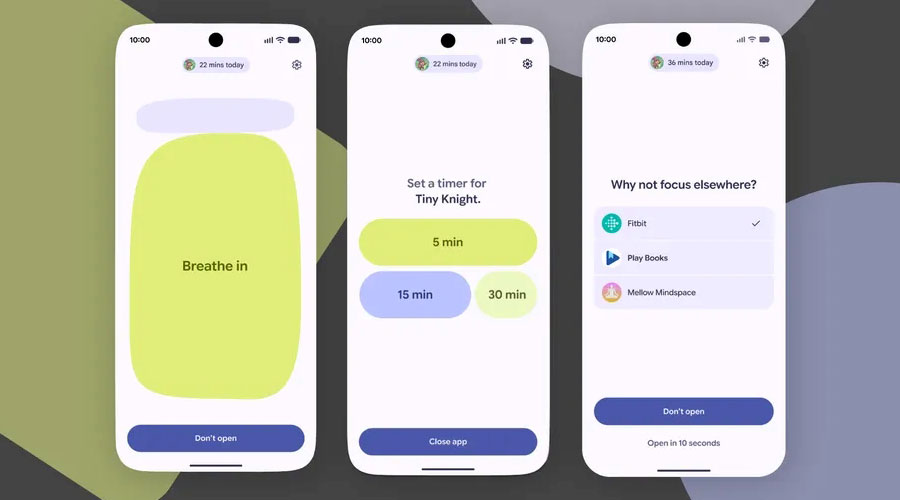
Who gets it first
The rollout starts this summer with Pixel 10 and Galaxy S26, expanding to other Android manufacturers later in 2026, according to TechCabal. That means flagship buyers get the feature months before midrange and budget phones — a stagger that will frustrate anyone not on a top-tier device.
Google's timing isn't accidental. Regulatory pressure on social media harms — from FTC scrutiny to a wave of US state laws restricting minors' access to algorithmic feeds — has pushed the company away from advisory nudges toward OS-level enforcement. Pause Point is the clearest sign yet that Android is positioning itself as an active participant in the attention-economy debate rather than a neutral platform.
Worth it?
The restart-to-disable requirement will annoy plenty of people, and some will see it as paternalistic. But if earlier, softer tools never changed your habits, that friction may be exactly what makes this one work. Honor's Magic 8 Pro is already running Android 17 beta, so early adopters will get a preview before the wider summer launch.


