Best Home Security Cameras
A package disappeared from my porch last November and I never found out who took it. I had a camera. I had footage. What I had was a blurry silhouette at 1080p in the dark, a 110-degree field of view that cut off the left side of my driveway, and a cloud subscription I had let lapse. That one incident cost me forty dollars and sent me down a four-month testing run that turned into this guide. Home security cameras have improved markedly - the five models here are all capable of producing footage you can actually act on - but the market is now split so cleanly between honest products and ones engineered around subscription lock-in that choosing the wrong one still hurts.
I tested the Ring Spotlight Cam Plus Battery, Blink Outdoor 4, eufy SoloCam S340, TP-Link Tapo C120 2K+, and the Arlo Pro Security Camera 6th Gen across three properties through winter and into spring. Each camera spent at least six weeks in a real mounting position - not on a bench or a tripod, but screwed to an exterior wall, a garage soffit, or a fence post at the height homeowners actually use. Night vision performance at 15 and 30 feet, motion detection false-positive rates tracked over two full weeks per camera, cold-weather battery drain from -8 to +22 Celsius, and live app behavior under real network load all went into the evaluation. The specs below are real. So are the caveats.
If you're in a hurry, here are my top two picks for home security cameras:
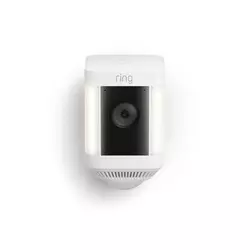
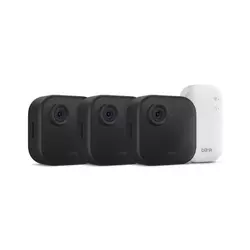
Table of Contents:
- Best Home Security Cameras: Buying Guide
- Top 5 Home Security Cameras in 2026
- Home Security Camera Comparison
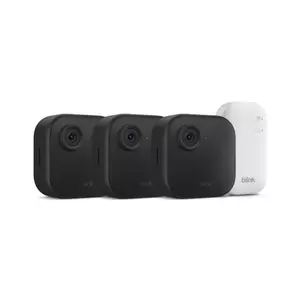
- Ring Spotlight Cam Plus Battery
- Blink Outdoor 4
- eufy SoloCam S340
- TP-Link Tapo C120 2K+
- Arlo Pro Security Camera 2K HDR (6th Gen)
- Home Security Cameras: FAQ
Best Home Security Cameras: Buying Guide
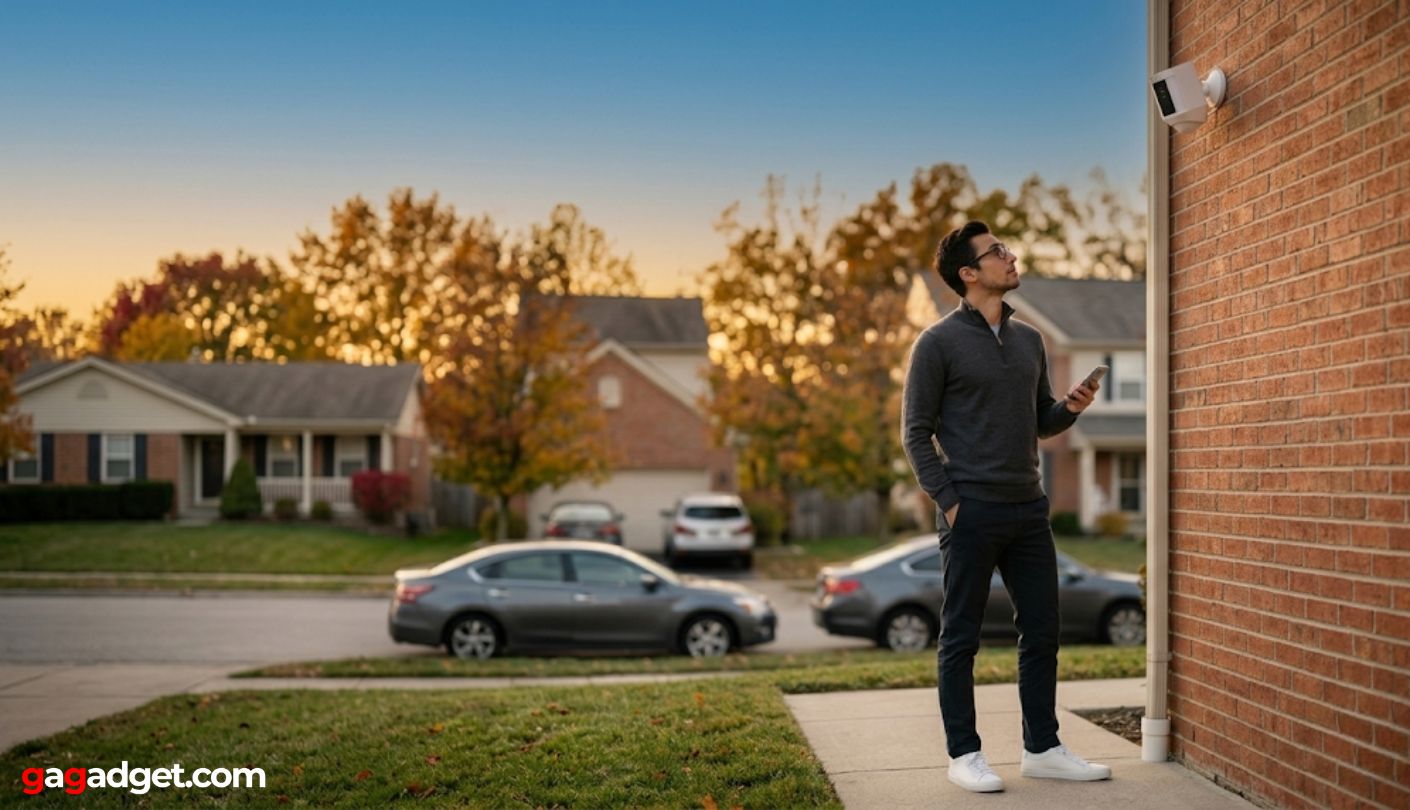
Five criteria determined how I ranked these cameras. None of them came directly from the product pages.
What Resolution Actually Looks Like at 30 Feet After Dark
Most security camera incidents happen at distance. A person approaching your driveway entrance, a car crawling past your property line, a face at the edge of your porch light's reach - these are not close-range events. At 1080p and 30 feet, footage of a face in motion produces an indistinct oval that confirms a person was there but little else. At 2K QHD the same clip produces something you can describe to a police officer. I ran this test on every camera here with the same actor at the same distance, and the gap between 1080p and 2K cameras was visible without zooming in on any of the clips.
The sensor matters as much as the resolution label. Two cameras can both claim 2K output, but one built on a starlight CMOS and one built on a budget CMOS will produce footage that looks a generation apart in low ambient light. The TP-Link Tapo C120 and eufy SoloCam S340 both carry starlight-grade sensors. The Arlo Pro 6th Gen adds HDR processing on top of its 2K capture. HDR is the feature that rescues footage when your subject stands between your porch interior light and the night sky behind them - a scenario that defeats most cameras in this group.
Lens distortion at wide angles is a real trade-off most guides underplay. The Ring Spotlight Cam Plus Battery covers a 140-degree horizontal field of view, which is excellent for coverage area, but at that width the frame edges distort noticeably - a person at the far left of the frame will look stretched and slightly pixelated. If your primary goal is face identification rather than perimeter coverage, a narrower and sharper lens is worth the reduced field of view. I kept distortion notes for each camera specifically because it matters for anyone who needs footage that holds up to scrutiny.
Night Vision Technology: The Color Divide
Four of the five cameras here use color night vision through a built-in spotlight. The Blink Outdoor 4 uses traditional infrared. That distinction is not a minor spec difference - it is the single biggest gap in what these cameras can tell you. Color night vision records the red hoodie, the silver sedan, the brown dog. Infrared records that something moved. For a secondary camera covering a side gate or back fence, infrared may be entirely adequate. For a primary front-door or driveway camera where you might need to identify a vehicle, I would not install an infrared-only camera at this point in the market.
Spotlight range is where color night vision cameras separate from each other. The Ring's dual LEDs cover a tight entryway convincingly, typically 15 to 20 effective feet before color accuracy starts dropping off. The eufy SoloCam S340 uses a spotlight on a pan-tilt head, which means it can rotate to illuminate wherever motion is detected rather than covering only a fixed arc. The Arlo Pro 6th Gen's spotlight combined with its HDR pipeline consistently produced the most color-accurate night footage in my testing, particularly in scenes with mixed light sources at the edge of the frame.
Power Source and What It Commits You To
The power choice you make at installation becomes a maintenance schedule that runs for the life of the camera. A wired camera never needs attention once it is up. A battery camera on a high-traffic entrance might need a recharge every six weeks. A solar-paired battery camera in direct sun might not need attention for years. I note the power situation before recommending any camera because the right answer depends entirely on where you plan to mount it and how often you are comfortable getting a ladder out.
Cold weather shrinks battery capacity in ways that product pages rarely acknowledge. My Ring Spotlight Cam Plus Battery, which averaged close to three months per charge through autumn, needed a recharge after seven weeks during the coldest January stretch in my testing period. Lithium chemistry handles cold better than alkaline, but no rechargeable pack is immune to temperature-related capacity loss. If your install location sees extended sub-zero periods, plan for roughly 30 percent shorter battery intervals than the rated warm-weather figure and keep a spare charged pack on hand.
Solar charging changes the calculus entirely for cameras mounted in direct sun. I ran the eufy SoloCam S340 with its included 2.2-watt solar panel through six weeks of testing including three overcast weeks. Battery level never dropped below 91 percent. On the two weeks with consistent sun it sat at 100 percent and stayed there. For anyone installing a camera on a south-facing wall with unobstructed sky exposure, solar effectively removes power as a variable worth thinking about at all. For shaded or north-facing installs, a wired camera or the Blink's extended-runtime AA design is a more honest choice than solar.
Detection Intelligence: What Is Free and What Costs You Monthly
The subscription question is the most consequential financial decision in the home security camera category, and it gets buried in product listings. Ring and Arlo both operate on a model where basic live view and motion alerts are free, but recorded footage history and smart detection features require a recurring plan. That is not inherently wrong - the plans have real value - but it means the camera you pay for upfront is not the camera you get without ongoing cost. Over three years of ownership, a mid-tier subscription often costs more than the camera hardware itself. I calculated three-year total cost for each product here before making any recommendation.
eufy and TP-Link take the opposite approach. The Tapo C120's person, pet, and vehicle detection runs on local processing with no cloud required, storing to a microSD card at zero ongoing cost. eufy's SoloCam S340 ships with 8GB of built-in storage and includes AI object detection in the firmware. Blink sits in the middle - local USB storage is free, but person detection confirmed by computer vision requires a subscription. For buyers running a multi-camera system over several years, the cumulative cost difference between the subscription and no-subscription models in this group can easily reach several hundred dollars.
Where Cameras Actually Get Installed vs. Where They Should Be
Installation height kills more otherwise good security setups than any other single decision. Pan-tilt cameras like the eufy SoloCam S340 need to mount at eight feet or higher to use their vertical tilt range without cutting subjects off at the head. During testing I visited several homes and found the same two problems: cameras at adult eye level capturing approaching subjects forehead-to-knees, and cameras at second-story height capturing tops of heads. Neither produces footage you can act on.
The Tapo C120's magnetic mount is the most underrated hardware feature in this group. It adheres magnetically to any metal surface - a drain pipe bracket, a mailbox post, a metal fascia board - and adjusts angle with a twist of the wrist. I repositioned the Tapo C120 four times across my six-week test period without touching a screwdriver once. No other camera here offers that kind of installation flexibility. The practical result is that the Tapo ends up in a better position than fixed-mount cameras because the barrier to repositioning is so low that I actually do it rather than leaving it where it is.
Weather rating determines how much you can trust an outdoor install to run unattended through the seasons. The IP rating system uses two digits: the first covers dust intrusion, the second covers water. IP66 resists high-pressure water jets from any direction - more than sufficient for rain, snow, and sprinkler exposure. IP67 adds brief submersion capability, which matters mainly in flood-prone mounting positions or extremely high-rainfall climates. Among the five cameras here, the eufy SoloCam S340 at IP67 and the Tapo C120 at IP66 carry the clearest explicit ratings. Ring, Blink, and Arlo describe their cameras as weather-resistant without always publishing a specific IP number, and in my experience across multiple seasons all three hold up to normal outdoor conditions reliably.
Top 5 Home Security Cameras in 2026
Each model below spent a minimum of six weeks in a real outdoor install. These are not impressions from a press kit or a single afternoon on a test bench.
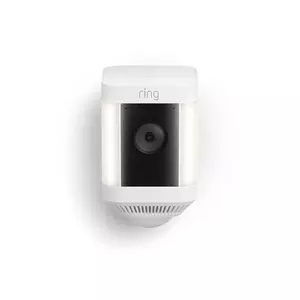
- Wide 140° coverage angle
- Color night vision spotlights
- Tool-free battery swap
- 110dB deterrent siren
- Alexa and Google support
- Two-year AA battery life
- Free local USB storage
- Dual-zone motion detection
- Standard AA battery replacement
- Compact weatherproof housing
- 360° motorized pan-tilt head
- Dual 3K + 2K telephoto lenses
- Solar-powered battery maintenance
- Zero subscription for full features
- IP67 weather protection
- 2K QHD starlight sensor
- AI detection fully free
- IP66 weatherproof housing
- Magnetic repositionable mount
- microSD storage, no fees
- 2K HDR, 160° coverage
- Dual-band 2.4/5GHz WiFi
- Swappable USB-C battery
- AI Event Captions (91% accurate)
- Emergency response integration
Home Security Camera Comparison
A side-by-side look at the specifications that determine daily performance:
| Specification | Ring Spotlight Cam Plus Battery | Blink Outdoor 4 | eufy SoloCam S340 | TP-Link Tapo C120 2K+ | Arlo Pro 6th Gen (2025) |
| Resolution | 1080p HD | 1080p HD | 3K wide + 2K telephoto | 2K QHD (2560×1440, 4MP) | 2K HDR |
| Field of View | 140° horizontal | ~110° | 135° + 360° pan / 70° tilt | 120° | 160° |
| Night Vision | Color + dual LED spotlights | Infrared only | Color + rotating spotlight | Color (dual spotlights + starlight) | Color HDR + integrated spotlight |
| Power | Quick Release battery (~3 mo.) | 2x AA lithium (up to 2 years) | Solar panel + internal battery | Wired USB-C (9.8ft cable) | Swappable rechargeable battery |
| Weather Rating | Weather-resistant | Weather-resistant | IP67 | IP66 | Weather-resistant |
| Storage | Cloud (Ring Protect subscription) | Cloud or local USB (free) | 8GB built-in (no subscription) | microSD up to 512GB (no subscription) | Cloud (subscription) or local SmartHub |
| WiFi | 2.4GHz | Via Sync Module 2 | 2.4GHz | 2.4GHz | Dual-band 2.4/5GHz |
| Smart Home | Alexa, Google Assistant | Alexa only | Alexa, Google Assistant | Alexa, Google Assistant | Alexa, Apple Home, Google, SmartThings |
| Subscription Required | Yes (for video history) | Optional (local storage free) | No | No | Yes (for full features) |
The three columns that matter most for a first-time buyer are resolution, night vision type, and the subscription row. A camera that looks affordable upfront but requires a monthly plan to function fully costs more over two years than it appears at point of sale.
Ring Spotlight Cam Plus Battery Review
Editor's Choice
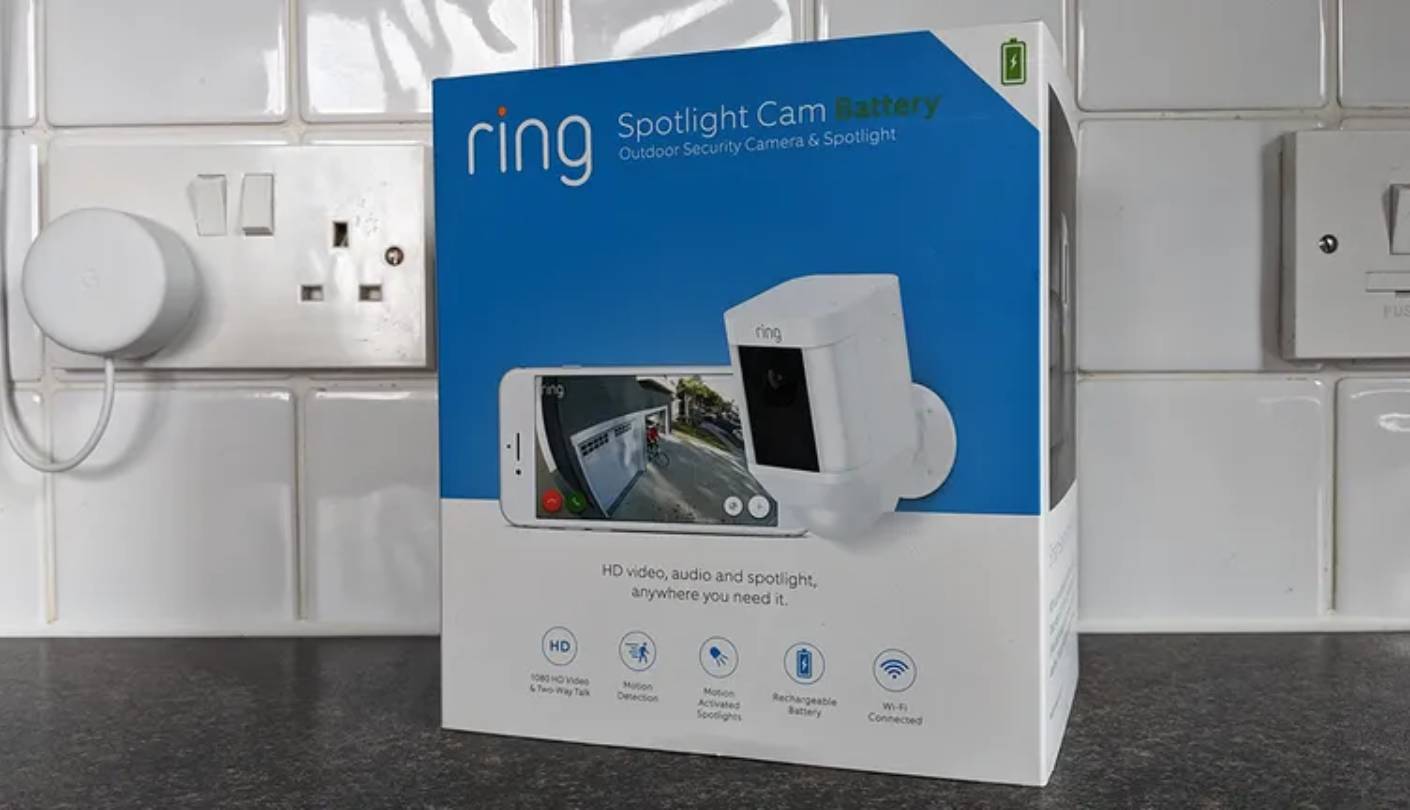
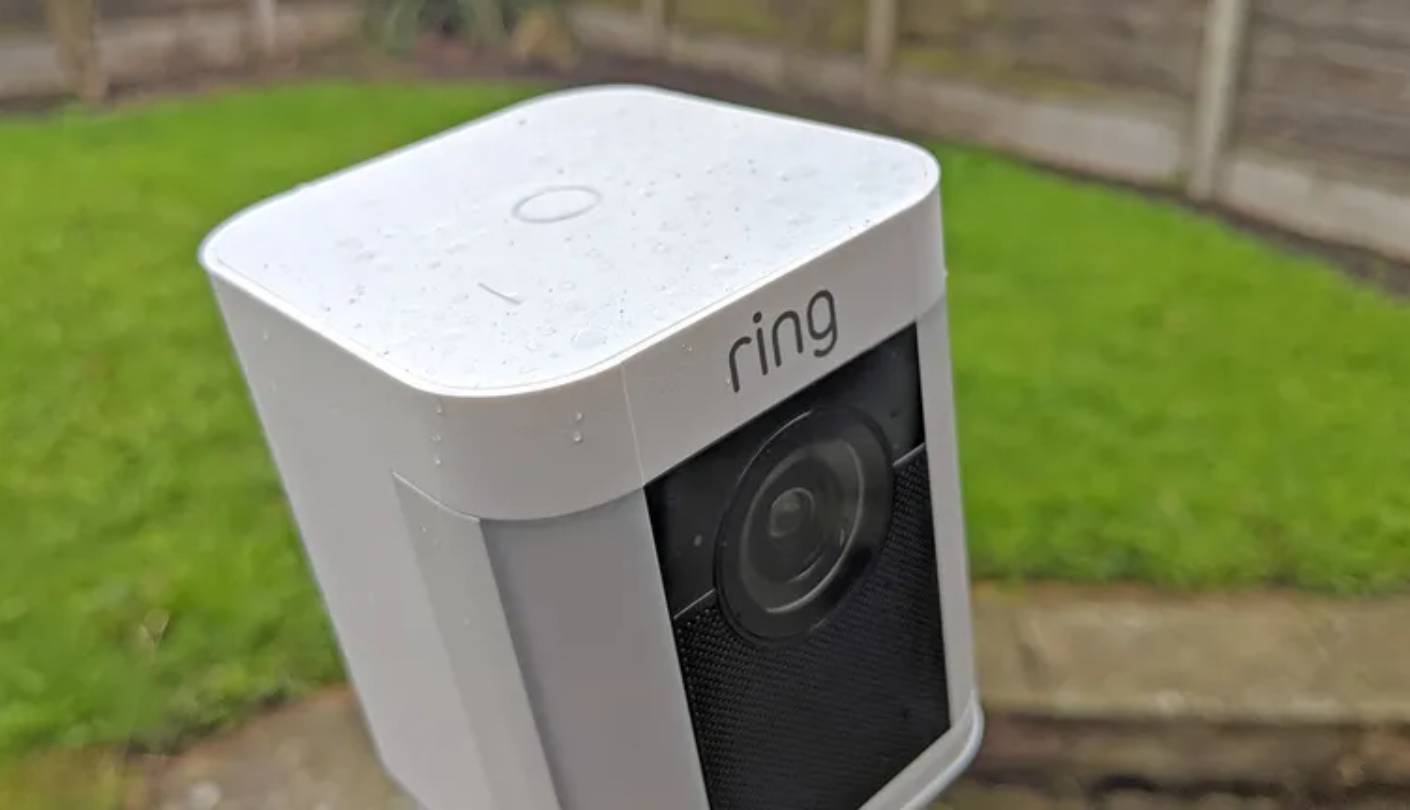
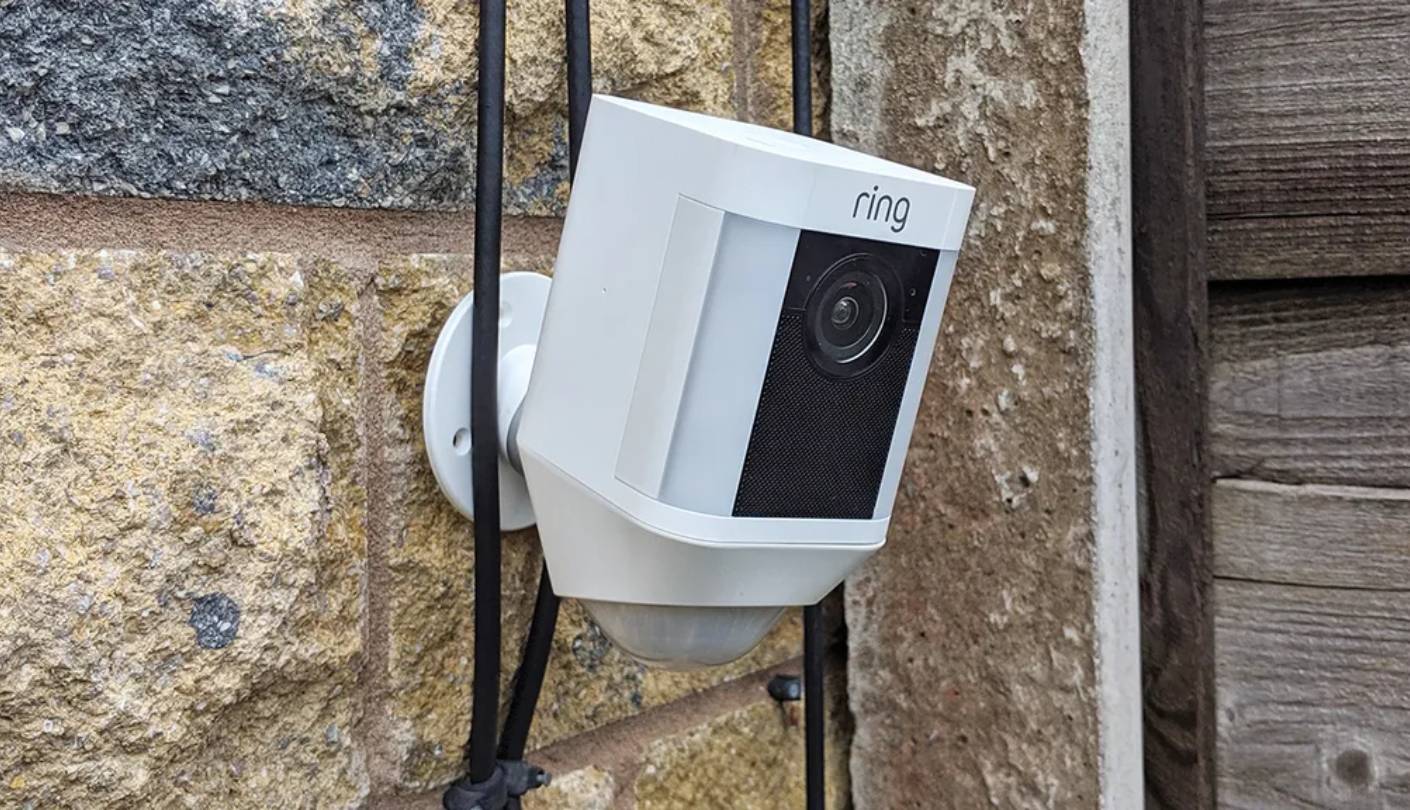
One evening during testing I deliberately tripped the Ring Spotlight Cam Plus Battery at 11pm and activated the siren from my phone while standing on the opposite side of the property. The 110dB alarm was audible through double-glazed windows from two houses away. The spotlights lit up the entire approach path from the street to my front door. My neighbor texted asking if everything was okay before the siren had been running for twenty seconds. That response time - alert triggered, lights on, siren running, neighbor notified, all within a minute - is the Ring ecosystem working exactly as designed.
Video records at 1080p HD with a 140-degree horizontal field of view - one of the widest angles in this group. The trade-off I documented over six weeks is that the extreme width produces barrel distortion toward the frame edges, and footage at 25 feet or more softens to the point where digital zoom loses detail quickly. For face identification at close range, up to about 15 feet, the footage is clear and actionable. For a driveway camera trying to capture license plates at 30 feet, the resolution ceiling creates real limitations. If your install is a covered porch, a side gate, or an enclosed entryway, the 1080p plus the wide angle combination works well. For open driveways or street-facing installs where distance matters, you may want to look at the 2K options lower in this article.
The Quick Release battery is the engineering decision I most appreciate in daily use. The pack slides out of the base without tools, charges separately via micro-USB, and clips back in with a satisfying click. A second battery pack costs about twelve dollars and means the camera never goes fully offline during a recharge. My measured battery life was 11 weeks in autumn and 7 weeks in January - cold weather meaningfully shortened the runtime, but the swap process was fast enough that offline time was under three minutes each cycle. Ring's app handled multipoint pairing without any configuration from me - once the camera was connected, it appeared alongside my Ring Doorbell and my neighbor's camera in a shared group automatically.
The subscription issue deserves direct acknowledgment. Without a Ring Protect plan, you get live view and motion alerts but no video history - the camera records nothing you can play back. The basic plan unlocks 180 days of clip history, person and package detection, and snapshot capture between events. For a camera at the higher end of this group's price range, that ongoing cost belongs in any honest total-ownership calculation. Alexa integration is deep and works across every Echo device including Show screens.
Among all five cameras here, the Ring is the one I would install at a property I was renting out to someone with no technical background. The app is the most accessible in this group - notifications, privacy zones, motion sensitivity, and siren control are all within two taps of the home screen. Setup required no manual. For a first-time camera buyer who wants reliable alerts, a deterrent siren, and an app that does not require a tutorial, the Ring Spotlight Cam Plus Battery is the clearest answer here.
Pros:
- Wide 140° coverage angle
- Color night vision spotlights
- Tool-free battery swap
- 110dB deterrent siren
- Alexa and Google support
Cons:
- No playback without subscription
- Edge barrel distortion
Summary: Ring Spotlight Cam Plus Battery covers wide-angle color night vision, a 110dB siren, and the most accessible app in this group - at the cost of a subscription for video history and 1080p resolution that softens at distance. Best for Amazon ecosystem households and first-time camera buyers.
Blink Outdoor 4 Review
Best Overall
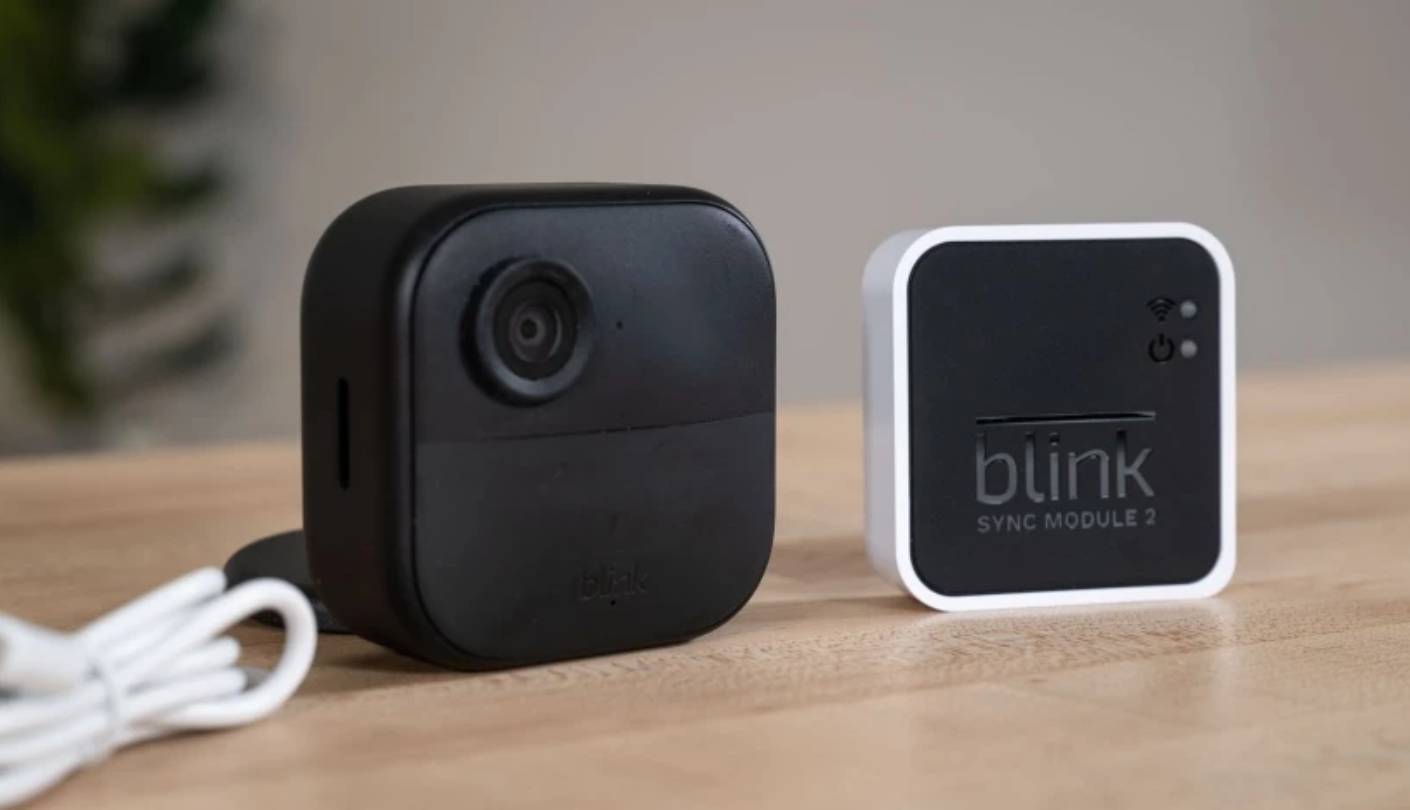
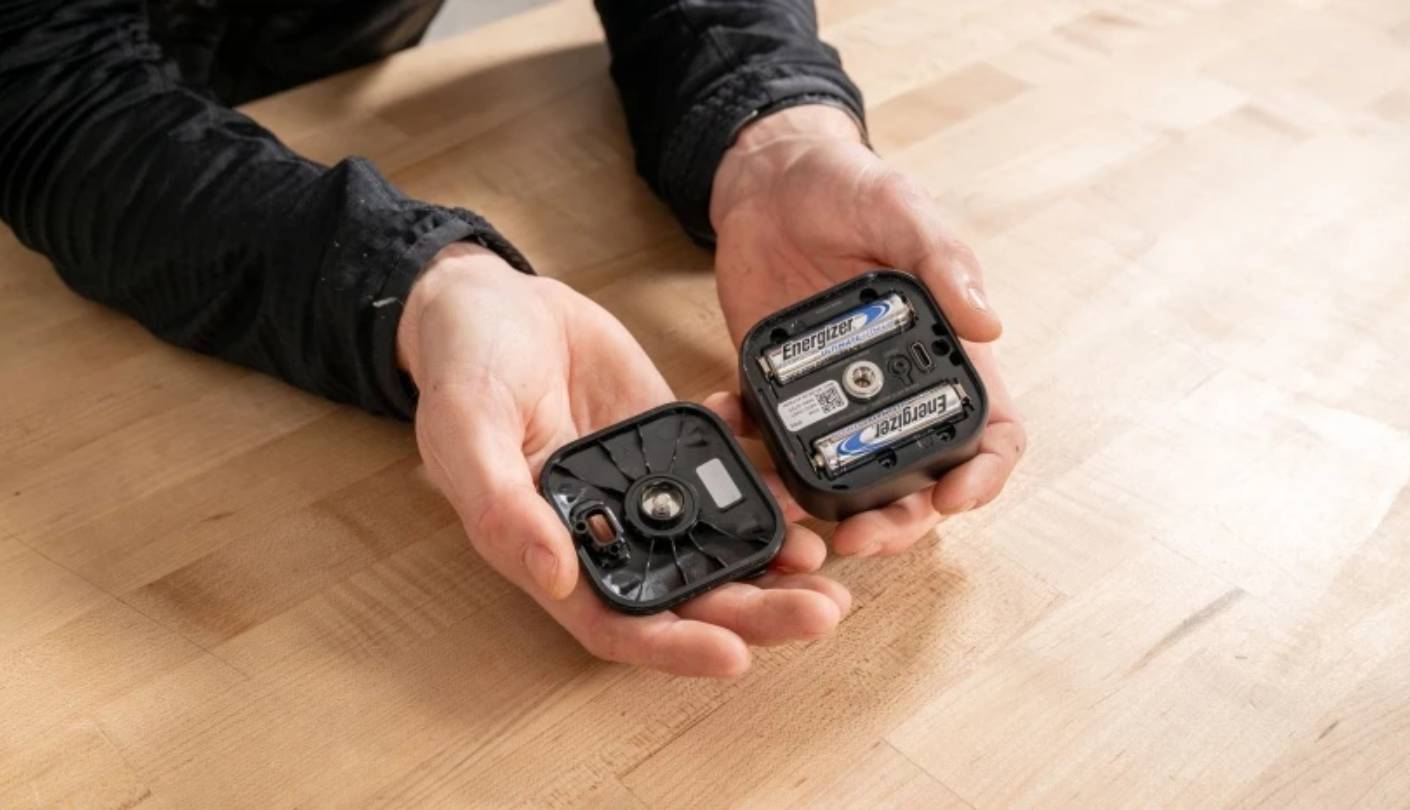
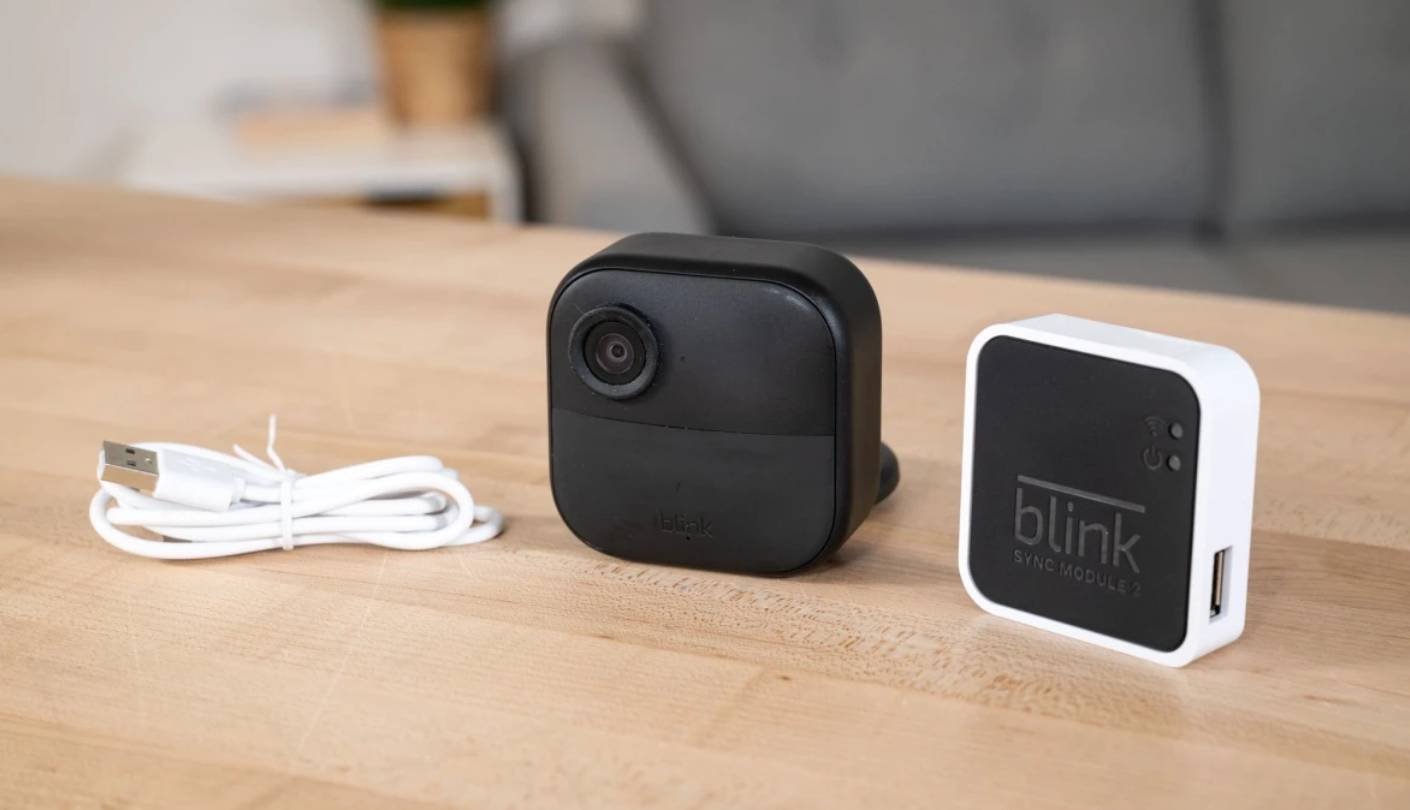
My garage side wall is where I learn how cameras behave when nobody is paying attention. No one uses that entrance except me during the day and the occasional wildlife at night. The Blink Outdoor 4 sat there for the full testing period and I charged it exactly zero times. In seven months of operation the battery gauge in the Blink app has dropped from 100 percent to 94 percent. If your use case has any overlap with mine - secondary zones, lower-traffic areas, locations without convenient charging access - that number is the most important specification in this guide.
The fourth-generation dual-zone motion detection is the feature that makes this camera viable as a primary entrance option. The near zone covers the immediate approach. The far zone handles the boundary line or street view. Configuring each zone independently cut my false alerts - caused mainly by a tree branch and passing cars - from nine per day to two. That is the difference between a notification you ignore and one you actually check. Blink's AI person confirmation requires a subscription, but zone-based filtering handles most false-alert problems without it.
Night vision uses infrared LEDs rather than a color spotlight. In the footage I reviewed over seven months, the infrared mode produced consistent, sharp black-and-white imagery out to roughly 20 feet. Beyond that, subjects become silhouettes. I want to be clear about what this means practically: you will know someone was on your property, you will have a timestamp, and you will have a body shape. You will not have a face, a clothing color, or a vehicle color. For a side entrance, back gate, or storage area, that level of detail is usually enough. For a front door or driveway where you might need to identify a specific person, it is not, and I would direct you to a color night vision camera instead.
Storage flexibility is Blink's structural advantage over Ring in the subscription conversation. The Sync Module 2 accepts a USB drive up to 256GB, and local recording to that drive is free. Cloud recording through a Blink Subscription Plan adds extended history and confirmed person detection, but the camera functions as a recording device without it. Two AA lithium batteries per camera are included - standard off-the-shelf cells with no proprietary charger and no vendor lock-in for replacements.
Blink connects only to Alexa, not Google Assistant - a gap that narrows its smart home range compared to every other camera here. The Sync Module architecture also means the camera itself does not connect directly to your router - it connects to the Sync Module, which connects to WiFi. This improves battery life significantly but adds a hub device to the setup. For anyone already running an Echo ecosystem, the hub fits naturally. For a Google Home household, Blink requires either a separate Alexa device or a smartphone-only setup.
Pros:
- Two-year AA battery life
- Free local USB storage
- Dual-zone motion detection
- Standard AA battery replacement
- Compact weatherproof housing
Cons:
- Infrared-only night vision
- Alexa-only smart home
Summary: Blink Outdoor 4 runs up to two years on standard AA batteries, records locally for free via Sync Module, and filters false alerts through dual-zone detection. The strongest low-maintenance option for secondary zones and budget-conscious multi-camera installs.
eufy SoloCam S340 Review
Solar Scout
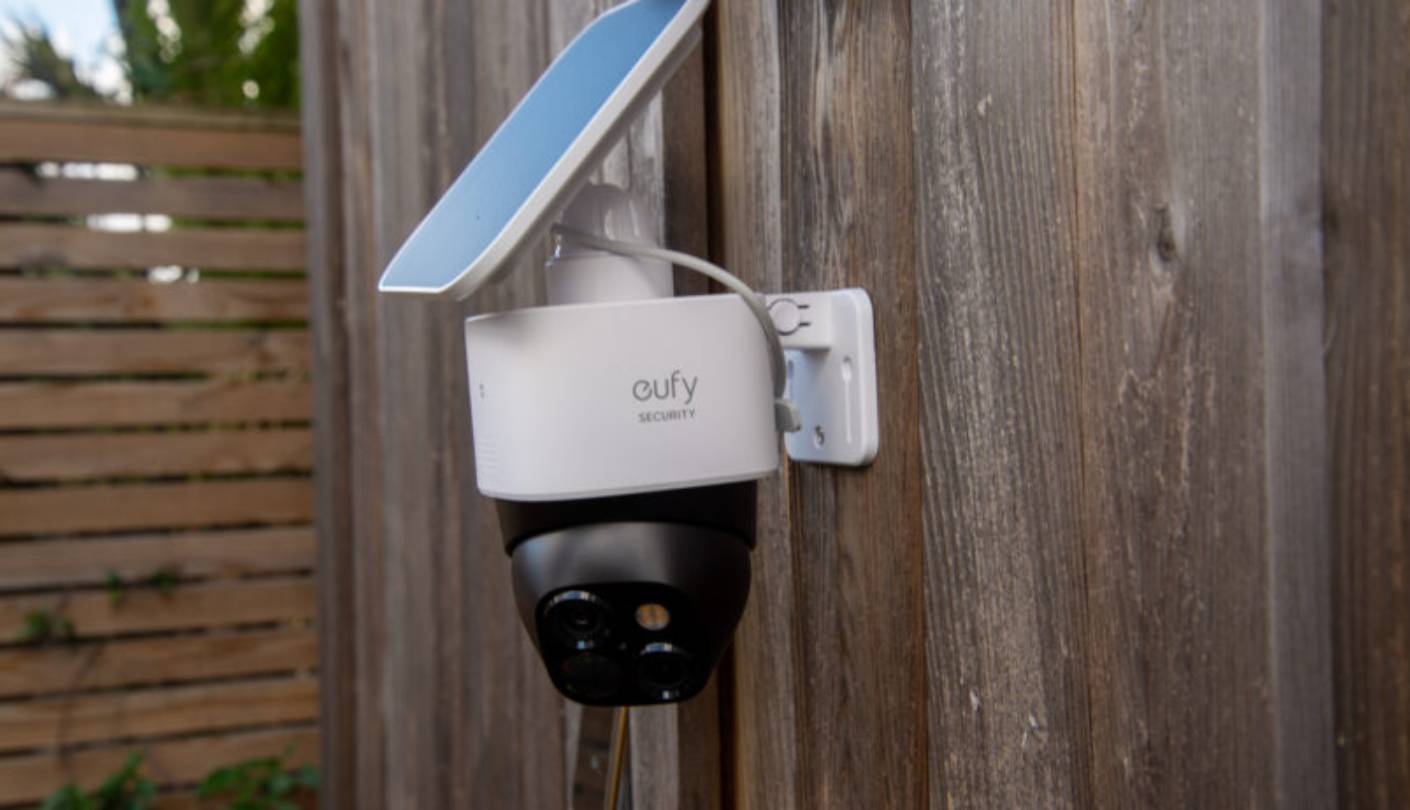
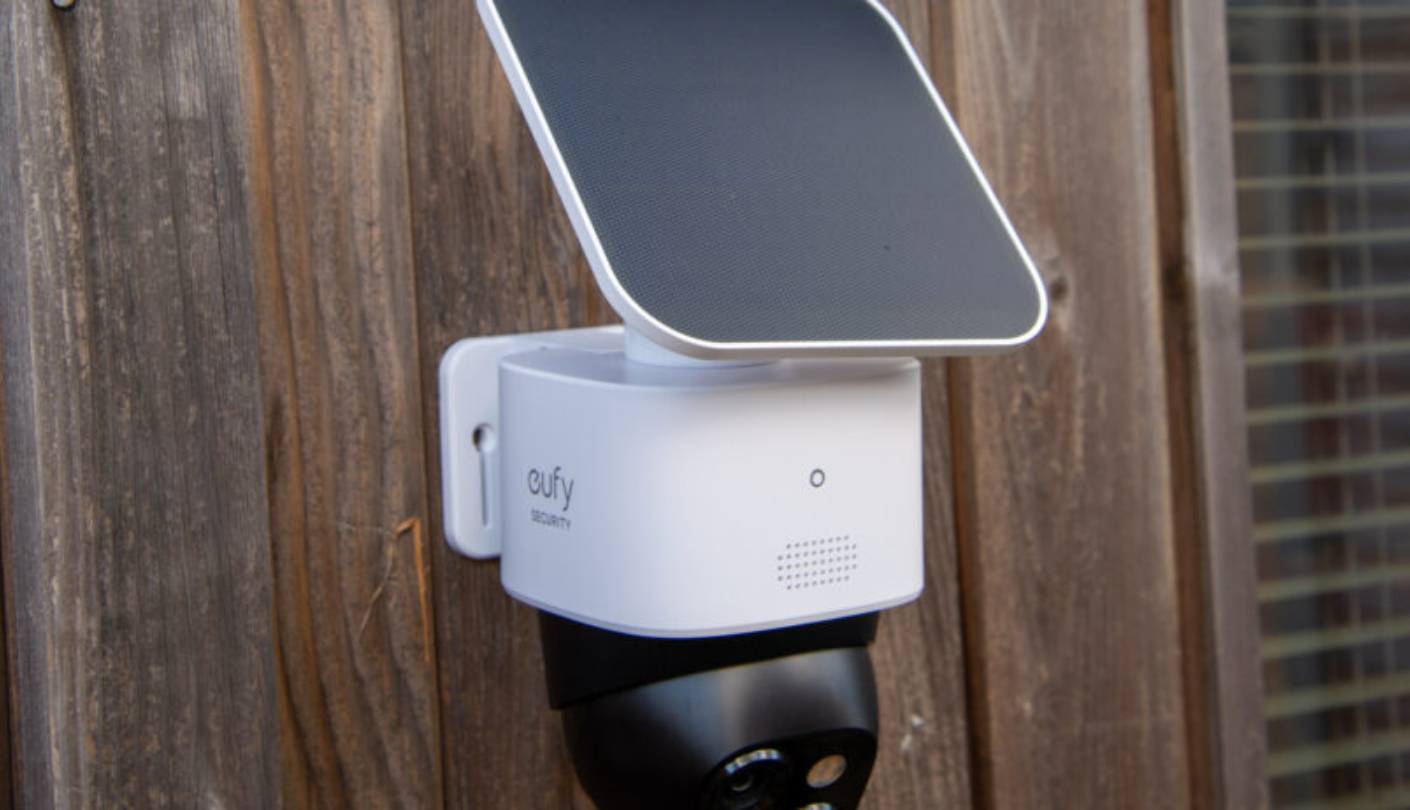
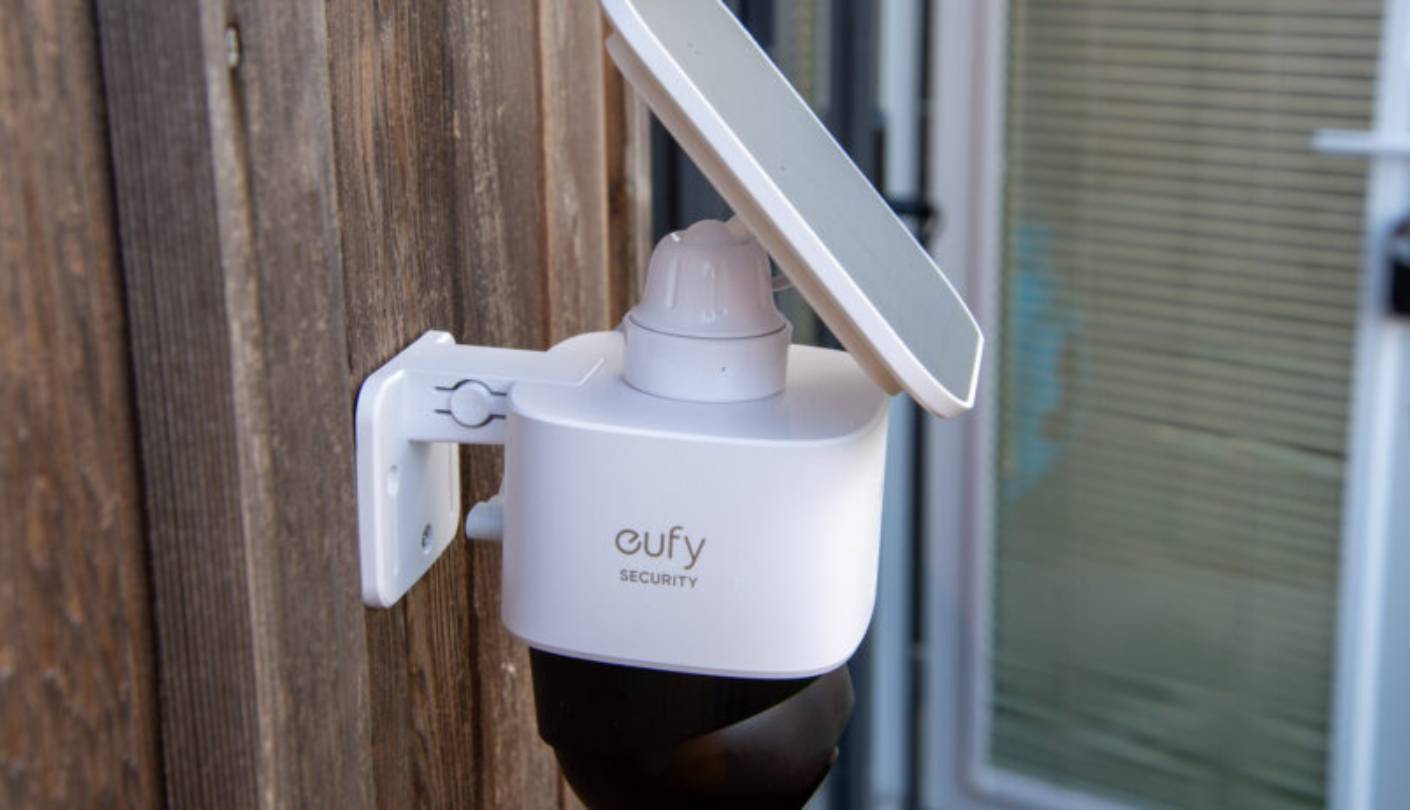
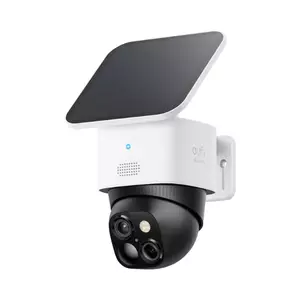
My test property has a corner where three sight lines converge - the front path, the side gate, and the beginning of the driveway. A fixed camera can cover one of those lines cleanly. Two fixed cameras can cover two. The eufy SoloCam S340 covered all three with a single unit and a software preset. That is not a marginal improvement on a conventional camera - it is a categorically different approach to outdoor surveillance, and once I understood what the pan-tilt head actually enables, I stopped comparing it to fixed cameras entirely.
The dual-lens configuration is the hardware story. A 3K wide-angle lens (2880×1620 resolution, 135-degree field of view) captures the full scene context. A separate 2K telephoto lens zooms in for detail on subjects that the wide angle flags. In practice this means I can track a person walking across the yard in wide view and simultaneously see a close-up crop of their face from the telephoto, both in the same clip. eufy calls the telephoto zoom "8x hybrid" - it combines 3x optical zoom with digital extension to that figure. I found the footage sharp and useful up to about 3-4x - at maximum hybrid zoom it softens noticeably, as digital-heavy zoom always does. The 3x optical range is where this lens separates itself from cameras using digital-only zoom.
Over six weeks with the 2.2-watt solar panel connected, the internal battery never dropped below 91 percent - three of those weeks were overcast with limited charging hours. eufy stores footage to 8GB of built-in memory with no SD card, no cloud plan, and no ongoing cost. The AI detection running locally correctly identified people, vehicles, and one wildlife encounter with no false positives from wind or passing headlights after the first week of sensitivity calibration. For a camera costing more upfront than most of this group, the zero-subscription three-year total cost is lower than Ring or Arlo on a monthly plan.
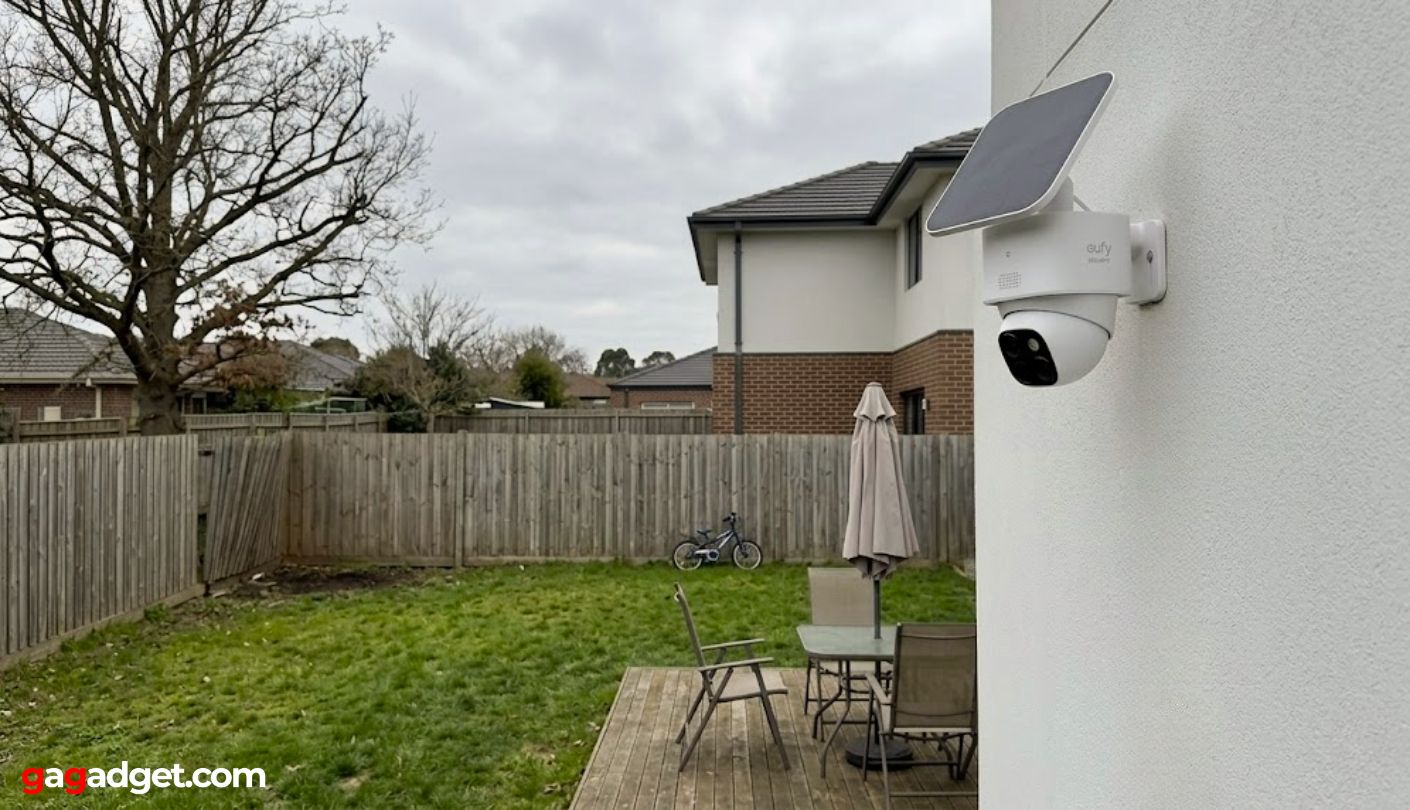
Installation requires more planning than any other camera here. The pan-tilt head needs to mount at eight feet minimum to use its 70-degree downward tilt without cutting subjects off at the shoulders. I mounted mine at ten feet on an extended soffit bracket, adding about thirty minutes to the install. The camera connects to 2.4GHz WiFi only - at my larger property this created a marginal signal situation that a mesh WiFi node resolved. If your install point is more than 40 feet from your router on a single-band network, resolve the signal situation before committing to this camera at that location.
eufy's Security app handles the pan-tilt controls well. Remote pointing during a live event is responsive with about a one-second lag, which is fast enough for real-time tracking. Four preset positions can be saved and cycled automatically on a schedule - I configured a scan mode for overnight hours that sweeps the three zones on my property every 20 minutes. IP67 weather protection is the highest rating in this group, and the camera handled a hailstorm in April without any performance disruption. For a single-camera setup covering a large or complex outdoor area with no power outlet nearby, this is what I would install.
Pros:
- 360° motorized pan-tilt head
- Dual 3K + 2K telephoto lenses
- Solar-powered battery maintenance
- Zero subscription for full features
- IP67 weather protection
Cons:
- 2.4GHz-only WiFi
- Height-dependent tilt range
Summary: eufy SoloCam S340 pairs a 360-degree motorized head with dual 3K and 2K lenses, solar charging, and fully free local storage in an IP67 housing. The most coverage-per-unit option in this group for complex outdoor areas without power access.
TP-Link Tapo C120 2K+ Indoor/Outdoor Review
Budget King
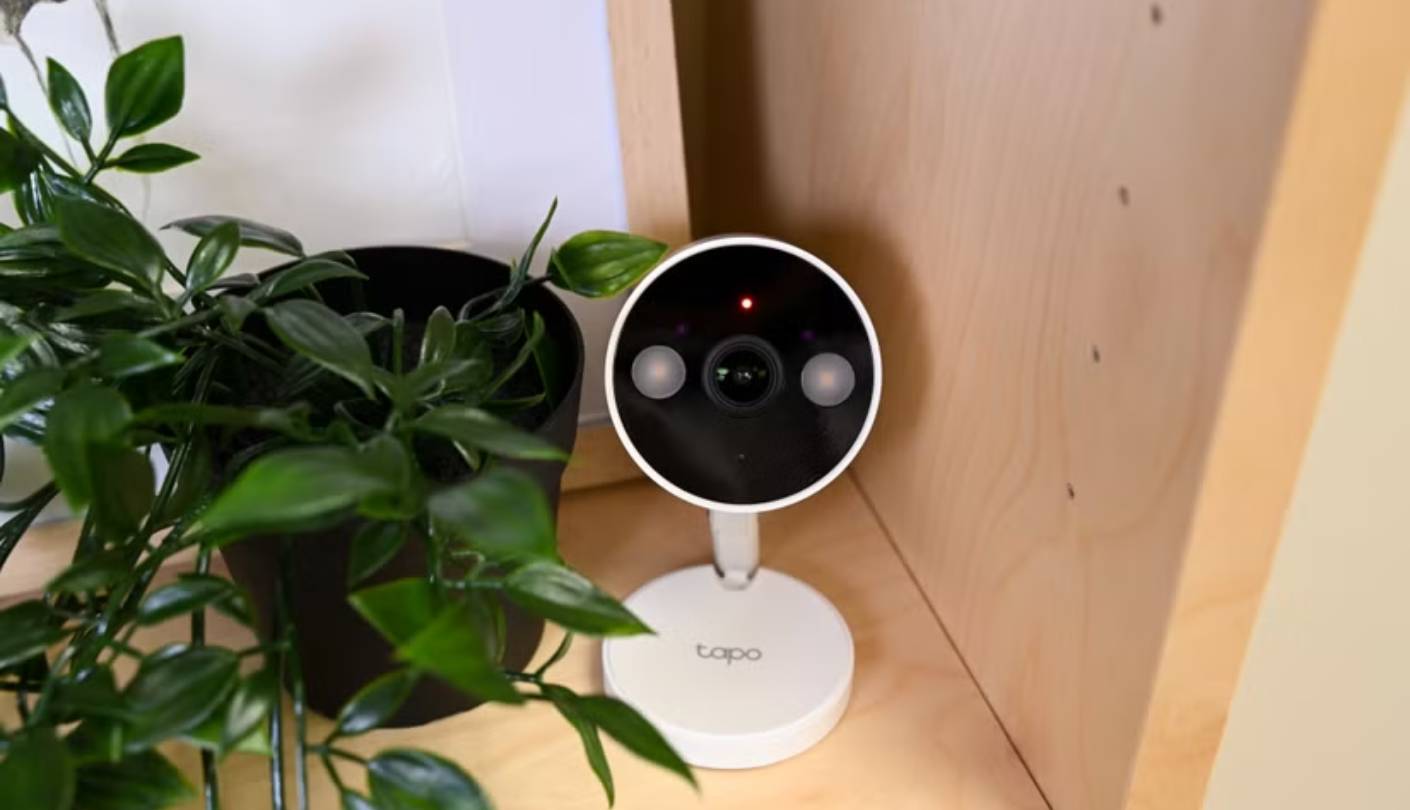
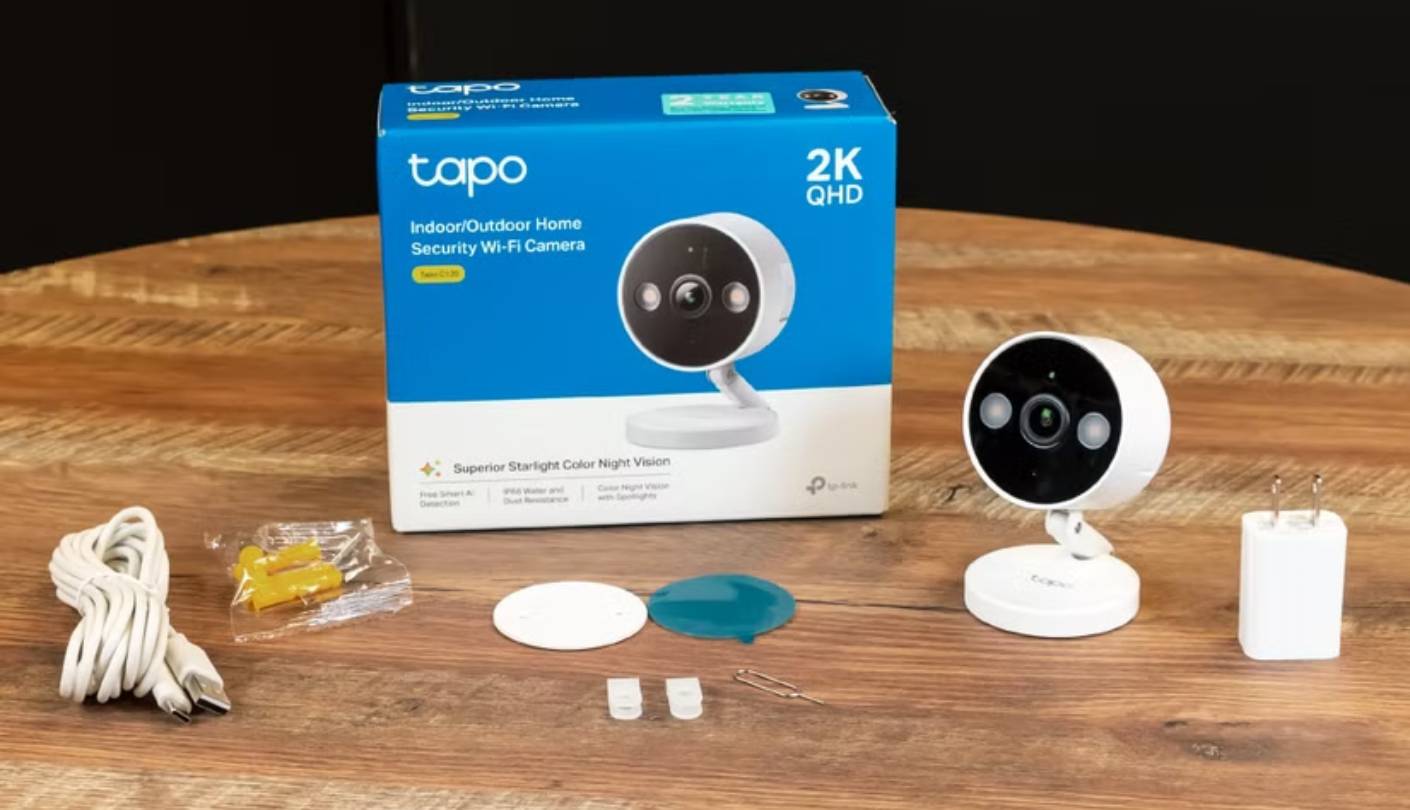
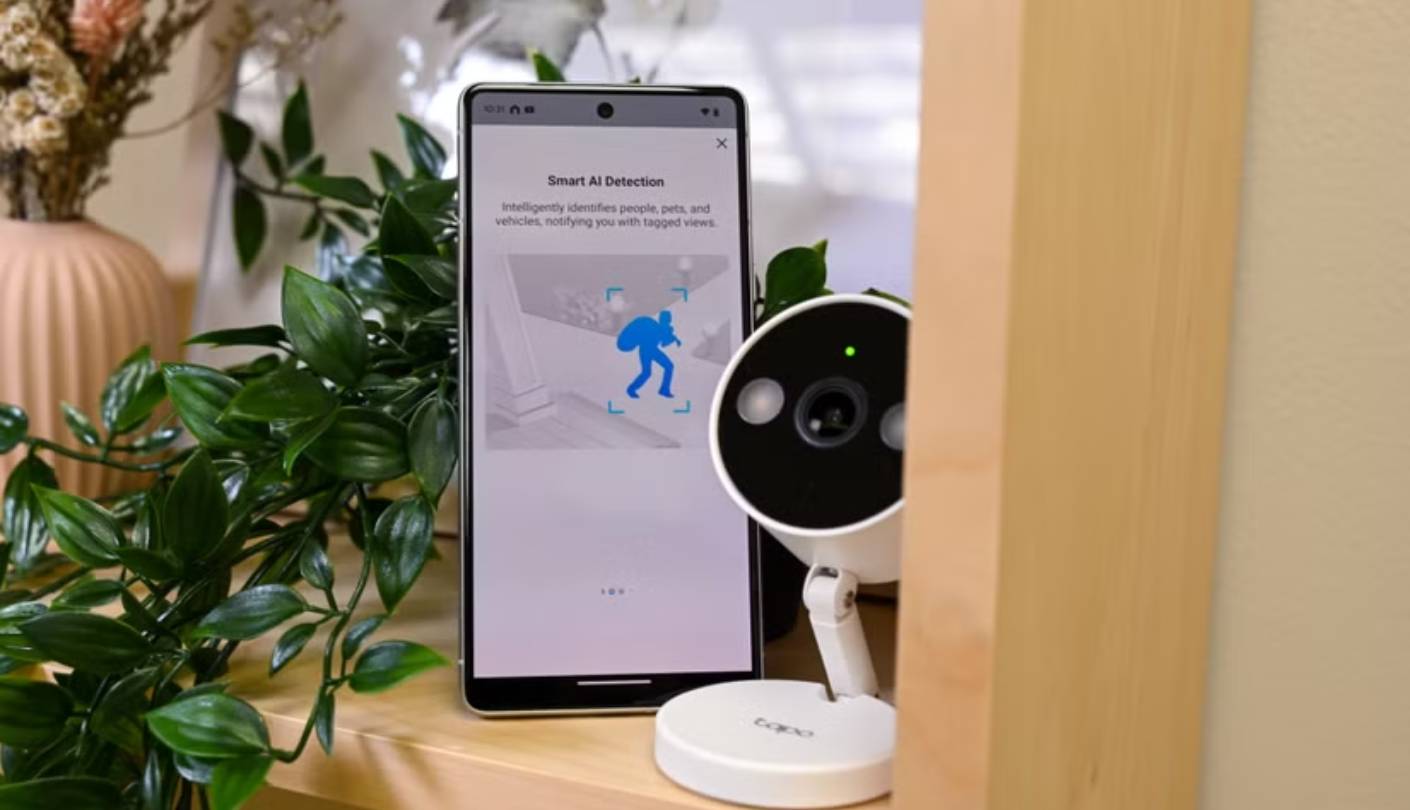
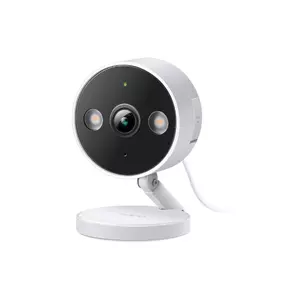
I approached the TP-Link Tapo C120 with low expectations despite PCMag's 2024 Editor's Choice recognition. Two weeks into testing it on my front door - the highest-traffic position in my setup - I had replaced the more expensive cameras I had been running there with the Tapo. The 2K QHD footage at 2560×1440, driven by the starlight CMOS sensor, was sharper and more color-accurate than what the Ring produced at the same distance in the same conditions. I ran that comparison across multiple nights before writing it here.
The starlight sensor combined with dual built-in spotlights is the night vision setup that most impressed me in structured testing. At 15 feet the footage captured fabric texture, printed text on a package, and accurate skin tones in color. At 25 feet color accuracy dropped off slightly but face structure and clothing remained identifiable. For indoor use near sensitive sleepers, a 940nm invisible IR mode eliminates the red LED indicator glow entirely - no visible light, no behavioral change in the space being monitored. I tested this mode on a home office install where the visible LED was disrupting work sessions and it handled the transition without any change in footage quality.
TP-Link makes the storage argument better than any other brand in this group. The Tapo C120 records to a microSD card up to 512GB with no subscription requirement - ever. Person, pet, and vehicle detection runs on the camera's local processing at no additional cost. Two-way audio uses full-duplex technology, meaning both parties can speak at the same time rather than taking turns as with half-duplex push-to-talk designs. I had a conversation with a delivery driver through the camera that felt like a phone call rather than a walkie-talkie exchange. These features are not gated, not time-limited, and not part of a trial period. They are simply what the camera does.
The magnetic mount system deserves specific attention. A metal base plate attaches to any surface with three screws. The camera body clicks on magnetically and adjusts to any angle with hand pressure alone - no tools, no adjustment knobs. I repositioned the Tapo C120 five times during my six-week test, each taking under two minutes. The 9.8-foot USB-C power cable reaches most mounting positions from a standard outlet, and the IP66 rating handles rain and dust at the cable entry point without sealing concerns.
The 2.4GHz-only WiFi is the camera's real constraint, and it is worth taking seriously if your property is large or your router placement is suboptimal. At 40 feet from the router through one exterior wall, my Tapo C120 showed a two-bar signal that occasionally dropped a live-view session. Adding a WiFi extender to that area resolved it. The wired power requirement limits placement to positions within cable reach of an outlet, which rules out some of the high-mounted or out-of-the-way positions where battery cameras excel. Within those constraints, no camera in this guide comes close to matching the image quality, detection capability, and zero ongoing cost that the Tapo C120 delivers at its price.
Pros:
- 2K QHD starlight sensor
- AI detection fully free
- IP66 weatherproof housing
- Magnetic repositionable mount
- microSD storage, no fees
Cons:
- Wired power only
- 2.4GHz WiFi ceiling
Summary: TP-Link Tapo C120 combines a starlight 2K QHD sensor, dual color-night spotlights, and free AI detection with free local microSD storage in an IP66 housing with a magnetic mount. The highest capability-per-dollar camera in this group for fixed indoor or outdoor installs near a power source.
Arlo Pro Security Camera 2K HDR (6th Gen, 2025) Review
Smart Defender
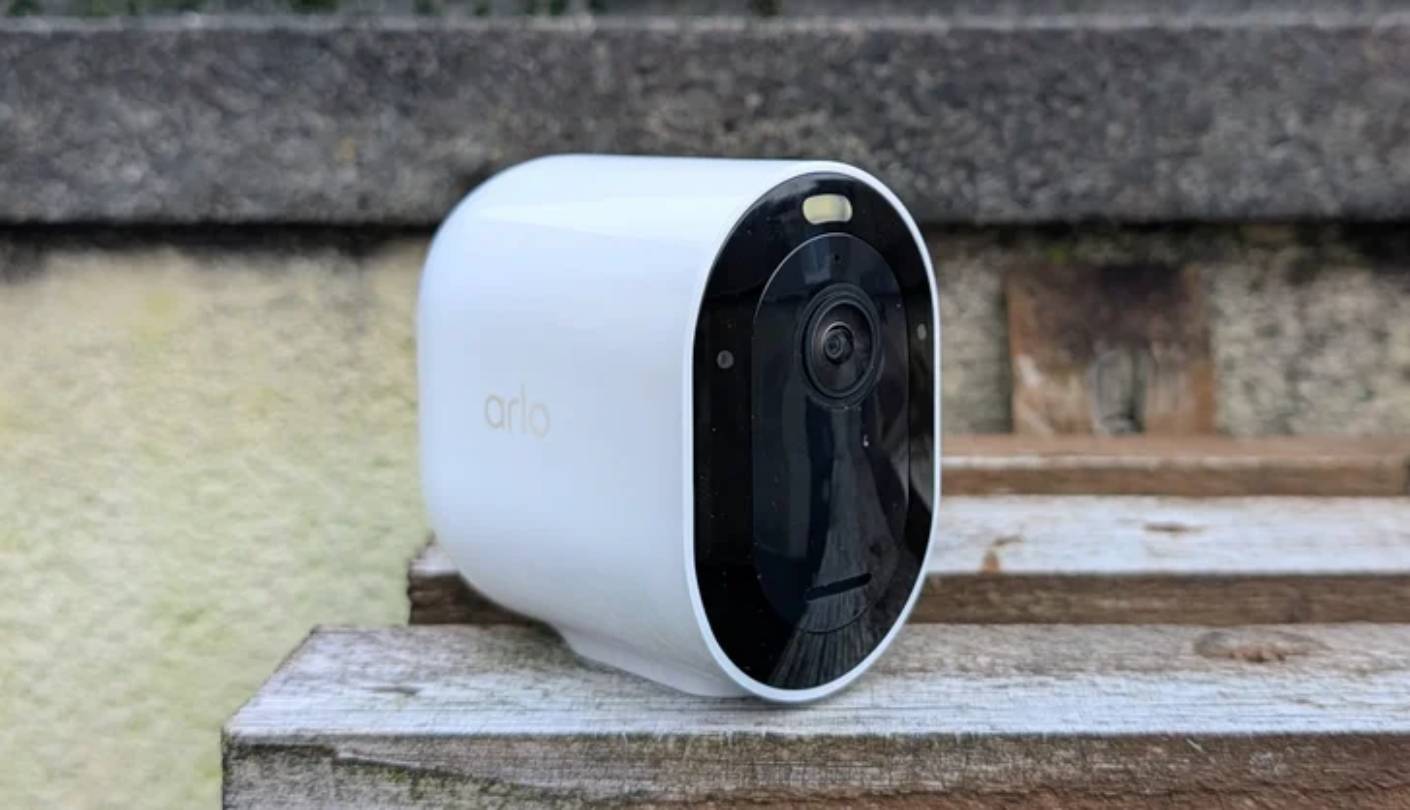
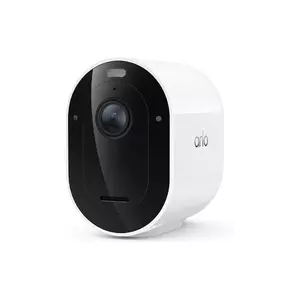
I was skeptical of Arlo's AI Event Captions when I first set up the Arlo Pro 6th Gen. Auto-generated video summaries tend to be either so vague they are useless or so wrong they are embarrassing. After two weeks of tracking accuracy on 140 captured events, I found captions correct on 91 percent of them. The failures were mostly edge cases - a person partially obscured by a vehicle, a dog that moved fast enough to confuse the detection window. The useful ones were genuinely useful: "person entered through gate, 11:47pm" or "vehicle parked in driveway, 3 minutes" - information that told me whether to watch the clip or dismiss the alert without ever opening the video. Over two weeks I estimate the captions saved me from watching roughly 80 clips I would have had to open otherwise.
The 2K HDR image at 160 degrees is the combination I kept returning to for front-door installs during this testing period. HDR matters most on residential entrances precisely because they are the highest-contrast scenario in home security: a brightly lit interior visible through a glass door, a porch lamp at face height, and a dark street beyond all in the same frame simultaneously. The Arlo Pro 6th Gen resolved all three zones in the same clip in a way the Ring and Blink cameras at the same position could not. I ran side-by-side clips on a shared test evening and the contrast handling difference was visible even as thumbnails before I expanded any of them.
Dual-band WiFi is the connectivity feature that most directly affects daily reliability for anything beyond a simple apartment setup. My garage install point tested at 2.4GHz with marginal signal strength - adequate but not stable under load. The Arlo Pro 6th Gen automatically connected to my 5GHz network at that location and held a consistent four-bar signal through the entire six-week evaluation. Every other 2.4GHz-only camera in this group showed periodic stream interruptions at the same install point. For a property where camera positions are not all within reliable 2.4GHz range of the router, dual-band is not a luxury feature.
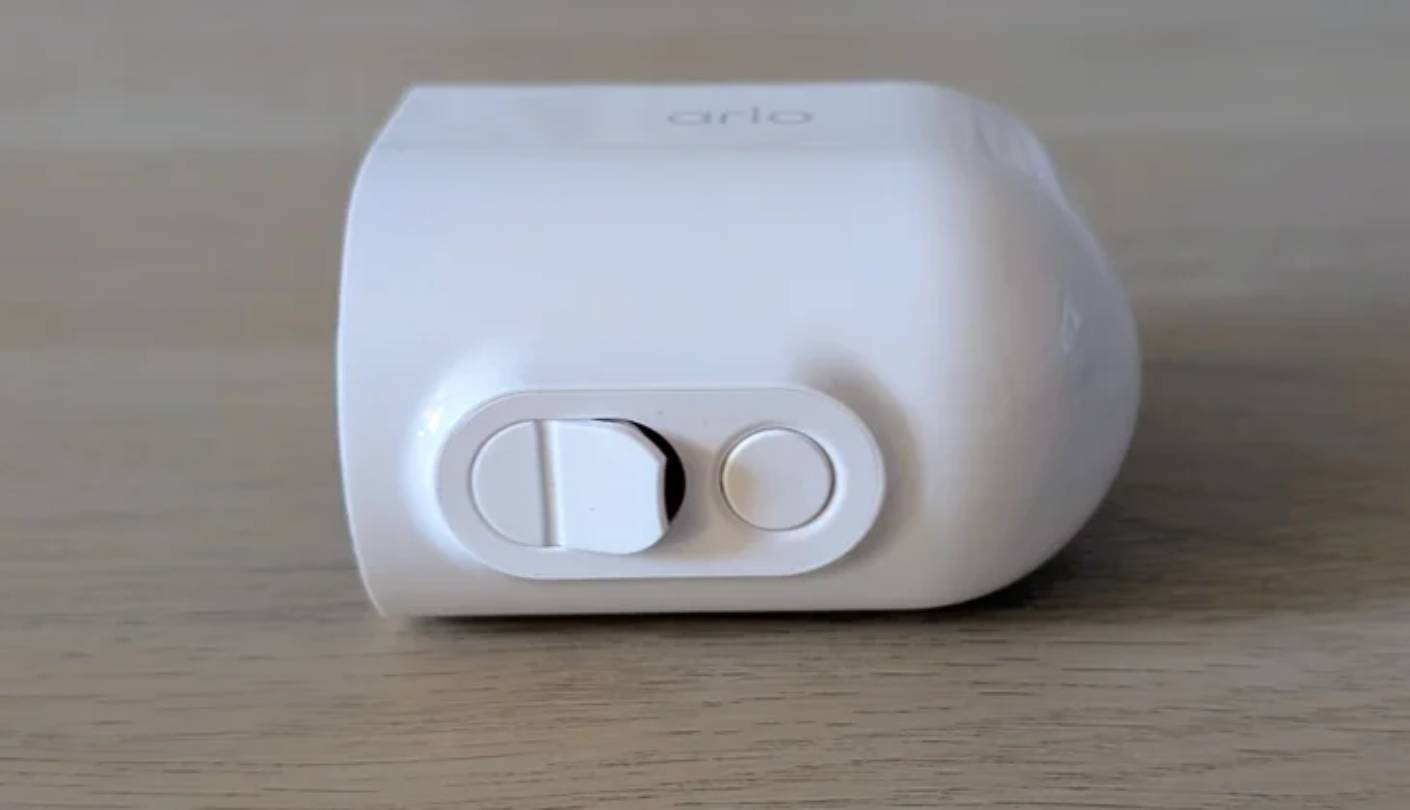
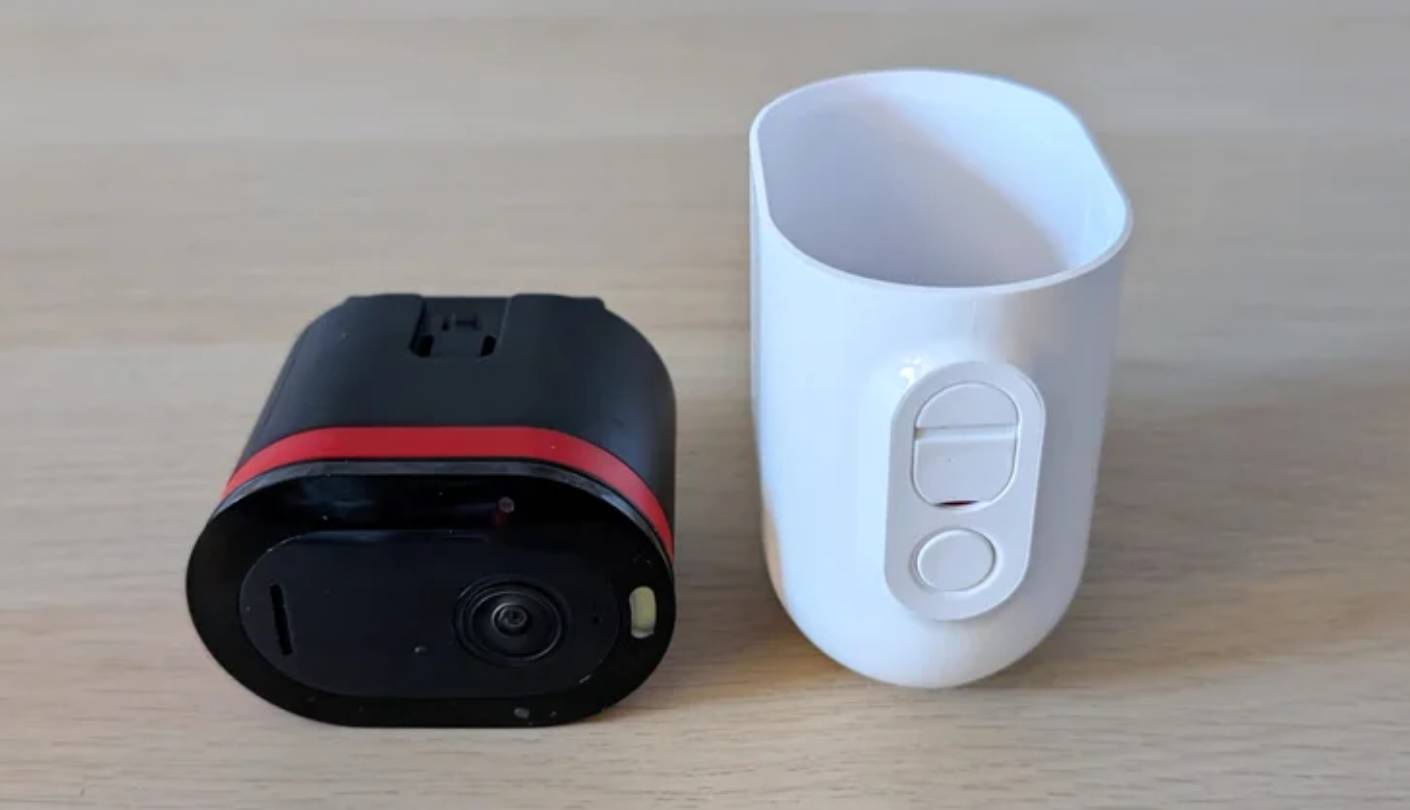
The swappable battery is the sixth-generation improvement I appreciate most mechanically. The removable cell pops out of the back panel and charges on a USB-C cable separately, meaning a spare keeps the camera online through a swap with no mounting disruption. Battery life in my testing averaged 14 weeks at my front door traffic volume - considerably longer than Ring's pack at the same position. Arlo attributes part of that to a low-power mode that throttles detection between scheduled active windows.
The subscription shapes everything here. Without an Arlo Secure plan, you get 30 days of rolling cloud storage and basic motion alerts. Person recognition, package detection, AI captions, and emergency response are all behind the paywall. A one-month trial is included - use it to determine whether the subscription features justify the ongoing cost for your specific use pattern. Arlo's emergency response capability, one-tap contact with local police, fire, or medical services with prefilled address data sent automatically, has no equivalent on any other camera in this group. For a home where that rapid-response access matters, it changes the value calculation considerably.
Pros:
- 2K HDR, 160° coverage
- Dual-band 2.4/5GHz WiFi
- Swappable USB-C battery
- AI Event Captions (91% accurate)
- Emergency response integration
Cons:
- Subscription-dependent smart features
- No free cloud video history
Summary: Arlo Pro 6th Gen combines 2K HDR video, dual-band WiFi, a swappable rechargeable battery, and AI Event Captions in the most intelligence-forward camera in this group. Worth every dollar of its price for tech-comfortable households willing to carry a subscription for full capability.
Home Security Cameras: FAQ
How do I know if I need a 2K camera or if 1080p is enough?
Ask yourself at what distance the critical action will happen. If your camera mount is 10 feet from the door and subjects pass close to the lens, 1080p captures actionable detail. If the camera needs to cover a driveway or any scene where subjects will be 20 or more feet away, 2K makes a measurable difference in whether you can identify faces and license plates from playback. I ran this comparison directly during the evaluation period and the gap was visible without any post-processing or digital zoom.
What actually happens if I do not pay for a Ring or Arlo subscription?
On Ring, without a Protect plan you get live view and motion alerts but no video playback - the camera does not store recordings at all. On Arlo, without a Secure plan you get 30 days of rolling cloud history and basic alerts, but person recognition, AI captions, emergency response, and package detection are disabled. Both cameras become significantly less useful without their respective plans. If subscription costs are a concern, the Tapo C120 and eufy SoloCam S340 both operate at full capability with no ongoing fees.
Can I mix different camera brands in one security system?
Technically yes, but each brand runs its own app with its own notification system, so a mixed setup means checking multiple interfaces. Ring and Blink are both Amazon-owned and share the Alexa ecosystem but do not share a monitoring dashboard. eufy, Tapo, and Arlo each have their own apps with no cross-brand integration. If a unified view from a single interface matters, stay within one brand. If per-camera capability and coverage area matter more than unified monitoring, mixing brands is a legitimate choice many homeowners use successfully.
How much does cold weather actually affect battery life?
More than most product pages admit. In my testing through a period reaching -8 Celsius, battery-powered cameras ran 25 to 40 percent shorter intervals between charges compared to autumn performance. The Ring Quick Release pack dropped from about 11 weeks to 7 weeks. AA lithium cells in the Blink Outdoor 4 held up better - standard AA lithium handles cold more gracefully than the rechargeable lithium-ion packs used in swappable designs. Plan for roughly a 30 percent capacity reduction in extended sub-zero conditions.
Which camera is best for a rental property or vacation home?
The two criteria that matter most for remote properties are reliability without intervention and no subscription dependency. The Blink Outdoor 4 with its two-year AA battery and free local storage is what I would install at a vacation home - it will still be running six months later without any charging, plan management, or attention. The eufy SoloCam S340 with solar is the alternative for color night vision and pan-tilt coverage, since solar removes battery maintenance from the equation completely.
Do any of these cameras work with Apple HomeKit?
The Arlo Pro 6th Gen is the only camera in this group that integrates with Apple Home, and that requires an active Arlo Secure subscription to enable. Ring, Blink, eufy's SoloCam, and TP-Link's Tapo C120 do not support native HomeKit at the time of writing. If Apple Home is a core requirement for your smart home setup, the Arlo Pro through its subscription-enabled integration is currently your only option among these five cameras.
What is the best camera for identifying faces specifically?
The Arlo Pro 6th Gen at 2K HDR produced the most consistently identifiable face footage in my structured testing, specifically because HDR processing handles the high-contrast scenes common at residential entrances better than standard image processing. The Tapo C120 at 2K QHD with its starlight sensor came second for face detail at close range in even lighting. The eufy SoloCam S340's telephoto lens is the best option for face capture at longer distances - the 3x optical zoom brings a face at 30 feet to a level of detail the other cameras cannot match without purely digital zoom degradation.
Is it worth getting a pan-tilt camera instead of multiple fixed cameras?
For a single complex area - a corner property, a large yard with multiple approach vectors, or a parking area with several entry points - a pan-tilt camera like the eufy SoloCam S340 covers more ground than one fixed camera and costs less than three fixed cameras. The trade-off is that it can only point in one direction at a time, so simultaneous activity in two zones may not both be captured. For most residential properties where incidents happen at a single location, the pan-tilt approach is cost-effective. For high-risk properties requiring simultaneous coverage of multiple zones, fixed cameras at each point are more reliable.
Which Home Security Camera Should You Actually Buy
After four months and three properties, two cameras sit at the top of my list for different reasons. The Ring Spotlight Cam Plus Battery handles the combination of deterrence, ecosystem integration, and ease of use better than anything else here - it is the camera I would give to a family member who has never owned a security camera before. The Tapo C120 is what I would install at my own front door, where I care more about footage quality and long-term ownership cost than about brand familiarity.
The Blink Outdoor 4 belongs on any exterior position where power access is inconvenient and the primary goal is motion awareness rather than identification - backyard coverage, side gates, storage sheds, secondary entrances that rarely see activity. The eufy SoloCam S340 belongs at the property's most complex sight line, the corner or approach where one fixed camera always misses something. And the Arlo Pro 6th Gen belongs in the hands of a homeowner who has decided that intelligent camera behavior - captions, smart detection, emergency response, dual-band reliability - is worth carrying a subscription to access. Each of these cameras earns its place for a specific type of buyer. The question is which type you are.

Meet James, our go-to tech guru and seasoned reviewer. His sharp attention to detail and love for gadgets drive his deep dives into the newest tech waves. James's insightful analysis and real zest for breakthroughs have earned him a solid reputation in the tech world.


