Blue Origin clears FAA review, but New Glenn's upper stage keeps raising questions

Blue Origin has received FAA clearance to resume flying its New Glenn rocket, a month after an April incident grounded the vehicle. The company confirmed the news on X. The mission that triggered the grounding left a customer's satellite in the wrong orbit — raising real questions about whether Blue Origin can hit the 12-launch schedule it has staked its 2026 on.
What went wrong
During New Glenn's third flight, the upper stage encountered what Blue Origin described as an "off-nominal thermal condition." One of the two BE-3U engines on the upper stage produced less thrust than expected, leaving the AST SpaceMobile BlueBird 7 satellite in an unusable orbit. The satellite re-entered the atmosphere and burned up.
AST SpaceMobile confirmed the hardware was insured, so the financial loss is covered. But insurance doesn't recover the time lost to Blue Origin's constellation build schedule — SpaceDaily (April 2026) noted AST SpaceMobile's goal of deploying 45 satellites in 2026 is now under pressure.
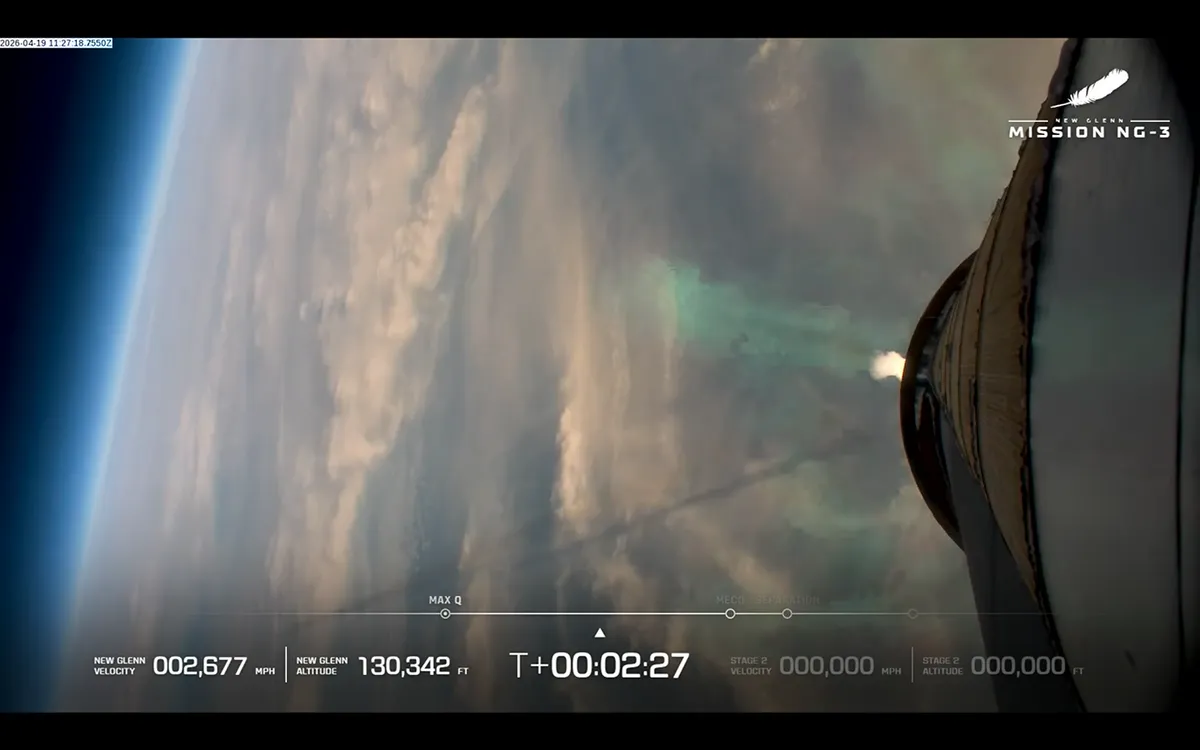

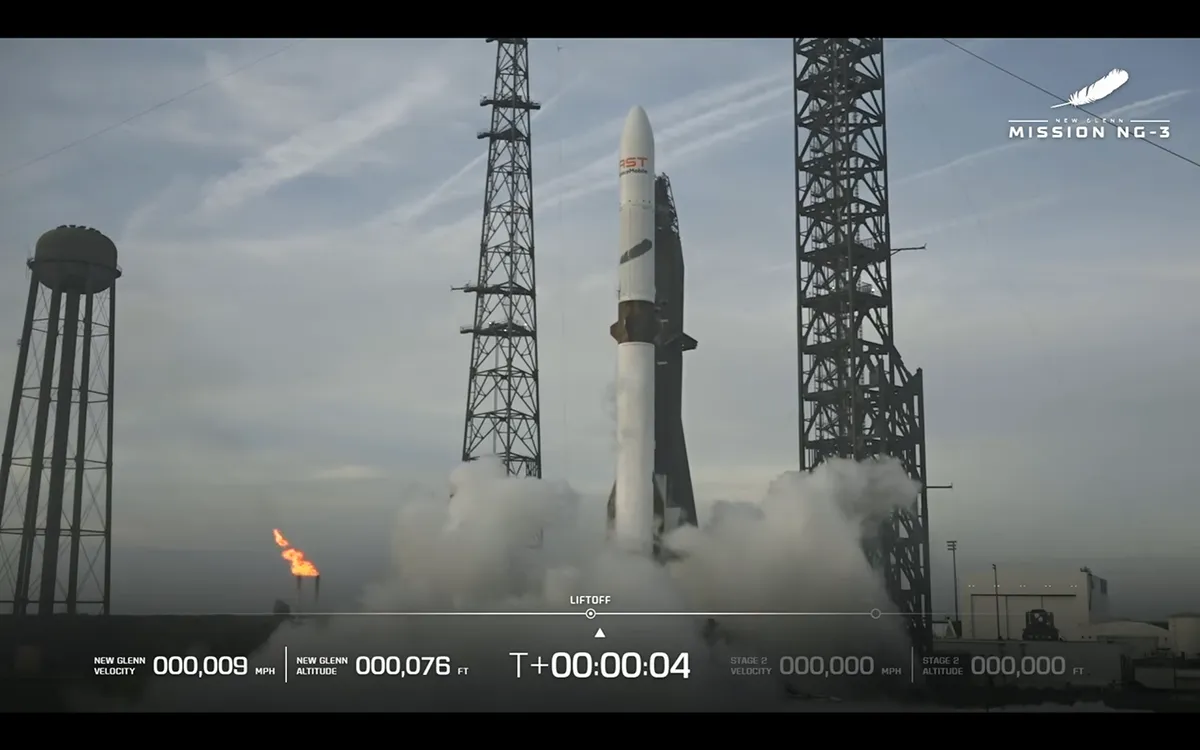



Blue Origin has submitted an incident report to the FAA and says it completed the required corrective actions. The company has not disclosed what specifically changed on the upper stage or what caused the thermal problem.
The bigger picture
The partial win from the April flight was a genuine milestone: New Glenn successfully reused its booster for the first time, landing it on the drone ship Jacklyn in the Atlantic. That puts Blue Origin in the same reusability league as SpaceX — on paper.
In practice, the gap is wide. SpaceX's Falcon 9 has completed more than 200 missions with a near-flawless reliability record. New Glenn has flown three times, with one clean mission (NG-2) and one lost payload. As TechCrunch (April 20, 2026) pointed out, Blue Origin chose to fly live commercial payloads during early test flights — a gamble SpaceX avoided by launching dummy mass on early Falcon 9 missions.
The schedule problem
Blue Origin originally planned 6–8 New Glenn launches in 2025 and delivered two. The company now says it aims for up to 12 launches by the end of 2026. It's unclear whether the month-long grounding has shifted that timeline, and the company hasn't said so publicly.
Every missed launch strengthens SpaceX's hold on the US commercial launch market. Customers with signed contracts — including Eutelsat and others listed in the New Glenn program history — need a reliable cadence, not a promise of one. The FAA clearance is the necessary first step; actually flying, and flying clean, is what matters next.


