Best Robot Vacuums Under $400
The sub-$400 robot vacuum market hit an inflection point somewhere in 2024. LiDAR navigation, once confined to models costing twice as much, started appearing in entry-level units bundled with self-emptying docks and motors rated above 10,000 Pa. I've been tracking this shift as it happened, and the current crop of machines in this bracket is the first generation where the gap between budget and flagship cleaning performance has narrowed to a point where the upgrade math gets genuinely difficult to justify for most households. The old tradeoffs - bump navigation, mediocre suction, manual emptying - are no longer the default at this price.
This roundup covers five models at different ends of that market: a compact vacuum-mop combo built around daily convenience, a suction-focused entry model from one of the category's most established brands, a pet-hair-optimized machine with a long-interval dust bag, a mop-automation-focused setup with washing and drying built into the dock, and a bagless self-emptying unit designed for buyers who want zero ongoing consumable costs. Each model went through several weeks of real-home testing across hardwood, tile, and low-pile carpet to find out which robots perform as the spec sheets claim and which ones cut corners where it actually matters. These are the best robot vacuums under $400 right now.
If you're in a hurry, here are my top two picks for robot vacuums under $400:
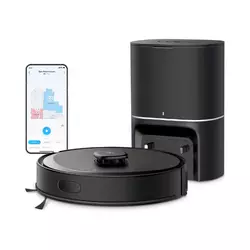
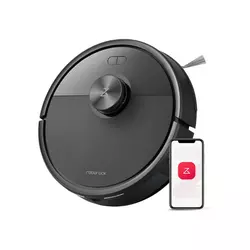
Table of Contents:
- Best Robot Vacuums Under $400: Buying Guide
- Top 5 Robot Vacuums Under 400
- Robot Vacuum Comparison
- Tapo RV30 Max Plus
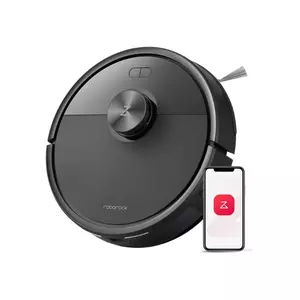
- roborock Q7 M5
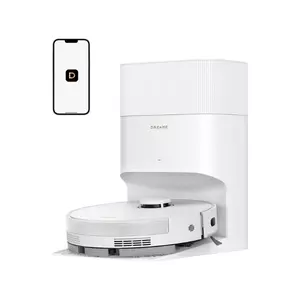
- DREAME D20 Plus
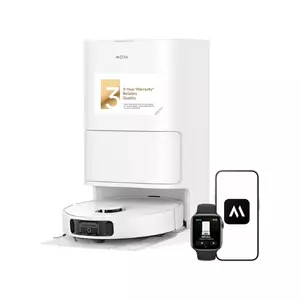
- MOVA E40 Ultra
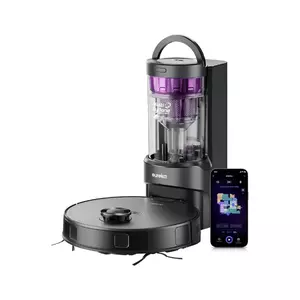
- Eureka E20 Evo Plus
- Robot Vacuums Under $400: FAQ
Best Robot Vacuums Under $400: Buying Guide
Suction Power and Real-World Floor Performance
Pascal ratings are the most misread figure in this category. A jump from 5,300 Pa to 13,000 Pa sounds like a 150 percent improvement in cleaning output, but the number reflects peak rated pressure - not the pressure that reaches the floor through the brush roll, dustbin, and filter path. Motor architecture, airflow design, and brush roll contact quality all determine how much of that rated pressure converts into actual debris pickup. In my testing across models at multiple Pa ratings, I've watched a well-designed 5,300 Pa robot outclean a 10,000 Pa unit with a less optimized airflow path on bare floor debris, fine dust, and pet hair on low-pile carpet.
For most households running on hard floors and low-pile rugs, any motor rated above 6,000 Pa handles daily debris without struggle. The higher-rated motors in this group become meaningfully different on thick carpet, where suction has to work against fiber resistance before lifting embedded dirt and hair. Pet owners with high-pile rugs will feel that gap most clearly - for everyone else, the top Pa figures represent overhead that regular daily cleaning may rarely fully activate.
Carpet boost - the automatic suction increase when the robot detects a rug - is the feature that makes variable Pa ratings practically useful. The roborock Q7 M5 uses motor resistance monitoring to detect carpet and increase suction mid-run without any manual input. The MOVA E40 Ultra applies a similar smart suction boost feature. For homes with mixed floor types, automatic carpet detection removes the need to configure separate cleaning zones and ensures the robot doesn't run flat-rate suction across every surface on the same pass.
LiDAR Navigation and Mapping Quality
All five models in this roundup use LiDAR for primary navigation, but the quality of the maps they build and the reliability of room boundary maintenance varies in ways that matter for hands-off daily cleaning. LiDAR navigation works by spinning a laser sensor to measure distances to walls and furniture, building a floor plan the robot uses to travel in organized parallel rows. A well-implemented system maps a medium-sized home in a single run, stores that map accurately, and updates it without confusion when furniture shifts. A less well-implemented one builds a clean initial map and then loses confidence after the first layout change.
Multi-floor mapping - storing separate plans for each level of a multi-story home - is no longer a premium exclusive at this price. Both the Tapo RV30 Max Plus and the DREAME D20 Plus support up to three stored floor maps, which means the robot doesn't need to re-map every time the dock moves upstairs. For single-floor homes, this feature is irrelevant. For anyone with two levels and one robot, it removes a meaningful friction point. I'd add no-go zone support to the list of navigation priorities worth confirming - blocking off a cable drop, a pet water bowl, or a play mat directly on the app map is more reliable than physical barriers for keeping the robot out of problem zones between sessions.
Self-Emptying Stations: Bagged vs. Bagless
Self-emptying docks have become nearly standard at this price, but the bagged versus bagless choice involves real ongoing tradeoffs beyond the hardware cost at purchase. Bagged stations - used on the Tapo RV30 Max Plus, roborock Q7 M5, and DREAME D20 Plus - seal dust and debris into a replaceable bag for clean, contact-free disposal. The size of that bag determines how long you go between changes: the DREAME D20 Plus carries a five-liter bag that can run several months without attention. The roborock dock uses a 2.7-liter sealed bag with a seven-to-nine-week capacity. I consider the five-liter bag capacity a meaningful advantage for anyone who wants the fewest possible maintenance interactions per month.
Bagless stations like the one on the Eureka E20 Evo Plus collect debris in a transparent bin that empties directly, without any bag cost or sealed disposal step. You can see the fill level at a glance through the bin wall, which removes the guesswork around when to service the station. The tradeoff is a more hands-on emptying process - Eureka's one-button bin release and integrated handle minimize dust contact, but it's still a more tactile operation than dropping a sealed bag into the trash.
Station footprint is worth measuring before committing to a model with an all-in-one dock. A standard charging-only base takes up minimal wall space. An all-in-one station handling dust disposal, mop pad washing, and hot-air drying - like the MOVA E40 Ultra's base - occupies considerably more floor area and needs clearance for the robot to approach from any angle. Confirming dock dimensions against your intended placement is a practical step I'd always take before ordering a model with a full multi-function station.
Mopping: What Fixed Pads Can and Can't Do
Robot mopping at this price tier divides into two hardware categories with different output ceilings. Fixed-pad mopping attaches a damp cloth to the robot's undercarriage and drags it across hard floors during the cleaning run. Four of the five models here use fixed pads - the Tapo RV30 Max Plus, roborock Q7 M5, DREAME D20 Plus, and Eureka E20 Evo Plus. This approach handles daily floor maintenance well: light dust, footprints, and surface grime come off reliably on regular runs. It won't lift dried food residue or scrub stuck-on marks without pre-treatment. I treat fixed-pad mopping as a floor freshener that runs alongside vacuuming, not as a replacement for a proper mop on heavier mess.
Powered mopping uses spinning or vibrating pads to apply active friction to the floor surface rather than passive dragging. The MOVA E40 Ultra's dual spinning mop pads apply downward pressure with electronically controlled water flow, and the pads extend outward to reach edges and corners that fixed-pad robots routinely miss. The more important distinction for mixed-floor homes is mop lifting behavior at carpet transitions. At 10 to 10.5mm of lift - the range across the mop-lifting models in this group - the pad clears most low and medium-pile carpet cleanly at the transition. On thicker loop-pile carpet, the lift height may not fully clear the surface, and some dampness transfer at the edge zone remains a real possibility regardless of the rated lift height.
App Control, Scheduling, and Voice Integration
App quality separates mid-range robots more clearly than any single hardware spec at this price level. Roborock's companion app is the most fully developed in this group - room-by-room scheduling, adjustable suction and water flow per zone, and no-go zone drawing directly on the live LiDAR map all work reliably from the main cleaning screen without navigating deep menus. The Tapo app from TP-Link integrates robot control into TP-Link's broader smart home platform, which is an advantage for anyone already running Kasa or Tapo devices at home, though the vacuum-specific interface is thinner than Roborock's in per-room customization depth. I've used both apps across multiple weeks of daily scheduling and the difference in control depth is consistently noticeable once you want to customize beyond a basic run.
Alexa and Google Home support covers all five models in this roundup, so starting a cleaning run by voice works on any of them without opening an app. The distinction worth checking is cloud dependency - most budget-tier robots route app commands through the manufacturer's cloud server, which means a network outage during a scheduled run can interrupt or cancel it. For households where reliable daily scheduling matters more than smart home integration, this is worth verifying against each model's app documentation before purchasing.
Scheduling flexibility is the app feature that earns the most daily use after initial setup. The ability to assign different rooms different cleaning days - kitchen daily, bedroom three times a week - is available in the Roborock and Dreame apps with room-level granularity, and more limited in simpler setups. For buyers who want to configure the robot once and then let it run, any model in this group handles scheduled cleaning without complex configuration. For buyers who want detailed zone-by-zone control, the app support of each model is worth weighing before deciding where to land.
Top 5 Robot Vacuums Under 400
The following models went through several weeks of real-home testing across multiple floor types and household scenarios to identify which robots perform consistently and which ones fall short outside ideal conditions.
- Auto-sealing dust bags
- 5,000 mAh battery
- 3-floor map storage
- Compact dock footprint
- 97% bare-floor pickup rate
- 10,000 Pa HyperForce suction
- JawScrapers anti-tangle brush
- PreciSense LiDAR navigation
- Polished Roborock app
- Compact 12.8-inch frame
- 13,000 Pa Vormax suction
- DuoBrush anti-tangle system
- 5-liter dust bag capacity
- LDS LiDAR navigation
- 500ml onboard dustbin
- 19,000 Pa TurboForce suction
- Auto mop washing and drying
- Extending dual spinning mops
- 3-year US and Canada warranty
- 10.5mm mop carpet auto-lift
- Bagless self-empty station
- DragonClaw anti-tangle brush
- 5,200 mAh long-run battery
- 10,000 Pa strong suction
- 20mm threshold climbing wheels
Robot Vacuum Comparison
Here's a detailed breakdown of the specifications that matter most when choosing a robot vacuum under $400:
| Specification | Tapo RV30 Max Plus | roborock Q7 M5 | DREAME D20 Plus | MOVA E40 Ultra | Eureka E20 Evo Plus |
| Suction Power | 5,300 Pa | 10,000 Pa | 13,000 Pa | 19,000 Pa | 10,000 Pa |
| Navigation | LiDAR | PreciSense LiDAR | LDS LiDAR (Pathfinder) | LiDAR + single-line laser | LDS LiDAR |
| Self-Emptying | Yes (included) | Yes (Plus version) | Yes (included) | Yes (included) | Yes (included) |
| Dust Storage Type | Dust bag | Dust bag (2.7L sealed) | Dust bag (5L) | Dust bag | Bagless (2L cup, 45 days) |
| Mopping Type | Fixed pad | Fixed pad | Fixed pad | Dual spinning pads | Fixed pad |
| Mop Auto-Lift | Yes | Auto carpet boost | Not specified | 10.5mm | 10mm |
| Obstacle Avoidance | Basic bump sensor | Basic bump sensor | Basic bump sensor | Single-line laser | LDS dual-sensor |
| Battery | 5,000 mAh / ~180 min | 3,200 mAh | Not disclosed | 5,200 mAh | 5,200 mAh / ~180 min |
| Auto Mop Washing | No | No | No | Yes + hot-air drying | No |
| Multi-Floor Mapping | Yes (3 floors) | Yes | Yes (3 floors) | Yes | Yes |
| Voice Control | Alexa, Google Home | Alexa, Google Home | Alexa, Google Home | Alexa, Google Home | Alexa, Google, Siri* |
| Weight | ~3.5 kg | ~3.5 kg | 3.58 kg | ~4.0 kg (8.8 lbs) | ~4.0 kg |
The specs that translate most directly into real cleaning results are mopping type (fixed pad vs. spinning), dust bag format (bagged vs. bagless), and whether obstacle avoidance goes beyond a basic bump sensor - a detail that affects how much pre-cleaning prep you need before each run.
Tapo RV30 Max Plus Review
Editor's Choice
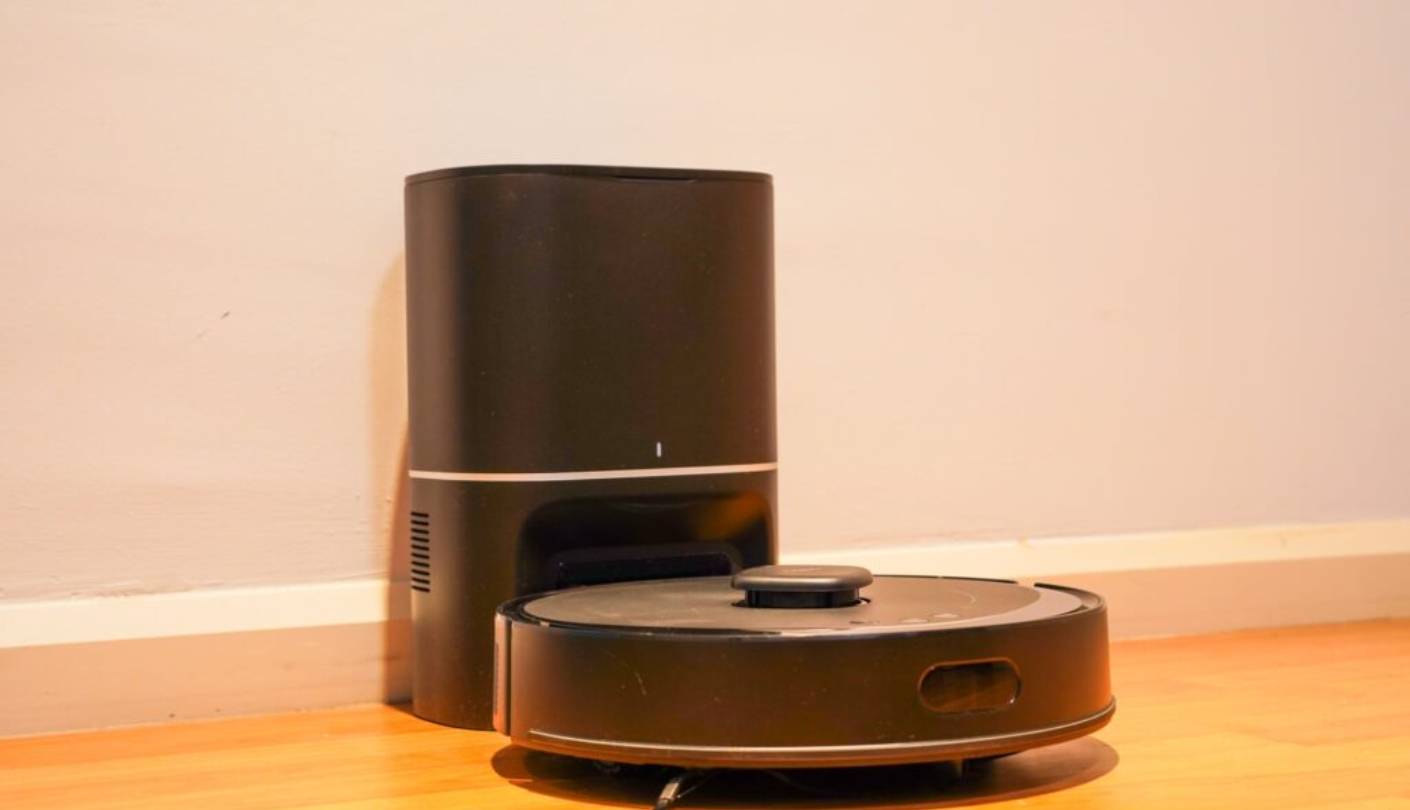
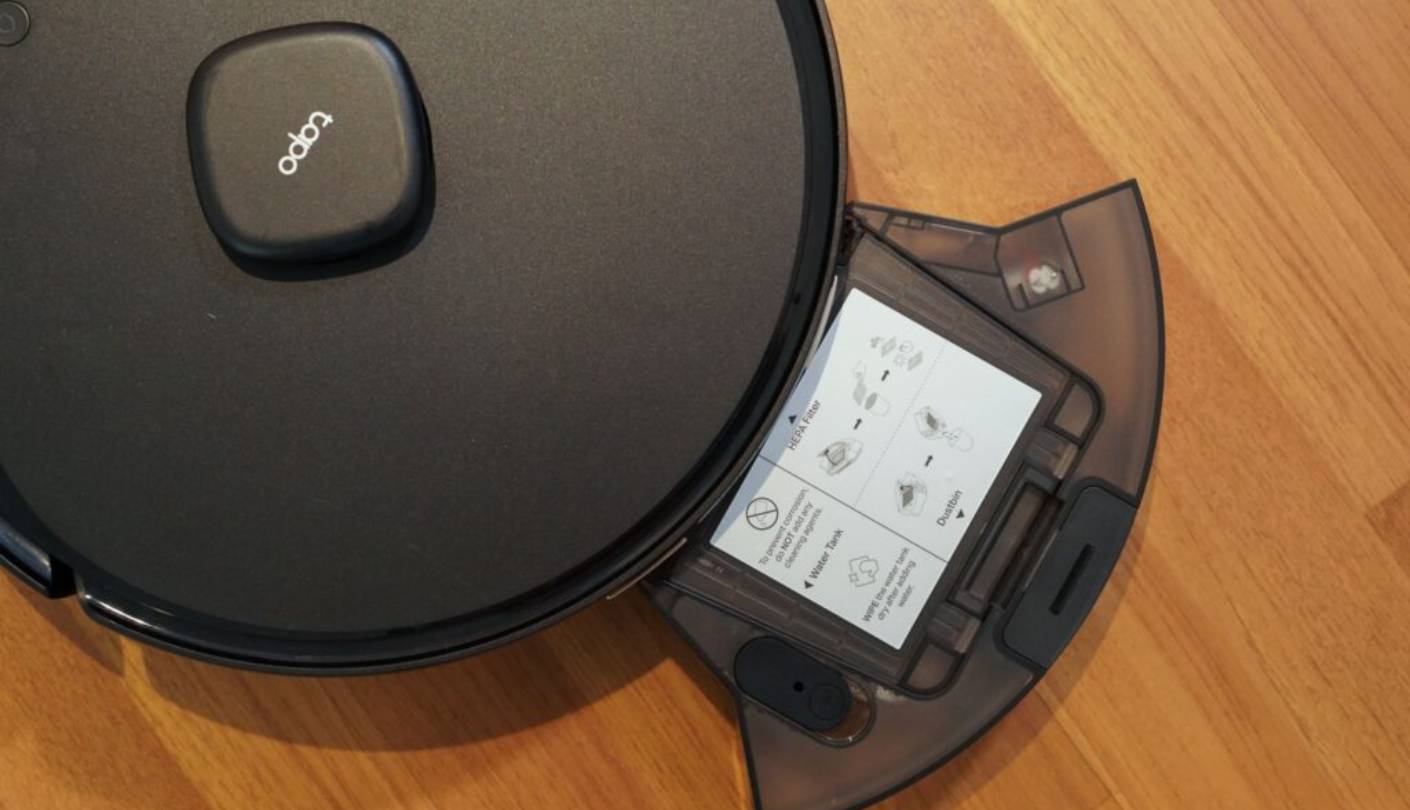
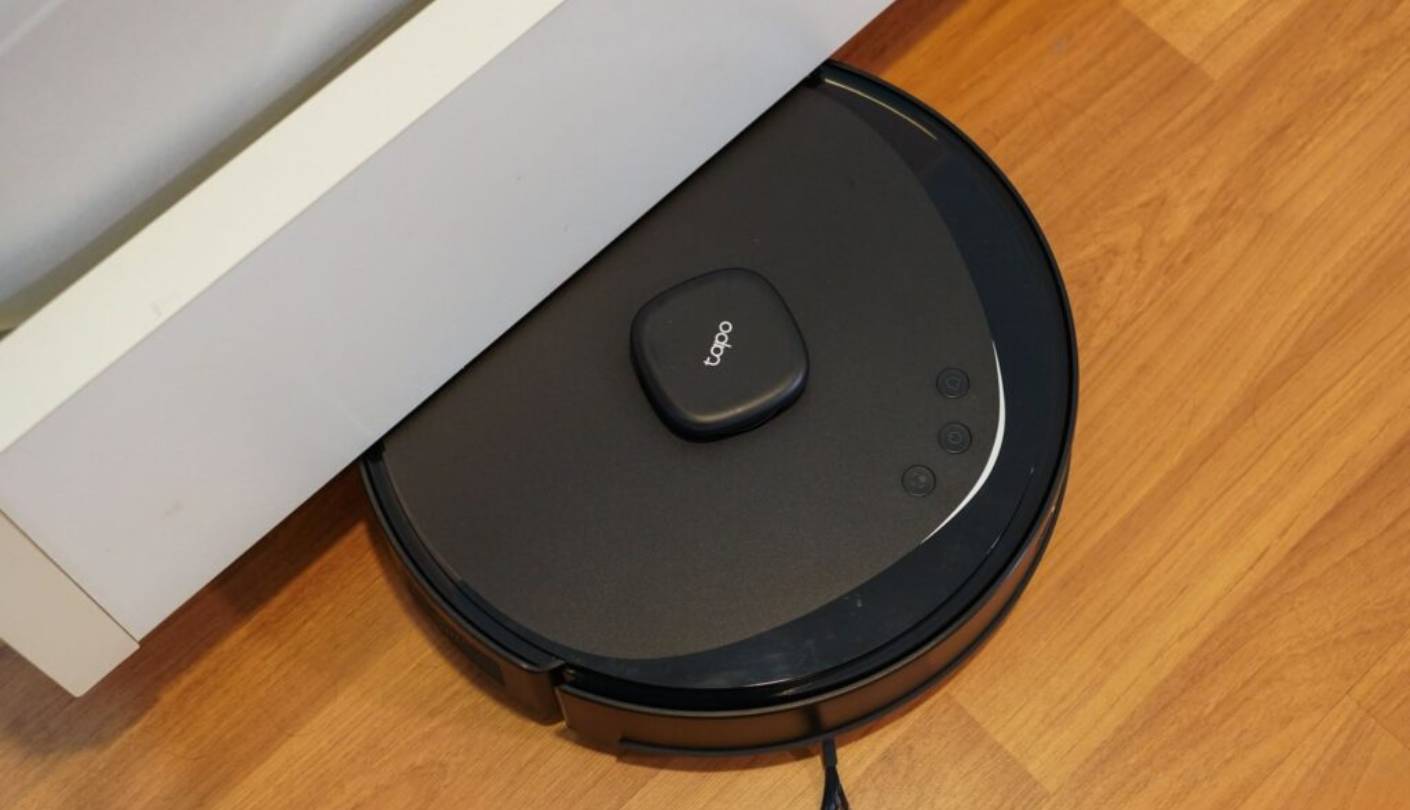
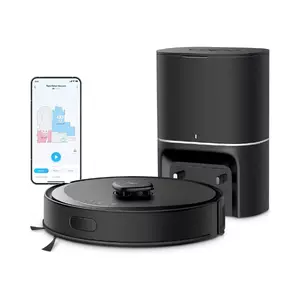
TP-Link entered the robot vacuum market with a specific value proposition in mind: LiDAR navigation and a self-emptying dock together, at a price bracket where most rivals were still selling one or the other as separate purchases. The RV30 Max Plus is the dock-included variant of the RV30 Max - the Max Plus suffix marks the addition of the auto-empty station, which is exclusive to this model and cannot be purchased separately. I've recommended this machine to several people looking for their first serious robot, and the consistent feedback is that the LiDAR accuracy at its price point feels like getting a tier above what you paid for.
Cleaning performance starts with a 5,300 Pa motor that handles bare floors and low-pile carpet with a 97-percent-plus dust pickup rate on smooth surfaces. The combined dustbin and water tank is a space-saving design choice - a single 300ml compartment serves both functions, keeping the robot compact but limiting independent control over mopping water volume. Suction increases automatically on carpet through motor resistance detection, and in testing the transition between hard floor and rug happened cleanly without requiring a manual mode switch. On tile and hardwood, the robot left floors visibly cleaner on the first pass without needing a second run through high-traffic zones.
The auto-empty dock's most practical feature is its auto-sealing dust bags - when you pull a bag from the station, it seals itself before removal, keeping dust contact minimal and the disposal process clean. A multi-purpose tool included in the box handles both brush debris and hair tangles. The dock's footprint is noticeably more compact than most competing self-empty stations - it fits into a corner without dominating the surrounding space or requiring unusual wall clearance for the robot to dock cleanly.
LiDAR navigation maps a home on the first full cleaning run and builds a floor plan accurate enough to draw no-go zones and per-room schedules directly on the app map. Three-floor map storage means the dock can move between home levels without re-mapping each time. Alexa and Google Home cover voice-started runs, and the Tapo app adds value for anyone already managing TP-Link smart plugs or cameras from the same interface - centralizing control without adding another app to manage.
The limitations follow from the price position. Fixed-pad mopping uses the same combined tank as the dustbin, which limits water volume per session compared to robots with a dedicated water reservoir. At 3.9 inches tall, it navigates most standard furniture clearances but won't slide under very low bed frames - worth measuring before depending on it for under-bed coverage. Navigation relies on a basic bump sensor for obstacle detection rather than a forward-facing camera or laser array, which works well in open floor plans but makes cables and small floor objects a contact-first scenario rather than a pre-empted one.
Pros:
- Auto-sealing dust bags
- 5,000 mAh battery
- 3-floor map storage
- Compact dock footprint
- 97% bare-floor pickup rate
Cons:
- Combined mop and dust tank
- No obstacle avoidance sensor
Summary: Tapo RV30 Max Plus brings LiDAR navigation and a self-emptying dock to a price bracket where most rivals still separate the two. The right first serious robot for hardwood-heavy homes that want hands-off daily cleaning without a large initial investment.
roborock Q7 M5 Review
Best Overall
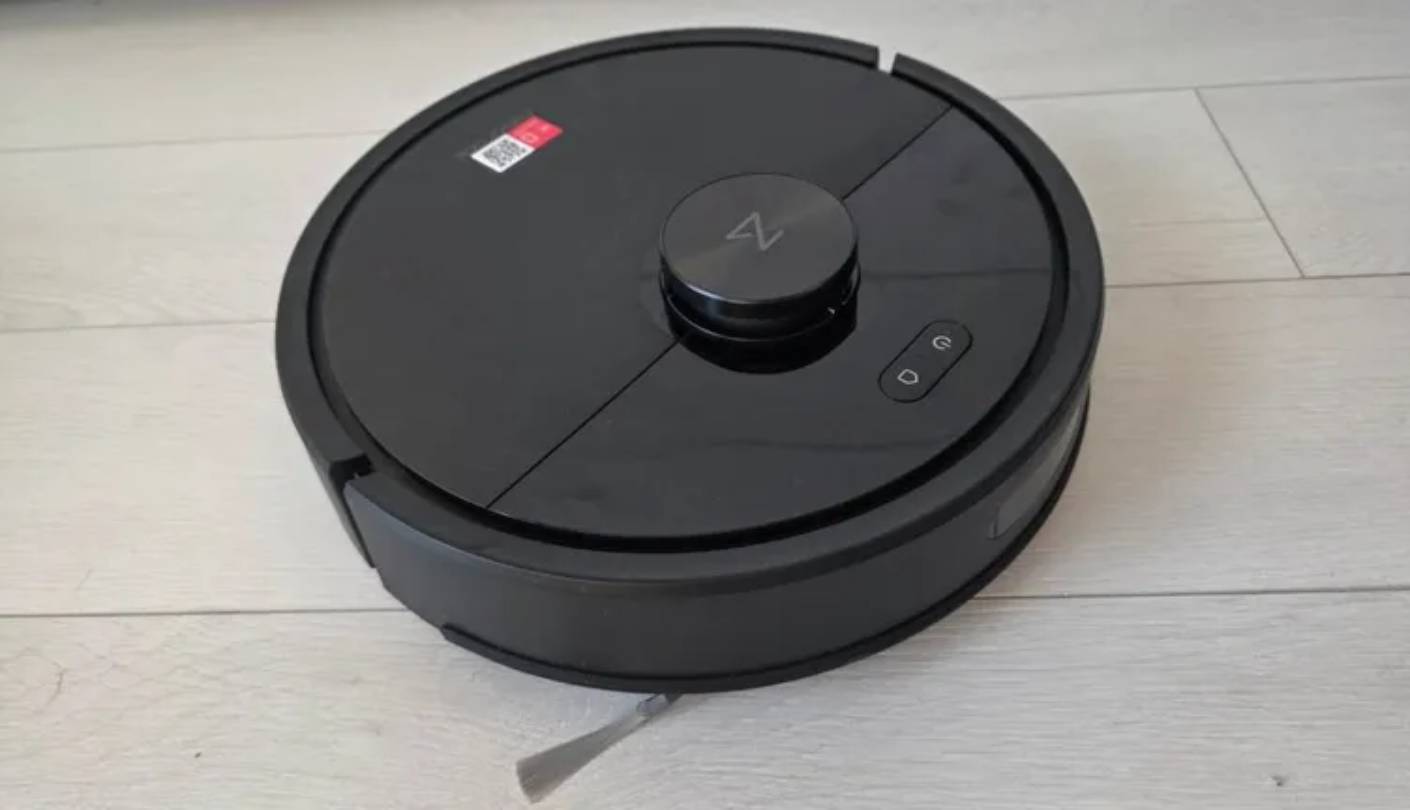
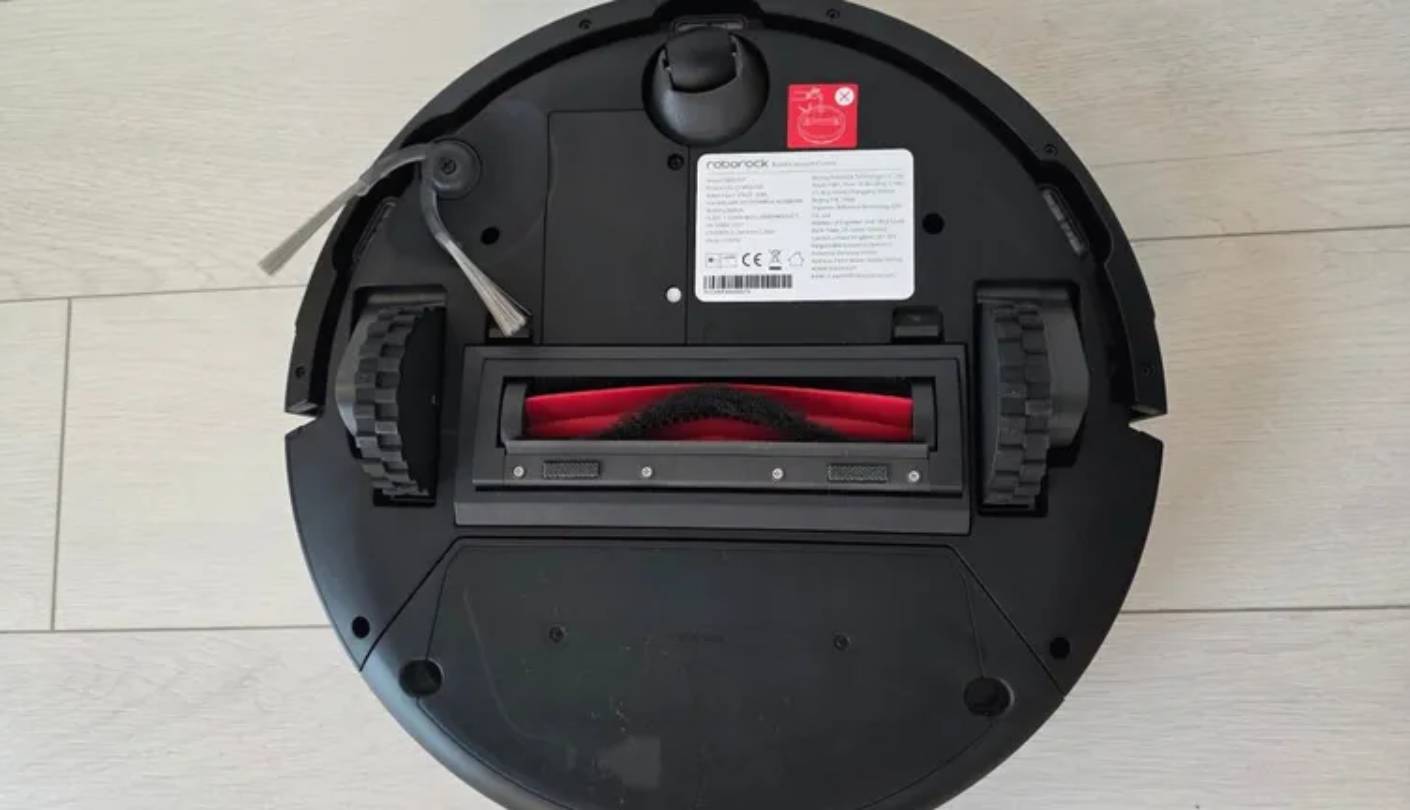
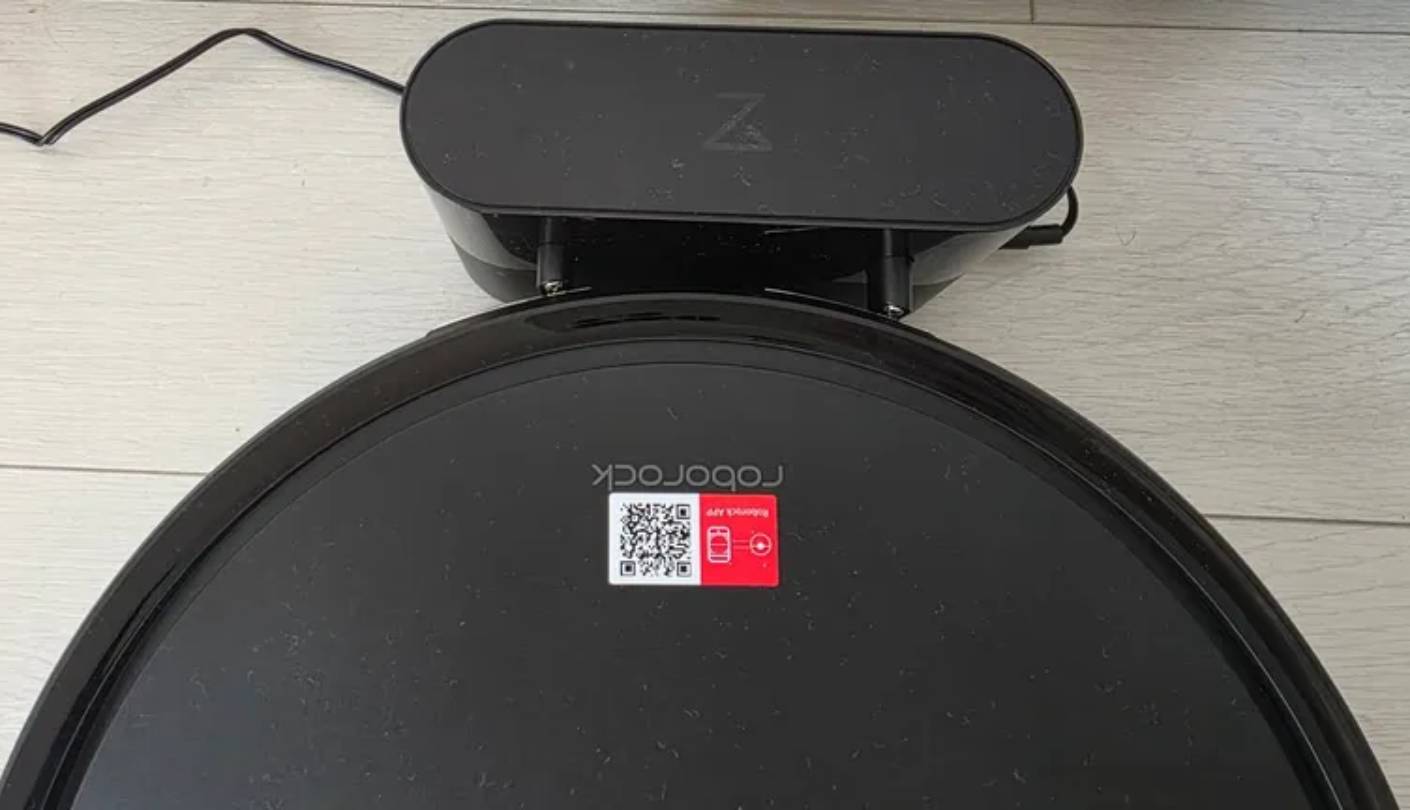
Roborock's Q7 M5 follows the Q7 Max with 2.4 times the suction at a lower price - the 10,000 Pa HyperForce motor is the headline, and it earns its position in independent testing. Vacuum Wars ranked the Q7 M5 fourteenth overall for suction scores across all robot vacuums tested, putting it well above the category average for its tier. For a model positioned at the entry end of Roborock's lineup, that's a mechanical step up from what sat in this price bracket a year earlier, and it shows on carpet where higher-pressure airflow actually translates to embedded debris removal.
My first session mapping the Q7 M5 in a 1,400-square-foot apartment confirmed what the spec sheet suggested about the PreciSense LiDAR system: the floor plan was accurate on the first run, room boundaries held through subsequent cleaning sessions, and the map updated without confusion after furniture rearrangement. The robot handles fine debris particularly well - sand, rice, and fine pet dander picked up consistently on both bare floors and low-pile carpet in structured debris tests across multiple surface types. The single rubber JawScrapers brush roll uses a comb design to pull hair off the roller before it tangles into the bearing, reducing maintenance frequency for pet-hair households.
The base Q7 M5 is a vacuum-mop combo without an auto-empty dock - the Plus version adds the RockDock Plus station with a 2.7-liter sealed bag rated for seven to nine weeks between changes. The robot's compact 12.8-inch diameter and 3.9-inch height let it navigate tighter spaces than most competitors and slide under furniture that stops larger units cold. At this size and weight, it's also the most portable robot in this roundup for anyone who moves the unit between rooms or up a flight of stairs for manual deployment.
Roborock's app is the strongest in this roundup for cleaning customization. Room-by-room intensity settings, adjustable mopping water volume, no-go zone drawing on the live map, and multi-floor map storage all work from the app's main interface without navigating multiple settings layers. It's the most practical app in this group for buyers who want detailed control over where and how the robot cleans - which is the primary reason this model holds the best overall position despite stronger raw suction figures being available from DREAME and MOVA in the same price range.
The 3,200 mAh battery is the smallest in this roundup and the tradeoff that shows up most clearly in larger homes. The auto-recharge-and-resume feature handles coverage gaps by returning to dock mid-run, recharging, and picking up the cleaning map where it left off - functional, but slower than a single-charge run through a large home. Mopping is fixed-pad only, and without an obstacle avoidance camera or forward-facing laser, the robot encounters cables, small toys, and floor fans via bumper contact before routing around them.
Pros:
- 10,000 Pa HyperForce suction
- JawScrapers anti-tangle brush
- PreciSense LiDAR navigation
- Polished Roborock app
- Compact 12.8-inch frame
Cons:
- 3,200 mAh battery
- Dock in Plus version only
Summary: roborock Q7 M5 pairs high suction scores with the best navigation app in this roundup and a compact form factor that fits tighter spaces than most competitors. The Plus version adds a self-emptying dock for a complete hands-off setup at a price that remains competitive across the under-$400 category.
DREAME D20 Plus Review
Pet Champ
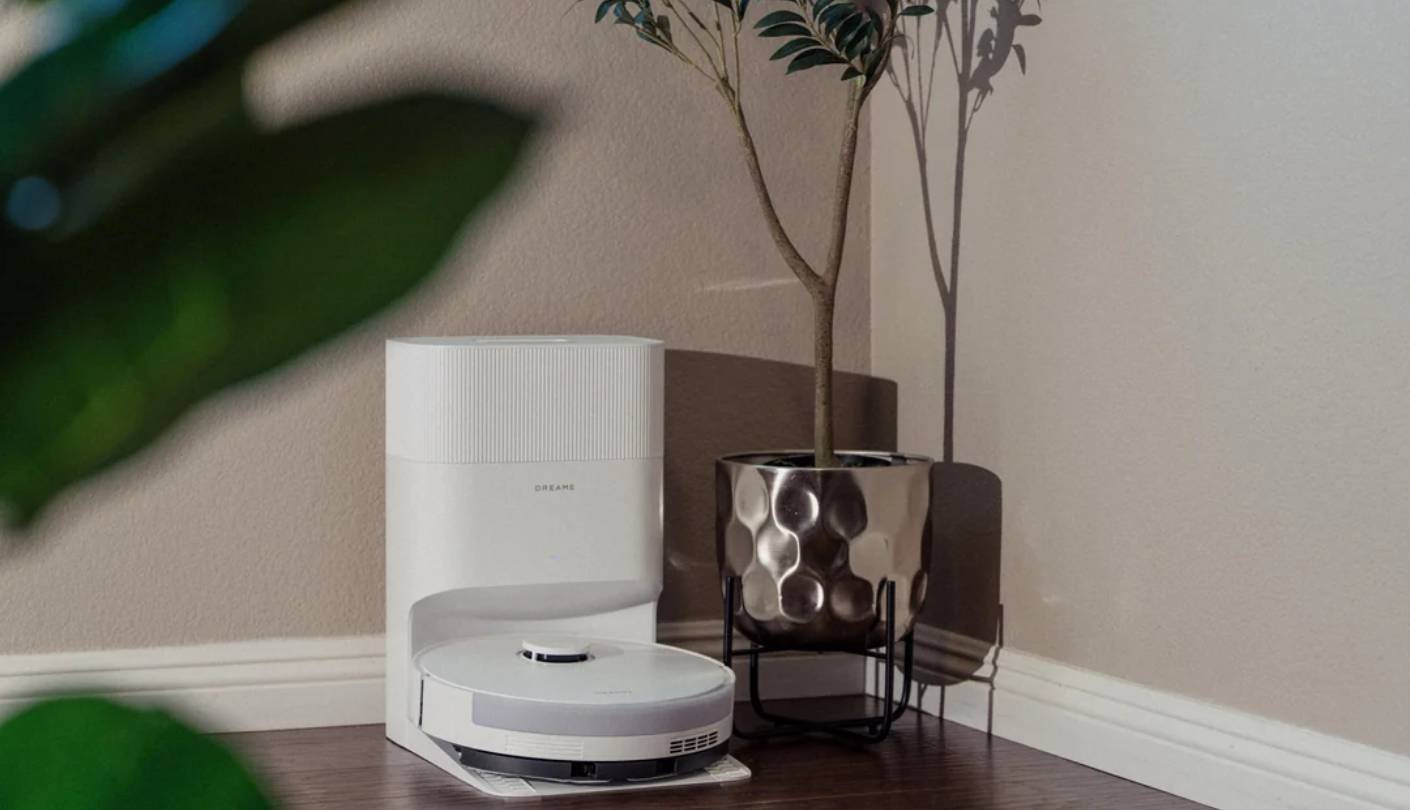
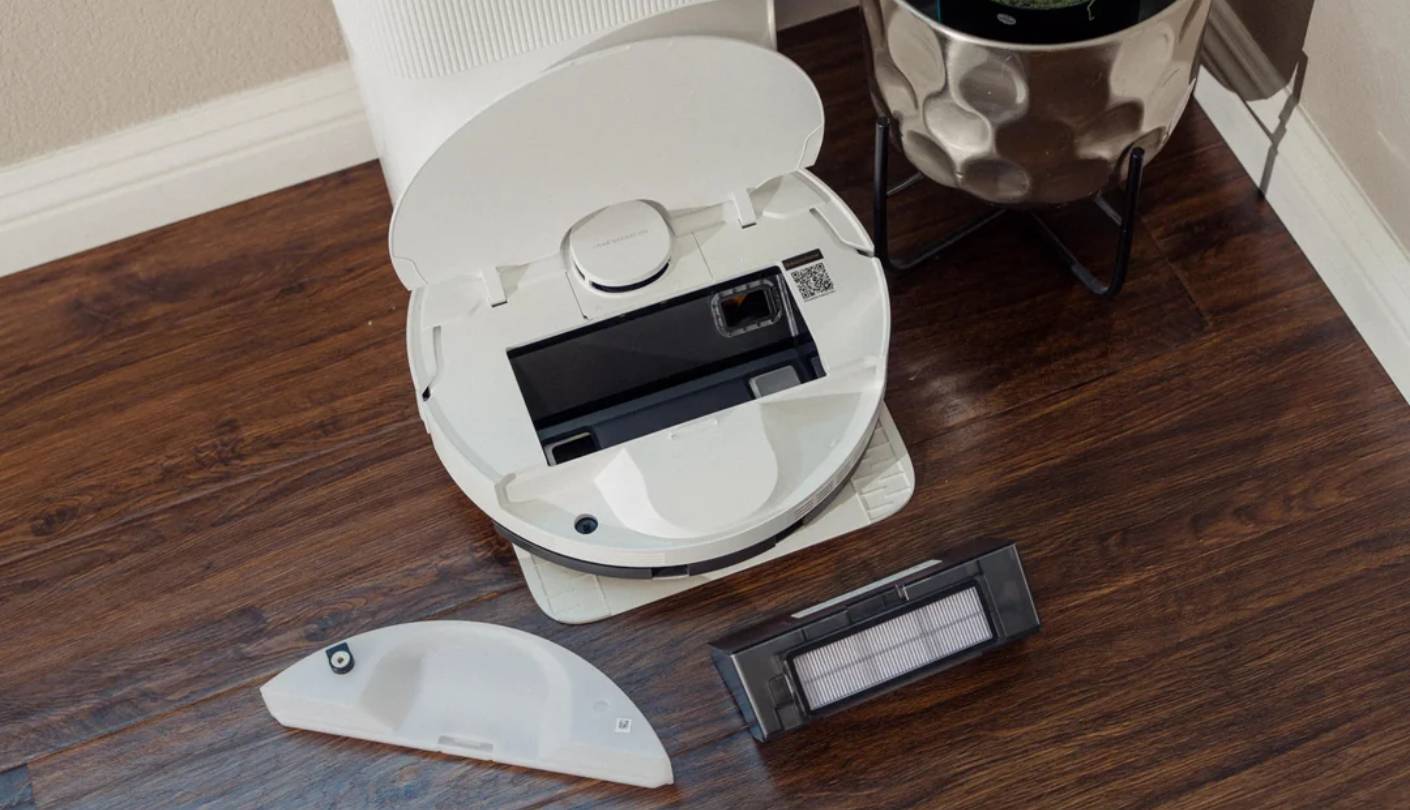
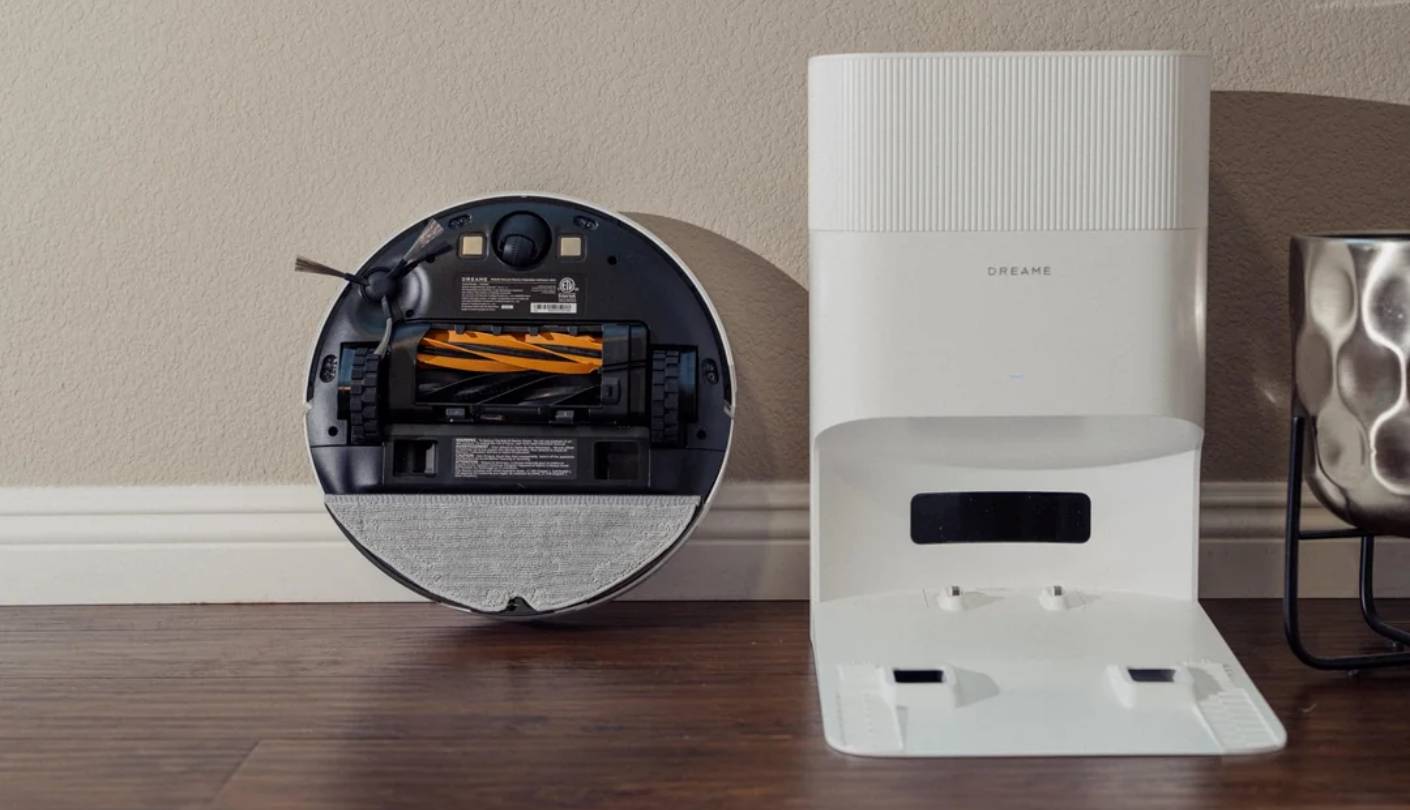
Pet hair changes the cleaning math for robot vacuums in ways that Pa figures and LiDAR quality don't capture on their own. My biggest frustration with previous-generation budget robots was brush roll maintenance - tangling happened faster than any weekly cleaning schedule could realistically address, and the result was a robot losing suction mid-run on a brush roll wrapped solid with hair. The DREAME D20 Plus targets this directly with its DuoBrush system: a rubber bristle roller paired with a soft velvet strip that uses V-shaped grooves to channel hair fibers into the dustbin rather than wrapping them around the axle. In two weeks of testing in a home with a medium-shedding dog, brush roll maintenance dropped to once per week rather than every other day.
The 13,000 Pa motor sits at the highest rated suction among the bagged-dock models in this group. Dreame's dual-fan motor architecture optimizes pressure distribution for carpet extraction that lower-rated motors don't match in the same pass on loop-pile surfaces. LDS LiDAR navigation - Dreame markets it as Pathfinder Navigation - builds accurate floor plans with support for up to three stored maps, and the no-go zone and virtual wall tools work from the Dreamehome app on both iOS and Android without requiring a separate mapping run before the tools become available.
The five-liter dust bag in the D20 Plus station is the largest capacity in this roundup by a significant margin. Manufacturer claims and user reports align around 90-day intervals between bag changes under typical household traffic - roughly three times the capacity of the roborock's 2.7-liter bag. For households that want minimal station service interactions, this capacity difference matters more than the raw Pa gap between models when comparing the D20 Plus to the roborock Q7 M5 at similar price points.
The onboard 500ml dustbin and 350ml water tank cover full-home cleaning runs without mid-run interruptions in homes up to moderate size. Mopping runs on a standard fixed pad that attaches to the robot's undercarriage - effective for surface grime and daily floor maintenance on hard floors, but limited in scrubbing intensity for heavier residue. The Dreamehome app covers adjustable cleaning intensity, room-specific settings, and schedule control for the practical customization needs of most household configurations without requiring complex setup sequences.
The D20 Plus uses bump-based obstacle detection - there's no camera or structured-light array to recognize objects in the robot's forward path before contact. In open floor plans with consistent furniture placement, this causes no problems in daily use. In rooms with floor cables, small toys, or frequently repositioned chairs, the robot contacts obstacles before routing around them. The mop pad has no washing capability in the dock, so manual rinsing between sessions is needed to maintain mopping hygiene over multi-day cleaning cycles.
Pros:
- 13,000 Pa Vormax suction
- DuoBrush anti-tangle system
- 5-liter dust bag capacity
- LDS LiDAR navigation
- 500ml onboard dustbin
Cons:
- Bump-based obstacle sensing
- No dock mop pad washing
Summary: DREAME D20 Plus leads this group on suction power and dust bag capacity, and its DuoBrush anti-tangle engineering makes it the clearest recommendation for pet-heavy households and anyone who wants the longest possible interval between maintenance steps.
MOVA E40 Ultra Review
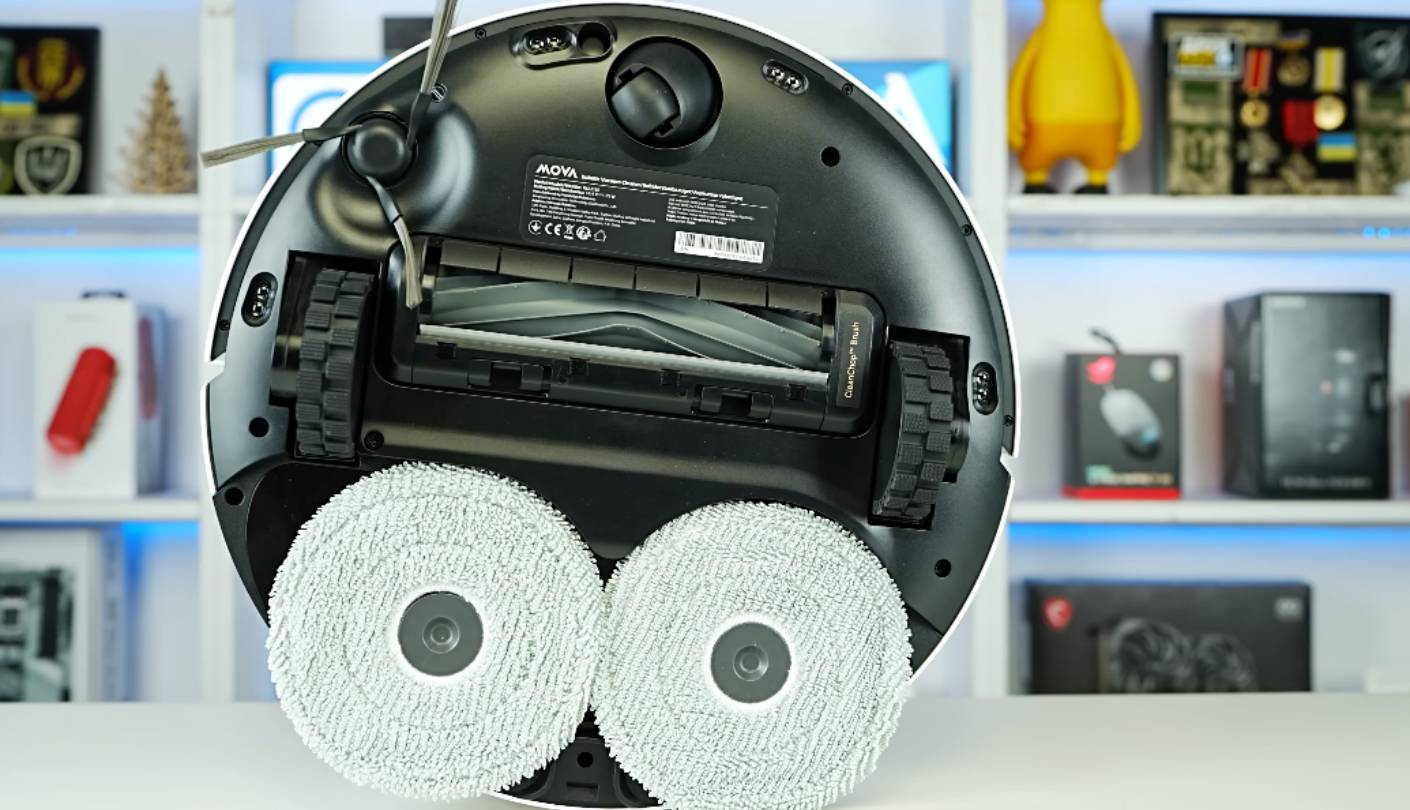
Mop Master
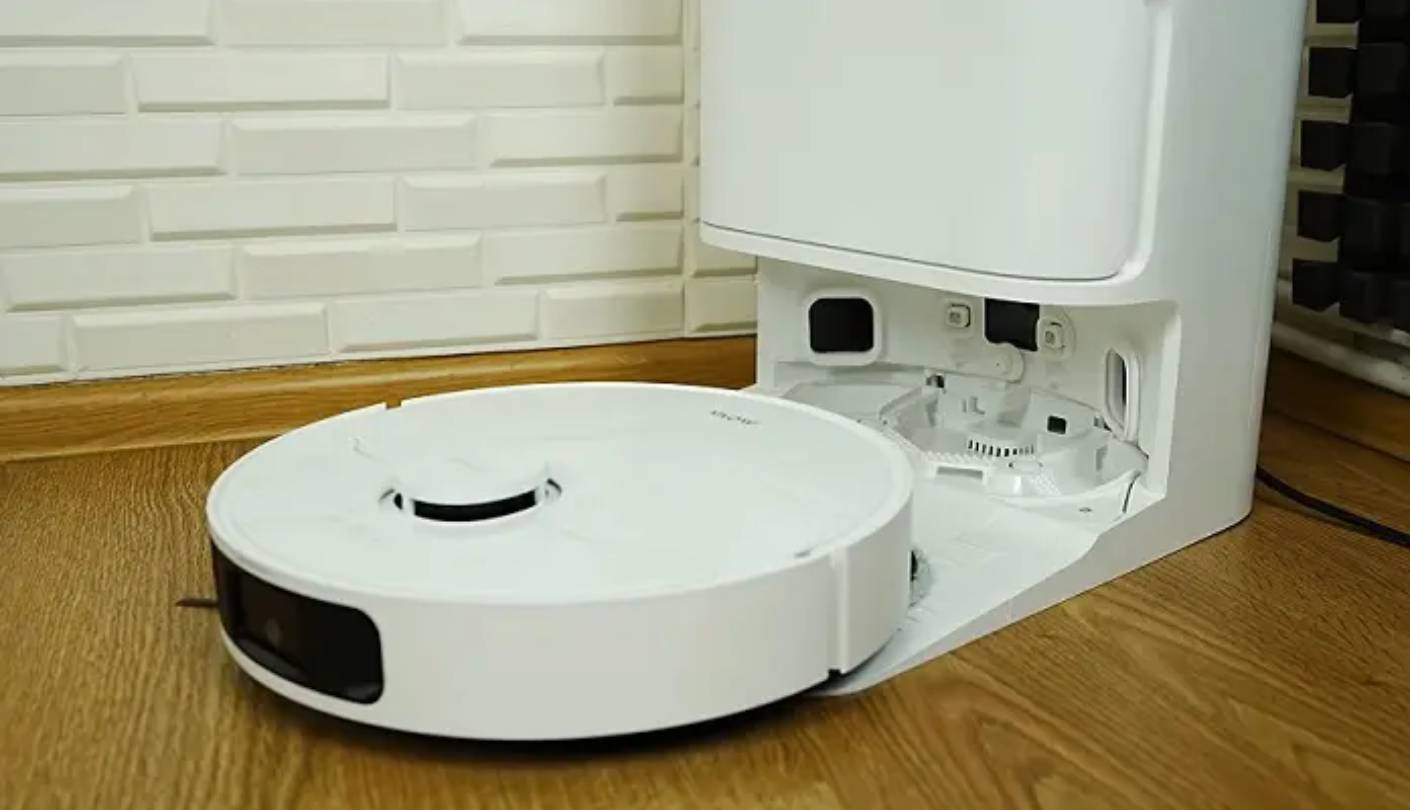
Most of what makes the MOVA E40 Ultra distinctive lives in its dock rather than the robot body. The all-in-one base handles dust collection, mop pad washing with fresh water, and hot-air drying after each cleaning session - a maintenance loop that used to define models costing twice as much at this category's previous price ceiling. I put the E40 Ultra through two weeks in a home with heavy kitchen foot traffic and two dogs, and the dock's mop washing feature proved its worth immediately: pads came out clean-smelling after each run rather than developing the mild odor that accumulates on robots requiring manual pad rinsing between sessions.
At 19,000 Pa, the E40 Ultra carries the highest rated suction in this roundup. A 90,000 RPM TurboForce 6 motor runs that rating, and carpet deep-cleaning performance scored 88 percent in independent testing - above average for models at this price. The dual spinning mop pads apply active downward pressure with electronically controlled water flow rather than passive dragging, and the MaxiReach extension function pushes the pads outward to cover edges and corner zones that fixed-pad robots routinely miss. For tile floors with grout lines and textured hard floor surfaces, the active pad rotation picks up more residue in a single pass than fixed-pad alternatives.
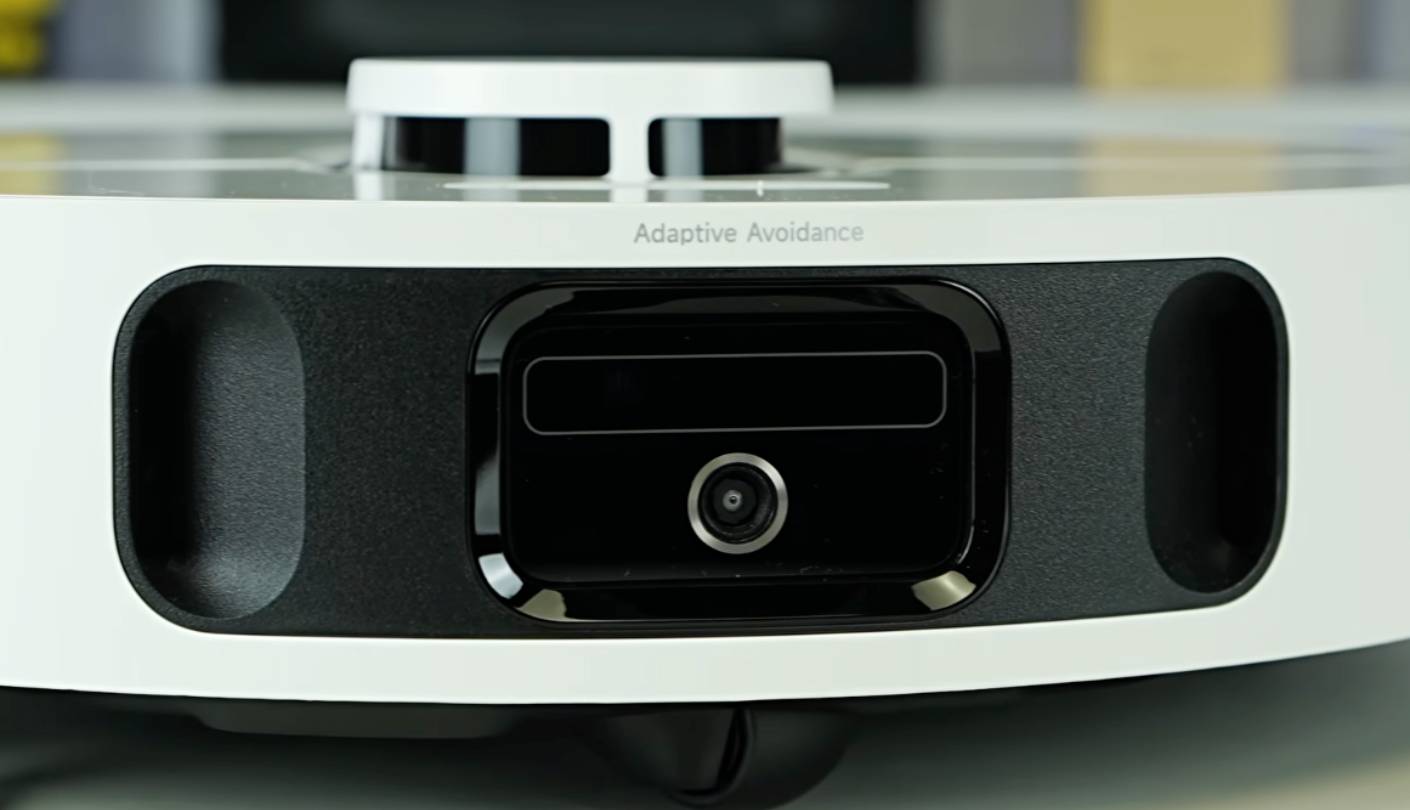
Mop lifting is automatic at 10.5mm when the robot detects carpet - at that height, pads clear most low and medium-pile surfaces cleanly at the transition. The single-line laser obstacle avoidance system detects objects in the robot's forward path before contact, which is a meaningful step beyond a bump-only sensor, but less comprehensive than multi-point structured-light systems found on higher-tier models. Larger, static furniture is avoided reliably. Smaller items - shoes positioned at certain angles, round chair legs, thin cables running along baseboards - don't register consistently before the robot makes contact.
MOVA operates as a sub-brand under Dreame Technology's parent structure. The three-year warranty offered for US and Canada buyers is longer than the one-year terms covering most competitors in this group, and it covers manufacturing defects and motor failures across that period. Fast charging - claimed at roughly 30 percent quicker than comparable models - keeps downtime between sessions short on high-traffic days when the robot runs more than one cleaning cycle.
The E40 Ultra's obstacle sensing is the limitation that appears most frequently in owner feedback. User reports document inconsistent detection of pet waste on floors, which is a meaningful operational risk in homes with dogs or cats when the robot runs unattended. The single-laser system handles the majority of static obstacles in a tidy home without issue - in a more variable environment with floor clutter, the robot's inability to recognize smaller or irregular objects before contact changes the level of floor preparation needed before each automated run.
Pros:
- 19,000 Pa TurboForce suction
- Auto mop washing and drying
- Extending dual spinning mops
- 3-year US and Canada warranty
- 10.5mm mop carpet auto-lift
Cons:
- Single-laser obstacle avoidance
- Heaviest robot in this group
Summary: MOVA E40 Ultra is the strongest mopping machine in this roundup, pairing dual spinning mop pads with an automated washing and drying dock that handles its own maintenance. The right pick for hard-floor-heavy homes where post-mop cleanup matters as much as the cleaning run itself.
Eureka E20 Evo Plus Review
Bag-Free
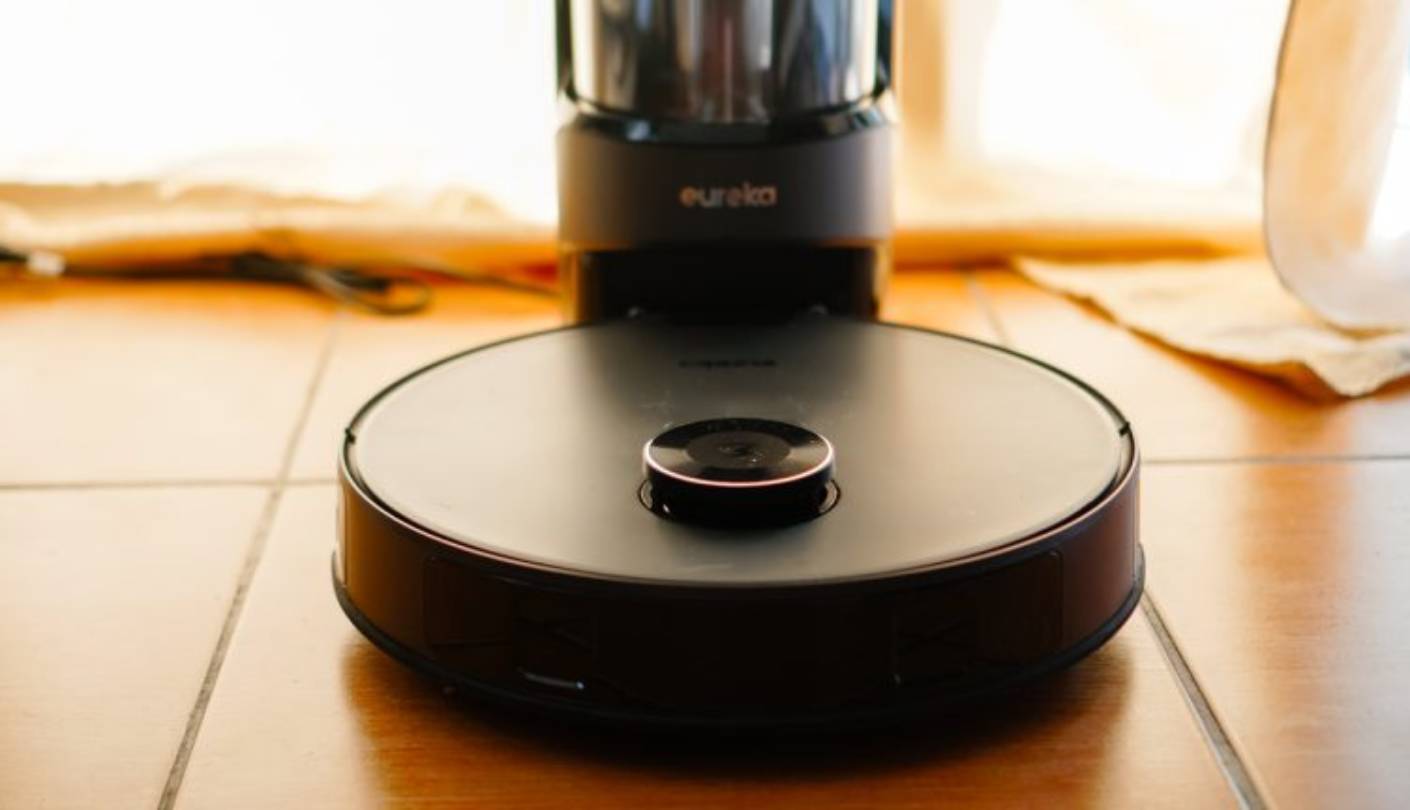
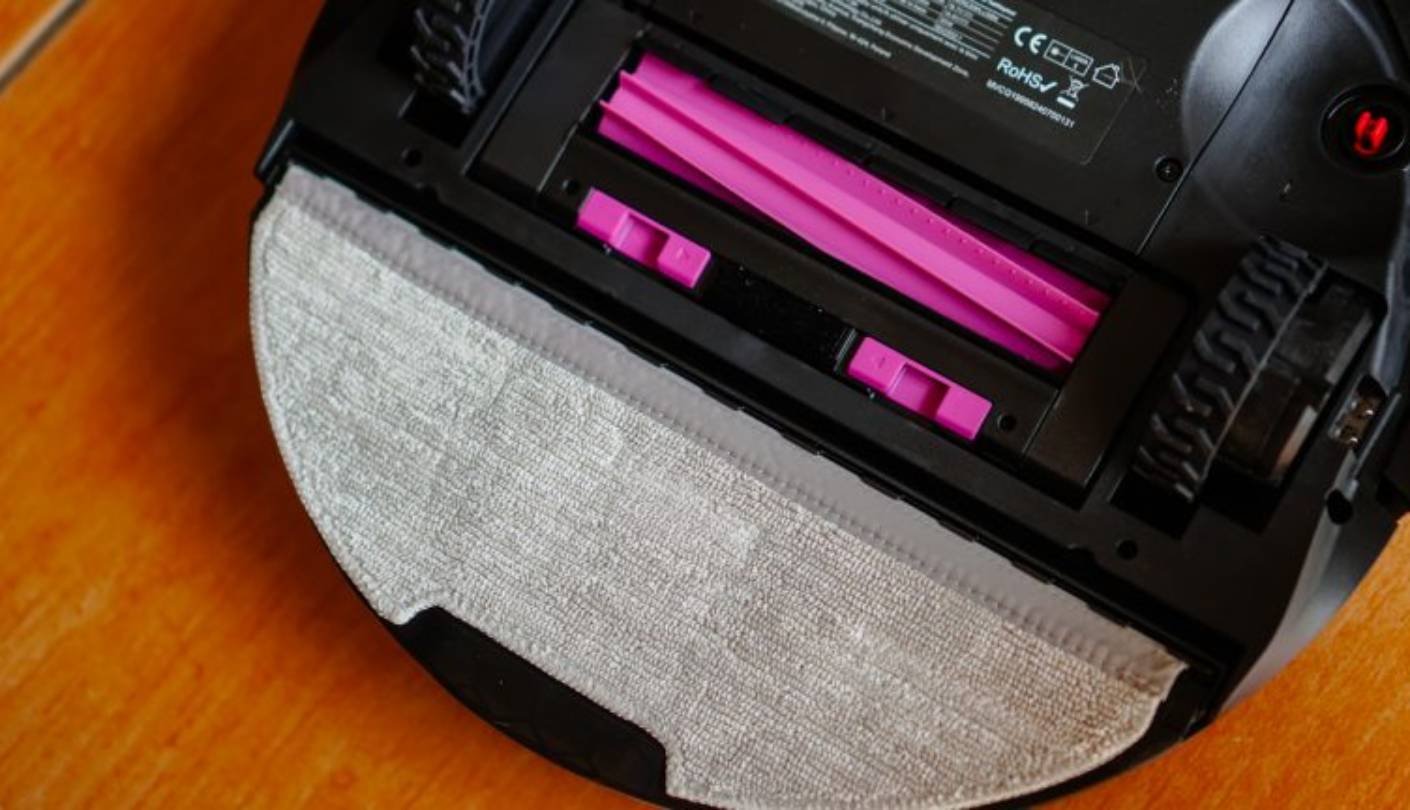
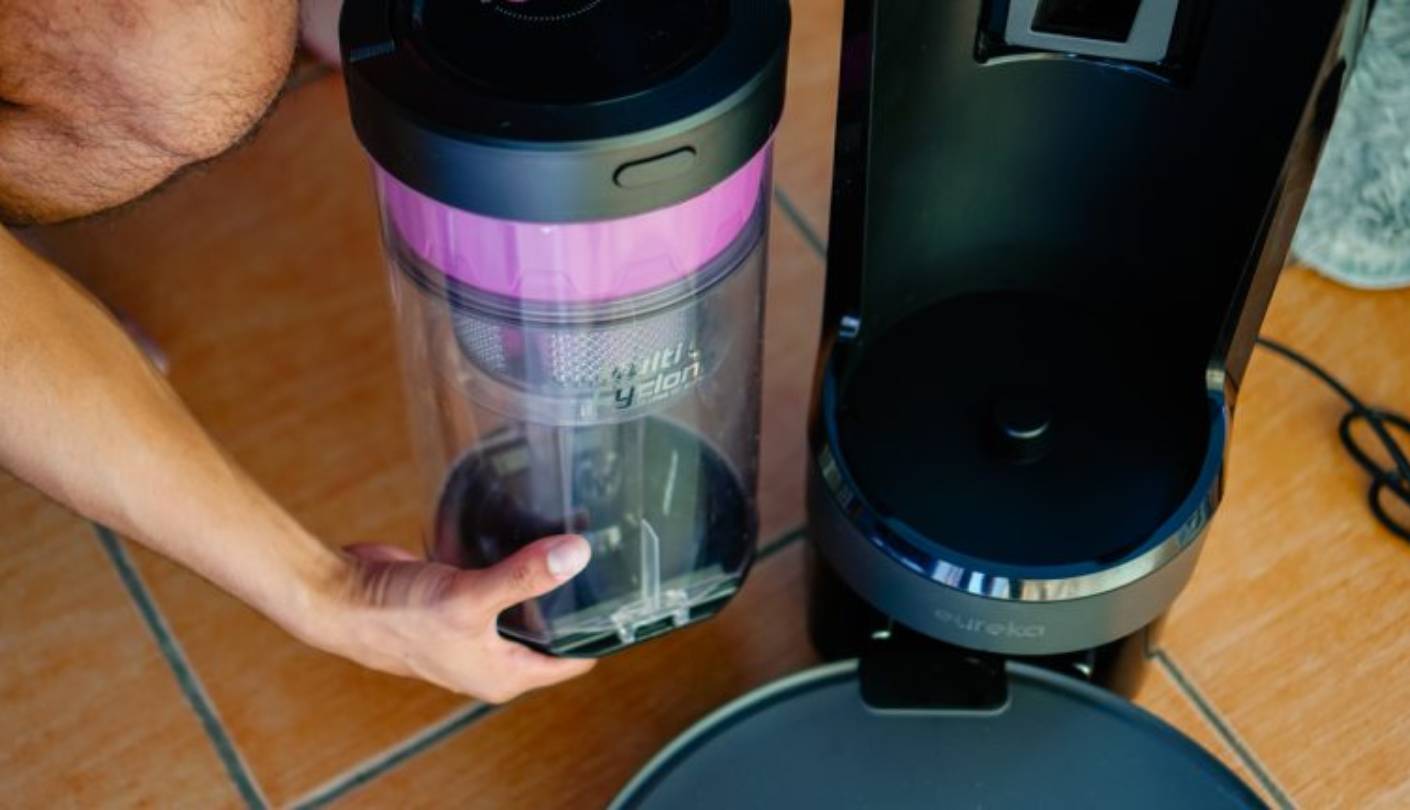
Eureka's E20 Evo Plus makes one case clearly and builds everything around it: no bag cost, ever. The bagless self-emptying station is the defining feature - a transparent two-liter dust cup that collects debris after each run, holds up to 45 days of accumulation, and empties with a one-button release directly into the trash. My test setup was a two-bedroom apartment with moderate foot traffic and no pets, and the absence of any ongoing consumable made the maintenance routine genuinely simpler than any bagged model I ran in the same period. Over six weeks of testing, the station required servicing twice, both times with the pull-handle emptying process completing in under 30 seconds.
The 10,000 Pa motor matches the roborock Q7 M5's rated suction, and the DragonClaw side brush and V-shaped anti-tangle roller form a hair management system rated at over 99.99 percent hair removal efficiency across the brush assembly. On hard floors, the combination of 10,000 Pa suction and a 13-cone multi-cyclonic dust collection structure - which separates 98 percent of dust before it reaches the main filter - keeps fine particles out of the HEPA filter longer than single-cyclone designs and maintains consistent suction through longer cleaning sessions without filter restriction buildup.
Navigation uses an LDS LiDAR spinning sensor for floor mapping, building an accurate plan on the first run. The E20 Evo Plus adds a DragonClaw anti-tangle upgrade over the standard E20 Plus, improving hair management at both brush ends with a dedicated comb that clears the roller during operation. The LDS sensors on the front of the robot handle obstacle detection and low-light navigation - Eureka describes the dual-sensor arrangement as improving precision over single-sensor setups, and in testing the robot handled furniture detection in dim-lit hallways more reliably than basic bumper-only navigation.
The 5,200 mAh battery runs up to 180 minutes in standard mode, covering most full-home cleaning runs without a mid-session dock return in homes up to medium size. Large wheels clear 20mm threshold transitions between rooms cleanly, and the auto-recharge-and-resume feature handles larger floor plans by picking up the cleaning map where the robot left off after recharging. Alexa and Google Home work for voice starts immediately on setup, and Siri integration is listed as arriving in a future over-the-air firmware update.
Mopping runs on a standard fixed pad at the robot's rear - effective for daily hard floor maintenance and surface residue, but limited in scrubbing action for anything heavier than footprints and light dust. For sticky marks or dried spills, manual spot treatment before the robot's pass remains necessary. The E20 Evo Plus also requires a 2.4 GHz WiFi connection - routers broadcasting on 5 GHz only, or those that don't offer a split 2.4 GHz band, will need a separate configuration step before pairing works.
Pros:
- Bagless self-empty station
- DragonClaw anti-tangle brush
- 5,200 mAh long-run battery
- 10,000 Pa strong suction
- 20mm threshold climbing wheels
Cons:
- Fixed-pad mopping only
- 2.4 GHz WiFi only
Summary: Eureka E20 Evo Plus cuts ongoing consumable costs entirely with its bagless self-emptying station, adds DragonClaw anti-tangle engineering for hair-heavy floors, and covers full-home runs on a single charge. The right pick for cost-conscious buyers who want zero bag purchases without sacrificing daily cleaning performance.
Robot Vacuums Under $400: FAQ
Do robot vacuums under $400 actually clean well enough for daily use?
For hard floors and low-pile carpet, yes - the better models in this group clean at a level that most households won't need to upgrade beyond. The gap between a sub-$400 LiDAR model and a $700+ flagship has narrowed to a point where the remaining differences - mainly obstacle avoidance quality and mop self-washing - matter for specific use cases rather than for everyone. In my experience, a well-chosen sub-$400 robot handles daily maintenance cleaning on hard floors and light-traffic carpet better than most people expect before they try one.
Is LiDAR navigation worth prioritizing in this price range?
Yes - and it's the single spec I'd prioritize above suction power for most buyers. LiDAR navigation means organized parallel row coverage rather than random bounce patterns, which produces more complete floor coverage per run and allows no-go zones and room boundaries to be drawn on a real map. Bump-navigate robots in this price range cover your floor eventually, but they do it inefficiently and leave more missed patches in layouts with multiple rooms and doorways. Every model in this roundup uses LiDAR, so the choice here is between different quality levels of implementation rather than LiDAR versus alternatives.
What's the practical difference between a bagged and bagless self-emptying dock?
Bagged docks seal dust in a replaceable bag for clean, contact-free disposal - you pull the bag out and drop it in the trash without touching the contents. Ongoing bag cost varies by brand but represents a real annual expense. Bagless docks collect debris in a reusable bin with no ongoing cost, but emptying involves direct contact with the collected dust. For allergy sufferers, the sealed bag format reduces airborne particle exposure during disposal. For cost-conscious buyers, bagless removes a consumable line item entirely. Both formats work well in daily operation - the choice is personal preference and long-term cost tolerance.
Can these robots handle pet hair without constant maintenance?
It depends on the brush roll design. The DREAME D20 Plus and roborock Q7 M5 use anti-tangle systems - V-shaped grooves and rubber roller comb scrapers respectively - that channel hair into the dustbin rather than wrapping it around the bearing. Standard bristle rollers tangle faster and need more frequent manual clearing. In my testing, an anti-tangle brush design reduces cleaning intervention frequency from every two or three days to roughly once a week in a home with one medium-shedding dog. For homes with multiple pets or heavy shedders, specifically confirming anti-tangle brush inclusion before purchasing is worth the effort.
What's the actual difference between fixed-pad and spinning mop pads?
Fixed-pad mopping drags a damp cloth across the floor surface passively - it picks up surface dust, footprints, and light grime on daily maintenance runs. Spinning mop pads rotate under active downward pressure, applying mechanical friction to the floor the way a powered floor scrubber does. Spinning pads remove more dried residue and provide deeper cleaning on tile grout and textured hard surfaces in a single pass. The MOVA E40 Ultra is the only model in this roundup using spinning pads - the other four use fixed pads. For buyers focused primarily on mopping performance rather than vacuuming, that distinction is the most important hardware difference in this group.
How much maintenance does a robot vacuum in this range actually require?
With a self-emptying dock, routine maintenance reduces to checking and replacing the station bag or emptying the bagless cup every three to eight weeks depending on household traffic. Filter cleaning is typically monthly - most filters in this group rinse under water and air-dry rather than requiring replacement. Brush roll inspection should happen every two weeks in pet hair homes, less often otherwise. LiDAR sensor windows occasionally need wiping with a dry cloth to maintain mapping accuracy. Total active maintenance time is usually under fifteen minutes per week for a clean home with one pet.
Do sub-$400 robots work on thick carpet?
All five models in this roundup navigate carpet transitions and clean low to medium-pile carpet effectively. High-pile shag carpet is a different scenario - suction has to work against deep fiber resistance, and the higher-rated motors in this group (19,000 Pa and 13,000 Pa) do measurably better on thick pile than 5,300 Pa units on the same surface. None of the models here will deep-clean a heavy shag carpet the way a full-size upright does in one pass - a robot on thick pile handles maintenance cleaning between manual vacuuming sessions more than it replaces those sessions entirely.
Can a robot vacuum in this range replace a full-size vacuum entirely?
For daily maintenance on hard floors and medium-traffic carpet, yes - with some caveats. Robot vacuums in this range keep dust, crumbs, and hair from building up between more thorough cleaning sessions and handle the day-to-day floor maintenance that a full-size vacuum would otherwise address several times a week. What they don't handle: stair cleaning (which no current robot manages), baseboards where the side brush has limited reach, and deep carpet cleaning under high-pile pile. The practical role for most owners is running the robot four to five times a week for maintenance and doing one thorough manual pass monthly rather than replacing manual vacuuming entirely.
Choosing the Right Robot Vacuum Under $400
The clearest divide in this group is between models built for cleaning power and models designed around long-term maintenance convenience. For households dealing with pet hair and wanting the strongest suction and longest bag interval, the DREAME D20 Plus leads on both counts - 13,000 Pa, a DuoBrush anti-tangle system, and a five-liter bag that goes months between changes. The roborock Q7 M5 is my recommendation for buyers stepping up from a first-generation bump robot - it covers the widest range of floor types with the best navigation app in this roundup, and the Plus version adds a self-emptying dock that completes the hands-off setup.
For buyers prioritizing mopping automation above all else, the MOVA E40 Ultra's spinning mop pads and dock mop-washing system put it in a different category from the fixed-pad models that make up the rest of this group. The Tapo RV30 Max Plus covers the value entry point with a compact dock, LiDAR navigation, and a feature set that justifies the purchase for anyone buying their first capable robot. And for buyers who want to cut consumable costs entirely, the Eureka E20 Evo Plus and its bagless self-emptying station make a practical daily driver out of a genuinely no-ongoing-cost design.

Jeb here, your go-to geek for everything from video projection to the latest tech trends. As an avid outdoorsman, I enjoy using monoculars and binoculars for hunting, traveling, and birdwatching. Join me in exploring the cool, quirky side of technology!


