Apple's new Siri AI is a Gemini hybrid — and it's coming this fall

Two years late and fresh from investor litigation, Apple's overhauled voice assistant finally has a name and a launch window. Siri AI, unveiled at WWDC 2026, combines on-device Apple Intelligence processing with Google's Gemini model for heavier queries. It rolls out as a beta inside iOS 27, iPadOS 27, macOS 27, watchOS 27, and visionOS 27 this fall — but only on recent hardware, and not in the EU at all.
The hybrid approach
Simple tasks run locally on the device. Anything more complex — multi-step reasoning, web search, nuanced follow-up questions — gets routed to Gemini via Apple's Private Cloud Compute infrastructure, per Apple Newsroom (WWDC 2026). Apple says no conversation data is used to train Google's models and no user profiles are built — a joint privacy claim that remains unaudited by independent third parties, though the architecture has been open to researcher review since 2024.
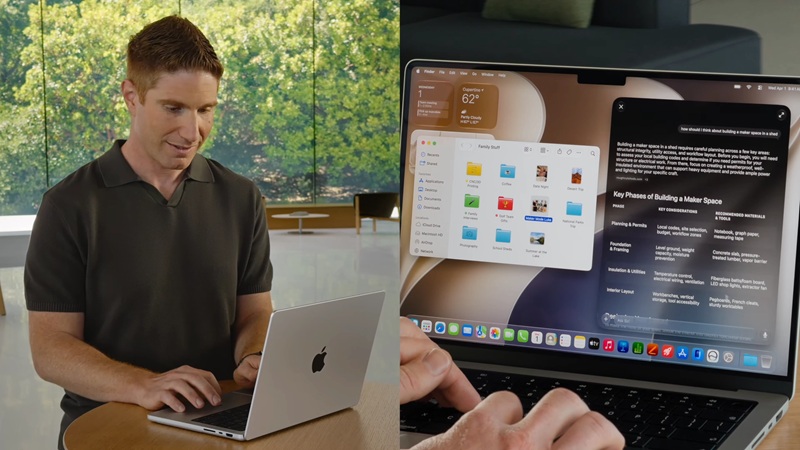
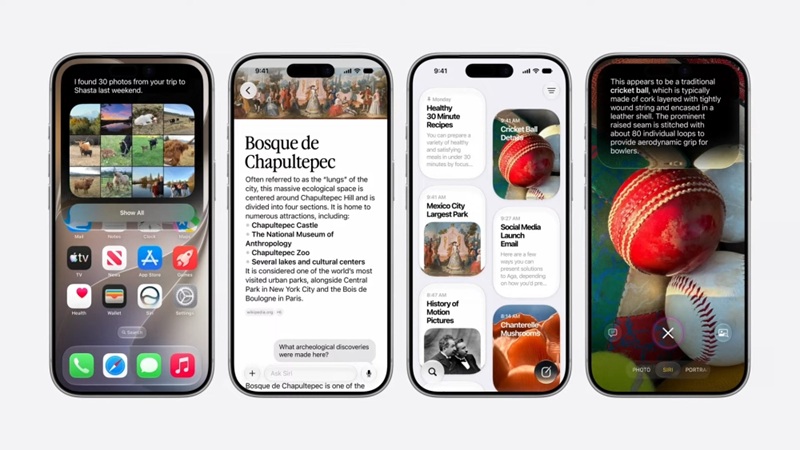
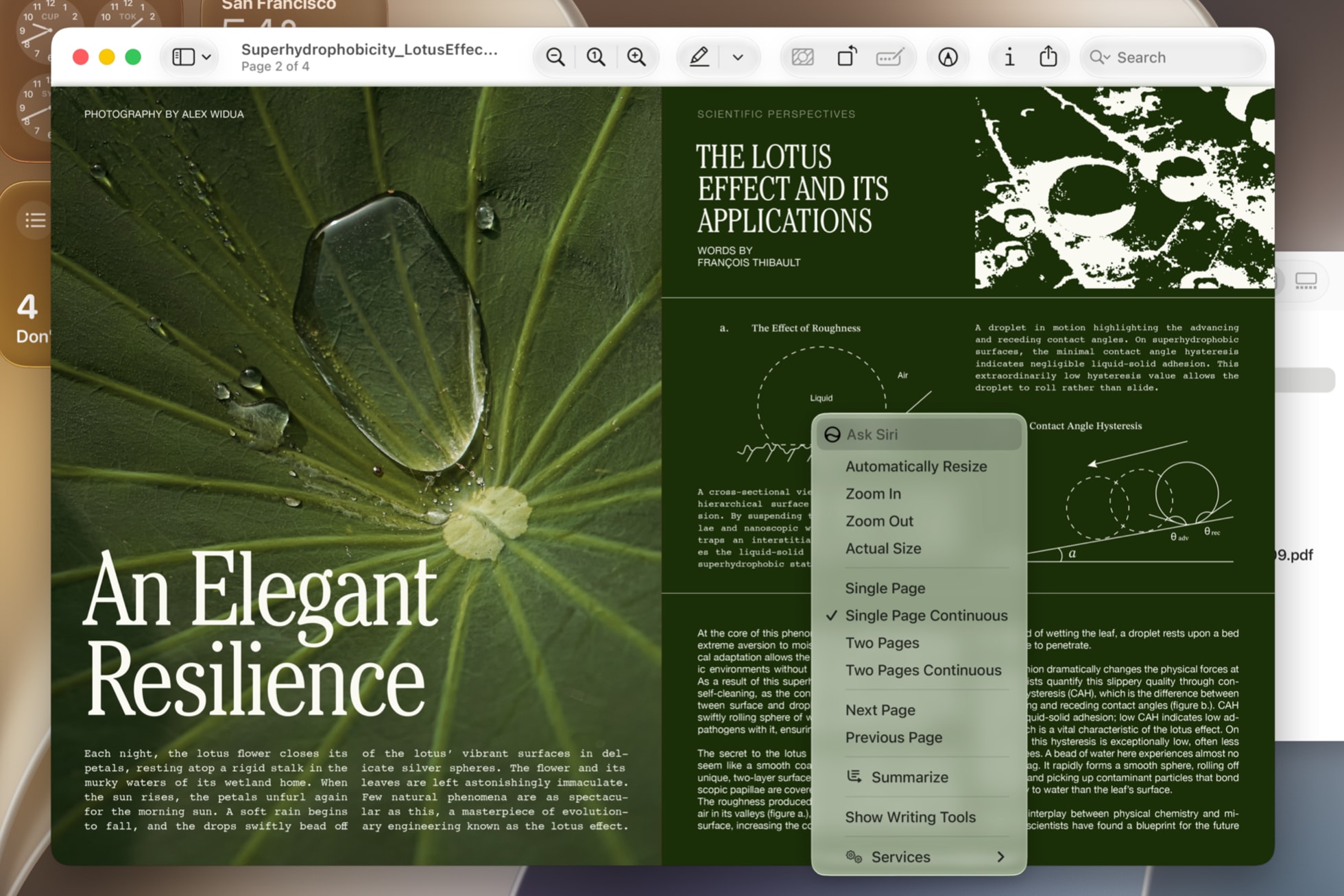
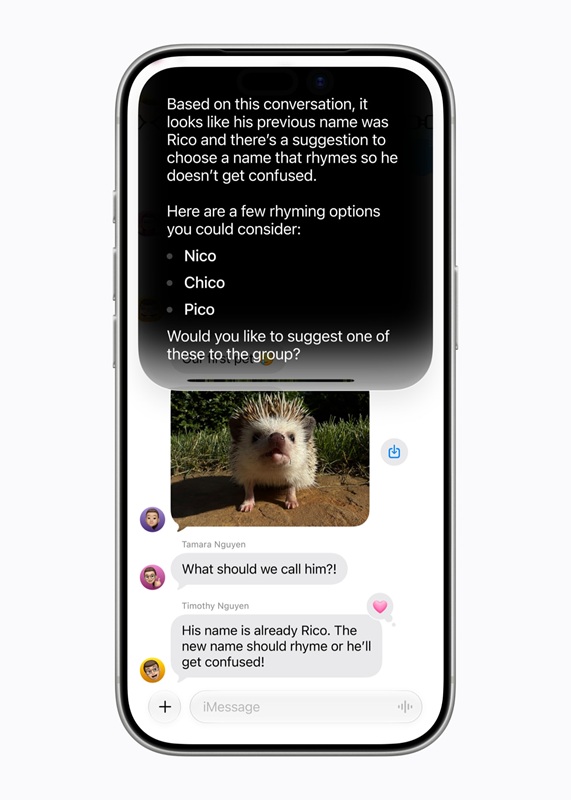
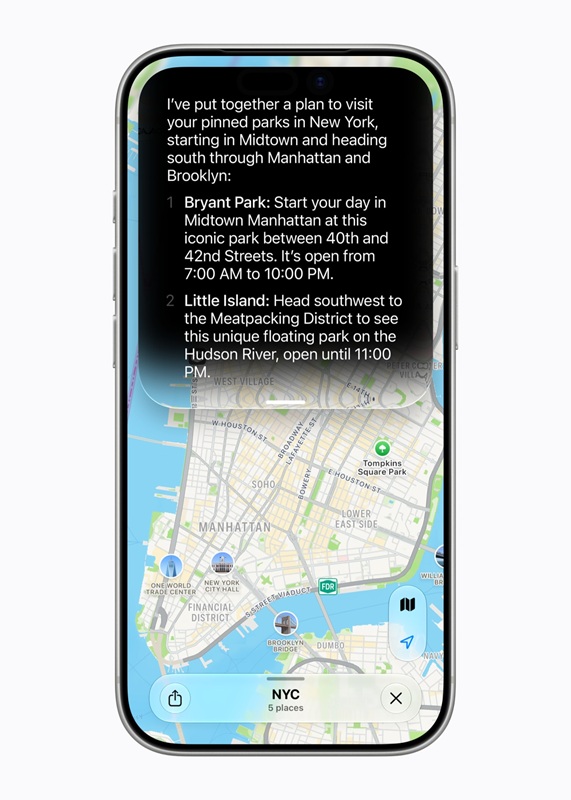
The updated assistant can read what's on your screen, pull context from your emails, photos, notes, and messages, draft and send content inside apps, and hold back-and-forth conversations with follow-up questions. Visual Intelligence lets Siri identify real-world objects through the iPhone camera. A new standalone Siri app keeps conversation history synced across iPhone, iPad, Mac, Apple Watch, and Vision Pro via iCloud.



The hardware lock
Siri AI requires an iPhone 16, iPhone 15 Pro or Pro Max, an iPad with an M1 chip or later, an M1 Mac or later, Apple Vision Pro, or an Apple Watch Series 10 or Ultra 2. Watch SE 3 works only when paired with a compatible iPhone nearby. That cuts out a large slice of current Apple users — iPhone 14 and older are excluded entirely.

The DOJ is reportedly watching the Siri–Gemini arrangement closely, viewing it as a potential replication of the Google search monopoly in AI, according to ChatForest (Gemini Deal Analysis). Apple's licensing deal with Google is reported to run roughly $1 billion annually, though neither company has confirmed a figure.

The new standalone Siri app syncs conversation history across all Apple devices via iCloud.
What US users get — and when
Developers can start testing Siri AI now. A public beta arrives later in 2026, with a full rollout expected in fall alongside iOS 27. No separate subscription fee has been announced; Siri AI appears to come as part of the operating system update.
For US users on eligible hardware, the practical improvements over the old Siri are significant: screen awareness, richer app control, and conversational depth that finally puts it closer to ChatGPT and Claude — both of which have had a two-year head start.
Outside the US and other non-EU markets, the picture is murkier. Apple confirmed Siri AI will not be available on iOS or iPadOS in the EU, with no timeline given for a regulatory fix. EU users on Mac are also excluded.


