A sealed Super Mario Bros. just sold for $3 million — a new record for video games

A sealed copy of the original 1985 Super Mario Bros. sold at Heritage Auctions on June 12, 2026 for $3 million — the highest price ever paid for a video game at public auction. The sale breaks the previous record of $2 million, set by the same game in 2021. Whether that price reflects genuine collector demand or a market propped up by conflicts of interest is a different question entirely.
The cartridge
This particular copy stands out even among rare sealed games. It's sealed with a gloss sticker — a method used only during the game's second production run in early 1986, before shrink wrap became standard. Heritage Auctions lists it as the earliest known sealed example of this variant, graded PSA 9.6 A++.
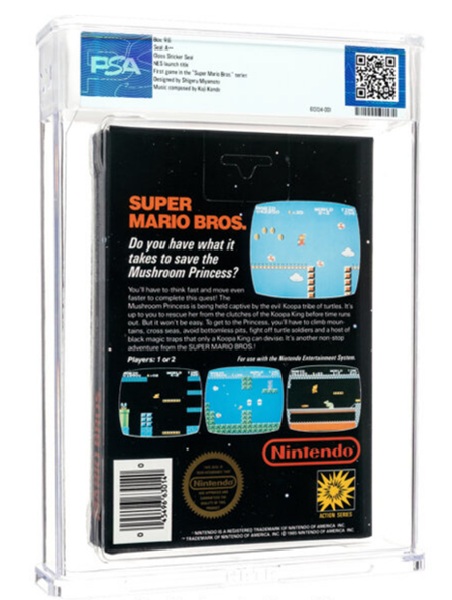
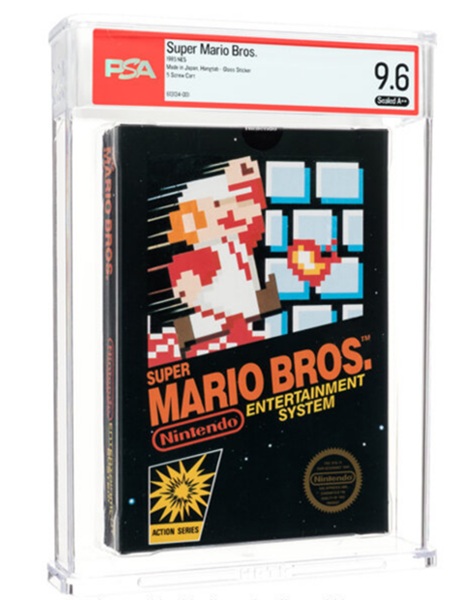
As a bonus for the buyer: Heritage will throw in a free NES console if they decide to unseal it. The current owner is also reportedly willing to part with it for $3.75 million — no negotiation.
The record and the lawsuit
The retro gaming market in the US is valued at roughly $3.8–$4.18 billion, per MarketIntelo, and Heritage Auctions dominates the high end of it. That concentration matters because a 2022 class-action lawsuit — still unresolved heading into this sale — alleges that grading firm Wata Games coordinated with collectors and Heritage to artificially inflate prices through shill bids, reports Eastern Herald. Neither Heritage nor PSA has issued a public statement addressing those allegations in connection with this specific auction.
The PSA 9.6 A++ grade on this cartridge does justify a premium — condition matters enormously in sealed retro collecting. But as Den of Geek has documented, record-breaking sales keep clustering at the same auction house, creating a circular incentive where graders and sellers both benefit from higher valuations. For casual observers, $3 million for a 40-year-old Nintendo game is eye-catching. For serious collectors, the unanswered legal questions are probably the bigger story.


