Sony patents a controller that pushes back — and grabs your fingers

Sony has patented a game controller with buttons that physically change stiffness during play — softening or hardening based on what's happening on screen. The patent, filed November 21, 2024 and published May 28, 2026 as WO2026/110304 by WIPO, describes a system that extends the adaptive feedback already found in the DualSense's triggers to every face button on the pad. If it ships, it could be the most tactile console controller ever made.
The tech
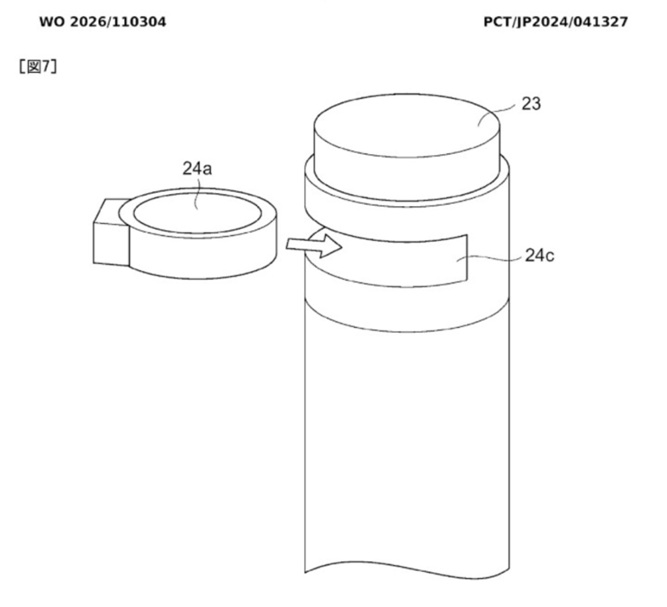
Two implementation methods appear in the filing, per TweakTown: magneto-viscoelastic elastomers (think a rubber compound that stiffens when a magnetic field is applied) and fluid-filled membranes that expand or contract. Either approach lets the buttons respond in real time — a button could go slack during a slow walk, then lock firm as your character sprints or gets tackled.
The headline feature, confirmed by VGC, is what Sony calls a "finger grab" effect: the button softens to let your fingertip sink in, then hardens around it to simulate being physically caught — say, grabbed by an enemy. It reads like a gimmick, but the underlying mechanism is the same adaptive-resistance principle that made the DualSense triggers feel genuinely new on PS5.
Sony's DualSense already uses adaptive triggers; the new patent extends that resistance tech to face buttons.
The accessibility case
The patent's quieter argument is about access. Sony's filing explicitly describes buttons that adapt to non-standard contact points — palms, elbows, or other body parts used by disabled gamers. That's a meaningful expansion beyond the Xbox Adaptive Controller's approach, which targets accessibility through hardware modularity rather than in-button haptics. Whether Sony follows through with real user testing is another matter; no disabled-user validation study exists yet.
Temper expectations
Sony filed 2,256 patents in 2025 alone, according to Gulf News. The vast majority never become products. There is no confirmed PS6 release date, no pricing, and no official Sony statement on whether this technology will appear in any shipping hardware. Battery drain is a real concern — magnetic actuation could draw significantly more power than the existing haptic motors in DualSense.
The PS6 is widely expected around 2028–2029. If Sony does bring adaptive buttons to market by then, the DualSense's triggers will have had a full console generation to set expectations. That's a high bar — and a reasonable one to clear.


