Waymo's robo-taxi called the cops on two teens drinking and shooting Orbeez inside it

Two 15-year-olds in San Mateo, California, thought a Waymo robotaxi was the perfect getaway car. They rode through the city drinking alcohol and firing Orbeez — water-pellet toy guns — at pedestrians. What they didn't account for: Waymo has human operators watching live camera feeds, and one of them was watching theirs.
The incident happened on the afternoon of July 7, 2026. The operator spotted what looked like weapons and underage drinking, locked the car's doors remotely, and called the San Mateo Police Department at 2:10 PM with the vehicle's exact location. To buy time, the operator told the teens through the car's speakers that it had a mechanical fault and needed to pull over. It parked in a nearby lot where five police units were already waiting.
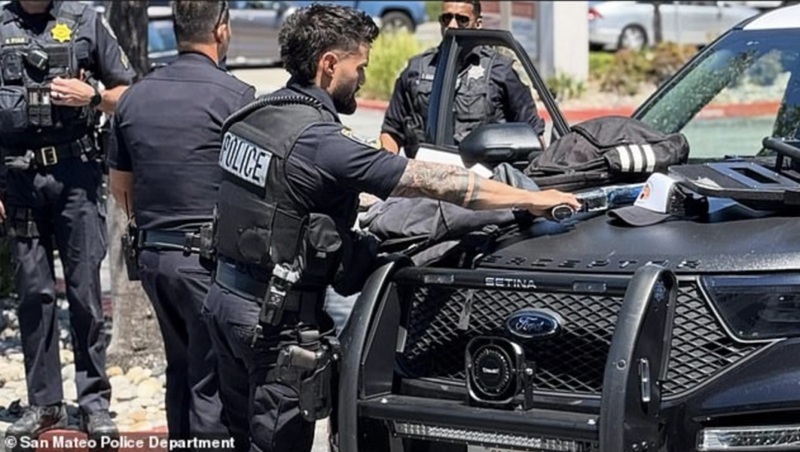
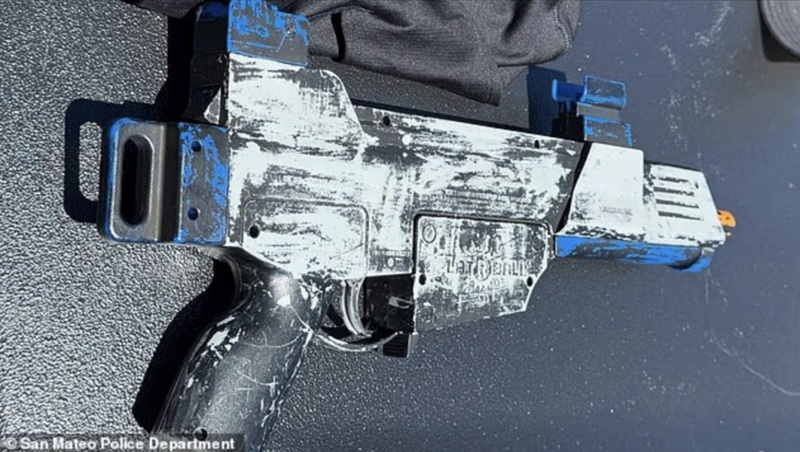
San Mateo PD spokesperson Jeanine Luna confirmed the department had never dealt with a Waymo-initiated real-time alert before, telling ABC7 San Francisco that officers "successfully removed both subjects who were sipping afternoon beverages while being chauffeured around the city." The teens were handed to their parents. The San Mateo County District Attorney is now reviewing potential charges for underage drinking and threatening behavior.
The surveillance question
Waymo says it only accesses live cabin video in "urgent circumstances" — but the company has never publicly defined what that threshold means or how it is applied. That vagueness matters. A Senate hearing in February 2026 revealed that Waymo employs remote fleet response agents who can intervene in rides — a role the company had not prominently disclosed in its public safety claims about fully autonomous operation.
Federal agencies including NHTSA and NTSB are already scrutinizing Waymo over separate incidents, including a January 2026 collision involving a child. This case adds a new layer: when a remote operator locks a car, deceives passengers, and summons police, who is legally responsible for what happens next?
What this means going forward
For now, the teens got a squad-car send-off instead of a destination drop-off. But the case creates the first real test of how passenger misconduct in a driverless vehicle is prosecuted under California law — and whether underage drinking charges can even stick when there's no human driver present.
It also makes clear that "driverless" doesn't mean unmonitored. Waymo's cars have eyes on you.


