Airbus and MTU are building a hydrogen fuel cell engine — no combustion, no CO₂

Airbus and German engine maker MTU Aero Engines announced a joint venture on July 7, 2026, to develop what they describe as a fully electric hydrogen fuel cell engine for commercial aircraft. The engine would produce only water vapor — no CO₂, no nitrogen oxides (NOx). Operations are set to begin in 2027, pending regulatory approvals and European labor consultations.
How it splits the work
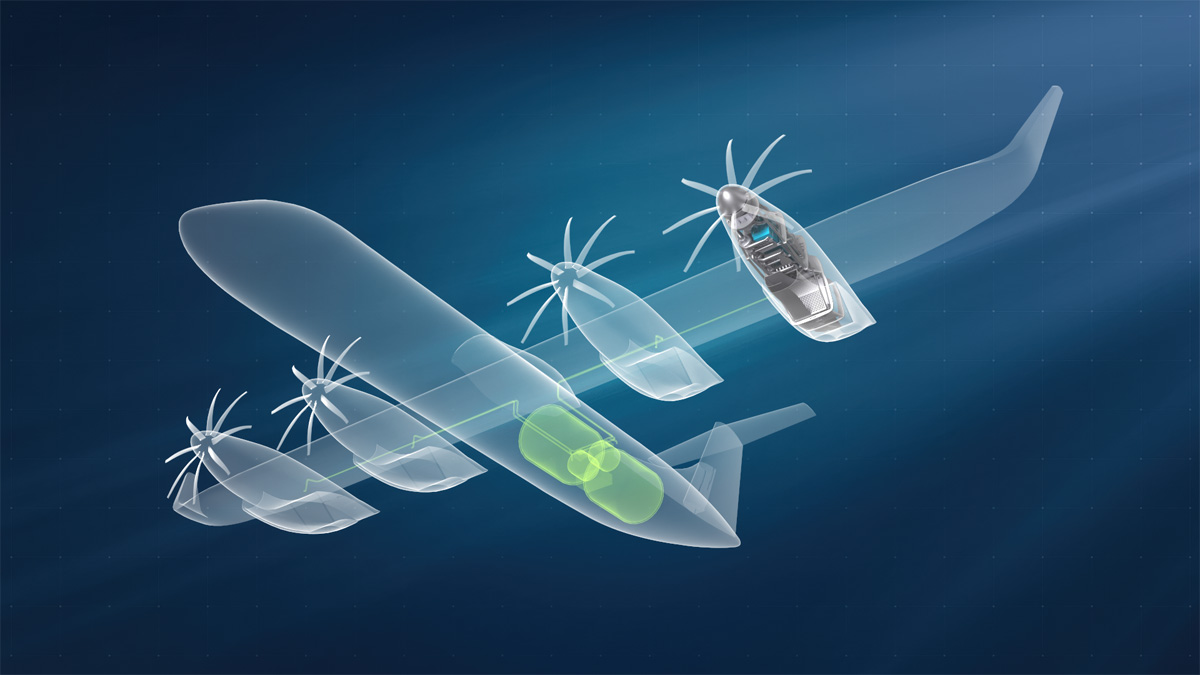
The two companies have carved out clear responsibilities. Airbus takes on liquid hydrogen storage systems and overall aircraft integration — liquid hydrogen needs cryogenic conditions around –253°C, which demands specialist engineering. MTU Aero Engines leads on the engine itself, the fuel cell stack, and — critically — certification and maintenance. The joint venture will cover the full development cycle, from early engineering tests through to series production.

No combustion, just chemistry
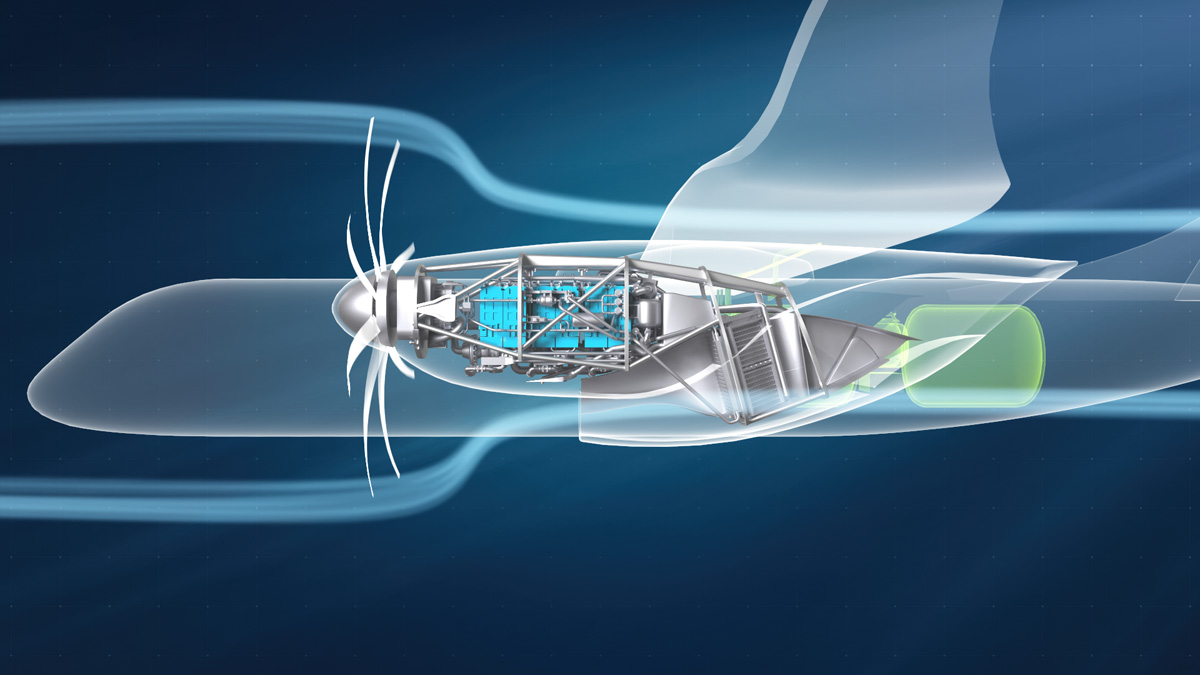
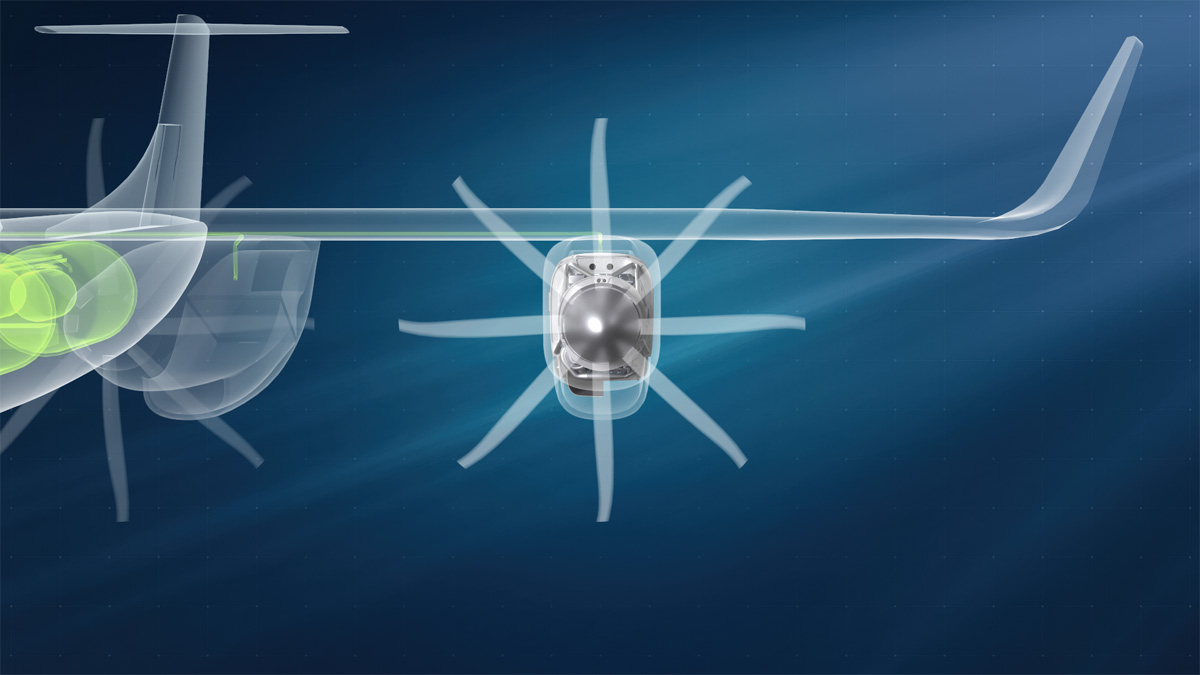
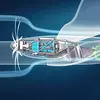
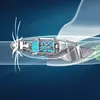
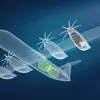
This is not a hydrogen-burning engine. Conventional engines that run on hydrogen still generate some emissions because of the extreme heat involved. A fuel cell works differently: it converts hydrogen and oxygen into electricity through a chemical reaction, then uses that electricity to drive the propulsors. The only byproduct is water vapor. MTU has already completed what it calls a "Flying Fuel Cell" design and run early engine prototype tests in Munich, so this is not purely conceptual.
The engine is a central piece of Airbus's ZEROe program, which originally targeted a zero-emission commercial airliner by 2035. Airbus pushed that date back to the 2040–2045 range in February 2025, citing hydrogen infrastructure and regulatory frameworks running five to ten years behind projections.
The real bottleneck
Building the engine is only part of the problem. Certification is the harder challenge. EASA, the FAA, and the UK CAA are all working through hydrogen aviation safety frameworks — fire and explosion hazards are still an open safety question — but no final standards exist yet. The UK CAA Hydrogen Sandbox opened its third application round in June 2026, and FAA/EASA/CAA coordination suggests regional aircraft certification could arrive by 2030 at the earliest, with large commercial jets likely a decade behind that.
Airbus and MTU are also signaling that they intend to help build the wider ecosystem — refueling infrastructure, airport safety procedures, and the regulatory groundwork that does not yet exist at scale. For passengers, hydrogen flights remain a next-decade proposition. For the industry, this joint venture is an early structural bet that the technology will eventually get there.


