Seven mini-PCs, one AI cluster: Bosgame wants to bring DeepSeek to your desk

Running large AI models at home normally means paying hefty cloud bills or filling a room with GPU servers. Bosgame is pitching a different idea: chain seven of its M5 AI mini-PCs together and you get enough memory to run DeepSeek-V3.1 — a 671-billion-parameter model — entirely on your own hardware, no data center required.
The hardware
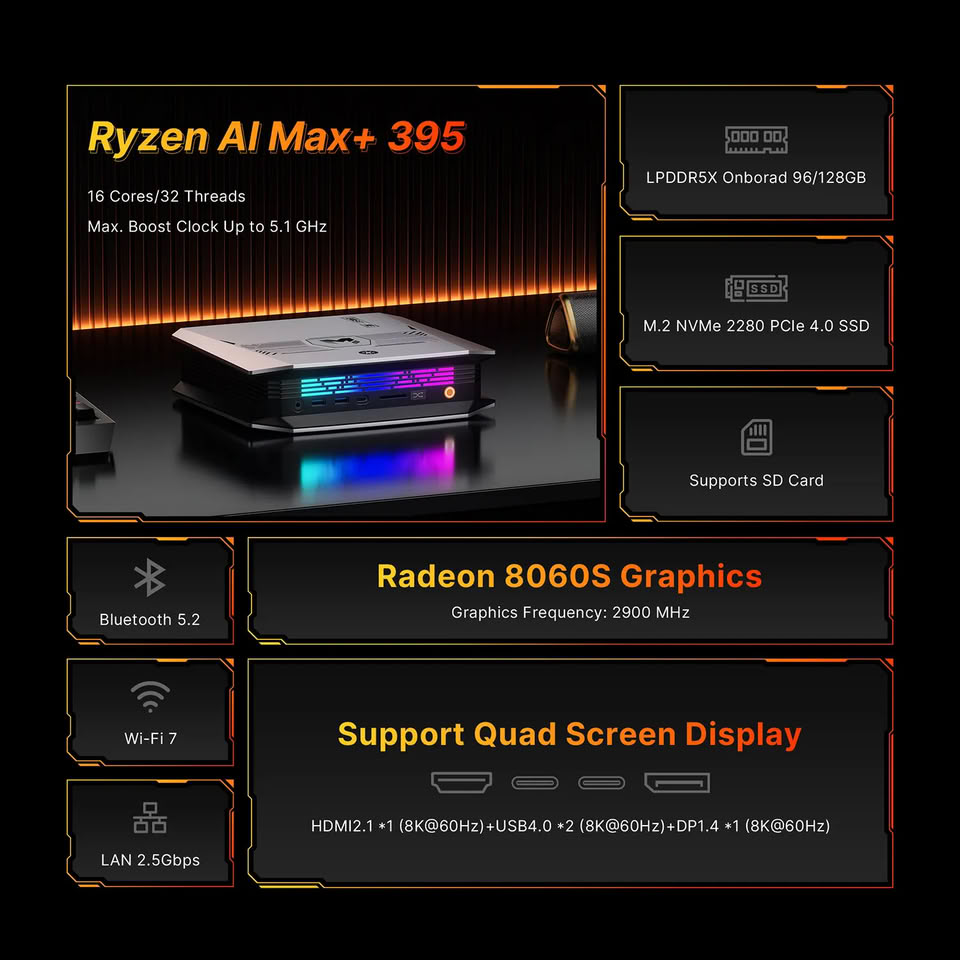
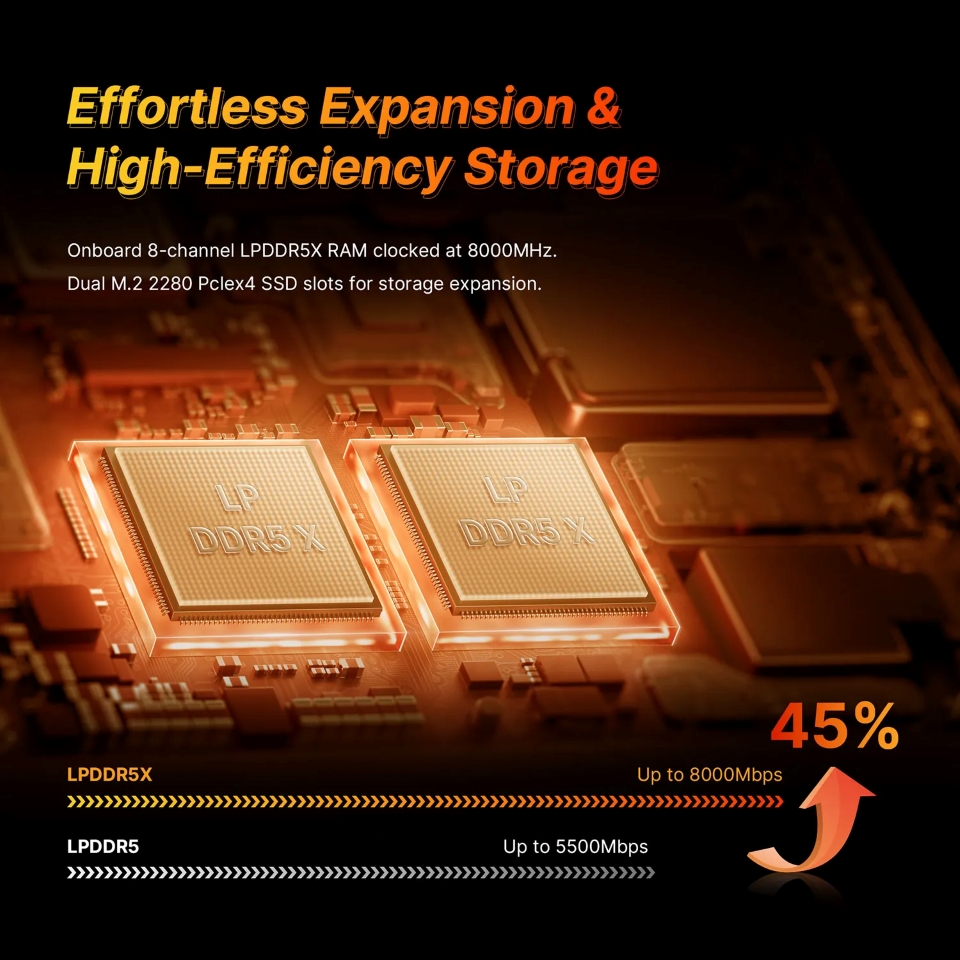
Each M5 AI is built around AMD's Ryzen AI Max+ 395, the top chip in AMD's Strix Halo line. The processor pairs a powerful integrated GPU with fast unified memory — the architecture that makes local AI inference practical on compact hardware. The top configuration carries 128GB of RAM and delivers 126 TOPS of total compute, including a 50 TOPS XDNA 2 neural processing unit. In single-unit tests, Bosgame's official page claims the M5 runs Llama 3 70B 2.2× faster than an RTX 4090 in LM Studio — a figure supported by independent AMD platform benchmarks cited in a TechRadar review.
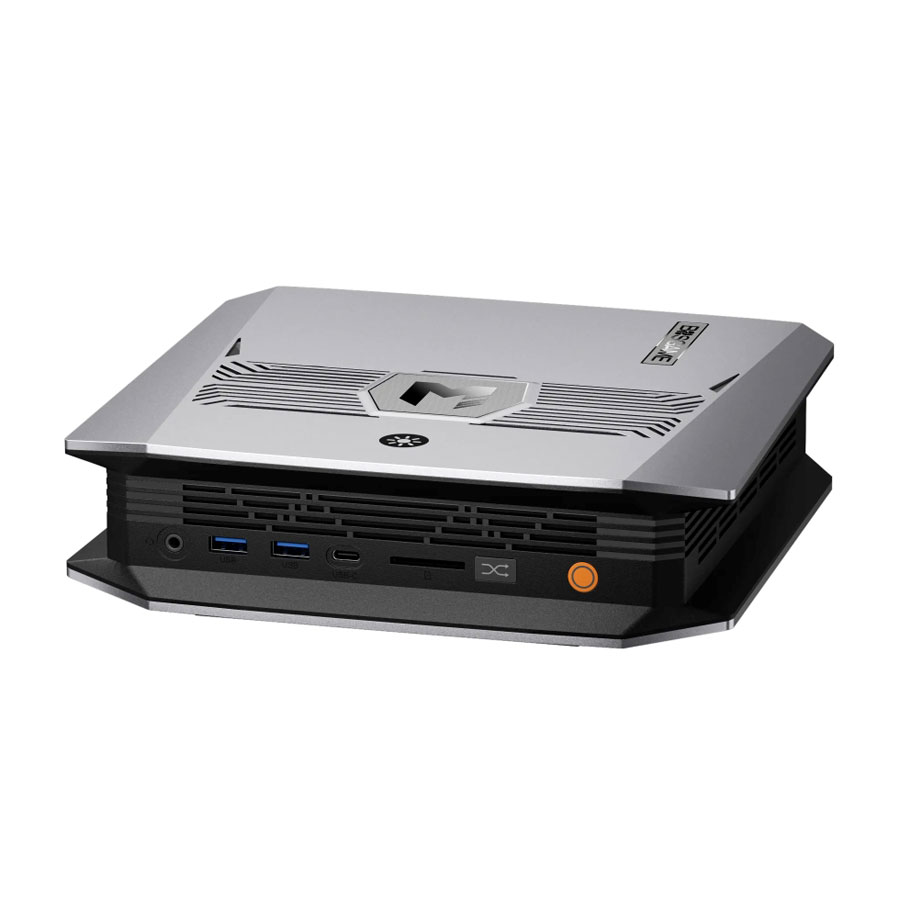
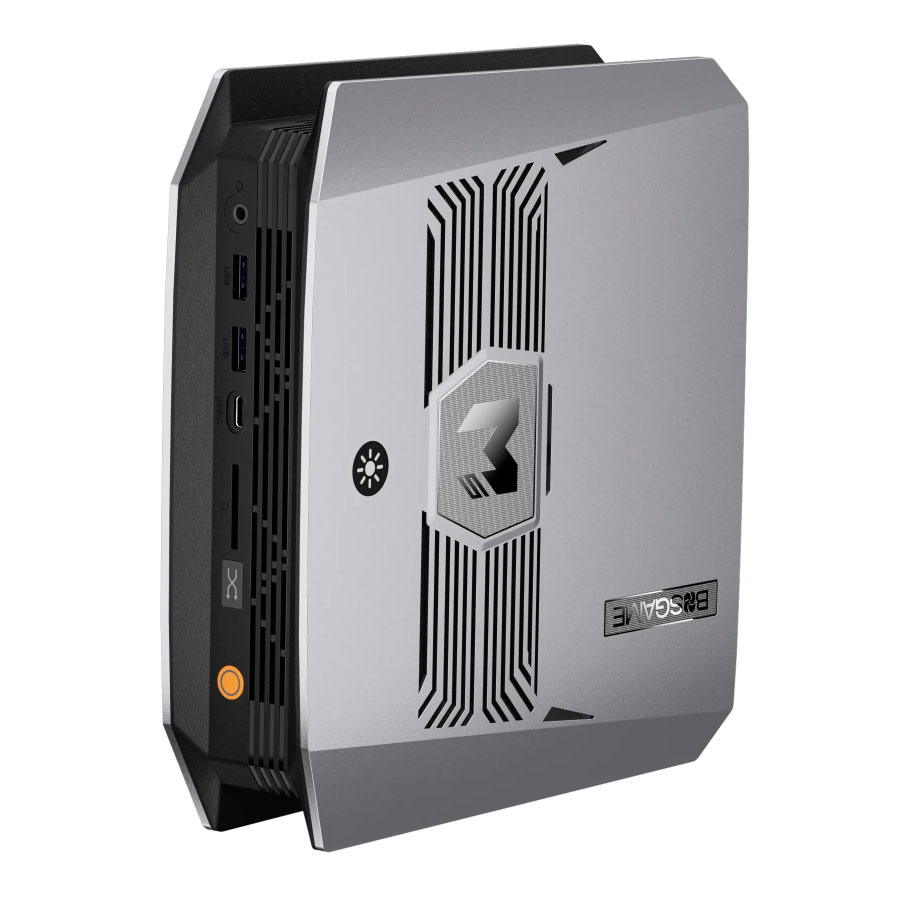
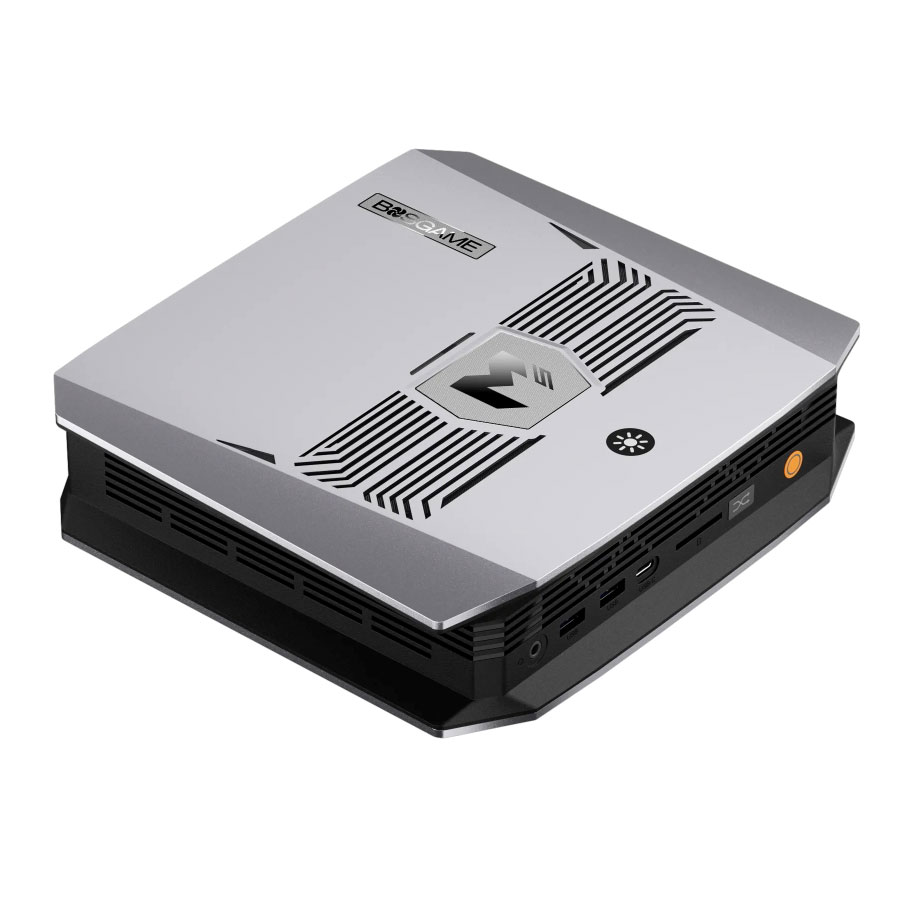
The cluster
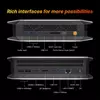
Bosgame's seven-node setup uses USB4 Direct Connection to link the machines without expensive switching fabric or enterprise networking gear. The combined pool adds up to 896GB of unified memory, with up to 672GB available for GPU workloads. That's enough headroom to load DeepSeek-V3.1's full 671 billion parameters — in theory. Bosgame asserts the configuration is feasible based on the raw memory math, though no published cluster benchmark for the full seven-node DeepSeek run has emerged yet. The setup scales incrementally: start with one unit, add more as your workload grows.

The price
Here is where the pitch gets complicated. A single M5 AI top-config unit now retails at $2,799 — up from a $1,699 pre-order price a year ago, a 65% jump. Seven of them works out to roughly $19,600 before any accessories or networking cables. Bosgame ships duty-free from US and UK warehouses, and there are no confirmed retail partners beyond its own website. The company frames this as a privacy-first alternative to cloud AI: your data stays local, you own the compute, and you avoid per-token fees that compound at scale.
For developers or small teams tired of cloud AI lock-in, the pitch has genuine appeal. The price trajectory, though, cuts into the value argument — especially as competition in the Ryzen AI Max+ 395 mini-PC segment grows. At enterprise scale, SpaceX is reportedly preparing a billion-dollar cloud AI contract for the Pentagon, a reminder of just how wide the gap between desk clusters and production infrastructure remains.


