Canadarm3 pivots from space station to moon base as NASA freezes Gateway

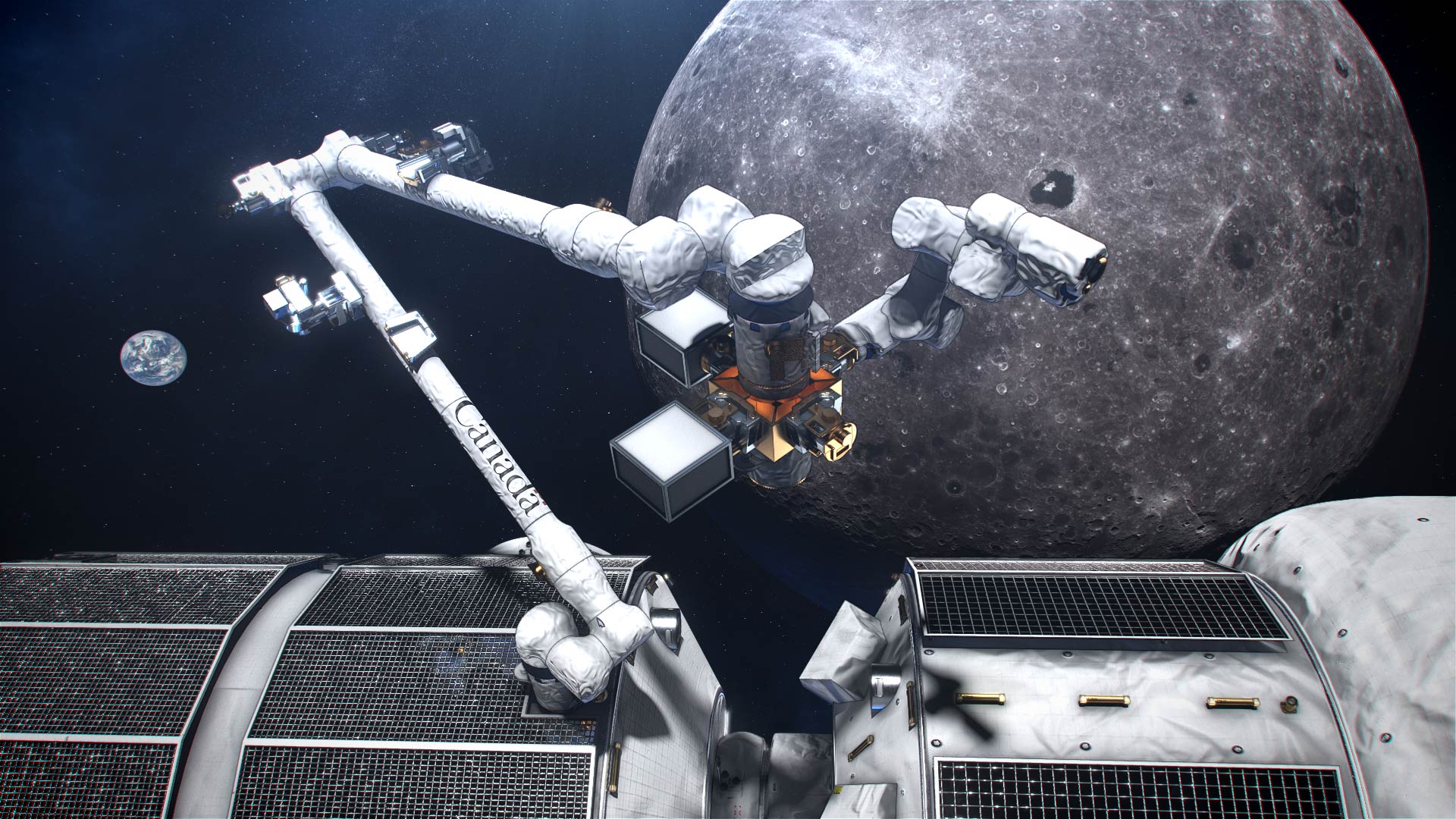
NASA's decision to pause the Lunar Gateway project on March 24, 2026 rattled international space partners — but Canadian robotics firm MDA Space absorbed the shock faster than most. Rather than losing its flagship contract, the Brampton-based company is now redirecting Canadarm3 away from orbital station duties and toward the surface of the moon, where NASA's new "surface-first" strategy is concentrating resources and money.
The pivot
Gateway was supposed to be a lunar-orbit waystation — a staging point for future crewed moon missions. NASA shelved it in its current form to redirect roughly $20 billion toward a permanent lunar surface base. That left international partners including ESA, JAXA, and MDA Space scrambling to adapt.
MDA's response, according to MDA Space CEO statement March 2026, was measured: CEO Michael Greenley confirmed that engineering timelines have not slipped and that the platform shift is technically feasible. The Canadian government is holding firm on its end, too — the existing contract for Canadarm3 remains at CAD$999.8 million (roughly $720 million USD), unchanged despite the programme overhaul.
From microgravity to moon dust
Canadarm3 was originally designed for orbital conditions — a very different environment from the lunar surface. Engineers now have to account for abrasive regolith, extreme temperature swings, and the need to handle heavy logistics work: unloading modules, servicing surface outposts, and supporting the infrastructure of a long-term base. The arm is built as a highly autonomous, AI-driven system capable of operating with minimal human input across the 400,000 km gap between Earth and the moon — a capability that becomes even more critical in a surface setting where astronaut time is limited.
As confirmed by the Canadian Space Agency, the intent is to repurpose Canadarm3 investments to support the next phase of lunar exploration, though the exact scope of surface versus orbital operations is still being defined.
Business holding up
MDA isn't only relying on Canadarm3. The company supplies landing sensors for ESA's Argonaut cargo lander — developed with German firm OHB — and is part of the Lunar Outpost consortium working on a crewed lunar rover for the Artemis programme. It is also in talks around landing modules, surface communications, and broader logistics infrastructure.
Financially, the robotics division reported CAD$99.5 million in revenue for the first half of 2026, up 13% year-over-year and accounting for around a fifth of MDA's total income. That growth, if confirmed in public earnings filings, would suggest demand for autonomous space robotics is holding steady even as Gateway stalls.
The broader message from MDA's manoeuvre: in the new moon race, the firms that adapt their hardware to wherever humans actually plan to land are the ones that keep their contracts.


