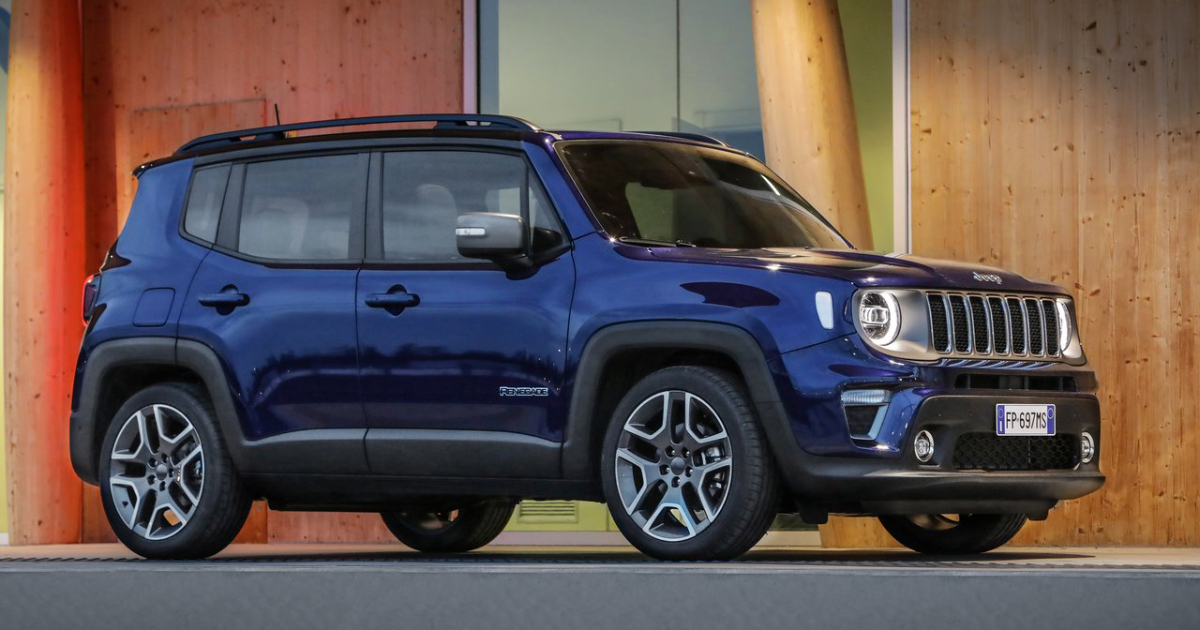
Porsche has announced a number of innovations for the 2026 model year Macan Electric. The crossover will not only become more comfortable, but will also receive new entertainment options, from automatic parking to an integrated gaming platform.
Loewe and Jacob&Co have unveiled limited edition headphones for €99,000 and €119,000. Sapphires, diamonds, 14K gold, Hi-Res Audio, ANC and up to 65 hours of operation.
The OnePlus PLK110 smartphone with a Snapdragon 8 Elite 2 processor and 16 GB RAM, running Android 16 with OxygenOS, has appeared in the Geekbench database. This confirms previous rumours about the use of Qualcomm's flagship processor in the upcoming OnePlus 15.
The Danish manufacturer of Lego sets has a page where users can suggest ideas for new sets. In order for the company to consider the project, visitors need to vote for their favourite option. One of these projects has attracted special attention from the tech community. It is a model of the legendary iMac G3 in a transparent Bondi Blue case, including a keyboard and the legendary hockey puck mouse. The model consists of about 700 parts, and even the miniature cathode ray tube and control board are visible through the transparent case.
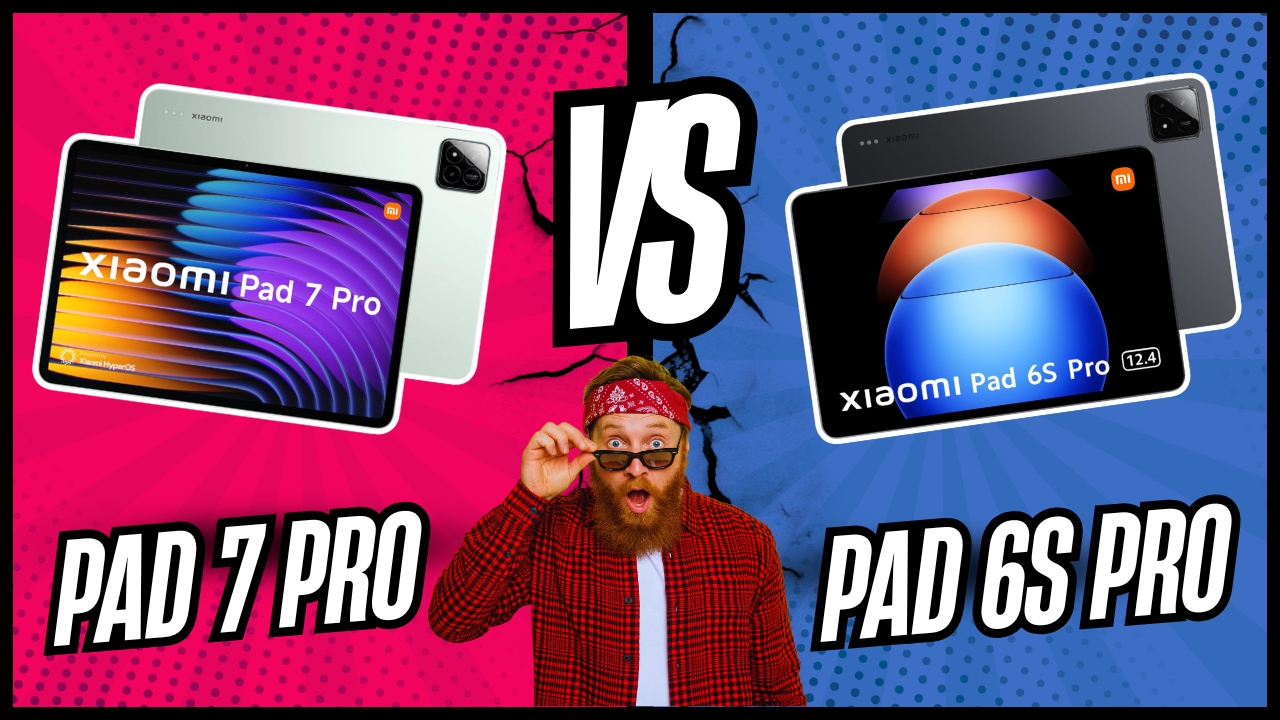
A fresh insight claims that both the base model of the Xiaomi Pad 8 tablet and its Pro version may receive the same flagship Qualcomm processor - Snapdragon 8 Elite 2 (SM8850). Traditionally, the Pro has been distinguished by its more powerful hardware, but Xiaomi seems to be changing its strategic approach this time: the differentiation will be not in the chip, but in screens, batteries, and additional features. Both versions are likely to come with 8GB and 12GB of RAM, which will allow for good multitasking with powerful apps and games.
As you know, the United States is concerned about China's growing technological power and has consistently tried to restrict the import of artificial intelligence chips into the country. They even tried to ban the export of a relatively simple Nvidia H20 processor. In the end, China refused to buy this chip itself, as it has better alternatives.
New rumours have emerged that Huawei is going to release a powerful tablet in a small form factor. According to them, the new product will have an 8.8-inch OLED screen in 16:10 format with a refresh rate of 120 Hz and, probably, a dual-layer OLED structure (Twin-OLED or Duo OLED), as in Huawei's flagship tablets. This technology allows for higher peak brightness and reduces the effect of pixel burn-in over time.
With the new toolkit, player snapshots are about to get even cooler
DJI is preparing a brand new action camera, the Osmo Nano, which could make its debut as early as 10 September. For the first time, the new product will have a modular design that should change the approach to shooting on the go.
DJI Osmo Nano consists of two units - a main module with a camera and a control unit with an OLED screen. The main unit will have two magnetic mounts, and the side mount can be reversed. Thanks to the magnetic mount, you can quickly change the position of the camera for use in different cases - selfies, group photos or POV shooting. The screen unit contains a massive battery that can charge the main unit by 80% in 20 minutes, as well as an additional microSD memory card.
Is 12GB of memory not enough?
Why not?
In a new commercial titled "No shirt? No Problem", the company demonstrates the Sketch to Image feature on Galaxy Z Fold 7, which allows you to literally "draw" a shirt on a photo.
Information about some of the features of the upcoming Samsung TriFold smartphone has been leaked to the Internet.
A Japanese developer has extended RE Engine's capabilities to realistically display long hair
Not only does the production of in-house processors have technological difficulties, but memory production is also going through its own difficult times. As we have already mentioned, Samsung has for the first time lost the top spot in the production of RAM to SK Hynix. The fundamental crisis has affected not only orders for third-party manufacturers, but also its own smartphone production. For its flagship Galaxy S25 line, the company initially used almost exclusively Micron chips, but later their share dropped to 40%, and Samsung began to provide 60%. However, recent reports suggest that Samsung may increase its partner's share to 60% again, meaning that Micron will once again become the main supplier. A recent meeting between Samsung and Micron indicates that their cooperation will only intensify in the S26 line.