DJI Osmo 360 vs GoPro MAX 2: Comparison
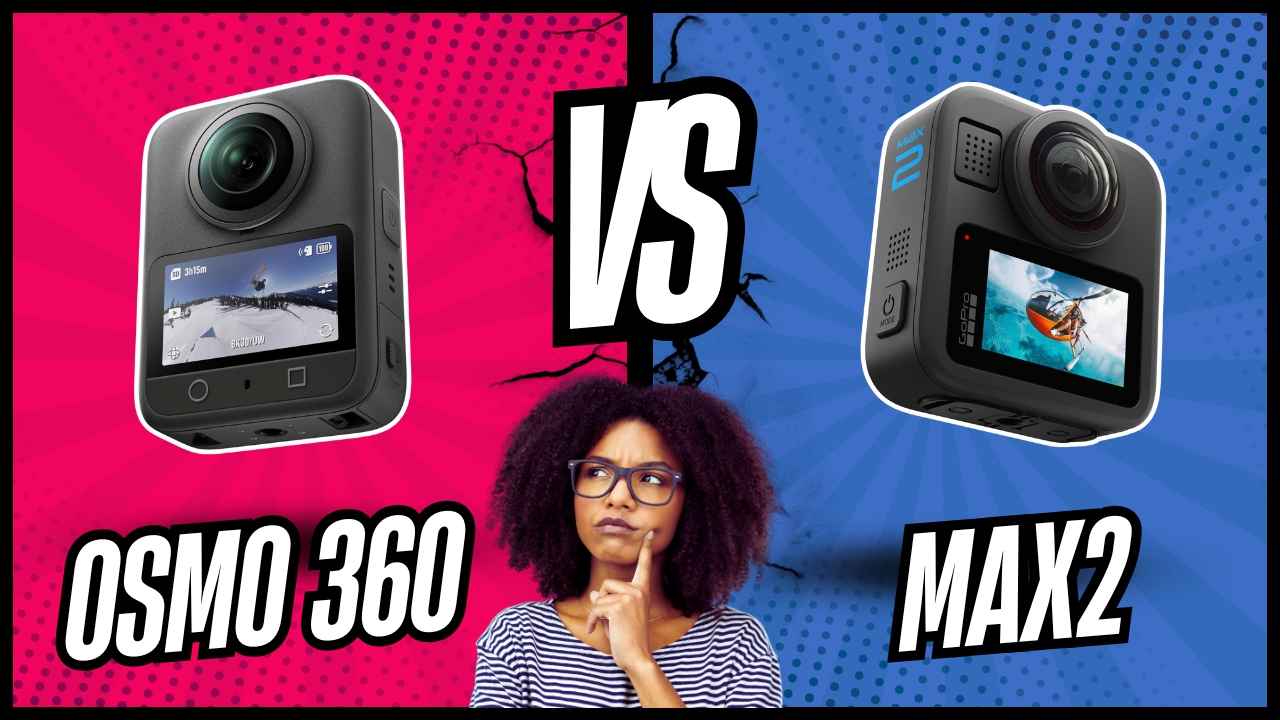
Hey action camera funs! Today I'm comparing two cutting-edge 360° cameras: the DJI Osmo 360 and the GoPro MAX 2. Both cameras capture immersive 360° footage and traditional action video, but they approach content creation with different strengths and feature sets.
I've tested both cameras extensively through mountain biking, skiing, and travel adventures over the past two months. In this detailed comparison, I'll reveal which 360° camera delivers the smoothest stabilization, best image quality, and most practical features for your adventures. Let's see how these immersive shooters stack up!
DJI Osmo 360 vs GoPro MAX 2: Quick Overview
Here's what you need to know upfront: The DJI Osmo 360 and GoPro MAX 2 both feature dual-lens 360° recording, single-lens traditional mode, waterproof designs, and advanced stabilization. The GoPro emphasizes ruggedness with 16m waterproofing without housing, replaceable lens covers, proven HyperSmooth stabilization, and superior low-light performance. The DJI prioritizes innovation with 8K 360° recording, longer 180-minute battery life, intuitive touchscreen interface, and competitive pricing.
For most action enthusiasts, I recommend the GoPro MAX 2. Its bulletproof build quality, replaceable lens protection, and mature ecosystem of mounts and accessories make it ideal for extreme conditions. However, choose the DJI Osmo 360 if you prioritize maximum resolution for VR content, need extended battery life for day-long adventures, or want to save money while getting excellent 360° capabilities.
Table of Contents:
- DJI Osmo 360 vs GoPro MAX 2: Full Comparison
- GoPro MAX 2 vs DJI Osmo 360: Design
- DJI Osmo 360 or GoPro MAX 2: Owner Reviews
- DJI Osmo 360 and GoPro MAX 2 Alternatives
DJI Osmo 360 vs GoPro MAX 2: Full Comparison
| Specification | DJI Osmo 360 | GoPro MAX 2 |
| Image |
 |
 |
| 360° Video Resolution | 8K/30fps, 5.7K/60fps | 6K/60fps, 5.3K/30fps |
| Traditional Video | 4K/60fps, 1080p/120fps | 5.3K/60fps, 4K/120fps |
| Photo Resolution | 72MP (360°), 48MP (single) | 60.5MP (360°), 27.6MP (single) |
| Stabilization | HorizonSteady 3.0 | Max HyperSmooth |
| Waterproof Rating | 10m (IPX8) | 16m (no housing needed) |
| Battery Life | 180 minutes (360° mode) | 100 minutes (360° mode) |
| Display | 2.25" touchscreen | 1.4" front + 2.27" rear touchscreen |
| Storage | MicroSD (up to 512GB) | MicroSD (up to 512GB) |
| GPS | Yes | Yes (with telemetry) |
| Live Streaming | Yes (1080p) | Yes (1080p) |
| Voice Control | Yes (14 languages) | Yes (16 languages) |
| Weight | 293g | 198g |
| Dimensions | 67×59×42mm | 64×69×33mm |
| Operating Temperature | -10°C to 40°C | -10°C to 35°C |
Resolution capabilities reveal interesting trade-offs. The DJI Osmo 360 leads in 360° video with impressive 8K/30fps recording, delivering noticeably sharper detail when viewing on VR headsets or reframing footage in post-production. During my mountain biking tests, the extra resolution preserved fine details like trail textures and distant scenery when cropping to standard aspect ratios. However, the GoPro MAX 2 counters with superior traditional video at 5.3K/60fps and offers 4K/120fps for dramatic slow-motion - a crucial advantage for action sequences where 360° capture isn't needed.
Stabilization performance separates good from exceptional footage. GoPro's Max HyperSmooth has been refined over multiple generations, delivering near-gimbal-quality smoothness even during aggressive mountain descents and high-impact activities. The DJI's HorizonSteady 3.0 performs admirably but occasionally showed micro-jitters during the most violent movements that GoPro's system smoothed away. For extreme sports where the camera endures constant impacts, GoPro maintains its reputation as the stabilization benchmark.
Waterproofing reveals a significant practical difference. The GoPro MAX 2's 16-meter rating without additional housing makes it genuinely worry-free for surfing, snorkeling, and rainy conditions. I've repeatedly dunked it in ocean surf with zero concerns. The DJI's 10-meter IPX8 rating proves adequate for most water activities, but the shallower depth limit and slightly less robust sealing made me more cautious during aggressive water sports. For dedicated water enthusiasts, GoPro's deeper rating and proven track record provide greater peace of mind.
Battery life strongly favors the DJI with an remarkable 180-minute runtime in 360° mode versus GoPro's 100 minutes. During full-day ski trips, the Osmo 360 lasted entire sessions without battery swaps, while the MAX 2 required carrying spares. This 80% advantage fundamentally changes how you approach multi-hour adventures. Both cameras support quick charging, but DJI's extended endurance eliminates the constant battery anxiety that plagues action camera users.
Photo capabilities showcase the DJI's resolution advantage with 72MP 360° images compared to GoPro's 60.5MP. The difference becomes apparent when creating high-resolution prints or heavily reframing shots. For single-lens photography, the Osmo 360's 48MP sensor substantially outperforms the MAX 2's 27.6MP, making it more versatile for hybrid photo/video shooting. However, GoPro's images showed slightly better color science and dynamic range in challenging lighting conditions.
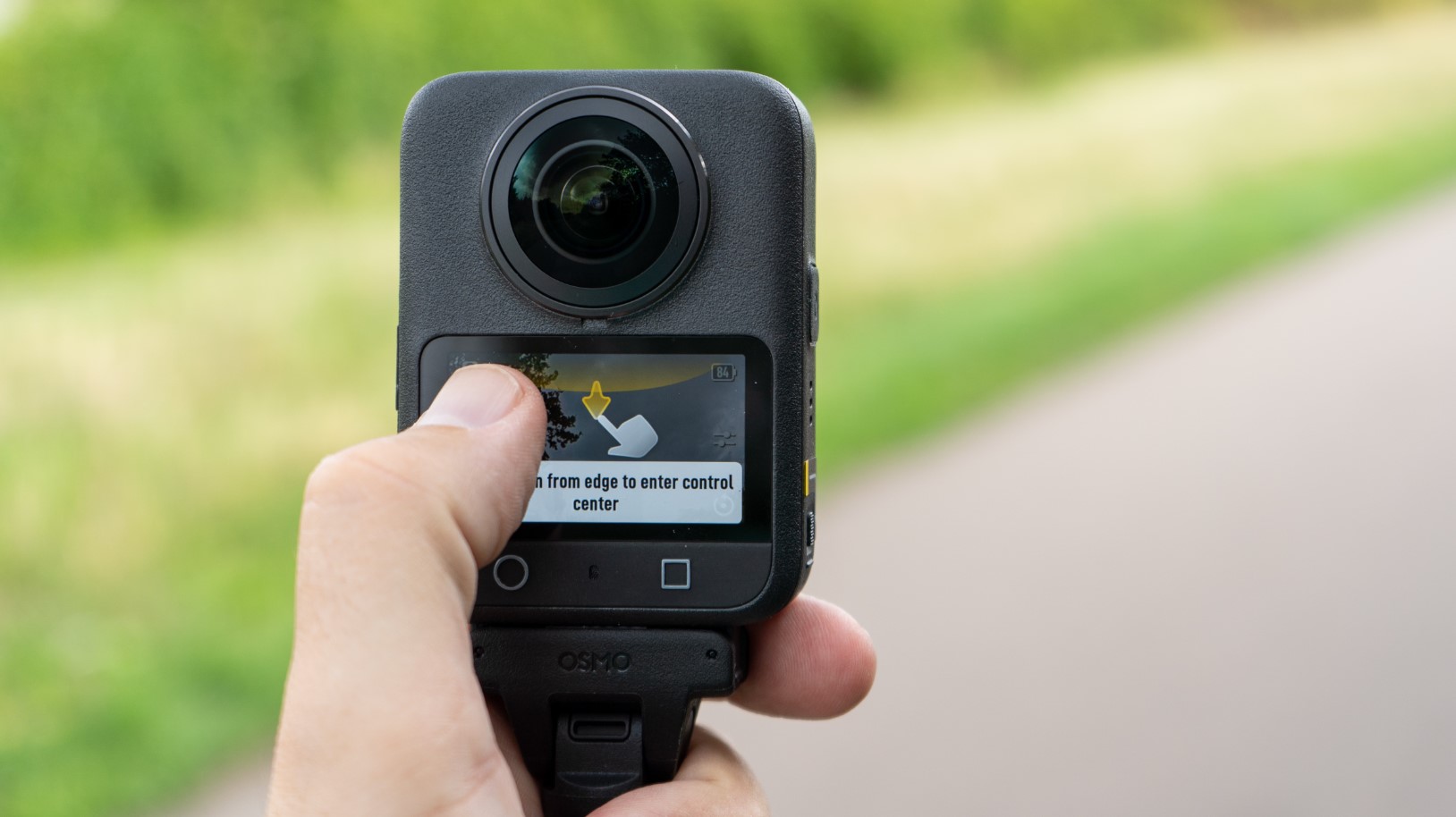
User interface approaches differ philosophically. The DJI features a larger 2.25" rear touchscreen that simplifies menu navigation and playback review, though it lacks a front display for selfie framing. The GoPro employs dual screens - a small 1.4" front display for vlogging and a 2.27" rear touchscreen. This dual-screen setup proves more practical for solo content creators checking framing before hitting record. Both interfaces respond quickly to touches, though GoPro's menu system feels slightly more intuitive after years of refinement.
GoPro MAX 2 vs DJI Osmo 360: Design & Build
Both cameras embrace rugged construction while prioritizing different aspects of durability and functionality.
DJI Osmo 360 Design:
GoPro MAX 2 Design:
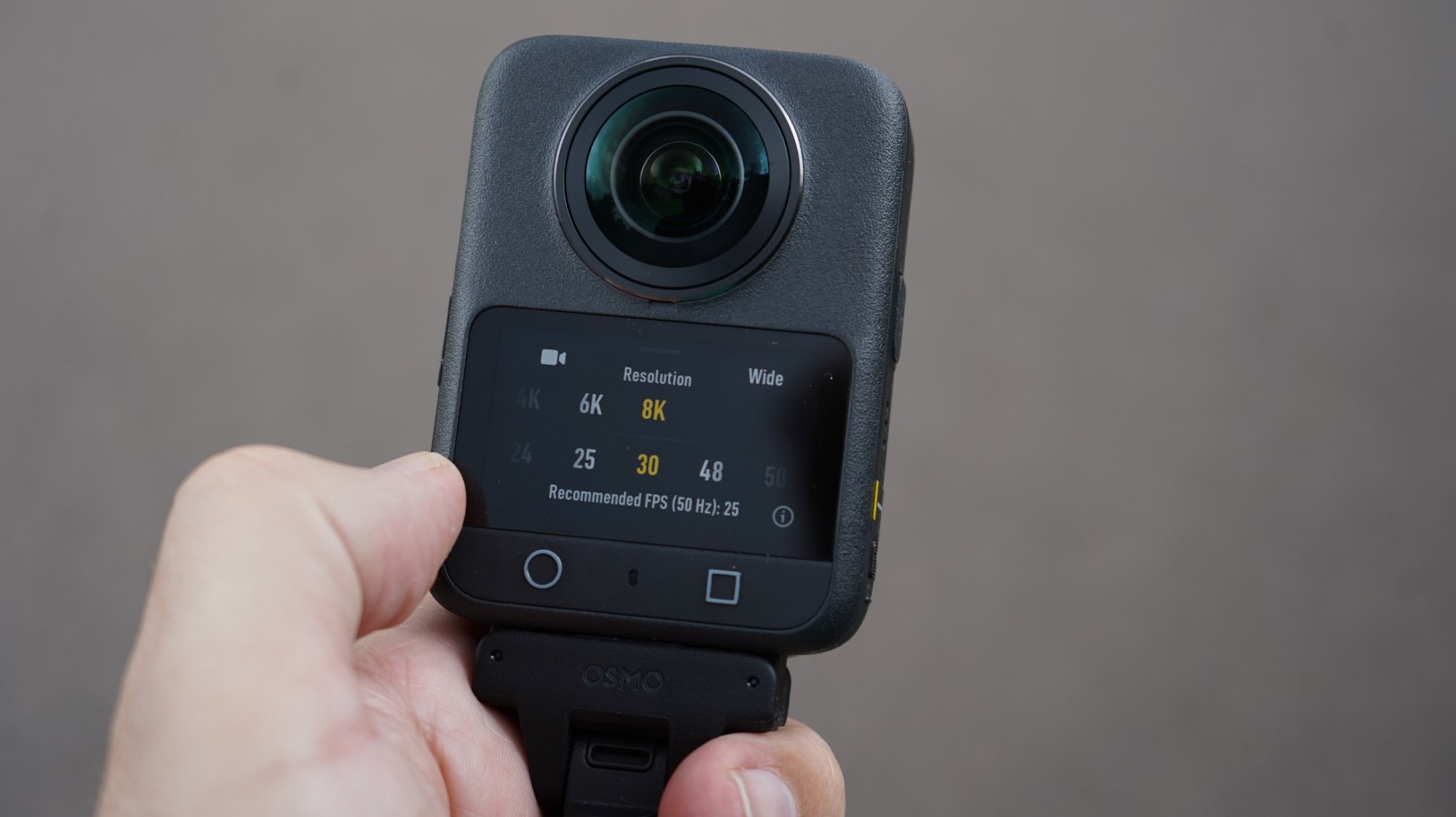
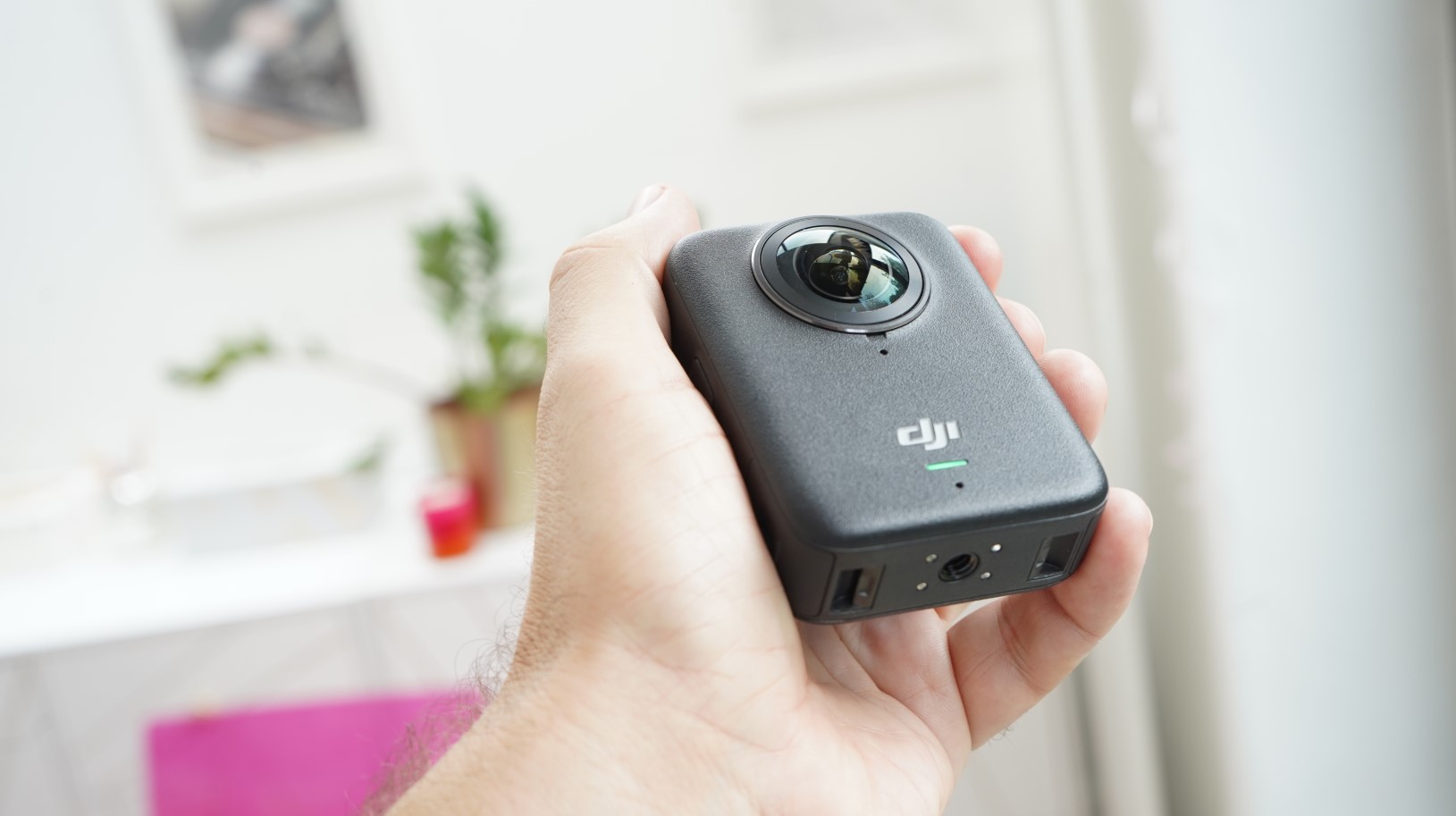
The DJI Osmo 360 presents a slightly bulkier profile at 67×59×42mm and 293g, with smooth rubberized surfaces providing secure grip. The lens protectors protrude noticeably but aren't user-replaceable, meaning scratched lenses require sending the entire unit for service - a concerning limitation for action use. Build quality feels solid with tight seams and a reassuring heft, though the non-removable lens covers make me instinctively more protective during transport.
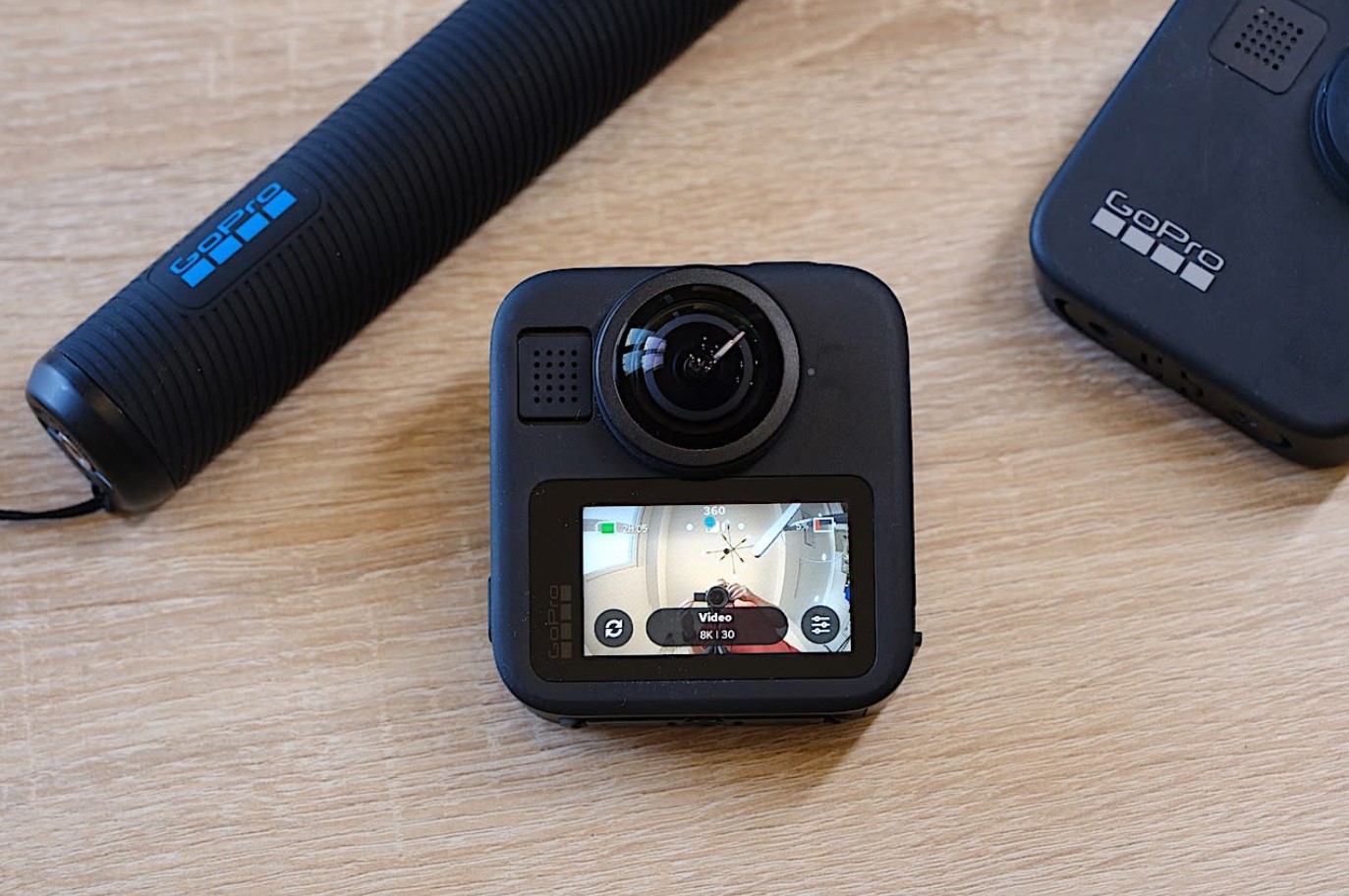
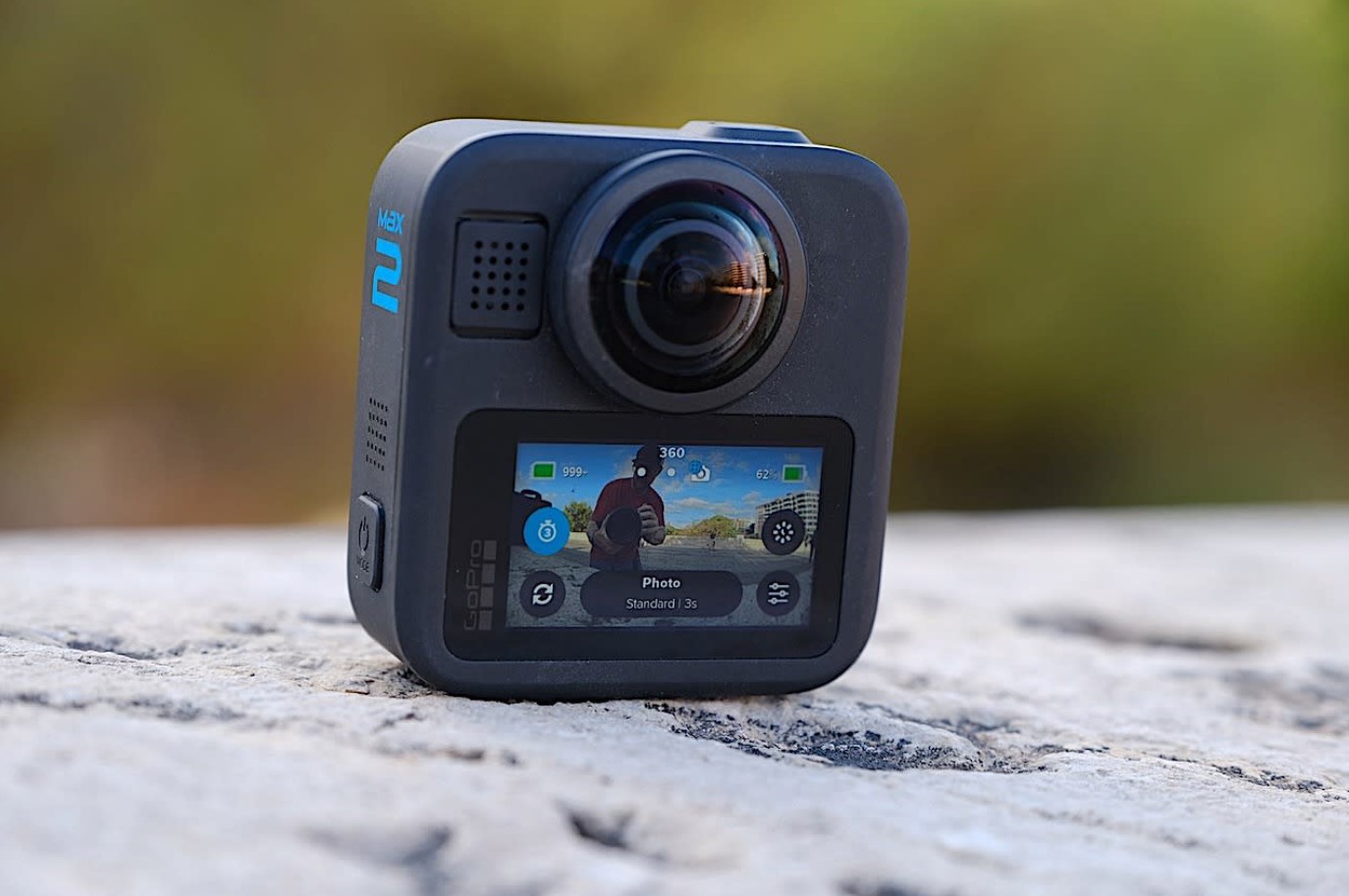
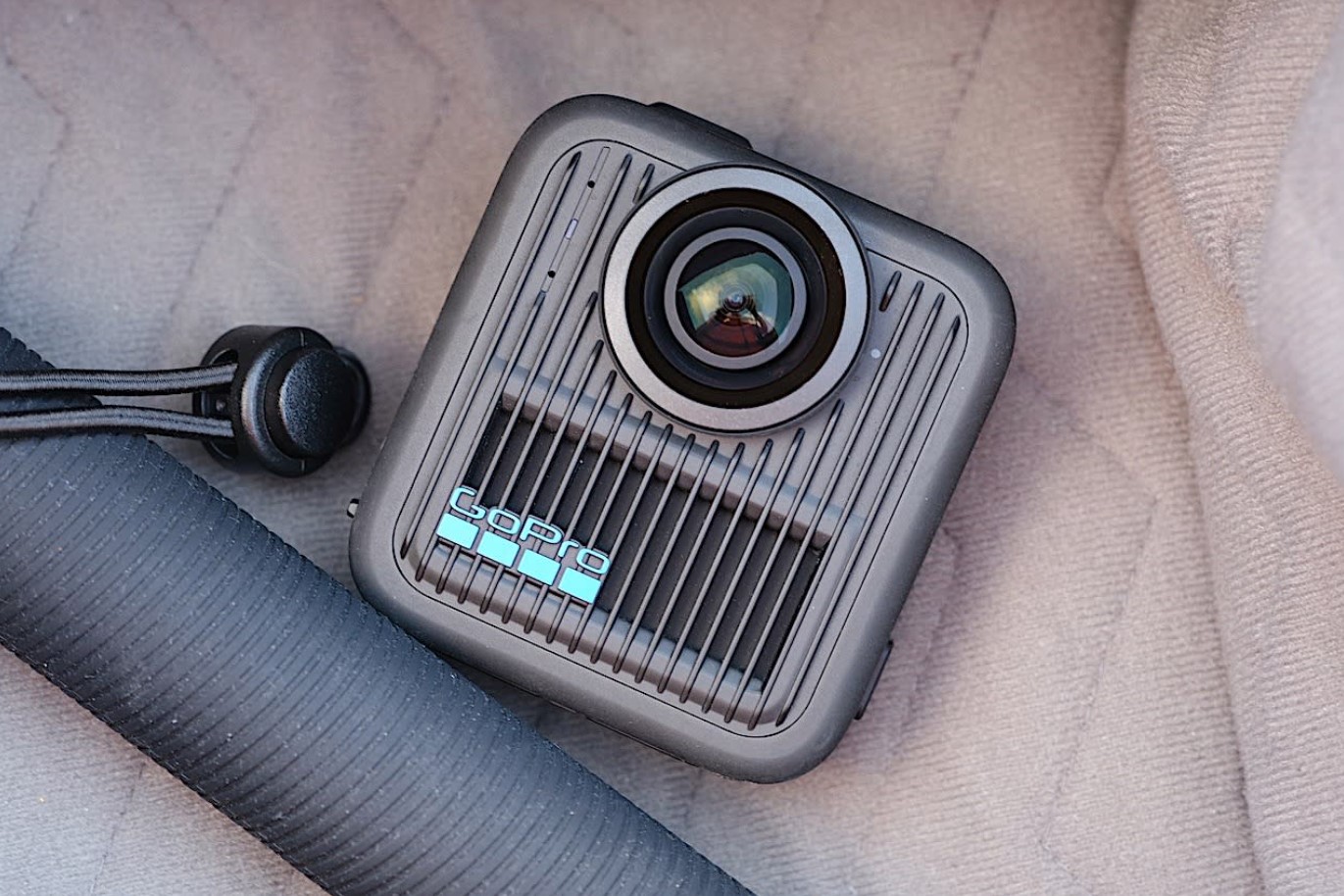
The GoPro MAX 2 embraces the iconic GoPro form factor at 64×69×33mm and just 198g, making it substantially lighter. The genius lies in replaceable lens covers - scratched or damaged lenses swap out in seconds without tools. This design philosophy acknowledges that action cameras get beaten up, transforming potential deal-breakers into minor inconveniences. The textured grip surfaces and slightly more compact profile make the MAX 2 easier to mount in tight spaces like helmet positions or chest harnesses.
Mounting ecosystems heavily favor GoPro. The MAX 2 works with GoPro's massive accessory catalog spanning hundreds of mounts, while DJI's system remains more limited. GoPro's folding fingers integrate seamlessly with their mount system, whereas the Osmo 360 requires adapters for some GoPro accessories. For users with existing GoPro gear, the MAX 2 drops directly into established workflows.
DJI Osmo 360 or GoPro MAX 2: Owner Reviews
Real-world experiences from actual users reveal how these 360° cameras perform across diverse adventures:
DJI Osmo 360 Owner Reviews:
Praises: "The 8K resolution is stunning when viewed in VR headsets - finally enough detail to feel truly immersive. Battery life is phenomenal; I captured an entire day of skiing without swapping batteries, something impossible with my old GoPro."
"The touchscreen interface is intuitive and responsive even with gloves on. Image quality in good lighting rivals much more expensive 360° cameras. The price point makes this accessible for hobbyists like me who want quality 360° without breaking the bank."
***
Drawbacks: "Non-replaceable lens covers are a major concern - I'm constantly worried about scratching them during mountain biking. Low-light performance disappoints compared to GoPro; evening footage shows noticeable noise and lost detail."
"Limited mount compatibility means buying adapters for common GoPro accessories. The camera feels slightly bulkier when helmet-mounted compared to more compact action cameras."
GoPro MAX 2 Owner Reviews:
Praises: "Replaceable lens covers are genius - I've already swapped them twice after crashes with zero downtime. HyperSmooth stabilization is witchcraft; my mountain bike footage looks professionally stabilized without any post-processing."
"The dual screens make solo vlogging effortless - I can frame myself properly without guessing. Waterproofing is genuinely worry-free; I've taken this surfing, kayaking, and in heavy rain without hesitation. Low-light performance significantly improved over the original MAX."
***
Drawbacks: "Battery life is frustratingly short for all-day adventures; I carry three spares for full-day ski trips. The 6K 360° resolution, while good, falls behind DJI's 8K when reframing footage heavily in post-production."
"Price is steep compared to competitors offering similar specs. The smaller sensor shows its limitations in challenging light compared to dedicated cameras."
DJI Osmo 360 and GoPro MAX 2 Alternatives
If neither camera perfectly matches your needs, these compelling alternatives deserve consideration:
- Insta360 X4: High-resolution alternative with 8K/30fps 360° video, 72MP photos, invisible selfie stick effect, and excellent mobile app. Features 5m waterproofing and advanced AI editing tools at competitive pricing.
- Insta360 ONE RS Twin Edition: Modular system with interchangeable 4K action lens and 360° lens, allowing one camera to serve dual purposes. Features boost lens for superior low-light performance and flexible mounting options.
The Insta360 X4 targets users wanting DJI-level resolution with more refined software. Insta360's mobile app delivers genuinely impressive AI-powered editing that automatically finds and highlights action moments. The invisible selfie stick feature creates impossible third-person perspectives that both DJI and GoPro can't match. However, it sacrifices GoPro's ruggedness and requires additional housing for deep water activities.
The Insta360 ONE RS Twin Edition appeals to users wanting maximum flexibility. The modular design lets you swap between traditional 4K action shooting and 360° capture depending on your activity. This versatility makes it ideal for creators who want both shooting styles without carrying two cameras. The boost lens significantly improves low-light performance beyond both competitors. The trade-off is added complexity from managing multiple lens modules and slightly less refined stabilization than GoPro's proven system.
Should You Buy the DJI Osmo 360 or GoPro MAX 2?
After extensive testing across diverse adventures and shooting scenarios, both the DJI Osmo 360 and GoPro MAX 2 deliver exceptional 360° capture capabilities with distinct strengths.
Choose the GoPro MAX 2 if durability and reliability matter most. The replaceable lens covers transform potential disasters into minor inconveniences, while the proven waterproofing and HyperSmooth stabilization deliver worry-free performance in extreme conditions. The massive accessory ecosystem and dual-screen setup make it ideal for serious action sports athletes and content creators who need bulletproof gear. The shorter battery life proves manageable with spare batteries, and the superior low-light performance ensures usable footage in challenging conditions.
Choose the DJI Osmo 360 if maximum resolution and battery life drive your priorities. The 8K 360° recording creates genuinely impressive VR experiences and provides exceptional reframing flexibility in post-production. The extended 180-minute battery life eliminates constant charging anxiety during day-long adventures. The competitive pricing makes it accessible for hobbyists exploring 360° content creation without professional budgets. Just accept the non-replaceable lenses and slightly less refined stabilization as reasonable compromises.
The GoPro MAX 2 represents the safer choice for most action funs. While costing more, the replaceable components, proven durability, and mature ecosystem justify the premium for anyone regularly pushing their gear to the limits. The DJI Osmo 360 serves well as a high-resolution alternative for careful users prioritizing battery life and resolution over ultimate ruggedness. Your choice ultimately depends on whether you value bulletproof reliability or maximum specifications at a lower price point.

Jim's our tech geek with a mission since February 2023. From movies to video projectors, he knows his stuff and aims to make tech work for you. When he's not geeking out, he's there to guide you through making savvy decisions.


