Best Budget Phone Under $300
The sub-$300 smartphone tier has quietly become the most fiercely contested space in mobile, and I've spent several months with the latest entries from Xiaomi, Motorola, realme, Samsung, and TCL to find out what this price point actually gets you in 2025. The honest answer is more than most people expect. AMOLED displays, 45W fast charging, 200MP cameras, and military-grade durability certifications are no longer premium checkboxes - they're features available at prices that used to guarantee compromise on every front.
The five phones in this roundup represent five genuinely different priorities: a camera-forward contender that squeezes flagship-tier specs into a sub-$300 footprint, a drop-rated and waterproof daily phone built for hard use, a 6000mAh battery giant that outlasts every rival in the group, a six-year software update commitment from Samsung, and a display concept borrowed directly from e-reader technology. Each one went through two to three weeks of daily use, camera comparisons across lighting conditions, and sustained performance testing. The goal is to identify which phones earn their price tags in real use and which ones cut corners in the spots that matter most.
If you're in a hurry, here are my top two picks for budget phones under $300:
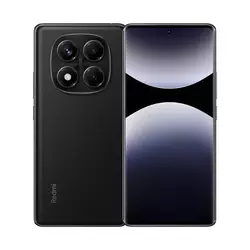
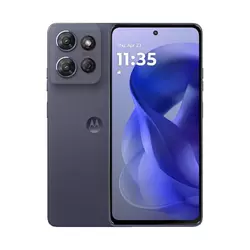
Table of Contents:
- Best Budget Phone Under $300: Buying Guide
- Top 5 Budget Phones Under $300 in 2026
- Budget Phone Under $300 Comparison
- Xiaomi Redmi Note 14 Pro 5G
- Motorola Moto G Power 2025
- realme 14T 5G
- Samsung Galaxy A17 5G
- TCL 60 XE NXTPAPER 5G
- Budget Phones Under $300: FAQ
Best Budget Phone Under $300: Buying Guide

Performance and Chipset
The MediaTek Dimensity 6300 appears in three of the five phones here, and after testing all of them I can say it handles daily use without friction. Social media, streaming, messaging, light multitasking - all of it runs smoothly at 8GB RAM. The performance gap opens under sustained load: extended gaming or simultaneous camera processing will reveal a meaningful advantage in chips that sit a tier above. The Dimensity 7300 in the Redmi Note 14 Pro 5G lands noticeably faster in GPU benchmarks and AI camera processing.
The Exynos 1330 inside the Samsung Galaxy A17 5G debuted in 2022 on the Galaxy A14, which makes it three-year-old silicon by the A17's 2025 launch. Benchmark scores land below every other chip in this group. Samsung pairs that aging chip with a six-year software update commitment that no competitor at this price matches - a direct tradeoff between immediate performance and long-term usability.
For users who game regularly or multitask heavily, the Dimensity 7300 in the Redmi Note 14 Pro 5G and the Dimensity 6300 in the realme 14T 5G and Moto G Power 2025 are the realistic options. The TCL 60 XE NXTPAPER 5G's Dimensity 6100+ sits one step below the 6300, which becomes noticeable when loading graphics-intensive apps. My recommendation for anyone who plays mobile games more than casually: avoid the A17 5G's base 4GB RAM variant entirely, and target at least 8GB on any chip in this tier.
Display Quality
Four of the five phones here use AMOLED technology, which brings deep blacks, accurate color reproduction, and lower power draw at reduced brightness levels compared to LCD alternatives. The Redmi Note 14 Pro 5G claims 3000 nits peak brightness on its 6.67-inch 120Hz panel - a figure I've found accurate in strong outdoor light. The Samsung Galaxy A17 5G uses a Super AMOLED panel running at 90Hz rather than 120Hz, which is a visible step down for anyone coming from a higher refresh-rate screen. For users who don't own a 120Hz device yet, the 90Hz experience on the A17 reads as smooth.
The Moto G Power 2025 is the only phone here using an IPS LCD panel, the sole major display concession in a device that otherwise leads on durability. Colors are less punchy and black levels shallower than the AMOLED options - a gap I noticed most watching content with dark scenes. The TCL 60 XE NXTPAPER 5G is the genuine outlier: its matte anti-glare coating cuts reflections and blue light output significantly, with colors trending muted compared to AMOLED. Direct sunlight is a weakness, but for extended reading, the eye comfort advantage is real.
Battery Life and Charging Speed
Battery capacity across this group runs from 5000mAh to 6000mAh, with the realme 14T 5G holding the clear lead. In my daily testing, the realme was the only phone that ended a heavy day with meaningful charge left - something the 5000mAh phones only achieved at moderate screen time. Both the realme and the Redmi Note 14 Pro 5G reach 45W and include the charger. The Samsung Galaxy A17 5G caps at 25W and ships without one.
Wireless charging is exclusive to the Moto G Power 2025 at this price point. No other phone in this group includes it. For anyone with a Qi charging pad on their desk or nightstand, that convenience factor is worth factoring into the decision alongside the 30W wired ceiling and the IP68/IP69 water resistance rating that comes with the same device.
The TCL 60 XE NXTPAPER 5G takes the longest to charge at 18W, which means roughly two hours for a full fill. That slow charge rate becomes less relevant in Max Ink Mode, where the display's power draw drops dramatically - my testing in reading-heavy use with notifications turned down reached close to five days per charge. For a typical user who recharges every night, 18W is never a practical problem. For a quick top-up before leaving the house, the 45W options from Xiaomi and realme are the correct picks.
Camera System
The 200MP main sensor on the Redmi Note 14 Pro 5G is the most attention-catching camera spec in this roundup, and in daylight it produces noticeably more detailed images than the 50MP sensors on every other phone here. Pixel-binning groups 16 pixels into one for the default 12.5MP output, which captures usable low-light detail that outpaces the competition. The practical difference between 200MP and 50MP shrinks in well-lit conditions and grows in poor light - the Xiaomi sensor holds a clear advantage in indoor and evening shots that I found consistent across weeks of testing.
The Moto G Power 2025 adds an 8MP ultrawide alongside its 50MP main camera - the only device in this group with a dedicated ultrawide other than Samsung's triple-lens array. The Samsung Galaxy A17 5G covers the widest range with 50MP OIS main, 5MP ultrawide, and 2MP macro, though the ultrawide and macro at those resolutions work as compositional tools rather than high-quality imaging hardware. OIS on the A17's main camera is the single most impactful upgrade Samsung made to this generation - it matters more for video stability than any sensor count.
Software Updates and Long-term Value
Software support has become one of the clearest differentiators in the sub-$300 market. Samsung's Galaxy A17 5G commits to six major OS updates and six years of security patches through 2031, a promise that now matches what Samsung's own flagship buyers received a few years ago. For someone who replaces phones infrequently or passes devices down within a family, that window changes the total value calculation more than any hardware spec. The Redmi Note 14 Pro 5G and realme 14T 5G both promise three OS updates. The Moto G Power 2025 and TCL 60 XE NXTPAPER 5G offer just one major update each.
One OS update means a phone reaches software end-of-life while it's still inside the typical two-year replacement cycle for budget buyers. Motorola's single-update commitment on the G Power 2025 is a meaningful long-term weakness in a device that otherwise scores well on hardware. It's worth understanding that tradeoff before purchase, especially when realme offers three updates on a phone in the same price range.
HyperOS on the Redmi Note 14 Pro 5G ships on Android 14 rather than 15, and Xiaomi's background app-kill behavior can delay push notifications from messaging apps. Motorola's software is among the cleanest Android skins at any price - close to stock, fast, and without unnecessary layers - though Motorola has added ads inside first-party apps like Weather, which I find hard to justify. Day to day, Motorola's near-stock Android is the most pleasant experience in this group. Samsung's six-year commitment is the better long-term answer, even if the hardware underneath is not the fastest in the category.
Top 5 Budget Phones Under $300 in 2026
These five phones went through daily use, camera tests, and battery drain sessions to find out which ones earn their price tags.
- 200MP main camera
- 3000-nit AMOLED display
- Gorilla Glass Victus 2
- 45W fast charging
- IP68 water resistance
- IP68/IP69 + MIL-810H
- Wireless charging support
- Stereo speaker quality
- Near-stock Android 15
- 3.5mm headphone jack
- 6000mAh battery capacity
- 45W charging included
- IP68/IP69 dual rating
- 120Hz AMOLED display
- MicroSD expansion support
- 6-year OS update promise
- Gorilla Glass Victus front
- 50MP OIS main camera
- One UI 7 software
- MicroSD slot included
- NXTPAPER anti-glare display
- Physical NXTPAPER Key toggle
- Up to 1-week Max Ink battery
- 32MP selfie camera
- MicroSD up to 2TB
Budget Phone Under $300 Comparison
The specs that matter most: chipset, RAM, charging speed, OS update count.
| Specification | Redmi Note 14 Pro 5G | Moto G Power 2025 | realme 14T 5G | Galaxy A17 5G | TCL 60 XE NXTPAPER 5G |
| Chipset | Dimensity 7300 | Dimensity 6300 | Dimensity 6300 | Exynos 1330 | Dimensity 6100+ |
| RAM | 8GB / 12GB | 8GB | 8GB / 12GB | 4GB / 6GB / 8GB | 8GB |
| Storage | 256GB / 512GB | 128GB | 128GB / 256GB | 128GB / 256GB | 128GB / 256GB |
| Display | 6.67" AMOLED, 120Hz | 6.8" IPS LCD, 120Hz | 6.67" AMOLED, 120Hz | 6.7" Super AMOLED, 90Hz | 6.78" NXTPAPER, 120Hz |
| Peak Brightness | 3000 nits | Unspecified | 2100 nits | 800 nits (HBM) | Unspecified |
| Main Camera | 200MP, f/1.65 | 50MP OIS, f/1.88 | 50MP, f/1.8 | 50MP OIS, f/1.8 | 50MP, f/1.8 |
| Battery | 5110mAh | 5000mAh | 6000mAh | 5000mAh | 5010mAh |
| Charging | 45W wired | 30W wired + Wireless | 45W wired (charger included) | 25W wired (no charger) | 18W wired |
| Water Resistance | IP68 | IP68 / IP69 + MIL-810H | IP68 / IP69 | IP54 | None rated |
| OS at Launch | Android 14 (HyperOS) | Android 15 | Android 15 (Realme UI 6.0) | Android 15 (One UI 7) | Android 15 |
| OS Updates | 3 major | 1 major | 3 major | 6 major | 1 major |
| MicroSD | No | Yes (up to 1TB) | Yes | Yes | Yes (up to 2TB) |
| 3.5mm Jack | No | Yes | No | No | Yes |
| Weight | 190g | 208g | 196g | 192g | 199.5g |
Xiaomi Redmi Note 14 Pro 5G Review
Editor's Choice
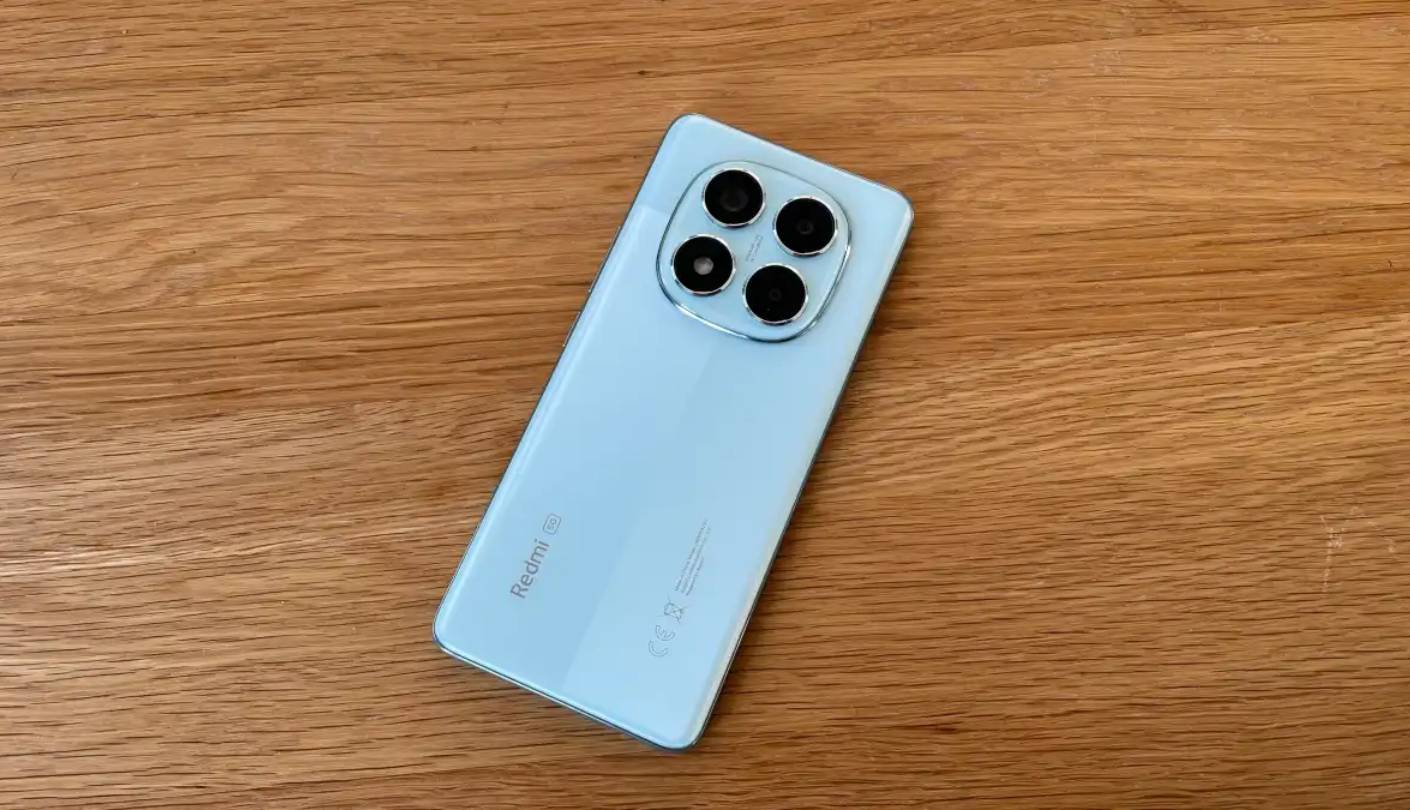
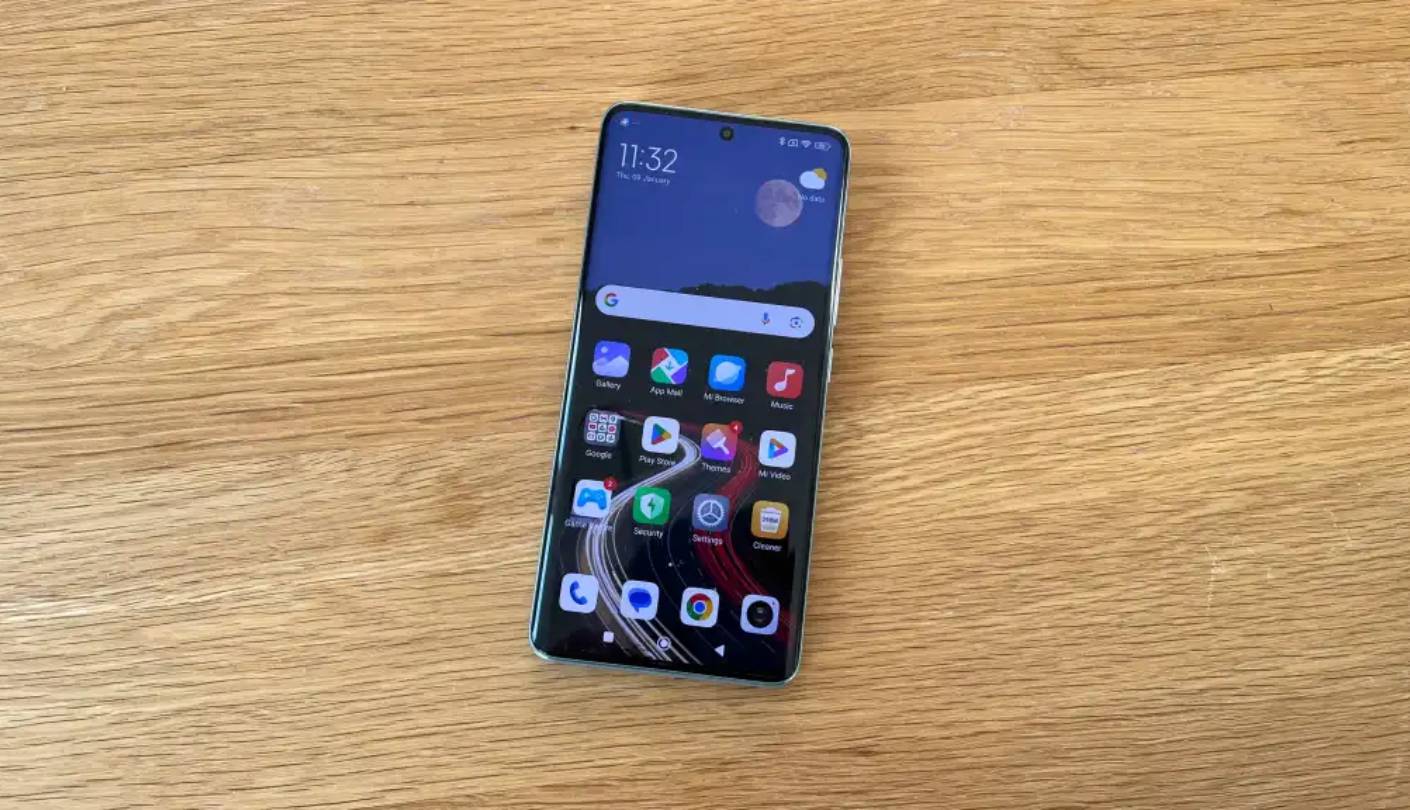
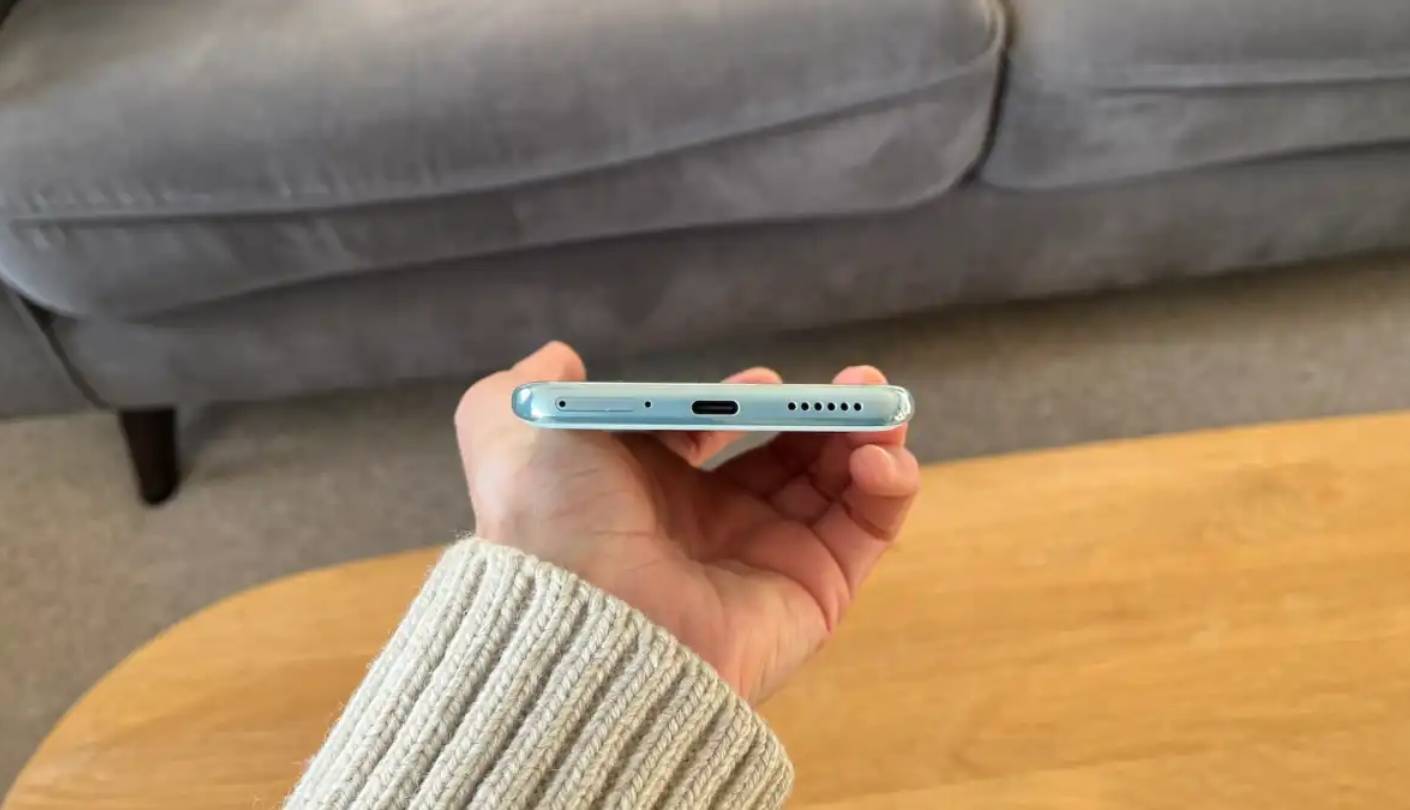
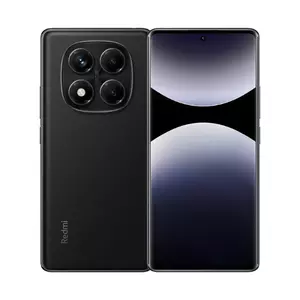
The first thing that strikes you about the Redmi Note 14 Pro 5G is how unlike a sub-$300 phone it looks. Gorilla Glass Victus 2 on the front, an alloy frame, narrow bezels, and a 6.67-inch AMOLED panel that hits 3000 nits peak brightness - this is hardware that would have sat in the $400-plus range two years ago. The 8.4mm profile and 190g weight sit comfortably in hand, and in the Ocean Blue colorway I tested, the finish draws comments that phones at this price rarely earn.
The 200MP main camera is the headline feature, and after extensive testing I can confirm the numbers carry weight beyond marketing. In daylight, the pixel-binned 12.5MP output captures detail that the 50MP sensors on its competitors cannot match - sharpness and dynamic range in particular. Low-light results are the more important difference: the larger sensor area gathers more light and retains structure in shadows where 50MP sensors turn to noise. The main camera records 4K at 30fps with OIS. The ultrawide lens is absent here, which is a real omission for architecture and landscape shots - the only missing piece on an otherwise complete camera package.
The MediaTek Dimensity 7300 handles everything I threw at it without hesitation: hour-long gaming sessions, simultaneous apps, and rapid camera switching all ran faster than on the Dimensity 6300 devices in this group. The UFS 2.2 storage and USB 2.0 port are genuine downgrades for users who transfer files frequently - speeds top out around 30MB/s, slow enough to notice with large video files. In daily phone use, neither limitation surfaces.
The 5110mAh battery with 45W charging tops up in roughly 60 minutes, and in my testing a heavy day - six hours of screen-on time - left 20 to 25 percent remaining. HyperOS ships on Android 14 rather than 15, and background app-kill can delay push notifications. Xiaomi promises three OS updates and four years of security patches, and the charger is in the box.
For someone who wants the best hardware available under $300 and plans to use the phone for two to three years, the Redmi Note 14 Pro 5G is the clearest choice here. The camera leads the category, the display is genuinely premium, and charging speed matches phones at twice the price. The lack of a microSD slot and ultrawide camera are the only real tradeoffs.
Pros:
- 200MP main camera
- 3000-nit AMOLED display
- Gorilla Glass Victus 2
- 45W fast charging
- IP68 water resistance
Cons:
- No microSD slot
- No ultrawide camera
Summary: Redmi Note 14 Pro 5G leads this group on display quality, camera performance, and build materials, making it the strongest all-round hardware choice under $300 for users who prioritize specs over software longevity.
Motorola Moto G Power 2025 Review
Best Overall
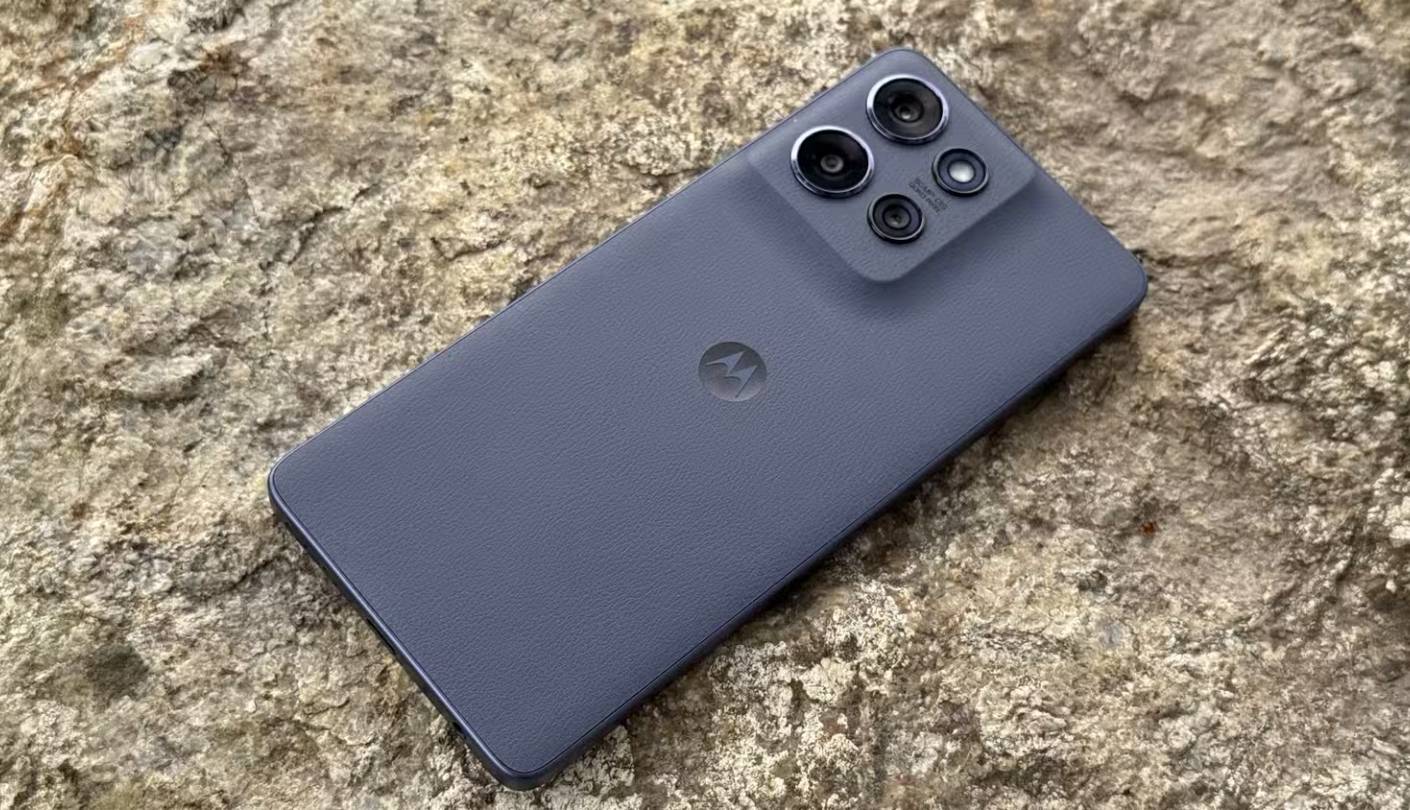
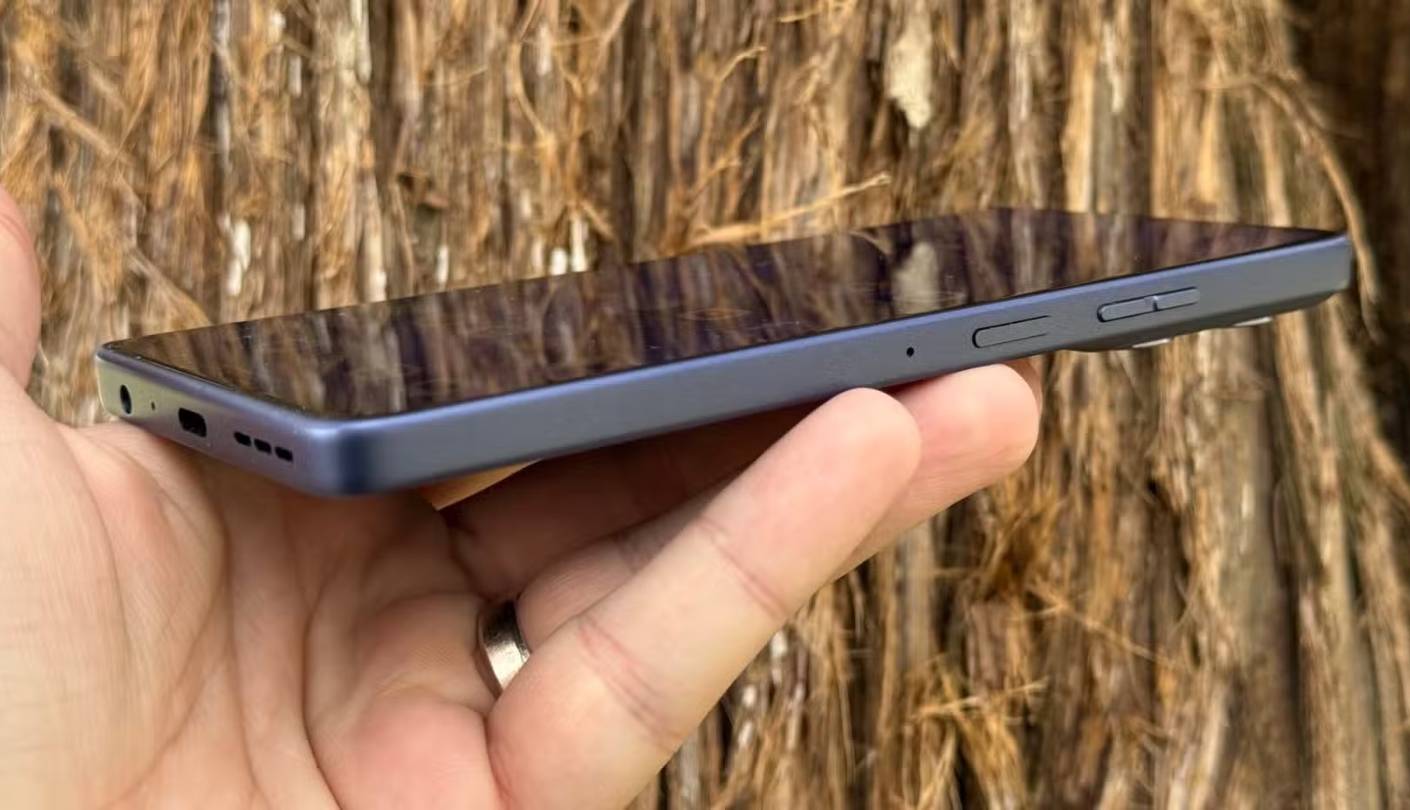
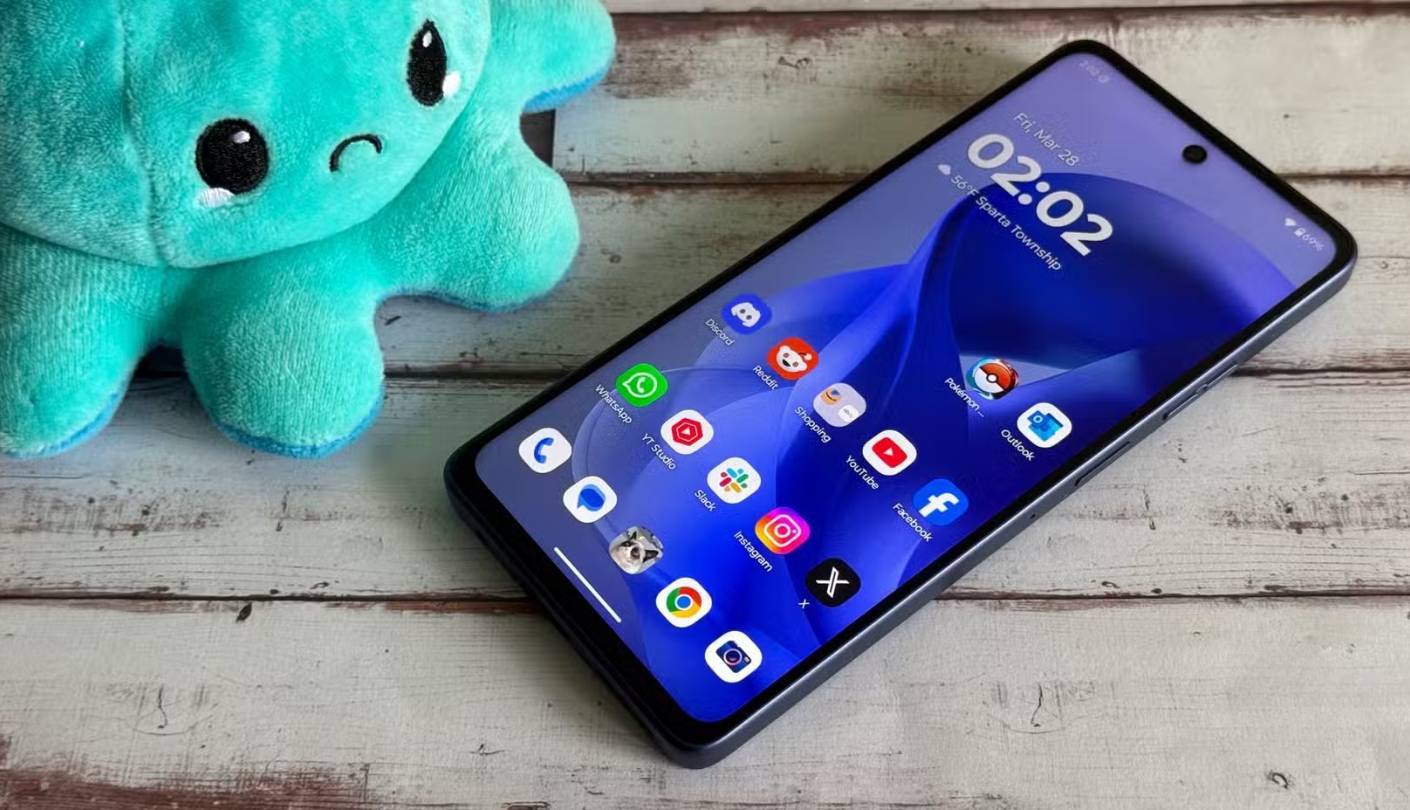
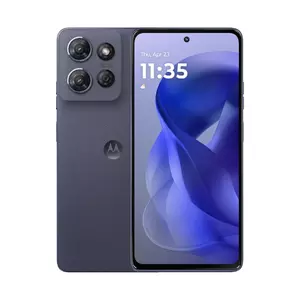
Pick up the Moto G Power 2025 and the vegan leather back immediately sets it apart from every other phone here. The texture is grippy and fingerprint-resistant in a way flat glass backs never manage. Motorola added MIL-STD-810H drop certification alongside IP68 and IP69 for this generation - the most durability-certified phone in this group by a clear margin. I dropped mine from desk height twice during testing without consequence.
The 6.8-inch IPS LCD display at 120Hz is the hardware concession Motorola made to reach the price. Colors are accurate and the high refresh rate keeps navigation smooth, but compared to the AMOLED panels on the Redmi and realme phones in this roundup, blacks look gray and saturation is visibly lower. The gap is most apparent watching video with dark scenes or using the phone at night. The stereo speakers are a genuine strength - Motorola has consistently prioritized audio quality in this line, and the G Power 2025 is louder and better-balanced than any other phone here.
Camera output from the 50MP main sensor is reliable in good light, with natural color tuning that avoids the oversaturation some rivals apply. The 8MP ultrawide is the only one in this group and is most useful for framing wide scenes rather than critical image quality. Low-light performance from both lenses is average - the smaller sensor area relative to the Redmi's 200MP shows in dim conditions. OIS on the main camera keeps video stable during walking shots, the most consistent real-world benefit I found from that hardware addition.
Wireless charging is the G Power 2025's most distinctive feature at this price - no other phone here includes it, and for anyone already running a Qi pad, the daily convenience is immediate. The 30W TurboPower wired ceiling is slower than the 45W on the Redmi and realme, and the charger is sold separately. Battery life from the 5000mAh cell gets through a full day without stress, helped by Motorola's efficient software.
The software is the cleanest Android experience in this roundup - close to stock, responsive, and fast given the Dimensity 6300. The single-update promise is the G Power 2025's most significant weakness against competitors offering three updates at similar prices. Motorola has placed ads inside its Weather app, which is a poor call on paid hardware. For buyers who prioritize durability and wireless charging above display quality and software longevity, this is the right pick.
Pros:
- IP68/IP69 + MIL-810H
- Wireless charging support
- Stereo speaker quality
- Near-stock Android 15
- 3.5mm headphone jack
Cons:
- IPS LCD display only
- One OS update promised
Summary: Moto G Power 2025 wins on durability, wireless charging, and clean software, making it the right pick for buyers who prioritize ruggedness and day-to-day reliability over display quality or software longevity.
realme 14T 5G Review
Battery Champion
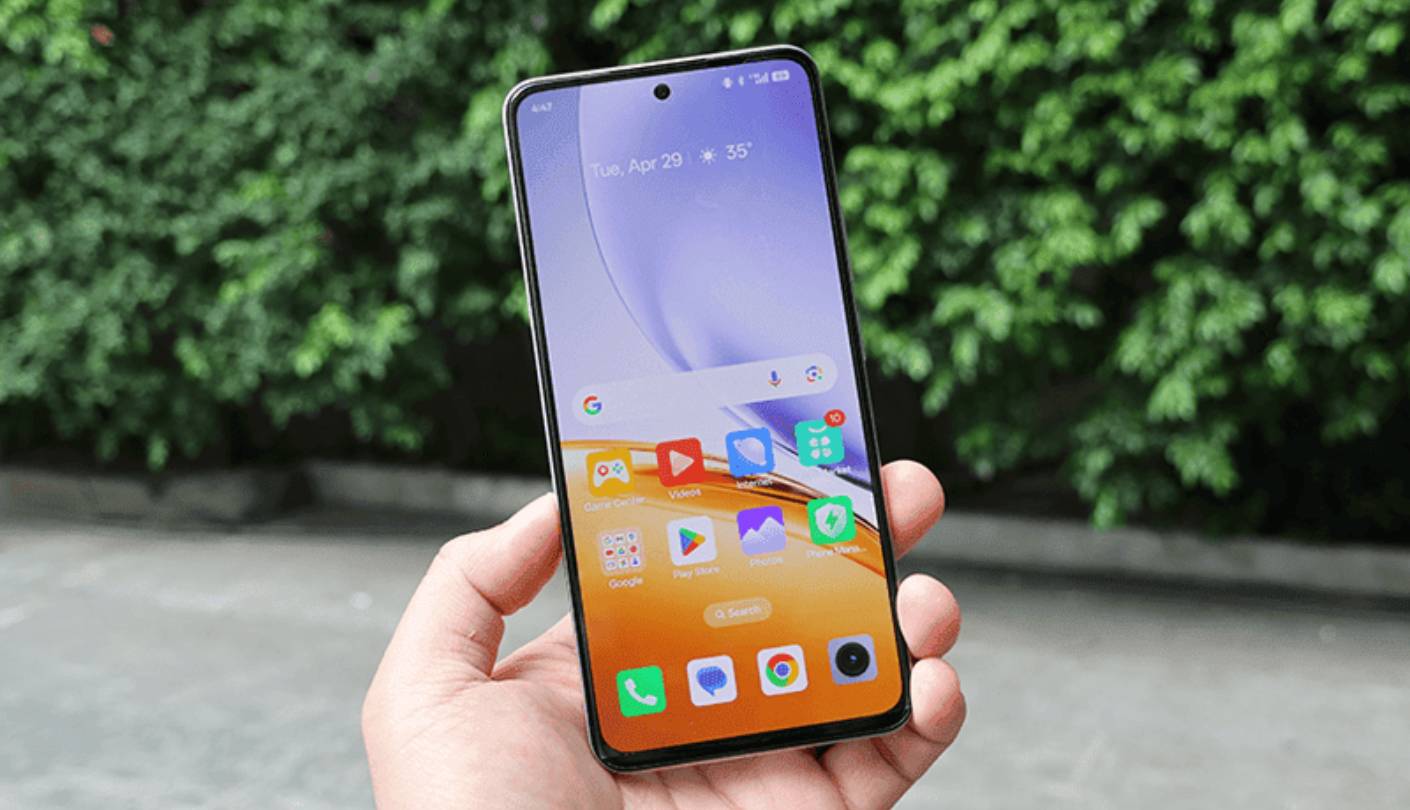
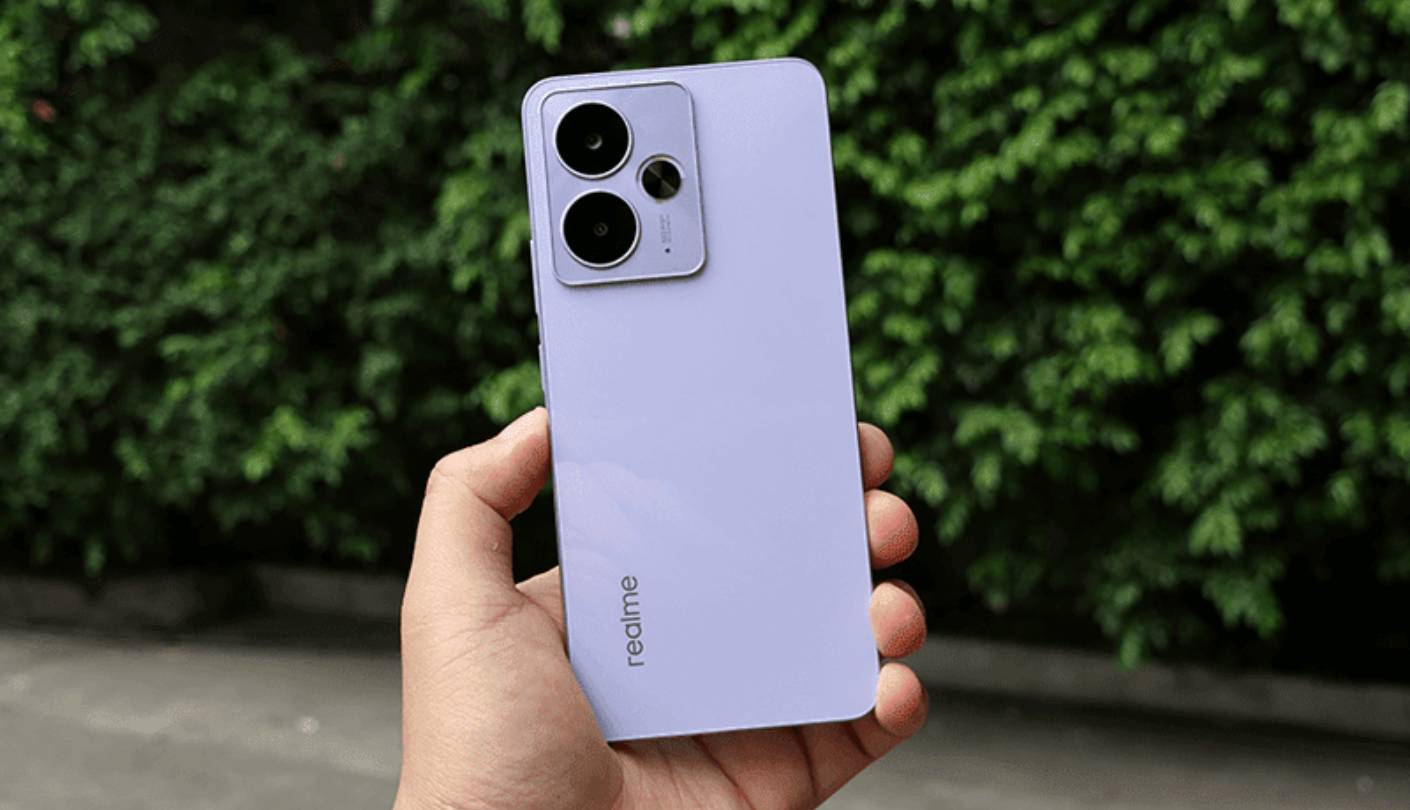
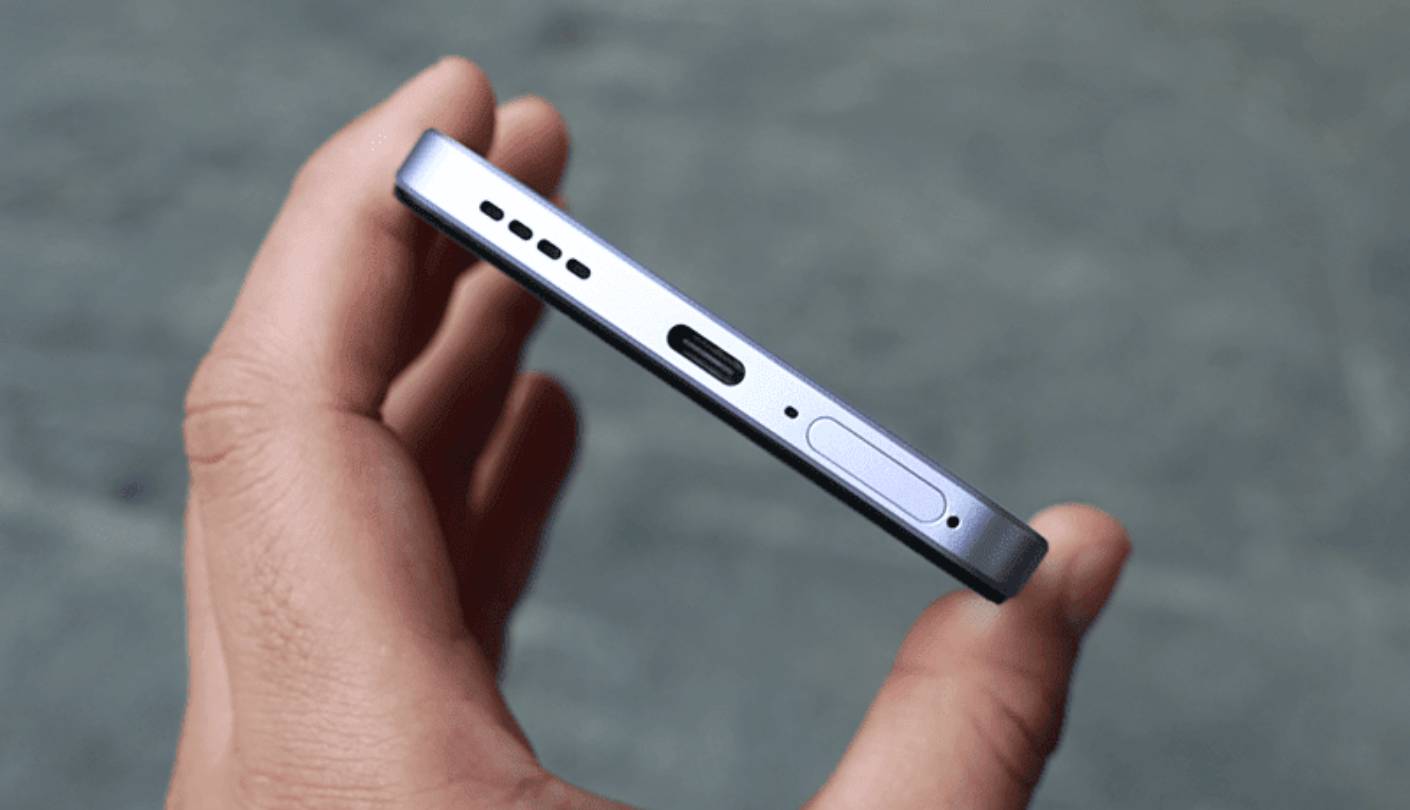
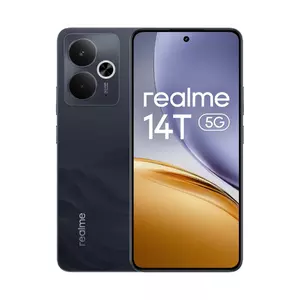
Six thousand milliamp-hours sounds impressive on a spec sheet, and the realme 14T 5G backs it up in practice. In my testing it was the only phone in the group that consistently ended a heavy-use day - six-plus hours of screen time including gaming and video - with over 30 percent charge remaining. Light users stretch easily to two full days. The included 45W SUPERVOOC charger tops the 6000mAh cell from flat in under 70 minutes, and unlike some competitors here, the charger is in the box.
The 6.67-inch AMOLED at 120Hz and 2100 nits peak brightness is the second-strongest screen in this group after the Redmi. Colors are vivid, blacks are deep, and outdoor visibility holds up well. IP68/IP69 dual certification matches the Moto G Power 2025 on water resistance, though the realme lacks the military drop rating. The flat-edge design and well-finished plastic back keep the phone looking current at its price.
realme's dual stereo speakers are a genuine positive - loud, with decent separation across the frequency range, and tuned more accurately than most budget phones I've tested. The fingerprint sensor worked reliably in my testing. The Dimensity 6300 handles daily use without friction, and 8GB/12GB RAM options keep multitasking comfortable. Sustained gaming beyond an hour brings warmth to the back and some frame-rate leveling, but moderate titles run without issue.
The 50MP main camera turns out accurate, well-exposed shots in daylight with natural color tuning. Low light is average - usable but not competitive with the Redmi's larger sensor. Portrait mode edge detection is solid for the price, and the 16MP front camera handles selfies cleanly in good light. Realme UI 6.0 on Android 15 runs smoothly, though it packs in more features than most users will ever touch.
Three OS updates and three years of security patches represent a responsible commitment in this category. The absence of a 3.5mm headphone jack and the lack of an ultrawide camera are the most notable omissions. Against the Moto G Power 2025, the realme 14T 5G wins on battery capacity, display quality, and update support. For buyers whose top priority is making it through the day without charging anxiety, this is the straightforward answer.
Pros:
- 6000mAh battery capacity
- 45W charging included
- IP68/IP69 dual rating
- 120Hz AMOLED display
- MicroSD expansion support
Cons:
- No ultrawide camera
- No headphone jack
Summary: realme 14T 5G leads this group on battery endurance, pairs it with a 120Hz AMOLED display and 45W charging, and backs it with three OS updates - the strongest case for all-day battery buyers at this price.
Samsung Galaxy A17 5G Review
Update Leader
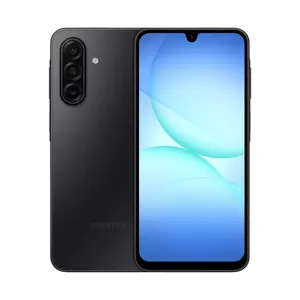
Six years of OS updates at a sub-$300 price is the sentence that defines the Samsung Galaxy A17 5G. Android updates through 2031 means the A17 5G will still receive current software when most competitors in this roundup have been abandoned by their makers. For a family device, a first smartphone, or anyone who upgrades infrequently, that commitment changes the value calculation more than any spec on the sheet.
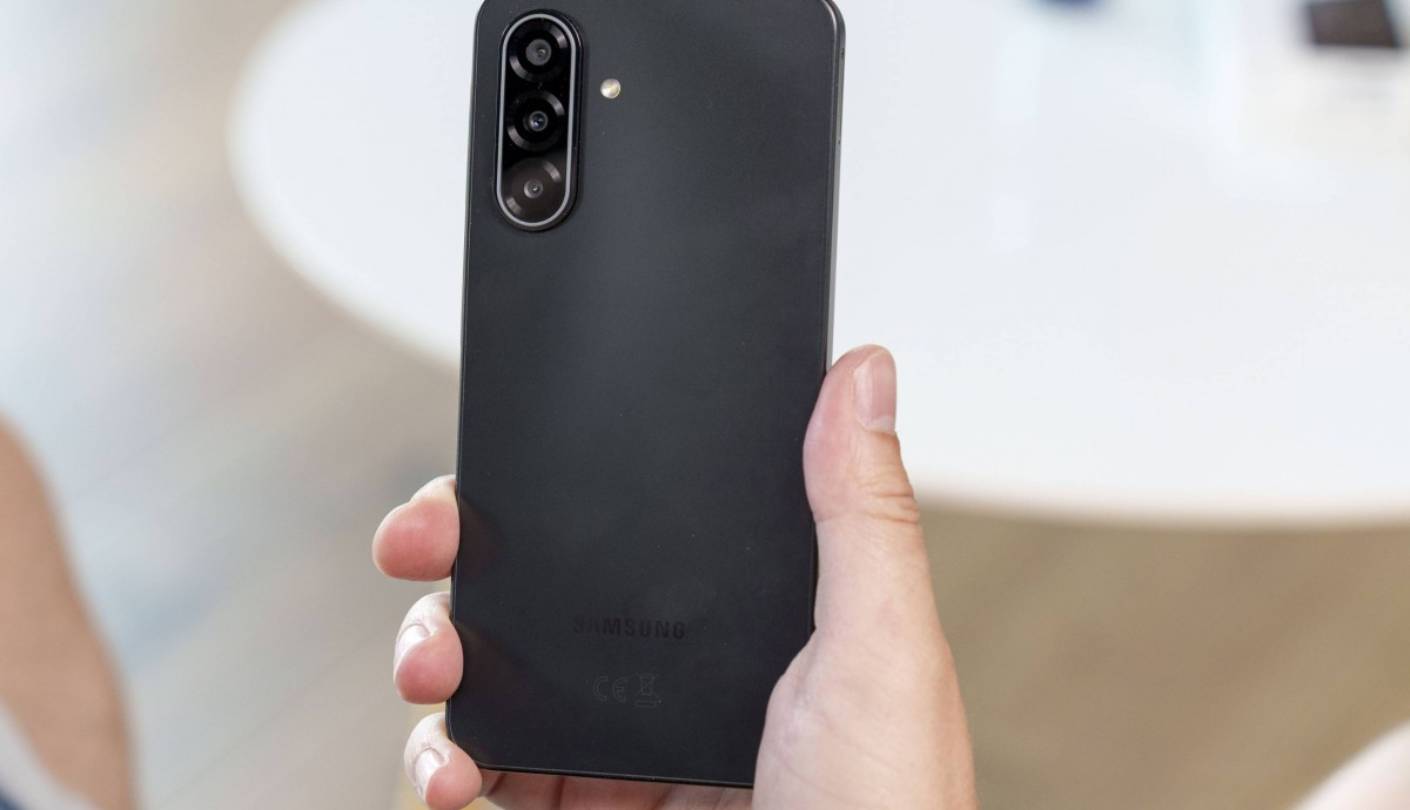
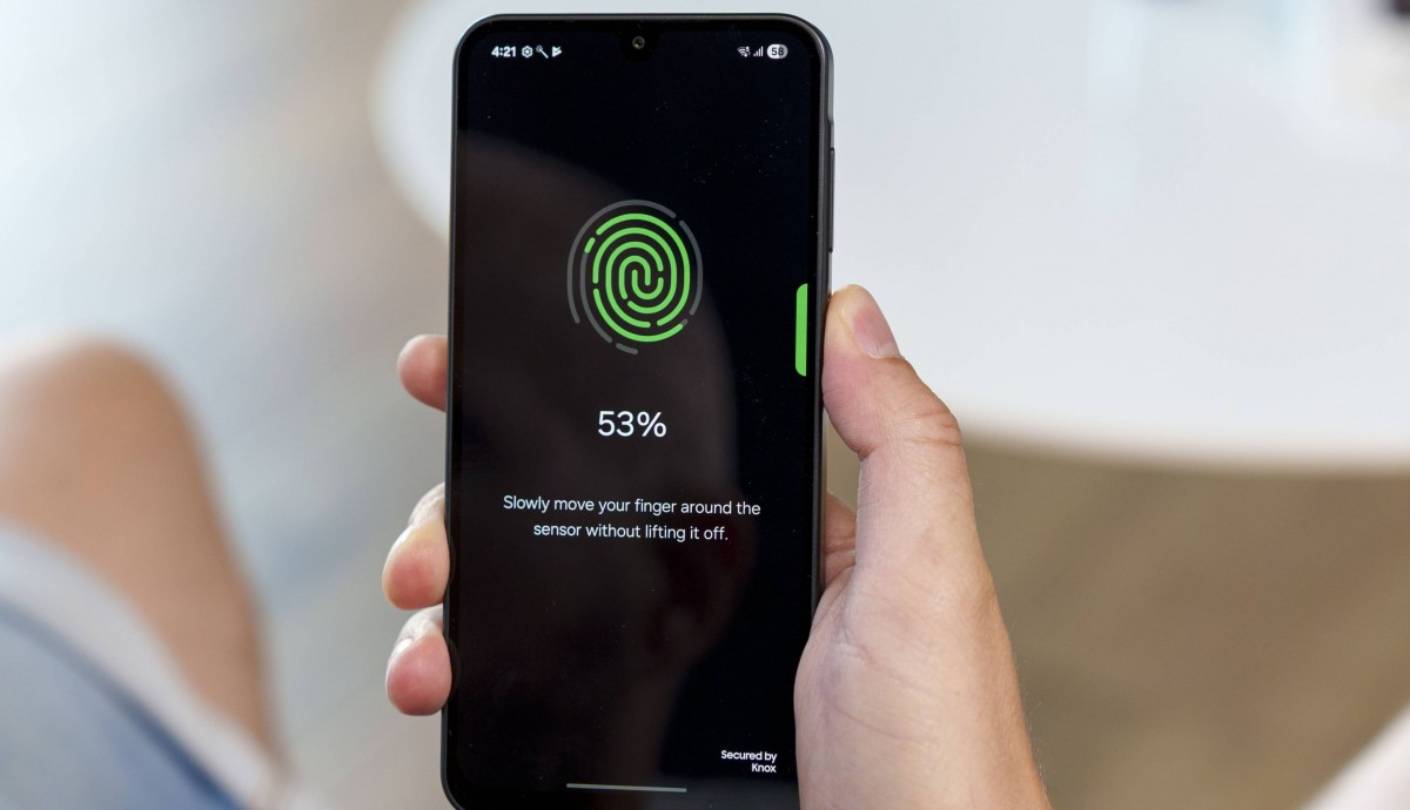
The physical design shows Samsung's refinements over the A16 - a 7.5mm slim profile, Gorilla Glass Victus on the front (a first for the A1x series), and a glass fiber back that shaves a few grams. The Key Island design groups the power and volume buttons in a slightly raised side cluster, which I found useful for one-handed use. IP54 covers splashes and light rain - meaningful protection, though it trails the IP68/IP69 on the Redmi, Moto, and realme phones here.
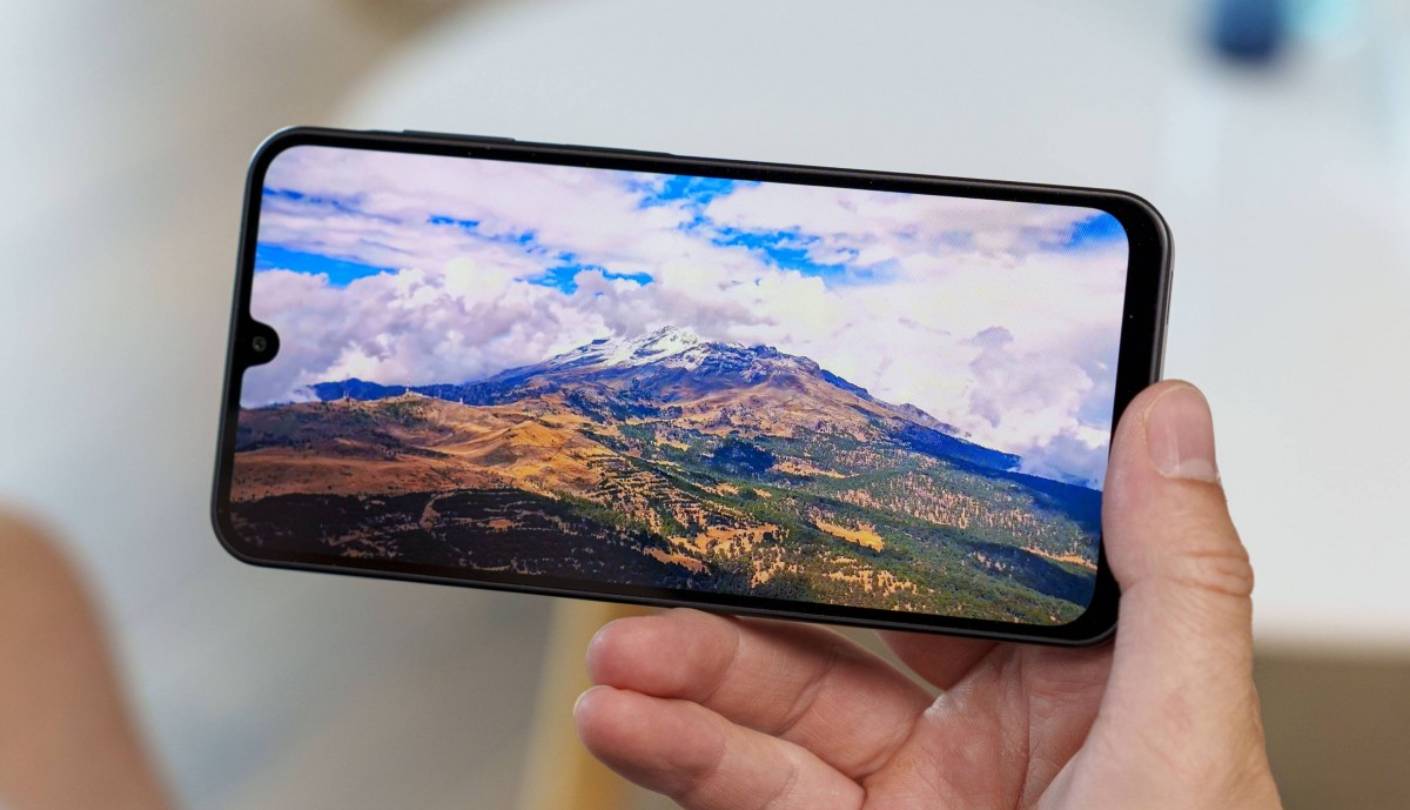
The 6.7-inch Super AMOLED at 90Hz is sharp and vivid, and Gorilla Glass Victus on the front is a genuine material upgrade at this price. The 50MP main camera gained OIS in this generation, which reduces blur in low-light stills by a measurable amount. A 5MP ultrawide and 2MP macro complete the triple-camera system - the ultrawide is useful for social media framing, the macro is more feature than function. Samsung's camera processing turns out predictable, accurate exposures across most conditions.
The Exynos 1330 is the honest weak point. Benchmark scores land below every competing chip here, and in day-to-day use stutters appear during multitasking - particularly on the 4GB RAM US variant. The 8GB global configuration handles the chip more gracefully, and I'd seek that version if available. One UI 7 is polished, well-optimized, and among the better-designed Android skins at any price.
The 5000mAh battery lasts a full day of moderate use and stretches to two days with lighter activity. The 25W charging rate is the slowest wired option in this group, and the charger is not in the box - a frustrating omission. For users who plan to hold this phone for four or five years or hand it down within the family, the A17 5G's six-year update window is the strongest long-term value argument in this roundup.
Pros:
- 6-year OS update promise
- Gorilla Glass Victus front
- 50MP OIS main camera
- One UI 7 software
- MicroSD slot included
Cons:
- Exynos 1330 chip age
- No charger in box
Summary: Samsung Galaxy A17 5G offers the longest software support in this group by a wide margin, making it the strongest long-term value pick for buyers who plan to keep the phone for four or more years.
TCL 60 XE NXTPAPER 5G Review
Eye Care Pick
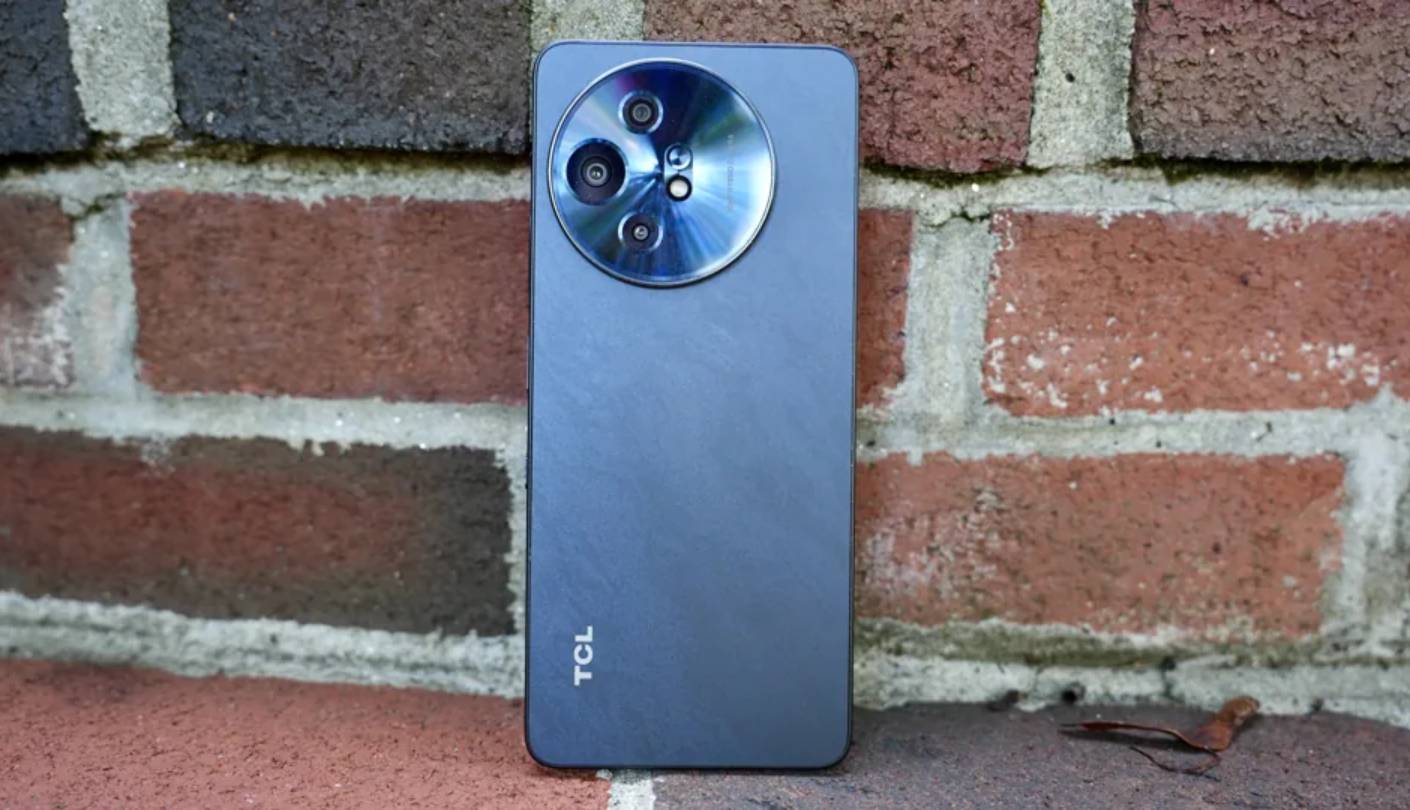
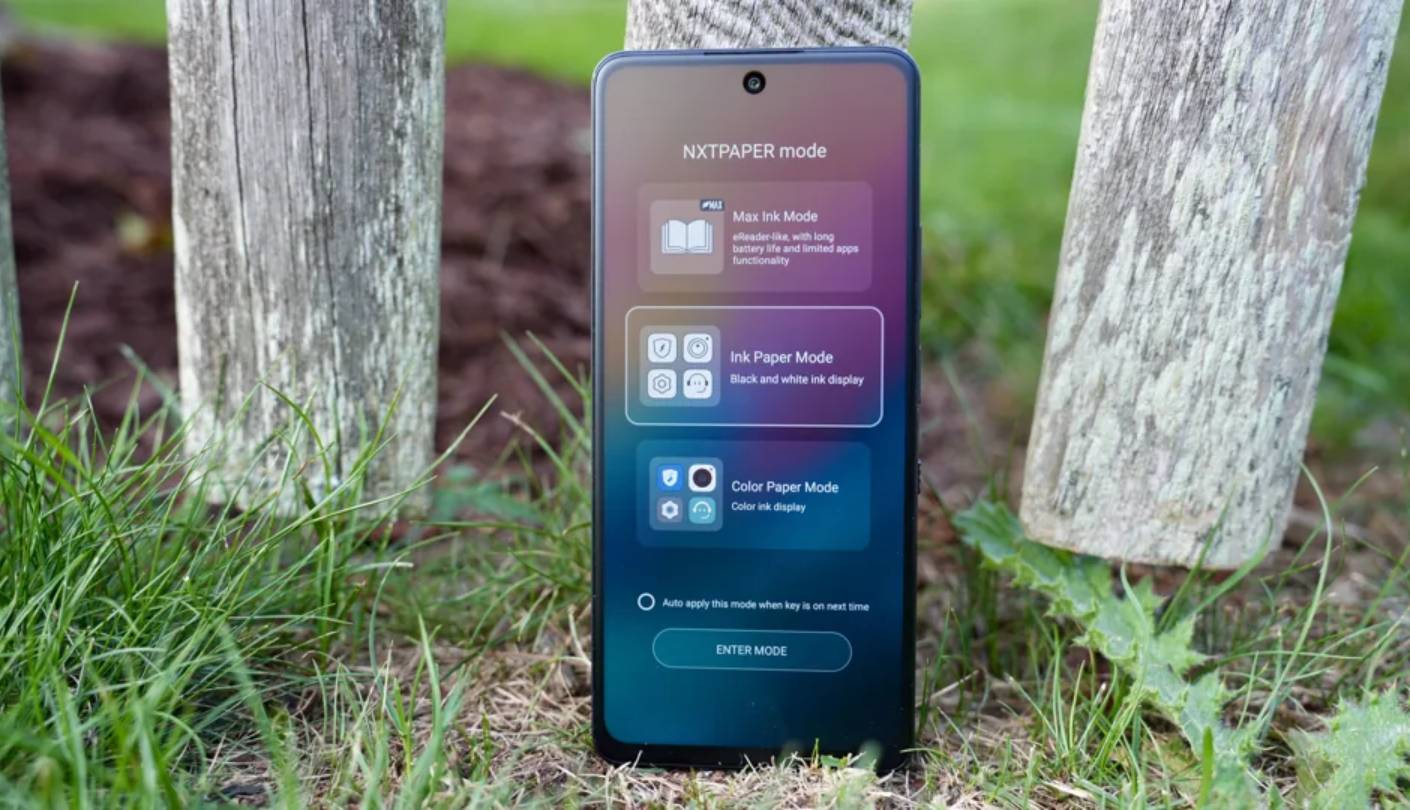
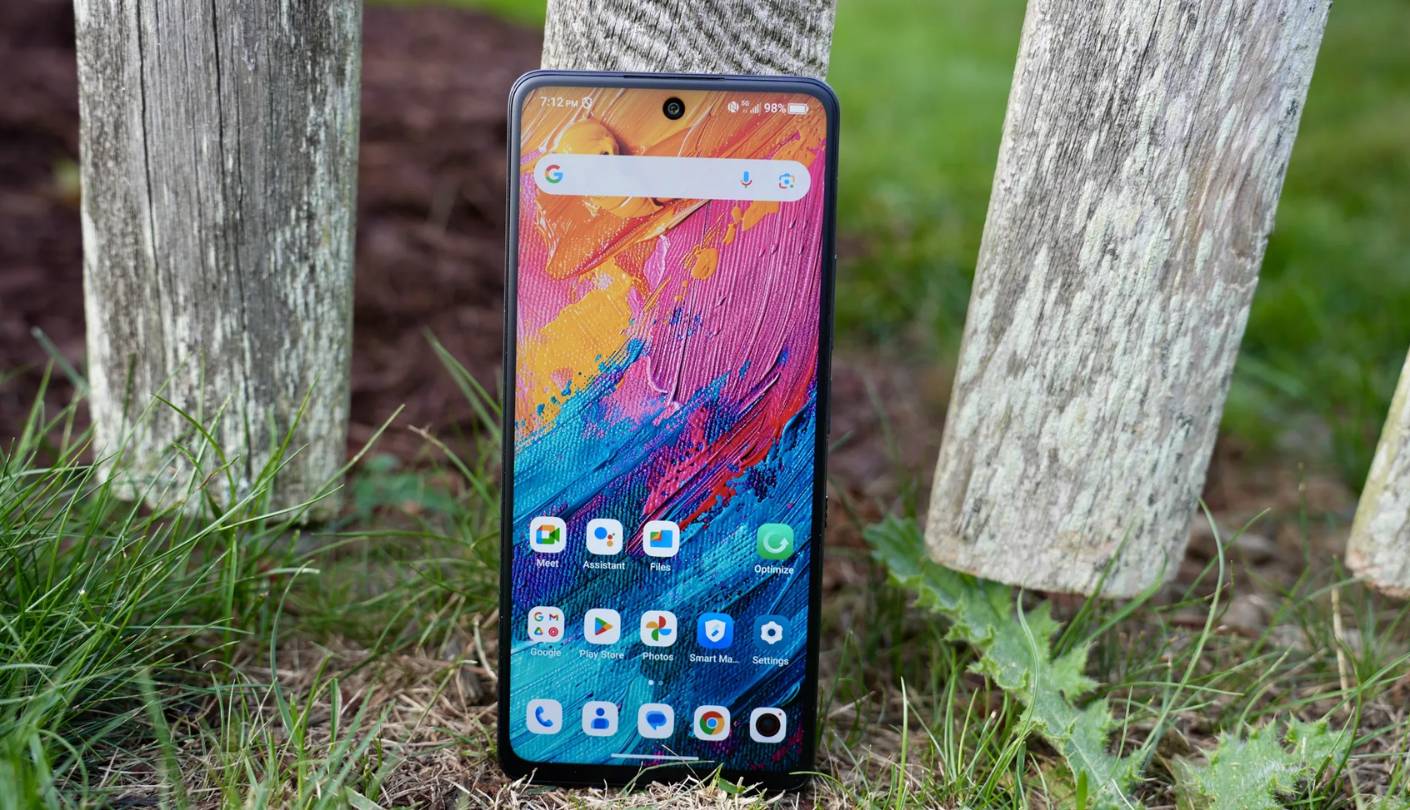
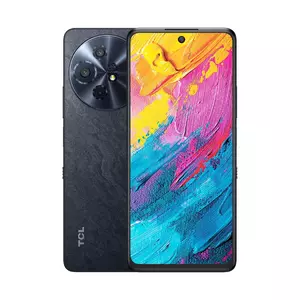
The TCL 60 XE NXTPAPER 5G opens a conversation that no other phone in this roundup is having. Its NXTPAPER 3.0 display uses a multi-layer anti-glare coating that reduces surface reflections dramatically, filters 61% more blue light than a standard smartphone panel, and feels different under your fingertips - more matte, almost papery. The first time I picked it up I assumed a screen protector had been applied. Spend a few hours reading on it and the eye comfort difference compared to a standard AMOLED is genuinely noticeable, especially in low-lit evening sessions.
The NXTPAPER Key is a physical toggle on the side frame - solid in construction, similar to the alert slider on older OnePlus phones - that cycles through four display modes: standard, Ink Paper (monochrome), Color Paper (warm muted tones), and Max Ink (full e-reader mode). In Max Ink Mode, the screen's power draw drops dramatically, and TCL's claim of up to a week of battery life in this mode holds up for reading-focused use. My own testing reached close to five days with notifications turned down. For someone replacing a Kindle and a smartphone with a single device, the value proposition is real.
Outside the display, the TCL 60 XE NXTPAPER 5G asks for measured expectations. The Dimensity 6100+ handles messaging, browsing, streaming, and light gaming without complaint, but it trails the 6300 and 7300 devices under sustained load. The 8GB of RAM keeps multitasking stable. The matte plastic back avoids fingerprints, the flat-edge design is current, and the 3.5mm headphone jack is a welcome inclusion that most rivals have quietly dropped.
The triple-camera system - 50MP main, 5MP ultrawide, 2MP depth - is functional in daylight and underwhelming in low light. Color tuning leans natural rather than saturated, which aligns with the phone's overall philosophy of reduced visual intensity. The 32MP front camera is the strongest selfie shooter in this group in well-lit conditions. Outdoor visibility in direct sunlight is the NXTPAPER display's weakest point: the matte coating that eliminates reflections in most situations loses to a glossy screen at peak outdoor brightness.
The 18W charging ceiling and single promised OS update are the two specs most likely to frustrate over time. A full fill takes close to two hours, manageable for overnight charging but slow for a midday top-up. Android 15 ships at launch with one major update promised. A 3.5mm jack, microSD up to 2TB, and a price that undercuts every other phone in this group offset some of those limits. For readers and eye-strain-sensitive users, there is no competing option in the US market at any price.
Pros:
- NXTPAPER anti-glare display
- Physical NXTPAPER Key toggle
- Up to 1-week Max Ink battery
- 32MP selfie camera
- MicroSD up to 2TB
Cons:
- 18W charging only
- One OS update promised
Summary: TCL 60 XE NXTPAPER 5G is the only phone in this group - or any US price tier - with a physical NXTPAPER Key and true e-reader display modes, making it the right pick for readers and eye-strain-sensitive buyers.
Budget Phones Under $300: FAQ

Is a budget phone under $300 worth buying in 2026?
Yes, and more convincingly than in previous years. The phones in this roundup include 120Hz AMOLED displays, 200MP cameras, 45W fast charging, IP68/IP69 water resistance, and six-year software update commitments - hardware and software features that required a much higher budget two years ago. The tradeoffs are real: chipset performance, charging speed, and update longevity vary widely within the category. For the majority of daily use cases including social media, photography, streaming, and communication, every phone in this group is more than adequate.
Which chip is best in budget phones under $300?
The MediaTek Dimensity 7300 in the Redmi Note 14 Pro 5G leads the group in both CPU and GPU benchmarks. The Dimensity 6300, found in the Moto G Power 2025 and realme 14T 5G, sits one tier below but handles daily tasks competently. The Dimensity 6100+ in the TCL 60 XE NXTPAPER 5G is adequate for non-gaming use. The Samsung Exynos 1330 in the Galaxy A17 5G produces the lowest benchmark scores in the group and is most limiting on the 4GB RAM variant sold in the US market.
Do any budget phones under $300 have wireless charging?
Only one: the Motorola Moto G Power 2025. Wireless charging at this price remains rare, and its inclusion here is a real differentiator. The wired ceiling is 30W - not the fastest in this group - but the wireless option pays off immediately for anyone with a Qi pad already in use. Every other phone here charges via USB-C only, ranging from 18W on the TCL to 45W on the Redmi and realme.
Which budget phone under $300 has the best camera?
The Xiaomi Redmi Note 14 Pro 5G, by a clear margin. Its 200MP main sensor captures more detail and handles low light better than the 50MP sensors on every other phone here. The main tradeoff is no ultrawide lens - the Moto G Power 2025 is the only phone in this group that has one. For video, OIS on the Redmi and Samsung A17 5G stabilizes handheld footage. For stills across the widest conditions, the Redmi leads.
Which budget phone under $300 has the longest software support?
The Samsung Galaxy A17 5G, by a significant margin. Samsung promises six major OS updates and six years of security patches through 2031. The Redmi Note 14 Pro 5G and realme 14T 5G promise three OS updates each. The Moto G Power 2025 and TCL 60 XE NXTPAPER 5G promise just one. Software longevity matters most for buyers who hold phones for three or more years or want protection against security vulnerabilities beyond the early ownership period.
How does IP68 differ from IP54 in a budget phone?
IP68 means the phone can be submerged in up to 1.5 meters of water for 30 minutes under lab conditions. IP54 covers dust resistance and water splashes from any direction - not submersion. In practical terms, IP68 survives drops in sinks or shallow water, IP54 handles rain and incidental splashes. Three phones here carry IP68 or better (Redmi, Moto, realme), the Samsung A17 5G carries IP54, and the TCL 60 XE NXTPAPER 5G has no water resistance rating.
Is 128GB storage enough for a budget phone?
For most users, yes - especially on phones with microSD expansion. The Redmi Note 14 Pro 5G and realme 14T 5G start at 256GB, removing storage pressure entirely. The Moto G Power 2025 starts at 128GB but accepts microSD up to 1TB, and the TCL supports up to 2TB. If you shoot 4K video regularly or keep large offline libraries, target 256GB internal or confirm microSD support before purchasing.
Can budget phones under $300 handle mobile gaming?
Casually, yes. Every phone in this group runs titles like PUBG Mobile and Asphalt Legends at medium settings without major issues. Sustained gaming beyond an hour will trigger throttling on the Exynos 1330 and Dimensity 6100+ devices as they manage heat. The Dimensity 7300 in the Redmi Note 14 Pro 5G handles sustained loads better than any other chip in this group. None of these phones is designed for serious mobile gaming - users who prioritize gaming should look at the Poco X7 Pro or similar gaming-focused options at a similar price.
Choosing the Right Budget Phone Under $300
After testing all five phones over several weeks, I keep coming back to the same three-question framework: how long you plan to hold the phone, how much battery endurance matters to your routine, and whether a specific feature - display type, drop certification, or wireless charging - shifts the decision. Those questions sort this group faster than any benchmark.
For the best all-round hardware at this price, the Redmi Note 14 Pro 5G leads - its 200MP camera, 3000-nit AMOLED, and Dimensity 7300 are the strongest hardware combination here. For battery life above everything else, the realme 14T 5G's 6000mAh cell with 45W charging sets the standard. The Moto G Power 2025 wins on durability and is the only phone here with wireless charging.
The Samsung Galaxy A17 5G is the correct answer for anyone who measures value in years rather than specs. And for readers, commuters, or anyone who wants their phone to be easier on the eyes, the TCL 60 XE NXTPAPER 5G is doing something no other phone at any US price matches.

Jim's our tech geek with a mission since February 2023. From movies to video projectors, he knows his stuff and aims to make tech work for you. When he's not geeking out, he's there to guide you through making savvy decisions.


