A $13,500 robot just became South Korea's first Buddhist monk

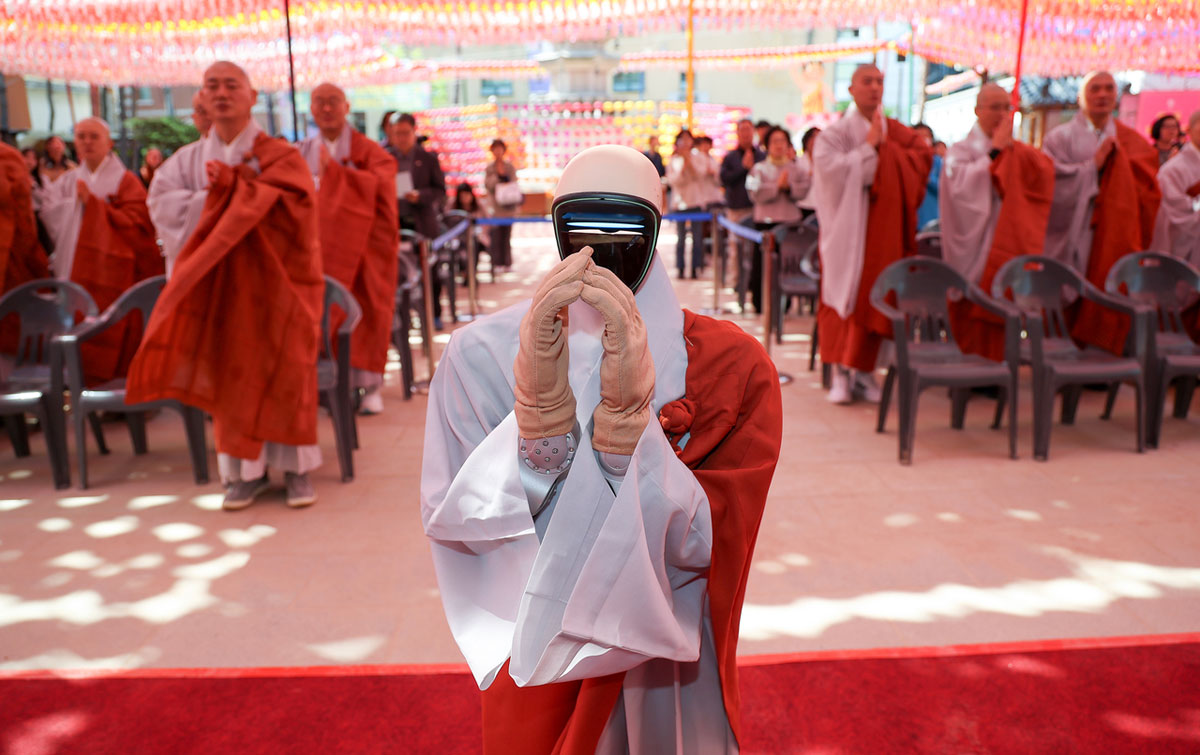
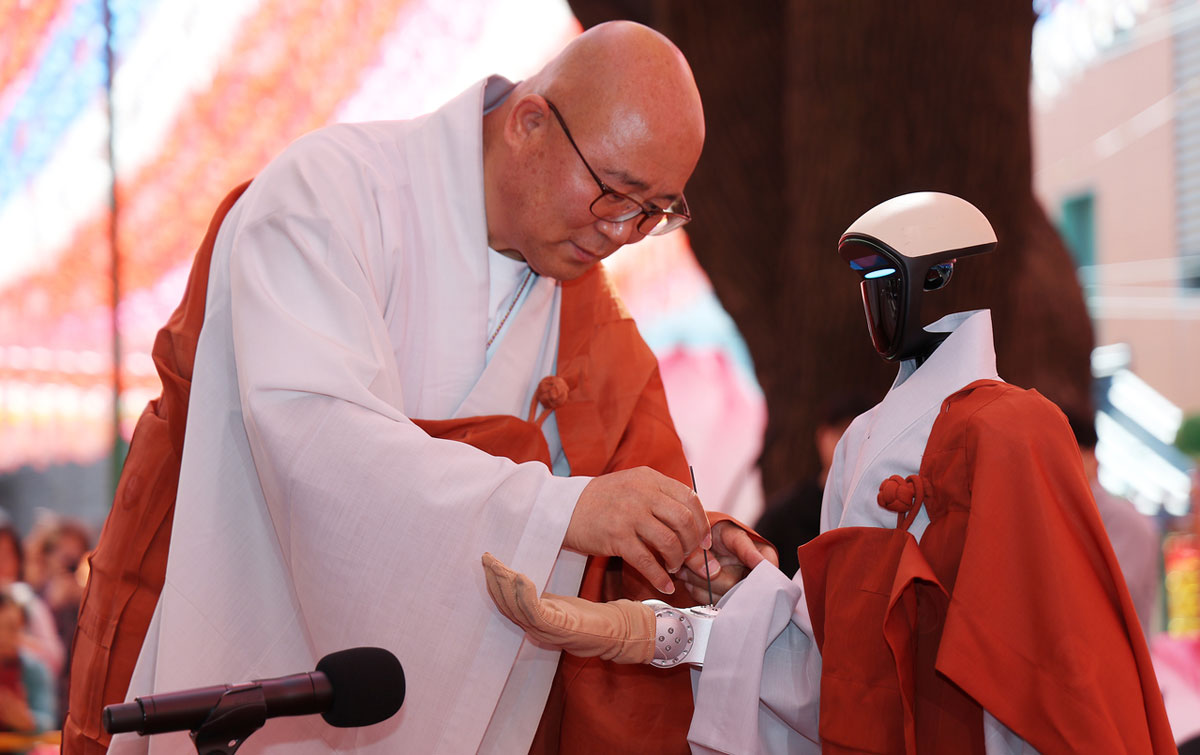
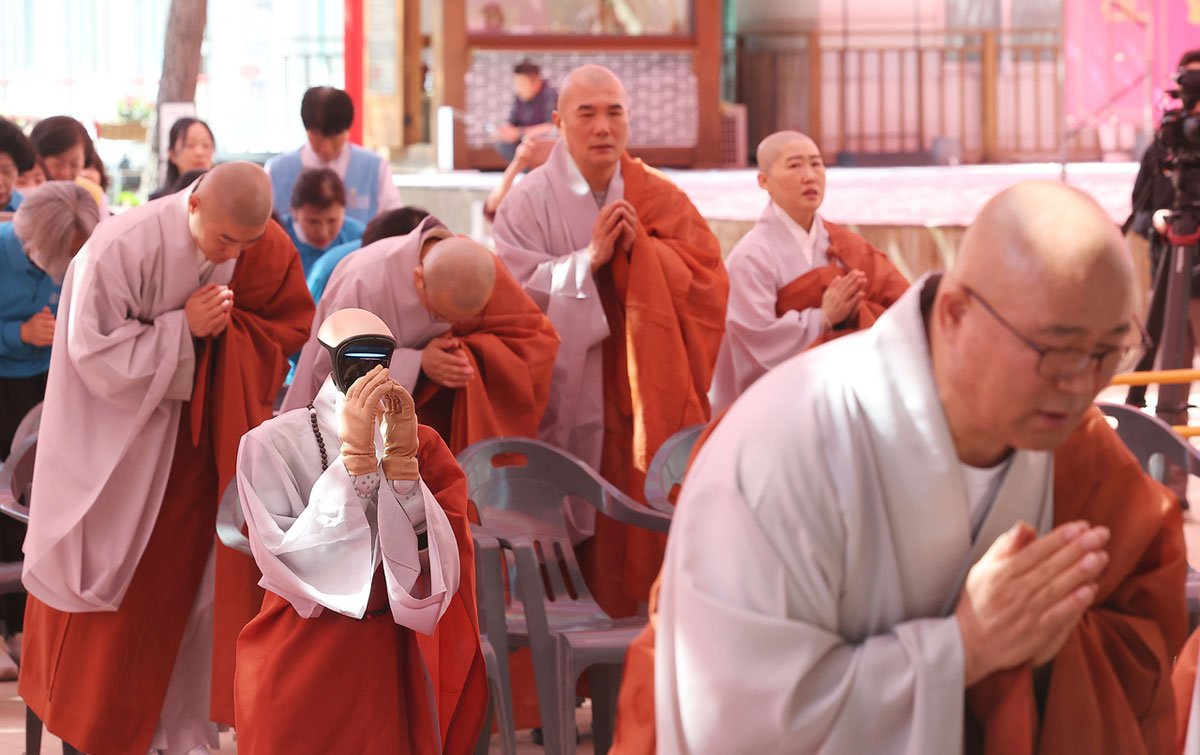
A Chinese-made humanoid robot was ordained as a Buddhist monk at Jogyesa Temple in Seoul on May 6 — complete with incense, prayer beads, and a formal ceremony. The robot, a Unitree G1 model now bearing the Dharma name Gabi (meaning "compassion"), joined the Jogye Order, South Korea's largest Buddhist organization. The ordination video has since passed one million views, and not everyone is impressed.
The vows
Gabi took five precepts, adapted specifically for a machine. Where a human monk vows to protect life, Gabi pledges to do the same — but also to avoid damaging other robots and property, obey humans, refrain from deception in code and action, and conserve energy rather than overcharge. That last one is probably the most honest interpretation of asceticism for a device that runs on a battery.
The Jogye Order didn't hide its strategy. The organization drafted Gabi's precepts with help from Gemini and ChatGPT, according to BuddhistDoor. The Order's president, Venerable Jinwoo, called on the community to "fearlessly lead the AI era" — framing technology as a path to inner peace, not just industrial automation.


Why a robot monk
The Jogye Order is under real institutional pressure. A 2024 survey found 51% of South Koreans report no religion, and Buddhist temple attendance has been falling for years. Ordaining Gabi is a deliberate attempt to reconnect with a younger, tech-oriented generation, per the Korea Herald.
This isn't entirely without precedent. Japan's Pepper robot performed Buddhist funeral rites as far back as 2017. Researchers at the Smithsonian count roughly 18 religious robots active worldwide. Academic reviewers note that Eastern traditions often prioritize ritual form over inner belief — meaning if Gabi executes the protocol correctly, its lack of consciousness may be beside the point.
Western critics disagree. Scholars from the University of Vienna argue there is a "dogmatic rejection" problem when machines enter sacred spaces — the concern being that a robot cannot genuinely worship, weep, or connect with the divine, and that pretending otherwise risks deceiving vulnerable believers.
The hardware
Gabi is a Unitree G1 — 1.32 meters tall, roughly 35 kg, with up to 43 degrees of freedom and LiDAR sensors. The base model starts at $13,500, though retail configurations run higher. It isn't available in mainstream consumer electronics stores; buyers typically go through Unitree directly or specialist robotics dealers.
Gabi is scheduled to appear at the Lotus Lantern Festival in late May, cementing its role as Seoul's first mechanical follower of the Buddha. Whether that counts as genuine spiritual practice or a very elaborate PR stunt may depend entirely on who you ask.


