Xiaomi Band 10 Pro: More Sensors, But the "Pro" Doesn't Exist Yet

Xiaomi has laid out a full spec sheet for the Band 10 Pro, pitching it as a serious health tracker with dual sensors and recovery metrics — but as of May 2026, the device hasn't officially launched. The standard Band 10 is already on sale in the UK at £39.99, while the Pro remains a rumour with an estimated price of £70–85, per Gadgets & Wearables. Official teasers are live, and a launch around end-May or early June looks plausible — just don't buy a placeholder yet.
The hardware claim
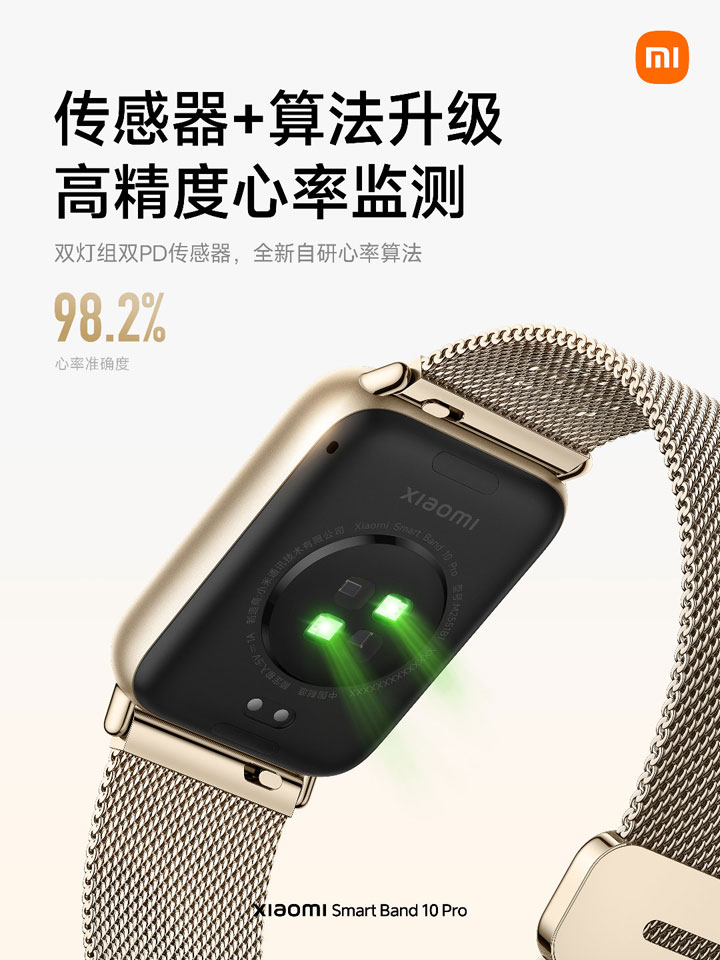
The headline upgrade is a dual PD-sensor (photodiode) heart-rate system, which Xiaomi says delivers 98.2% accuracy. That figure hasn't been verified by independent testing. Real-world data from the standard Band 10, however, is encouraging: tests show it tracks within 1–3 bpm of Garmin and Polar chest straps during running and cycling — solid for a sub-£50 tracker. Whether the Pro's second sensor meaningfully closes that gap remains to be seen.
The other notable addition is HRV (heart rate variability) monitoring during rest. HRV is a recovery metric — a low score means your body needs a rest day rather than a hard workout. Garmin and Fitbit have offered this in their mid-range devices for years; Xiaomi's standard Band 10 still doesn't include it, confirms Gagadget EN. If the Pro delivers it reliably, that's a genuine step up. If not, it's a bullet point on a spec sheet.




What else is on the list
Xiaomi is also claiming a revised sleep-tracking algorithm (version 2.0) that's 11% more accurate at detecting sleep onset and wake moments — again, unverified. Battery life is quoted at up to 21 days; leaks suggest 14–20 days under typical use is more realistic.
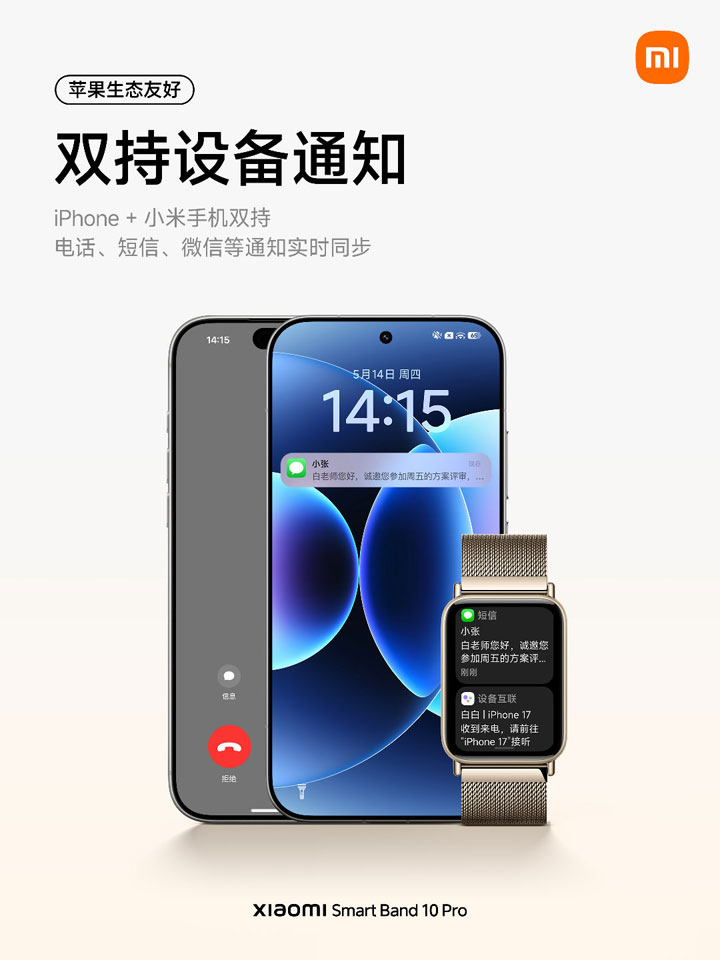
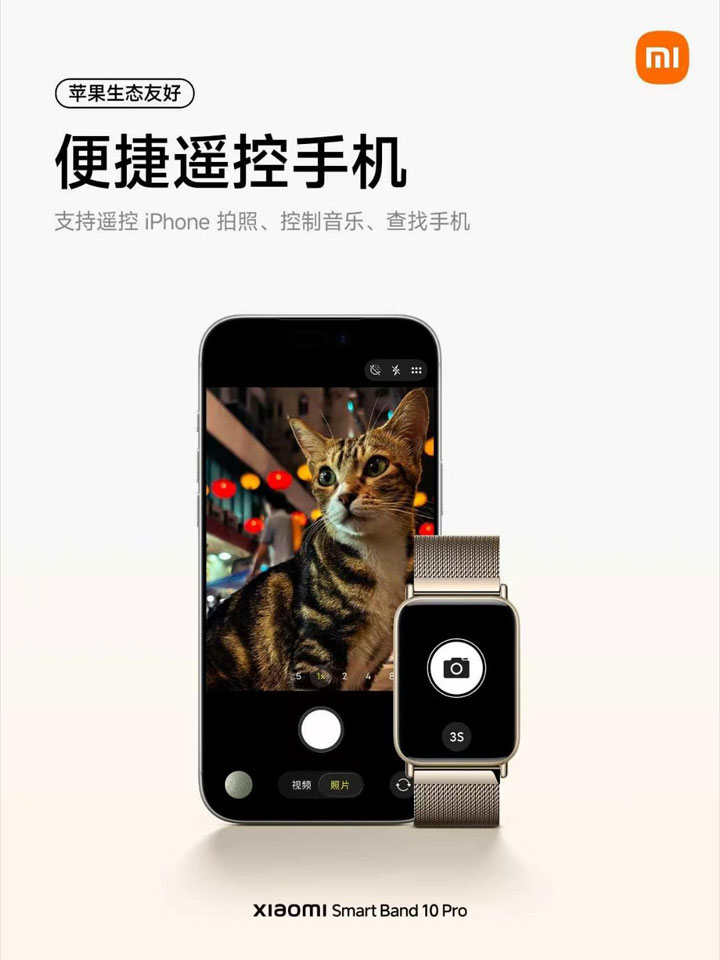
For iPhone owners, the Pro promises improved multi-device notification handling and quick controls for camera and music. Apple's iOS 26.5 is also loosening accessory restrictions in the EU, which gives third-party trackers like this one a cleaner path to tighter iPhone integration.
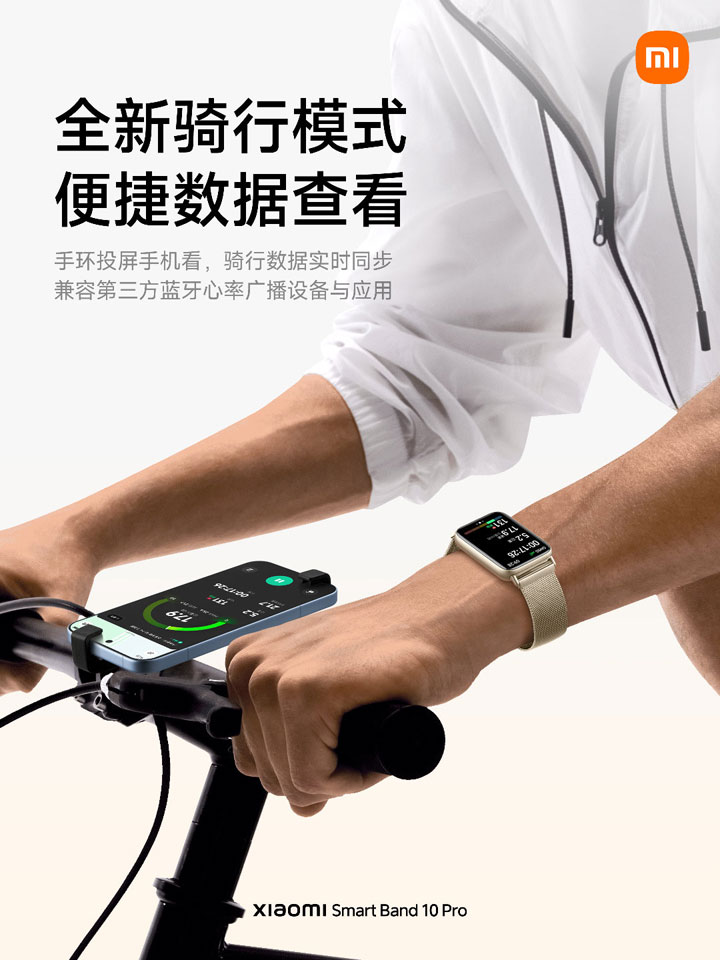
A dedicated cycling mode rounds out the sports features, offering detailed ride telemetry synced to your phone in real time. Stress tracking and blood oxygen monitoring are included too, putting the feature list roughly in line with Samsung's Galaxy Fit 3 — a tracker that actually exists and costs around £90.
Worth waiting for?
If the Pro lands at £70–75, it undercuts the Galaxy Fit 3 and Fitbit Inspire 3 while offering comparable (if unproven) health features. At £85, the value case is weaker. The honest answer right now: wait for the launch, then wait for the reviews.


