Cooler Master and G.Skill put tiny fans inside DDR5 RAM to fight AI heat

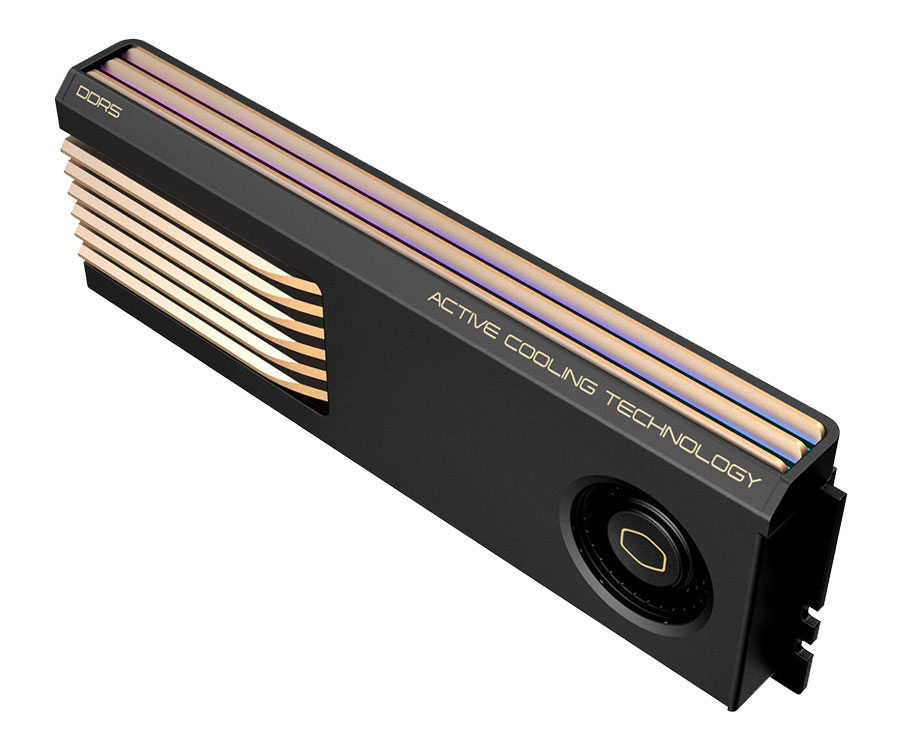
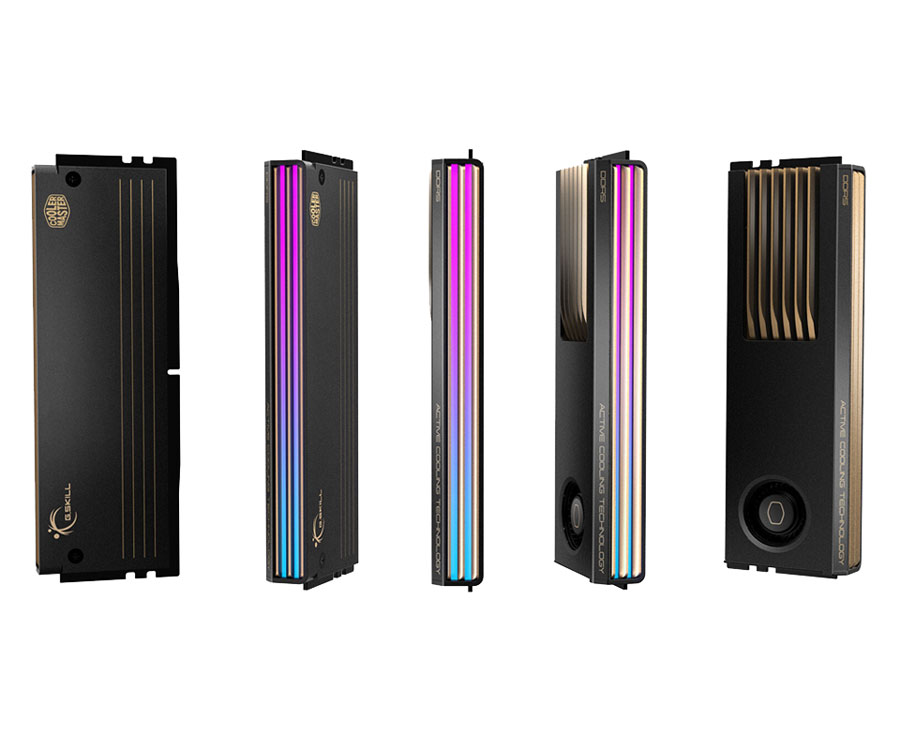
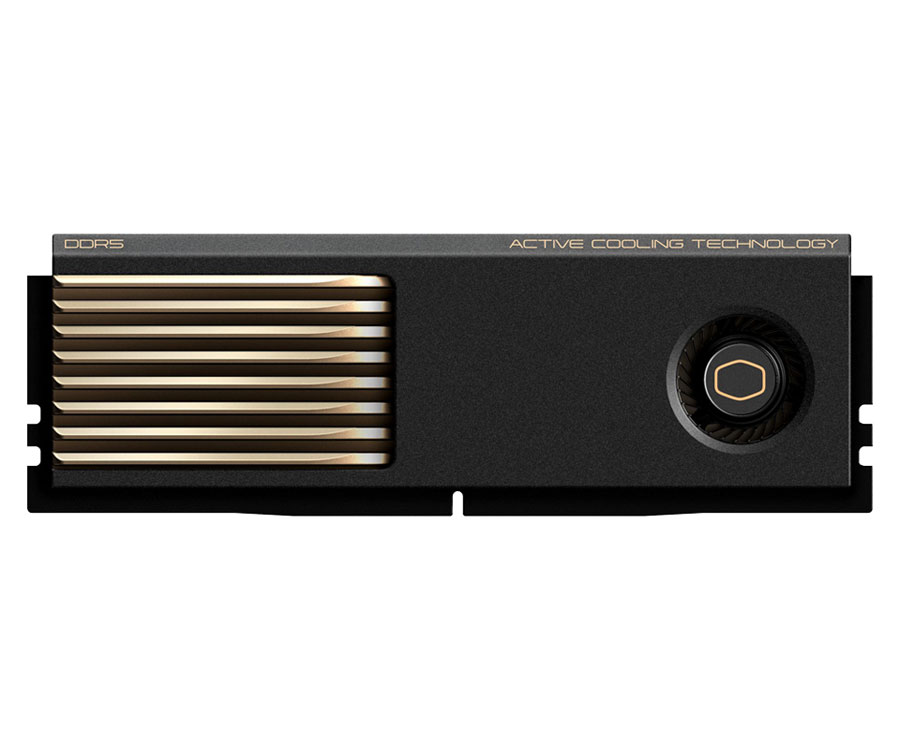
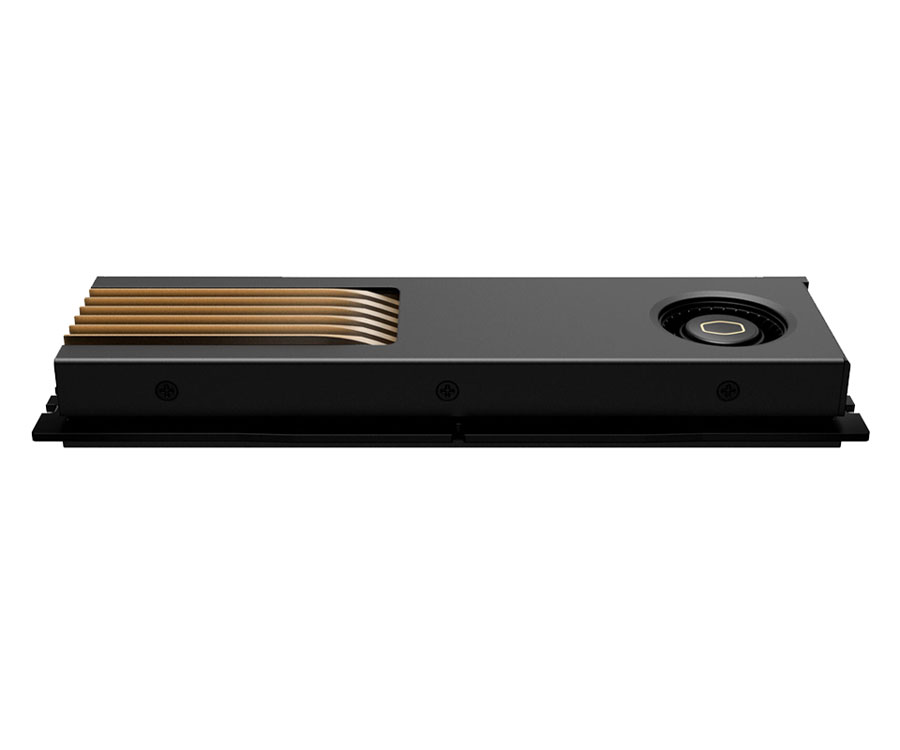
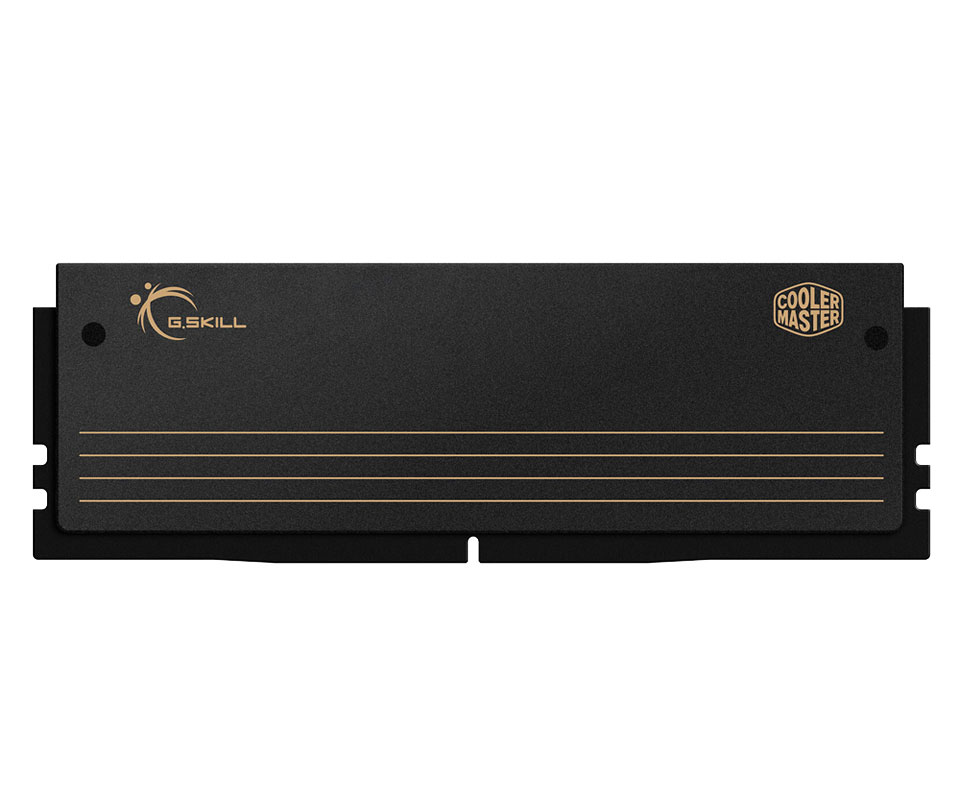
Cooler Master and G.Skill have jointly announced the MasterDIMM AC, a DDR5 memory kit with a blower fan built directly into each module's heatsink. The product targets overclockers and AI workstation builders who are hitting thermal limits that passive heatsinks can no longer handle. No price or retail date has been set — a full reveal is planned for Computex 2026 (May 27–31).
The heat problem
Modern DDR5 modules run hotter than their predecessors, partly because the power management IC (PMIC) moved onto the memory board itself. At high frequencies, that creates hotspots that passive aluminum fins struggle to control. The DDR5 stability cliff sits around 55–70°C; once modules breach it under sustained load — the kind AI inference and LLM training generate continuously — errors and throttling follow.
It’s official.
— Cooler Master (@CoolerMaster) May 29, 2026
Cooler Master and G.SKILL are teaming up to bring active cooling to DDR5 memory with the new MasterDimm.
Built for next-generation systems that run faster, push harder, and demand stability under heavy workloads. Because cooling should not stop at your CPU or… pic.twitter.com/w3g7kbJ383
What MasterDIMM AC does
The integrated blower fan pulls heat away from the heatsink and reduces operating temperature by 15°C compared to passive cooling, per VideoCardz. Noise sits at under 35 dB — quieter than a normal conversation, though audible in a silent room. The modules support dual 64 GB sticks for a maximum of 128 GB per kit, covering workstation-class memory capacity.
On the speed side, AMD EXPO profiles reach DDR5-6000 MT/s at CL26 timings. Intel XMP 3.0 users can push further, to 8400 MT/s. As Guru3D notes, the primary audience is professional and AI-workload systems, not gaming rigs.

What it means for buyers
This is a niche product. Corsair's Airflow fans and third-party clip-on coolers already address DDR5 thermals from the outside, but MasterDIMM AC integrates cooling into the module itself — removing the clearance conflicts that arise with tall CPU coolers or AIOs. At a projected price somewhere in the $700–$1,500 range for a kit, it rules out casual builders.
No US or UK retail timeline has been confirmed. Computex announcements sometimes remain demo-only for months, so treat this as a preview rather than an imminent purchase. If pricing and availability land before Q3 2026, workstation builders and small AI lab operators will be the most logical early adopters.


