Best Over-Ear Headphones for Music Lovers
Picking over-ear headphones for music has gotten harder in the best way. A few years ago the premium tier meant choosing between strong sound and strong noise cancellation, rarely both in the same pair. I've spent the past several months rotating five flagship models through trains, open-plan offices, and long evening listening sessions at home, and the gap between them now comes down to taste and ecosystem far more than raw capability. Every model here can carry a quiet room and a noisy commute equally well, which was not true the last time I ran a roundup like this.
This roundup looks at five over-ear headphones built for people who actually care how their music sounds: Sony's WH-1000XM6, Sennheiser's Momentum 4 Wireless, the second-generation Bose QuietComfort Ultra, the Bowers & Wilkins Px7 S3, and Apple's new AirPods Max 2. I ran each through the same routine - lossless tracks over USB-C where supported, wireless streaming on the move, calls, and back-to-back battery runs - to find where each one earns its keep and where the compromises land in daily use rather than on a spec sheet.
If you're in a hurry, here are my top two picks for over-ear headphones for music lovers:
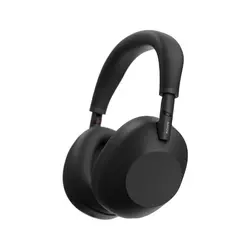
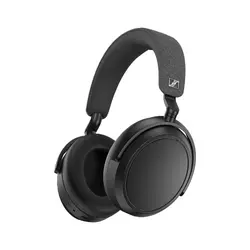
Table of Contents:
- Best Over-Ear Headphones for Music Lovers: Buying Guide
- Top 5 Over-Ear Headphones in 2026
- Over-Ear Headphone Comparison
- Sony WH-1000XM6
- Sennheiser Momentum 4 Wireless
- Bose QuietComfort Ultra (2nd Gen)
- Bowers & Wilkins Px7 S3
- Apple AirPods Max 2
- Over-Ear Headphones for Music Lovers: FAQ
Best Over-Ear Headphones for Music Lovers: Buying Guide
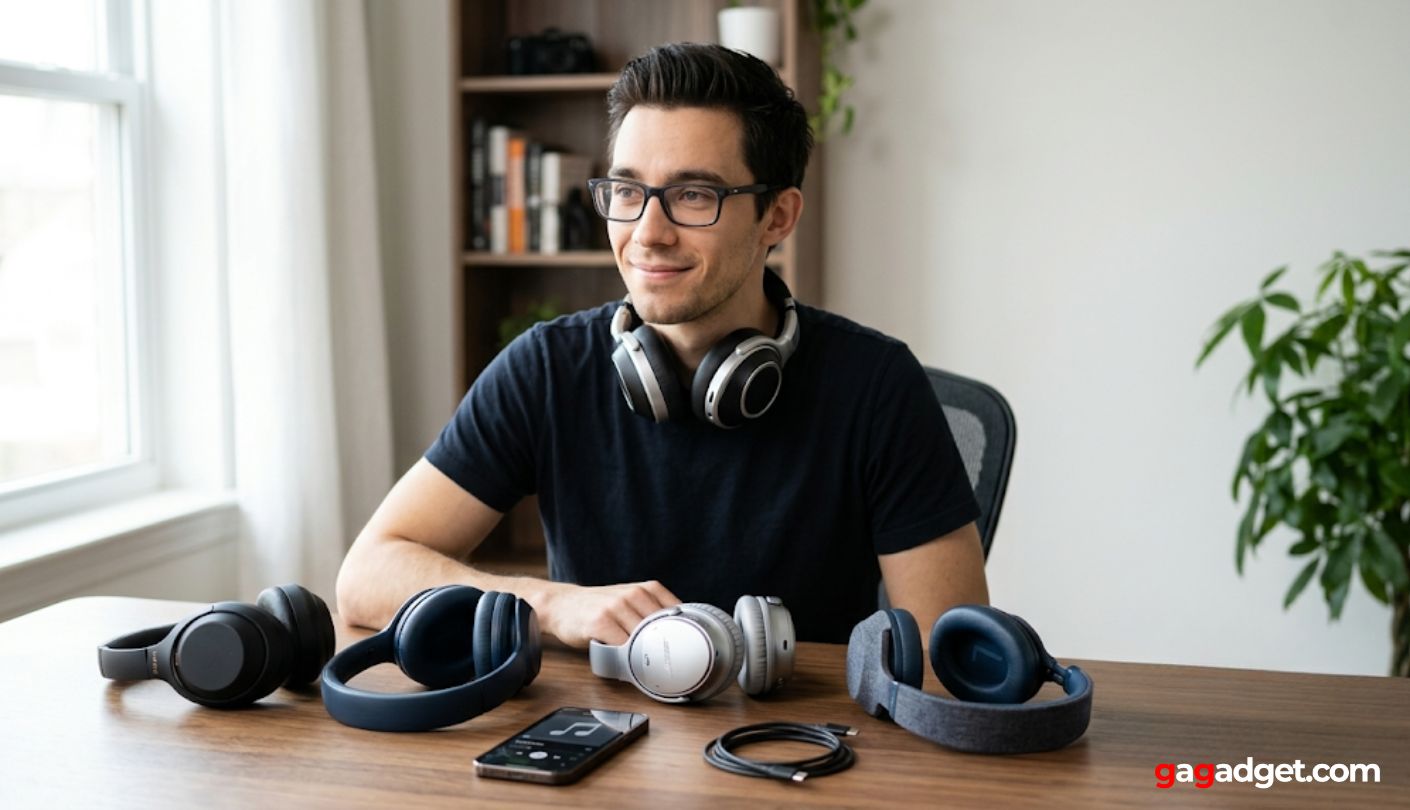
Before the reviews, here's what I weigh when judging headphones in this tier - the five factors that separate a pair worth keeping from one that disappoints inside a month.
Sound Signature and Driver Quality
The driver and the tuning layered on top of it decide whether a pair of headphones rewards careful listening or just plays music loudly. I always start by feeding each pair the same reference tracks - acoustic, dense electronic, vocal jazz - before I look at a single number. Driver size by itself tells you little. Sennheiser's 42mm dynamic driver and Sony's smaller 30mm unit both produce full-range sound, and the difference I hear comes from the tuning and amplification behind them rather than the diameter.
Stock tuning matters more than most buyers expect. Out of the box, the Momentum 4 leans warm and bass-forward, the Px7 S3 sits more neutral with a firmer low end, and the AirPods Max 2 aim for a smooth, balanced curve. A five-band or parametric EQ can reshape any of them, so I treat the default sound as a starting point rather than a final verdict.
What separates this group from cheaper headphones is headroom. At higher volumes the better drivers hold their composure instead of smearing detail or hardening the treble. The Bowers & Wilkins Px7 S3 uses a redesigned 40mm bio-cellulose driver with a dedicated amplifier and DSP, and that separation shows up in busy passages where lesser headphones collapse into a wall of sound. For anyone who listens critically rather than casually, driver quality is the spec I would not compromise on.
Noise Cancellation Performance
Active noise cancellation is the feature people notice first, and the performance gap at the top has narrowed to the point where ranking it comes down mostly to edge cases. In my testing on the same commuter line, the Sony WH-1000XM6 and the Bose QuietComfort Ultra traded the lead - Sony with a slightly tighter grip on voices and high-pitched cabin noise, Bose with the steadier hush against low-frequency engine rumble. Both shut out far more than the Sennheiser, whose ANC handles drone but lets more mid-band chatter through.
Microphone count is part of the story without being the whole of it. Sony uses a 12-microphone array tied to its QN3 processor, and Bowers & Wilkins fits eight mics per pair for ANC and call clarity. More mics give the processor more data to work with, though tuning decides how that data turns into silence. Apple raised the AirPods Max 2 ANC to roughly 1.5 times the prior generation, and against sustained low-frequency hum I found the improvement real rather than marketing. If you fly or commute often, ANC quality should sit near the top of your list.
Battery Life and Charging
Battery endurance is where one model pulls clear of the field. The Sennheiser Momentum 4 runs up to 60 hours with ANC on, roughly double what most rivals manage, and in my own use I went more than a week of daily commuting between charges. Sony and Bowers & Wilkins both rate 30 hours, Bose lands at 30 with ANC on, and the AirPods Max 2 sit at 20 - the shortest here and unchanged from the previous version.
Fast charging closes some of that gap. A 15-minute top-up gives the Px7 S3 about seven hours and the Bose roughly three, and five minutes on the Momentum 4 returns around four hours. I keep a USB-C cable in my bag for exactly these moments, because a short charge before leaving the house usually covers a full day of listening.
Charging behavior beyond raw speed is worth checking. The Sony WH-1000XM6, the Bose, and the AirPods Max 2 all play audio while charging over USB-C, which matters more than it sounds once you start carrying power banks. The AirPods Max 2 still lack a power button, so they rely on a case to drop into low-power mode, and I lost a noticeable chunk of standby charge more than once before I adjusted my habits. For travel, total endurance plus quick-charge speed matters more to me than the headline number alone.
Comfort and Build for Long Sessions
Weight is the single biggest factor in whether a pair survives a three-hour listening session on my head, and the spread here is wide. The Sony WH-1000XM6 is the lightest at 254 grams, the Momentum 4 sits at 293, the Px7 S3 at 300, and the AirPods Max 2 weigh 385 - the heaviest in the group by a clear margin. That difference is something I feel by the end of an afternoon, not in the first ten minutes.
Materials shape both feel and longevity. Apple uses aluminum ear cups and a steel-reinforced headband that feel more premium than anything else here, at the cost of that extra weight. Sony went the other way with a light plastic build and a foldable hinge that makes the XM6 the easiest to pack. Bose keeps its clamp force gentle and its cushions plush, which is why it stays my pick for the longest unbroken sessions. The right balance depends on whether you prize portability, durability, or pure on-head comfort.
Codecs, Connectivity, and App Ecosystem
Codec support decides how much of your music actually reaches your ears over a wireless link. Sony backs LDAC for high-resolution streaming, Bowers & Wilkins and Bose support aptX Adaptive with the Px7 S3 adding aptX Lossless at 24-bit/96kHz, and Sennheiser sticks with aptX Adaptive. Apple is the outlier - the AirPods Max 2 stream only AAC and SBC wirelessly, and reach lossless audio only through a wired USB-C connection. I tested each at its best, which meant going wired on the Apple pair to hear what the hardware can do.
The companion app often matters as much as the codec. Sennheiser's Smart Control includes a parametric EQ that turned the bass-heavy stock tuning into something I preferred within minutes, and Bowers & Wilkins added a five-band EQ to its Music app. Apple offers Adaptive EQ but still no manual equalizer, which frustrated me more than any single number on the sheet.
Ecosystem lock-in is the quiet deciding factor for a lot of buyers. The AirPods Max 2 keep their best features - personalized spatial audio with head tracking, Live Translation, fast device switching - behind an Apple login, and on Android most of that simply does not exist. The other four work fully across iOS and Android. If your phone, laptop, and tablet all wear an Apple logo, the AirPods Max 2 slot into that setup more smoothly than anything else here. If they do not, I would steer toward one of the platform-neutral options.
Top 5 Over-Ear Headphones in 2026
Each of these went through the same daily listening, call testing, and back-to-back battery runs to separate the pairs that perform at their tier from the ones that read better than they sound.
- Balanced retuned sound
- Top-tier noise cancellation
- Lightweight foldable design
- LDAC hi-res streaming
- Fast charging speed
- Warm, natural sound
- 60-hour battery life
- Parametric EQ control
- Comfortable lightweight fit
- aptX Adaptive support
- Class-leading noise cancellation
- All-day wearing comfort
- New Cinema mode
- USB-C lossless audio
- Foldable travel design
- Best sound quality
- aptX Lossless support
- Premium fabric build
- Strong quick charge
- Five-band EQ
- Premium aluminum build
- Improved noise cancellation
- Natural transparency mode
- Personalized spatial audio
- Live Translation feature
Over-Ear Headphone Comparison
Here's a side-by-side look at the specs that matter most when choosing over-ear headphones for music:
| Specification | Sony WH-1000XM6 | Sennheiser Momentum 4 | Bose QuietComfort Ultra (2nd Gen) | Bowers & Wilkins Px7 S3 | Apple AirPods Max 2 |
| Drivers | 30mm dynamic | 42mm dynamic | Bose custom dynamic | 40mm bio-cellulose | Apple-designed dynamic |
| Noise Cancellation | Yes (12-mic, QN3) | Yes (dual feedforward + feedback) | Yes (best-in-class) | Yes (8-mic array) | Yes (1.5x prior gen) |
| Battery (ANC on) | 30 hours | 60 hours | 30 hours | 30 hours | 20 hours |
| Charging | USB-C, 3 min = 3 hrs | USB-C, 5 min = 4 hrs | USB-C, 15 min = 3 hrs | USB-C, 15 min = 7 hrs | USB-C, 5 min = 1.5 hrs |
| Codecs | SBC, AAC, LDAC | SBC, AAC, aptX Adaptive | SBC, AAC, aptX Adaptive | SBC, AAC, aptX Adaptive, aptX Lossless | AAC, SBC |
| Bluetooth | 5.3 LE | 5.2 | 5.4 | 5.3 | 5.3 |
| Weight | 254g | 293g | ~250g | 300g | 385g |
| Wired Audio | 3.5mm analog | 3.5mm analog | USB-C lossless + 2.5mm jack | USB-C 24-bit input | USB-C lossless (24/48) |
| Special Feature | Foldable design, LDAC hi-res | 60-hour battery, parametric EQ | Class-leading ANC, Cinema mode | aptX Lossless, audiophile tuning | Spatial Audio, Apple ecosystem |
The specs that translate most directly into daily listening are the driver and tuning, the codec support, and battery endurance. Bluetooth version matters less as a standalone figure and more in combination with the codec - aptX Lossless on Bluetooth 5.3 gets you close to wired quality, while AAC over the same connection caps how much detail survives the trip.
Sony WH-1000XM6 Review
Editor's Choice
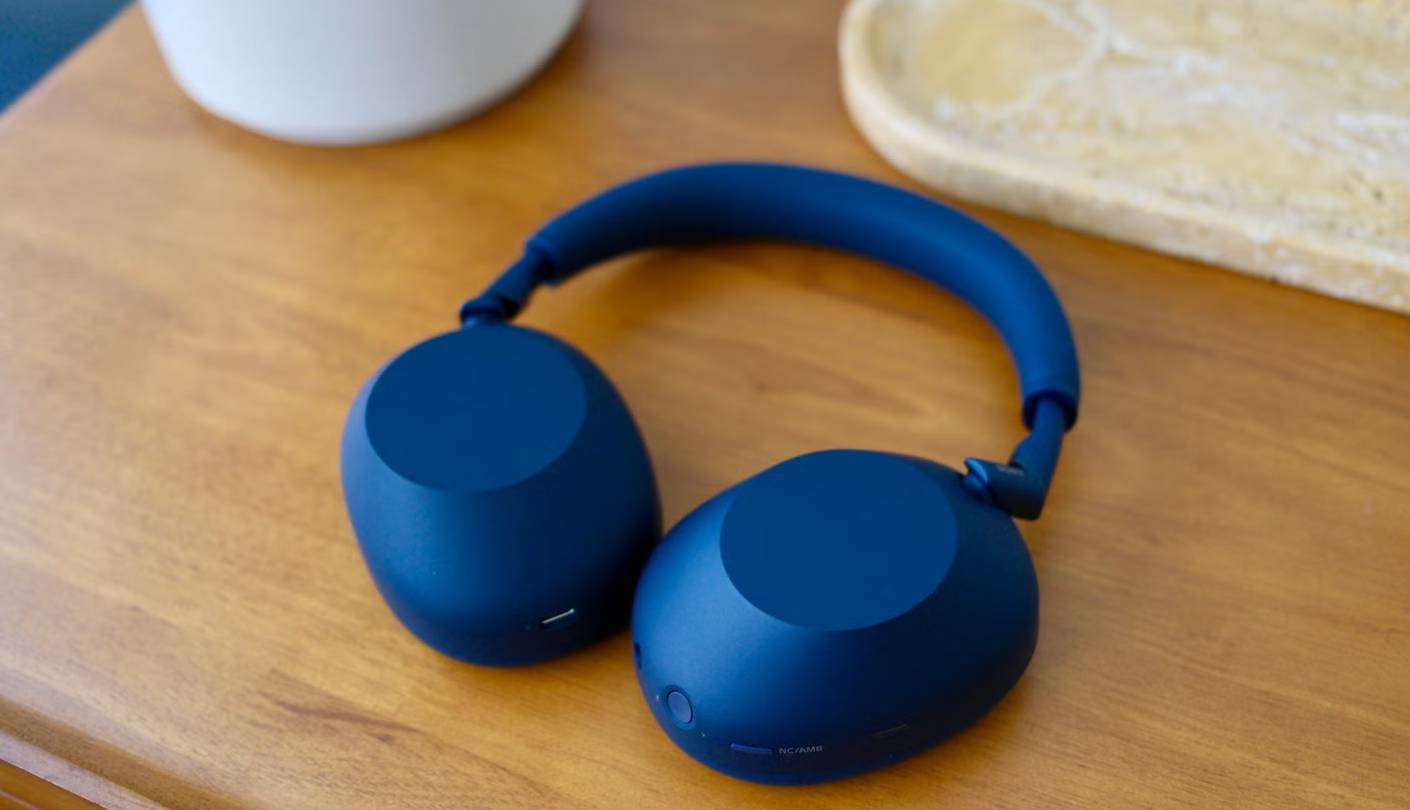
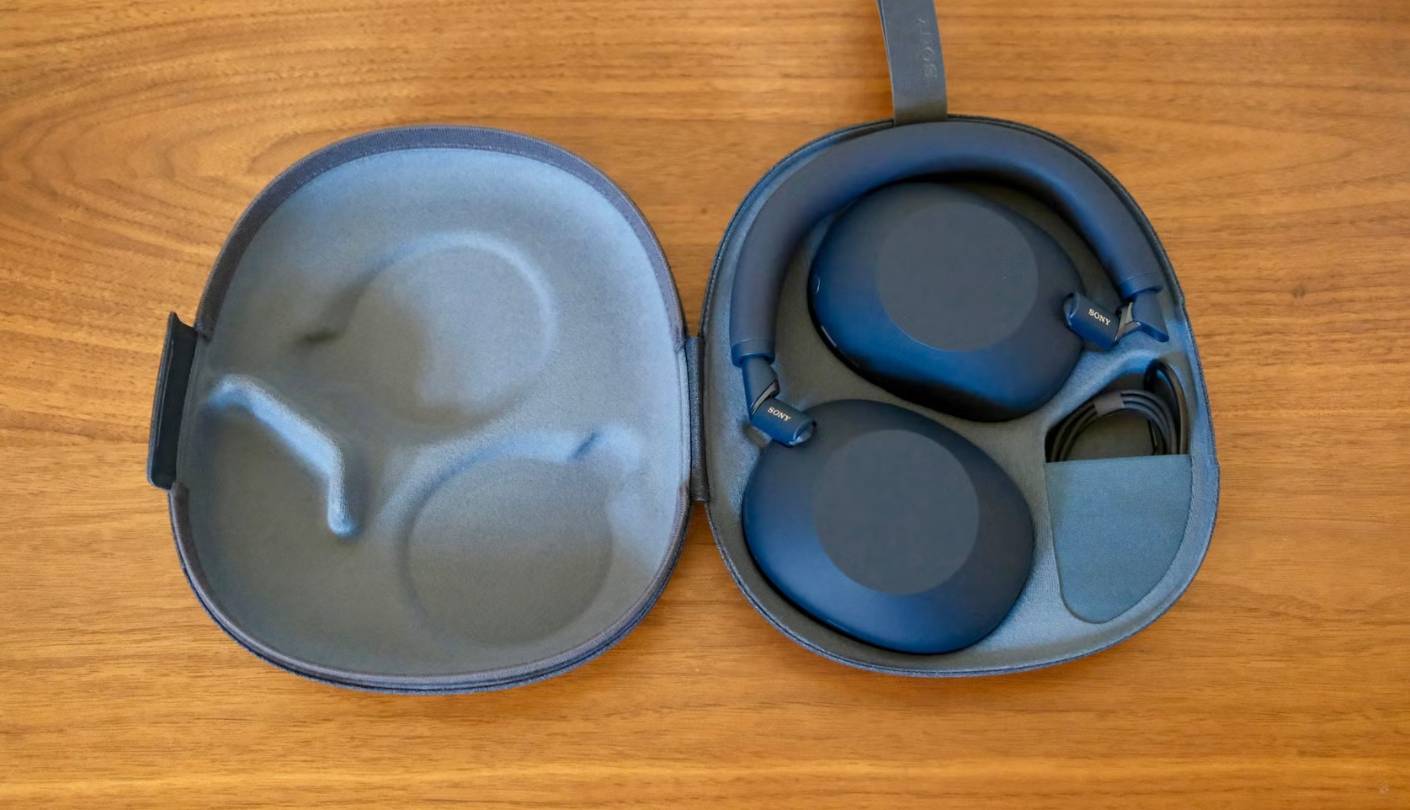
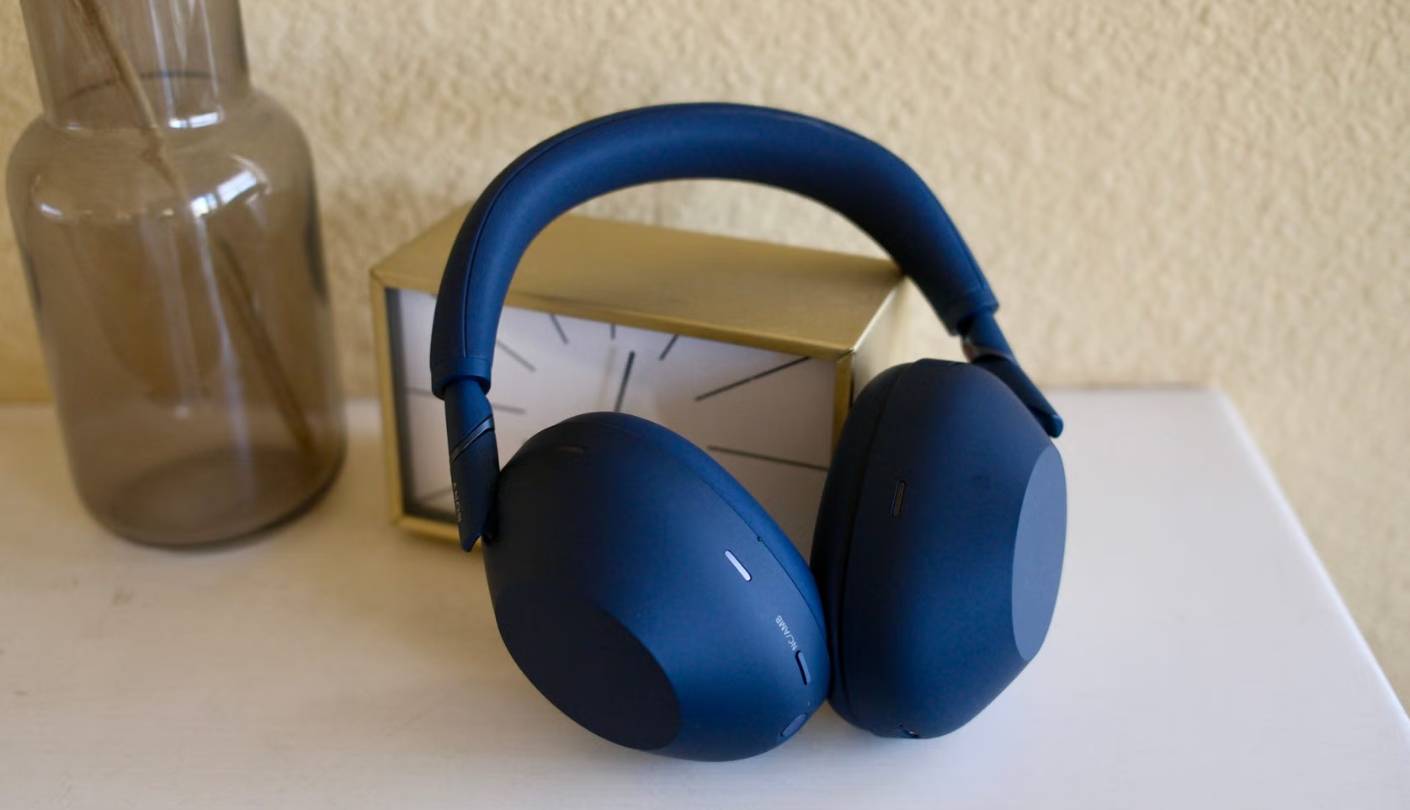
The Sony WH-1000XM6 earns the top spot in this group by being the one pair I never felt the need to apologize for in any category. Sound, noise cancellation, comfort, and features all land at or near the front of the field, which is rare at any tier. The new QN3 processor drives both the ANC and a retuned sound signature that comes across more balanced than the bass-heavy XM5 it replaces, with punchy lows that stay out of the way of vocals and a treble that has energy without sharpness.
On lossless tracks the 30mm driver shows a clarity I did not expect from a wireless pair. I ran a stretch of acoustic and jazz recordings and could place each instrument in its own space, with detail in the upper mids that earlier Sony models tended to smooth over. LDAC support means Android users get a high-resolution wireless stream, though the absence of audio over USB-C is a real omission at this level - to listen wired you reach for the bundled 3.5mm cable instead.
The noise cancellation is the headline, and it lives up to the billing. Twelve microphones feed the QN3 processor, and on the train I ride for every one of these tests the XM6 produced near-silence against engine drone and a firm grip on the cabin chatter that usually slips through. Sony edges the Bose on high-frequency and voice suppression in my experience, which is the closest this race has been in years.
Battery life holds at 30 hours with ANC on, and a three-minute charge buys about three hours when I am running late. The foldable design returns from older models, so the XM6 collapses into a compact magnetic case that slips into a bag without fuss. At 254 grams it is the lightest pair here, and after a long flight I noticed the absence of the hot spots that heavier headphones leave behind. The plastic build feels less premium than the metal on the AirPods Max, though I would take the weight saving every time.
Sony's Sound Connect app carries the usual deep feature set - adaptive sound control, multipoint pairing, speak-to-chat, and a full EQ. Some of it I leave switched off, but multipoint and the EQ earn their place in my daily use. For a music-first buyer who wants one pair that does everything well and asks for no compromises, the WH-1000XM6 is the clearest recommendation in this roundup. Nothing else here matches its all-round balance.
Pros:
- Balanced retuned sound
- Top-tier noise cancellation
- Lightweight foldable design
- LDAC hi-res streaming
- Fast charging speed
Cons:
- No USB-C audio
- Plastic build
Summary: Sony WH-1000XM6 pairs a retuned 30mm driver with a 12-microphone ANC system and a light, foldable build. My top pick for music lovers who want one pair that handles sound, silence, and travel without trade-offs.
Sennheiser Momentum 4 Wireless Review
Best Overall
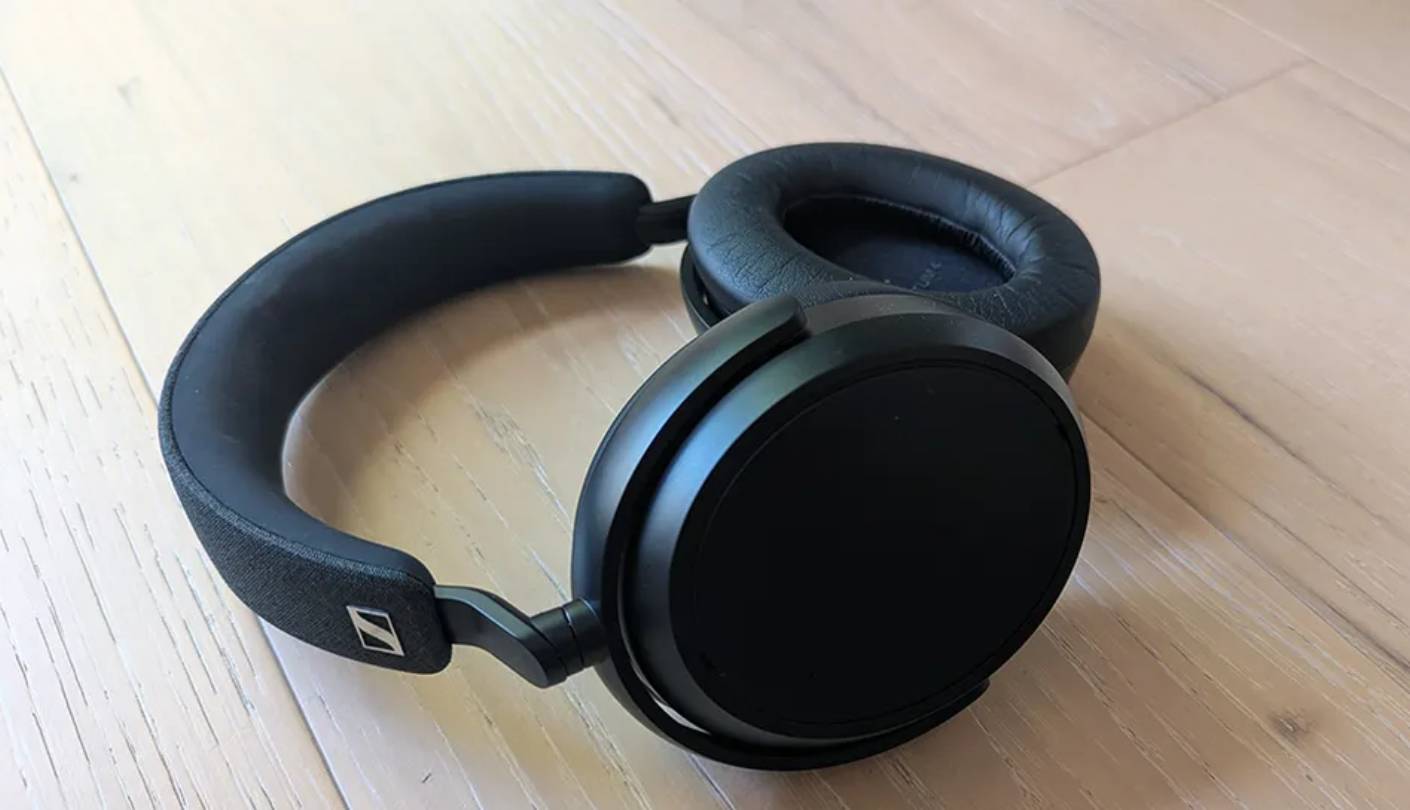
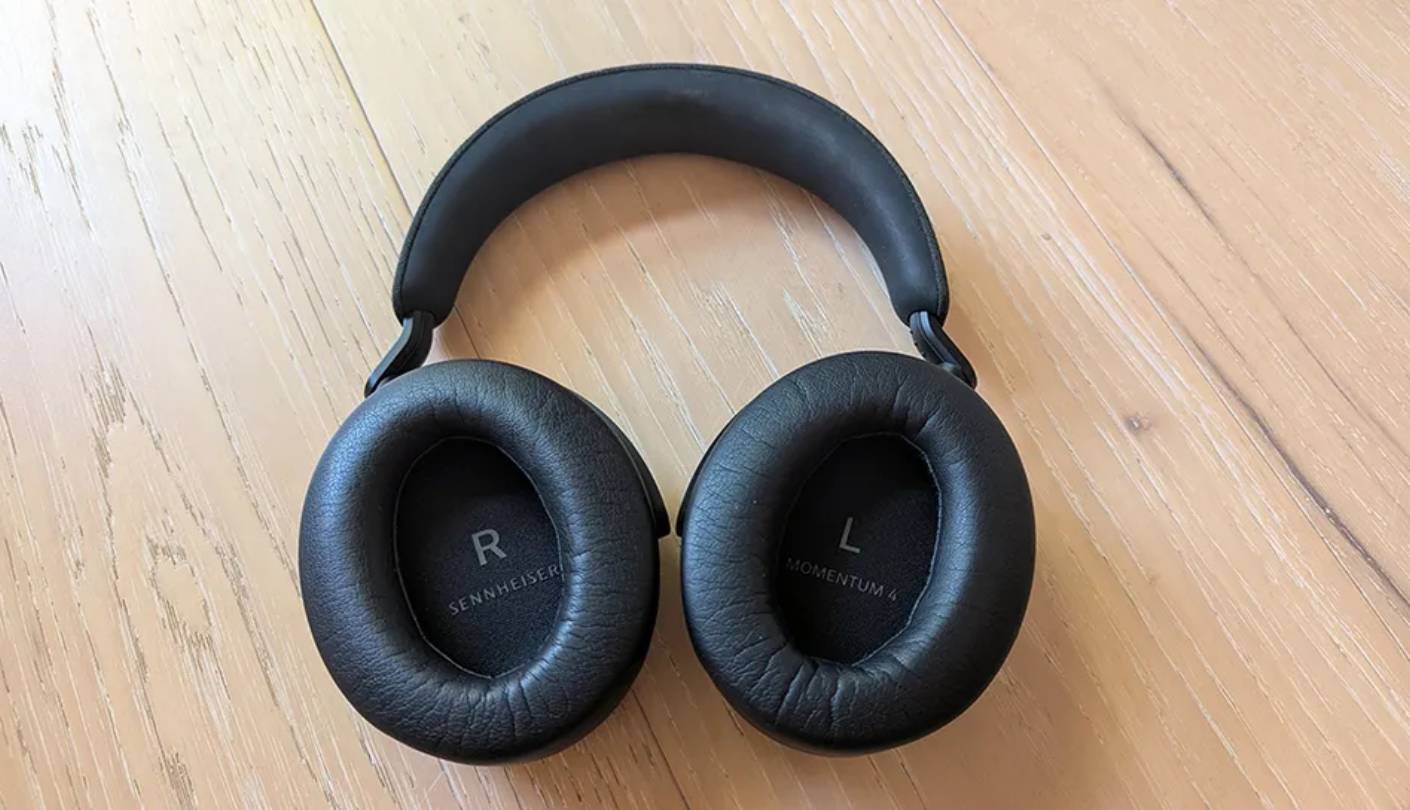
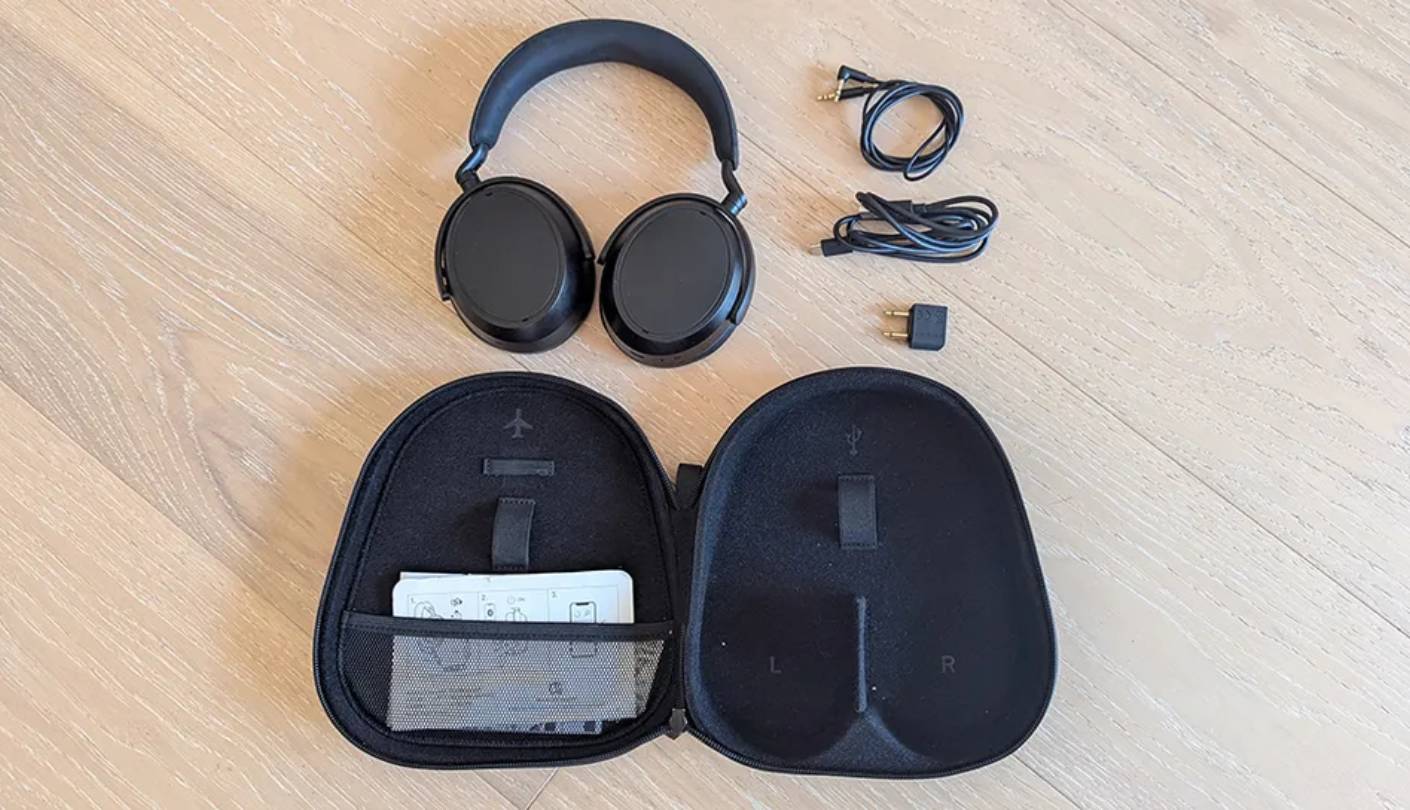
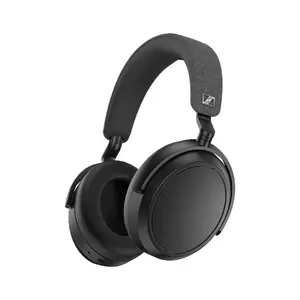
If the Sony is the most complete pair, the Sennheiser Momentum 4 Wireless is the one I reach for when sound and stamina matter more than anything else. Sennheiser built its name on audio fidelity, and the 42mm dynamic driver here carries that heritage into a wireless package. The stock tuning leans warm and full, with a low end that some listeners will love and others will want to trim, which the app makes easy enough to do.
What stood out across weeks of listening was how natural the Momentum 4 makes acoustic music sound. Piano notes hold their decay, string textures come through with grain intact, and the soundstage opens wider than the closed-back design suggests. The parametric EQ in the Smart Control app let me pull back the bass and lift the upper mids into a balance I preferred, and once dialed in I stopped wanting to change it. For long evening sessions this is the pair I enjoy most.
Battery life is where the Momentum 4 leaves the rest of the field behind. Sennheiser rates 60 hours with ANC on, and my own week of daily commuting barely moved the meter past the halfway mark. A five-minute charge returns about four hours, and a full charge takes roughly two. I have stopped thinking about charging these at all, a freedom no other pair in this group offers.
The noise cancellation is the soft spot. It handles steady low-frequency rumble well enough, but mid-band noise and sudden sounds slip through more than they do on the Sony or Bose. At 293 grams the Momentum 4 stays light and the plush cushions hold up for hours, though the touch controls can be finicky and registered the odd accidental tap during my testing. Connectivity covers Bluetooth 5.2 with aptX Adaptive, so Android users get a strong wireless stream.
There is no IP rating and no head-tracked spatial audio, so this is not the pair for workouts or movie-style spatial audio. For a listener who values audio quality and marathon battery life over absolute silence, the Momentum 4 is the one I recommend without hesitation. It is the pair I packed for my last long trip, and it earned the spot in my bag.
Pros:
- Warm, natural sound
- 60-hour battery life
- Parametric EQ control
- Comfortable lightweight fit
- aptX Adaptive support
Cons:
- Average noise cancellation
- Finicky touch controls
Summary: Sennheiser Momentum 4 Wireless backs a refined 42mm driver with a 60-hour battery and a parametric EQ. The best choice for listeners who put sound quality and endurance ahead of top-tier ANC.
Bose QuietComfort Ultra (2nd Gen) Review
Quiet Champion
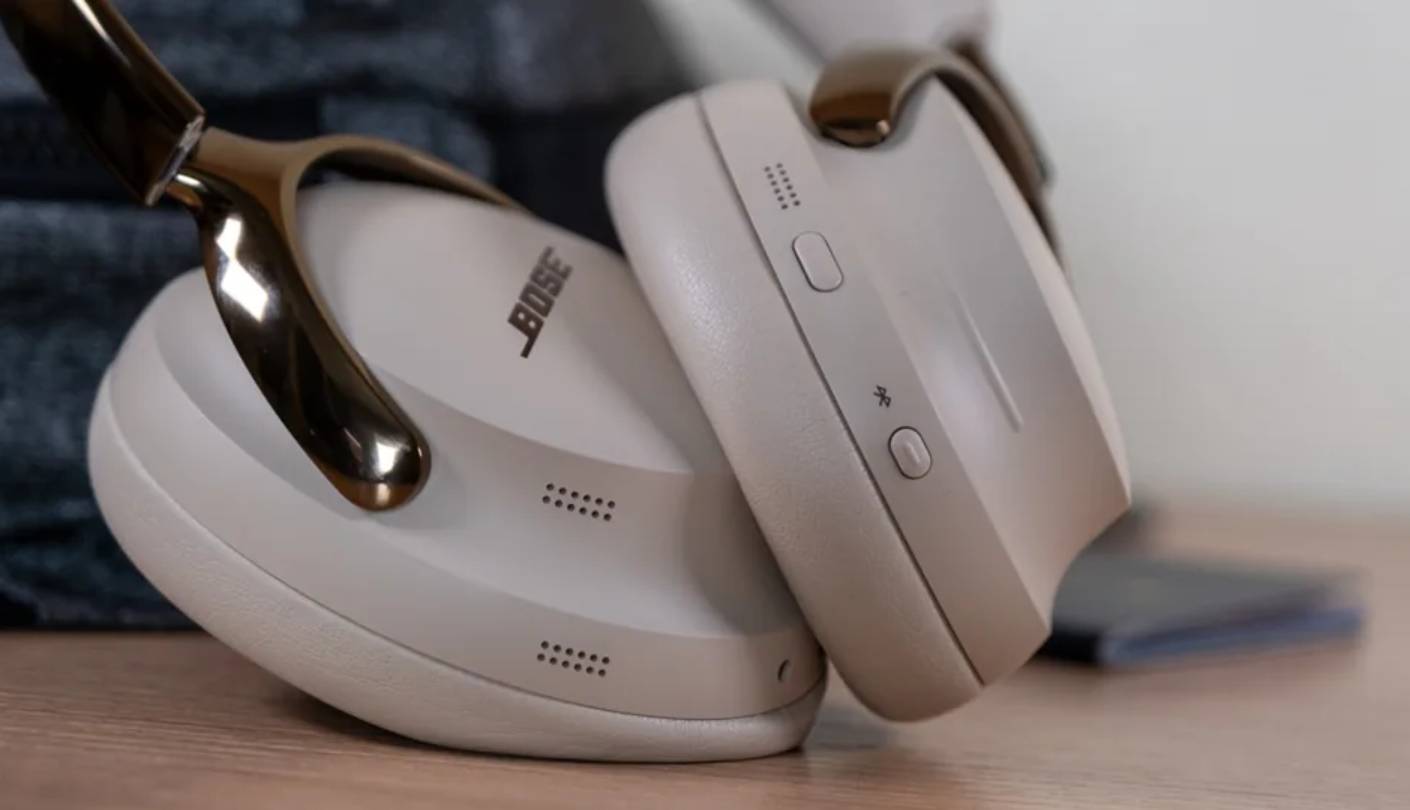
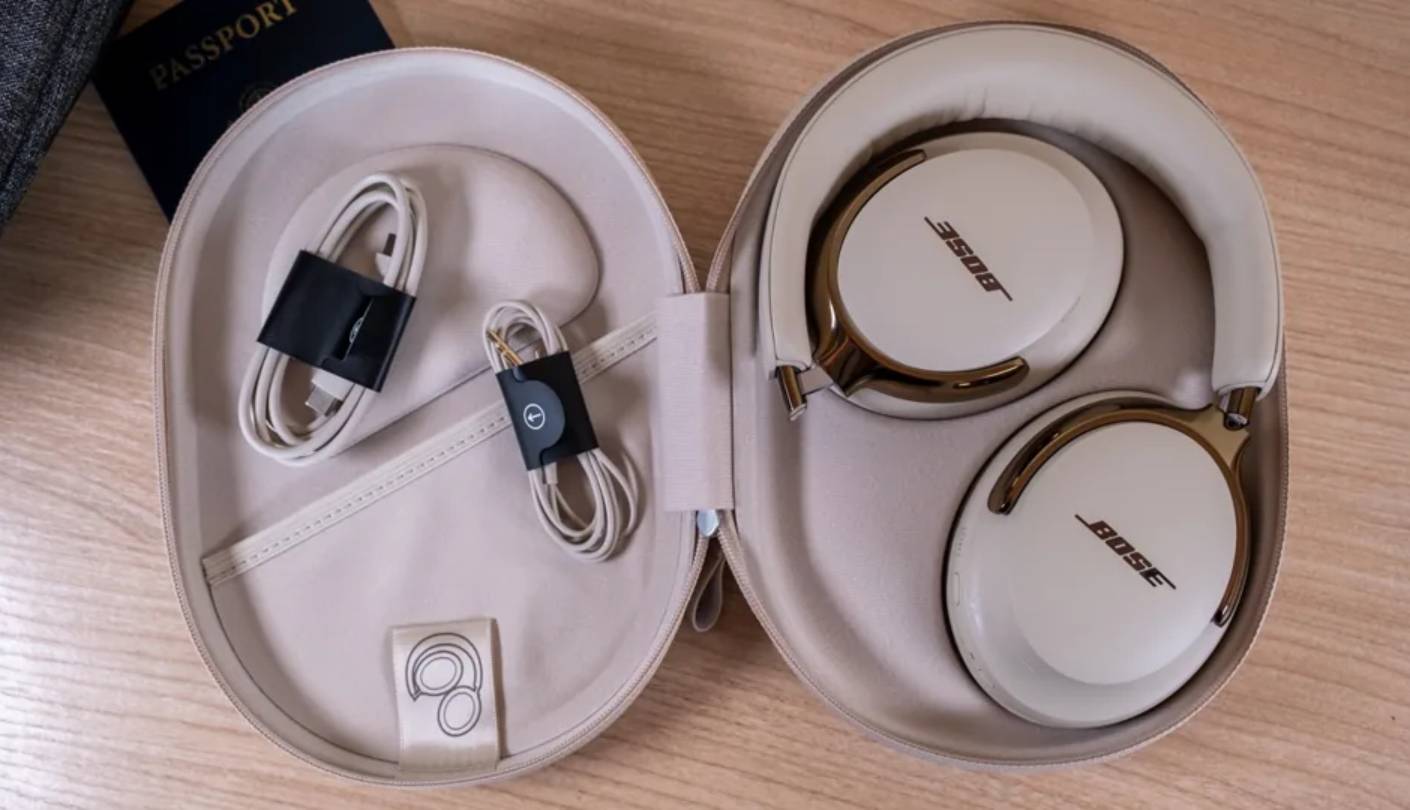
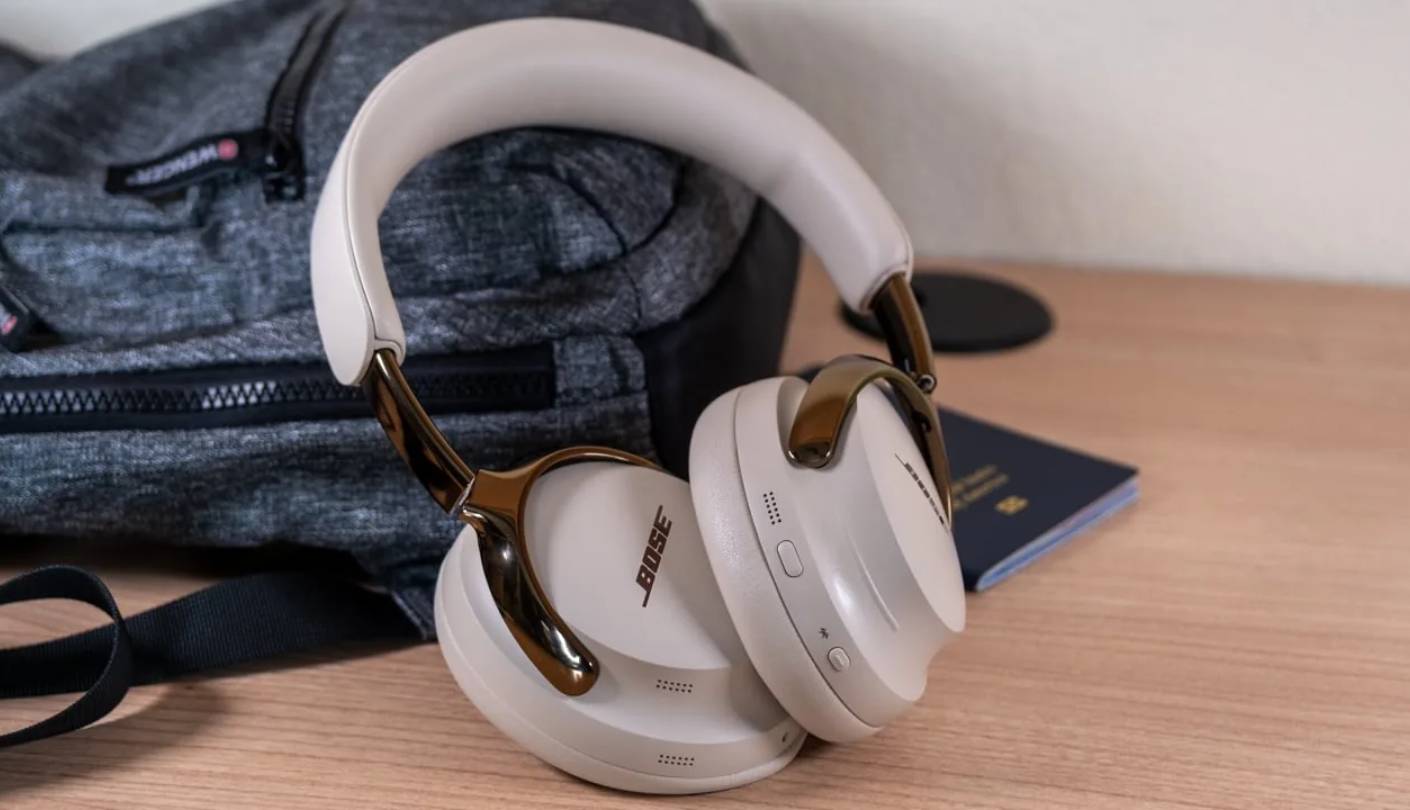
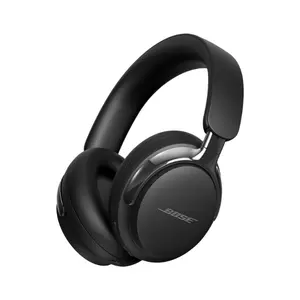
Bose has owned the noise-cancelling conversation for years, and the second-generation Bose QuietComfort Ultra keeps that crown without doing anything drastic. The 2025 update is a careful refresh rather than a reinvention - more battery, a new Cinema mode for immersive audio, and the long-overdue option to switch ANC fully off. I spent two weeks with these as my office pair, and the quiet they create is still the standard everyone else gets measured against.
Against the low-frequency engine noise that fills a train carriage, the QuietComfort Ultra produced the steadier hush, swallowing the constant rumble more completely than any rival here. Voices and high-pitched sounds are where Sony pulls ahead, but for the droning noise that wears me down on long flights, Bose stays my first choice. The new ability to turn ANC off entirely is a small change that I missed on older models.
Sound has always been the area where critics dock Bose points, and the Ultra has a lively, full-bodied tuning that I find easy to enjoy even if it is not the most resolving here. The Immersive Audio modes widen the soundstage at the cost of bass weight and detail, so I leave them off for music and switch the new Cinema mode on for films and podcasts, where the wider stage actually helps. Wired listening over USB-C unlocks lossless playback up to 16-bit/48kHz, and the 2.5mm jack carries over for older sources.
Battery life climbs to 30 hours with ANC on and up to 45 with it off, and a 15-minute charge buys about three hours. The headphones now charge over USB-C while you wear them. Comfort is where Bose quietly wins - the clamp force is gentle, the cushions are plush, and at roughly 250 grams these are the pair I forget I am wearing during the longest sessions. The hinged design folds down small for travel too.
Bluetooth 5.4 with aptX Adaptive covers the connectivity basics, and the app handles EQ, ANC, and shortcut customization without much flair. For frequent flyers, commuters, and anyone who values silence and all-day comfort above raw audio resolution, the QuietComfort Ultra is the pair I would hand over first. It does its one job better than anything else, and I have leaned on it for exactly that.
Pros:
- Class-leading noise cancellation
- All-day wearing comfort
- New Cinema mode
- USB-C lossless audio
- Foldable travel design
Cons:
- Sound trails rivals
- Immersive modes thin bass
Summary: Bose QuietComfort Ultra (2nd Gen) leads on noise cancellation and comfort, adds a Cinema mode, and now charges while worn. The right pick for travellers and commuters who want silence above all.
Bowers & Wilkins Px7 S3 Review
Audiophile Sound
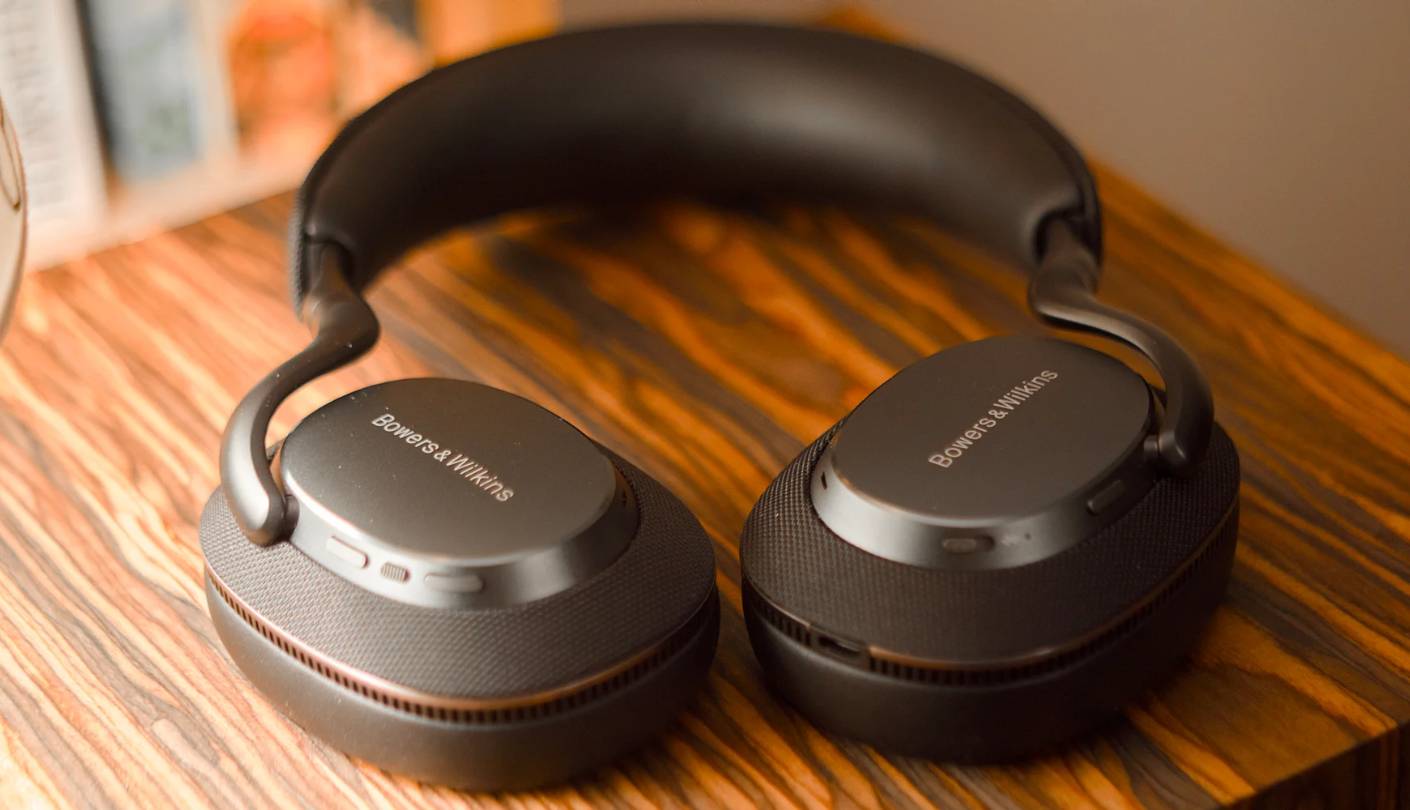
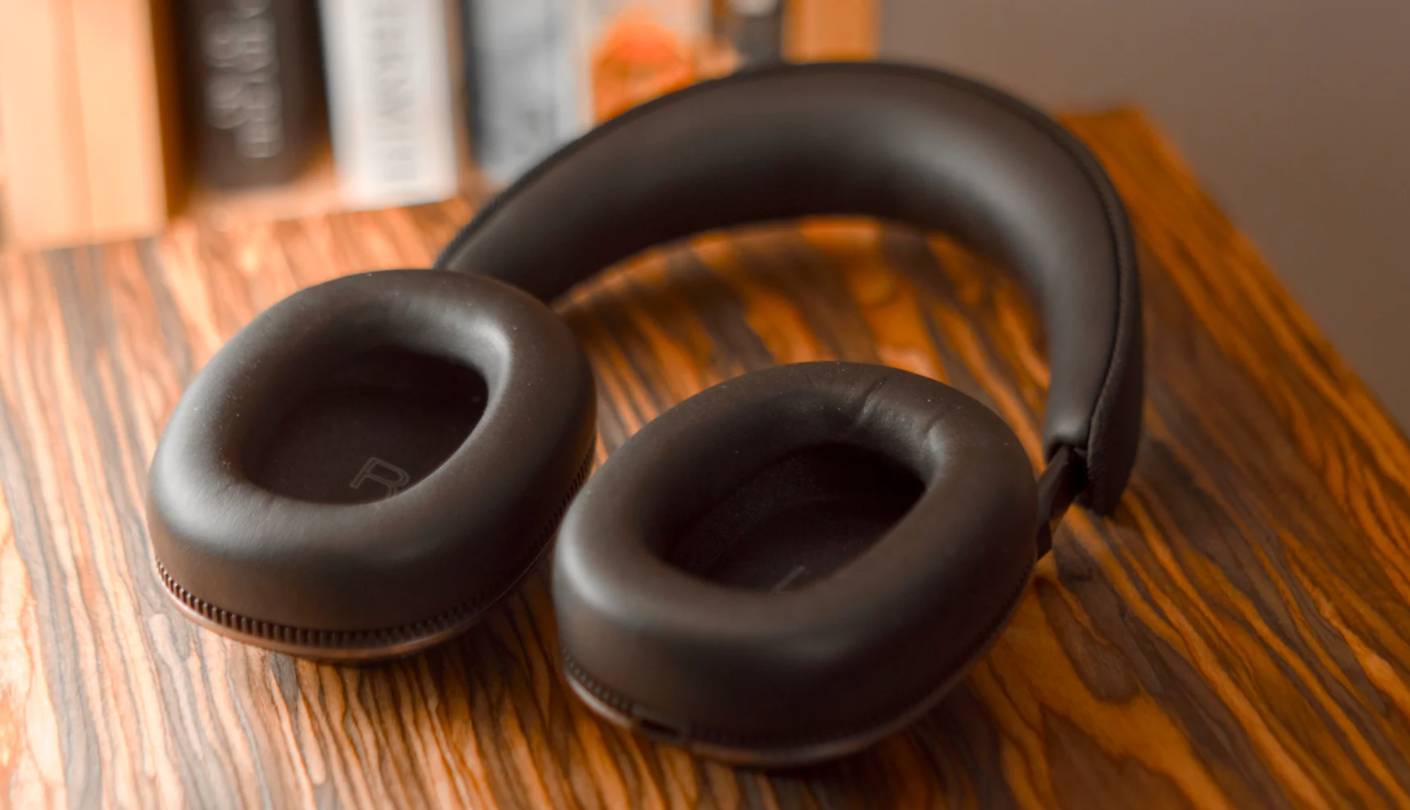
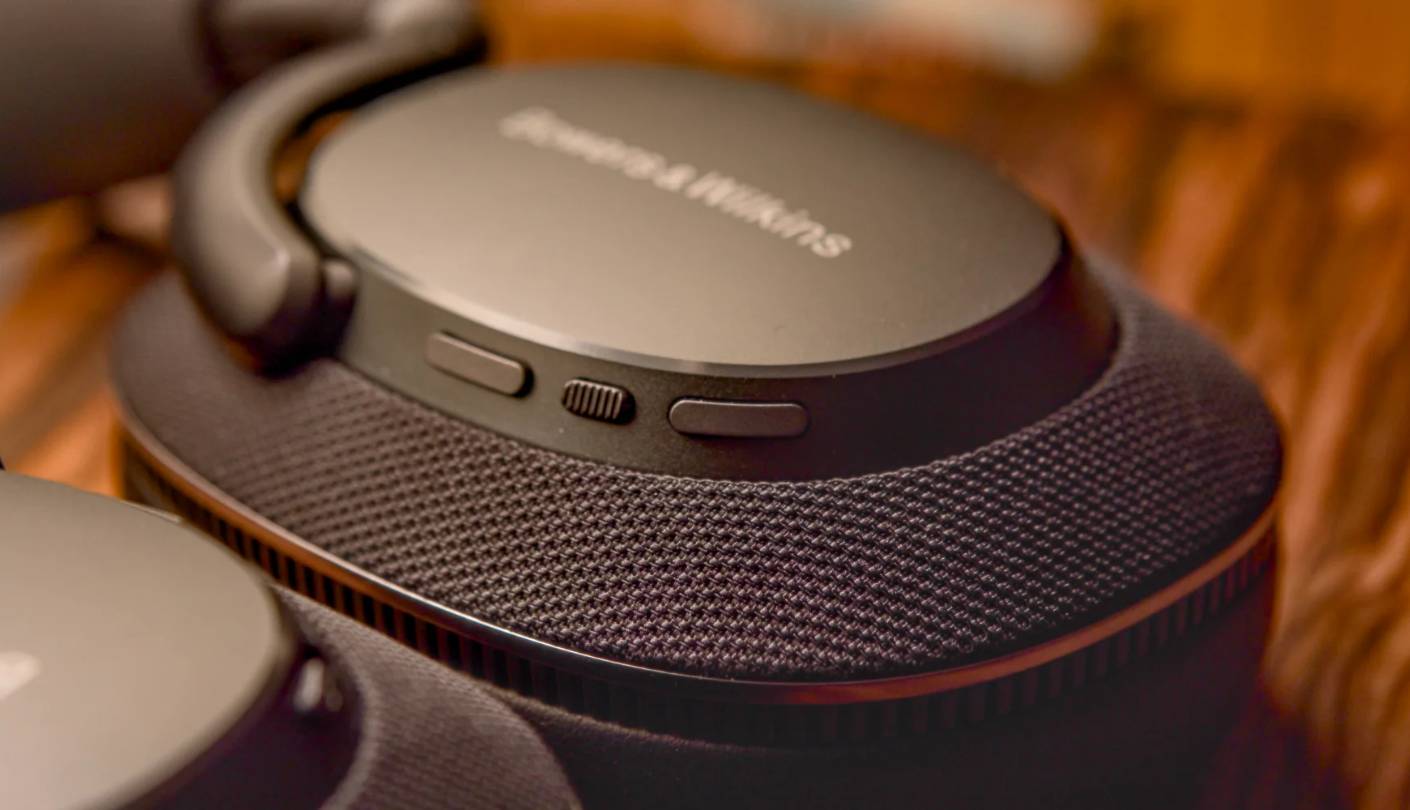
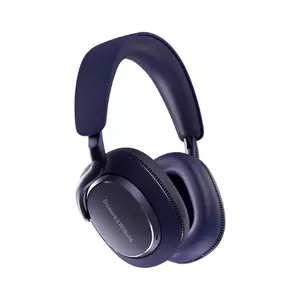
The Bowers & Wilkins Px7 S3 is the pair I kept coming back to when I just wanted to sit and listen. Bowers & Wilkins approaches wireless headphones the way it approaches speakers, and the Px7 S3 sounds like it. The redesigned 40mm bio-cellulose driver, paired with a dedicated amplifier, DAC, and DSP, produces the most textured and dynamic sound in this group to my ears.
On dense recordings the Px7 S3 keeps instruments separated where other pairs blur them together, with a firm, gripping bass that never bleeds into the mids. aptX Lossless support at 24-bit/96kHz means the wireless stream gets close to wired quality from a compatible source, and a USB-C digital input handles true wired playback for everything else. I ran the same orchestral passages I use on every pair, and the Px7 S3 held the most composure once the music got busy.
Noise cancellation took a real step up from the Px7 S2e, using an eight-microphone array and ADI Pure Voice processing for calls. It is not quite at the Sony or Bose level against the noisiest environments, but it sits close enough that I never felt shortchanged on a train. The build is where Bowers & Wilkins separates itself - the fabric finish, memory-foam cushions, and refined headband feel more grown-up than the plastic on the Sony, and at 300 grams the weight stays reasonable for long stretches.
Battery life lands at 30 hours with ANC on, and the standout here is the quick charge - 15 minutes returns about seven hours, the best ratio in this roundup. The Music app adds a five-band EQ that I used to nudge the treble slightly, and spatial audio plus Bluetooth LE Audio with Auracast are promised through a future firmware update rather than shipping at launch. That wait is the one thing that nagged at me during testing.
The Px7 S3 does not fold flat, and its ANC sits a half-step behind the leaders, so it is not the obvious travel pick. For a listener who prizes sound quality and build above everything, this is the pair I would spend my own money on. It is the one I default to for serious home listening, and the tuning is the reason.
Pros:
- Best sound quality
- aptX Lossless support
- Premium fabric build
- Strong quick charge
- Five-band EQ
Cons:
- ANC trails leaders
- Spatial audio delayed
Summary: Bowers & Wilkins Px7 S3 wraps a refined 40mm driver, aptX Lossless, and a premium build into the best-sounding pair in this group. My pick for audiophiles who put music first.
Apple AirPods Max 2 Review
Apple Pick
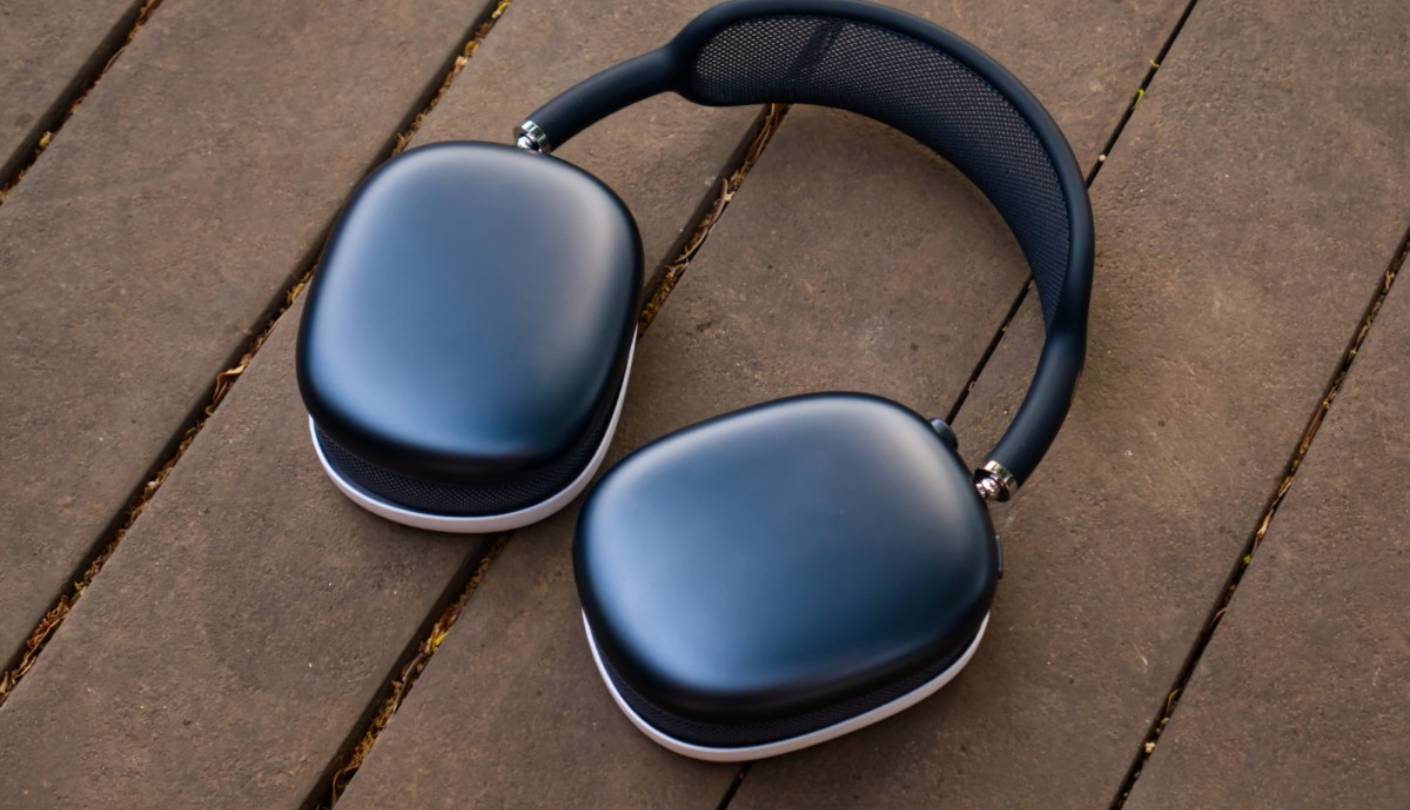
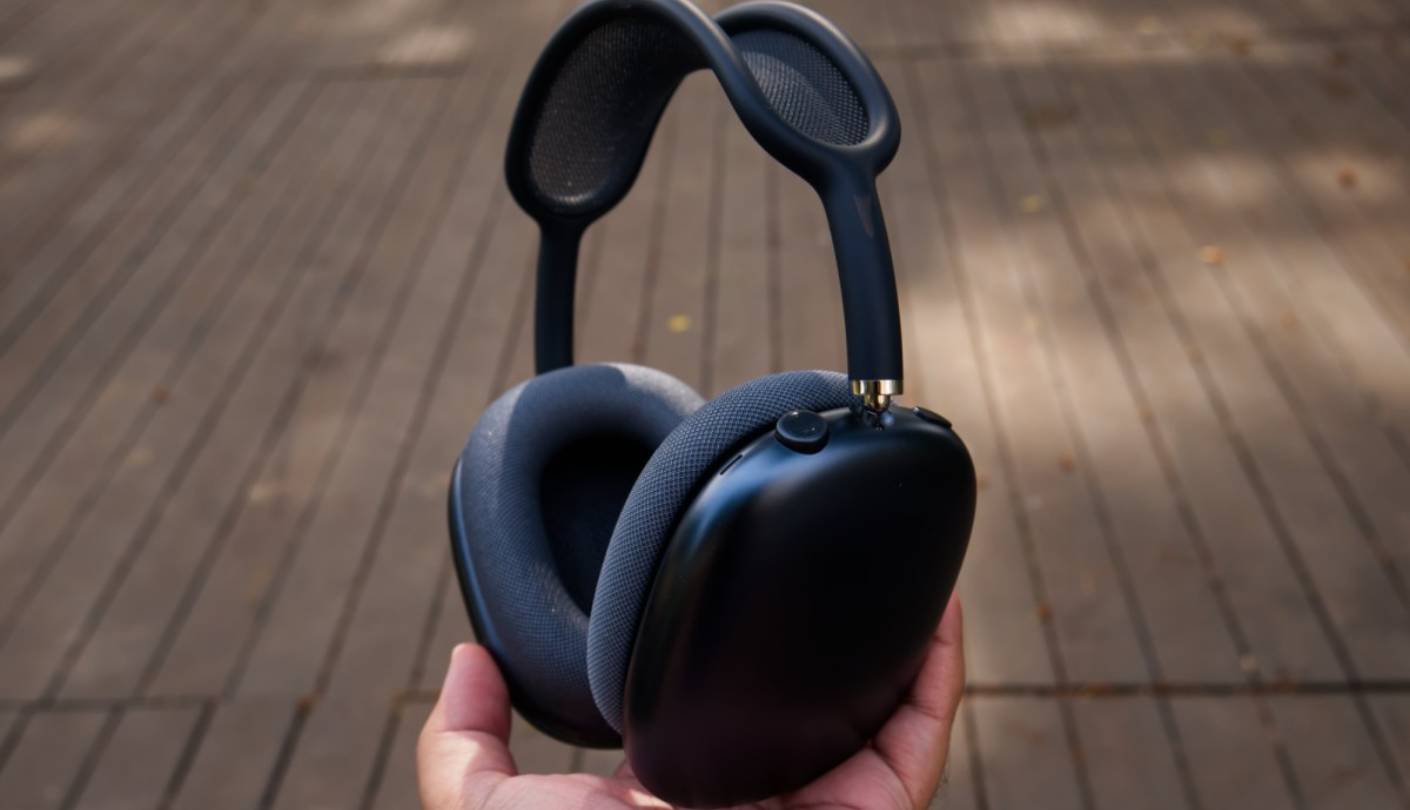
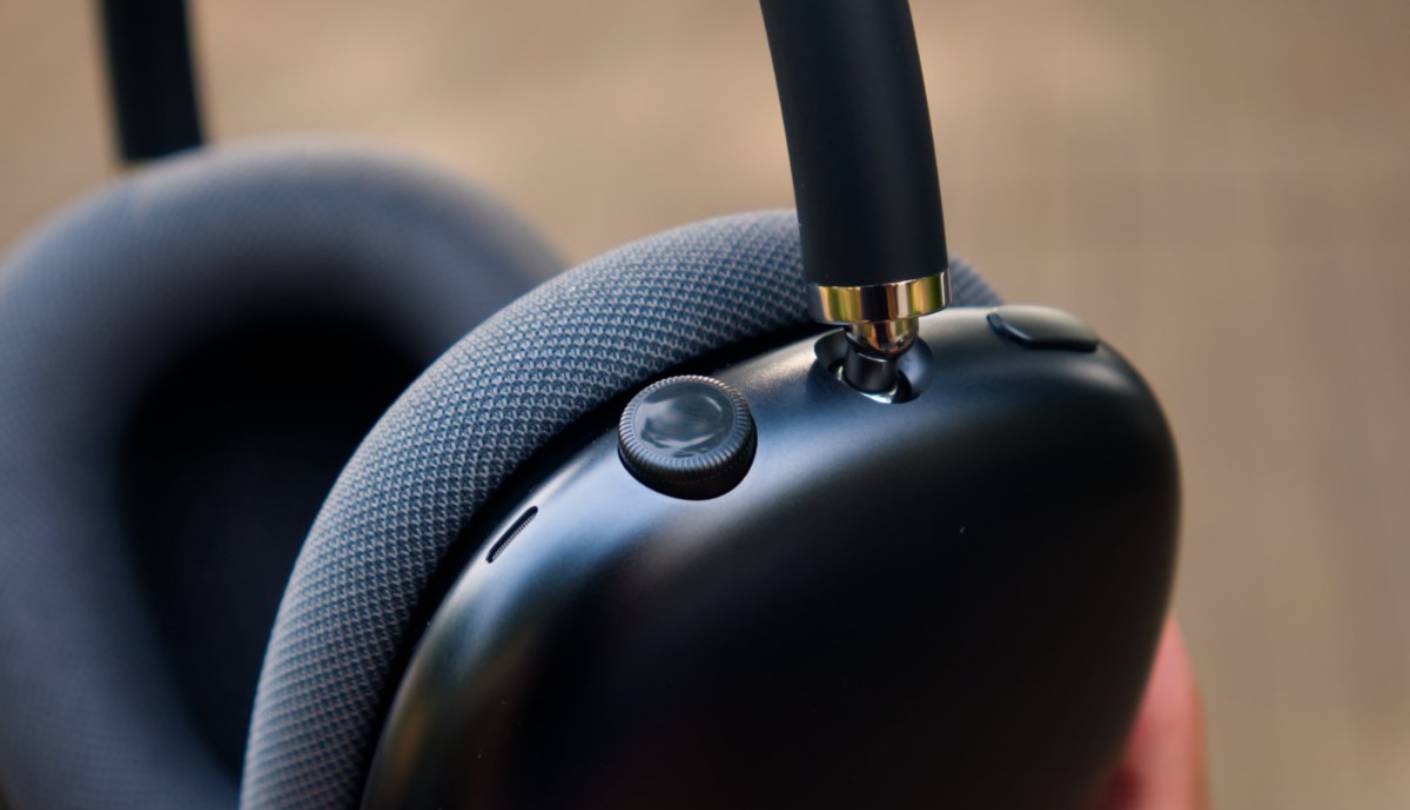
The Apple AirPods Max 2 finally give the line the internal update it waited five years for. The new H2 chip is the heart of the change, bringing personalized spatial audio with head tracking, Live Translation, faster device switching, and Voice Isolation for calls. I tested these inside the Apple ecosystem, because that is where they make sense and where almost all of these features live.
Sound quality is smooth and balanced, with a new high dynamic range amplifier that adds depth and separation over the previous version. Wired over the included USB-C cable the AirPods Max 2 reach 24-bit/48kHz lossless, and that is where I heard the hardware open up - more space between layers and firmer low-end definition. Wirelessly, Apple sticks with AAC, so Android users and anyone wanting hi-res over Bluetooth are out of luck.
ANC is rated at up to 1.5 times the effectiveness of the prior generation, and against the sustained hum of trains and HVAC systems the improvement is one I could hear. Transparency mode stays the most natural in the group, and the spatial audio for films is genuinely immersive on Apple devices. Live Translation is a clever addition that worked better than I expected in a quick test, though it needs an Apple Intelligence iPhone to run at all.
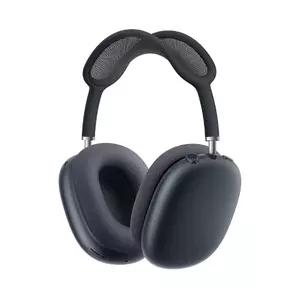
The design is the sticking point. At 385 grams these are the heaviest headphones here by a wide margin, and after about 45 minutes I start to feel the weight settle on the top of my head. Apple did not touch the form factor, so the same headband and the much-criticised case carry over, and there is still no power button. Battery life stays at 20 hours, the shortest in this roundup, with a five-minute charge buying about 90 minutes.
Build quality, on the other hand, is the finest here - the aluminum cups and steel headband feel worth their weight in the hand, if not always on the head. For an Apple household that wants spatial audio, easy switching, and a luxurious build, the AirPods Max 2 fit a workflow no rival can touch. For everyone else, the weight and the AAC-only wireless make this the hardest pair here to recommend, and I would look elsewhere.
Pros:
- Premium aluminum build
- Improved noise cancellation
- Natural transparency mode
- Personalized spatial audio
- Live Translation feature
Cons:
- Heaviest in group
- AAC-only wireless
Summary: Apple AirPods Max 2 add H2-powered ANC, spatial audio, and Live Translation to a luxurious build, held back by heavy weight and AAC-only wireless. The pick for committed Apple users.
Over-Ear Headphones for Music Lovers: FAQ
Which over-ear headphones have the best sound quality for music?
In my testing the Bowers & Wilkins Px7 S3 produced the most textured and dynamic sound, holding instrument separation through busy passages where other pairs blur together. The Sennheiser Momentum 4 runs a close second with a warm, natural tuning that suits acoustic and vocal music. The Sony WH-1000XM6 is the most balanced all-rounder. Sound is the most personal factor here, so I always suggest auditioning a pair against your own playlists if you can.
Do these headphones support hi-res lossless audio?
It depends on the connection. The Px7 S3 supports aptX Lossless wirelessly at 24-bit/96kHz, and the Sony backs LDAC for high-resolution streaming on Android. The Bose and Sennheiser use aptX Adaptive, which is strong but not fully lossless over Bluetooth. The AirPods Max 2 stream only AAC wirelessly and reach lossless audio at 24-bit/48kHz only through a wired USB-C cable. For the best wireless quality I would point Android users toward Sony or Bowers & Wilkins.
Which pair has the best noise cancellation?
The Sony WH-1000XM6 and the Bose QuietComfort Ultra are the two leaders, and which one comes out ahead depends on the noise. Sony grips voices and high-pitched cabin sound slightly better, while Bose handles low-frequency engine rumble most completely. The Apple AirPods Max 2 improved by roughly 1.5 times over the previous generation. The Sennheiser is the weakest of the five for ANC, though it still handles steady drone fine.
How long do the batteries last?
The Sennheiser Momentum 4 leads by a wide margin at up to 60 hours with ANC on, which in my use stretched past a week of commuting. Sony, Bose, and Bowers & Wilkins all rate around 30 hours, and the Apple AirPods Max 2 sit at 20, the shortest here. Quick charging helps close the gap, with the Px7 S3 giving about seven hours from a 15-minute top-up.
Are the AirPods Max 2 worth it for Android users?
I would not recommend them for Android. The best AirPods Max 2 features - personalized spatial audio, Live Translation, fast switching, and the camera remote - all require an Apple device, and on Android you are left with AAC wireless and basic playback. An Android-first music listener gets far more value from the Sony, Sennheiser, or Bowers & Wilkins, all of which work fully across both platforms.
Can you use these headphones wired?
Yes, all five offer a wired option, but the method varies. Sony and Sennheiser include a 3.5mm analog cable for traditional wired listening. The Bose, Px7 S3, and AirPods Max 2 use USB-C for wired audio, with the Px7 S3 and AirPods Max 2 supporting hi-res lossless playback that way. The Bose also keeps a 3.5mm option. I keep a short USB-C cable on hand for the pairs that unlock their best quality wired.
Which is the most comfortable for long listening sessions?
The Bose QuietComfort Ultra is my pick for the longest unbroken sessions, thanks to gentle clamp force, plush cushions, and a light roughly 250-gram weight. The Sony at 254 grams is nearly as comfortable and easier to pack. The AirPods Max 2 are the outlier at 385 grams, and I start to feel that weight on the top of my head after about 45 minutes.
Do these headphones work for calls and video meetings?
All five handle calls, with some pulling ahead. The Bowers & Wilkins Px7 S3 uses ADI Pure Voice processing and an eight-mic array for clear pickup, and the AirPods Max 2 add Voice Isolation through the H2 chip. The Bose offers strong, loud call clarity that improved over the original Ultra. For daily meetings any of them work, and I found the Px7 S3 and Bose the easiest for the person on the other end to hear.
Choosing the Right Over-Ear Headphones
If one pair in this group works for the widest range of music lovers, it is the Sony WH-1000XM6 - balanced sound, top-tier ANC, a light foldable body, and a feature set that covers nearly everything. The Sennheiser Momentum 4 Wireless is the pair I grab when sound and a 60-hour battery matter more than absolute silence, and it has earned a permanent spot in my travel bag.
The Bose QuietComfort Ultra (2nd Gen) is the one I hand to frequent flyers who want silence and all-day comfort above everything. The Bowers & Wilkins Px7 S3 is the pair I reach for when I want to sit and really listen, with the best sound and build here. And the Apple AirPods Max 2 are the clear choice for a committed Apple household that values spatial audio and a luxurious build. Match the pair to how and where you listen, and every option here earns its place.

Meet James, our go-to tech guru and seasoned reviewer. His sharp attention to detail and love for gadgets drive his deep dives into the newest tech waves. James's insightful analysis and real zest for breakthroughs have earned him a solid reputation in the tech world.


