Best Power Banks for Travel
Travel changes your relationship with a power bank the moment you land. At home, a dying phone is a minor inconvenience. At gate D47 with a three-hour delay and no outlet in reach, it's a different situation entirely. I've carried power banks across enough airports, trains, and overnight buses to know that the spec that matters most on the road isn't capacity or peak wattage - it's the ratio of those numbers to the size and weight you're actually willing to carry every day. A 20,000mAh brick that stays in the bag because it's too heavy to pocket is worth less than a 10,000mAh unit that's always on you.
The five power banks in this roundup cover the full spectrum of travel charging: from the smallest 10,000mAh 45W units on the market today to a flat 20,000mAh laptop charger thin enough to slip between a MacBook and its sleeve. Two carry built-in retractable cables, one is purpose-built for Apple ecosystem users, and the flagship UGREEN unit pushes 165W simultaneously across three devices. I tested each one across real travel conditions - airports, hotel rooms, delayed trains - to find out which ones hold up when the itinerary falls apart.
If you're in a hurry, here are my top two picks for travel power banks:
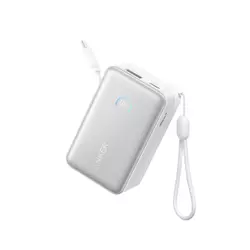
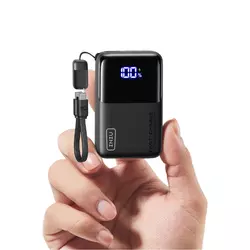
Table of Contents:
- Best Power Banks for Travel: Buying Guide
- Top 5 Travel Power Banks in 2026
- Travel Power Bank Comparison
- Anker Nano Power Bank 10K 45W
- INIU Pocket Rocket P50 10K 45W
- UGREEN Nexode Power Bank 20K 165W
- Baseus Blade 20K 100W
- Belkin BoostCharge Plus 10K
- Travel Power Bank FAQ
Best Power Banks for Travel: Buying Guide
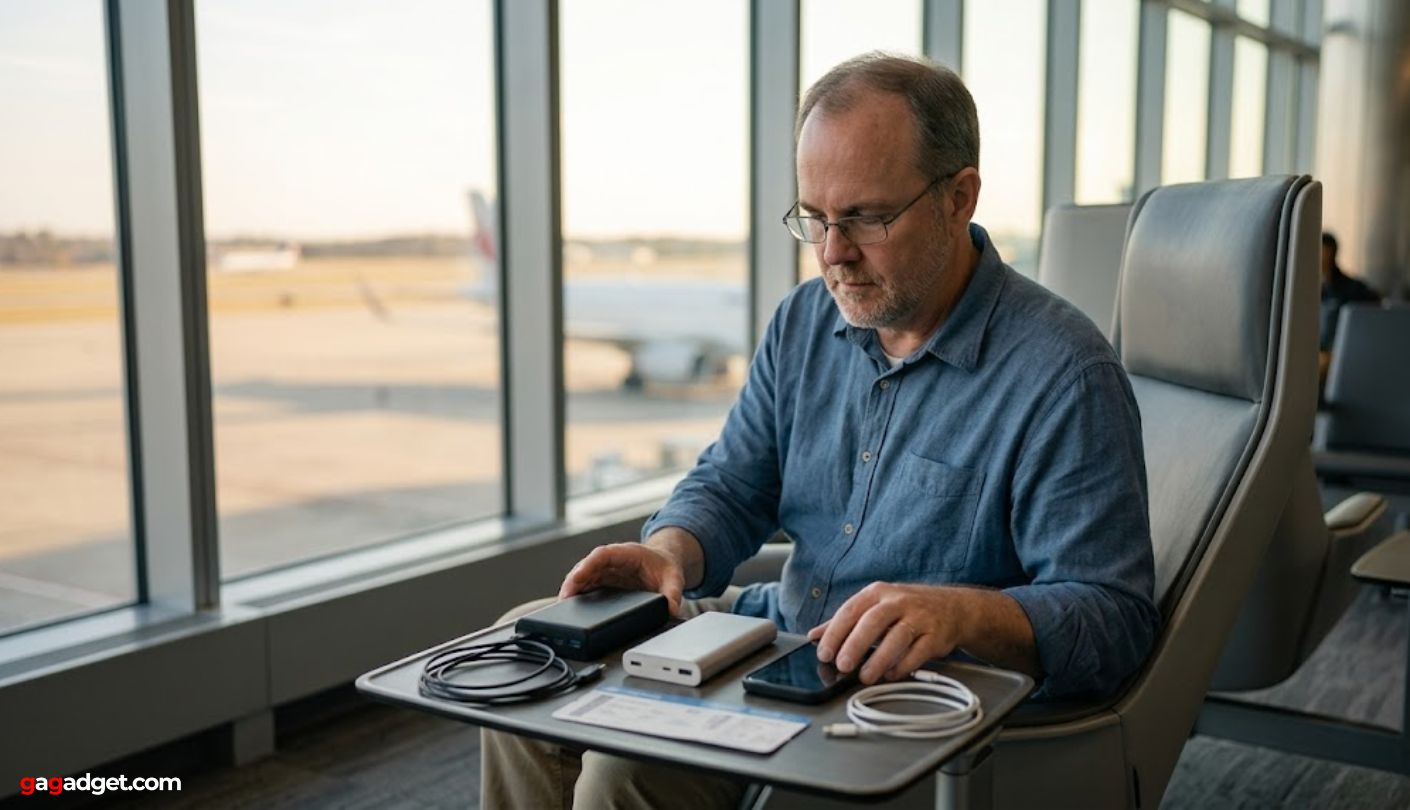
Choosing a travel power bank comes down to five factors that interact in ways most spec sheets don't make obvious - getting one wrong usually means either overpacking or underpowering your trip.
Capacity, Wh Ratings, and Airline Regulations
The 100Wh rule is the single most important number in travel charging. Airlines allow lithium-ion power banks up to 100Wh in carry-on luggage without prior approval - anything above requires airline permission, and above 160Wh is generally prohibited in passenger cabins. The conversion from mAh to Wh uses the formula: mAh × voltage ÷ 1000. A 20,000mAh bank at the standard 3.7V cell voltage works out to roughly 74Wh - safely under the limit, which is why 20,000mAh has become the practical ceiling for travel power banks. My rule when packing for trips over two days is one 20K unit or two 10K units in carry-on, never checked luggage.
The mAh figure on a power bank's label reflects raw cell capacity at 3.7V, not usable output at 5V. Conversion losses through the power management circuitry typically reduce effective output to 60-70% of stated mAh. A 10,000mAh bank realistically charges most modern phones one and a half to two times. Higher-quality power management - as found in Anker's ActiveShield 3.0 or UGREEN's SunPower cell design - pushes conversion efficiency closer to 85-90%.
For trip planning, a 10,000mAh bank at 65-70% efficiency covers roughly 1.5-2 full charges of a current flagship phone. A 20,000mAh bank handles two to three phone charges plus a meaningful laptop top-up. If your travel kit includes a MacBook Air or similar 30-60Wh laptop battery, a 20K bank gives you one full laptop charge with enough reserve for your phone. For phone-only travelers on trips of one to three days, a 10K bank is almost always sufficient.
Output Wattage and Device Compatibility
Output wattage determines how fast a connected device charges, independent of how much total energy the bank holds. The 20W USB-C PD standard covers fast charging for current iPhones and iPads. 45W covers Samsung Galaxy flagships, Pixel devices, and the MacBook Air at acceptable speed. 65W and above is where USB-C power delivery begins to meaningfully accelerate MacBook Pro charging. 100W is the practical ceiling for laptop fast charging, handling everything from a 13-inch MacBook Pro to a Dell XPS without compromise.
Port sharing matters as much as peak wattage on multi-device banks. When two devices connect simultaneously, most banks distribute wattage unevenly - one port retains priority and the other drops. The UGREEN Nexode 20K handles this better than most, maintaining 100W through the retractable cable while the secondary USB-C port runs at 65W simultaneously. Budget banks often drop both ports to 7.5W when shared, turning a fast charger into a trickle feed the moment a second device connects. Checking the shared-port wattage spec - not just the peak single-port figure - is the most overlooked detail in travel power bank buying.
Built-in Cables vs Separate Cables
A power bank with an integrated cable eliminates the most common travel charging failure: arriving at a hotel with a power bank and discovering the charging cable is in the checked bag. Both the Anker Nano 10K and the Belkin BoostCharge Plus 10K take this approach, each solving it differently. The Anker uses a retractable 70cm USB-C cable that locks at six lengths and retracts fully - a mechanical design I've found reliable through months of daily use without fraying or loosening. The Belkin integrates a fixed USB-C cable alongside a Lightning connector, targeting Apple ecosystem users who carry both connection types.
Retractable cables introduce a mechanical wear point that fixed or separate cables don't have. UGREEN rates its retractable cable at 25,000 retraction cycles and 10,000 bend tests. Anker rates its 70cm retractable cable at 20,000 bend cycles. Both figures far exceed typical product lifespans. The practical concern isn't long-term durability but short-term mishandling - forcing a partially-extended cable to retract under tension is the most common mechanical failure mode.
Separate-cable power banks like the INIU P50, UGREEN Nexode, and Baseus Blade require carrying a cable, but the tradeoff is full port flexibility at any length you prefer. For travelers who need a meter-long cable to reach an outlet from a desk chair, a built-in 65-70cm cable feels short. For phone-only travelers who want to plug in and pocket the whole setup, a retractable built-in cable removes one item from the packing list entirely.
Form Factor: Pocket vs Bag Carry
The shape of a power bank matters more than its weight for travel comfort. Cylindrical and rectangular banks of similar weight feel completely different in a jacket pocket - the Baseus Blade's flat square design distributes across a laptop bag without creating a pressure point, while a rectangular bank of the same weight creates a noticeable block in a trouser pocket. The INIU P50 at 160g and 8.3 x 5.2 x 2.6 cm is the benchmark for pocket-friendly 10K banks. In my experience, a bank that fits in a jacket pocket gets used consistently on travel days, while a bag-only bank gets forgotten during ground transport.
Thickness is the most underrated dimension for bag-packing. The Baseus Blade at 18-20mm slides flat alongside a laptop in a sleeve without creating the gap that standard banks produce. Banks over 25mm thick tend to push against the laptop's corners and create pressure points in padded sleeves. For travelers who carry both a laptop and a power bank in the same compartment daily, the Blade's flat profile solves real friction that thicker banks introduce over a long travel week.
Warranty, Safety Certifications, and Brand Reliability
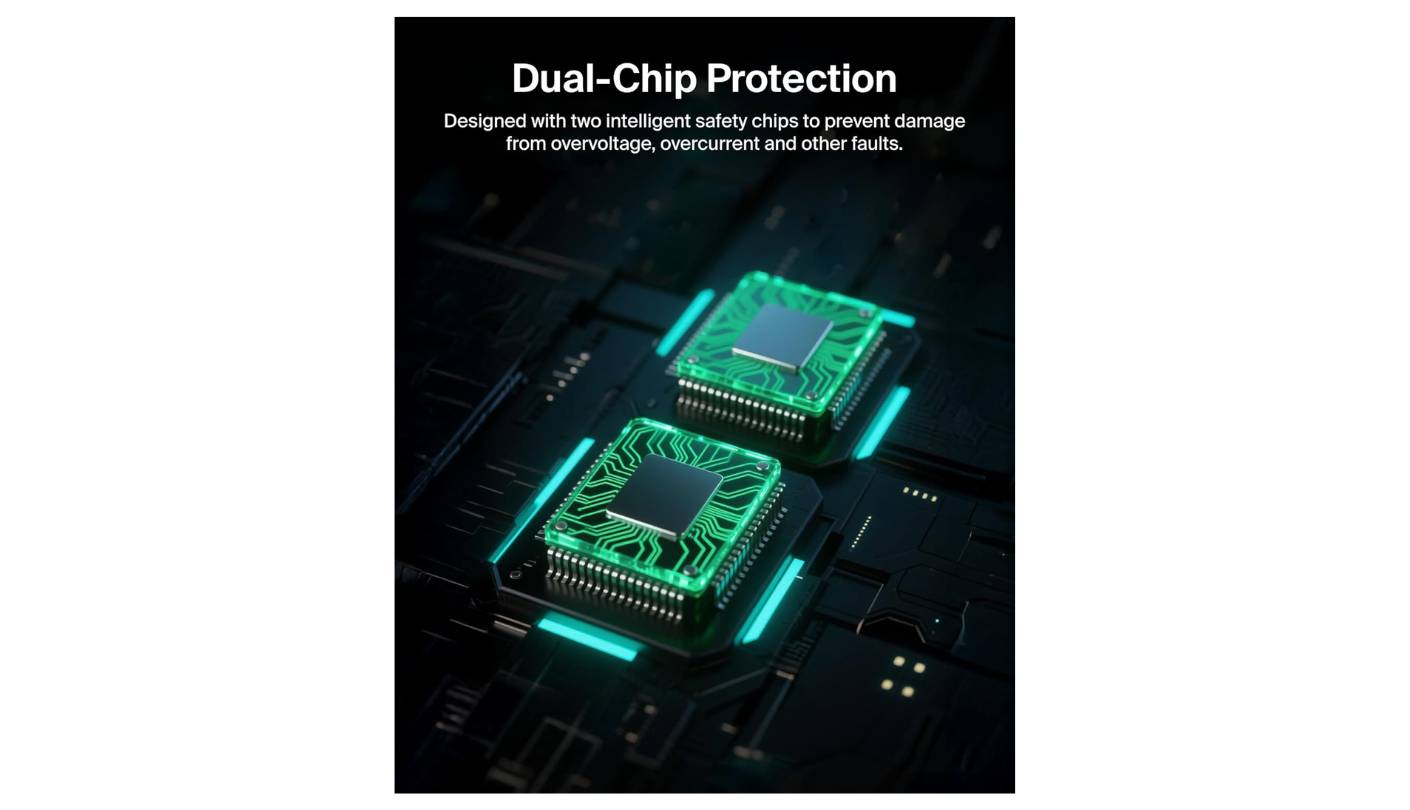
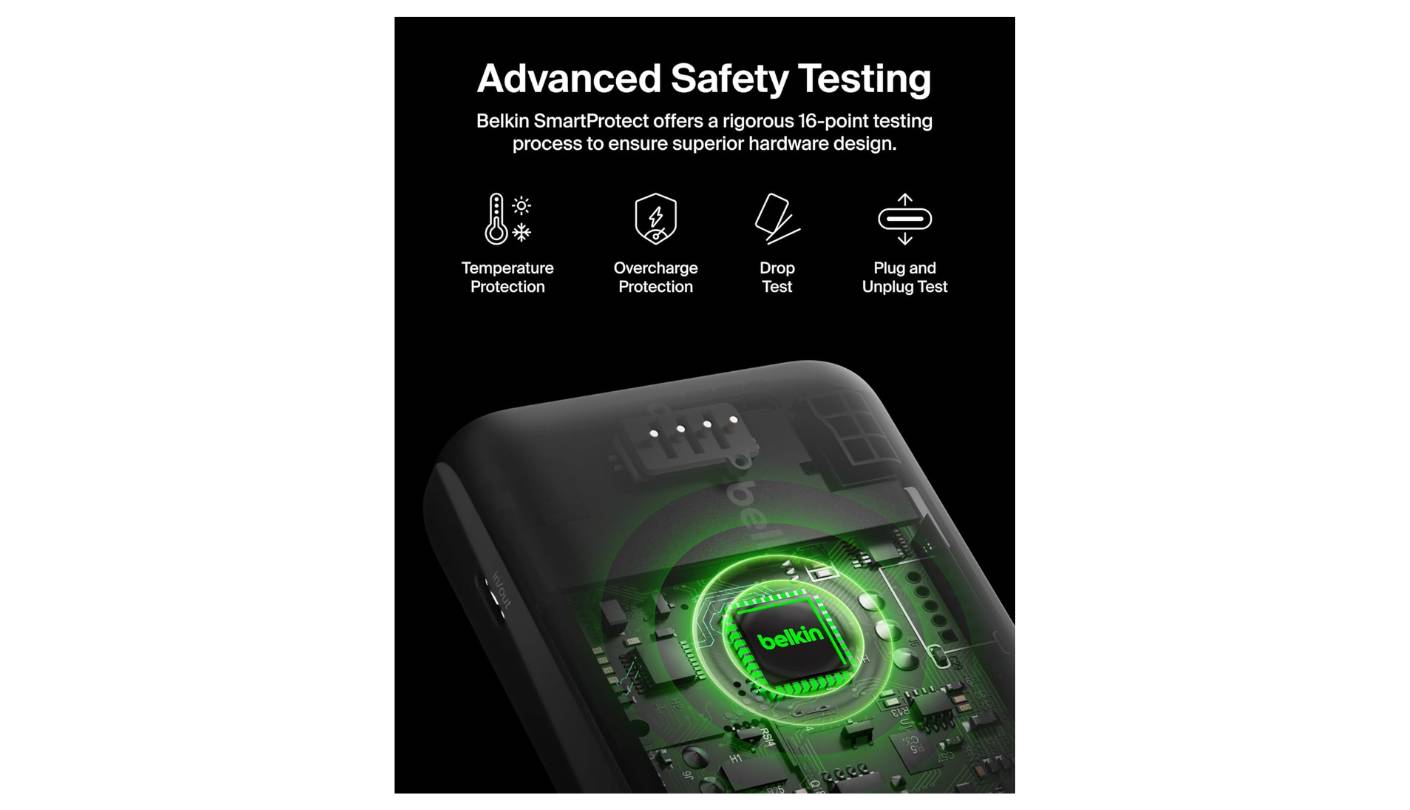
Power bank safety certifications separate responsible manufacturers from companies cutting corners on protection circuitry. UL 2056 and IEC 62368 are the relevant standards - they cover overcharge protection, short-circuit protection, thermal management, and cell integrity under crush and puncture conditions. Baseus and Belkin both hold these certifications. Belkin's Connected Equipment Warranty, which covers up to $2,500 in device repair if a connected device suffers damage from the power bank, is the most consumer-protective warranty in this group and reflects genuine confidence in its protection circuitry.
Anker's ActiveShield 3.0 monitors battery temperature 80 times per second and adjusts input and output rates dynamically to prevent thermal runaway - a meaningful differentiator over basic protection chips that only cut power at fixed thresholds. UGREEN's SunPower INR21700-5000 cells retain over 70% capacity after 1,000 full charge cycles, addressing long-term degradation rather than just short-term safety. For a travel power bank that charges daily, cell longevity over three to five years matters as much as the protection features active on day one.
Three-year warranties, like INIU's on the P50, are unusual in this category and signal confidence in long-term build quality. Standard warranty periods run one to two years. Belkin's two-year warranty plus the Connected Equipment Warranty represents a different kind of assurance - not just that the bank won't fail, but that if it causes damage, the company stands behind the financial consequence. For business travelers carrying expensive devices, that distinction is worth factoring into purchasing decisions alongside raw specs.
Top 5 Travel Power Banks in 2026
Each power bank went through real-world travel testing including airport carry conditions, multi-device simultaneous charging, and charge-speed verification to identify which ones perform consistently outside of spec sheet conditions.
- 70cm retractable USB-C cable
- TFT live power display
- ActiveShield 3.0 thermal monitoring
- 3-port simultaneous output
- 30W fast self-charge
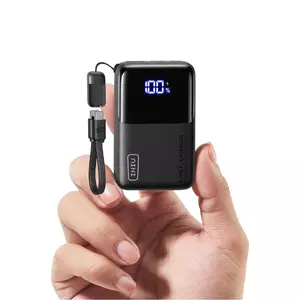
- World's smallest 10K 45W form
- 160g featherweight build
- 3-year warranty
- TinyCell Pro battery tech
- 3-port simultaneous output
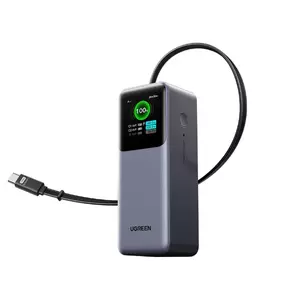
- 165W combined dual output
- 100W retractable cable
- SunPower 21700 premium cells
- Detailed TFT port display
- 100W fast self-charge
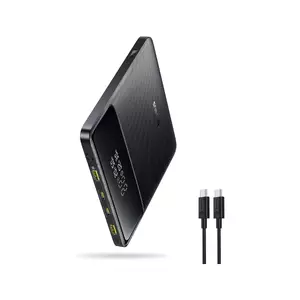
- 18-20mm ultra-flat profile
- 4-port simultaneous output
- 100W USB-C single port
- 90-minute fast self-charge
- UL/IEC safety certified
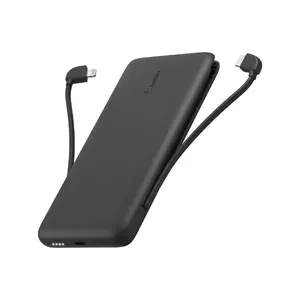
- Dual integrated cables (USB-C + Lightning)
- $2,500 Connected Equipment Warranty
- Recycled plastic build
- Pass-through charging
- Belkin brand reliability
Travel Power Bank Comparison
Here's a detailed comparison of the specifications that matter most when choosing a power bank for travel:
| Specification | Anker Nano 10K 45W | INIU Pocket Rocket P50 | UGREEN Nexode 20K 165W | Baseus Blade 20K 100W | Belkin BoostCharge Plus 10K |
| Capacity | 10,000mAh | 10,000mAh | 20,000mAh | 20,000mAh | 10,000mAh |
| Max Output | 45W (single port) | 45W (single port) | 165W combined (100W + 65W) | 100W (single port) | 20W |
| Ports | 1x USB-C, 1x USB-A, 1x retractable USB-C | 2x USB-C, 1x USB-A | 1x retractable USB-C, 1x USB-C, 1x USB-A | 2x USB-C, 2x USB-A | Integrated USB-C + Lightning, 1x USB-A |
| Self-Charge Speed | 30W input (~2 hrs) | 20W input (~2.5 hrs) | 100W input (~2 hrs) | 65W input (~90 min) | 15W input |
| Built-in Cable | Yes - 70cm retractable USB-C | No (lanyard cable) | Yes - 65cm retractable USB-C | No | Yes - integrated USB-C + Lightning |
| Weight | ~210g | 160g | ~550g | ~490g | ~227g (0.5 lbs) |
| Dimensions | 8.2 x 5.1 x 3.6 cm | 8.3 x 5.2 x 2.6 cm | 14.6 x 5.5 x 5.0 cm | 13.4 x 13.4 x 1.8 cm | 10.2 x 6.4 x 2.3 cm |
| Display | Smart TFT display | Real-time LED display | TFT display (wattage, voltage, %) | LED digital display | LED indicator |
| Airline Safe | Yes (~37Wh) | Yes (~36.8Wh) | Yes (~74Wh) | Yes (~74Wh) | Yes (~37Wh) |
| Laptop Charging | Limited (45W) | Limited (45W) | Yes (100W full speed) | Yes (100W full speed) | No (20W max) |
| Warranty | 18 months | 3 years | 2 years | 2 years | 2 years |
The specs that translate most directly into real travel performance are the shared-port wattage (not just the peak single-port figure), built-in cable presence, and weight - since a power bank that stays in the bag because it's too heavy to pocket defeats its own purpose.
Anker Nano Power Bank 10K 45W Review
Editor's Choice
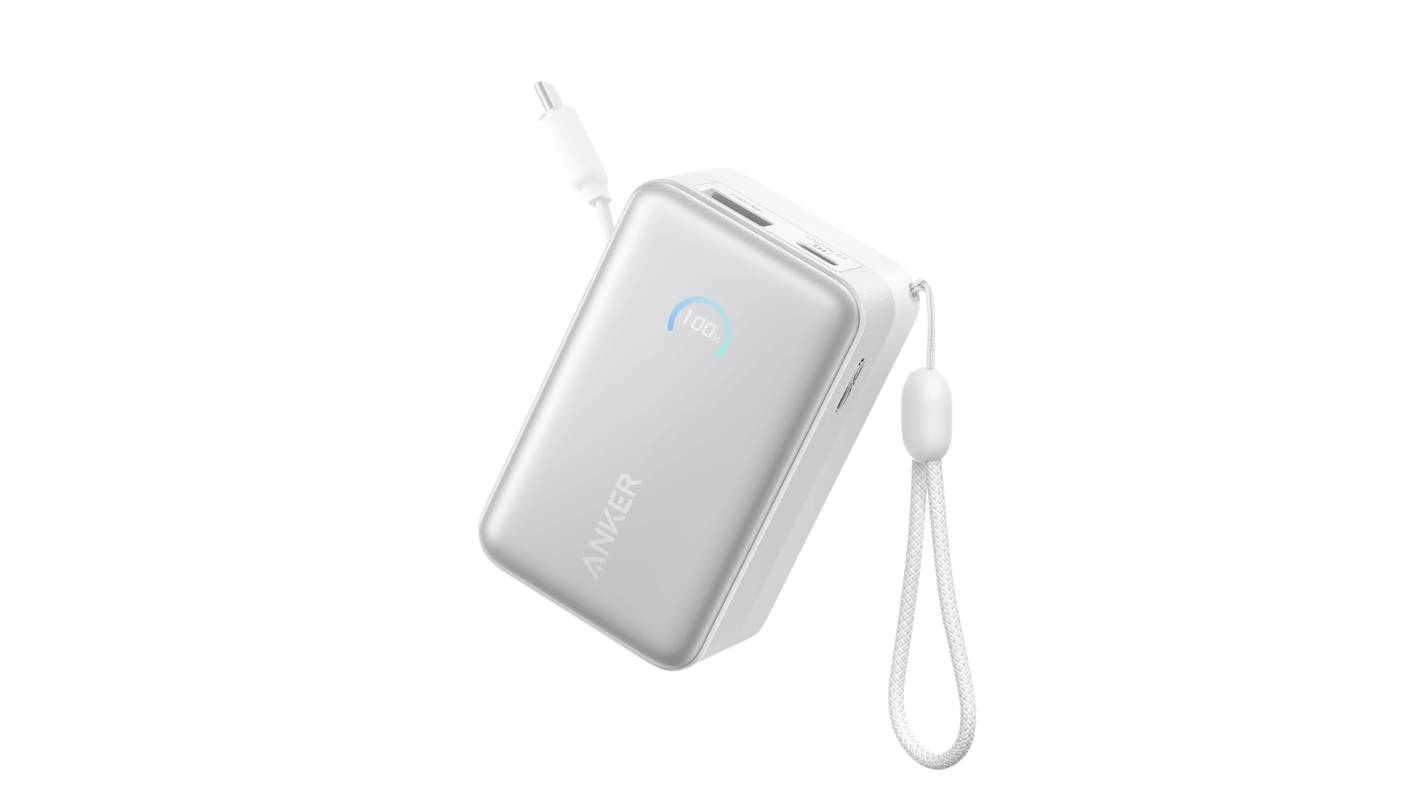
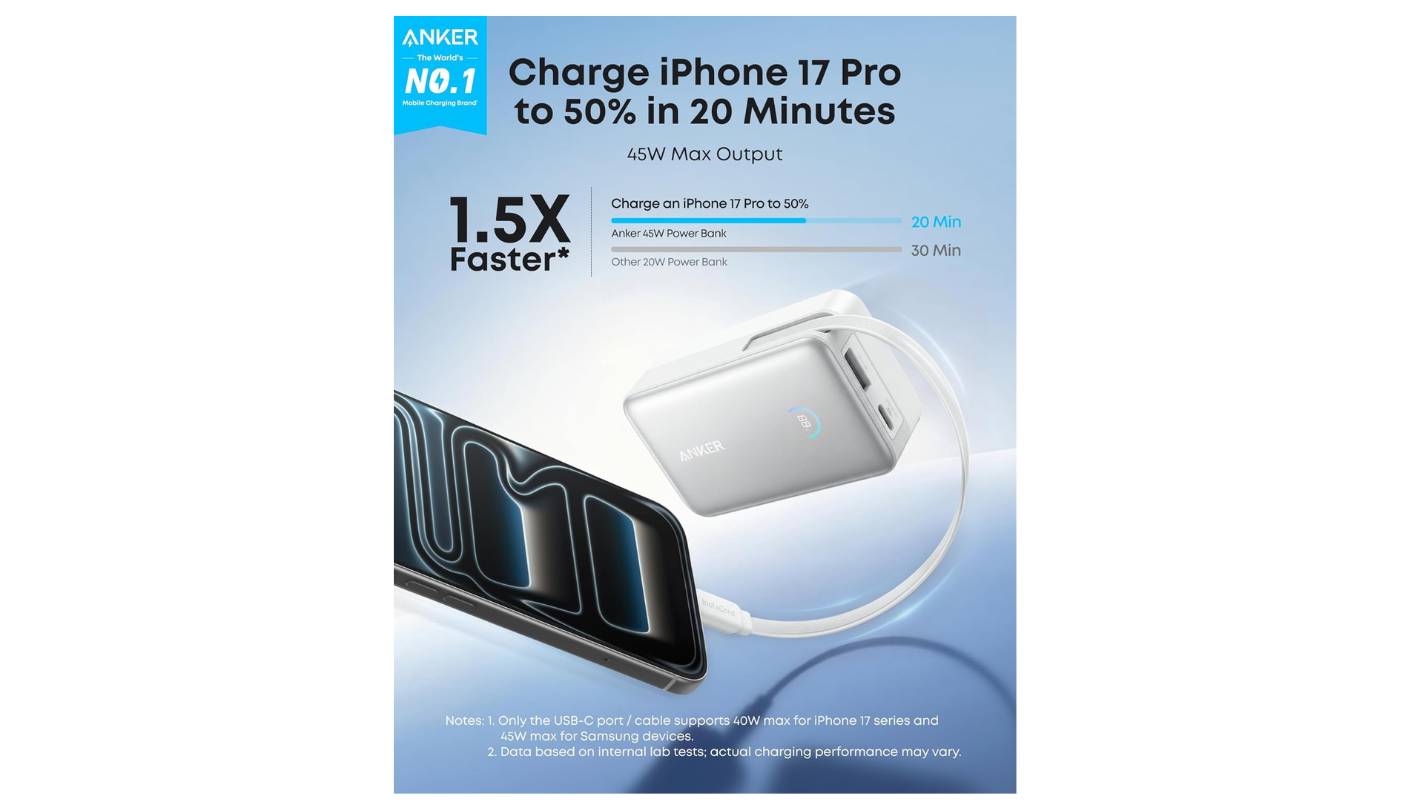
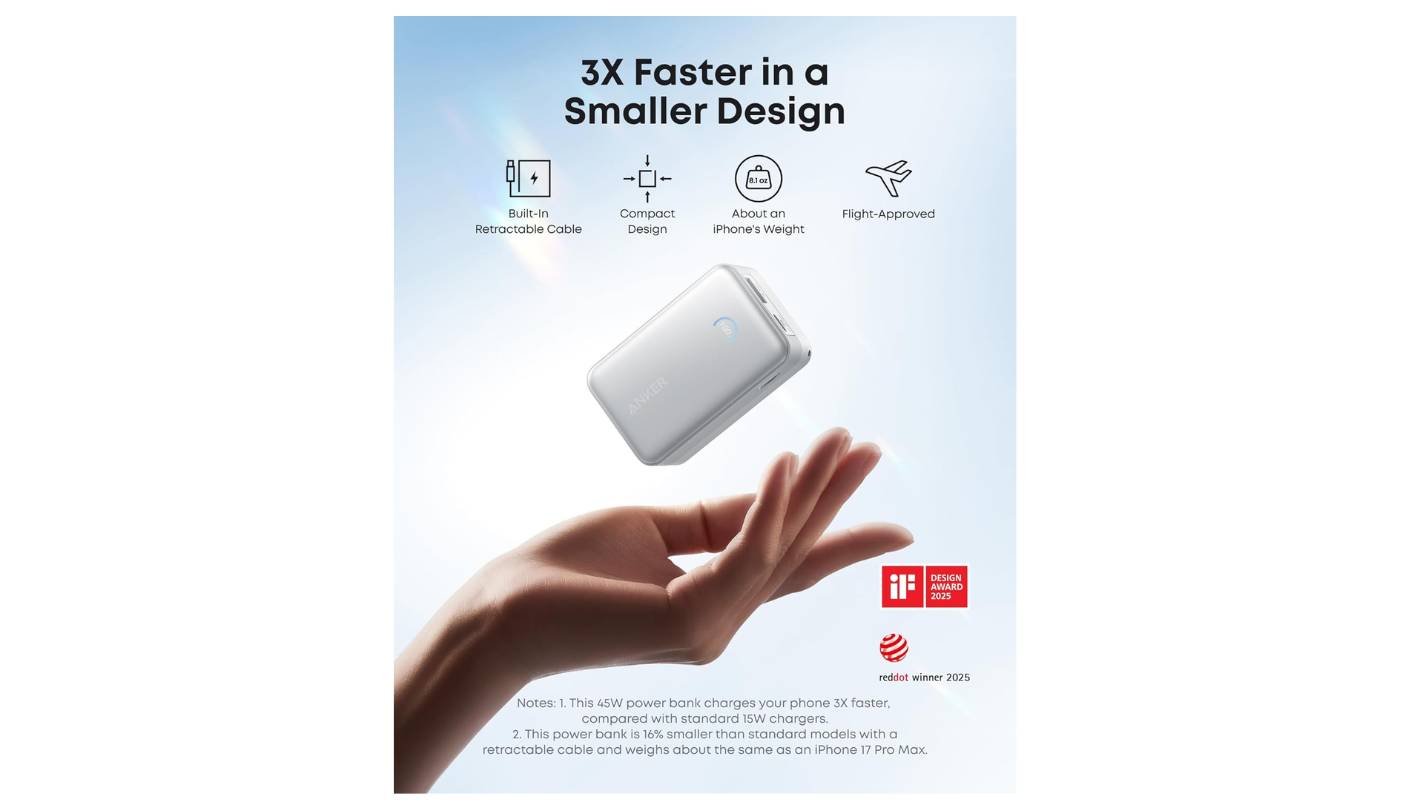
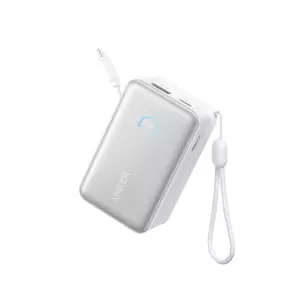
The design decision that makes the Anker Nano Power Bank 10K 45W worth carrying every day is the retractable 70cm USB-C cable. Not because retractable cables are new, but because of how Anker implemented this one. The cable locks at six different lengths in roughly 10cm increments, retracts with a single smooth pull, and sits flush with the body when stowed. Anker rates it at 20,000 bend cycles - more than enough for years of daily travel use. I've run it through a carry bag, jacket pockets, and airport lounge desk setups without the cable developing any slack or fraying at the base.
Three outputs in a 10K bank is unusual, and the layout is practical: the retractable USB-C cable and a separate USB-C port both hit 45W on their own, while a USB-A port handles 22.5W. When all three run simultaneously, each drops to 7.5W - a deliberate split that keeps three devices charging rather than cutting one off entirely. Anker's ActiveShield 3.0 monitors battery temperature 80 times per second and adjusts charge rates dynamically, which matters when the bank cycles through multiple devices in quick succession on a long travel day.
The TFT display shows live battery percentage and real-time power draw through each port - not just a blinking LED count. Knowing whether the bank is pushing 45W or 15W helps troubleshoot cable quality issues on the road, where swapping to a known-good cable isn't always an option. Self-charging runs at 30W input and takes around two hours - fast enough to top up during a hotel breakfast. Anker's pass-through charging lets the bank act as a mini hub while plugged into a wall, useful when a hotel room has one outlet and multiple devices need attention.
The dimensions land at 8.2 x 5.1 x 3.6 cm - compact in footprint but noticeably thick compared to the ultra-slim INIU P50. The added depth houses the retractable cable mechanism, and in my experience it affects pocket carry more than bag carry. It fits in a jacket pocket without issue but rides noticeably in a trouser pocket. The included lanyard loop lets you clip it to a bag strap for easy access. Available in Aurora White, Black, and Teal Oasis.
For travelers who want a single carry item that charges phones, tablets, and a MacBook Air in a pinch - all without searching for a cable - the Anker Nano 10K 45W is the most complete 10K option in this group. The 45W output is honest about its limits: it's a fast phone charger and an adequate emergency laptop charger, not a primary laptop power source. For that role, the UGREEN Nexode 20K is the right tool. For everyone else carrying a 10K bank as a daily travel companion, the Nano's retractable cable and three-port layout set a high bar for the category.
Pros:
- 70cm retractable USB-C cable
- TFT live power display
- ActiveShield 3.0 thermal monitoring
- 3-port simultaneous output
- 30W fast self-charge
Cons:
- Thick 3.6cm body
- 7.5W shared when all 3 ports active
Summary: Anker Nano 10K 45W combines a 70cm locking retractable USB-C cable, three simultaneous outputs, and real-time TFT display in a pocket-sized 10K bank. The most self-contained travel charger in this group for phone and light laptop use.
INIU Pocket Rocket P50 10K 45W Review
Best Overall
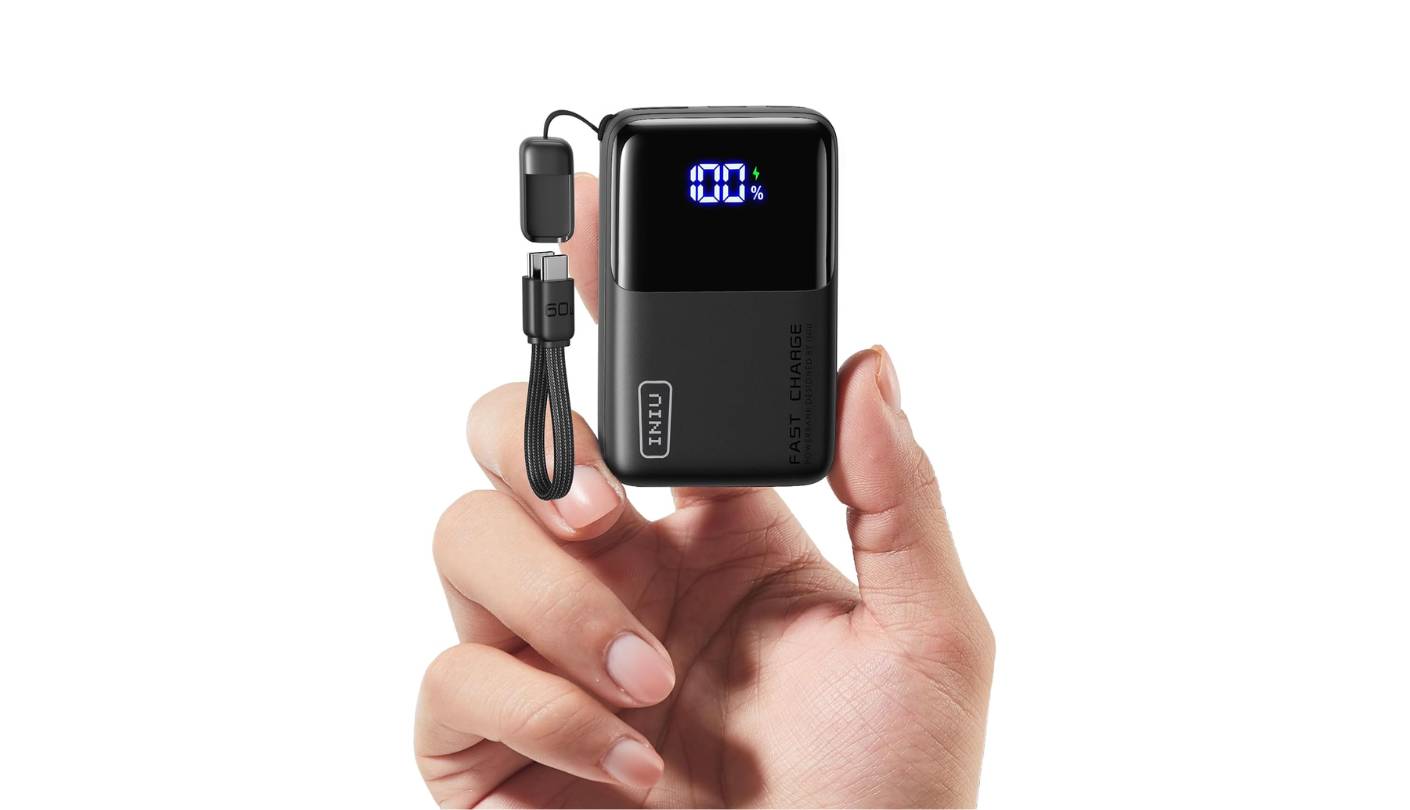
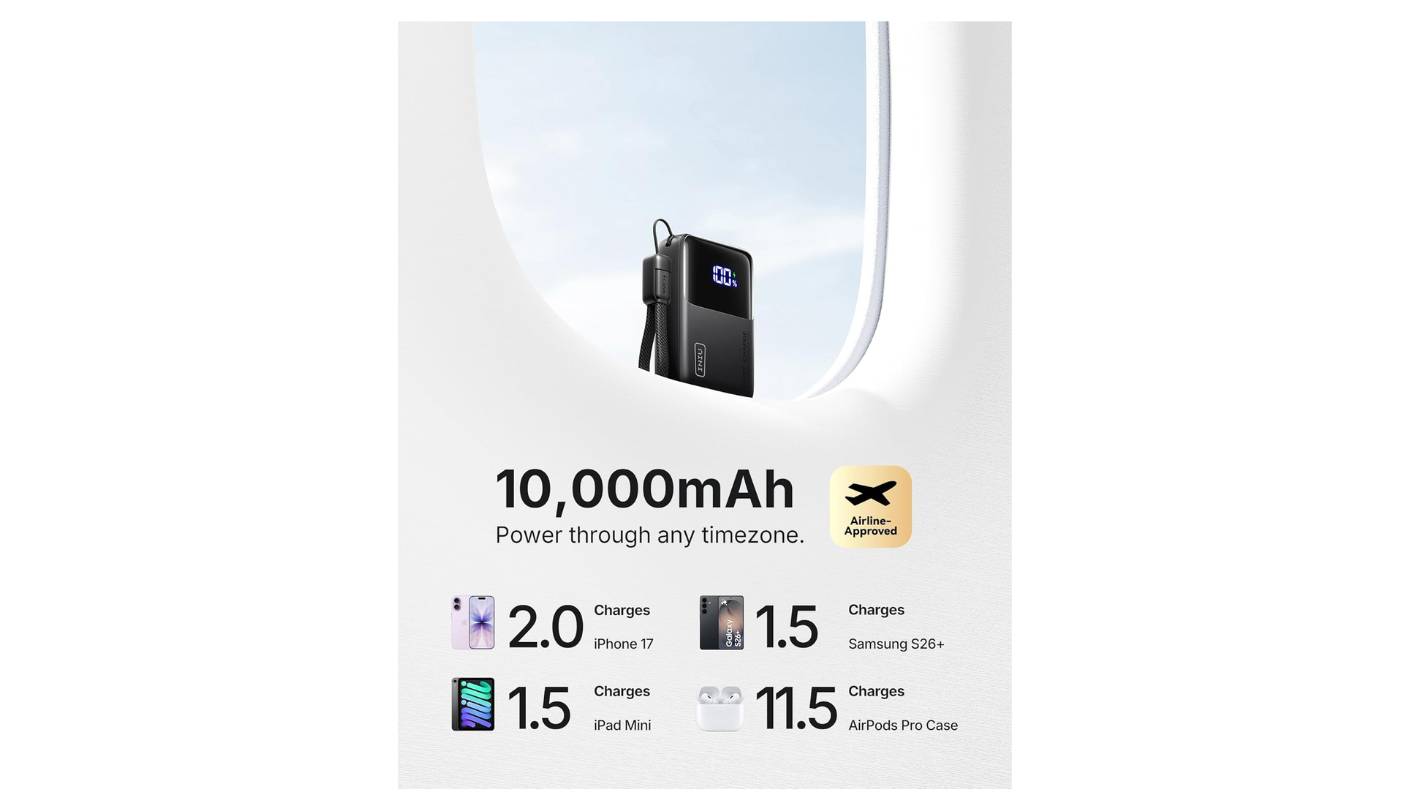
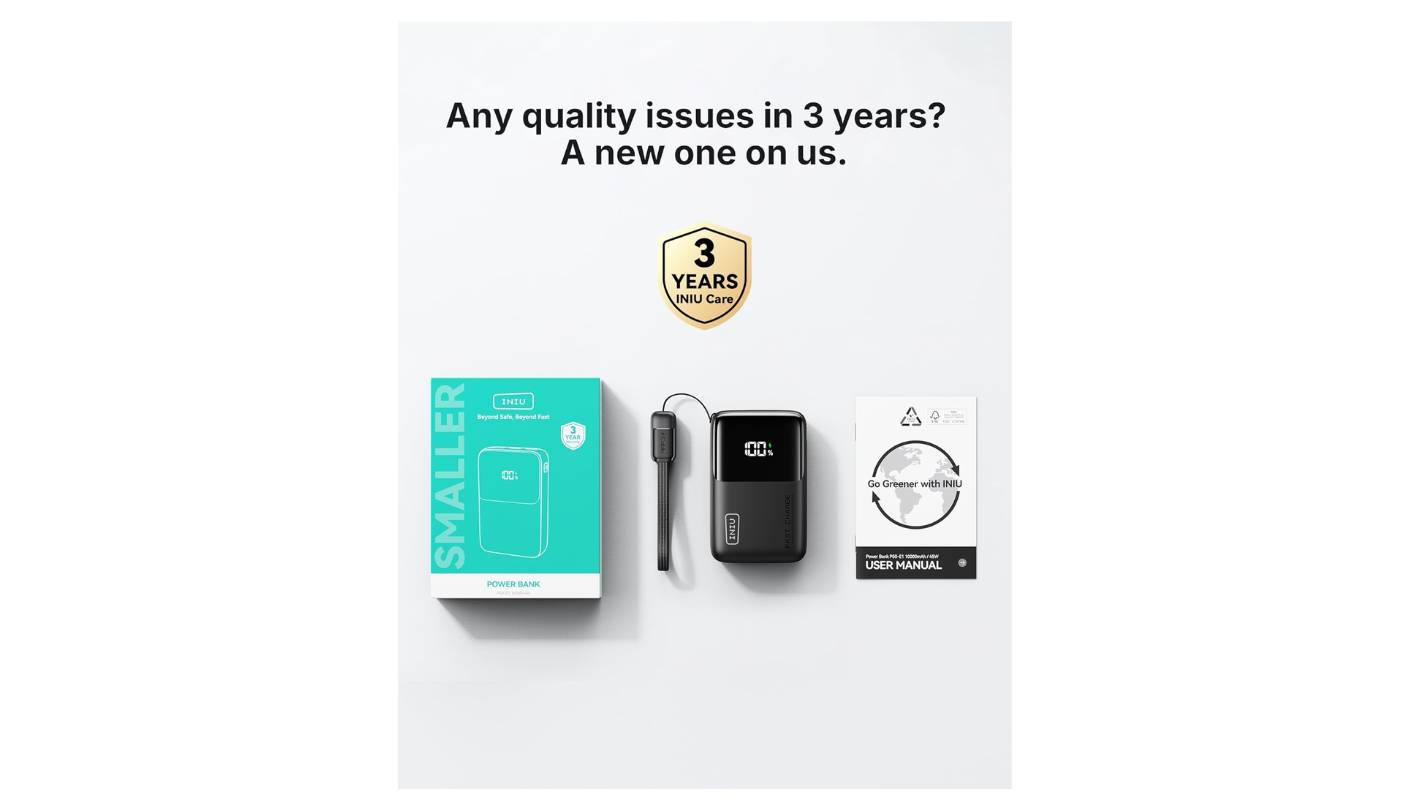
The claim that the INIU Pocket Rocket P50 is the world's smallest 10,000mAh 45W power bank is one I can confirm after weeks of daily carry. At 8.3 x 5.2 x 2.6 cm and 160g, it is smaller and lighter than any other 10K 45W bank I've tested. The size reduction comes from INIU's proprietary TinyCell Pro battery technology, which packs 45% smaller dimensions than standard 10,000mAh designs without reducing energy density. On the road, the P50 fits in any pocket without reshaping the fabric - something I noticed immediately switching from heavier banks during a week of consecutive travel days.
The 45W PD output covers Samsung Super Fast Charging 2.0, PPS, and QC protocols. INIU's published results put a phone at 73% from flat in 25 minutes - figures I found consistent in real use. A MacBook Air receives a meaningful boost at 45W, though not at the full-speed 67W the adapter supplies. Three ports (two USB-C and one USB-A) handle simultaneous charging, and the real-time LED display shows remaining capacity as a percentage rather than a vague LED count.
INIU includes a USB-C lanyard cable as part of the package - a short loop cable for clipping the P50 to a bag rather than a full-length retractable system. Travelers still need to carry a USB-C cable for device connection. For the P50's use case - a phone-primary bank for light daily carry - that's a reasonable design choice. The bank is small enough that adding cable weight back in doesn't defeat the portability advantage, especially since most travelers already carry a USB-C cable for their phone.
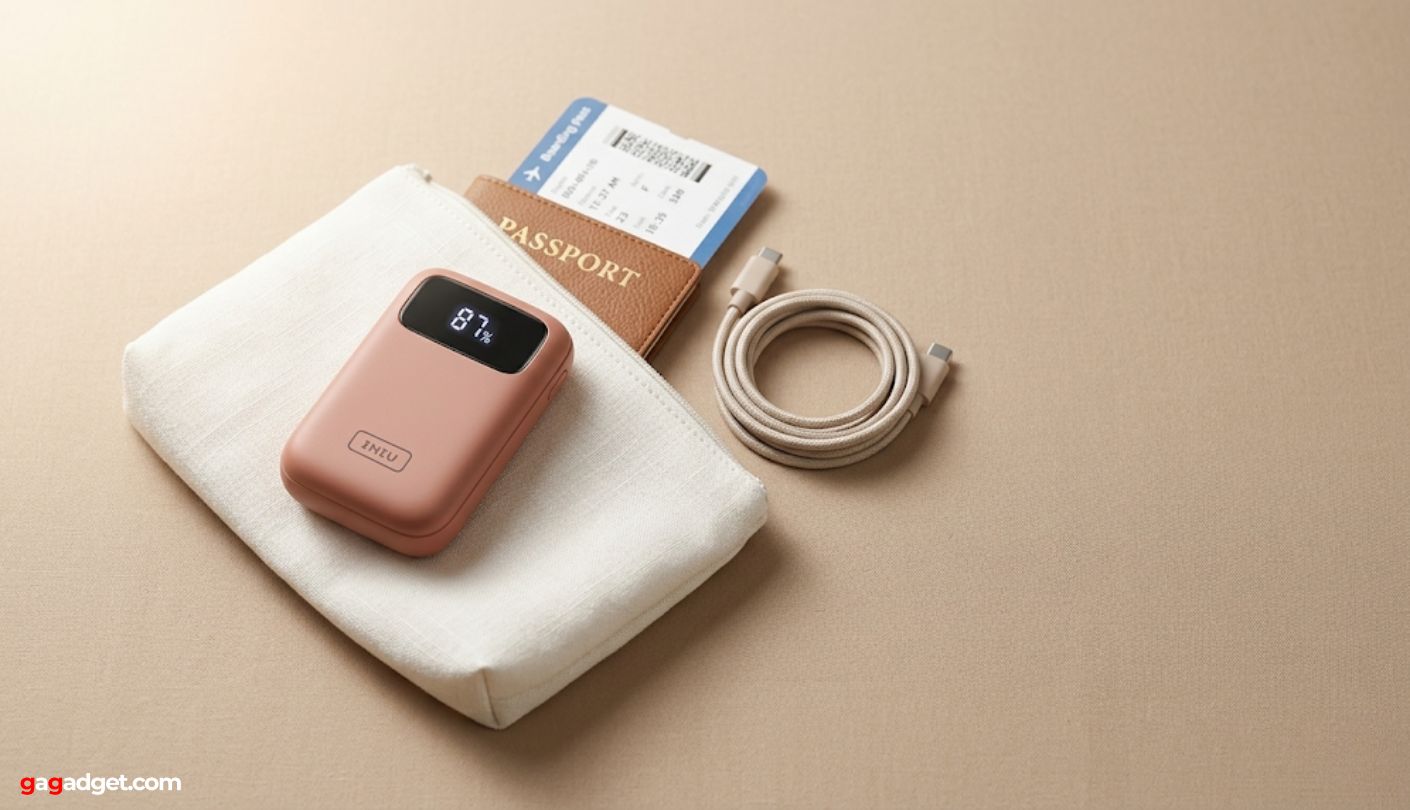
The three-year warranty INIU backs the P50 with is the longest in this group by a full year over most competitors. Self-charge at 20W input takes around two and a half hours - slightly slower than the Anker Nano's 30W input, but leaving it plugged in during a hotel breakfast or a flight connection covers the deficit. The P50 comes in macaron-inspired pastel colors that look more like a lifestyle accessory than a charging device, which matters to travelers who care about how their gear reads at a coffee shop or conference table.
The P50 is the right choice for the largest segment of travelers: those who carry one phone, possibly wireless earbuds, and want the lightest possible backup without sacrificing fast-charging speed. It's not the pick for laptop travelers or multi-device power users - the 10K capacity and 45W ceiling are real limits there. For everyone else, the P50's size-to-performance ratio is the best in this roundup, and the three-year warranty backs it with the longest coverage period available.
Pros:
- World's smallest 10K 45W form
- 160g featherweight build
- 3-year warranty
- TinyCell Pro battery tech
- 3-port simultaneous output
Cons:
- No built-in charging cable
- 20W max self-charge input
Summary: INIU Pocket Rocket P50 is the smallest and lightest 10,000mAh 45W power bank available, backed by a three-year warranty and TinyCell Pro battery technology. The best daily carry bank for phone-first travelers where weight and size are the deciding factors.
UGREEN Nexode Power Bank 20K 165W Review
High Wattage
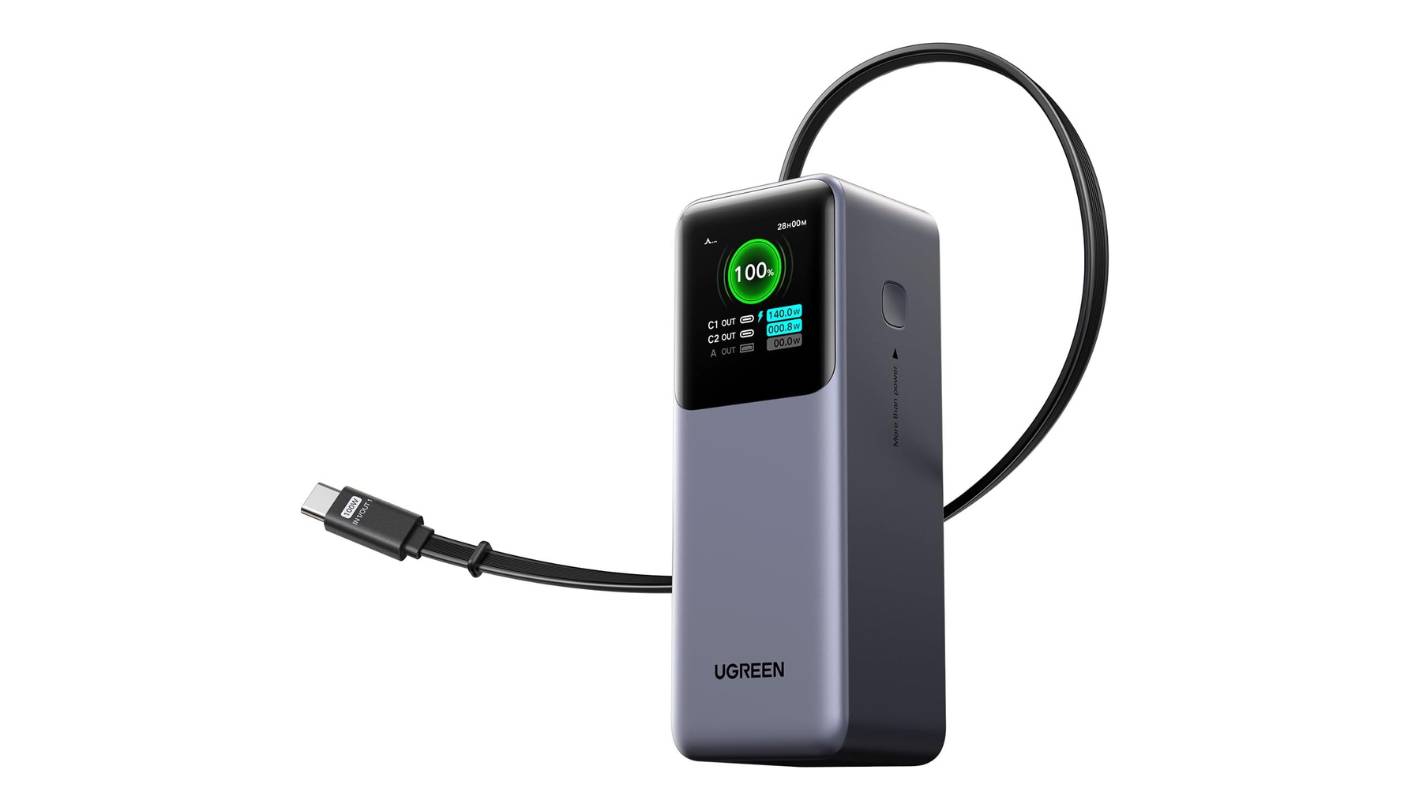
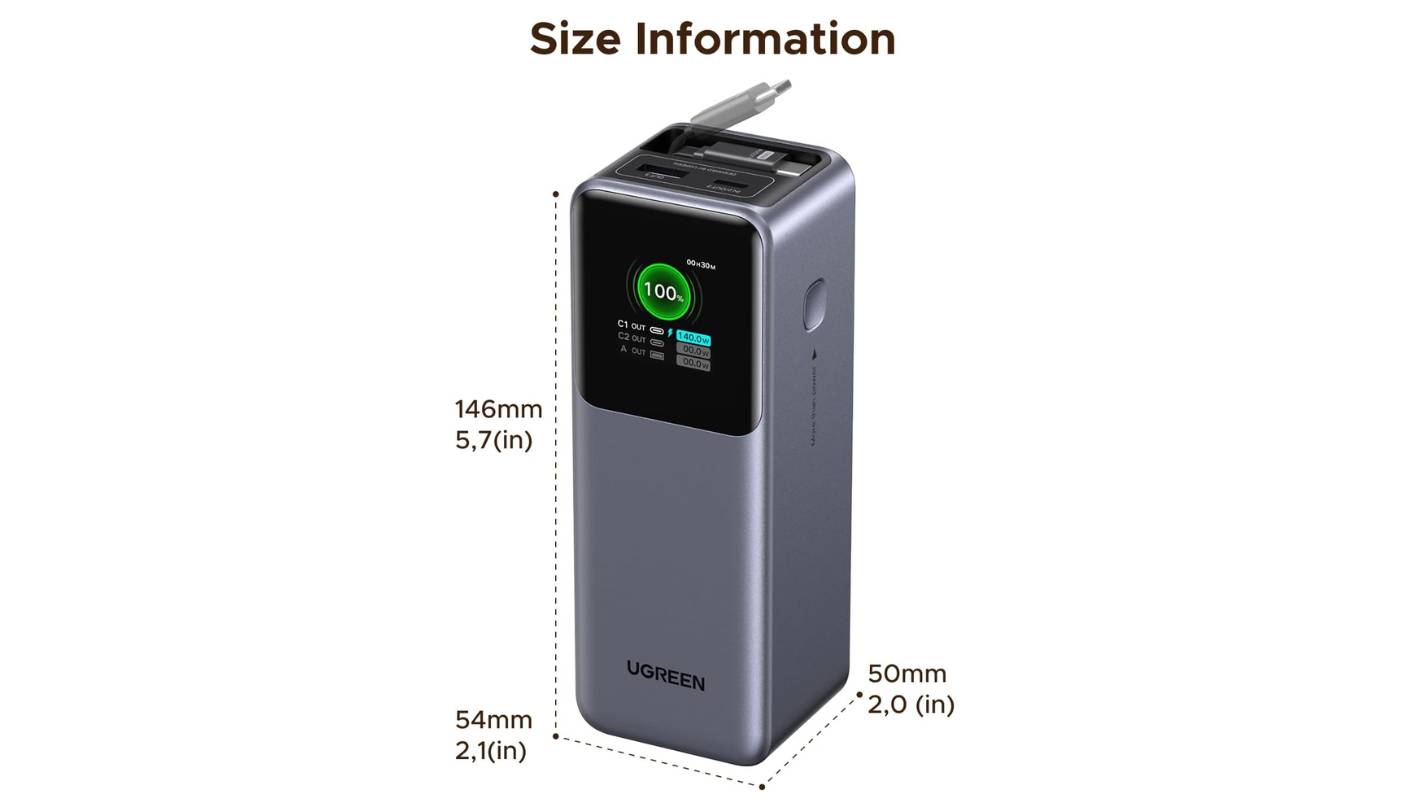
What separates the UGREEN Nexode 20K 165W from other 20,000mAh banks is the wattage distribution under simultaneous load. The retractable USB-C cable holds its 100W output while the secondary USB-C port runs at 65W at the same time, totaling 165W across two ports. Running a 14-inch MacBook Pro through the cable and a Samsung Galaxy through the port, I saw both devices charging at rates indistinguishable from wall adapters. Most competing 20K banks drop their secondary port to 30W or lower under full primary load - the Nexode avoids that compromise.
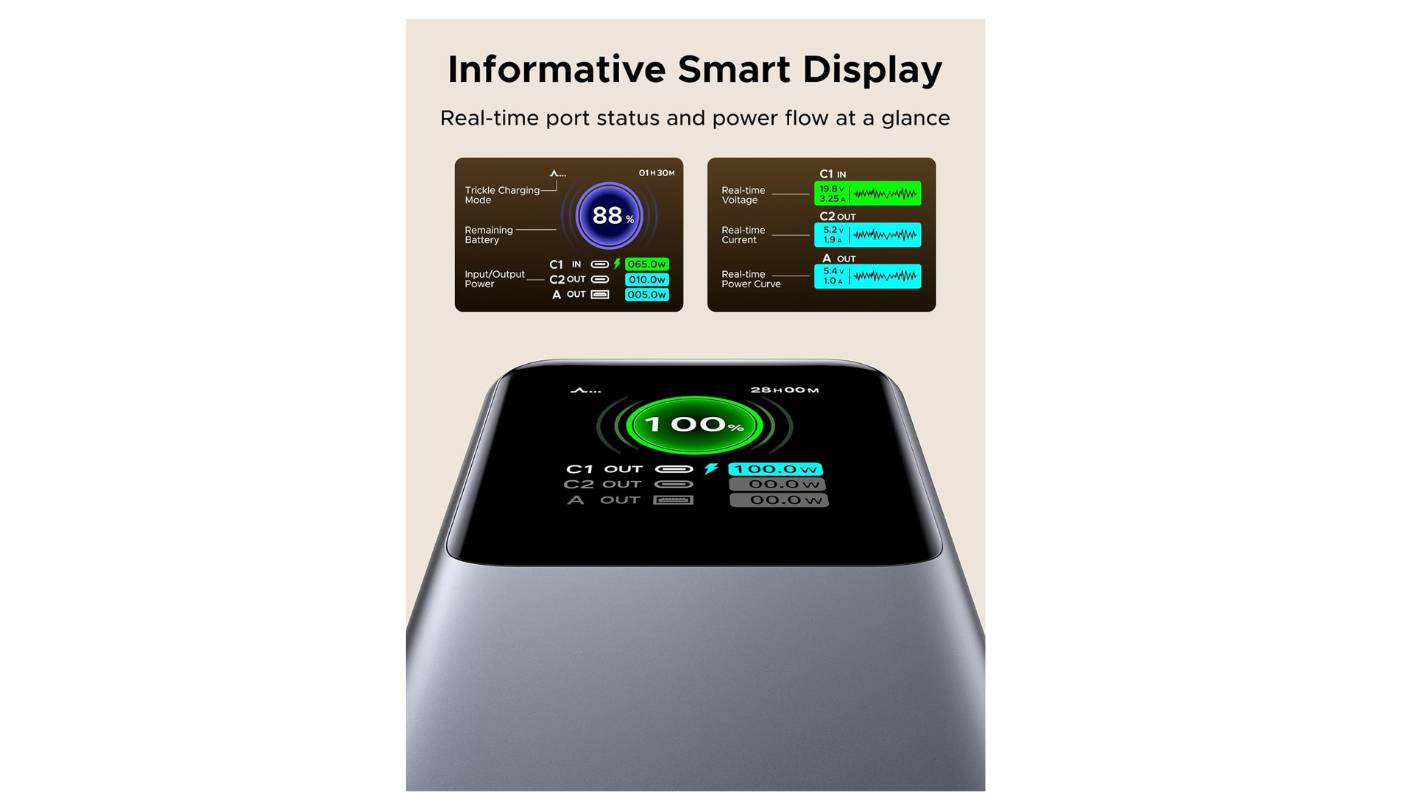
The 65cm retractable USB-C cable is rated at 25,000 retraction cycles and 10,000 bend tests. The SunPower INR21700-5000 cells are specified to retain over 70% capacity after 1,000 full charge cycles - a longevity figure that distinguishes quality cells from generic alternatives. Seven adjustable cable lengths give more granular positioning than the Anker Nano's six-stop mechanism. The TFT display shows remaining capacity, real-time wattage per port, voltage, and current simultaneously - the most detailed readout in this group, useful for diagnosing why a device isn't charging at expected speed.
Self-charging at 100W input fills the 20K bank in around two hours - fast enough to recover fully during a long hotel check-in or an airport lounge stay. The USB-A port at 33W handles legacy accessories without the performance penalty that 18W USB-A ports on cheaper banks impose. Three-way simultaneous charging splits the retractable cable at 100W and drops the two USB ports to 10W each - the same asymmetric priority design as the Anker Nano, but at higher priority wattage for the cable.
At approximately 550g and column-style dimensions of 14.6 x 5.5 x 5.0 cm, the Nexode 20K is a bag item, not a pocket item. On a travel day with a laptop, it sits alongside the MacBook in the same compartment. The weight is the honest cost of 20K capacity and high-wattage electronics. For day trips where a phone bank is enough, the P50 or Anker Nano is the more comfortable carry. For anyone who uses a laptop on the road and can't afford to drop below 30% during a work session between outlets, the Nexode 20K is worth its weight.
The Nexode 20K suits the laptop traveler who also wants to eliminate cable-search from their workflow. The built-in retractable cable makes it self-contained for USB-C device charging, and the 165W combined output handles a full-speed laptop charge plus a phone charge simultaneously without any configuration. Travelers who need 20K capacity but not the built-in cable can save on UGREEN's cable-free Nexode variant - but for anyone who values the cable, the version here is worth the difference.
Pros:
- 165W combined dual output
- 100W retractable cable
- SunPower 21700 premium cells
- Detailed TFT port display
- 100W fast self-charge
Cons:
- Heavy ~550g build
- 10W on secondary ports when cable active
Summary: UGREEN Nexode 20K 165W maintains full 100W through its retractable cable while simultaneously running a secondary 65W USB-C port - the strongest multi-device charging architecture in this group. The definitive choice for laptop travelers who want cable-free convenience at full charging speed.
Baseus Blade 20K 100W Review
Ultra Flat
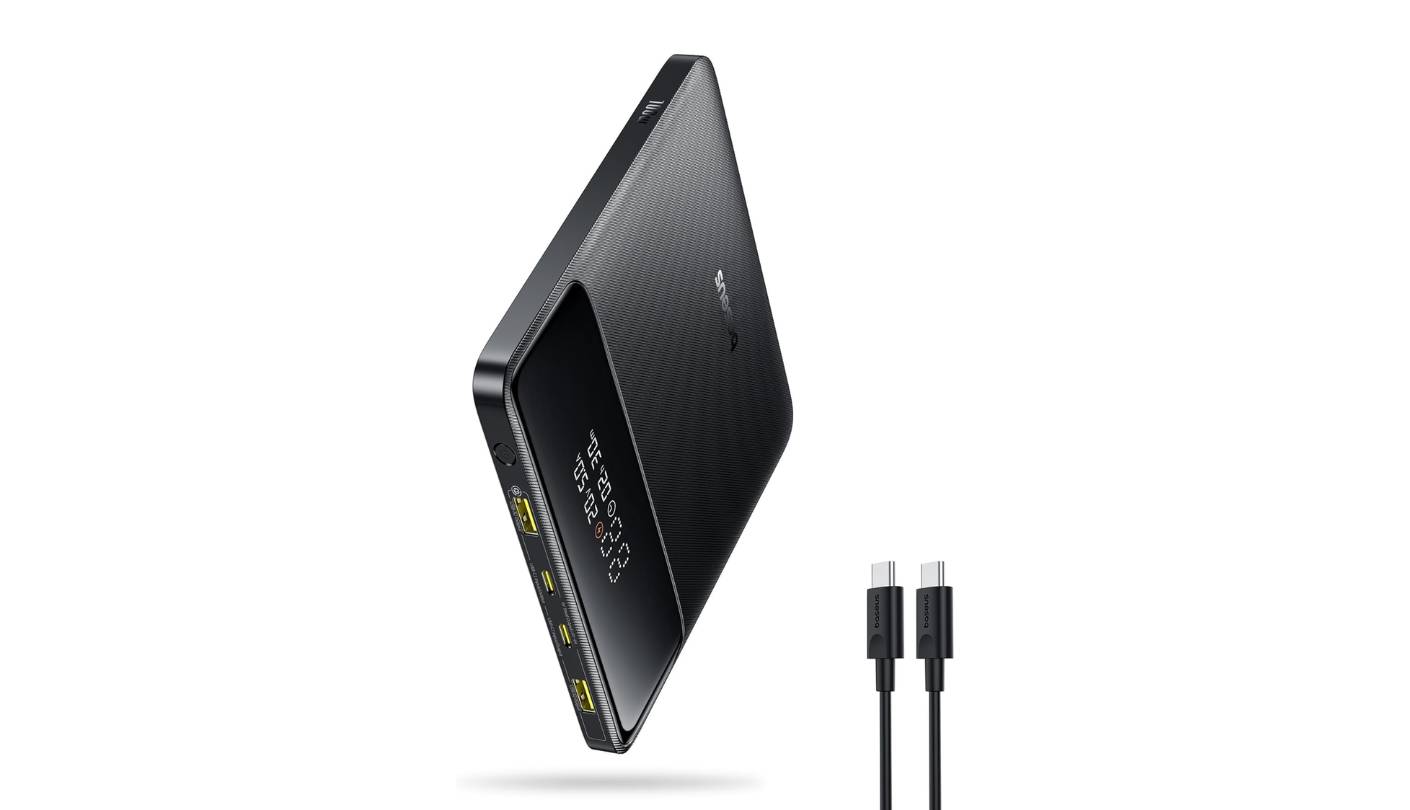
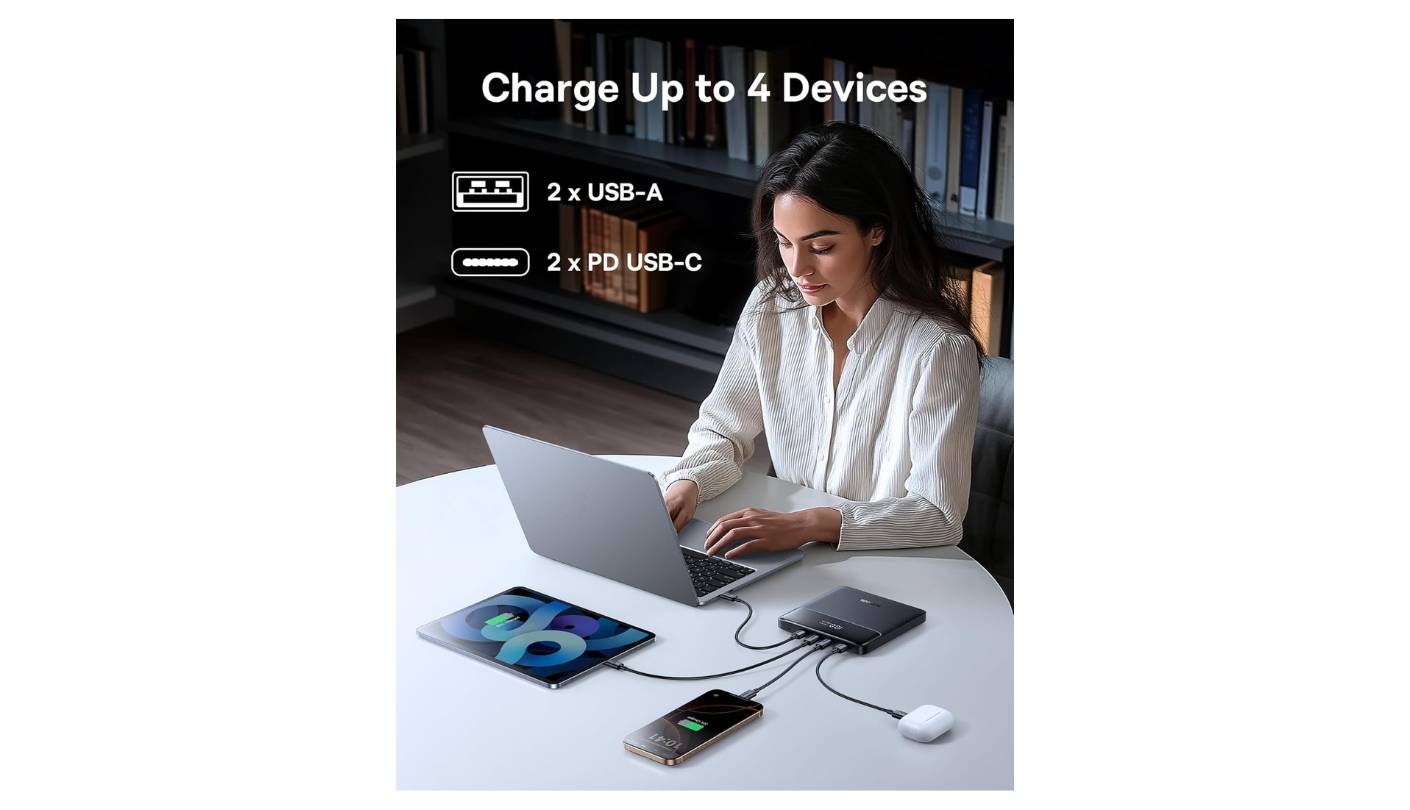
Every problem the Baseus Blade solves comes back to its shape. At roughly 18-20mm thick - thinner than most current laptops - it slides flat into the laptop sleeve alongside a MacBook without the gap or pressure point that standard rectangular banks produce. The square 134 x 134mm footprint distributes 490g across a larger surface area, so it sits flat in a bag without tilting or shifting. Baseus designed this as a laptop companion from the form factor up, and packing it takes zero extra thought - it goes in the sleeve with the laptop and comes out with the laptop.
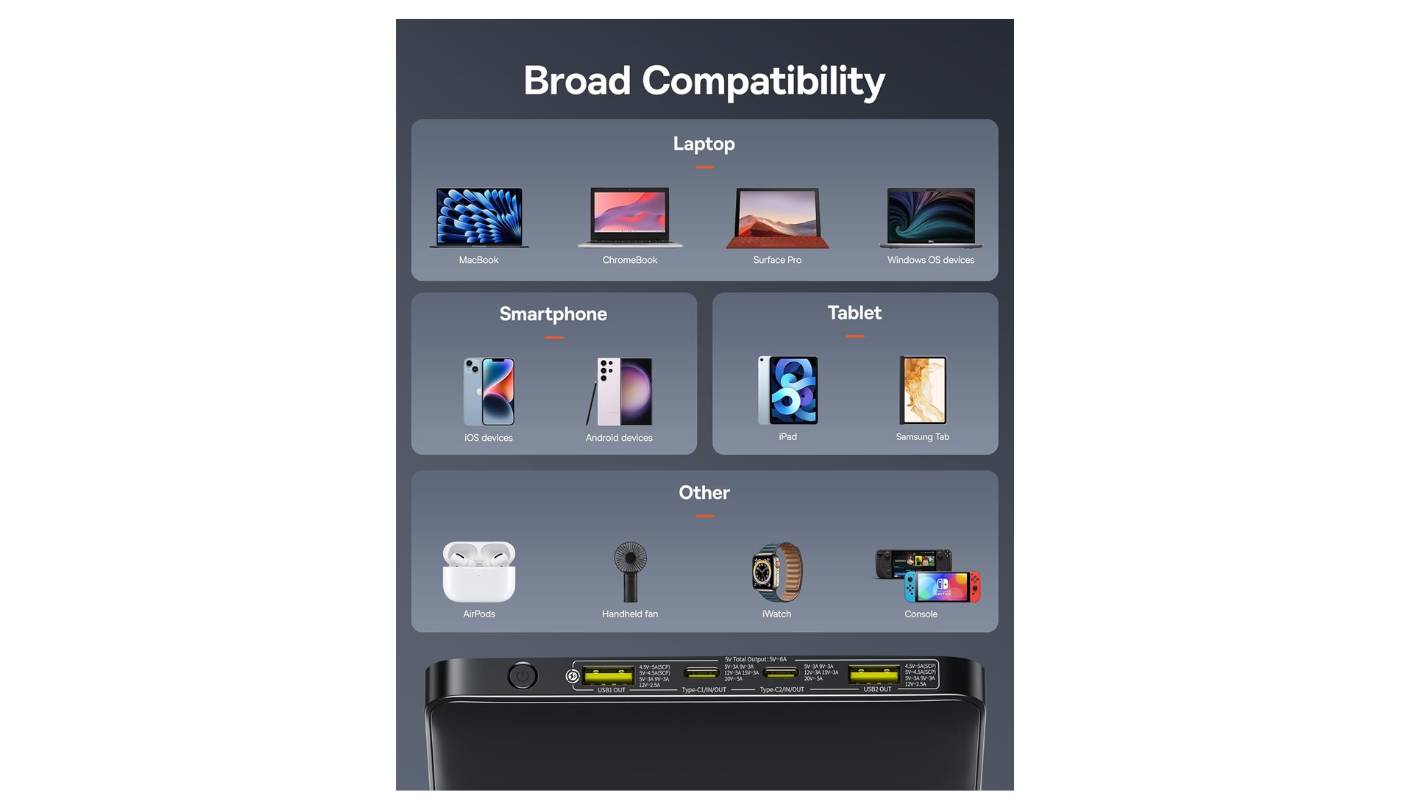
The 100W output from the USB-C port covers full-speed charging for MacBook Air, MacBook Pro 13-inch, and most Windows ultrabooks. Two USB-C ports (100W combined at 65W + 30W split) and two USB-A ports (30W each) give four simultaneous charging connections - the most port count in this group. The LED display shows remaining battery percentage in large, readable numbers. Baseus covers the Blade with UL and IEC safety certifications and a two-year warranty.
Self-charging at 65W input fills the Blade in roughly 90 minutes with a compatible GaN adapter - the fastest recharge in this roundup. This matters on tight layovers where 45 minutes at an airport outlet is all the recovery time available. I found 90 minutes of charging during a delayed connection sufficient to top the Blade from under 30% to full, which then covered a three-hour working flight without approaching empty. Baseus doesn't always include a high-wattage adapter in the box, and slower adapters extend recharge time significantly.
The textured matte coating resists fingerprints and gives a firm grip without adding bulk. Rubber feet on the bottom prevent desk sliding when used as a stationary charging hub. The design is restrained - the "100W" marking on the face is the most prominent branding element, with the Baseus logo quietly on the side. This matters for travelers using it at a conference table or coworking space where visible gear reflects professional context.
The Baseus Blade is the right pick when the priority is packing a 20K 100W bank with a MacBook in the same sleeve without added bulk. Two USB-A ports make it more flexible for legacy accessories than the UGREEN Nexode's single USB-A. The tradeoff versus the UGREEN is the absence of a built-in cable. For travelers who already carry a USB-C cable for the laptop, the Blade's flat profile and 4-port layout make it the stronger bag companion.
Pros:
- 18-20mm ultra-flat profile
- 4-port simultaneous output
- 100W USB-C single port
- 90-minute fast self-charge
- UL/IEC safety certified
Cons:
- No built-in cable
- High-wattage adapter sold separately
Summary: Baseus Blade 20K 100W fits 20,000mAh and 100W output into an 18-20mm flat profile that slides alongside a laptop without added bulk. The strongest form-factor choice for travelers who pack a MacBook and a power bank in the same sleeve every day.
Belkin BoostCharge Plus 10K Review
Apple Pick
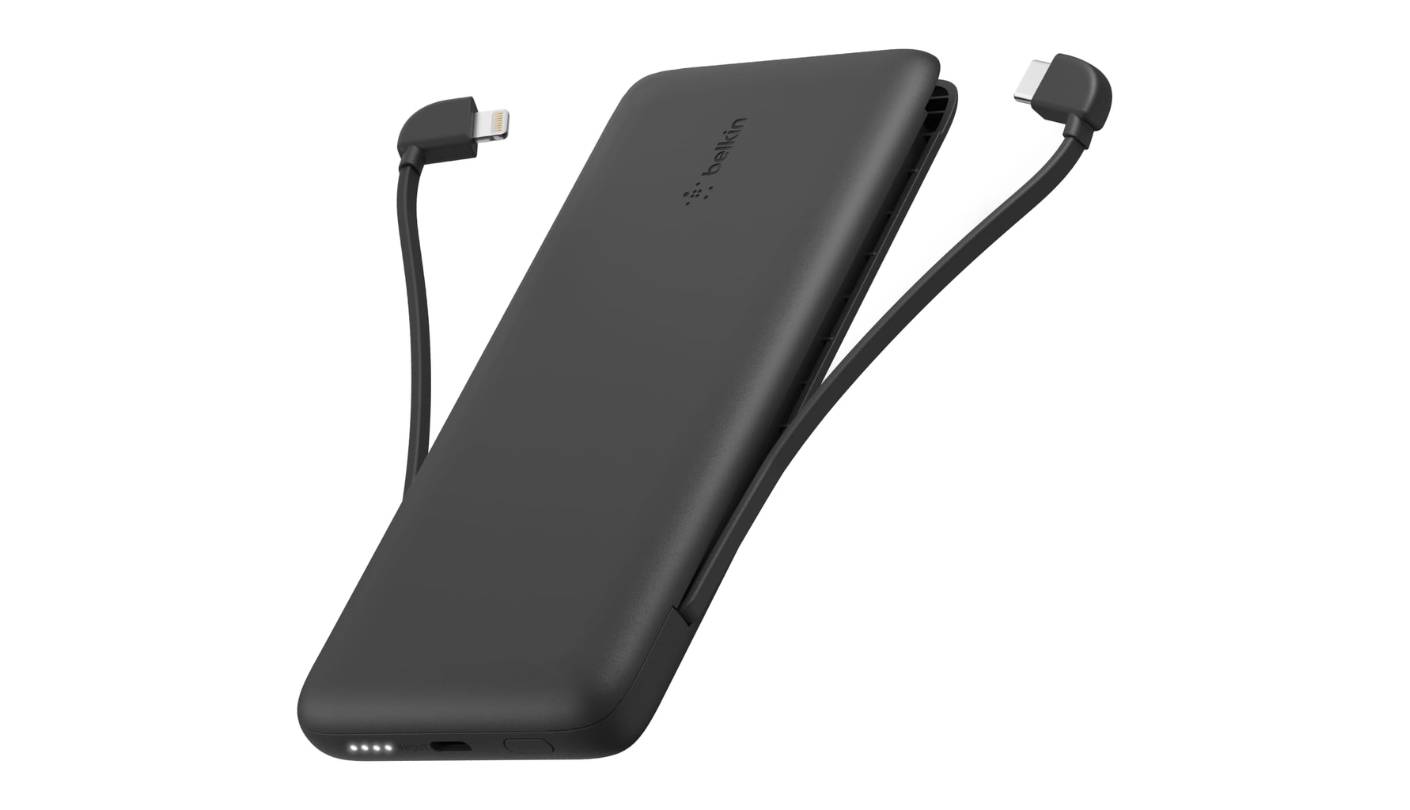
Belkin's answer to the cable problem is different from Anker's retractable approach. The BoostCharge Plus 10K integrates two fixed cables - a USB-C and a Lightning connector - directly into the bank body. Both extend from the same end and fold flat against the housing when not in use. For travelers in the Apple ecosystem who still carry a mix of USB-C and Lightning devices - older AirPods, accessories, a spare cable for a travel companion with an older iPhone - having both connection types permanently attached removes the last charging cable from the packing list. I carry this specifically when traveling with family whose gear spans both generations of Apple connector.
The 20W USB-C output covers standard fast charging for iPhones and iPads at a rate Apple's own adapters recognize. It's not the 45W output of the Anker Nano or INIU P50, and it won't meaningfully accelerate a MacBook charge. Within its intended use case of iPhone and iPad charging, the BoostCharge Plus performs exactly as described. An additional USB-A port handles a third device via a separate cable, and pass-through charging lets the bank recharge while a device is already connected to it.
What distinguishes Belkin in this category is the Connected Equipment Warranty - up to $2,500 in device repair coverage if a connected device is damaged by the power bank. No other bank in this group offers an equivalent backstop, and for a traveler with high-value gear on the road, that warranty carries genuine practical weight. The BoostCharge Plus is made with recycled plastic and ships in 100% plastic-free packaging. Build quality feels premium - the cable hinges are sturdy and show no loosening after repeated daily use.
At approximately 227g and 10.2 x 6.4 x 2.3 cm, the BoostCharge Plus is slightly larger and heavier than the INIU P50 for the same 10K capacity. The tradeoff is the dual integrated cables, which add mechanical complexity and mass. The LED indicator shows charge level via a simple light progression rather than the percentage display on the Anker Nano and INIU P50. For travelers who need to know exact remaining capacity, the LED method feels imprecise. For those who just need a quick visual confirmation that the bank has enough for another full phone charge, it covers that without ambiguity.
Belkin's product is the strongest choice for iPhone-primary travelers who want a single no-setup solution for both current and recent Apple hardware. The Connected Equipment Warranty is the most consumer-protective coverage in this roundup. For pure performance-per-gram at the 10K level, the INIU P50 or Anker Nano are stronger picks. For Apple ecosystem reliability and brand accountability, the BoostCharge Plus 10K earns its place in any travel kit.
Pros:
- Dual integrated cables (USB-C + Lightning)
- $2,500 Connected Equipment Warranty
- Recycled plastic build
- Pass-through charging
- Belkin brand reliability
Cons:
- 20W max output only
- LED indicator (no % display)
Summary: Belkin BoostCharge Plus 10K integrates USB-C and Lightning cables into a single bank backed by a $2,500 Connected Equipment Warranty. The most trust-first option in this group for Apple ecosystem travelers who prioritize reliability and brand accountability over raw charging speed.
Travel Power Bank FAQ
Can I bring a power bank on a plane?
Yes, with specific limits. Power banks must travel in carry-on luggage only - they are prohibited in checked bags under IATA regulations due to fire risk in cargo holds. The standard allowance is up to 100Wh without airline approval, which covers every bank in this roundup. Banks between 100Wh and 160Wh require prior airline permission. To find a bank's Wh rating, multiply its mAh by 3.7 and divide by 1000 - a 20,000mAh bank equals approximately 74Wh. My own practice is to keep the Wh figure noted in my travel documents in case security asks.
How many times can a 10,000mAh power bank charge my phone?
The honest answer is 1.5 to 2 full charges for most modern flagship phones. Conversion losses through the power management circuitry account for 30-40% of stated capacity at typical charging voltages. A current iPhone with a ~3,300mAh battery gets approximately 2 full charges from a quality 10K bank. A Samsung Galaxy S25 with a ~4,000mAh battery gets closer to 1.7 full charges. Higher-efficiency power management, as found in the Anker Nano and INIU P50, pushes effective output closer to 85-90% of stated capacity.
Is 20,000mAh too heavy to travel with?
For bag carry - no. Both 20K banks here weigh under 550g, less than a standard hardcover book. The real question is whether the bank ever leaves the bag. The Baseus Blade's flat 18-20mm profile slides in and out of a laptop sleeve with zero adjustment. The UGREEN Nexode's column shape requires dedicated bag space. For travelers whose power bank stays in the bag all day, 20K makes practical sense. For those who pocket the bank all day, the INIU P50 at 160g is the more comfortable option.
Do I need a 100W power bank for my laptop?
It depends on how you use the laptop while charging. At 45W, a MacBook Air charges slowly under light load and barely maintains battery level during active work. At 65W, it charges at a moderate rate during normal use. At 100W, it charges at full speed regardless of CPU load. The Baseus Blade and UGREEN Nexode both hit 100W, making them genuine full-speed laptop chargers. The Anker Nano and INIU P50 at 45W are better described as emergency laptop chargers - they slow the battery drain and add modest charge during a meeting, but won't recover a 20% MacBook Pro to full during an active work session.
What is the best power bank for international travel?
For international travel across multiple countries, a power bank with a single USB-C input port is most practical - it charges from any USB-C wall adapter worldwide without a country-specific plug adapter for the bank itself. All five banks in this roundup use USB-C input. The UGREEN Nexode 20K is my recommendation for extended international trips with a laptop, as its 100W input means a 30-minute outlet connection recovers significant capacity. For shorter international trips focused on phones and tablets, the INIU P50 at 160g eliminates all weight-related packing hesitation.
Are power bank cables as good as separate cables?
For the banks in this group, yes - within their rated wattage. The Anker Nano's retractable cable handles 45W, which is its maximum output anyway. The UGREEN Nexode's retractable cable handles 100W, matching its single-port maximum. The main limitation of built-in cables is length: both sit at 65-70cm, enough for pocket-to-phone charging and desk use, but short for charging a laptop from a bag under an airplane seat while working on a tray table. For that specific use, a separate 1.5-2m USB-C cable is more comfortable. Built-in cables are a genuine convenience upgrade for phone charging and a marginal one for laptop charging.
How fast can a power bank recharge itself?
Self-charge speed depends on both the bank's input wattage and the adapter used. The Baseus Blade accepts 65W input and fills from empty in around 90 minutes with a matching adapter - the fastest in this group. The Anker Nano and UGREEN Nexode both fill in approximately two hours at their respective 30W and 100W inputs. The INIU P50 at 20W input takes around two and a half hours. The practical consideration is whether your wall adapter matches the bank's input rating - charging a 100W-input UGREEN Nexode with a 20W phone adapter extends fill time dramatically.
What is pass-through charging and why does it matter for travel?
Pass-through charging lets a power bank charge a connected device and recharge its own battery simultaneously from a wall adapter. In practice, this means plugging the power bank into a hotel room outlet and a phone into the power bank - both charging at once from a single wall socket. For hotel rooms with limited outlets, common in European business hotels and older Asian properties, pass-through turns a single USB-C outlet into a two-device charging station. All five banks in this roundup support pass-through. The efficiency is slightly lower than charging each device separately, but the single-outlet convenience outweighs that in most travel situations I've encountered.
Choosing the Right Travel Power Bank
The clearest split in this group is between 10K banks for phone-first travelers and 20K banks for laptop travelers. At the 10K level, if eliminating a cable from your kit is the priority, the Anker Nano 10K 45W is the most complete single-carry solution, with its locking retractable cable and three-port layout. If minimum weight defines your ideal travel companion, the INIU Pocket Rocket P50 at 160g is unmatched, backed by a three-year warranty that outlasts most charging accessories. For Apple ecosystem travelers needing both USB-C and Lightning covered, the Belkin BoostCharge Plus 10K and its $2,500 Connected Equipment Warranty represent the safest choice for high-value devices on the road.
At the 20K level, the decision is form versus function. The UGREEN Nexode 20K 165W is the performance pick - 100W through a built-in retractable cable plus a simultaneous 65W secondary port, and I haven't found a competing 20K bank that matches it under real load. For travelers who prioritize packing efficiency, the Baseus Blade 20K 100W's 18-20mm flat profile changes how a 20K bank coexists with a laptop in the same bag compartment. Both deliver full-speed 100W laptop charging - the choice comes down to whether a built-in cable or a flat form factor matters more for how you pack.

Jeb here, your go-to geek for everything from video projection to the latest tech trends. As an avid outdoorsman, I enjoy using monoculars and binoculars for hunting, traveling, and birdwatching. Join me in exploring the cool, quirky side of technology!


