BYD's 1,500 kW Flash Charging network is three times faster than Tesla's best

BYD has switched on its first commercial Flash Charging stations in Germany and the UK this month, kicking off a plan to install 3,000 ultra-fast chargers across Europe by the end of 2026. Each station delivers up to 1,500 kW — three times the output of Tesla's V4 Supercharger and roughly five times what most European automakers support. For EV drivers, that gap translates directly to wait time at the charger.
The technology
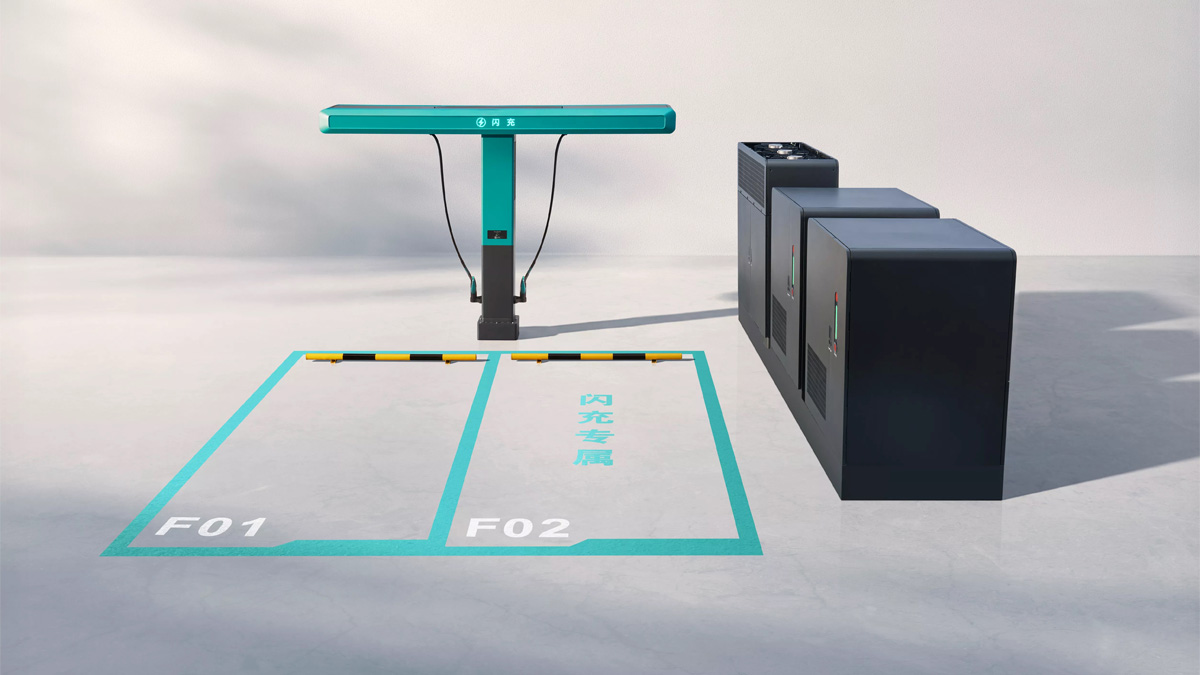
BYD's Flash Charging 2.0 system pairs a 1,000-volt architecture with its second-generation Blade Battery to hit the 1,500 kW figure. The headline claim: 400 km of range added in five minutes, roughly the time it takes to grab a coffee. Real-world results on the Denza Z9GT reached 500 km in independent tests this April. The system also uses on-site energy storage to draw power gradually from the grid, so it doesn't require a dedicated high-voltage substation at every location — an important detail for rolling out at scale.
The network
At around €580,000 per station, Crypto Briefing (June 2026) puts the total European commitment at roughly €1.74–2 billion. Germany and the UK are first; BYD is targeting 300 UK stations by end of 2025 and 600 by 2027. The broader global plan covers 6,000 stations outside China by end of 2026, alongside 20,000 within China. By comparison, Tesla has around 20,000 Supercharger sites across Europe already — but its fastest hardware tops out at 500 kW, and legacy European OEMs like BMW, Mercedes, and Volkswagen typically cap at 200–350 kW.
Canada on deck
BYD is also moving on North America before a single car goes on sale there. The company posted a Toronto job listing for a Flash Charging Business Development Manager in June 2026, per Electrek. The role focuses on building out the charging network ahead of a vehicle launch expected no earlier than 2027. It's the same infrastructure-first playbook Tesla used to build its Supercharger moat — BYD is betting the chargers are as important as the cars themselves.


