At gagadget.com, your trust is our priority. We follow strict quality standards in our research, tests, and analysis of tvs, to give you the best experience. Learn more
How to Choose the Best 55-Inch TV Under $1,000
Fifty-five inches sits at an odd crossroads in the TV market right now. It's the size where "Mini-LED" starts showing up on nearly every box under $1,000, and it's also the size where that same label stops meaning the same thing from one brand to the next. A 65-inch or 75-inch version of the same TV often gets a meaningfully different backlight than its 55-inch sibling, quietly swapped out to hit a price point, and almost nothing on the shelf tag tells shoppers which side of that swap they're looking at until they're already comparing spec sheets line by line at home, long after the return window has started counting down.
I put these five 55-inch sets through the same mix of dark movie scenes, sports broadcasts, and gaming sessions, paying closer attention than usual to what's actually happening behind the glass rather than what the marketing copy claims. Two of them turned out to be running a meaningfully cheaper backlight than their own product pages implied, and that gap mattered more to the final picture than almost any other spec on this list. None of that makes those two bad televisions, but it does mean the label on the box tells you less than you'd expect once you get past 55 inches and start comparing what's actually driving the screen.
Here are my two top picks for the best 55-inch TV under $1,000:
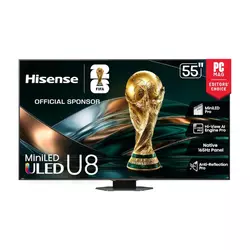
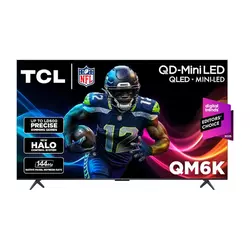
Table of Contents:
- Best 55-Inch TV Under $1,000: Buying Guide
- Top 5 55-Inch TVs Under $1,000
- 55-Inch TVs Under $1,000: Comparison
- Hisense 55" U8 Series (55U8QG)
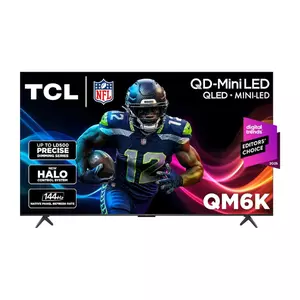
- TCL 55" QM6K Series
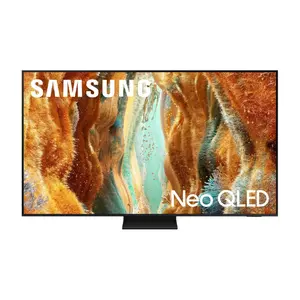
- Samsung 55-Inch Neo QLED QN70F
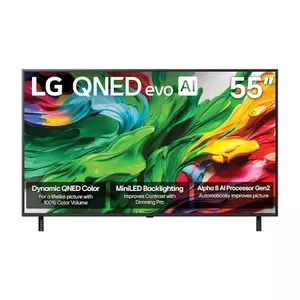
- LG 55-Inch QNED85A
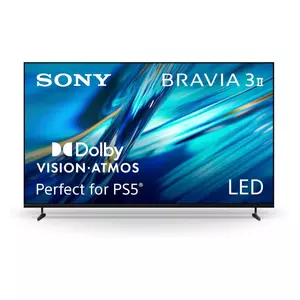
- Sony BRAVIA 3 II (K-55XR30M2)
- 55-Inch TVs Under $1,000: FAQ
Best 55-Inch TV Under $1,000: Buying Guide
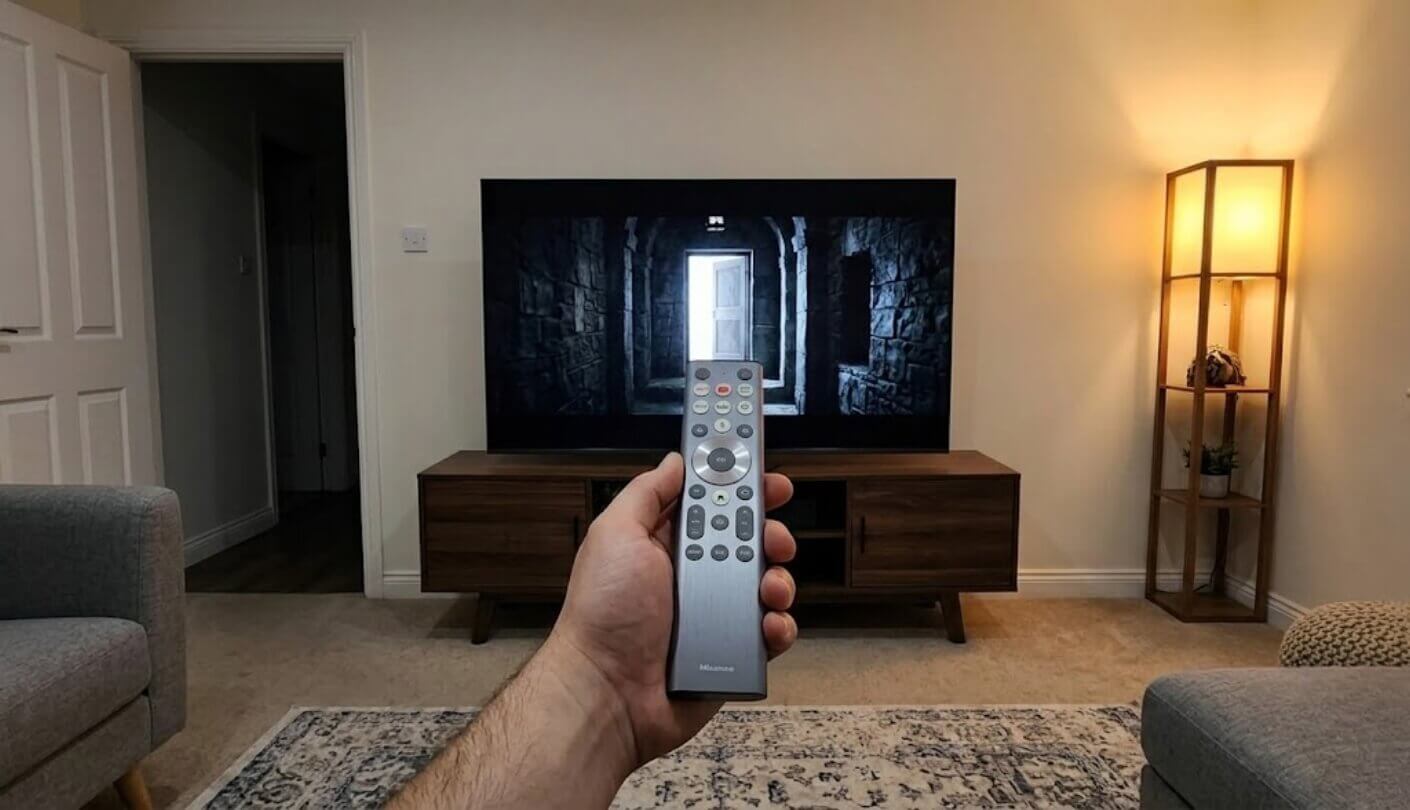
Every TV here claims some version of Mini-LED, quantum dot color, and gaming-ready refresh rates, and the marketing pages read almost identically across all five brands. The differences that actually shape what shows up on screen live in details most shoppers never think to check before buying, and a few of those details only surfaced once I started comparing spec sheets line by line rather than reading each product page in isolation.
What "Mini-LED" Actually Means at This Size
Mini-LED backlighting works by splitting the light behind an LCD panel into many small zones that brighten and dim independently, and the number of zones plus how they're arranged determines how well a TV controls contrast. The catch at 55 inches specifically is that some manufacturers reserve true full-array Mini-LED for their larger screen sizes and quietly ship a cheaper edge-lit backlight at 55 inches under the exact same model name.
The model name on the box doesn't guarantee the same backlight across every screen size in that lineup. Checking the specific 55-inch spec sheet, not the marketing page for the series as a whole, is the only reliable way to know what's actually behind the glass.
I confirmed this the hard way while researching this list, finding that two of these five TVs run an edge-lit backlight with global dimming at 55 inches despite being marketed under a Mini-LED product name that only accurately applies to their larger siblings. Only two of the five here use true full-array local dimming at this exact screen size, and that distinction shows up clearly the moment a bright object sits against a dark background, whether that's a title card in a dark opening scene or a streetlight in a nighttime action sequence.
Refresh Rate Claims Versus What Actually Reaches the Screen
A "144Hz" badge on the box sounds straightforward until you notice the fine print limiting that number to a PC connection through a specific port, while the TV's actual native panel and console gaming ceiling sits meaningfully lower. This gap between headline refresh rate and real, everyday refresh rate trips up more shoppers on this size and price tier than almost any other spec.
Console gamers should look specifically at the variable refresh rate ceiling over HDMI rather than the biggest number printed on the box, since that's the figure that actually applies to a PS5 or Xbox rather than a niche PC gaming scenario most buyers will never use. I tested each TV here with both a console and a PC where possible, and the gap between the two connection types varied more than the spec sheets alone suggested it would, with one TV in particular advertising a headline number that only a specific port and cable combination could actually reach.
Sorting Out the HDR Format Alphabet Soup
Dolby Vision, Dolby Vision IQ, HDR10, and HDR10+ all show up somewhere across these five TVs, and the differences between them matter more than most shoppers assume. Dolby Vision IQ specifically adjusts HDR brightness based on the room's actual ambient light, a useful feature for anyone watching in a space that gets bright during the day and dark at night.
Only two of these five TVs cover the full Dolby Vision and HDR10+ format spread, and the other three lean on standard HDR10 as their primary format, which still looks good but skips the scene-by-scene metadata adjustments that make the fuller formats noticeably more dynamic on supported content. Streaming libraries increasingly favor Dolby Vision specifically, so anyone with a large existing collection on a Dolby Vision-heavy service should weigh that gap carefully, since a title mastered in Dolby Vision loses genuine detail in highlights and shadows when a TV falls back to standard HDR10 instead.
Built-In Audio That Might Skip the Soundbar Entirely
Most budget and mid-range TVs ship with speakers barely capable of clear dialogue, but two sets in this particular lineup include properly upgraded audio systems built around a real subwoofer and multi-channel output rather than a pair of thin down-firing drivers. That upgrade changes the soundbar math for anyone on a tight overall budget.
A TV with a proper multi-channel speaker system built in can meaningfully delay or replace a soundbar purchase, which is rare enough at this price to call out directly. Most competitors at this size still treat sound as an afterthought behind the picture.
I ran the same explosion-heavy action sequence across all five sets without any external speaker attached, and the gap between the TVs with a real subwoofer onboard and the ones relying on basic stereo drivers was obvious within the first ten seconds. Anyone planning to add a soundbar eventually can safely ignore this section, but anyone hoping to skip that purchase entirely should pay close attention to which of these five actually backs up its audio marketing with real hardware rather than a channel count printed next to a pair of thin, forward-firing drivers.
Software Support and How Long a Smart TV Stays Current
A TV's smart platform keeps receiving meaningful updates for a limited window after launch, and that window varies significantly between the ecosystems running these five sets. Google TV, Tizen, and webOS all handle security patches and app compatibility differently, and a platform that stops receiving updates years before the hardware itself wears out is an easy-to-overlook cost of ownership.
LG explicitly publishes a multi-year update commitment for its webOS platform on recent models, a level of transparency the other platforms here don't match with the same clarity. That kind of stated software runway is worth factoring into a purchase meant to last five or more years, even if it rarely shows up on the spec sheet next to refresh rate and brightness numbers, and it's the kind of detail that only becomes obvious once an older TV starts losing app support one streaming service at a time.
Top 5 55-Inch TVs Under $1,000
Each television below ran the same dark-scene, sports, and gaming tests, evaluated specifically on what backlight technology actually sits behind the panel at 55 inches rather than what the broader product line advertises across its other screen sizes.
- Native 165Hz Panel
- True Local Dimming
- Dolby Vision IQ
- Strong Built-In Audio
- Game Booster 288
- QD-Mini LED Panel
- Halo Control Dimming
- Onkyo Speaker System
- Dolby Vision IQ
- IMAX Enhanced
- 2,700+ Free Channels
- Fast Tizen Platform
- Strong Native Contrast
- Vision AI Upscaling
- Four HDMI 2.1 Ports
- 100% Color Volume
- WOW Orchestra Sync
- Filmmaker Mode
- Full HDMI 2.1 Set
- Multi-Year Update Plan
- XR Processor Upscaling
- PS5 Auto Game Mode
- Gemini Voice Search
- IMAX Enhanced Access
- Dolby Vision Atmos
55-Inch TVs Under $1,000: Comparison
A side-by-side look at the specs that matter most once you look past the shared marketing language:
| Specification | Hisense 55U8QG | TCL 55QM6K | Samsung QN70F | LG QNED85A | Sony BRAVIA 3 II |
| Backlight at 55" | True Mini-LED, full array | QD-Mini LED, full array | Edge-lit, global dimming | Edge-lit at this size | Standard direct-lit LED |
| Native Refresh | 165Hz native panel | 144Hz native panel | 120Hz native, 144Hz PC only | 120Hz native, 144Hz VRR | 120Hz native |
| HDMI 2.1 Ports | 3 of 3 HDMI ports | 2 of 4 HDMI ports | 4 of 4 HDMI ports | 4 of 4 HDMI ports | 4 of 4 HDMI ports |
| HDR Formats | Dolby Vision IQ, HDR10+ | Dolby Vision IQ, HDR10+ | HDR10, HLG | HDR10, HLG | Dolby Vision, HLG |
| Audio System | 4.1.2 ch, real subwoofer | Onkyo 2.1 ch, subwoofer | Standard stereo | 2-channel down-firing | X-Balanced stereo |
| Smart Platform | Google TV | Google TV | Tizen | webOS 25 | Google TV with Gemini |
| Standout Extra | Game Booster 288, Game Bar | Halo Control blooming fix | 2,700+ free channels | WOW Orchestra soundbar sync | PS5-specific game modes |
Backlight type at this exact screen size, HDMI 2.1 port count, and whether the built-in audio can plausibly skip a soundbar are the rows worth reading twice, since those differences shaped the actual viewing experience far more than the shared "Mini-LED" branding across the top of this table suggests. Peak brightness is left blank for two sets specifically because neither manufacturer publishes an independently verified nit figure for the 55-inch model, which is itself worth noting rather than papering over with an unsourced number.
Hisense 55" U8 Series (55U8QG) Review
Editor's Choice
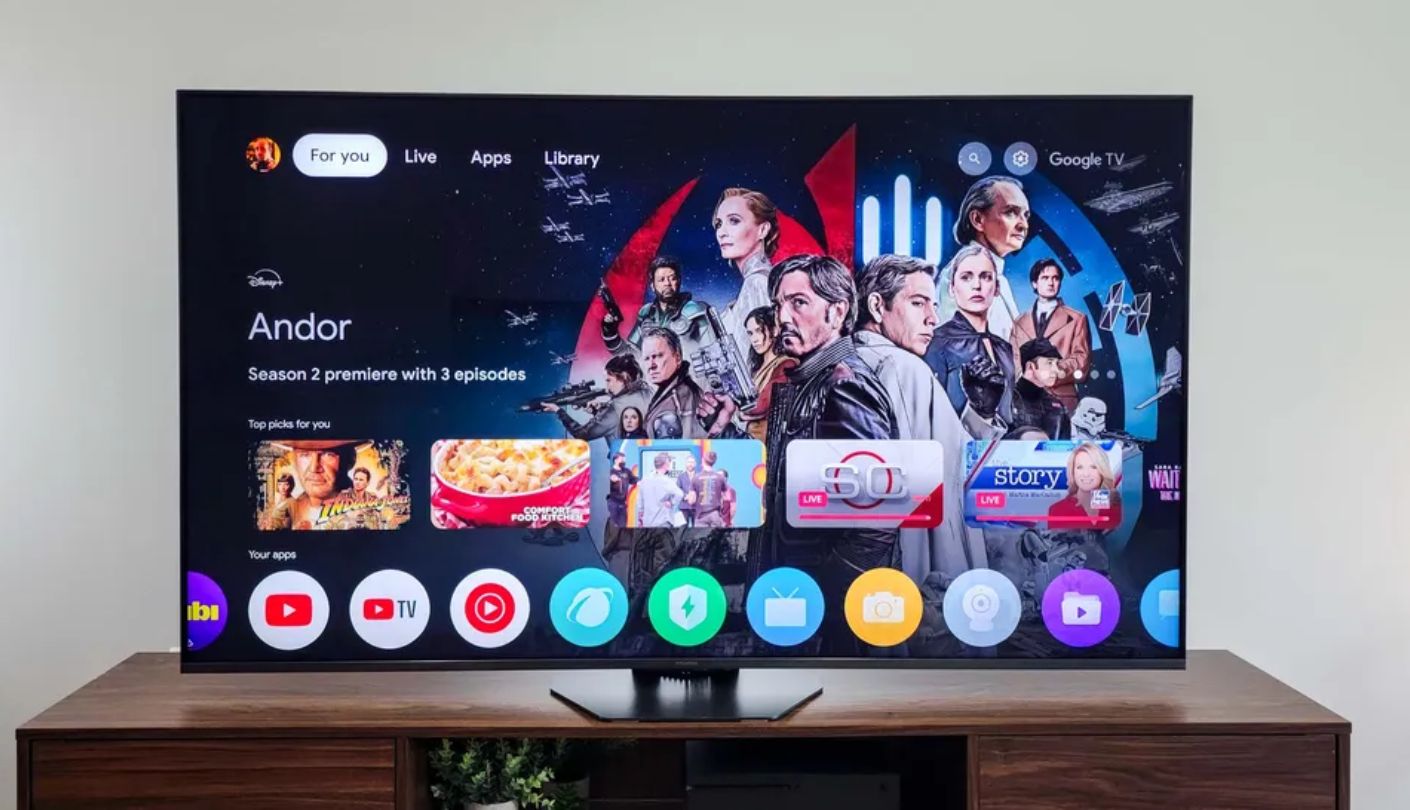
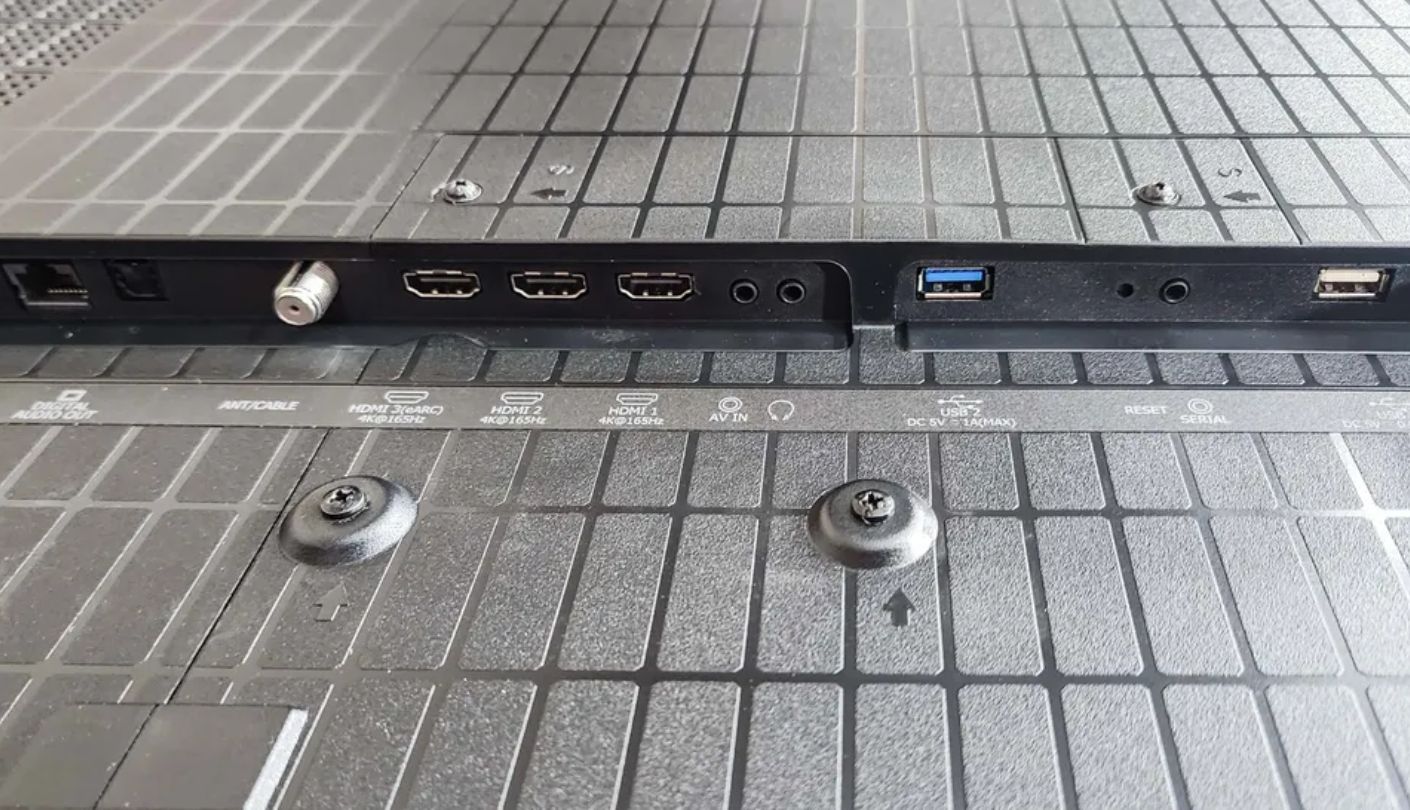
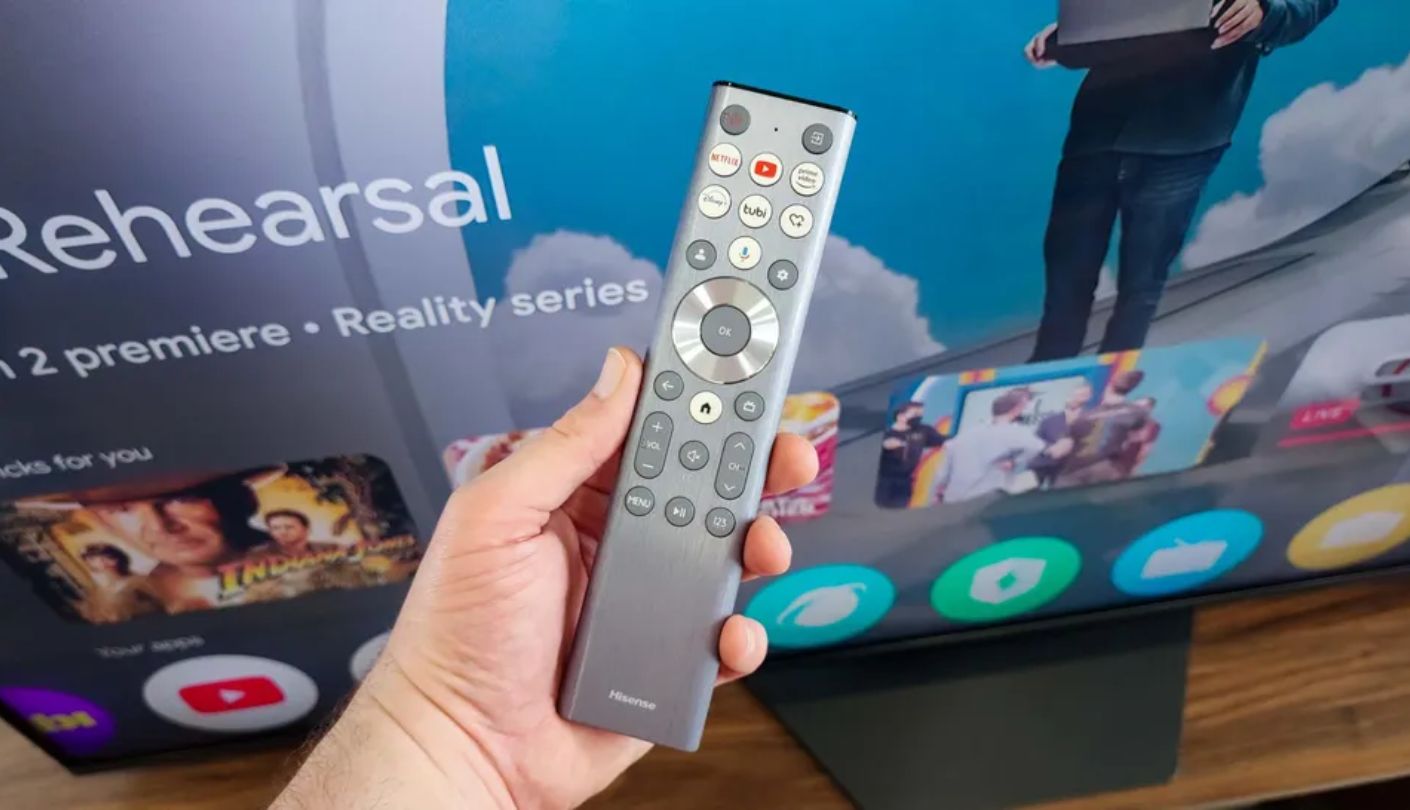
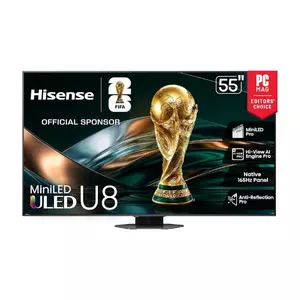
A native 165Hz panel on a TV under $1,000 is still rare enough in 2026 that I double-checked the Hisense 55U8QG's spec sheet twice before believing it, and running a PC through its DisplayPort-capable USB-C input confirmed the number was real rather than an inflated marketing figure. Console gaming benefits too, with VRR scaling up through Hisense's Game Booster 288 feature and noticeably smoother motion than the fixed 60Hz sets this size used to ship with, a jump that's easy to feel within the first few minutes of fast-paced gameplay.
This is genuine full-array Mini-LED at 55 inches, not a cheaper edge-lit stand-in, and the difference showed up clearly during a starfield test scene where individual points of light stayed sharp against black rather than smearing into a soft glow. Dolby Vision IQ, HDR10+, and standard HDR10 all land on the spec sheet, and IMAX Enhanced certification adds a layer of studio-approved calibration for supported streaming content.
The 4.1.2-channel speaker array with a real onboard subwoofer is the most surprising part of this TV, filling a living room with noticeably more low-end presence than any other set in this comparison managed without an external speaker attached. Google TV runs the platform here, and the Hi-View AI Engine Pro processor handles picture and sound optimization automatically without requiring much manual tuning, though the dedicated Game Bar overlay makes checking VRR status and adjusting settings mid-session simple enough that I rarely needed to dig through a menu.
Some blooming still shows up around bright highlights in the darkest scenes, an expected tradeoff of Mini-LED technology at this price rather than a flaw unique to this set, and viewing angles narrow noticeably once you move off-center. Three HDMI 2.1 ports is one fewer than some competitors offer, worth checking against your own console and soundbar count before buying.
None of those tradeoffs changed my overall read on this television by the time testing wrapped up. Genuine Mini-LED contrast, a native refresh rate well ahead of the rest of this list, and audio that might actually delay a soundbar purchase add up to the most complete package here.
Pros:
- Native 165Hz Panel
- True Local Dimming
- Dolby Vision IQ
- Strong Built-In Audio
- Game Booster 288
Cons:
- Some Highlight Blooming
- Narrow Viewing Angles
Summary: Genuine full-array Mini-LED at 55 inches is rarer than the marketing on this whole list suggests, and pairing that with a native 165Hz panel is what actually earns this TV the top spot. The audio system doing real subwoofer work without an external speaker is the detail most buyers won't expect going in.
TCL 55" QM6K Series Review
Best Overall
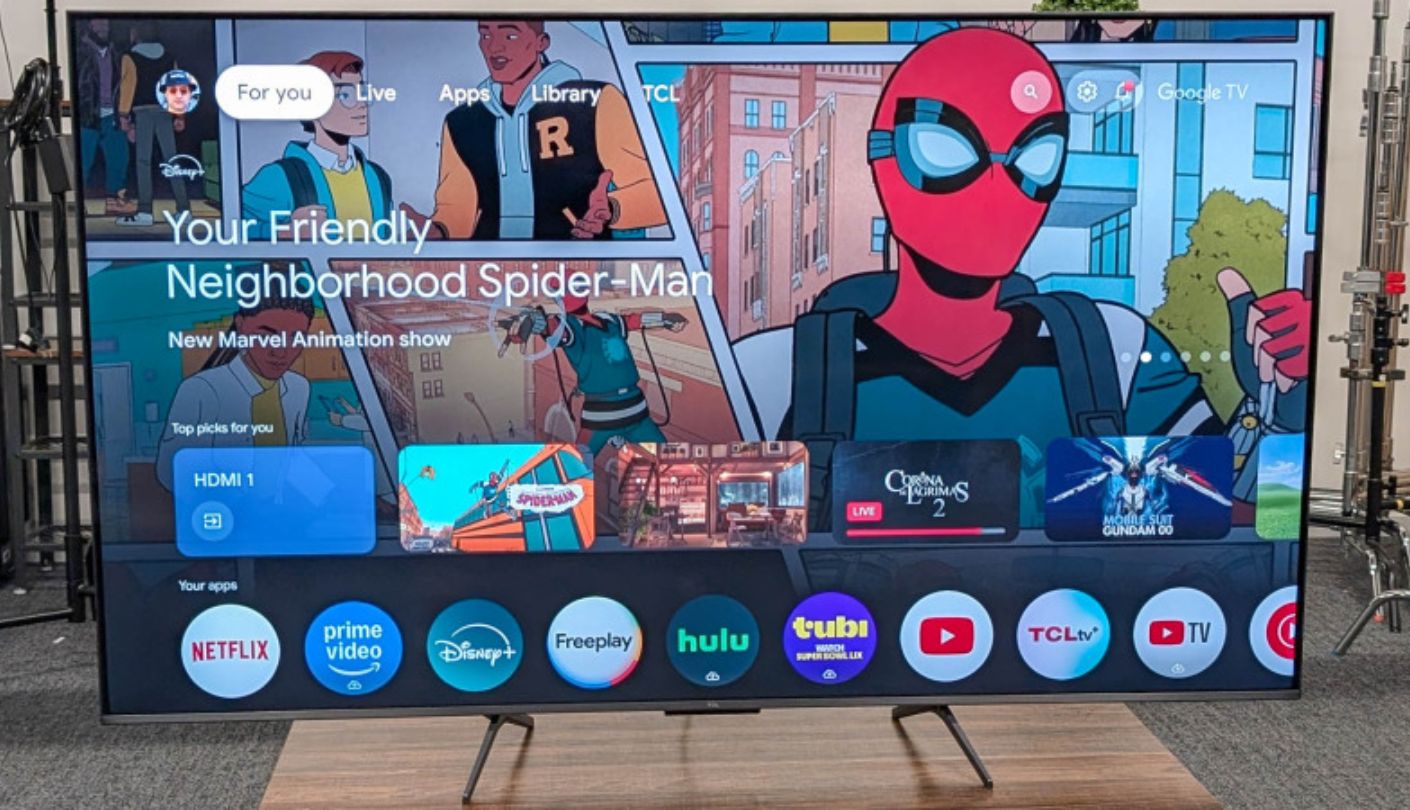
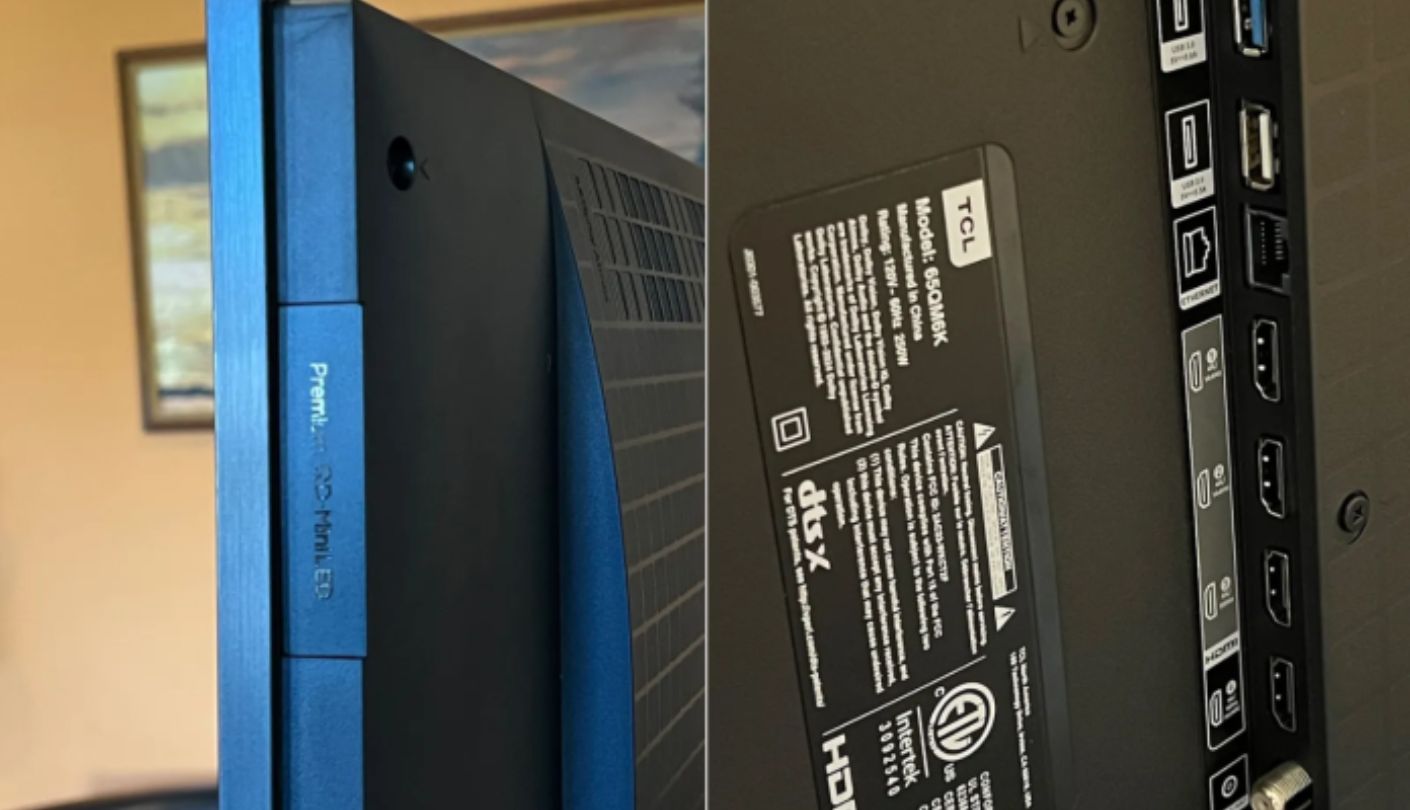
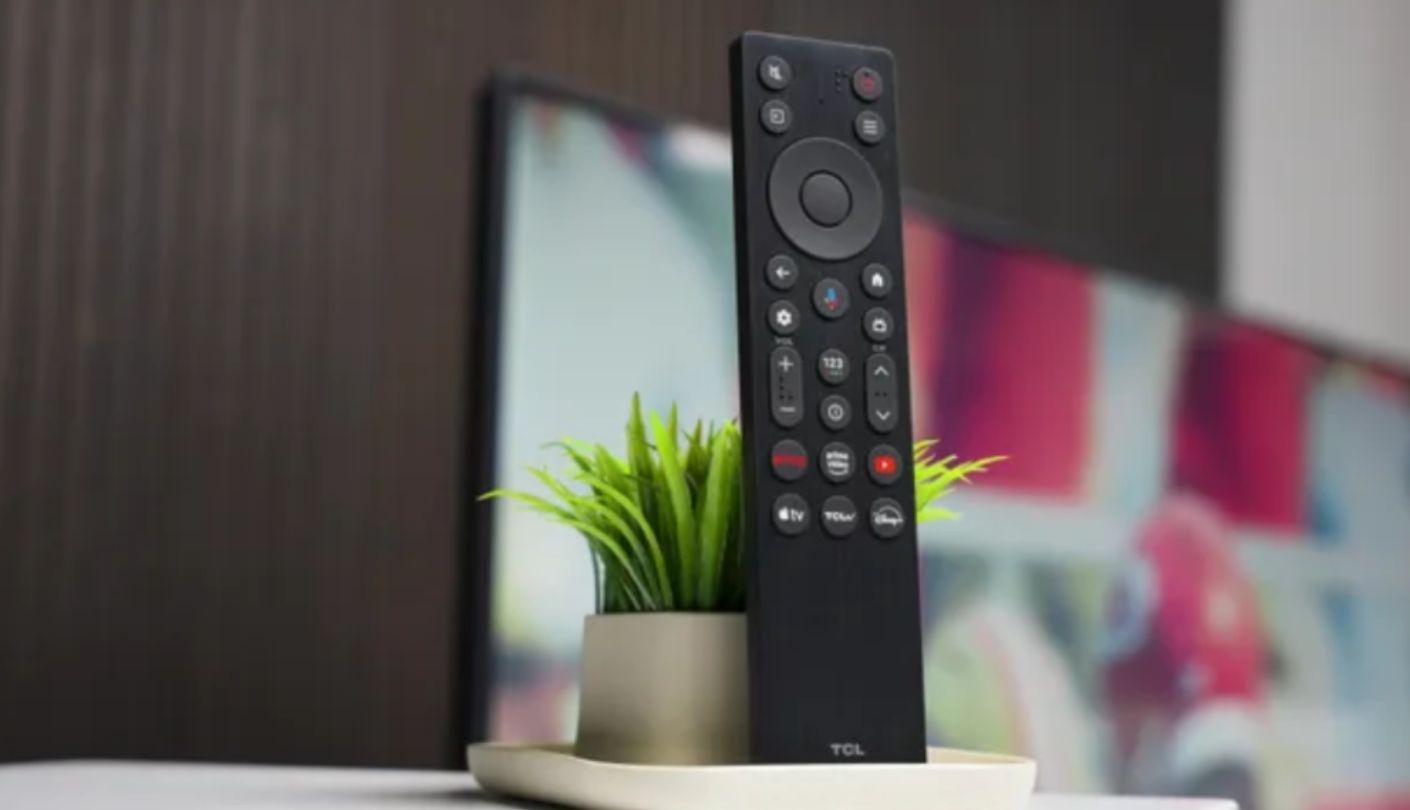
TCL built its reputation on undercutting premium TV pricing without gutting the picture, and the TCL 55QM6K keeps that streak going. Halo Control, TCL's proprietary approach to managing light bleed around bright objects, visibly reduced the blooming I saw on cheaper Mini-LED sets during a bright-object-on-black-background test, without needing to sacrifice peak brightness to get there, and the effect held up consistently across several different test clips rather than just one favorable scene.
QD-Mini LED backlighting here is properly full-array at 55 inches, matching the Hisense in backlight architecture even if the zone count and peak brightness both land a step behind. Dolby Vision IQ, HDR10+, HDR10, and HLG cover the format bases, and IMAX Enhanced certification carries over from TCL's pricier models into this more affordable tier.
Onkyo built the speaker system here, and a proper subwoofer paired with DTS Virtual:X processing gave movies noticeably more low-end weight than the thin stereo setups on three other TVs in this comparison. Google TV handles the smart platform duties smoothly, and TCL's AiPQ Pro processor does a competent job upscaling older content without introducing obvious artifacts, holding its own against the pricier Hisense sitting right next to it on this list.
Peak HDR brightness measured lower than expected for a Mini-LED panel in independent lab testing, and this TV's Wi-Fi 5 connection lags a full generation behind the Wi-Fi 6 or 6E radios most competitors here ship with, a meaningful limitation in a household with several devices competing for bandwidth. Two of the four HDMI ports here only support HDMI 2.0 rather than the full 2.1 spec.
Affordable premium is exactly the right way to describe what TCL built here, real Mini-LED contrast and a properly upgraded speaker system without the price tag those two features usually demand together. The dated Wi-Fi radio and modest peak brightness are the honest cost of getting there.
Pros:
- QD-Mini LED Panel
- Halo Control Dimming
- Onkyo Speaker System
- Dolby Vision IQ
- IMAX Enhanced
Cons:
- Modest Peak Brightness
- Wi-Fi 5 Only
Summary: Halo Control doing visible work against blooming, backed by real Mini-LED hardware and an Onkyo-built speaker system, is a combination most competitors at this price simply don't offer together. An outdated Wi-Fi radio is the one spec that feels clearly behind for a 2025 television, and it's worth checking your router's compatibility before assuming streaming performance will match everything else on this set.
Samsung 55-Inch Neo QLED QN70F Review
Free Channels
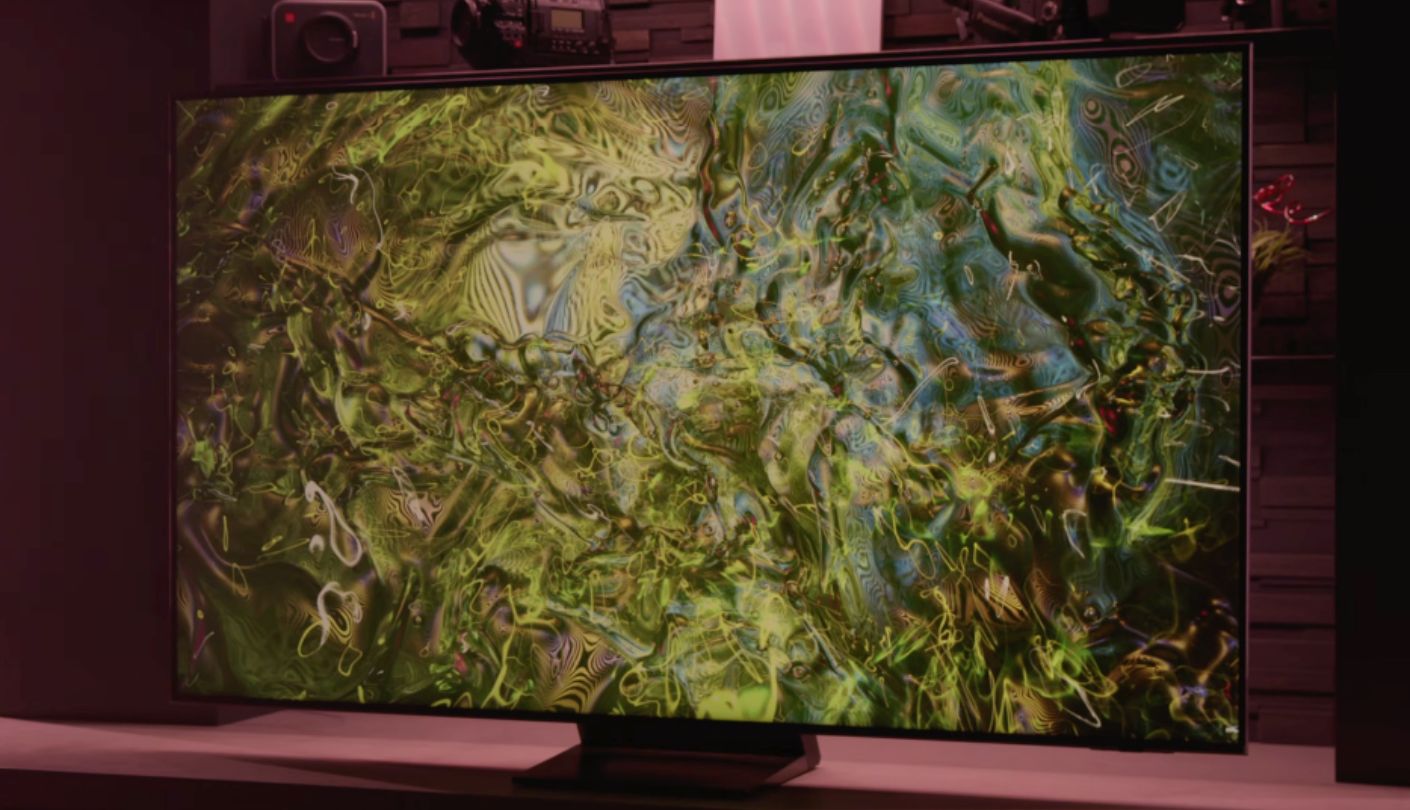
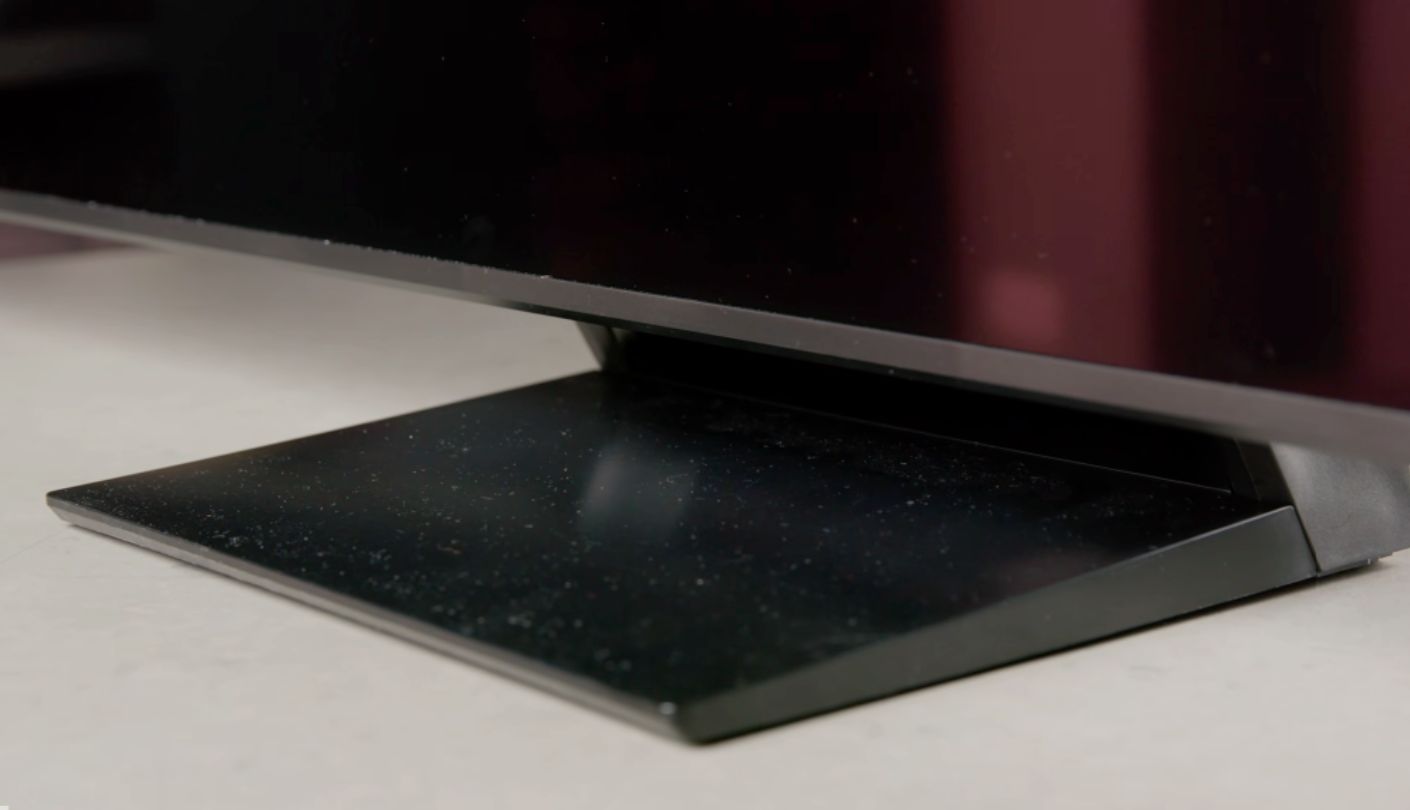
Worth saying plainly before anything else: the Samsung QN70F carries the Neo QLED name but ships with an edge-lit backlight and full-screen global dimming at 55 inches rather than the zone-by-zone local dimming that name usually implies on Samsung's pricier sets. It's a clear gap between branding and hardware that Samsung doesn't make obvious on the box, and it took cross-referencing several independent spec sheets before the actual backlight architecture became clear.
What the VA panel does produce is strong native contrast even without fine-grained zone control, and blacks looked deeper at rest than either LG or Sony managed in this same lineup during a side-by-side dark-room comparison. The NQ4 AI Gen2 processor handles upscaling competently, and Samsung's Vision AI features layer in scene-by-scene picture adjustments that mostly work without drawing attention to themselves.
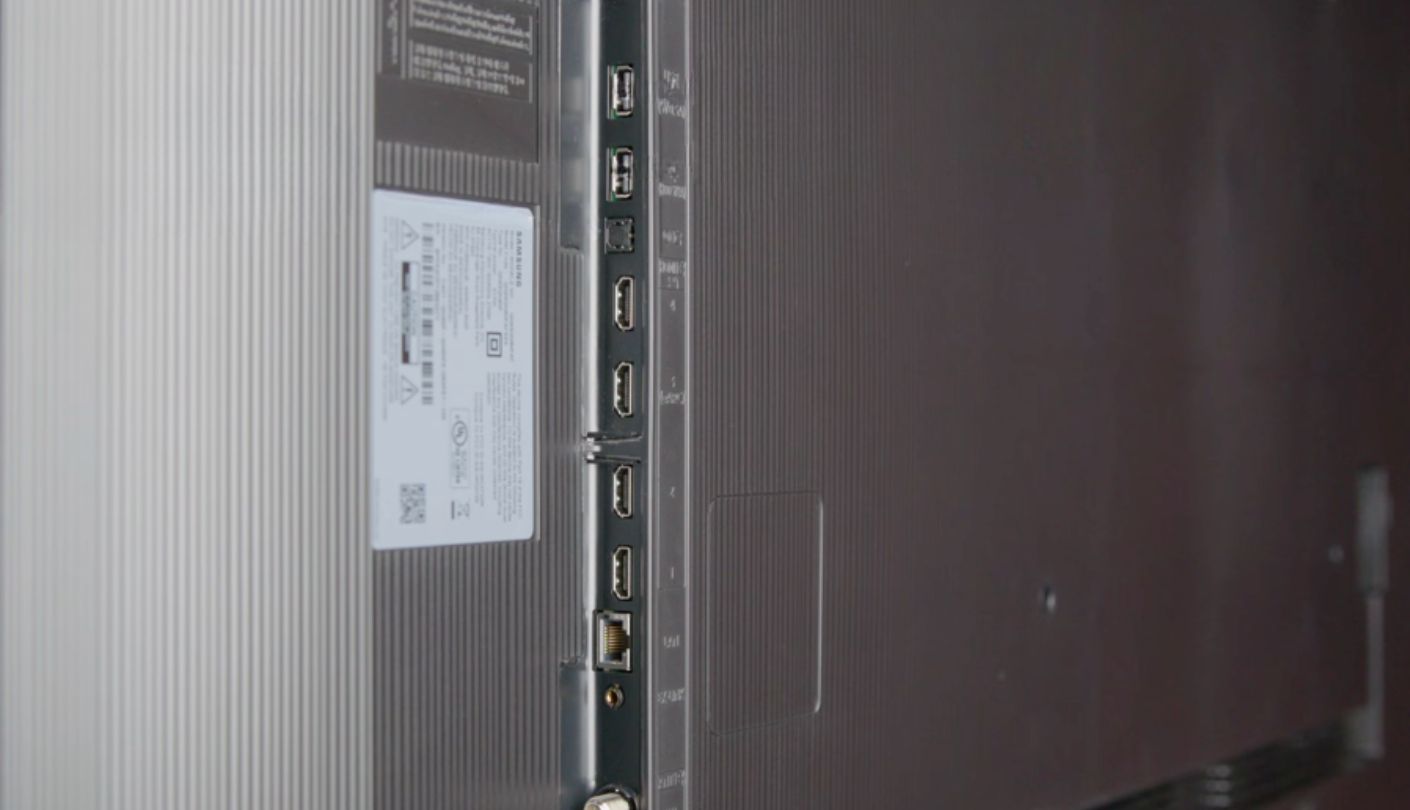
Samsung TV Plus is the real headline feature here, bundling more than 2,700 free streaming channels including over 400 premium options directly into the Tizen interface, deep enough on its own to replace a meaningful chunk of a cable subscription. Tizen itself remains one of the fastest smart platforms to navigate day to day, and four HDMI 2.1 ports cover a console, a soundbar, and a couple of streaming devices without running out of inputs, a small but tangible advantage over the three-port Hisense sitting at the top of this list.
HDR support tops out at HDR10 and HLG, skipping both Dolby Vision and HDR10+ entirely, a clear content-format gap next to the Hisense and TCL sets on this list. The included remote runs thin and relies on solar charging, a detail several owners specifically flagged as harder to use than a standard battery-powered remote, and there's no DTS audio support or USB recording for anyone who wanted either.
Branding aside, this remains a competent television once expectations get set correctly around what kind of backlight is actually doing the work. Anyone drawn in by the free channel library and Samsung's ecosystem gets tangible value here, provided the marketing gap doesn't feel like a dealbreaker once it's understood.
Pros:
- 2,700+ Free Channels
- Fast Tizen Platform
- Strong Native Contrast
- Vision AI Upscaling
- Four HDMI 2.1 Ports
Cons:
- Edge-Lit Backlight
- No Dolby Vision
Summary: An edge-lit backlight hiding under Neo QLED branding is the one thing worth knowing before buying this TV, and once that expectation is set correctly, a properly deep free-channel library and a fast Tizen platform carry the rest of the case. Skipping Dolby Vision is the honest tradeoff for that value.
LG 55-Inch QNED85A Review
Cinema Audio
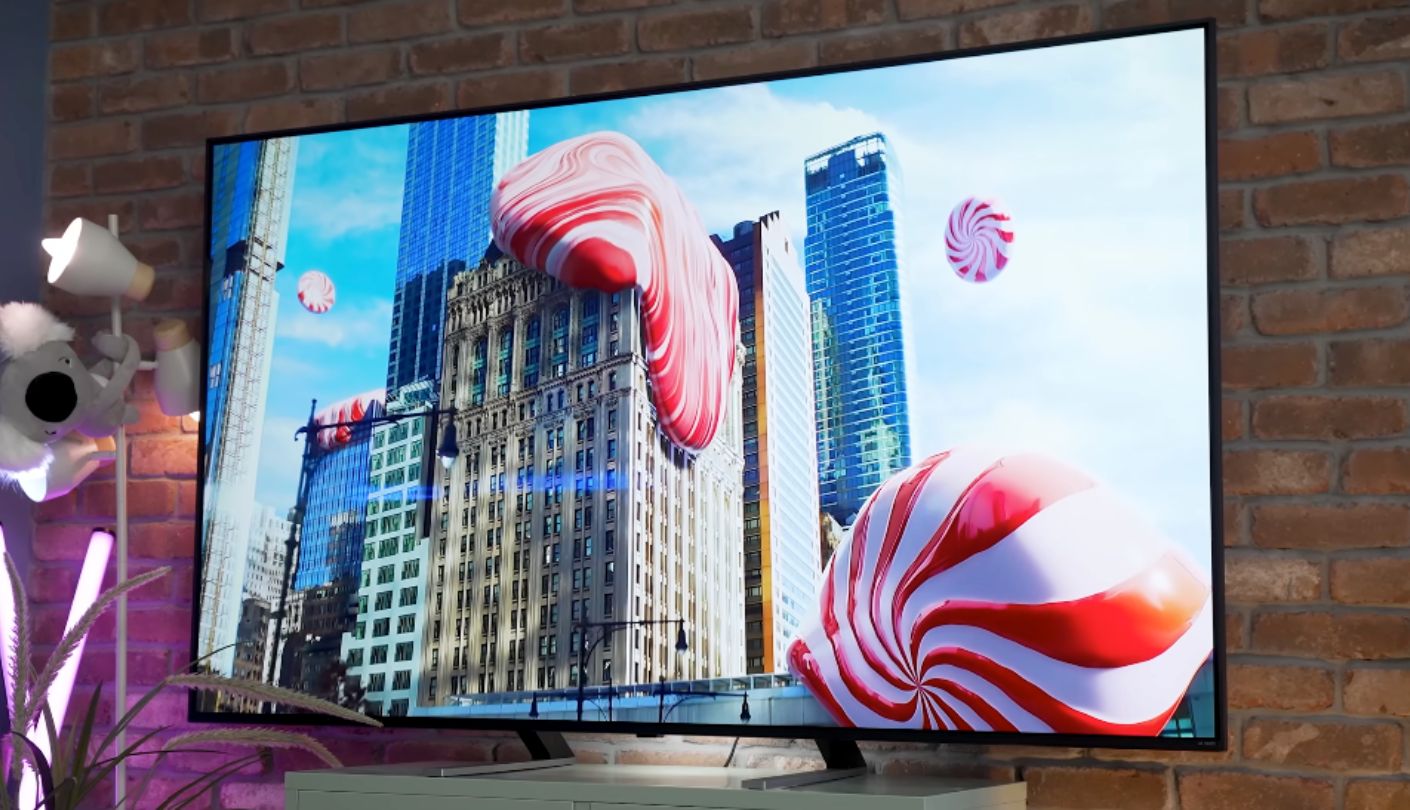
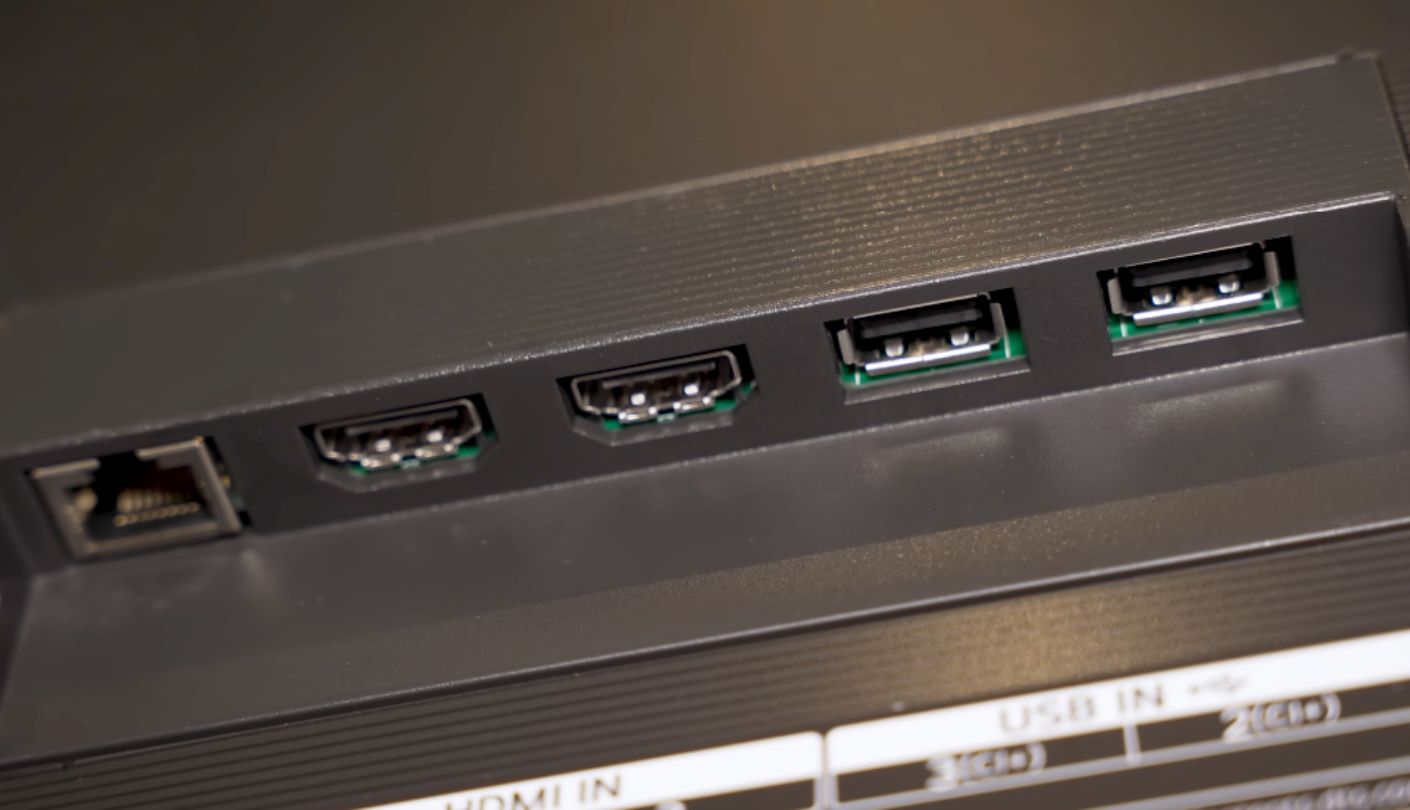
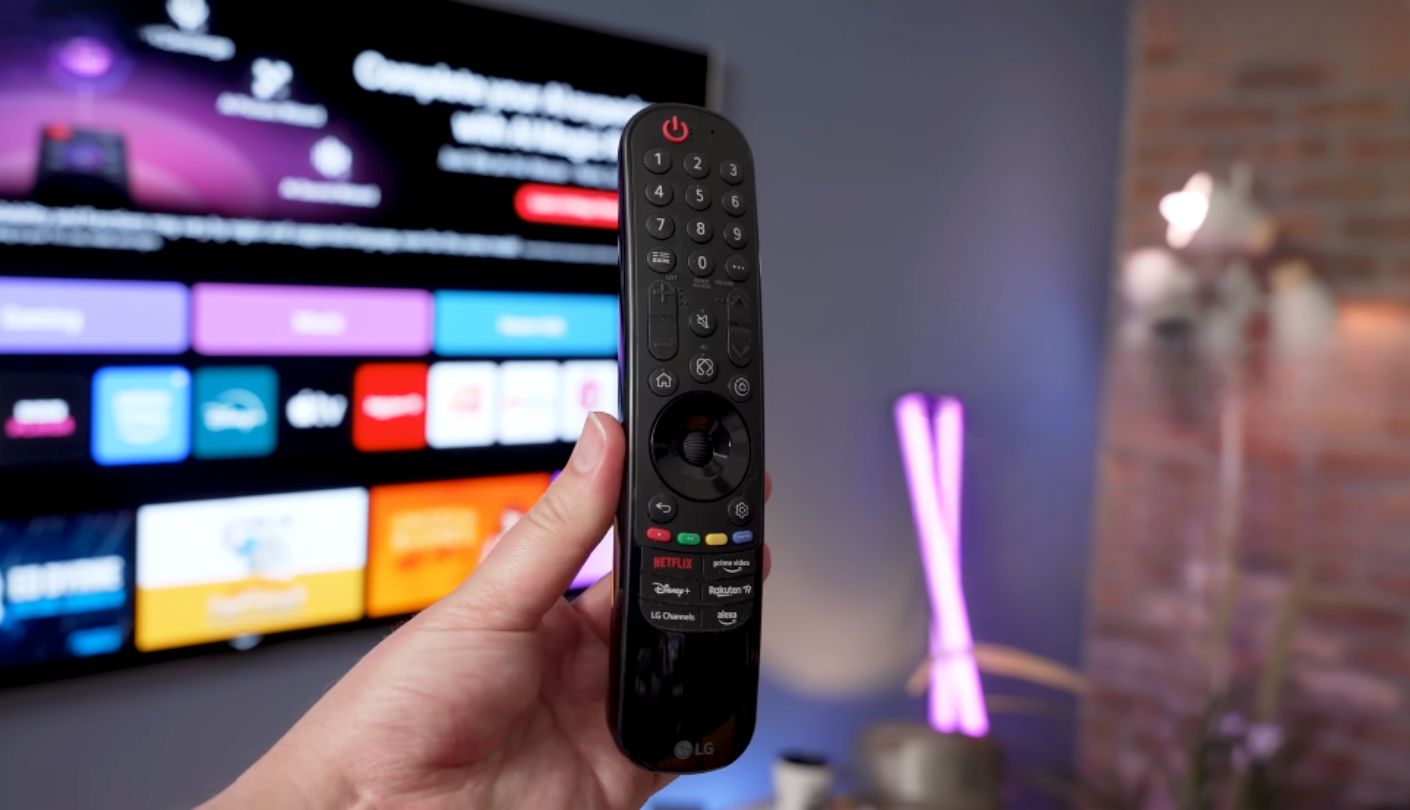
A soundbar synced its bass hit to the exact frame it landed on screen, and that's WOW Orchestra doing its job on the LG QNED85A, timing a compatible LG soundbar's output to the TV's own picture rather than letting the two drift apart the way most setups do. It's a small detail that only becomes obvious once it's gone on a different TV, and after living with it for a stretch, going back to an unsynced setup felt noticeably worse than I expected.
Like the Samsung sitting nearby on this list, the QNED85A's 55-inch configuration ships with an edge-lit backlight rather than the full-array Mini-LED found on this same series at larger screen sizes, something the retailer spec sheet confirms even though LG's own marketing leans hard on Mini-LED language across the board. Dynamic QNED Color still produces properly rich, independently verified color volume close to 100 percent of DCI-P3, a genuine strength even with the simpler backlight underneath it.
Filmmaker Mode automatically strips out motion smoothing and oversharpening the instant a compatible movie starts, and the α8 AI Processor Gen2 handles upscaling cleanly enough that older cable content looked noticeably sharper than the same source run through the Sony sitting next to it. webOS 25 runs the platform, and LG explicitly commits to multiple years of platform updates on this generation, longer than the update transparency most competitors here offer.
Built-in audio stays basic, just two down-firing channels with none of the subwoofer presence the Hisense or TCL include, making a soundbar considerably more of a near-requirement here than on those two competitors. The Magic Remote's pointer-based navigation draws mixed reactions, useful once learned but a fair adjustment for anyone used to a standard directional remote, and it took me a full evening of pointing and clicking before the motion started to feel natural rather than fiddly.
Color accuracy and processing quality carry this television more than raw contrast does, and for a household that already owns or plans to buy a compatible LG soundbar, the WOW Orchestra integration adds noticeable polish beyond what the spec sheet alone communicates. The basic built-in speakers and edge-lit backlight are worth weighing against that strength before deciding.
Pros:
- 100% Color Volume
- WOW Orchestra Sync
- Filmmaker Mode
- Full HDMI 2.1 Set
- Multi-Year Update Plan
Cons:
- Edge-Lit At This Size
- Basic Built-In Speakers
Summary: Color accuracy and a properly useful soundbar-sync feature carry this television past its simpler backlight, especially for anyone already inside LG's ecosystem. Basic built-in audio makes an external speaker feel closer to mandatory than optional here.
Sony BRAVIA 3 II (K-55XR30M2) Review
PS5 Specialist
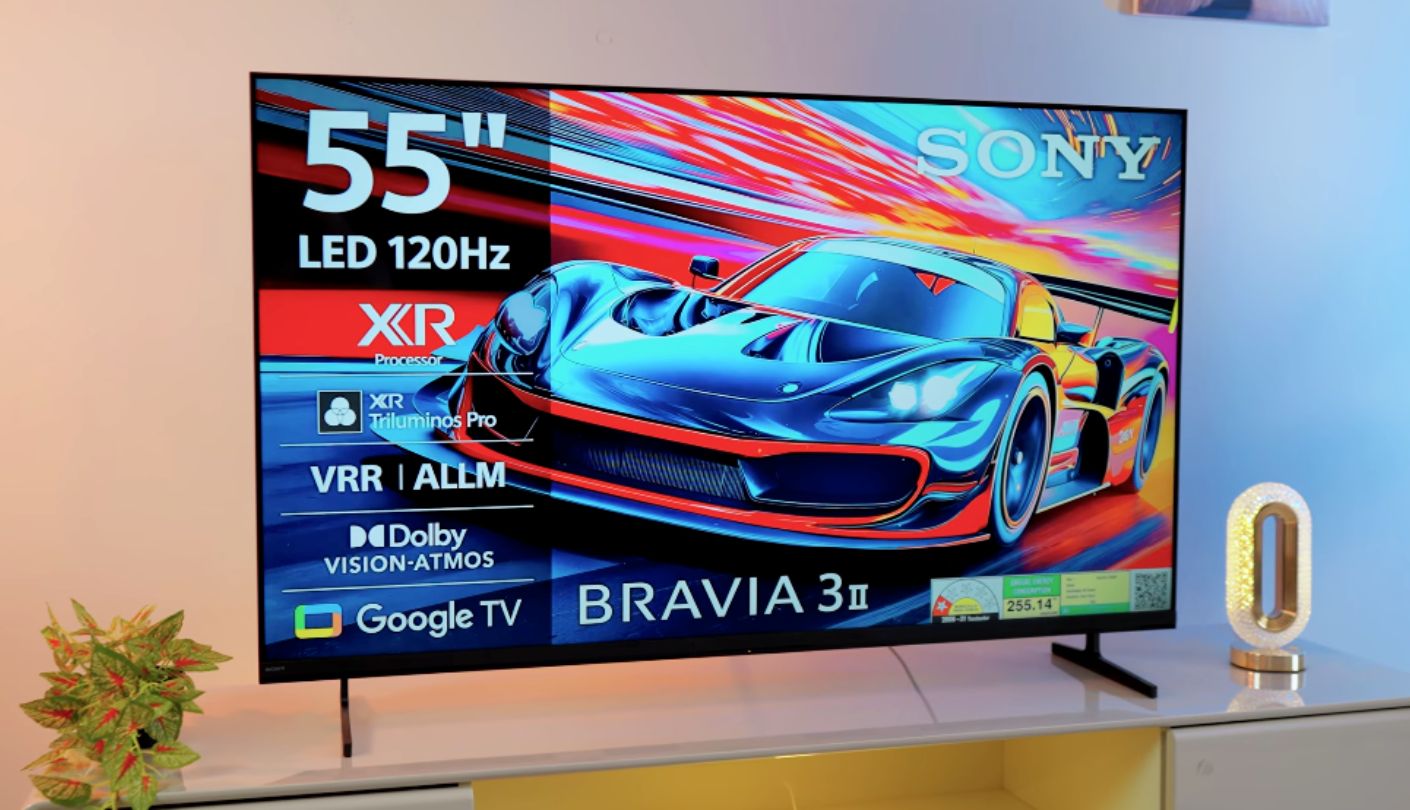
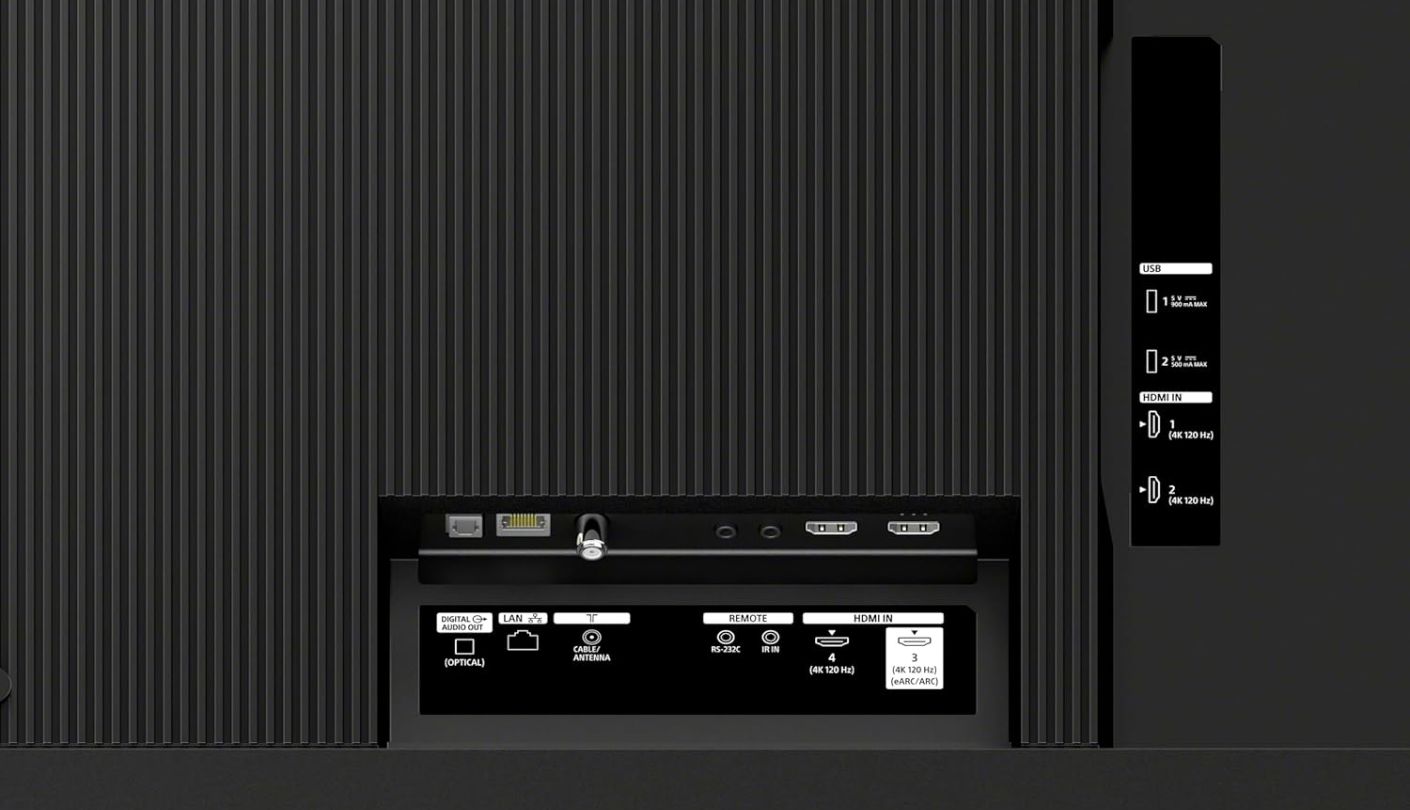
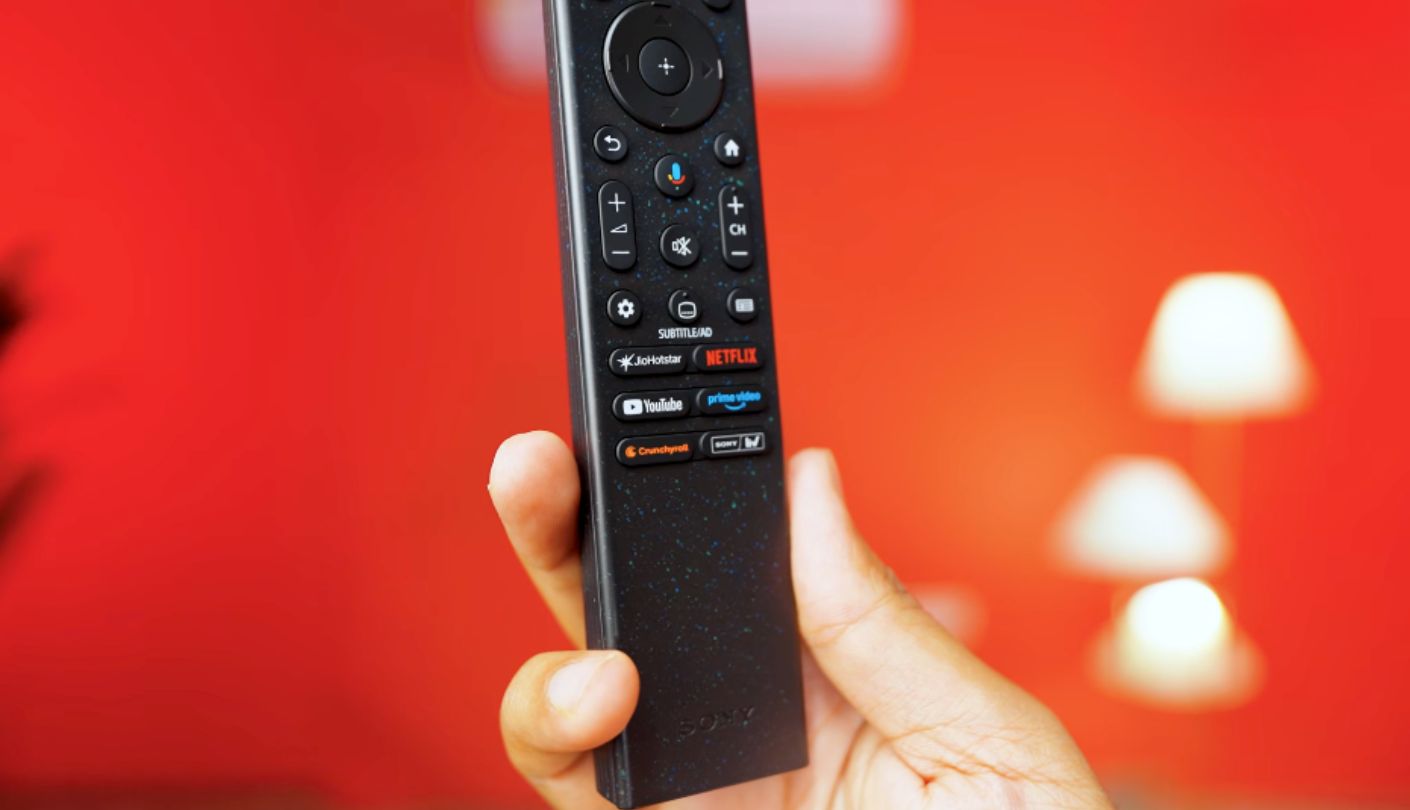
Asking Gemini to find something to watch based on a mood rather than a title sounds like a gimmick until it actually works, and on the Sony BRAVIA 3 II it mostly does, pulling up a reasonable shortlist from a vague request rather than forcing an exact show title. Google TV runs the platform underneath, and Gemini layers conversational search on top of the usual grid of streaming apps.
This is Sony's entry-level 2026 tier, and it's worth being direct about what that means: standard direct-lit LED backlighting rather than Mini-LED, a step below the Bravia 5 and 7 series that actually carry that technology. The XR Processor still does tangible work on color and upscaling, and XR Triluminos Pro pushed noticeably richer reds and greens than the flat, slightly washed tone I saw on cheaper LED panels without similar processing behind them.
PS5 owners get the clearest advantage here, with automatic Game Mode switching, Auto HDR Tone Mapping calibrated specifically for Sony's own console, and Auto Genre Picture Mode adjusting settings based on what's actually running. Dolby Vision and Dolby Atmos both make the spec sheet despite the simpler backlight, and Sony Pictures Core throws in a handful of movie credits plus an IMAX Enhanced library at no extra cost, a welcome bonus for anyone who hasn't already built out a streaming library elsewhere.
Without Mini-LED zone control behind it, contrast in dark scenes falls noticeably behind every other TV on this list except the edge-lit Samsung and LG, and blacks read more gray than black once a bright object shares the frame. X-Balanced speakers handle dialogue reasonably but offer nothing close to the low-end presence of the Hisense or TCL setups, and I found myself reaching for headphones during quieter dialogue scenes just to catch every line clearly.
Sony's actual pitch here is software polish and console-specific tuning rather than raw contrast, and for a PlayStation-focused household already inside Sony's ecosystem, that combination carries genuine weight. Anyone chasing the deepest blacks on this list should look toward the Mini-LED sets instead.
Pros:
- XR Processor Upscaling
- PS5 Auto Game Mode
- Gemini Voice Search
- IMAX Enhanced Access
- Dolby Vision Atmos
Cons:
- Standard LED Backlight
- Weak Dark Contrast
Summary: PS5-specific tuning and Gemini's conversational search make this the easiest television on the list to actually use day to day, even without Mini-LED contrast behind the glass. Households without a PlayStation console in the mix will likely get more picture quality per dollar elsewhere on this list, since the backlight gap is the one tradeoff no amount of software polish can fully make up for.
55-Inch TVs Under $1,000: FAQ
Are all five of these TVs actually Mini-LED?
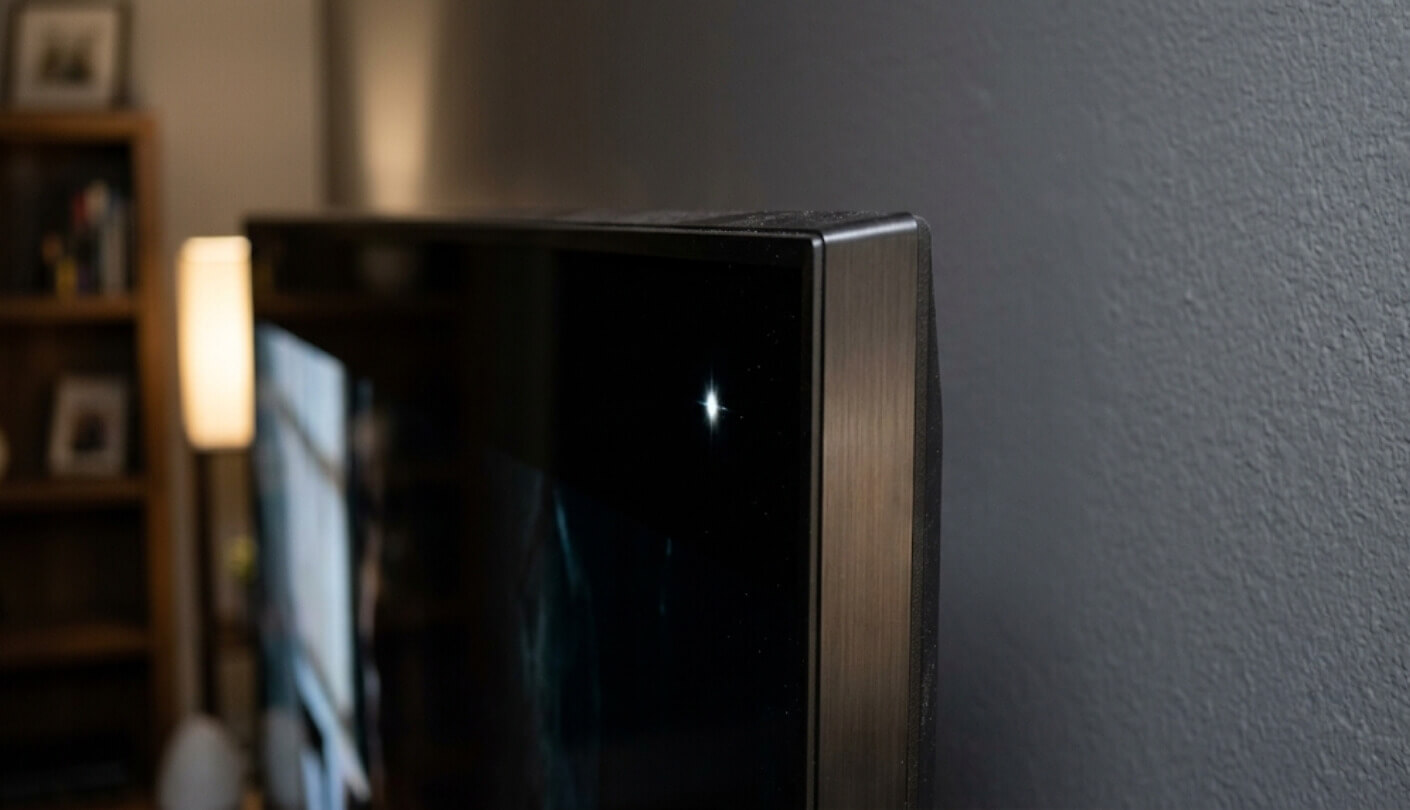
No, and that gap is one of the most important findings in this comparison. Only the Hisense 55U8QG and TCL 55QM6K use genuine full-array Mini-LED backlighting at 55 inches, while the Samsung and LG ship an edge-lit backlight at this specific size despite marketing language that leans on Mini-LED terminology, and the Sony uses standard direct-lit LED without any Mini-LED claim at all, making it the most straightforward of the five about what's actually inside.
Does edge-lit backlighting mean a TV is automatically bad?
Not necessarily. The Samsung QN70F's VA panel still produces strong native contrast even with a simpler backlight, and plenty of shoppers in a moderately lit room will be perfectly happy with the results. The gap matters most in a dark room with high-contrast content, where true local dimming controls bright highlights against black far more precisely than global dimming can, since the entire screen dims together rather than isolating just the darker regions of a frame.
Which of these TVs sounds best without adding a soundbar?
The Hisense 55U8QG and TCL 55QM6K, both by a clear margin, thanks to real onboard subwoofers and multi-channel speaker arrays that the Samsung, LG, and Sony don't match. Anyone planning to add a soundbar regardless can safely ignore this factor, but anyone hoping to skip that purchase should prioritize one of these two.
Is the 144Hz refresh rate on the Samsung actually usable for console gaming?
Not at its full figure. The 144Hz number applies specifically to a PC connection with compatible hardware, while console gaming through HDMI tops out at a lower ceiling. Checking the VRR-over-HDMI spec specifically, rather than the headline refresh number, gives a more accurate picture of what a PS5 or Xbox will actually see.
Which TV should I choose for a PlayStation 5 setup?
The Sony BRAVIA 3 II, thanks to automatic Game Mode switching and Auto HDR Tone Mapping built specifically around PS5 hardware. The Hisense 55U8QG remains a strong alternative for anyone who values Mini-LED contrast more than console-specific software polish, since its VRR and refresh rate numbers hold up well for console gaming too, and the difference between the two often comes down to whether contrast or convenience matters more in daily use.
Does LG's software update commitment actually matter for a TV purchase?
It matters more than most shoppers consider upfront. A smart platform that stops receiving updates leaves apps aging out and occasionally breaks features over time, and LG's explicit multi-year commitment on the QNED85A offers more certainty here than competitors that don't publish a clear update timeline.
Which of these TVs has the widest HDR format support?
The Hisense 55U8QG and TCL 55QM6K both cover Dolby Vision IQ, HDR10+, HDR10, and HLG, the fullest spread on this list. The Samsung and LG stick to HDR10 and HLG only, and the Sony covers standard Dolby Vision and HLG without the IQ ambient-adjusting variant or HDR10+ support, a middle-ground format list that still handles most streaming content well despite missing the two more advanced options.
Is it worth paying more for a TV with true Mini-LED over an edge-lit model?
For a dedicated dark-room movie setup, yes, since the contrast difference is genuinely visible on high-contrast scenes. For a bright living room where the TV competes with daylight most of the day, an edge-lit set like the Samsung or LG performs closely enough that the gap matters less, and the money saved might be better spent on a soundbar instead.
Reading Past the Mini-LED Label
The single most useful thing this comparison turned up wasn't a winner so much as a warning: the word "Mini-LED" on a 55-inch box doesn't guarantee the same hardware that name carries on a 65-inch or 75-inch version of the same TV. Two of these five quietly shipped an edge-lit backlight at this size while leaning on branding that implies otherwise, and that single fact changed how I'd recommend each one far more than any spec printed in bold on the box, a reminder that the size printed on the model number matters just as much as the model name itself.
Once that gap is accounted for, the choice comes down to what actually matters in your room. A dark home theater setup rewards the genuine Mini-LED contrast on the Hisense or TCL, a PlayStation-centered living room gets tangible, specific value from the Sony's console tuning, and anyone already inside LG's or Samsung's ecosystem may find the software and content perks worth the simpler backlight underneath. What matters most is walking into this purchase already knowing which of those tradeoffs you're making, rather than discovering it after the box is already unpacked.

Meet James, our go-to tech guru and seasoned reviewer. His sharp attention to detail and love for gadgets drive his deep dives into the newest tech waves. James's insightful analysis and real zest for breakthroughs have earned him a solid reputation in the tech world.


