SpaceX stops building Crew Dragons — five capsules to cover NASA for a decade

SpaceX has officially stopped building new Crew Dragon capsules and will fly its current fleet of five indefinitely. NASA formally awarded the company six additional crew missions in May 2026, explicitly citing Boeing's "technical issues and schedule delays" — the clearest public admission yet that Crew Dragon has no real competitor for ISS access. The consequence is simple: five capsules now carry the entire weight of US human spaceflight through the station's planned deorbit in 2030.
The fleet math
Each capsule was originally certified for five missions. SpaceX and NASA are now working to stretch that rating to 15 missions per vehicle — a threefold increase that would keep the existing fleet operational for years without building a single new hull. The next proof of the strategy comes on September 12, 2026, when Crew-13 launches aboard the capsule Grace on its second flight. Grace previously flew on the Axiom-4 commercial mission in mid-2025.
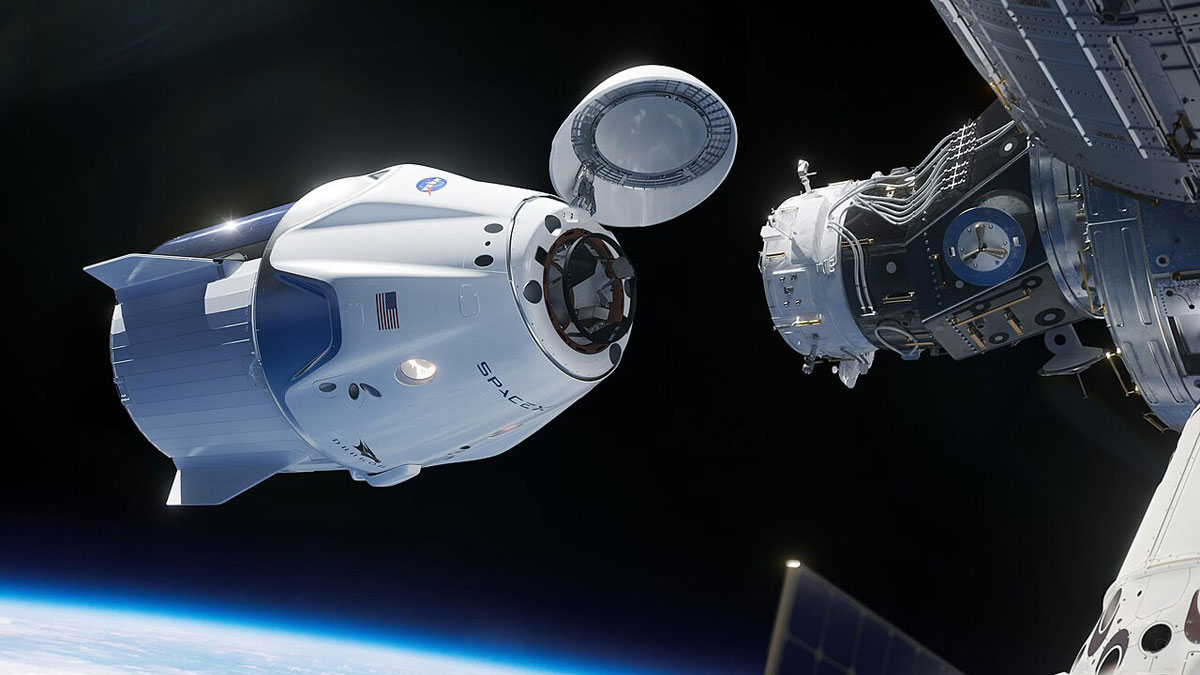
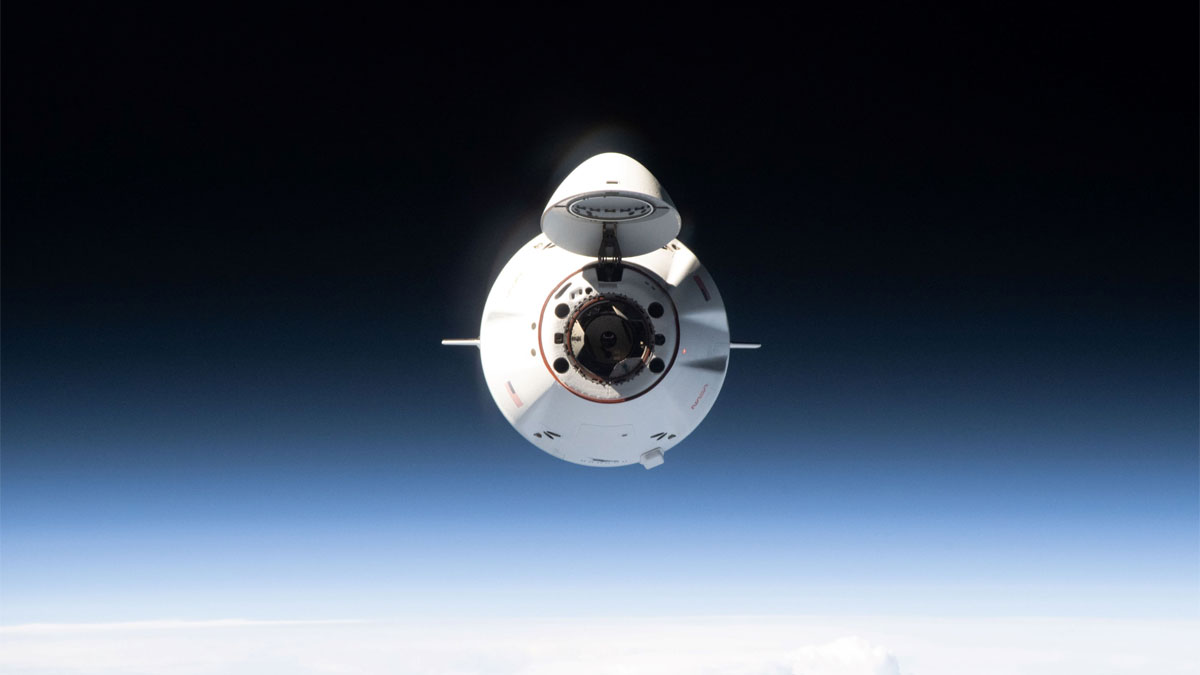
The capsules aren't going anywhere fast. SpaceX has been clear that Starship — its next-generation vehicle — will run in parallel with Dragon for an extended transition period, not replace it overnight. Starship requires its own ground infrastructure, and commercial station operators like Axiom Space are still engineering around its much larger dimensions. Dragon is the known quantity, and that matters when the ISS schedule has no slack left.
Boeing's absence locks in the monopoly
Starliner won't carry crew before 2027 at the earliest, according to a NASA Inspector General report cited by Eastern Herald (July 3, 2026). That's six years behind schedule, and the certification target is described as a "projection, not a commitment." Even if Boeing gets there, only three to five operational windows remain before ISS deorbit — barely enough to matter. TechTimes (July 30, 2026) reports that a cargo-only Starliner return, once expected in 2026, has slipped further into uncertainty.
A crowded manifest
The demand pressure on Dragon isn't coming from NASA alone. Axiom Space, Vast, and Voyager Technologies have all booked missions. ESA is seeking dedicated slots for European astronauts. Commercial station operators are planning bundled access — transport plus orbital accommodation — and for now, every one of those deals runs through SpaceX. The five-capsule fleet has become the backbone of an entire industry that has no backup plan.
Whether this concentration of risk bothers anyone officially is another matter. No contingency strategy for losing one of the five capsules has been publicly outlined.


