The US government just published 162 declassified UFO files — here's what's in them

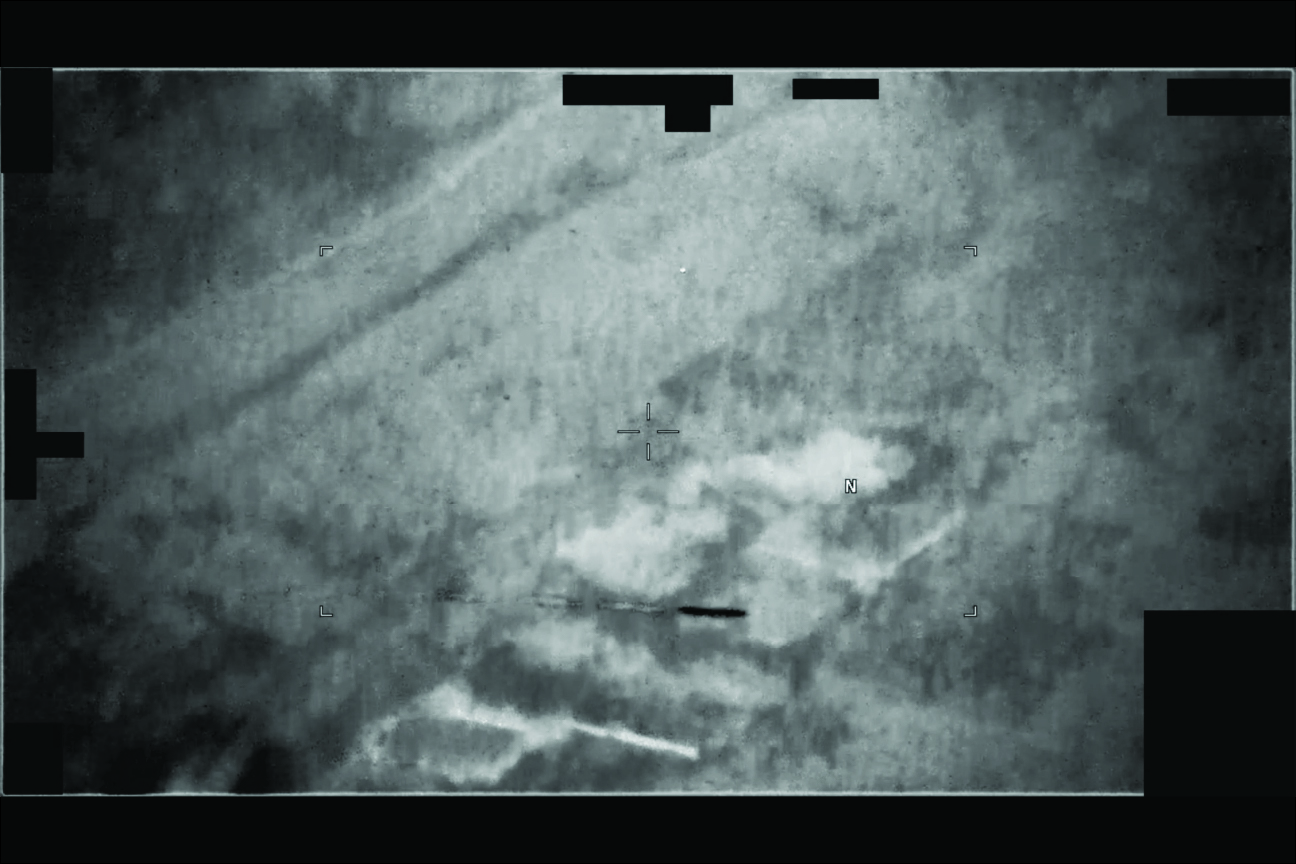
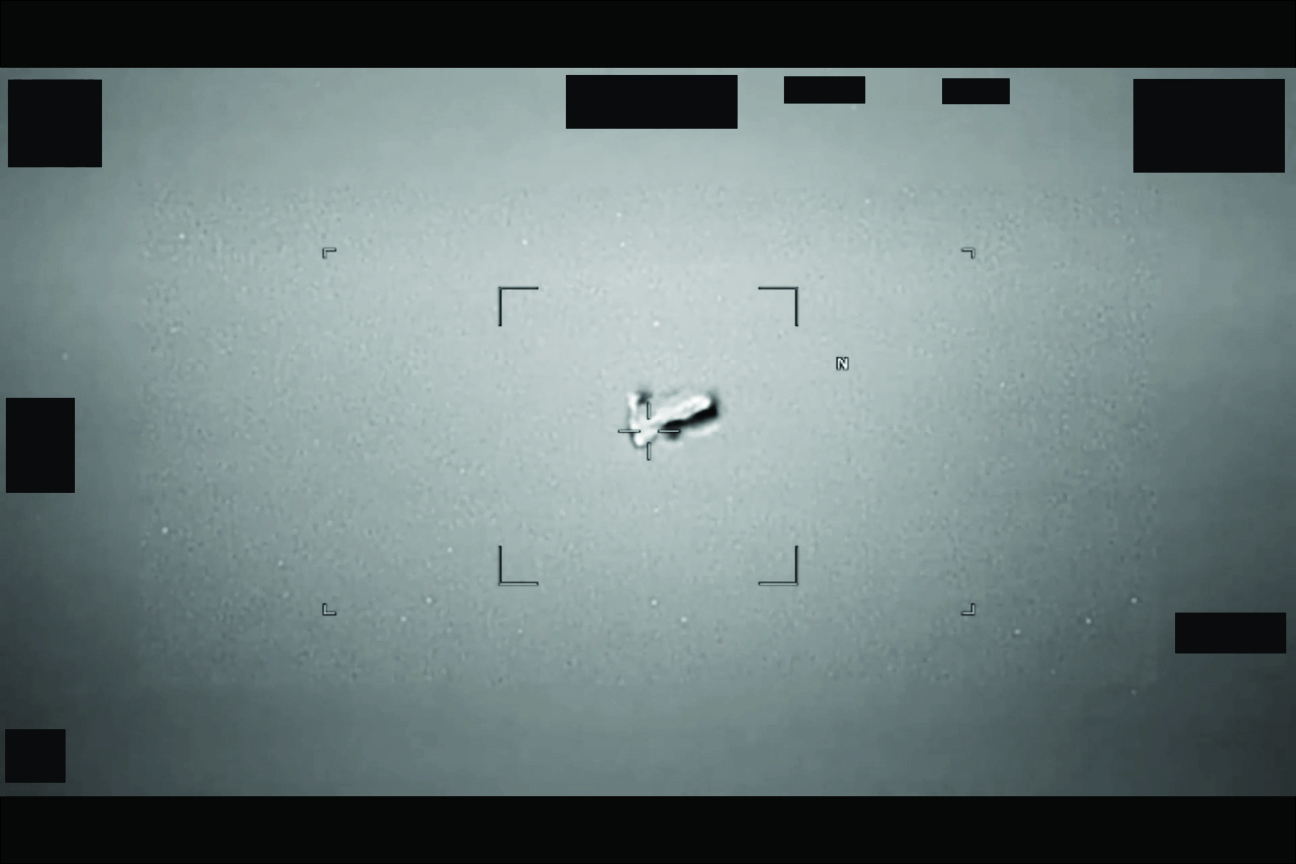
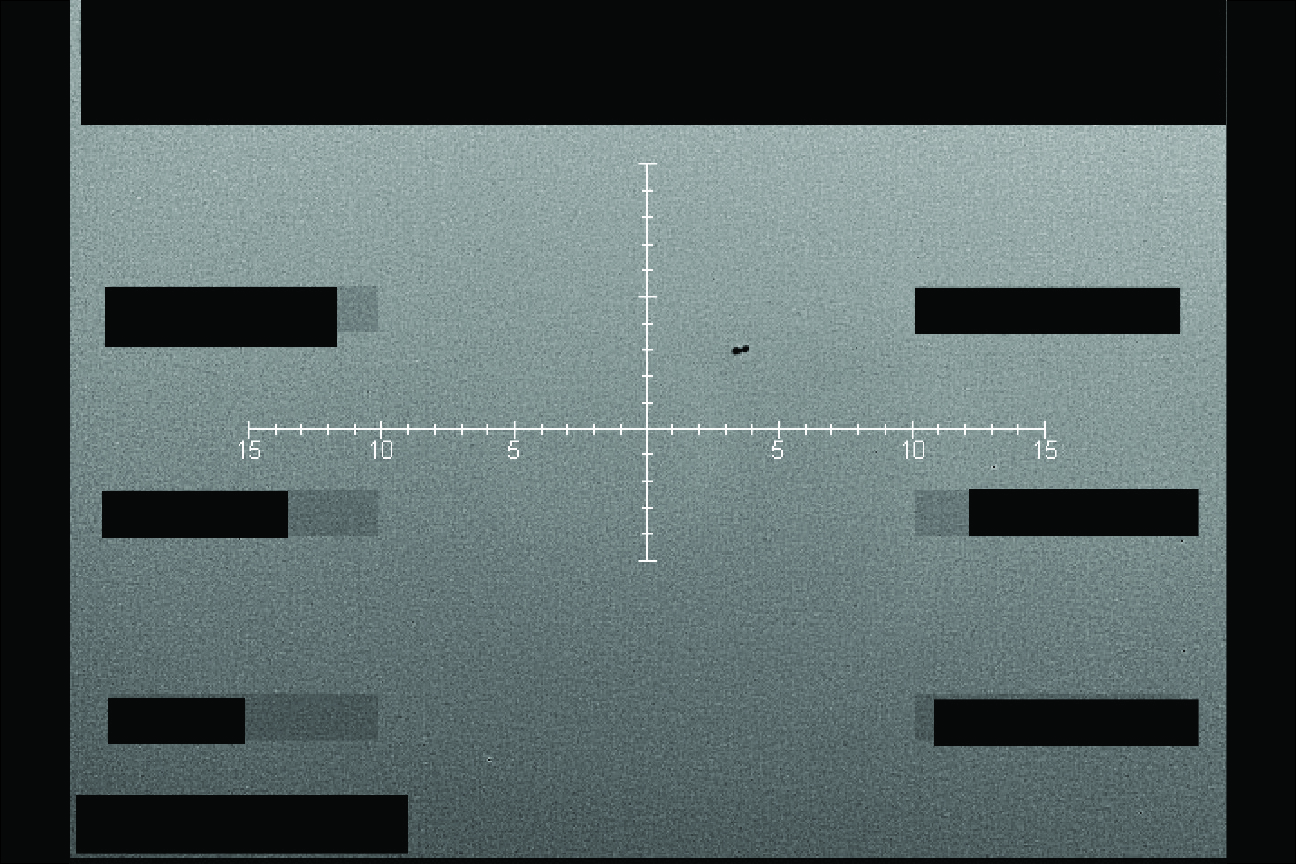
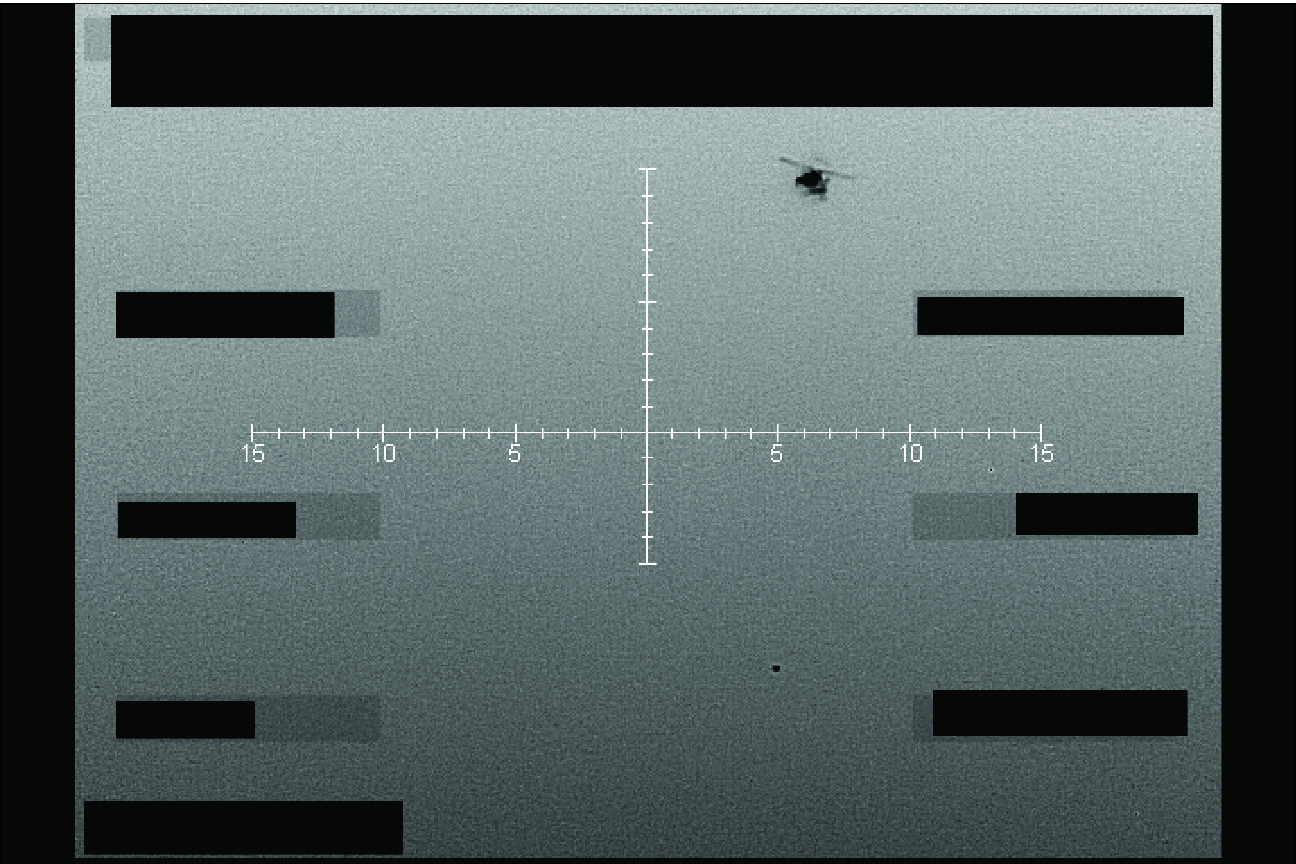
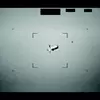
The Trump administration released 162 declassified UAP (unidentified anomalous phenomena) files on May 8, 2026, making them publicly available through the Department of War PURSUE portal. PURSUE stands for Presidential Unsealing and Reporting System for UAP Encounters. The first batch includes 120 PDFs, 28 videos, and 14 images drawn from FBI, NASA, and Pentagon archives — decades of witness accounts, photographs, and radar data that were previously locked away.
What PURSUE actually is
The release follows a directive Trump posted on Truth Social in February 2026, instructing agencies to open their UAP files to the public. The program is coordinated by AARO — the All-domain Anomaly Resolution Office, set up in July 2022 — which now operates as the clearinghouse for declassified material. New tranches are scheduled every few weeks, modeled loosely on the DOJ's rolling Epstein Files release. Pentagon officials confirmed the rollout will continue, though the total volume of records still under review runs into the tens of millions.
Congressional pressure helped drive the effort. Republican members Tim Burchett and Anna Paulina Luna — the latter chairs a House Oversight UAP Task Force — had publicly pushed for disclosure for months, arguing prior administrations had actively discredited people who reported sightings.
What 'unresolved' actually means
The 162 files focus specifically on cases where investigators reached no definitive conclusion — not weather balloons, not drones, not misidentified aircraft. These are incidents where the observed behavior or technical characteristics fell outside anything in the known inventory of human technology.
That said, 108 of the 162 files still carry redactions. The Pentagon cites witness protection and facility security as the reasons. Defense Secretary Pete Hegseth framed the release as "unprecedented transparency," though critics note that the classification authority over military sensor platforms and detection methods remains firmly intact. In other words, the public gets the sightings — not the tools used to track them.
The Apollo angle has drawn particular attention: reports from the Apollo 12 and Apollo 17 lunar missions are included in this first batch, per NBC.
What comes next
This is explicitly a first tranche. The rolling disclosure model means more files will surface over the coming months, though there is no public timeline for when — or whether — the full archive will be cleared. The PURSUE portal requires no security clearance to access, so anyone can read the documents directly. Whether the most significant material ever makes it out of a classified vault is a separate question entirely.


